Gas Fireplace Venting Requirements
Everything you need to know about vent types, clearances, and installation rules for a safe and efficient gas fireplace.
START LEARNINGWhy Venting Matters: Proper venting is not just a building code requirement—it is critical for your safety, indoor air quality, and the efficiency of your gas fireplace. Understanding these requirements before you buy or install will save you time, money, and potential hazards.
Understanding Gas Fireplace Venting
Gas fireplaces produce combustion byproducts, including carbon monoxide, nitrogen dioxide, and water vapor. A properly designed venting system safely expels these byproducts outdoors while drawing in combustion air. The venting method you choose depends on the type of gas fireplace you own: direct vent, natural vent (B-vent), or ventless. Each has distinct requirements and installation rules.
Before installing any gas appliance, you must check local building codes and manufacturer instructions. This guide covers the general principles that apply across most jurisdictions, but always confirm with a licensed professional. For a broader overview of installation, see our gas fireplace installation requirements guide.
Types of Gas Fireplace Venting Systems
There are three primary venting configurations for gas fireplaces. Each has unique characteristics, pros, and installation constraints.
1. Direct Vent (Sealed Combustion)
Direct vent fireplaces are the most common for modern homes. They use a coaxial pipe (pipe-within-a-pipe) to draw outside air for combustion and exhaust gases simultaneously. Because the combustion chamber is sealed, indoor air quality is not affected. These units are highly efficient and can be installed in almost any room, including bedrooms and bathrooms. They are ideal for direct vent gas fireplace inserts and propane wall fireplaces.
Direct vent systems require a horizontal or vertical termination cap that must be placed at a specific distance from windows, doors, and other openings. Clearances are typically specified in the manufacturer's manual.
2. Natural Vent (B-Vent)
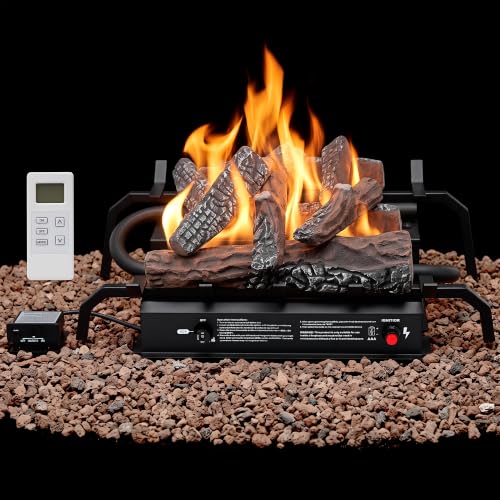
Natural vent fireplaces, also known as B-vent, rely on the natural buoyancy of hot gases to rise through a vertical chimney. They draw combustion air from the room, which means they require a dedicated source of makeup air. These are less efficient than direct vent models and are often found in older homes. B-vent systems are suitable for gas log sets and some freestanding gas fireplaces.
B-vent chimneys must terminate above the roofline, following the 2-10-3 rule (at least 2 feet higher than any part of the roof within 10 feet, and at least 3 feet above the roof surface).
3. Ventless (Unvented) Fireplaces
Ventless fireplaces do not require any external venting. They burn gas at nearly 100% efficiency, but they release combustion byproducts directly into the room. Because of this, they are subject to strict regulations. Many states and municipalities prohibit ventless fireplaces in bedrooms and bathrooms. They also require regular maintenance and should never be used in small, tightly sealed rooms. For more on this, see our article on ventless gas fireplace inserts.
Key Venting Requirements and Clearances
Regardless of the vent type, several universal requirements apply to gas fireplace installations. These are designed to prevent fire hazards, carbon monoxide buildup, and structural damage.
Termination Clearances
The vent termination (the point where exhaust exits the building) must maintain specific distances from adjacent structures and openings. Common clearance requirements include:
- Windows and doors: Minimum 12 inches (some manufacturers require more).
- Corners and inside corners: Minimum 6 to 12 inches, depending on the model.
- Grade level: At least 12 inches above ground or expected snow line.
- Balconies and decks: Minimum 12 inches above or below, and 12 inches horizontally from the edge.
- Mechanical air intakes: Minimum 3 feet (some codes require 10 feet).
- Gas meters and regulators: Minimum 3 feet.
Always consult the specific manufacturer's installation manual for exact figures, as they can vary. For a detailed checklist, see our fireplace ventilation requirements page.
Vertical vs. Horizontal Venting
Direct vent fireplaces can be vented either vertically (through the roof) or horizontally (through a side wall). Horizontal venting is often easier and less expensive, but it may require a horizontal direct vent gas fireplace kit. Vertical venting is preferred in areas with heavy snow or where horizontal clearances are impossible. The maximum horizontal run is typically limited by the manufacturer (often 20 to 40 feet with elbows).
Venting for Gas Log Sets
Gas log sets installed in an existing wood-burning fireplace must adhere to venting requirements for gas logs. The chimney damper must be permanently fixed open or removed to ensure proper draft. Some jurisdictions require a chimney liner. If you are converting a wood-burning fireplace, our guide on converting a wood-burning fireplace to gas logs is essential reading.
Venting for Inserts and Freestanding Units
Gas inserts are designed to fit into existing fireplaces and typically use a direct vent system. They require a dedicated vent pipe that runs up the existing chimney or horizontally through the wall. Freestanding gas fireplaces, such as freestanding outdoor gas fireplaces, follow similar rules but are often vented vertically. For indoor freestanding units, see vented freestanding gas fireplaces.
Common Venting Mistakes to Avoid
Improper venting can lead to serious safety hazards. Here are the most common mistakes:
- Ignoring local codes: Always pull a permit and schedule an inspection. Requirements vary by state and county.
- Using the wrong vent pipe: B-vent pipe cannot be used for direct vent appliances, and vice versa. Always use the manufacturer-approved venting components.
- Insufficient clearance to combustibles: The vent pipe itself can get very hot. Maintain the required clearance (often 1 to 3 inches) from framing, insulation, and siding.
- Blocked or restricted termination: Do not place plants, fences, or other obstructions near the vent cap. This can cause downdraft and carbon monoxide buildup.
- Improper slope: Horizontal vent runs must slope slightly downward toward the termination to prevent water from entering the fireplace.
If you notice any issues after installation, such as smells like gas or signs of carbon monoxide, turn off the appliance and call a professional immediately.
Maintaining Your Venting System
Regular maintenance ensures your venting system remains safe and efficient. Schedule an annual inspection by a qualified technician. They will check for blockages, corrosion, proper clearances, and secure connections. For gas fireplaces, also clean the glass and burner periodically. Our gas fireplace maintenance guide provides a step-by-step routine.
If you experience gas fireplace troubleshooting issues like weak flame or pilot problems, venting could be the culprit. A blocked vent can cause the pilot to go out or the flame to burn improperly.
Frequently Asked Questions
Can I vent a gas fireplace through an existing chimney?
Yes, but you may need a chimney liner. Direct vent inserts often use a flexible liner that runs the length of the chimney. This is a common installation for gas fireplace inserts for wood-burning fireplaces.
Do ventless gas fireplaces require any venting?
No, they do not require external venting, but they do require a source of fresh air and strict adherence to room size and usage restrictions. Check local codes before installing.
How far can a direct vent run horizontally?
Maximum horizontal run varies by model, typically 20 to 40 feet. Each 90-degree elbow reduces the maximum allowable run. Always refer to the manufacturer's manual.
Can I install a gas fireplace myself?
Gas appliance installation should be performed by a licensed professional. Improper installation can void your warranty and create serious safety risks. For more, see DIY vs professional installation.
Ready to Choose? Now that you understand venting requirements, you can confidently select the right gas fireplace for your home. Remember to consult a certified installer and check local codes. For more guidance, explore our fireplace buying guide or browse our recommended products below.