
Stucco Fireplace: Complete Design Guide
Transform your fireplace with beautiful stucco finishes. Learn about textures, colors, investment tiers, and installation techniques for lasting beauty.
EXPLORE SURROUND IDEASWhy Choose Stucco? Stucco fireplaces offer timeless elegance with exceptional durability. This comprehensive guide covers everything from material selection and design options to installation and maintenance, helping you create a stunning focal point that enhances your home's value and character.
What is a Stucco Fireplace?
A stucco fireplace features a plaster-based finish applied over the fireplace surround and sometimes extended to the hearth area. Unlike brick or stone, stucco creates a smooth or textured surface that can be customized with virtually any color. This versatile finish has been used for centuries and remains popular in both traditional and modern home designs.
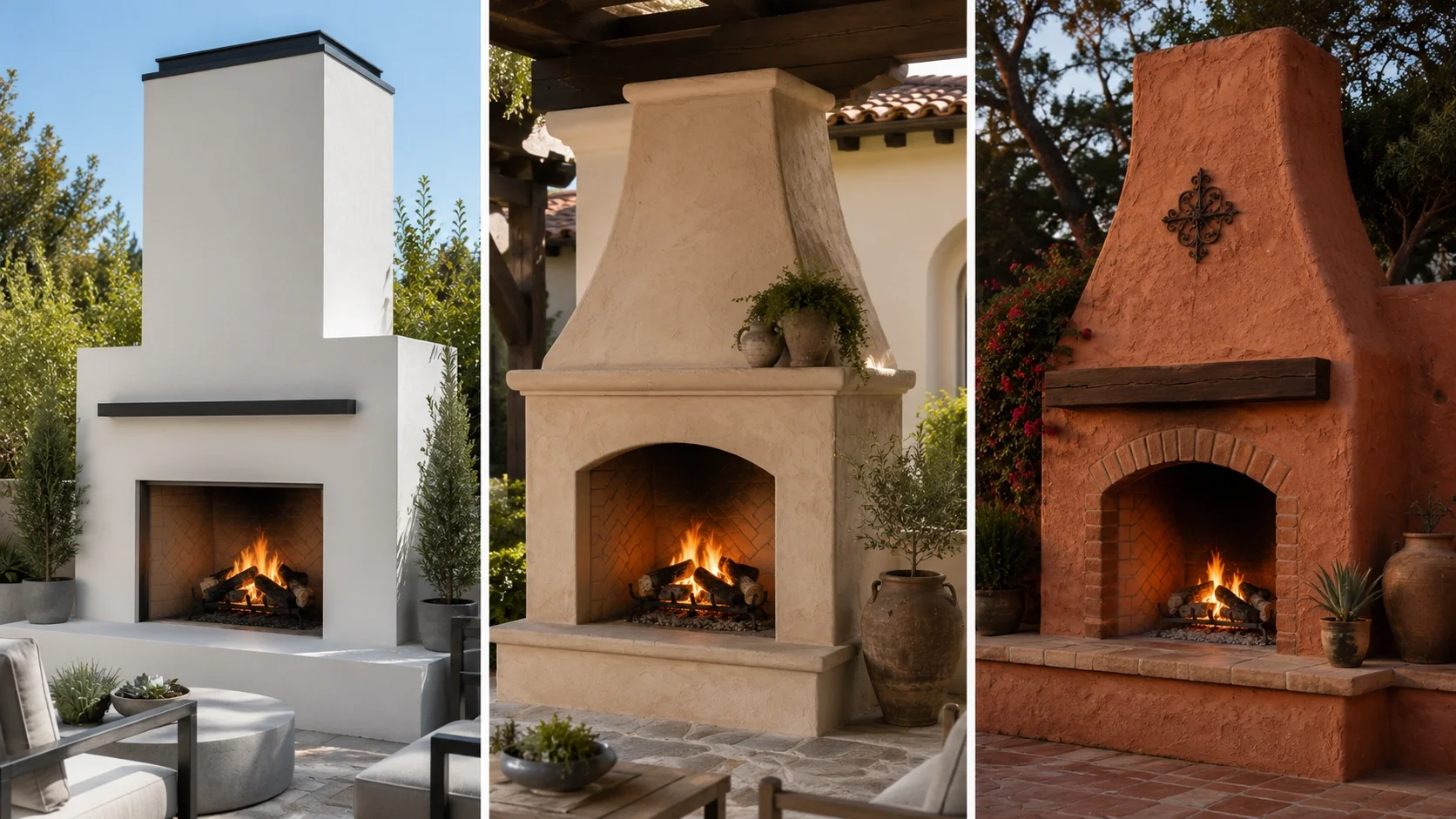
The term "stucco" refers to the application method and material composition—typically a mixture of cement, sand, lime, and water. When properly applied and sealed, stucco creates a hard, fire-resistant surface that withstands high temperatures while providing excellent insulation properties.
Types of Stucco Finishes
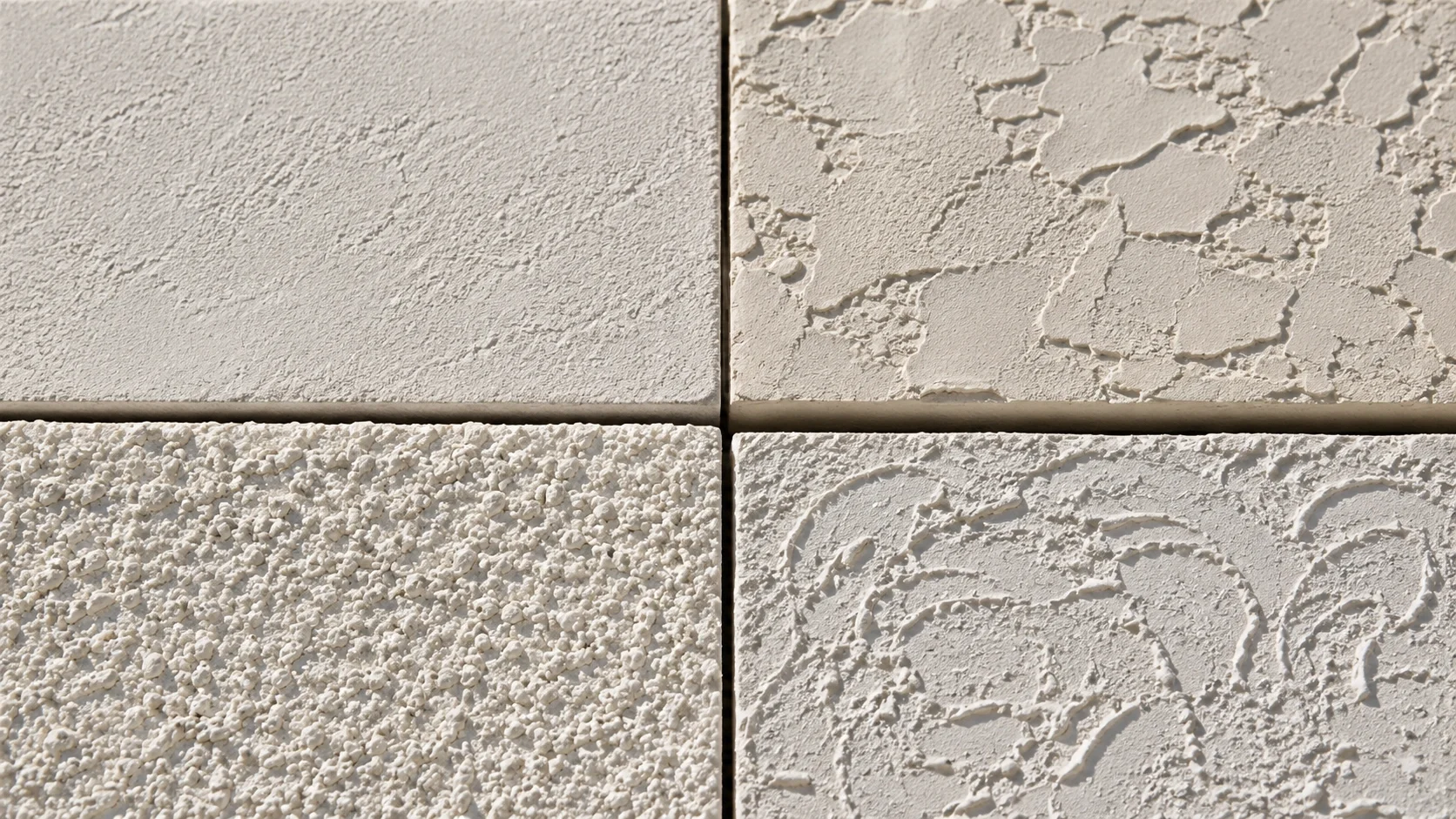
Stucco offers various texture options that dramatically impact the final appearance of your fireplace:
Smooth Finish (Santa Barbara)
- Sleek, refined appearance
- Easy to clean
- Modern aesthetic
- Entry-level to Mid-range
Skip Trowel Texture
- Subtle horizontal lines
- Classic Mediterranean style
- Hides minor imperfections
- Mid-range
Spray Texture
- Uniform appearance
- Modern look
- Quick application
- Entry-level to Mid-range
Skip Float (Dash)
- Heavy texture
- Rustic charm
- Hides wall imperfections
- Mid-range
Lace Texture
- Elegant, ornate pattern
- Victorian era style
- Decorative appeal
- Mid-range to Premium
Santa Fe Texture
- Southwest style
- Heavy, layered look
- Artistic appearance
- Mid-range
Benefits of Stucco Fireplaces
Stucco fireplaces offer numerous advantages that make them a preferred choice for homeowners:
- Customizable Aesthetics: Stucco can be tinted to match any color scheme, allowing seamless integration with your room's design.
- Exceptional Durability: Properly applied stucco lasts 50-80 years without significant deterioration.
- Fire Resistance: Cement-based stucco is naturally fire-resistant, making it ideal for fireplace applications.
- Moisture Resistance: When properly sealed, stucco resists moisture damage better than many materials.
- Low Maintenance: Unlike brick, stucco doesn't require mortar joint maintenance.
- Cost-Effective: Often falls into a lower investment tier than natural stone while providing similar aesthetic appeal.
- Insulation Value: Stucco adds thermal mass that helps regulate room temperature.
- Repair-Friendly: Damaged areas can be patched seamlessly without replacing entire sections.
Design Considerations
Successful stucco fireplace design requires careful planning in several areas:
Color Selection
The beauty of stucco lies in its color versatility. For modern fireplaces, consider neutral tones like warm white, light gray, or soft beige. Traditional spaces often benefit from warmer tones like terra cotta, cream, or muted earth tones. Always test color samples on your actual wall before full application, as lighting significantly affects appearance.
Texture and Style Compatibility
Your stucco texture should complement your home's architectural style. Smooth finishes work well in contemporary spaces, while textured options suit rustic and Mediterranean designs. Consider how the texture interacts with other materials in the room—smooth stucco pairs beautifully with marble, while heavy textures complement natural stone.
Integration with Other Materials
Stucco combines effectively with various materials for unique designs:
- Mantels - Wood or stone mantels contrast beautifully with stucco
- Hearth extensions - Create continuity from surround to floor
- Tile accents - Add decorative borders or patterns within stucco areas
- Mirrors - Reflect light and enhance stucco textures

Stucco vs. Other Materials
Understanding how stucco compares helps you make informed decisions:
| Feature | Stucco | Brick | Natural Stone |
|---|---|---|---|
| Investment Tier | Entry-level to Mid-range | Mid-range | Mid-range to Premium |
| Customization | Excellent | Limited | Limited |
| Durability | 50-80 years | 100+ years | 50-100 years |
| Maintenance | Low | Medium | High |
| Fire Resistance | Excellent | Excellent | Good |
| Moisture Issues | Low (if sealed) | High | Variable |
| Aesthetic Range | Unlimited | Moderate | Natural |
For more material comparisons, visit our fireplace surrounds guide.
Investment Tier Breakdown
Stucco fireplace investment tiers vary based on texture complexity, project size, and location:
Material and Labor Investment Tiers
Complete Project Tiers
- Small Accent Area: Entry-level
- Standard Surround Only: Entry-level to Mid-range
- Full Surround + Hearth: Mid-range
- Complex Custom Design: Mid-range to Premium
For detailed tier information, see our fireplace investment breakdown guide.
Installation Process
Proper installation is critical for longevity and performance. While DIY stucco projects are possible for experienced homeowners, professional installation ensures optimal results.
Surface Preparation
The existing surface must be clean, dry, and structurally sound. Remove any loose material, repair cracks, and apply appropriate bonding agent. This step is crucial—poor preparation is the primary cause of stucco failure.
Lath Installation
Apply metal lath over the prepared surface, creating a mechanical bond for the stucco. This provides the structure that holds the stucco in place and prevents cracking.
Scratch Coat
Apply the base coat (scratch coat) of stucco, roughly 3/8 inch thick. This layer creates the bond with the lath and provides the foundation for the finish coat.
Brown Coat
Apply the intermediate coat, built up in two passes to the desired thickness (typically 3/4 inch total). This layer creates the texture profile.
Finish Coat
Apply the final thin coat (1/8 inch), creating the smooth or textured finish. This layer determines the final appearance.
Curing and Sealing
Allow proper curing time (7-10 days minimum), then apply high-quality penetrating sealer to protect against moisture staining.
Professional Recommendation
While DIY can offer significant savings, stucco application requires specific skills and experience. Improper mixing, application, or curing can lead to premature failure. For DIY vs professional installation considerations, factor in the risk of costly repairs if mistakes occur.
Maintenance Requirements
One of stucco's greatest advantages is its low maintenance nature when properly sealed:
Regular Maintenance
- Wipe down with damp cloth to remove dust
- Inspect annually for cracks or damage
- Touch up paint if needed
- Reapply sealer every 3-5 years
Crack Repair
Small hairline cracks are normal and don't indicate structural problems. For larger cracks (wider than 1/16 inch), consult a professional. Repair involves widening the crack, applying bonding agent, and filling with matching stucco. For major issues, see our fireplace troubleshooting guide.
Resealing Schedule
Reapply penetrating sealer every 3-5 years, or annually in high-moisture areas. Proper sealing prevents water infiltration that can cause damage during freeze-thaw cycles.
Moisture Warning
Unsealed stucco absorbs water, which can freeze and cause spalling (surface flaking). If you notice white mineral deposits or peeling, immediate sealing is required to prevent further damage.
Common Problems and Solutions
Even well-installed stucco may encounter issues over time:
Cracking
Most cracks are cosmetic and don't affect structural integrity. Causes include normal settling, thermal expansion, and foundation movement. Monitor cracks—if they grow or change direction, professional assessment is needed.
Efflorescence
White mineral deposits on the surface indicate moisture migration. Address moisture sources and apply appropriate sealers to prevent recurrence.
Spalling
Surface flaking usually indicates moisture damage behind the stucco. This requires professional diagnosis and repair, as the underlying moisture issue must be resolved before reapplication.
Color Fading
UV exposure can cause gradual color fading. High-quality pigments resist fading better than economy options. Repainting is straightforward once the surface is clean and sealed.
Style Applications
Stucco complements various architectural styles beautifully:
Mediterranean
Textured stucco in warm earth tones creates authentic Mediterranean ambiance. Pair with Spanish tile accents and wrought iron elements for classic style.
Southwestern
Santa Fe texture in terracotta tones with rustic wood beams captures the essence of Southwest design.
Contemporary
Smooth stucco in white or light gray creates clean lines for minimalist interiors. Add floating shelves for modern appeal.
Traditional
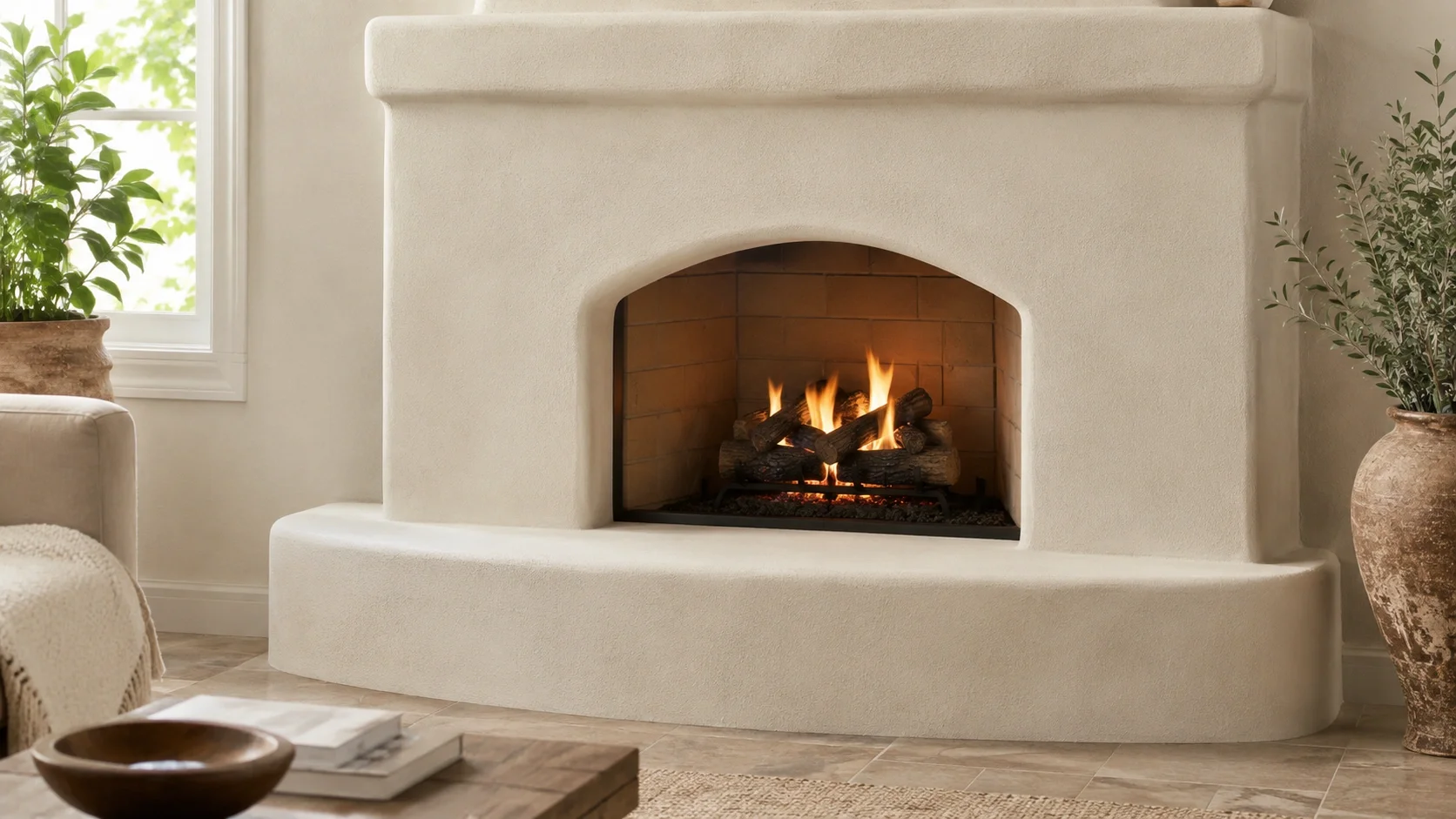
Subtle textures in cream or white blend seamlessly with traditional fireplace designs, enhancing without overwhelming.
DIY vs Professional Installation
Deciding between DIY and professional installation depends on several factors:
DIY Considerations
- Significant savings on labor (mid-range tier vs professional tier)
- Complete creative control
- Suitable for small projects
- Satisfaction of hands-on work
When to Hire Professional
- Large surface areas (over 50 sq ft)
- Complex textures or custom designs
- Structural concerns exist
- No prior stucco experience
- High visibility location (main living areas)
For most fireplace projects, professional installation is recommended. The difference in investment tier is often justified by superior results and warranty coverage.
Safety Considerations
Safety is paramount for any fireplace modification:
- Fire Resistance: Verify your stucco mix meets fire rating requirements for fireplace proximity.
- Ventilation Clearance: Ensure stucco doesn't block or restrict combustion air flow.
- Structural Weight: Consider the added weight of wet stucco on your existing structure.
- Moisture Barrier: Proper sealing prevents water damage and mold growth.
- Permit Requirements: Check local fireplace permit requirements before starting.
Conclusion
Stucco fireplaces offer an excellent combination of beauty, durability, and value. Their versatility in texture and color allows them to complement any design style, from rustic to contemporary. While the initial investment falls into the entry-level to mid-range tier, the long-term benefits include minimal maintenance, exceptional longevity, and enhanced home value.
Whether you choose a smooth modern finish or a textured traditional look, proper installation and sealing are the keys to success. With the information in this guide, you're well-equipped to make informed decisions about incorporating stucco into your fireplace project.
Ready to start planning your stucco fireplace? Check out our recommended products below, or explore more fireplace surround ideas for additional inspiration.


