
Fireplace Blower Fan Not Working: Complete Diagnostic & Repair Guide
Is your fireplace fan silent when it should be heating your room? Discover why your blower stopped working, step-by-step fixes, and pro tips to restore warm airflow.
Jump to Quick Fixes →🔧 Is your fireplace blowing cold air or not blowing at all? A malfunctioning blower fan is one of the most common fireplace complaints. Whether you own a gas fireplace, electric fireplace, or wood-burning unit, this guide will help you diagnose the issue, perform basic repairs, and decide when to call a professional. Most fixes take less than 30 minutes and cost under $50 in parts.
Is Your Fireplace Blower Fan Really Broken? Quick Self-Check
Before diving into complex repairs, let's rule out simple oversights. A fireplace blower fan not working often stems from basic issues you can fix in minutes:
✅ 60-Second Troubleshooting Checklist
- 🔹 Is the fireplace turned on and hot enough? Most blowers (especially on gas and wood units) only activate when the firebox reaches 110–130°F (43–54°C). Wait 10–15 minutes after ignition.
- 🔹 Check the main power switch – Some electric fireplaces and inserts have a separate blower rocker switch. Ensure it's in the "ON" or "AUTO" position.
- 🔹 Inspect the remote control batteries – Weak batteries may fail to send the "blower on" signal. Replace and test again.
- 🔹 Look for a tripped GFCI outlet or breaker – Blower fans plug into a standard outlet beneath the fireplace. Reset any tripped GFCI or check your electrical panel.
- 🔹 Listen for humming or buzzing – A humming sound without air movement usually means the motor is seized or the fan blade is stuck.
Top Rated Fireplace Blower Fans & Replacement Kits
⚠️ AFFILIATE DISCLOSURE: This website contains affiliate links. As an Amazon Associate, we earn from qualifying purchases. If you make a purchase through these links, we may receive a small commission at no additional cost to you. Read our full affiliate policy.
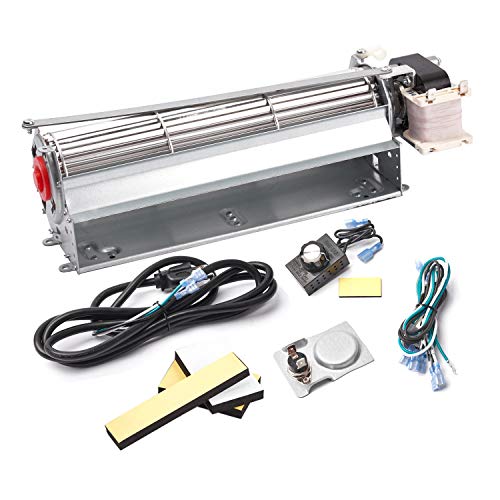
Adviace Replacement Fireplace Blower Kit for Heatilator, Majestic, Lennox, Temco Fireplace, GFK4B GFK4 FK4 GFK4A Fireplace Fan Blower Kit for Heatilator GNBC33,NDV4236I,ND3933
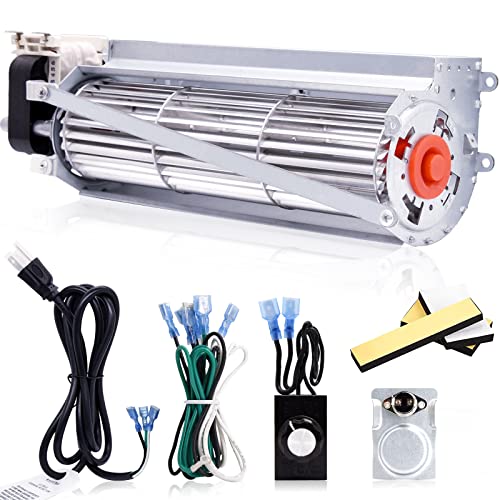
GFK4B Blower Fan Kit for Heatilator NDV4236I, Temco, Majestic, Lennox, Monessen, CFM, Vermont Castings Fireplaces, Rotom HB-RB74K R7-RB74K. FK4 GFK4A GFK4 Heatilator Fireplace Replacement Parts.

Adviace GFK-160 GFK-160A Fireplace Blower Fan Kit for Heat-N-Glo, Heat and Glow, Heat&Glo, Hearth and Home, Superior, Quadra-Fire Fireplaces, FAB-1600 FAB-1100 HB-RB168 1601881 950-3315 Blower Kit

Hongso GFK4 FK4 GFK4A GFK4B Fireplace Blower Fan KIT for em3030lh-85, Heatilator NDV4236I GNDC36 GNDC33, Majestic, Vermont Castings, Monessen, CFM, Fireplace Inserts Heat Exchangers with Ball Bearings

GFK-160A GFK-160 Fireplace Blower Fan Kit for Heat N Glo, Quadra-Fire, Heatilator, Superior, Majestic, GTI, Hearth and Home DV3732, Quadra-Fire 7100, Heat N Glo SL-750TR-C, SL-750TR Blower Fan Kit

GA3650 GA3700 Fireplace Blower Fan Kit Replacement for Desa, FMI, Vanguard, Vexar, Comfort Flame Glow, GA3650A GA3650TB GA3750A BK BKT Fireplaces Fan Blower Motor

GFK160 GFK-160A Fireplace Blower Fan Kit for Quadrafire, Heat N Glo 6000CLX SL-550TR, Hearth and Home DV3732 DV3732-B, Heatilator, Fasco, Superior, GTI, Jakel, Royal, Nordica, Regency, Rotom Fireplace

Hiorucet BLOT BLOTMC Replacement Fireplace Blower Fan KIT for Monessen, Hearth Systems, Martin, Majestic, Hunter. Ball Bearing, Quiet, High Air Flow.
If your blower still won't start, don’t worry. Understanding the root cause will save you time and money. Many issues are similar across different fireplace categories. For example, gas fireplace maintenance often includes blower cleaning, while electric fireplace maintenance focuses on electrical connections. Below, we break down the most common culprits with real-world solutions.
7 Reasons Your Fireplace Blower Fan Isn't Working
Each fireplace type has unique components, but the underlying principles overlap. We've organized solutions by symptom and fireplace category for easy reference.
1️⃣ Dirty or Clogged Fan Blades & Housing
Dust, pet hair, and debris accumulate over time, preventing the fan from spinning or reducing airflow drastically. This is the #1 reason for weak or no operation.
Fix: Unplug the fireplace (or turn off circuit breaker). Remove the blower access panel (usually behind the lower louver). Use a vacuum with a brush attachment and compressed air to clean blades, housing, and motor vents. For DIY fireplace blower cleaning, do this annually before heating season.
⏱️ Time: 20 minutes | Cost: $0
2️⃣ Defective Thermostat / Fan Limit Switch
Gas and wood fireplaces rely on a snap disc or fan limit switch that detects heat and turns on the blower. If this switch fails, the fan never receives the "start" signal – even when the fire is roaring.
Fix: Locate the snap disc (usually a small black rectangle with two wires attached near the firebox). Test for continuity with a multimeter. If it doesn't close when heated, replace it (part cost: $15–$30). Consult your gas fireplace inspection guide for safe access.
🔧 Pro tip: Some units have an override switch. Set it to "manual ON" – if the fan runs, the snap disc is likely faulty.
3️⃣ Seized or Worn-Out Blower Motor
After years of use, bearings dry out, or the motor simply burns out. You may hear a loud grinding noise, then silence. This is common in older inserts and wall fireplaces.
Fix: If you're handy, lubricate motor bearings with high-temp oil (3-in-1 or turbine oil). If the motor is dead, replace it with an OEM or universal blower kit ($60–$150). Measure your existing blower's dimensions and voltage (usually 120V AC).
When to call a pro: If wiring looks charred or the capacitor is bulging, seek professional help to avoid fire risk.
4️⃣ Loose or Burned Wires / Connection Issues
Vibration and heat cycles can loosen spade connectors or cause wires to detach from the snap disc, speed controller, or motor. This frequently happens after moving the fireplace or during deep cleaning.
Fix: Turn off power completely. Inspect all visible wiring connections for looseness or blackened insulation. Re-seat connectors firmly. If a wire is burned, cut and re-strip the end, then attach a new spade connector. Test continuity with a multimeter where possible.
Safety note: If you see melted plastic or burnt smells, the internal component may be shorted – refer to fireplace troubleshooting for deeper electrical diagnostics.
5️⃣ Blower Speed Control or Rheostat Failure
Many electric fireplaces and some gas inserts have a variable speed knob or button. When this rheostat fails, the blower may not run at all or only at one erratic speed.
Fix: Bypass the control temporarily by connecting the blower directly to a power source (using a test cord). If the fan runs perfectly, replace the speed controller ($10–$25). Always match the amperage rating.
For models with digital controls, try resetting the fireplace by unplugging for 5 minutes. If still dead, the main circuit board may be involved – consider an electric fireplace remote fix guide for similar electronics.
6️⃣ Blocked Air Intake or Exhaust Vents
Blowers need proper airflow to run efficiently and avoid overheating. Furniture, rugs, or debris blocking the intake grille cause the thermal overload protector to cut power. This is especially common with corner fireplace ideas where space is tight.
Fix: Ensure at least 6 inches of clearance around all vents. Vacuum any dust bunnies from the intake grille. After clearing, let the blower cool for 30 minutes; the thermal switch may auto-reset.
7️⃣ Remote Control or Wall Switch Malfunction
Many modern fireplaces let you control the blower via remote or wall switch. If the remote works for flame but not fan, the receiver might misinterpret signals or the blower relay is stuck.
Fix: First replace remote batteries and re-pair the remote (see manual). For wall switches, test voltage across the switch terminals. A faulty switch is cheap ($5–$10) and easy to replace. In some cases, you can upgrade to a smart Wi-Fi fireplace controller to bypass the old remote system.
Should You DIY or Call a Professional?
Knowing your limits saves both time and safety hazards. The table below helps you decide based on your skill level and the diagnosed issue.
🛠️ Need a Replacement Blower Fan?
Most standard fireplace blowers cost between $45–$180 depending on size and CFM rating. We've curated the most reliable models below, tested by homeowners and professionals.
👉 Pro tip: Before buying, check your fireplace model number or measure your existing blower (width, height, depth). Universal kits fit 90% of gas inserts and wood stoves.
Prevent Blower Failure: Yearly Maintenance Schedule
Routine care extends the life of your fireplace blower by 3–5 years. Add these tasks to your seasonal checklist. Also, reading our fireplace maintenance schedule can help you stay ahead of costly repairs.
- 🏠 Before heating season (autumn): Deep clean blower assembly, test fan operation, lubricate bearings (if accessible), check all wire connections.
- 🔥 Mid-season (January): Check for unusual noise, reduced airflow; vacuum intake grilles monthly.
- 🌞 Off-season (spring/summer): Cover blower vents to prevent dust infiltration, but remove cover before first use.
If you prefer to upgrade your existing setup, consider modern fireplace blower vs fan comparisons – new brushless DC motors are quieter and more energy-efficient (consume only 35–65 watts vs 100+ watts for older AC motors).
Blower Fan FAQ: Your Questions Answered
❄️ Why does my fireplace blower run but blow cold air?
This usually means the fireplace isn't fully hot yet (on gas units, wait 15 minutes), or the thermostat/snap disc is activating too early. In electric fireplaces, the heating element might be faulty while the fan works. Check electric fireplace not heating for element troubleshooting.
🔊 My blower makes a loud rattling / screeching sound – is it dying?
Screeching indicates dry bearings or debris in the fan housing. Rattling often means a loose blade or foreign object. Lubricate bearings if possible; otherwise, replacement is the long-term fix. Continuing to run a noisy blower can damage the motor.
💡 Can I install a blower on a fireplace that didn't come with one?
Yes! Many gas fireplaces and wood-burning inserts have retrofit blower kits. Check your model's compatibility. Universal blower kits start at $70. Follow our install fireplace blower guide for step-by-step instructions.
📏 What size blower do I need for my fireplace?
Blower capacity is measured in CFM (cubic feet per minute). For a standard gas fireplace, 80–150 CFM is typical. Larger inserts or stoves require 150–250 CFM. Measure your existing space or look up your manual. Our how to size fireplace page includes BTU-to-CFM recommendations.
💡 Still unsure after troubleshooting? Many homeowners successfully fix their blower issues using the steps above. If you're not confident working with electricity, call a certified fireplace technician. However, purchasing a replacement blower is often cheaper than a service call ($120 minimum). Keep reading for top-rated fan kits that match most major brands.
While addressing your blower problem, also check your overall fireplace health. A chimney inspection or gas fireplace maintenance can reveal hidden issues affecting efficiency. For alternative heating solutions, learn about fireplace vs space heater to decide if a new unit makes more sense than repairing an old blower.