Electric Fireplaces: The Complete Guide
Everything you need to know about electric fireplaces - from types and installation to efficiency and maintenance
EXPLORE TYPESWhat Are Electric Fireplaces?
Electric fireplaces are heating appliances that simulate the appearance of traditional fireplaces without the need for real fire, venting, or chimneys. They use electricity to generate heat and create realistic flame effects through LED technology, water vapor, or a combination of both.
These versatile heating solutions have become increasingly popular due to their ease of installation, energy efficiency, and minimal maintenance requirements. Unlike gas fireplaces or wood-burning options, electric models can be installed virtually anywhere with access to a standard electrical outlet.
Whether you're looking to add ambiance to your living room, supplement heating in a bedroom, or create a focal point in a corner space, electric fireplaces offer flexible solutions for any home.
Key Benefits of Electric Fireplaces
Safety First
No real flames, no carbon monoxide risk, and cool-to-touch exteriors make them safe for homes with children and pets.
Cost-Effective
Lower initial costs than gas or wood options, and operating costs of just $0.08-$0.15 per hour depending on your electricity rate.
Easy Installation
No venting, chimneys, or gas lines required. Most models simply plug into a standard 120V outlet.
Energy Efficient
Nearly 100% efficient at converting electricity to heat, with zone heating capabilities to reduce overall energy costs.
Ambiance Without Hassle
Enjoy realistic flame effects year-round without the cleanup, smoke, or maintenance of traditional fireplaces.
Zone Heating Control
Heat only the rooms you're using with adjustable thermostats and timers, reducing overall heating costs by up to 20-40%.
Electric Fireplace Types Explained
Electric fireplaces come in several distinct styles, each with unique installation requirements and aesthetic appeals. Understanding these differences is crucial for selecting the right model for your space and needs.
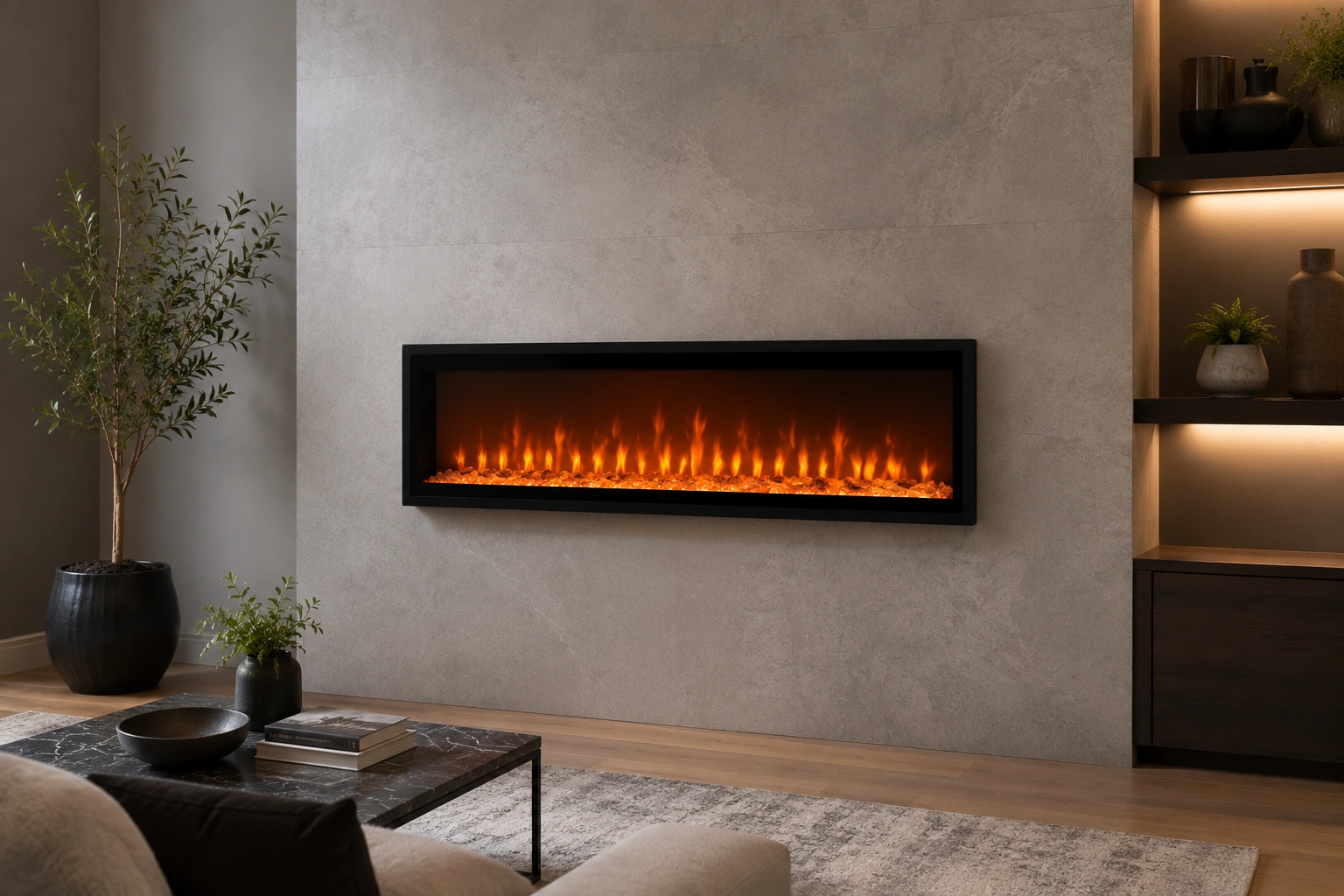
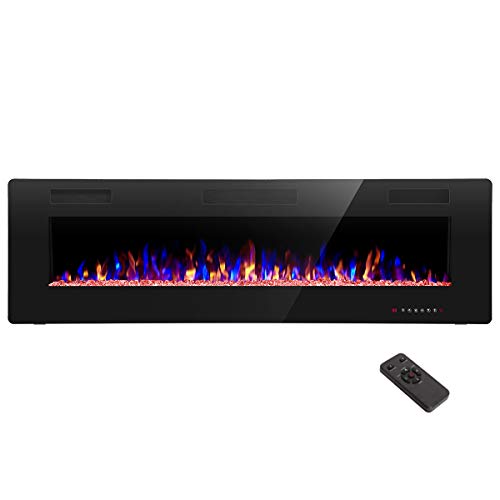
Wall-Mounted Electric Fireplaces
These sleek units attach directly to the wall, creating a floating effect that's perfect for contemporary designs. They're ideal for spaces where floor space is at a premium.
- Saves valuable floor space
- Creates dramatic focal point
- Simple installation with mounting bracket
- Price range: $200-$1,200
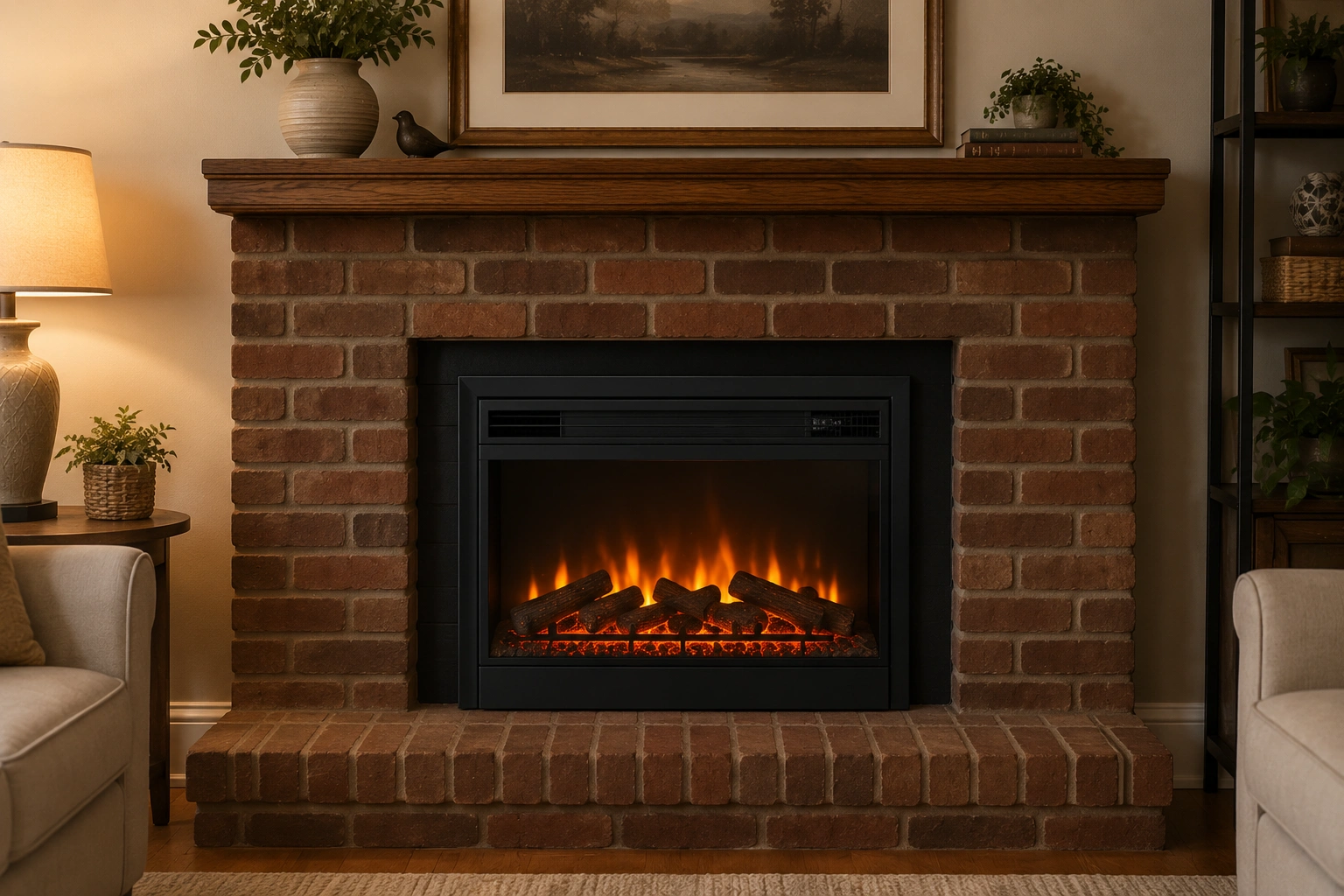
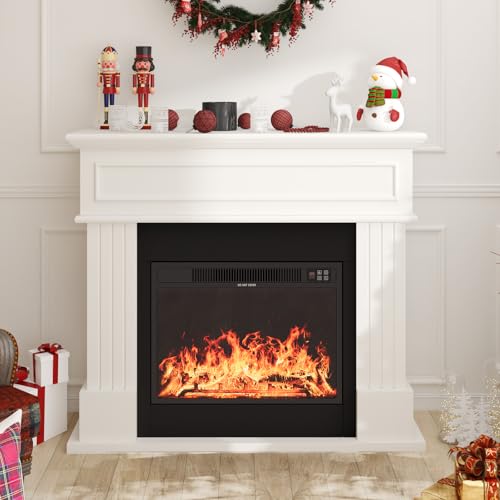
Electric Fireplace Inserts
Designed to fit inside existing fireplaces, these units transform non-functional or inefficient fireplaces into clean, efficient heat sources without major renovations.
- Utilizes existing fireplace structure
- Eliminates drafts from old chimney
- Preserves traditional aesthetic
- Price range: $300-$1,500

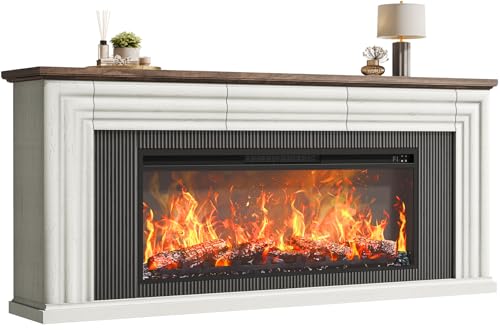
Freestanding Electric Fireplaces
Complete units with mantels and surrounds that stand on their own, offering the look of a built-in fireplace without permanent installation. Perfect for renters or those wanting flexibility.
- No installation required - just plug in
- Can be moved from room to room
- Various styles from traditional to modern
- Price range: $400-$2,000

Electric Fireplace TV Stands
Combining entertainment centers with fireplaces, these multifunctional units are perfect for creating a complete media wall with heating capabilities.
- Dual-purpose furniture saves space
- Perfect for TV placement
- Ample storage for media components
- Price range: $500-$1,800
Heating Technology Comparison
Electric fireplaces use different heating technologies, each with distinct advantages. Understanding these differences helps you choose the most effective option for your heating needs.
| Feature | Infrared Heating | Fan-Forced Heating |
|---|---|---|
| How It Works | Emits infrared radiation that heats objects directly | Uses a heating element and fan to distribute warm air |
| Heat Distribution | Immediate, focused heat in line of sight | Gradual, warms entire room air volume |
| Energy Efficiency | Nearly 100% efficient, minimal heat loss | 90-95% efficient, some heat loss through ducting |
| Noise Level | Silent operation (no fan) | Low fan noise, varies by model |
| Ideal For | Spot heating, drafty rooms, larger spaces | Smaller, enclosed rooms, even heating |
| Price Range | $300-$1,500 | $150-$800 |
For a more detailed comparison of these technologies, see our comprehensive guide on infrared vs fan-forced heating.
How to Size Your Electric Fireplace
Properly sizing your electric fireplace ensures optimal heating performance and energy efficiency. The right size depends on room dimensions, insulation quality, and your heating goals.
Quick BTU Calculation: Multiply the room's square footage by 20 BTUs for adequate heating. For example, a 400 sq ft room requires approximately 8,000 BTUs. Most electric fireplaces produce 4,500-5,000 BTUs, effectively heating 200-400 square feet.
For rooms larger than 400 square feet, consider multiple smaller units strategically placed rather than one large unit. This approach, known as zone heating, is more energy-efficient than trying to heat a large space with a single source.
For detailed sizing calculations and worksheets, visit our complete guide on how to size a fireplace.
Installation Guide
One of the greatest advantages of electric fireplaces is their straightforward installation process. Unlike gas fireplaces that require professional installation and venting, most electric models can be installed as DIY projects.
-
Choose Your Location
Select a spot near a standard 120V outlet. Avoid placing furniture directly in front of the unit, and maintain at least 3 feet of clearance from combustible materials. Consider how the fireplace will integrate with your existing wall design.
-
Prepare the Space
For wall-mounted units, locate wall studs using a stud finder. Mark the mounting bracket position with a level. For inserts, measure your existing fireplace opening to ensure proper fit.
-
Install the Mounting Hardware
Secure the mounting bracket to wall studs using appropriate screws. For heavier units, ensure you're using at least two studs for support. Double-check that the bracket is level before proceeding.
-
Attach the Fireplace Unit
With assistance, lift the unit and hang it on the mounting bracket. Secure it according to the manufacturer's instructions. For inserts, carefully slide the unit into the fireplace opening.
-
Connect Power
Plug the unit into a dedicated outlet. For a cleaner look, consider having an electrician install a recessed outlet behind the unit. Never use extension cords with electric fireplaces.
-
Test and Configure
Turn on the unit and test all functions: flame effects, heat settings, thermostat, and remote control. Adjust flame brightness and color settings to your preference before completing installation.
For more detailed installation instructions specific to your electric fireplace type, check our guide on electric fireplace installation.
Cost Breakdown
Understanding the full cost picture of electric fireplaces helps you budget appropriately and compare with other heating options like gas fireplaces or wood-burning models.
Initial Purchase Costs
Operating Costs
For a comprehensive comparison of operating costs between different fireplace types, see our analysis of electric vs gas fireplace running costs.
Maintenance Tips
Electric fireplaces require significantly less maintenance than other types, but regular care ensures optimal performance and longevity. Here are essential maintenance tasks to keep your unit running efficiently.
Regular Cleaning
Dust the exterior weekly with a soft cloth. For glass fronts, use a glass cleaner specifically formulated for fireplaces to avoid streaks. Clean the interior components every 2-3 months by gently vacuuming with a brush attachment. For detailed cleaning instructions, see our guide on cleaning electric fireplaces.
Inspect Electrical Components
Check the power cord and plug for any damage before each heating season. Ensure the outlet isn't loose or showing signs of overheating. If you notice any issues, contact a qualified electrician rather than attempting repairs yourself.
Filter Maintenance
If your model has air filters, clean or replace them according to the manufacturer's schedule—typically every 2-3 months during regular use. Clogged filters reduce heating efficiency and can cause the unit to overheat.
Off-Season Care
During warmer months when the fireplace isn't in use, unplug the unit and cover it to prevent dust accumulation. Store remote controls with batteries removed to prevent corrosion. For more seasonal tips, check our summer fireplace care guide.
Design Ideas & Integration
Electric fireplaces offer incredible versatility in design applications. Their lack of venting requirements means they can be incorporated into spaces where traditional fireplaces would be impossible.
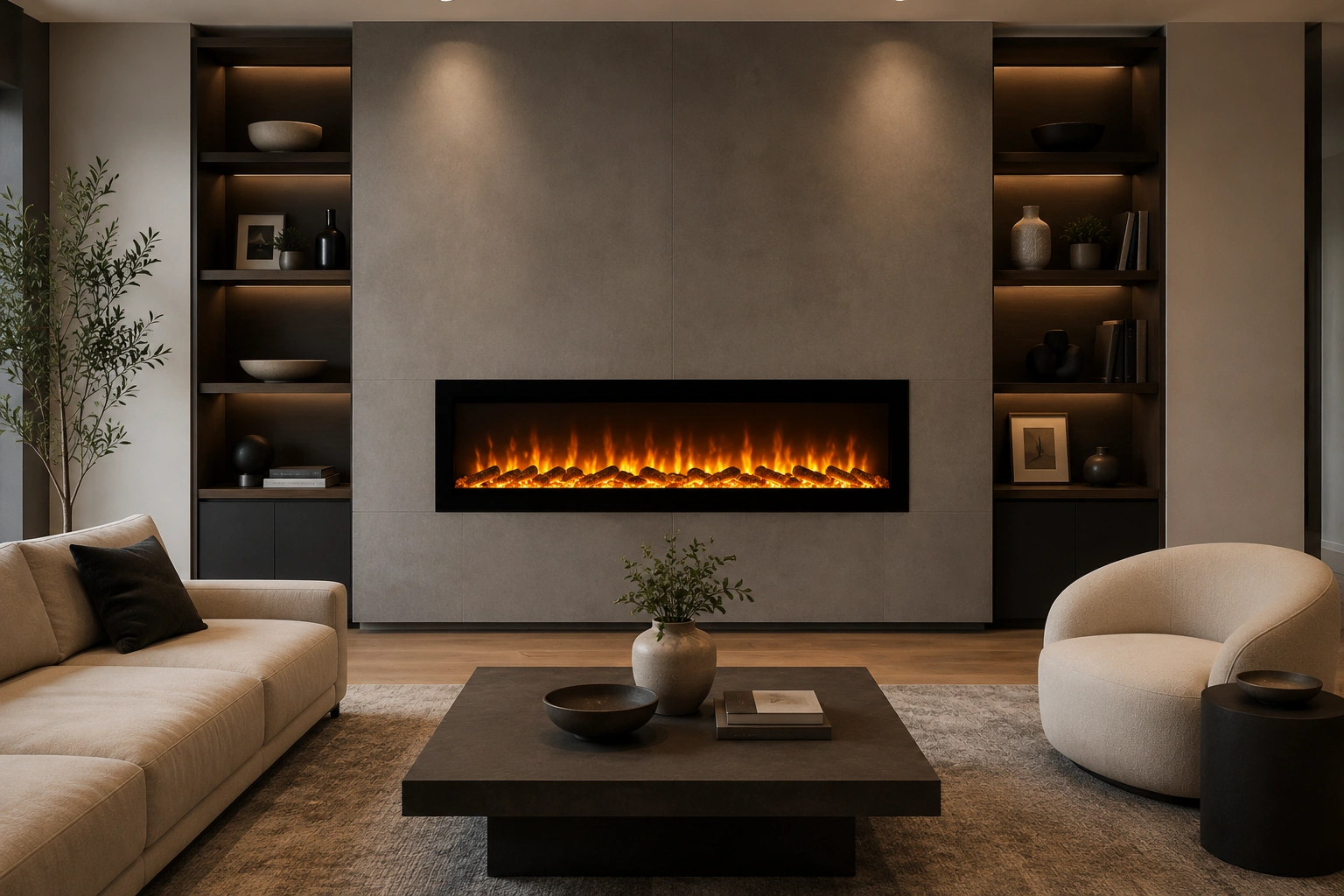
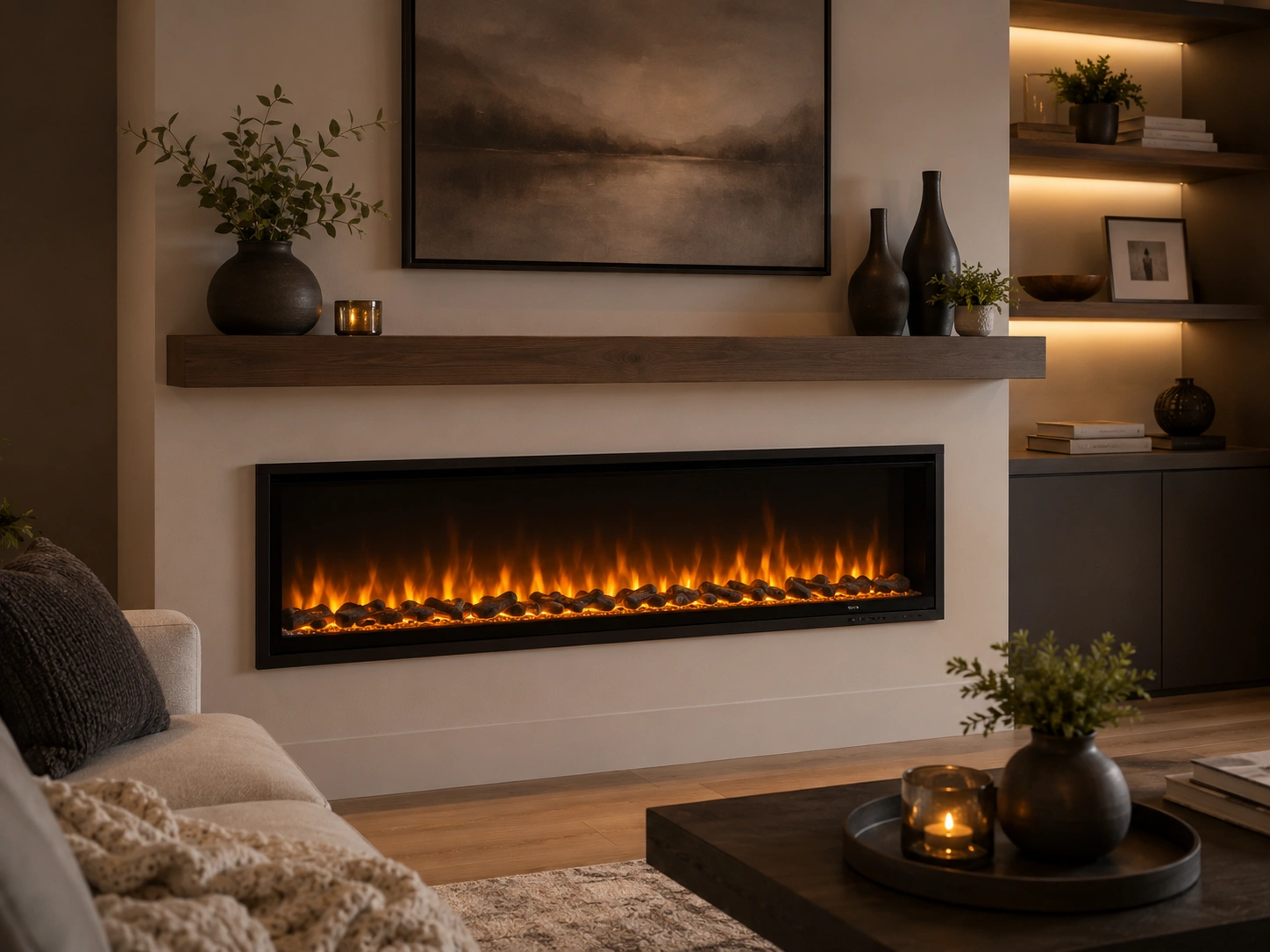
Modern Minimalist Integration
Wall-mounted electric fireplaces create striking focal points in minimalist spaces. Pair with clean lines, neutral colors, and simple furnishings for a cohesive contemporary look. The lack of a hearth or mantel maintains the streamlined aesthetic while adding warmth.

Bedroom Retreat
Electric fireplaces are perfect for bedrooms due to their safety features and quiet operation. Consider a wall-mounted unit at viewing height from the bed, or a compact freestanding model in a corner to create a cozy reading nook.
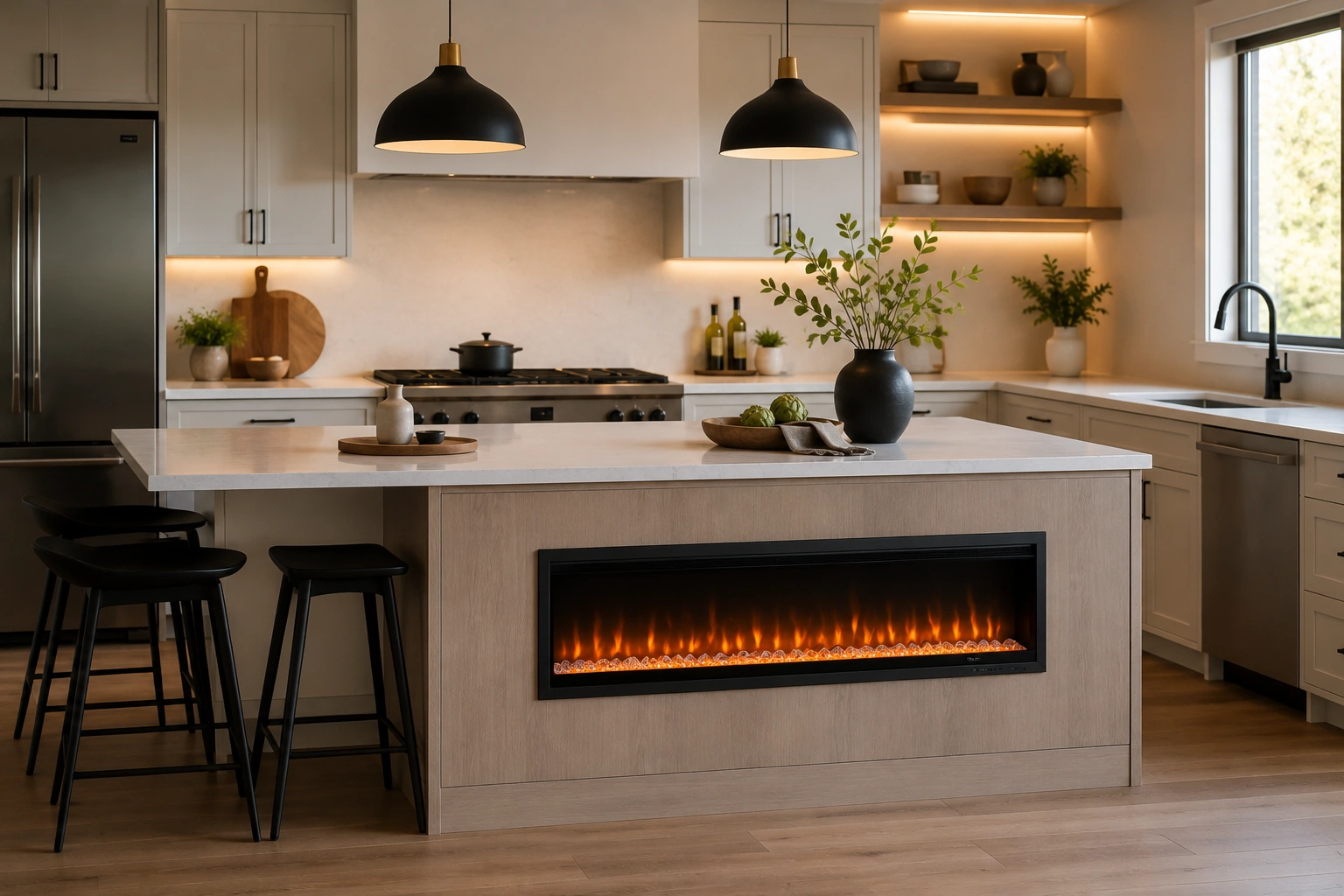
Kitchen Integration
For kitchen fireplaces, electric models offer the perfect solution since they don't produce grease-attracting smoke or require ventilation that could interfere with cooking exhaust systems. Consider a see-through model between kitchen and dining areas.

Bathroom Spa Atmosphere
Create a luxurious spa experience in your bathroom with a waterproof electric fireplace. Wall-mounted models work well in larger bathrooms, while smaller tabletop versions can transform a modest space into a relaxing retreat.
Frequently Asked Questions
Do electric fireplaces really heat a room effectively?
Yes, electric fireplaces can effectively heat rooms up to 400 square feet, depending on the model's BTU output. Most standard electric fireplaces produce 4,500-5,000 BTUs, which is sufficient for well-insulated rooms of this size. For larger spaces, consider multiple units or models with higher BTU ratings. Infrared models tend to be more effective at heating larger spaces compared to fan-forced options. For a detailed analysis, see our article on whether electric fireplaces really heat a room.
Are electric fireplaces expensive to run?
No, electric fireplaces are among the most cost-effective heating options. Operating costs typically range from $0.08-$0.18 per hour depending on your electricity rate and heat setting. Using the flame effect without heat costs just pennies per hour. When used for zone heating (heating only the rooms you're using), they can reduce overall heating costs by 20-40% compared to central heating. For detailed cost comparisons, check our guide on whether electric fireplaces are expensive to run.
Can I put a TV above an electric fireplace?
Yes, you can safely mount a TV above most electric fireplaces, but proper planning is essential. Ensure there's adequate clearance between the fireplace and TV (usually 8-12 inches minimum). Consider using a mantel or shelf as a heat buffer. Some electric fireplaces are specifically designed for TV placement with directed heat flow that minimizes upward heat transfer. For comprehensive safety guidelines, see our article on TV above fireplace safety.
Do electric fireplaces produce carbon monoxide?
No, electric fireplaces do not produce carbon monoxide or any other harmful gases. Since they don't burn fuel, there's no combustion process that creates dangerous byproducts. This makes them one of the safest heating options available, particularly for homes with children, elderly residents, or those with respiratory concerns. For more information on safety aspects, see our guide on electric fireplaces and carbon monoxide.
Can I leave my electric fireplace on overnight?
While electric fireplaces are safer than other types for extended operation, it's generally not recommended to leave any heating appliance unattended while sleeping. Most models have built-in safety features like automatic shut-off if overheating is detected, but it's best practice to turn off the unit before bed. Many models include timers that can be set to turn off automatically after a set period. For more safety considerations, see our article on leaving a fireplace on overnight.
How long do electric fireplaces last?
With proper maintenance, quality electric fireplaces typically last 10-20 years. The LED lights that create flame effects can last up to 50,000 hours (over 17 years of daily use). Heating elements may need replacement after 5-10 years depending on usage patterns. Regular cleaning and proper storage during off-seasons can significantly extend the lifespan of your unit. For more details on longevity factors, see our guide on fireplace lifespan.