Pilot Light Keeps Going Out? Complete Causes & Fixes
A failing pilot light is the most common gas fireplace problem. Learn exactly why it happens, how to diagnose the root cause, and whether you should repair it yourself or replace your unit entirely.
There is nothing more frustrating than relighting your gas fireplace pilot light, only to find it extinguished again hours later. This issue affects millions of homeowners each year, and it is not something you should ignore. A pilot light that refuses to stay lit can indicate anything from a simple debris buildup to a failing safety component. In this guide, we break down every possible cause, walk you through a clear diagnostic process, provide real replacement part cost tiers, and help you decide whether a repair is worthwhile or if it is time to upgrade to a newer, more reliable fireplace. If your pilot light will not ignite at all, our gas fireplace won't light guide covers that specific scenario in depth.
What Is a Pilot Light and How Does It Work?
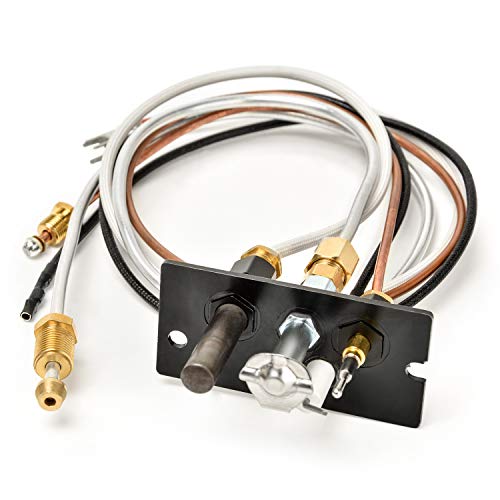
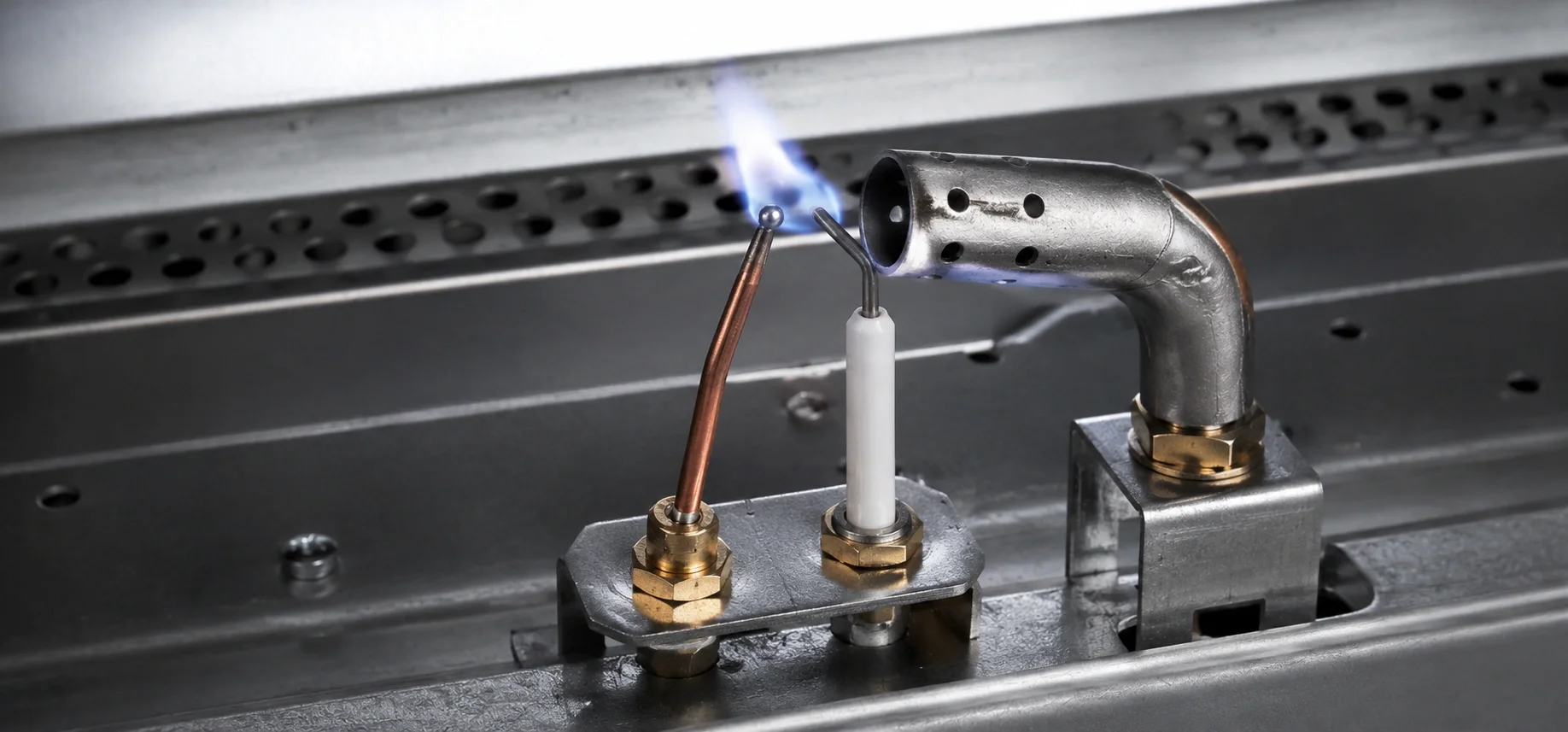
The pilot light is a small, continuously burning flame found in most gas fireplaces, propane fireplaces, and some older gas appliances. Its primary job is to serve as an ignition source for the main burner. When you turn on your fireplace, the pilot flame lights the larger burner jets that produce the visible fire and heat output you expect.
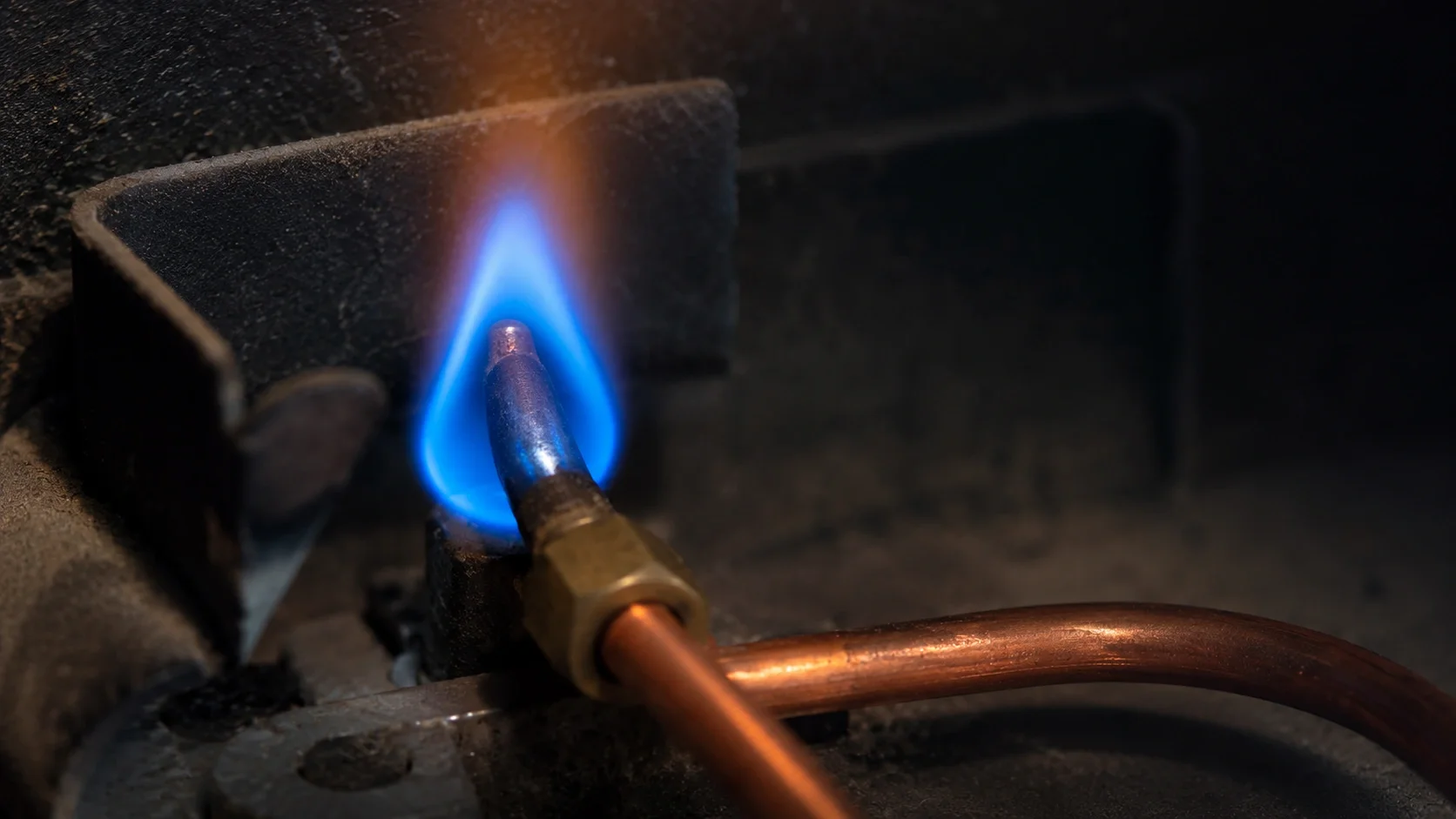
More importantly, the pilot light plays a critical safety role. The flame heats a small sensor called a thermocouple, which generates a tiny electrical voltage (typically 20–30 millivolts). This voltage signals the gas valve that it is safe to keep the gas flowing. If the pilot light goes out, the thermocouple cools down, the voltage drops, and the gas valve automatically shuts off the gas supply — preventing unburned gas from filling your room.
Understanding this mechanism is essential because it explains why the pilot light going out is both a symptom and a safety feature. The system is working as designed when it shuts off gas after the flame dies. The real question is: why does the flame keep dying in the first place?
8 Common Reasons Your Pilot Light Keeps Going Out
Not all pilot light failures are the same. The fix depends entirely on identifying which of these eight causes is responsible for your specific situation. Below, we rank them from most to least common based on service data from HVAC technicians.
Faulty Thermocouple
Responsible for roughly 60% of all pilot light failures. The thermocouple is a small metal rod that sits in the pilot flame. Over time, oxidation, corrosion, or physical damage weakens its ability to generate voltage. When it can no longer produce enough millivolts, the gas valve thinks the flame is out and cuts the gas — even when the pilot is still burning. If you must hold the gas knob down continuously to keep the pilot lit, the thermocouple is almost certainly the culprit.
Dirty Pilot Orifice
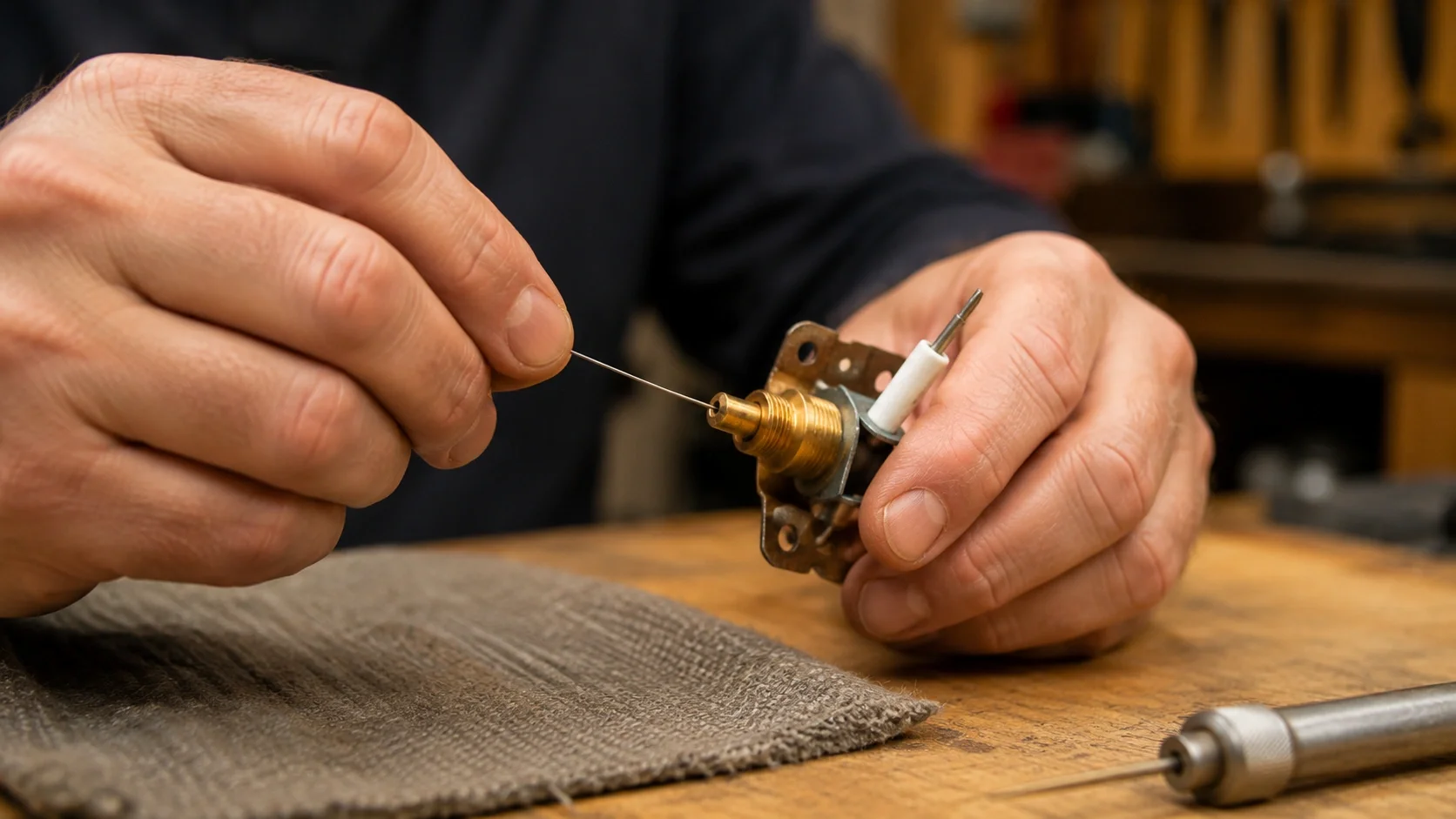
Dust, lint, spider webs, and soot can clog the tiny opening in the pilot assembly where gas exits. When the orifice is partially blocked, the pilot flame becomes weak, small, or oddly shaped. A weak flame may not reach the thermocouple properly, causing the same shutoff behavior as a bad thermocouple. This is especially common in fireplaces that sit unused for months during warmer seasons.
Drafts and Wind
A strong draft near the fireplace can physically blow out the pilot flame. This is particularly common with vented fireplaces connected to a chimney. Down drafts caused by wind blowing over the roof, nearby trees, or even pressure differences from exhaust fans in your home can push air back down the flue. Ventless fireplaces are less susceptible but not immune if the unit is near an exterior door or window.
Low Gas Pressure
If the gas supply to your fireplace is insufficient, the pilot flame will be too small or inconsistent to heat the thermocouple properly. Low gas pressure can result from a partially closed gas shutoff valve, a problem with your home's gas regulator, or high demand on the gas line from other appliances running simultaneously. This issue often produces a noticeably weak flame on the main burner as well.
Malfunctioning Gas Valve
The gas valve is the control center that regulates gas flow to both the pilot and main burner. Internal seals can degrade, electromagnetic coils can weaken, and debris can interfere with the valve mechanism. When the gas valve fails, it may not deliver a steady gas supply to the pilot even when the thermocouple is sending the correct signal. This is the most expensive component to replace.
Bad Thermopile
A thermopile (or flame generator) is similar to a thermocouple but generates a higher voltage — typically 250–750 millivolts. It powers the main gas valve and, in many models, the wall switch or thermostat. If your pilot light stays lit but the main burner will not ignite — or if your fireplace thermostat seems unresponsive — a failing thermopile is often the cause. Some units have both a thermocouple and thermopile; either can fail independently.
Moisture and Condensation
Excess moisture inside the fireplace chamber can cause the pilot flame to sputter and go out. This is common in newly constructed homes, during heavy rain seasons, or in areas with high humidity. Moisture can also corrode the thermocouple tip and electrical connections, accelerating component failure. If you notice condensation on the fireplace glass, moisture is likely affecting the pilot assembly too.
Incorrect Flame Adjustment
The pilot flame must be positioned correctly and sized appropriately — typically 1 to 1.5 inches tall with a strong blue cone. If the flame is too short, it will not engulf the thermocouple tip sufficiently. If it is too tall or yellow (indicating incomplete combustion), it can produce soot that coats the thermocouple and insulates it from heat. An improperly adjusted flame often results from a previous repair or installation error.
Step-by-Step Troubleshooting Guide
Before calling a technician, work through these steps in order. Each step eliminates one possible cause and narrows down the problem. Most homeowners can complete steps 1 through 4 safely without special tools.
Observe the Flame When You Relight It
Light the pilot according to your manual's instructions. Watch the flame carefully for 60 seconds. A healthy pilot flame is steady, blue, and 1–1.5 inches tall, with the tip wrapping around the thermocouple. If the flame is yellow, flickering, weak, or only a small stub, the problem is likely a dirty orifice or low gas pressure — not a bad thermocouple. If the flame looks perfect but still goes out when you release the gas knob, proceed to step 2.
Test the Thermocouple with a Multimeter
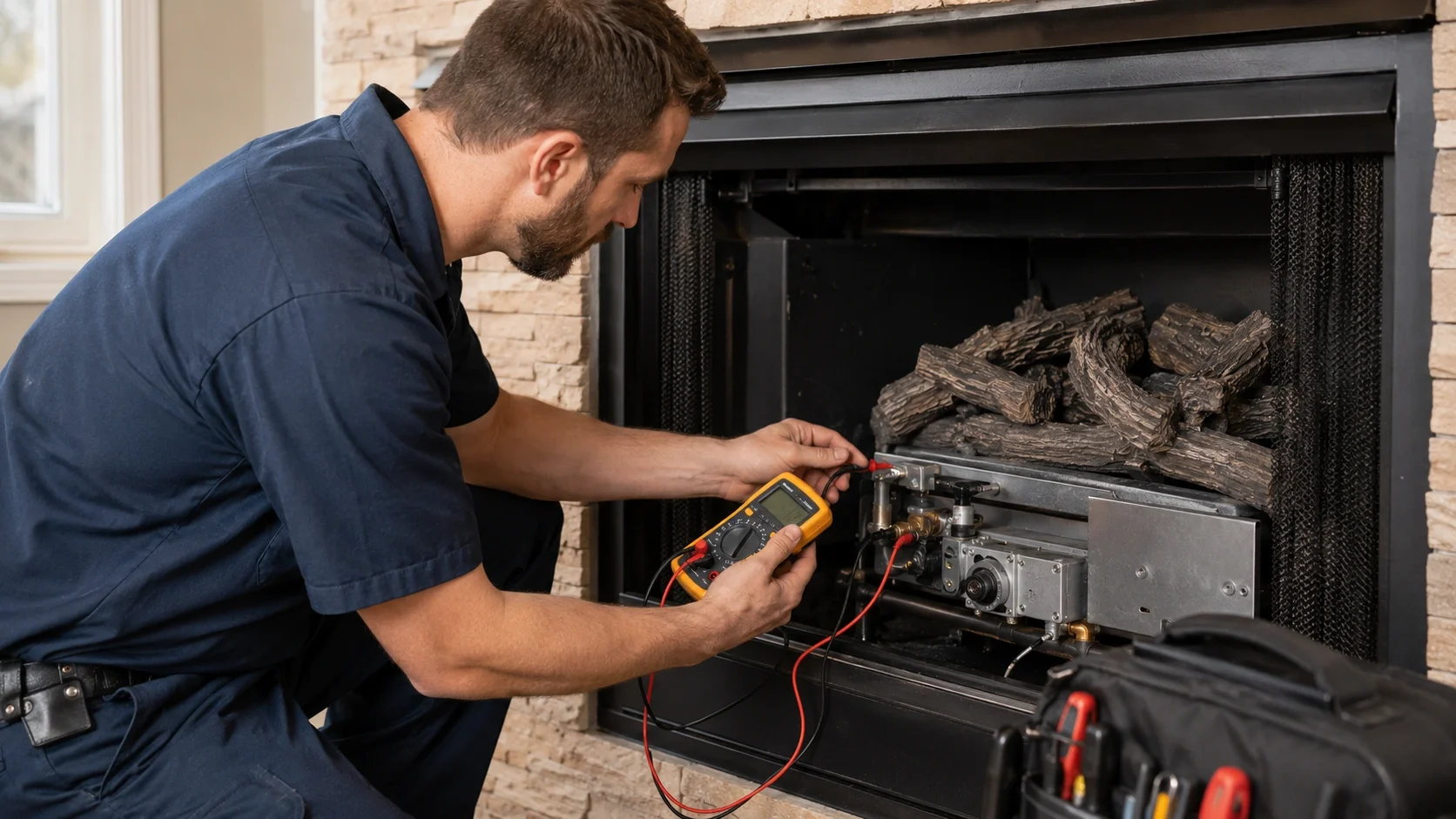
Set a digital multimeter to the millivolt (mV) DC setting. Remove the thermocouple from the gas valve (usually a 1/4-inch compression fitting). Connect one probe to the thermocouple's copper sheath and the other to the tip inside the nut. Light the pilot and hold the gas knob down. A healthy thermocouple should read 25–35 mV within 30 seconds. If it reads below 20 mV, replace the thermocouple. This single test eliminates the most common cause definitively.
Clean the Pilot Orifice
Turn off the gas supply completely. Use a small wrench to unscrew the pilot assembly from the gas line. Remove the orifice (the tiny brass fitting at the end) and clean it with a needle or compressed air. Never use a drill bit or anything that could enlarge the hole. Also clear any spider webs or debris from the pilot tube. Reassemble and test. This step resolves roughly 15–20% of pilot light issues, especially in fireplaces that have been dormant for months. Regular gas fireplace maintenance can prevent this buildup entirely.
Check for Drafts Near the Fireplace
With the pilot lit, hold a lit match or incense stick near the fireplace opening and around the pilot area. Watch the smoke to detect air movement. If you see the smoke being pulled away or blown around, you have a draft problem. Check that the chimney cap is in place, ensure no exhaust fans (bathroom, kitchen range hood) are creating negative pressure, and verify that the fireplace damper is properly positioned. A draft stopper or chimney cap can resolve chronic draft issues.
Verify Gas Supply Pressure
Ensure the manual gas shutoff valve near the fireplace is fully open (the handle should be parallel to the gas pipe). Check if other gas appliances in your home are functioning normally. If you suspect low gas pressure, this requires a professional with a manometer to measure the gas line pressure at the fireplace. Do not attempt to adjust the home's gas regulator yourself.
Test the Thermopile (If Applicable)
If your fireplace uses a wall switch, remote, or thermostat to control the main burner, it likely has a thermopile in addition to (or instead of) a thermocouple. Test it the same way with a multimeter, but expect a reading of 250–750 mV. If the reading is low, the thermopile needs replacement. If the pilot stays lit but the main burner will not fire, this is your most likely answer.
Evaluate the Gas Valve
If the thermocouple, thermopile, orifice, and gas pressure all check out but the pilot still will not stay lit, the gas valve itself is likely faulty. Gas valve replacement is not typically a DIY project — it requires precise adjustments, leak testing with a soap solution, and in many jurisdictions, a licensed technician. This is the point where most homeowners should call a professional.
⚠️ Critical Safety Warning
If you smell gas at any point during troubleshooting, stop immediately. Do not operate any electrical switches, lights, or appliances. Leave the house, move to a safe distance, and call your gas company's emergency line or 911. Learn to recognize the signs of carbon monoxide exposure — headaches, dizziness, nausea, and confusion — and install a CO detector near every gas appliance in your home. Never use your gas fireplace if the pilot safety system has been bypassed or modified.
Replacement Part Value Tiers: What to Expect
Knowing the real value tier of parts and labor helps you make an informed decision. The table below reflects current market positioning for common pilot light components. DIY-savvy homeowners can save significantly on labor costs.
| Part | DIY Part Tier | Professional Tier (Part + Labor) | Difficulty |
|---|---|---|---|
| Thermocouple | Entry-level | Mid-range service | Easy |
| Thermopile | Entry-level to mid-range | Mid-range service | Easy–Moderate |
| Pilot Assembly (Complete) | Entry-level to mid-range | Mid-range to premium service | Moderate |
| Gas Valve | Mid-range to premium | Premium service | Difficult (Pro Recommended) |
| Chimney Cap / Draft Fix | Entry-level | Mid-range service | Moderate |
| Full Fireplace Replacement | — | Mid-range to premium install | Professional Install |
If your gas fireplace is over 15 years old and the gas valve has failed, replacement is often more cost-effective than repair. A new unit will also be more efficient, safer, and may include modern features like electronic ignition that eliminate the pilot light issue entirely. For a broader perspective, see our fireplace cost breakdown guide.
Repair or Replace: How to Decide
Not every pilot light problem justifies a repair. Use this decision framework:
✓ Repair makes sense if: Your fireplace is under 10 years old, the issue is a simple thermocouple or dirty orifice, the gas valve is functioning, and the unit meets your heating needs. Total investment will likely stay in the entry-level to mid-range tier.
✗ Replace makes sense if: Your fireplace is over 12–15 years old, the gas valve has failed, you have recurring issues, the unit lacks modern safety features, or you want to switch to an electric fireplace that has no pilot light at all. Compare options in our gas vs electric fireplace comparison.
Many homeowners dealing with chronic pilot light problems choose to upgrade to a modern direct vent gas fireplace with electronic intermittent ignition (IPI). IPI systems only produce a flame when the fireplace is actively running, eliminating the standing pilot light entirely. This saves significantly on annual gas costs and removes the pilot light reliability concern forever.
Prevention Tips for Long-Term Reliability
Most pilot light failures are preventable with routine care. Incorporate these habits into your fireplace maintenance routine to avoid repeat problems:
Run the pilot monthly — Even during off-season months, light the pilot for 10–15 minutes once a month. This keeps the thermocouple active, prevents moisture buildup, and discourages spiders from nesting in the orifice.
Schedule annual inspections — A professional annual fireplace inspection catches thermocouple degradation, gas pressure issues, and venting problems before they cause pilot light failures.
Install a chimney cap — A quality chimney cap prevents rain, debris, and animals from entering the flue, all of which can cause downdrafts that blow out the pilot flame.
Control humidity — Use a dehumidifier in rooms with high moisture, especially basements. Excess humidity accelerates thermocouple corrosion and can cause pilot flame sputtering.
Clean the pilot orifice annually — During your fall fireplace inspection, use compressed air to blow out the pilot orifice. This takes 30 seconds and prevents the most common non-component failure.
Check flame position after any service — Any time your fireplace is serviced, verify that the pilot flame is properly positioned to engulf the thermocouple tip. Even a slight misalignment can cause intermittent failures.
When to Call a Professional
While thermocouple replacement and orifice cleaning are straightforward DIY tasks, certain situations demand professional expertise. Contact a licensed gas technician or chimney sweep if:
- You smell gas at any point during your troubleshooting process
- The gas valve needs testing or replacement
- Multiple components have failed simultaneously
- The pilot light problem persists after replacing the thermocouple and cleaning the orifice
- Your gas fireplace inspection reveals venting issues or corrosion inside the firebox
- You are unsure about any step in the diagnostic process
- Your local building codes require licensed installation for gas work
A professional service call typically falls in the entry-level to mid-range tier for diagnostics alone, but this fee is usually applied toward the repair cost if you proceed. It is a worthwhile investment to ensure your family's safety and avoid costly mistakes.
Ready to Upgrade to a Reliable Fireplace?
If your current gas fireplace has chronic pilot light issues, browse our recommended models with modern electronic ignition systems that eliminate this problem entirely.
View Recommended Fireplaces & PartsFrequently Asked Questions
The most common reasons include a faulty thermocouple, dirty pilot orifice, drafts or wind blowing out the flame, low gas pressure, a malfunctioning gas valve, a bad thermopile, moisture buildup, or incorrect flame adjustment. The thermocouple alone accounts for roughly 60% of all pilot light failures.
Yes, in most cases you can safely relight the pilot light by following the manufacturer's instructions. Turn the gas control knob to the "pilot" position, hold it down, and apply a flame from a long-reach lighter to the pilot opening. Continue holding the knob for 30–60 seconds after the flame ignites to allow the thermocouple to heat up before releasing. If the flame goes out immediately after releasing the knob, the thermocouple likely needs replacement.
A thermocouple replacement is typically an entry-level part with installation falling in the mid-range service tier. A thermopile replacement is also entry-level to mid-range for the part, with installation in the mid-range service tier. Gas valve replacement is the most expensive, falling in the premium tier for the part and premium service tier with labor. A simple cleaning can often resolve the issue as a DIY project.
It can be. If the pilot light goes out but gas continues flowing, unburned gas can accumulate in your home, creating a risk of fire or explosion. Most modern gas valves have a safety feature that shuts off gas when the pilot flame is detected as extinguished. However, if this safety mechanism is faulty, it becomes a serious hazard. If you smell gas at any point, leave the house immediately and call your gas company.
A thermocouple typically lasts 5–10 years depending on usage and environmental conditions. In areas with high humidity or corrosive elements, it may fail sooner. If your pilot light starts going out intermittently and the component is older than 5 years, replacement is usually the most cost-effective solution rather than repeated troubleshooting.
Indirectly, yes. If your gas fireplace has a forced-air blower system with an air filter, a severely clogged filter can restrict airflow and cause the unit to overheat. Some models have a high-limit safety switch that will shut down the entire system, including the pilot, when overheating is detected. Check and replace your fireplace blower filter according to the manufacturer's schedule.
Yes, completely. Electric fireplaces do not use gas, have no pilot light, and require no venting. They produce flame effects using LED technology and heat using electric elements. If you are tired of dealing with pilot light issues, gas connections, and annual safety inspections, an electric model offers the ambiance of a fireplace with zero combustion-related maintenance. See our ethanol vs electric fireplace comparison for another alternative.