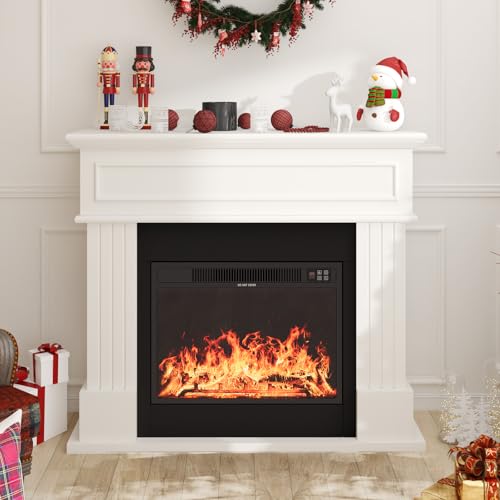
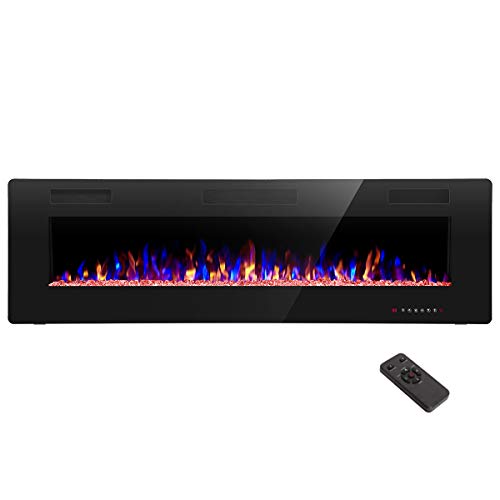
Before You Buy: While a fireplace can add warmth, ambiance, and value to your home, understanding the complete financial picture is crucial. This guide reveals the often-overlooked expenses that come with fireplace ownership, helping you make an informed decision and budget accordingly.
1. Initial Installation Costs Beyond the Unit Price
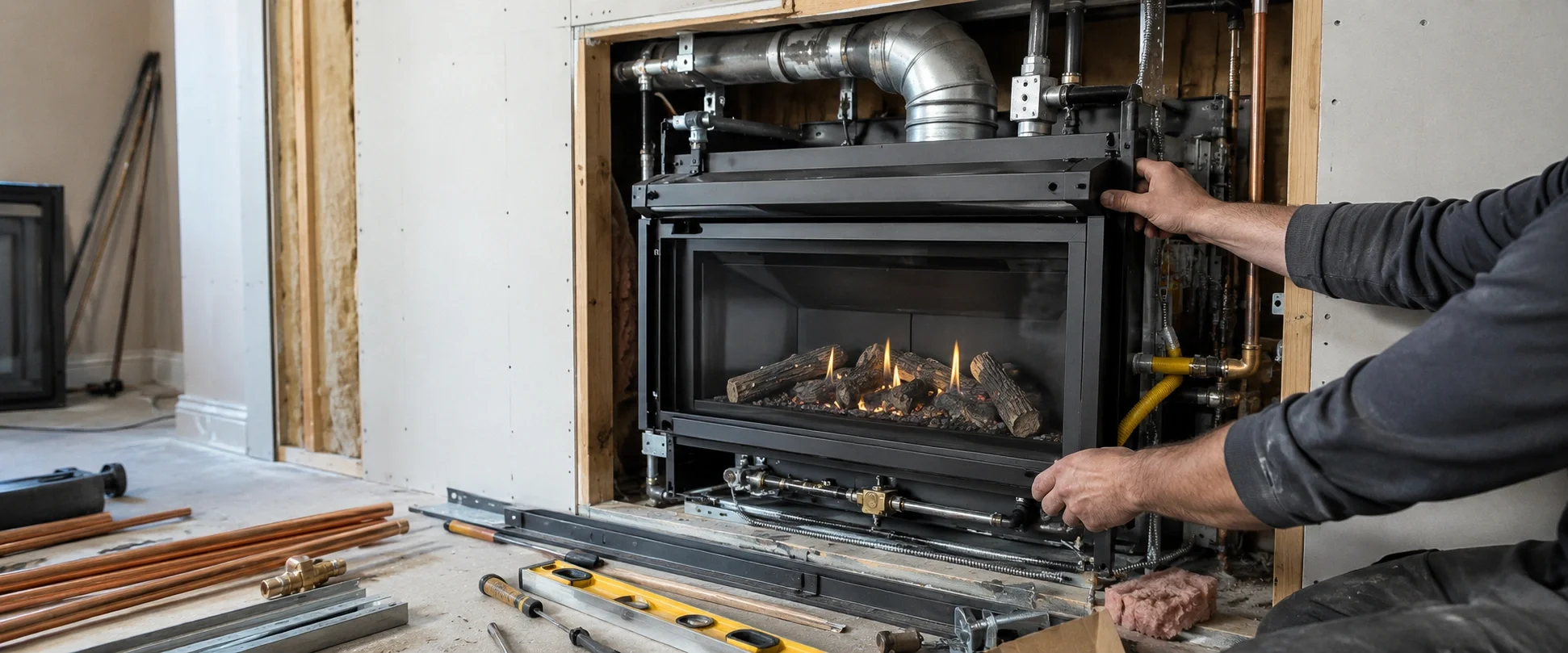
When purchasing a fireplace, many homeowners focus solely on the cost of the unit itself, but installation expenses can significantly increase your initial investment. These costs vary dramatically depending on the type of fireplace you choose and your home's existing infrastructure.
Professional Installation
Labor costs for professional installation, which is typically required for gas and wood-burning fireplaces to ensure safety and code compliance.
$500–$2,500Venting System
Chimney construction, venting pipes, or direct vent systems required for proper exhaust, especially for gas fireplaces and wood-burning units.
$1,000–$5,000Gas Line Extension
If you don't have an existing gas line, you'll need to have one installed by a licensed professional, which involves trenching and connection fees.
$500–$2,000Electrical Work
Dedicated circuit installation for electric fireplaces or electrical components of other fireplace types.
$200–$800Permits and Inspections
Required building permits and inspection fees to ensure your installation meets local building codes and safety standards.
$100–$500Surround and Mantel
The cost of finishing materials like fireplace surrounds, mantels, and hearths to complete the installation aesthetically.
$500–$3,000+💡 Money-Saving Tip
Consider a wall-mounted electric fireplace if you want to minimize installation costs. These units typically require no venting and can be plugged into a standard outlet, eliminating many of the hidden installation expenses.
2. Ongoing Maintenance Expenses
Regular maintenance is essential for safety and efficiency, but these recurring costs are often overlooked during the purchasing decision. Different fireplace types have varying maintenance requirements and associated expenses.

| Maintenance Task | Frequency | Cost Range | Applicable Fireplace Types |
|---|---|---|---|
| Annual Chimney Inspection | Yearly | $100–$300 | Wood-burning, Gas |
| Chimney Cleaning | Yearly or as needed | $150–$500 | Wood-burning |
| Gas Line Inspection | Annually | $75–$150 | Gas |
| Professional Servicing | Annually | $100–$250 | All types |
| Glass Cleaning | As needed | $0–$50 | All types |
| Blower/Fan Maintenance | Every 2-3 years | $50–$200 | Gas, Electric, Inserts |
| Creosote Removal | As needed | $200–$600 | Wood-burning |
| Gasket Replacement | Every 3-5 years | $50–$150 | Wood-burning, Gas |
💡 Maintenance Tip
While electric fireplaces have the lowest maintenance requirements, all fireplaces benefit from regular attention. Create a maintenance schedule to prevent small issues from becoming expensive problems.
3. Fuel and Operating Costs
The ongoing cost of fuel is a significant expense that varies based on your fireplace type, usage patterns, and local fuel prices. Understanding these costs is crucial for calculating the true cost of operating your fireplace.

| Fuel Type | Cost per Hour | Monthly Cost (4hrs/day) | Annual Cost (heating season) |
|---|---|---|---|
| Natural Gas | $0.15–$0.50 | $18–$60 | $90–$300 |
| Propane | $0.50–$1.50 | $60–$180 | $300–$900 |
| Electricity | $0.12–$0.30 | $14–$36 | $70–$180 |
| Wood (cord) | $0.25–$0.75 | $30–$90 | $150–$450 |
| Ethanol | $1.00–$3.00 | $120–$360 | $600–$1,800 |
Important Note: These estimates are based on average U.S. fuel prices and moderate usage (4 hours per day during heating season). Actual costs will vary based on your location, fireplace efficiency, and usage patterns. For a more accurate estimate, check your local utility rates and calculate based on your specific fireplace's BTU output.
💡 Cost-Saving Tip
For the most energy-efficient heating, consider a modern electric fireplace with LED technology or a high-efficiency gas fireplace. These options convert more energy to heat, reducing your operating costs.
4. Repair and Replacement Expenses
Even with proper maintenance, fireplaces occasionally require repairs. Understanding potential repair costs can help you budget for unexpected expenses and determine when it might be more cost-effective to replace rather than repair.
Blower Motor Replacement
When the fan that distributes heat fails, replacement is often necessary to maintain heating efficiency.
$150–$400Gas Valve Repair
Gas valves control fuel flow and can fail over time, requiring professional repair for safety reasons.
$200–$500Thermostat Replacement
When thermostat issues prevent proper temperature control, replacement may be necessary.
$100–$300Chimney Liner Repair
Cracked or deteriorating chimney liners can create safety hazards and require professional repair.
$500–$2,000Firebox Repair
Cracks or deterioration in the firebox can compromise safety and require masonry work or replacement.
$500–$3,000Glass Panel Replacement
Cracked or damaged glass panels in sealed fireplaces must be replaced to maintain safety and efficiency.
$200–$600💡 Maintenance Tip
Regular annual inspections can identify potential issues before they become costly repairs. Many repair expenses can be minimized through preventive maintenance and addressing small problems early.
5. Insurance and Safety Equipment
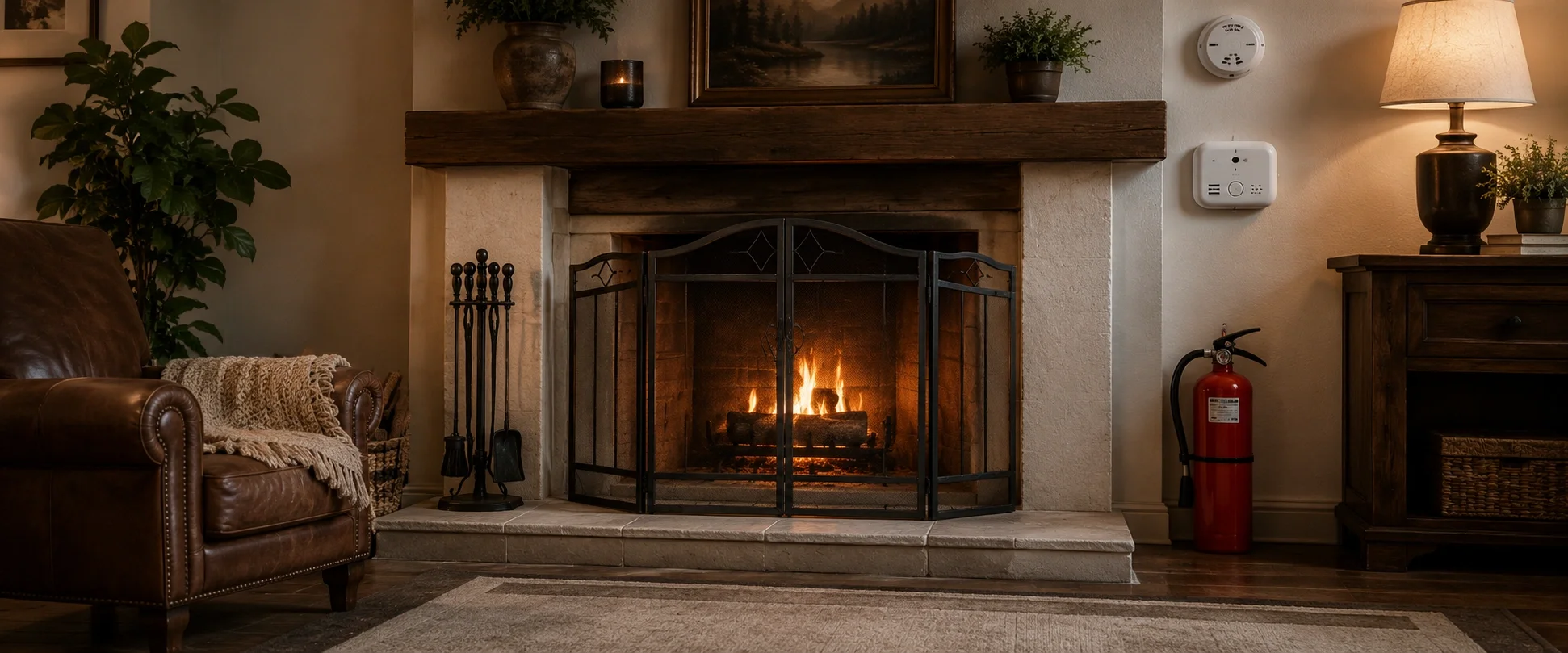
Adding a fireplace to your home may affect your insurance premiums and requires specific safety equipment that adds to the overall cost of ownership.
Insurance Premium Increase
Many insurance companies increase premiums for homes with fireplaces, especially wood-burning units.
$50–$200/yearCarbon Monoxide Detectors
Essential safety devices required for gas and wood-burning fireplaces to detect dangerous carbon monoxide levels.
$30–$100 eachSmoke Detectors
Additional smoke detectors may be needed to meet code requirements and ensure safety.
$15–$50 eachFire Extinguisher
A properly rated fire extinguisher should be kept accessible near the fireplace for emergency response.
$30–$80Fireplace Screen
Essential for preventing sparks and embers from escaping, especially with wood-burning fireplaces.
$50–$300Fireproof Hearth Rug
Protects flooring from sparks and heat damage while adding a decorative element.
$40–$150💡 Safety Tip
For the safest option with minimal insurance impact, consider a electric fireplace which doesn't produce carbon monoxide or require the same level of safety equipment as combustion-based alternatives.
6. Accessories and Aesthetic Enhancements
While not strictly necessary for operation, most fireplace owners invest in accessories and decorative elements that enhance both functionality and appearance.
Fireplace Tool Sets
Essential tools including pokers, tongs, brushes, and shovels for maintaining wood-burning fireplaces.
$50–$250Decorative Logs
Realistic ceramic logs for gas fireplaces to enhance the appearance of the flame.
$50–$200Mantel Decorations
Seasonal decorations, artwork, and other items to display on the mantel.
$100–$500+Glass Doors
Optional glass doors that improve efficiency and safety while adding a finished look.
$300–$1,000Firewood Storage
Racks, covers, and holders for storing and displaying firewood.
$50–$300Remote Controls
Replacement or upgraded remote controls for operating gas and electric fireplaces.
$30–$150Total Hidden Costs Over 10 Years (Estimated)
This estimate includes installation extras, maintenance, fuel, repairs, insurance increases, and basic accessories. Actual costs vary significantly based on fireplace type, usage patterns, and local factors.
Cost Comparison by Fireplace Type
Different fireplace types have dramatically different total cost of ownership. Here's how they compare when accounting for both initial and ongoing expenses over a 10-year period:
| Fireplace Type | Initial Installation | 10-Year Maintenance | 10-Year Fuel Costs | 10-Year Total Cost |
|---|---|---|---|---|
| Electric | $500–$2,000 | $200–$500 | $700–$1,800 | $1,400–$4,300 |
| Natural Gas | $2,500–$7,000 | $1,500–$3,000 | $900–$3,000 | $4,900–$13,000 |
| Propane | $2,500–$7,000 | $1,500–$3,000 | $3,000–$9,000 | $7,000–$19,000 |
| Wood-burning | $3,000–$10,000 | $3,000–$6,000 | $1,500–$4,500 | $7,500–$20,500 |
| Ethanol | $500–$2,000 | $200–$500 | $6,000–$18,000 | $6,700–$20,500 |
Key Takeaway: While electric fireplaces have the lowest total cost of ownership, they may not provide the same level of heat output or ambiance as other options. Gas fireplaces offer a good balance of realistic flame, heating efficiency, and moderate costs, while wood-burning fireplaces provide the most authentic experience but with higher maintenance requirements.
💡 Long-Term Value Tip
While electric fireplaces have lower ownership costs, a well-maintained gas or wood-burning fireplace may add more to your home's resale value in many markets. Consider both your personal preferences and long-term plans for your home when making your decision.
Strategies to Minimize Hidden Costs
While the costs of fireplace ownership are real, there are several strategies you can employ to minimize these expenses without sacrificing comfort or safety:
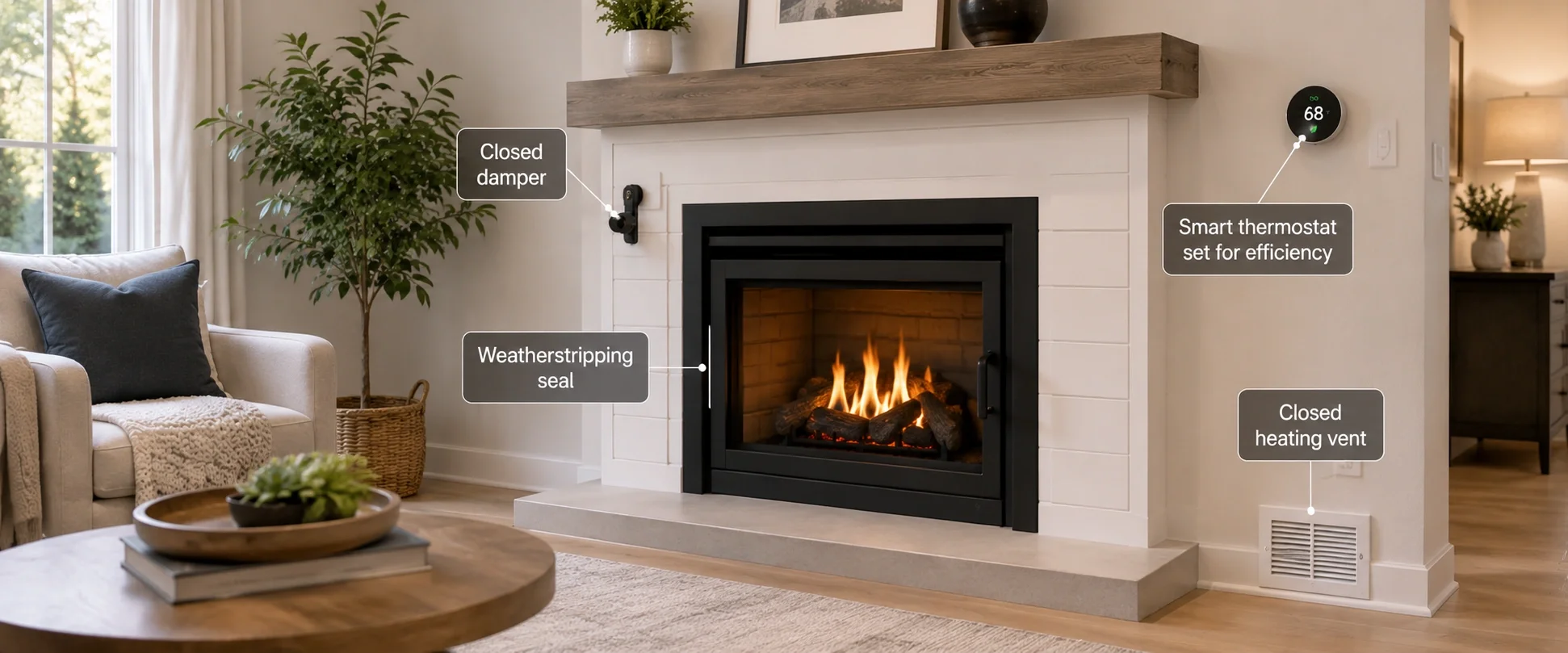
Choose the Right Size
Properly sizing your fireplace prevents overspending on both the unit and fuel costs. A fireplace that's too large wastes energy, while one that's too small works harder than necessary.
Invest in Efficiency
Higher-efficiency models cost more initially but save significantly on fuel costs over time. Look for high-efficiency ratings when comparing models.
Maintain Regularly
Following a consistent maintenance schedule prevents costly repairs and ensures optimal efficiency, saving money in the long run.
Consider Zone Heating
Use your fireplace to heat only the rooms you're using, allowing you to lower your central thermostat and save on overall heating costs.
Install a Fireplace Insert
If you have an existing open fireplace, adding an efficient insert can dramatically improve heating efficiency and reduce fuel costs.
Compare Fuel Prices
If you have options for fuel types, regularly compare prices in your area. What's most economical can change with market conditions.
💡 Energy-Saving Tip
For maximum energy savings, consider a fireplace with a programmable thermostat or smart controls that can automatically adjust based on your schedule and preferences, preventing unnecessary fuel consumption.
Conclusion: Making an Informed Decision
Understanding the hidden costs of owning a fireplace is essential for making a purchase decision that aligns with both your budget and lifestyle expectations. While these expenses are real and significant, they don't have to be deal-breakers when properly anticipated and planned for.
The most important takeaway is that the initial purchase price of a fireplace is typically just 20-40% of the total cost of ownership over a decade. By factoring in installation, maintenance, fuel, repairs, and accessories, you can create a realistic budget and choose a fireplace that provides the warmth and ambiance you desire without unexpected financial strain.
Remember that different fireplace types have dramatically different cost profiles. An electric fireplace might be perfect if you prioritize low maintenance and predictable costs, while a gas fireplace might be worth the additional expense for its realistic flame and heating efficiency.
Whatever you choose, proper maintenance and smart usage habits will help minimize costs and maximize enjoyment of your fireplace for years to come.