Complete Ash Removal & Disposal Guide
Learn safe techniques, essential tools, and proper disposal methods for fireplace ash to maintain your heating system and protect your home
LEARN THE PROCESSWhy Proper Ash Removal Matters
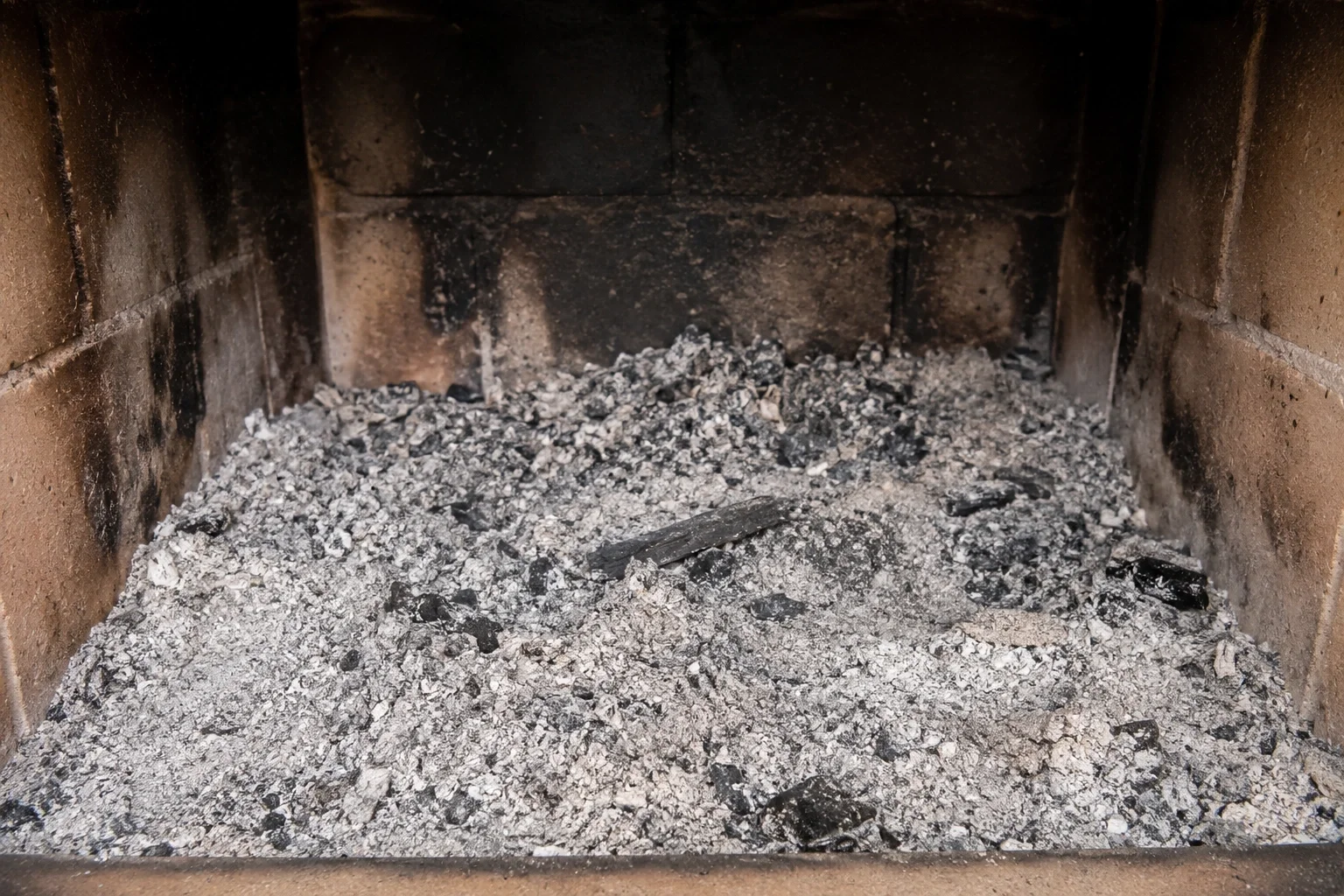
Regular ash removal is a critical aspect of wood fireplace maintenance that impacts both safety and efficiency. When ash accumulates in your fireplace, it can restrict airflow, reduce heating efficiency, and potentially create fire hazards if not managed properly.
Understanding the correct techniques for ash removal and disposal not only extends the life of your fireplace but also provides opportunities to repurpose this byproduct in beneficial ways around your home and garden.
This comprehensive guide covers everything from essential tools and safety precautions to step-by-step removal processes and eco-friendly disposal methods that transform a maintenance chore into a resource for your home.
Essential Tools for Ash Removal
Having the right tools makes ash removal safer and more efficient. Here are the essential items you'll need:
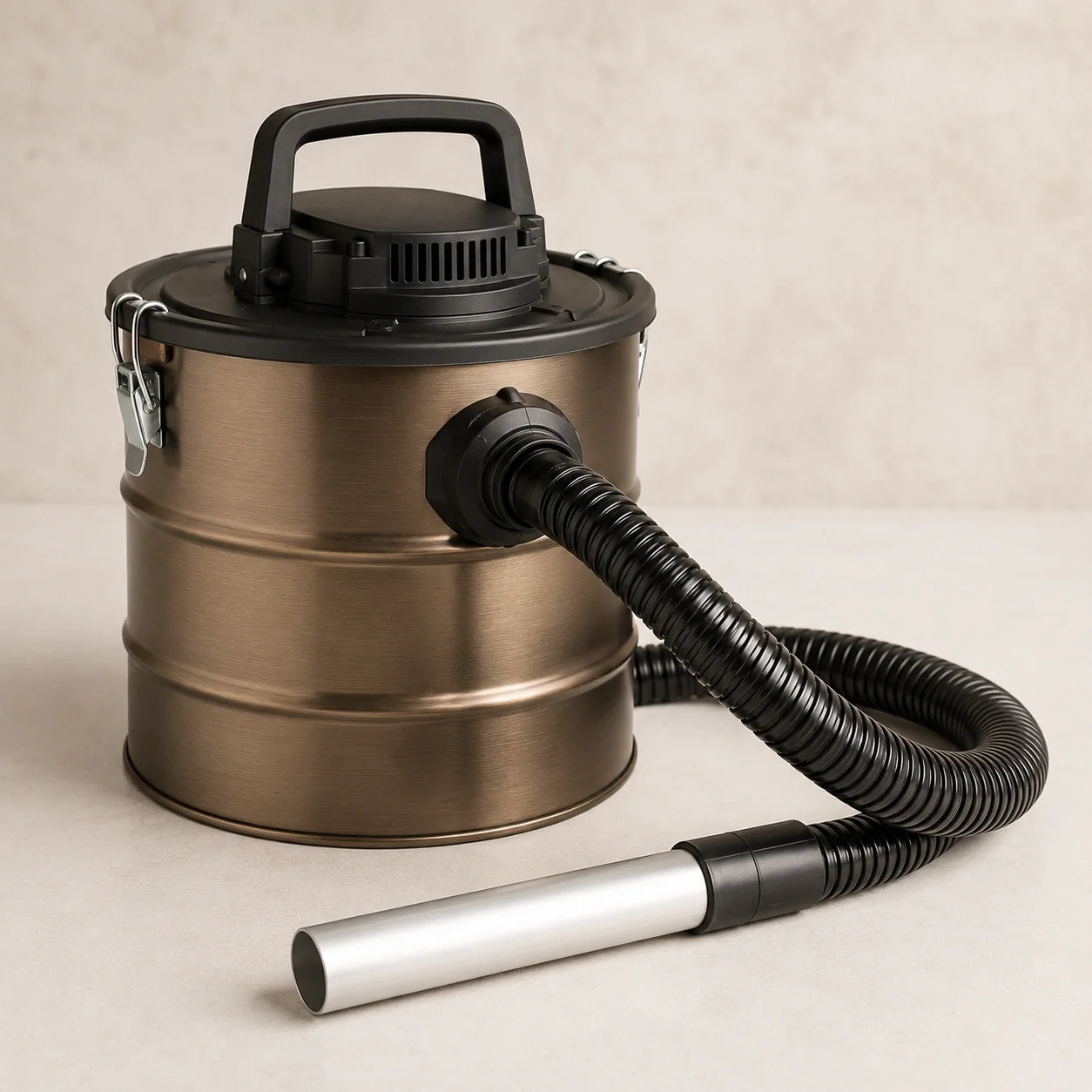
Ash Vacuum
Specially designed to handle fine ash particles without clogging. Regular vacuums can blow fine ash back into the air and may damage the filter.
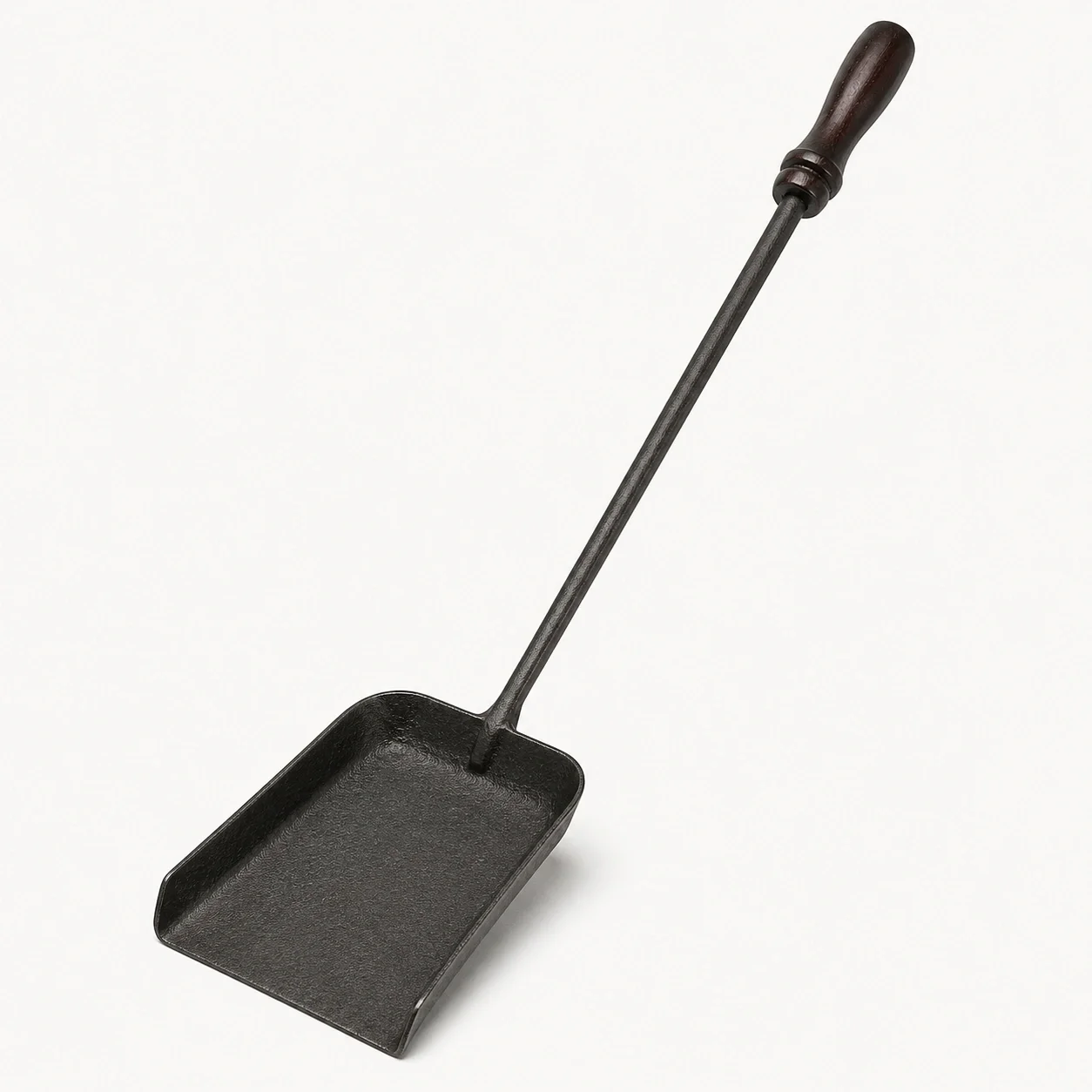
Fireplace Shovel
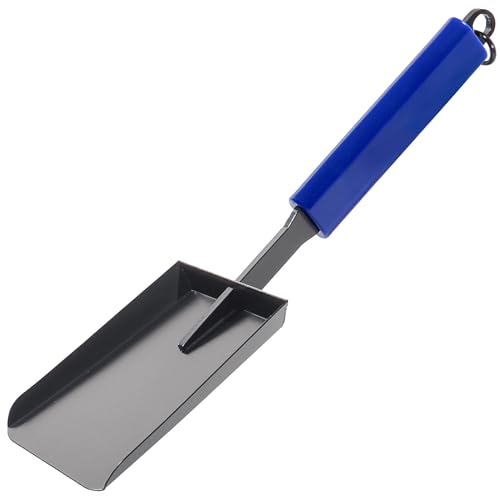
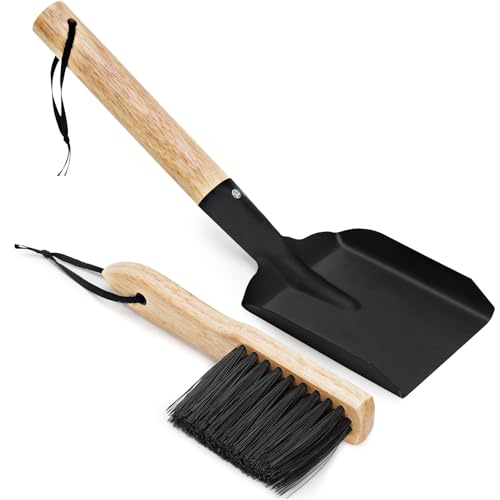
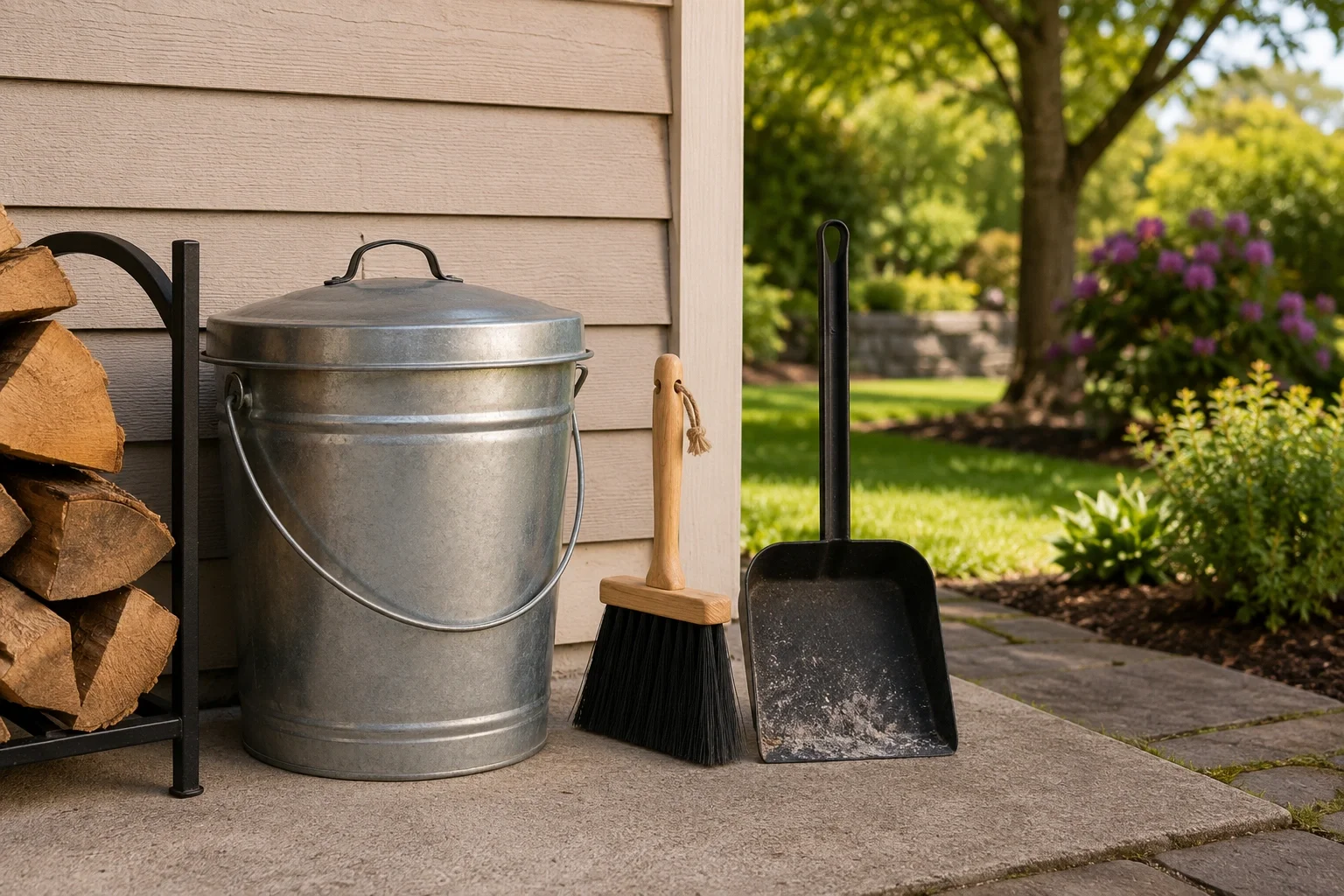
A small, long-handled shovel allows you to scoop ash without getting too close to potentially hot embers. Part of a complete fireplace shovel set.
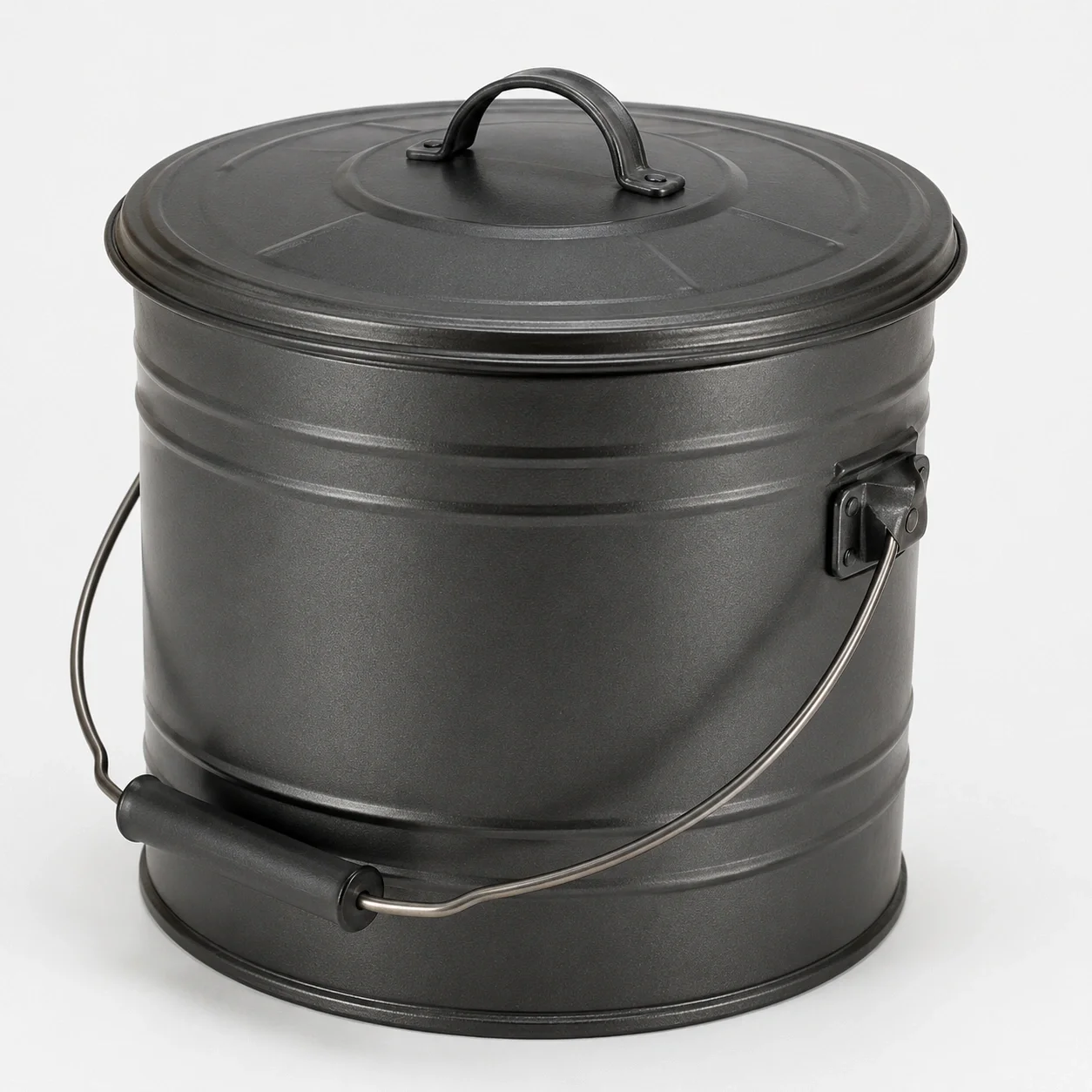
Metal Ash Container
A metal bucket with a tight-fitting lid is essential for safely storing and transporting hot ash. Never use plastic or paper containers.
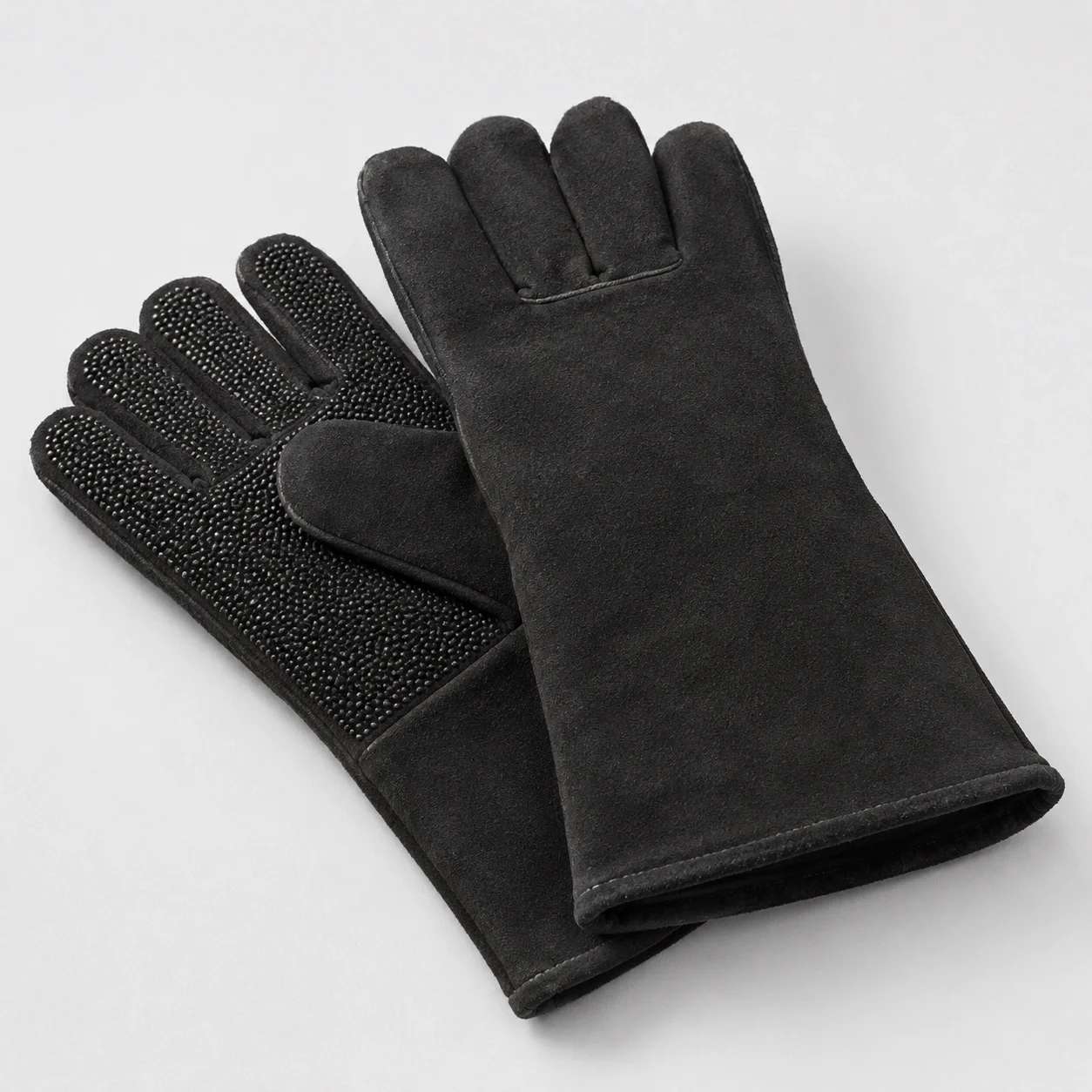
Heat-Resistant Gloves
Protect your hands from potential burns during ash removal. Quality fireplace gloves provide both heat and abrasion resistance.
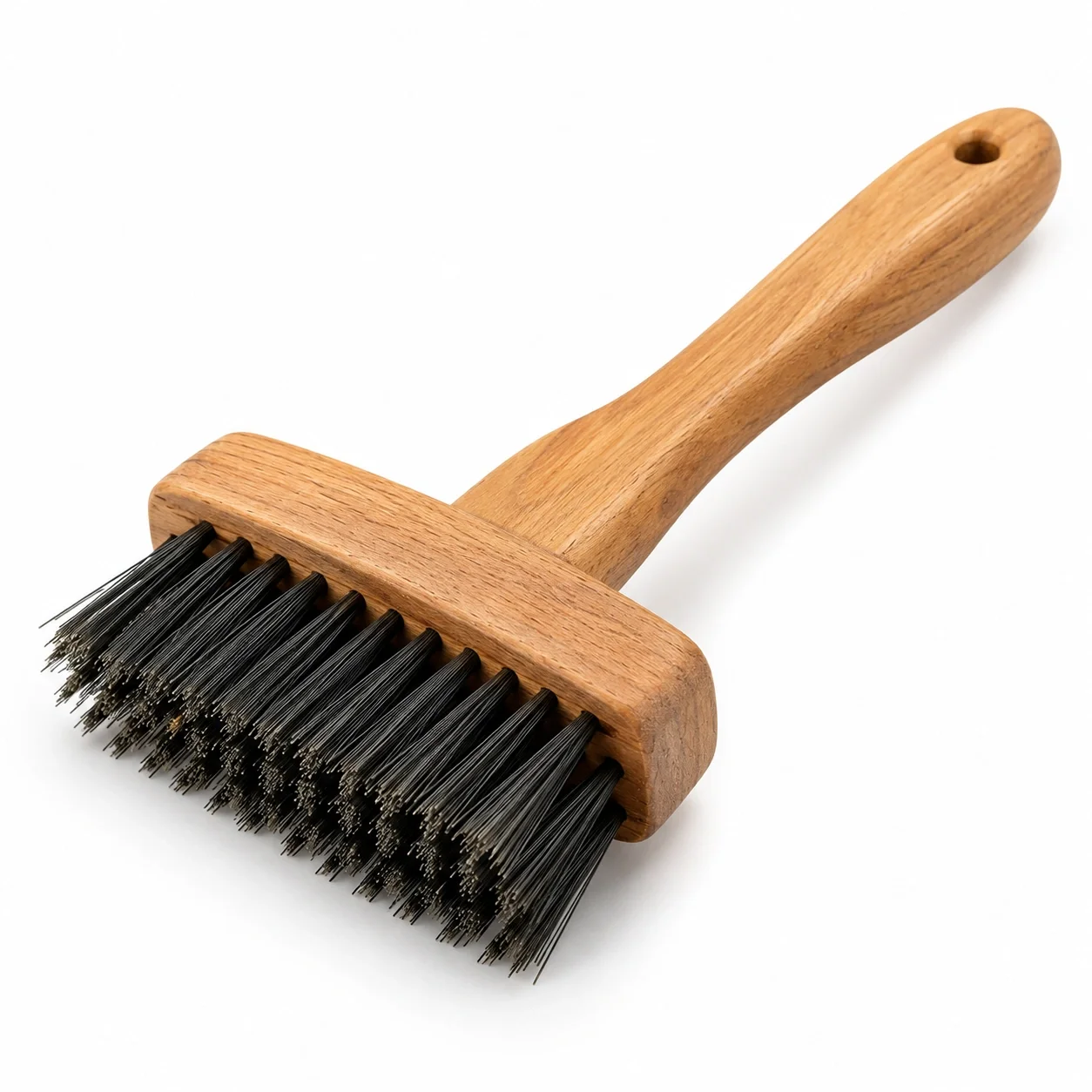
Fireplace Brush
Stiff-bristled brush helps sweep ash from corners and crevices. Often included in a fireplace broom set.

Fireplace Poker
Essential for stirring ashes to uncover hidden hot spots before removal. Quality fireplace pokers provide better control and safety.
Step-by-Step Ash Removal Process
Follow these detailed steps to safely remove ash from your wood-burning fireplace:
Wait for Complete Cooling
Allow at least 12-24 hours after your last fire before attempting ash removal. If you need to remove ash sooner, carefully spread it thin with your poker to speed cooling. Never remove ash while embers are still glowing or hot to the touch.
Prepare Your Work Area
Lay down a protective sheet or newspaper around the fireplace to catch any stray ash. Put on your heat-resistant gloves and ensure your metal ash container is nearby with the lid off and ready to receive ash.
Check for Hidden Embers
Use your fireplace poker to carefully stir through the ash, looking for any remaining hot spots or unburned pieces of wood. This step is crucial for safety and prevents accidental fires during disposal.
Scoop the Ash
Using your fireplace shovel, carefully scoop the ash from the firebox, starting from the edges and working toward the center. Leave about an inch of ash at the bottom if you plan to use the fireplace again soon, as this layer helps insulate and create better conditions for your next fire.
Clean Remaining Residue
After removing the bulk of the ash, use your fireplace brush to sweep remaining ash and debris from corners and the firebox floor. For a thorough cleaning, consider using an ash vacuum to capture fine particles that sweeping might miss.
Secure and Store
Immediately place the lid on your metal ash container to prevent ash from becoming airborne. Store the container outside, away from combustible materials, for at least 48-72 hours before final disposal to ensure all heat has dissipated completely.
Critical Safety Precautions
Never use a standard household vacuum for ash removal – fine particles can damage the motor and potentially cause fires if hot embers are present.
Always store ash in a metal container with a tight-fitting lid – never in paper bags, cardboard boxes, or plastic containers that can melt or ignite.
Place your ash container on a non-combustible surface like concrete, brick, or dirt – never on a wooden deck or near combustible materials.
Keep ash away from areas where children or pets might come into contact with it, as it can cause skin irritation and respiratory issues.
Never mix ash with other combustible materials during disposal, as even "cool" ash can contain enough heat to ignite flammable materials.
Consider wearing a dust mask to avoid inhaling fine ash particles, which can irritate your respiratory system, especially for those with asthma or allergies.
Eco-Friendly Ash Disposal Methods
Before throwing away your fireplace ash, consider these beneficial ways to repurpose it:
Garden Soil Amendment
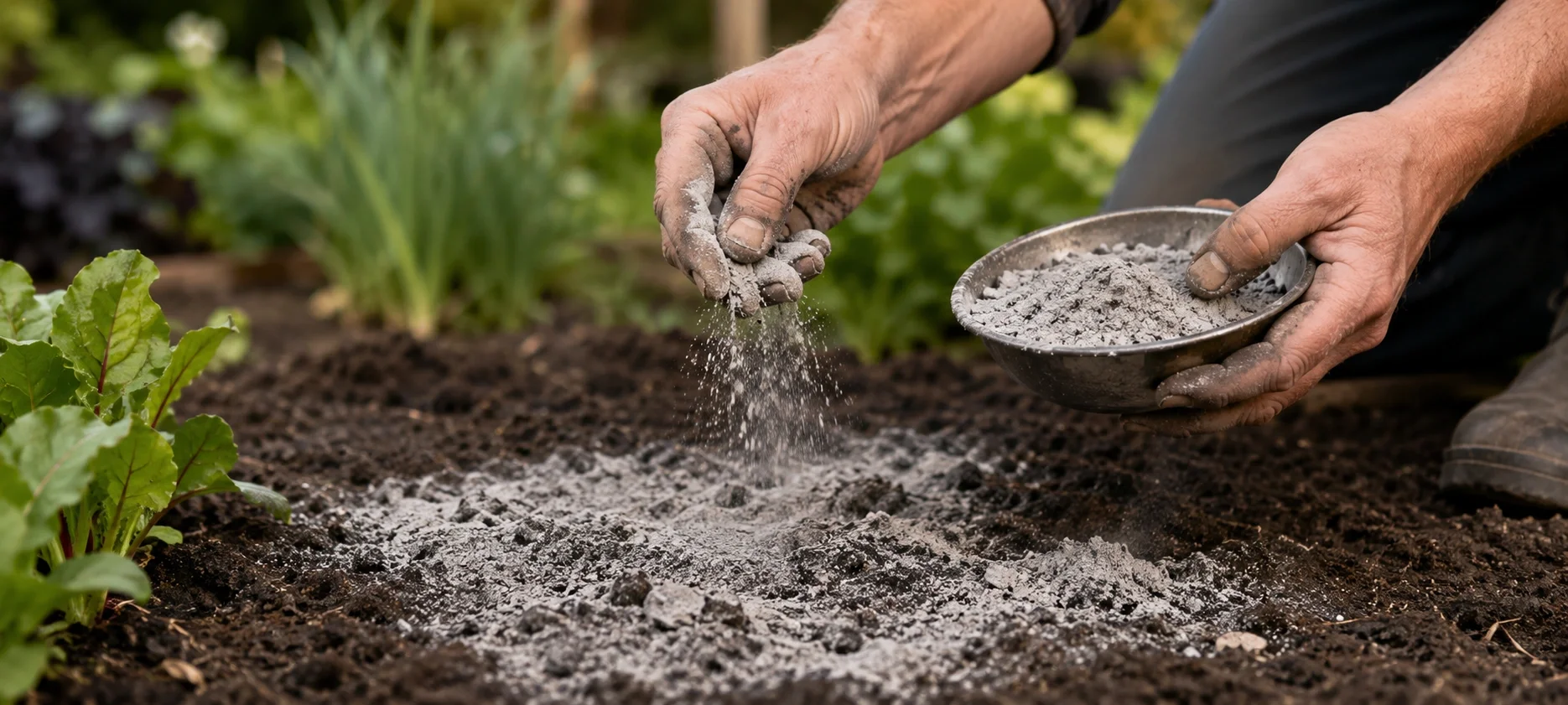
Wood ash contains potassium, calcium, and other trace minerals that can benefit garden soil. It's particularly useful for raising soil pH in acidic soils. Sprinkle a thin layer (about 1/4 inch) over garden beds and work it into the soil. Avoid using ash around acid-loving plants like blueberries, rhododendrons, and azaleas.
Compost Enhancement
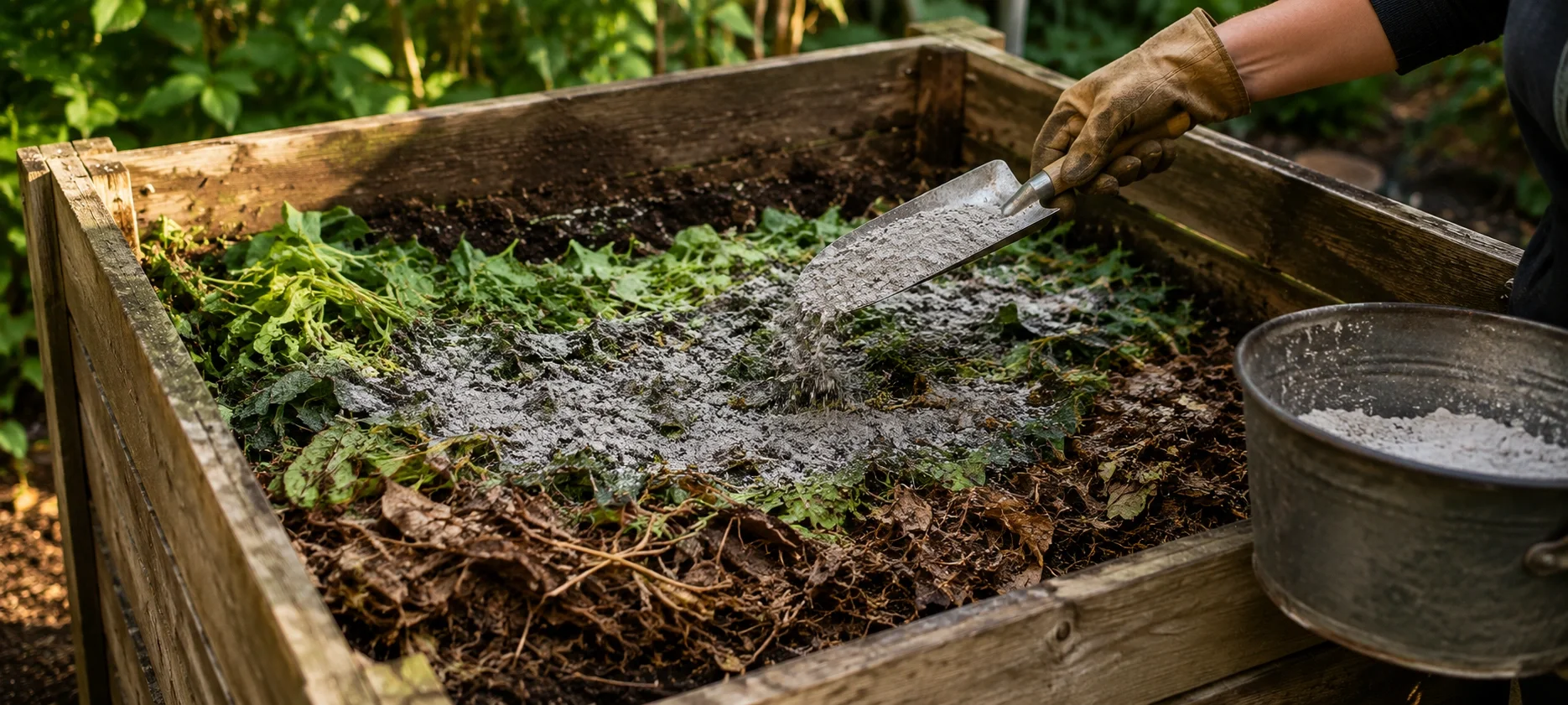
Add thin layers of wood ash to your compost pile between layers of green materials. The ash helps neutralize acidity and provides minerals that benefit microbial activity. Use sparingly – too much ash can make your compost too alkaline. A good rule is to add no more than one cup of ash per cubic yard of compost material.
Natural Pest Deterrent
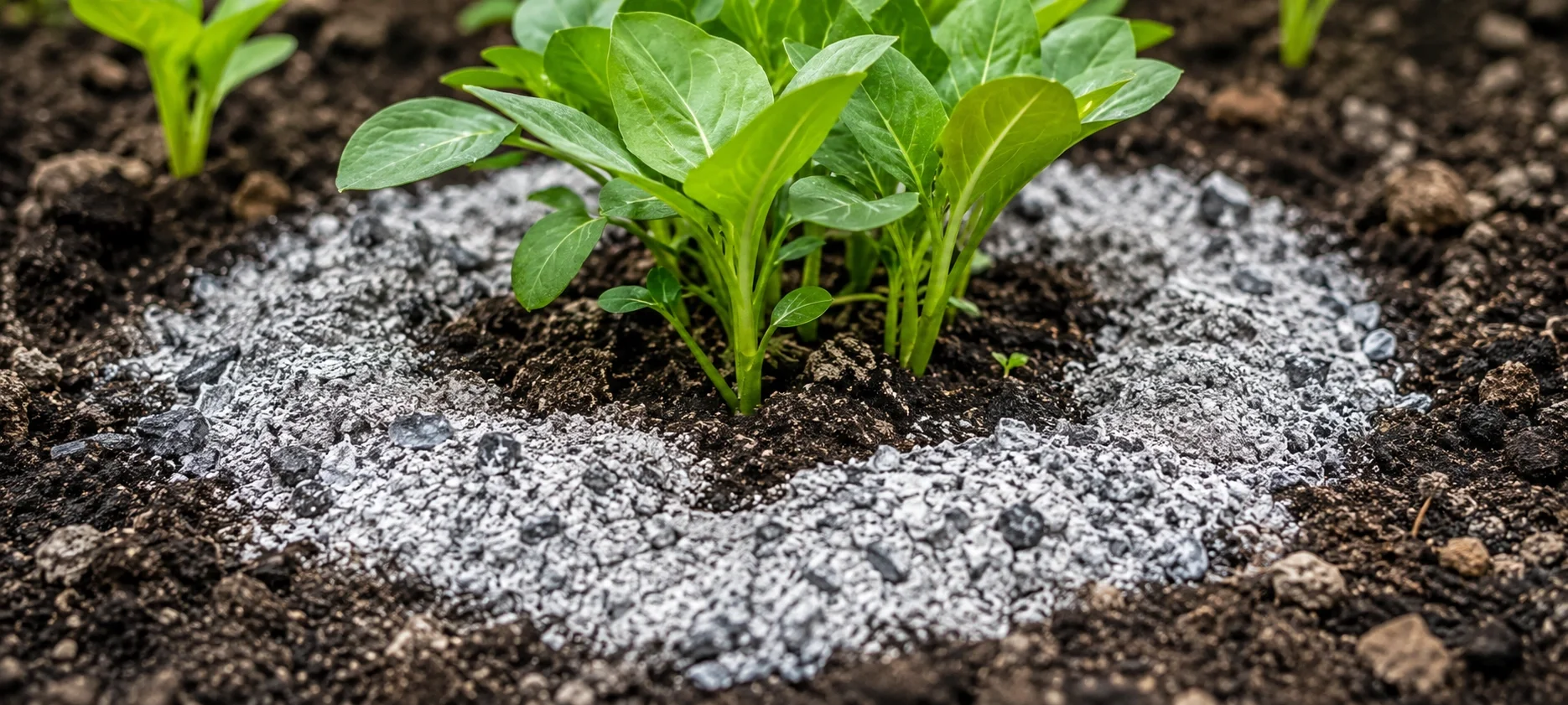
Sprinkle a ring of wood ash around vulnerable plants to deter slugs, snails, and some soft-bodied insects. The ash acts as a physical barrier and desiccant that these pests avoid. Reapply after heavy rain, as the ash will wash away. This method is especially effective for protecting seedlings and young plants.

Winter Ice Melt Alternative
Wood ash contains potassium salts that can help melt ice on walkways and driveways. It provides traction and is less damaging to plants and concrete than many commercial de-icing products. Spread a thin layer on icy surfaces and allow it to work. The dark color also helps absorb sunlight, accelerating melting.
Odor Control
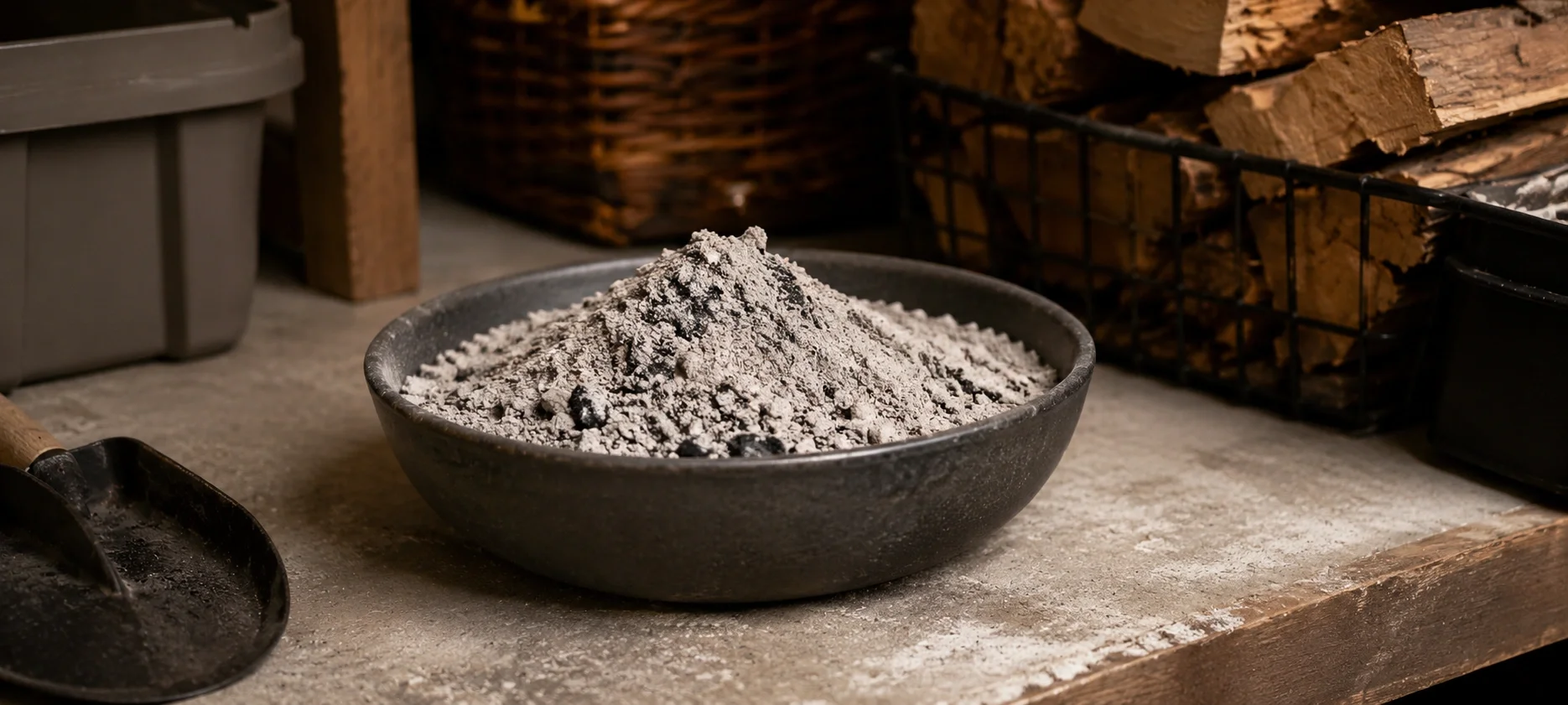
Wood ash can help control odors in various situations. Place a small bowl of ash in musty basements, refrigerators, or near pet areas to absorb unpleasant smells. It's particularly effective in damp environments. Replace the ash every few days for optimal odor control.

Glass Cleaning Paste
Mix wood ash with a small amount of water to create a mild abrasive paste that's excellent for cleaning fireplace glass and other grimy surfaces. The fine particles help scrub away soot and residue without scratching. Apply the paste, let it sit briefly, then wipe clean with a damp cloth.
Important Note: Only use ash from untreated, natural wood for garden and household applications. Ash from treated wood, painted wood, coal, or synthetic logs may contain harmful chemicals and should be disposed of with regular household waste. If you're unsure about the source of your ash, it's safer to dispose of it in the trash rather than risk contaminating soil or plants.
How Often Should You Remove Ash?
The frequency of ash removal depends on how often you use your fireplace and your specific heating needs. As part of your seasonal fireplace maintenance, consider these guidelines:
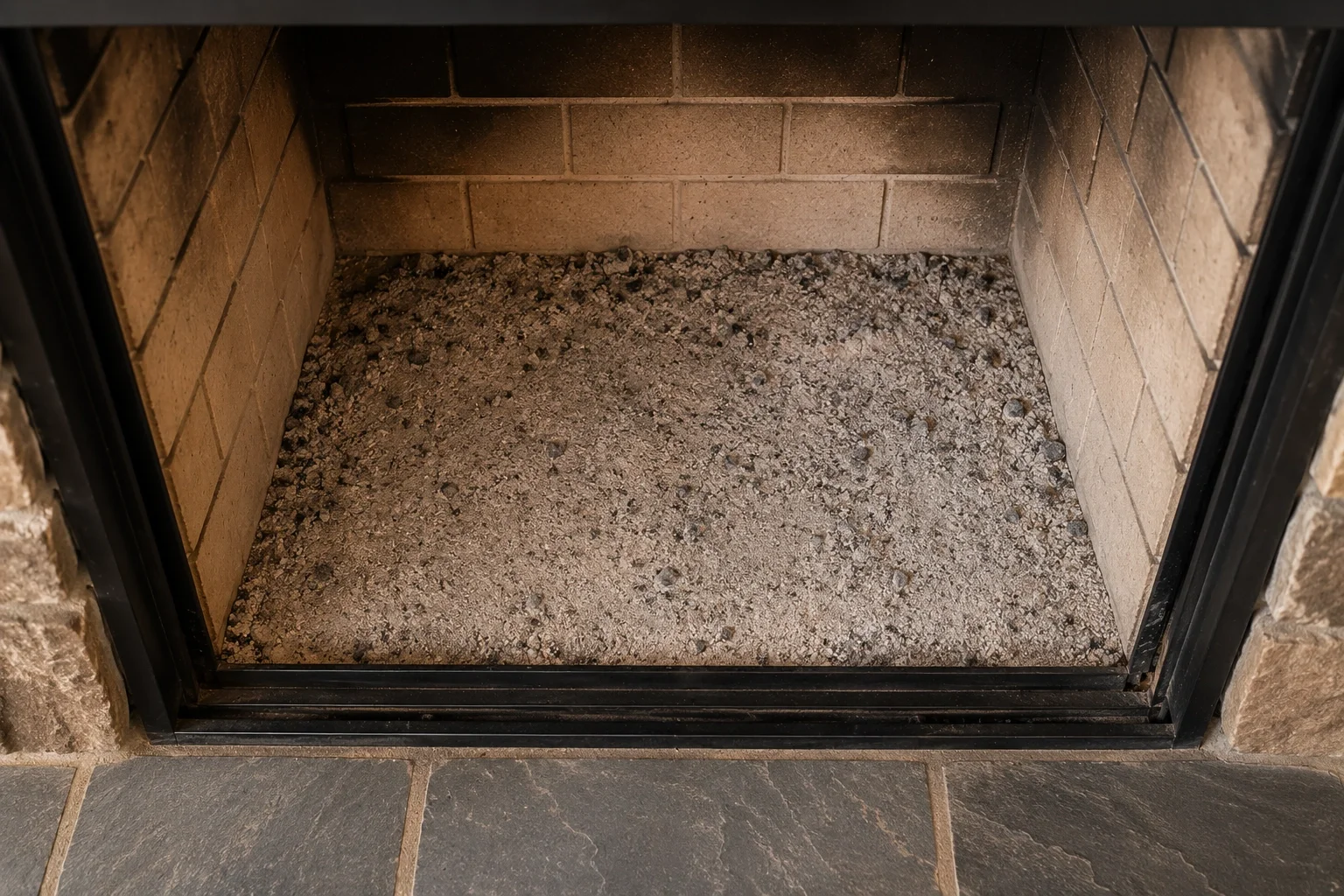
For frequent use: Remove ash every 1-2 days during heavy use periods, but always leave a 1-inch layer at the bottom. This ash bed helps insulate the firebox and creates a hotter, more efficient fire by reflecting heat back into the burning wood.
For occasional use: Remove ash completely before the heating season begins and after it ends. During the season, remove ash when it builds up to more than 2 inches deep or begins to interfere with airflow.
Before inspections: Always remove all ash before scheduling a professional fireplace inspection or chimney cleaning. This gives technicians better access to examine the firebox and identify any potential issues.
Frequently Asked Questions
Can I vacuum fireplace ash with a regular vacuum cleaner?
No, you should never use a regular household vacuum for fireplace ash. The fine particles can clog the filter, damage the motor, and potentially be blown back into the air. Worse, if any hot embers are present, they can ignite the dust in the vacuum or melt plastic components. Always use a specially designed ash vacuum that has a fire-resistant filter system and is built to handle fine particles safely.
How long should I wait before removing ash after a fire?
You should wait at least 12-24 hours after your last fire before attempting ash removal. Embers can remain hot enough to start a fire for much longer than you might expect, even when they appear gray and cold on the surface. If you need to remove ash sooner, spread it thin with your poker to help it cool faster, but always err on the side of caution. When in doubt, wait longer rather than risk removing ash that might still contain hot spots.
Should I leave any ash in the fireplace between fires?
Yes, leaving about 1 inch of ash at the bottom of your fireplace is actually beneficial. This ash layer acts as insulation, protecting the bottom of the firebox and reflecting heat back into the fire, which helps create a hotter, more efficient burn. The ash also provides a bed that helps stabilize new logs as they catch fire. Only remove all the ash when you're doing a thorough cleaning or preparing for an inspection.
Can wood ash be used in vegetable gardens?
Yes, wood ash can be beneficial in vegetable gardens when used correctly. It's particularly good for root vegetables like carrots, potatoes, and beets, as well as plants that prefer slightly alkaline soil like tomatoes. However, use it sparingly (no more than 1/4 inch layer worked into the soil) and avoid using it around acid-loving plants. Also, ensure the ash comes from untreated, natural wood only – never use ash from treated lumber, painted wood, or charcoal briquettes in food gardens.
Is it safe to put fireplace ash in the trash?
Yes, it's safe to dispose of fireplace ash in regular household trash, but only after ensuring it's completely cool. Store ash in a metal container with a tight-fitting lid for at least 48-72 hours before bagging it for trash collection. Place it in a paper bag (not plastic, which can melt if any residual heat remains) and keep it separate from other flammable materials. Some municipalities have specific guidelines for ash disposal, so check your local waste management regulations.
Can I use ash from a gas fireplace?
Gas fireplaces typically don't produce significant amounts of ash like wood-burning units do. What might appear as "ash" in a gas fireplace is usually dust, debris, or soot from incomplete combustion. This material shouldn't be treated the same as wood ash and generally shouldn't be used in gardens or for other household purposes. For proper cleaning of gas fireplace residue, refer to your manufacturer's guidelines or consult with a professional during your gas fireplace maintenance.
Pro Tips for Efficient Ash Management
Experienced fireplace owners have developed these techniques to make ash removal easier and more efficient:
Create a dedicated ash station: Set up a permanent spot outside your home with a metal ash container, brush, and small shovel. This makes the process more convenient and prevents tracking ash through your house.
Use a two-container system: Keep one metal container for fresh ash and another for cooled ash that's ready for disposal or reuse. This rotation system ensures you always have a safe place to put new ash.
Consider seasonal strategies: During heavy use periods in winter, you might remove ash more frequently but leave a 1-inch bed. In spring, do a complete removal as part of your spring fireplace maintenance to prepare for the off-season.
Label your ash storage: If you plan to use ash in your garden, label your container with the date and wood type. Different woods produce ash with different mineral contents, which can affect how you use it in your garden.
Invest in quality tools: While it might be tempting to use household items, dedicated fireplace accessories designed for ash removal are safer, more efficient, and will last longer, saving money in the long run.
Final Thought: Proper ash removal and disposal is not just a maintenance chore—it's an opportunity to improve your fireplace's efficiency, enhance your garden, and reduce waste. By following the guidelines in this article, you'll ensure your fireplace operates safely and efficiently while making the most of this natural byproduct. For more comprehensive maintenance information, check out our complete fireplace maintenance schedule.