
Fireplace Ventilation Requirements: Vented vs Ventless & Safety Codes
Do you need a chimney? What’s the difference between direct vent, B-vent, and ventless? Complete guide to match ventilation to your home, fuel type, and local building codes.
Explore Fireplace Types →🔥 Why ventilation is critical: Proper ventilation removes combustion byproducts (carbon monoxide, moisture, smoke, particulates) and supplies oxygen for efficient burning. Choosing the wrong venting system can lead to health risks, code violations, or expensive retrofits. This guide helps you decide with confidence.
Ventilation needs by fireplace type
Wood Fireplaces
Requires full chimney (masonry or factory-built) to vent smoke, creosote, and gases. Must comply with NFPA 211. Minimum flue height: at least 3 ft above roof penetration and 2 ft above anything within 10 ft.
Chimney liner cost: $1,000–$4,000+
Wood fireplace guide →Direct Vent Gas
Sealed combustion system draws outside air for combustion and exhausts outside via coaxial pipe. No chimney needed; can be vented horizontally through wall. Most efficient & safe for modern homes.
Installation: $2,500–$5,500
Gas fireplace overview →Electric Fireplaces
Zero emissions, no combustion, no venting needed. Plug-and-play. Perfect for apartments, condos, bedrooms, or rooms without existing chimneys. 100% efficient at point of use.
From $150 – $1,200
Best electric models →Ventless (Real flame)
Burns bioethanol – produces CO₂ and water vapor, but requires sufficient room volume and intermittent fresh air (open window or mechanical ventilation). Not approved for small, airtight rooms by IRC.
Room size: ≥ 1,000–1,500 cu ft minimum
Ethanol safety guide →Top-Rated Ventilation-Safe Fireplaces & Accessories
⚠️ AFFILIATE DISCLOSURE: This website contains affiliate links. As an Amazon Associate, we earn from qualifying purchases. If you make a purchase through these links, we may receive a small commission at no additional cost to you. Read our full affiliate policy.
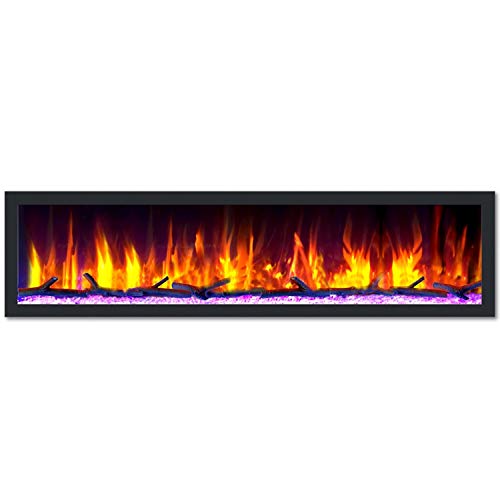
Dynasty 52" Cascade Linear Smart Control Flush Mount Electric Fireplace

Frienda 2 Pcs 3.83" Outside Air Vent Covers for Fireplace, White

Elbow Stove Pipe Stainless Steel Chimney Flue for Outdoor Camping Wood Stove 90/45 Degree Stove Flue Pipe Elbow Chimney Liner for Wood Stoves Fireplaces Ventilation Systems(50mm-100mm)(70mm)

6" Inch Round Galvanized Steel Roof Cap with Mesh - Weather-Proof Chimney Cover with Side Wall - Fireplace Duct Rain Guard - Exhaust or Supply Ventilation Top Cover - Perfect Insulation Protector Cap
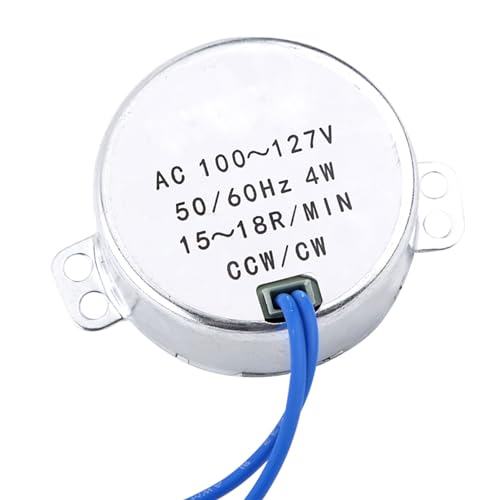
GBSCLOVER AC 100-127V Synchronous Motor, 15-18RPM Slow Rotating Motor, 50/60Hz Electric Fireplace Motors, CCW CW 4W Synchronous Gear Motors for Electric Fan Ventilation Mechanism

Zonon 6 Inch Anti Downdraft Chimney Cap Wind Cap Adapter Chimney Draft Stopper Stainless Steel Vent Pipe Connector Secure Fit for Wood Stove Fireplace or Heating System Ventilation

All Weather Rain Cover, 304 Stainless Steel Outside Cone Top Chimney Cap, Stove Pipe Topper Vent Cap with Gloves, Kitchen Exhaust Chimney Flue Cowl(60 mm(2.36 in))

304 Stainless Steel Round Wall Vent Cover, Dryer Vent Cap
Vented vs Ventless Gas Fireplaces: Which one is right?
When exploring gas fireplace options, you’ll face a core decision: vented (B-vent or direct vent) or ventless (vent-free). Each has major implications for indoor air quality, efficiency, and building code compliance.
- Direct vent (sealed combustion): Most recommended. Uses two pipes (intake/exhaust), no indoor air used. Efficiency up to 85–90%. Approved in all states. Ideal for indoor fireplace ideas with high safety.
- B-vent (natural draft): Uses indoor air for combustion and vents vertically through chimney. Less efficient, but traditional look. Requires adequate combustion air from the room (make-up air).
- Ventless / Vent-free gas fireplace: No flue or chimney; all combustion products remain indoors (water vapor, small traces of CO₂, NO₂). Banned in several states (CA, MA, Canada). Only recommended for supplemental heat and must meet strict room size + oxygen depletion sensor (ODS). Often requires opening a window.
Our recommendation: Choose direct-vent for peace of mind, especially in modern fireplace ideas or energy-tight homes. If you already own a ventless system, ensure you have ventless fireplace safety measures in place.
Compare vented vs ventless in detail →Combustion & Make-Up Air: Critical requirements
For any fuel-burning appliance (wood, gas, pellet, ethanol), you must provide adequate combustion air from outdoors or from large indoor spaces. Tightly sealed modern homes often need a dedicated make-up air kit to prevent negative pressure, backdrafting, and carbon monoxide spillage.
📏 Quick rule of thumb (IRC M1701): Unvented gas log sets require 4 CFM per 1,000 BTU/h from outside air if room volume is under 50 cubic feet per 1,000 BTU. For standard vented gas or wood fireplaces, install at least a combustion air inlet (6-inch duct) near the fireplace. Always consult NFPA 54 and local codes.
If you’re planning a DIY fireplace project, never skip the make-up air calculation. Professional installers use a sizing worksheet to ensure safe airflow. For larger units above 40,000 BTU, an outside air kit is usually mandatory.
Wood Stoves & Fireplace Inserts: Venting constraints
If you’re upgrading an existing masonry fireplace with a fireplace insert, venting options include relining the chimney with a stainless steel liner (properly sized to the insert’s flue outlet). For freestanding stoves, use class A chimney pipe or double-wall insulated pipe. Clearance to combustibles and chimney height dramatically affect draft performance.
- Chimney liner must be continuous and insulated for safety.
- Minimum flue diameter: 6″ for most wood stoves (higher for large inserts).
- Always get a WETT or CSIA inspection when installing wood venting.
Outdoor Fireplaces & Ventilation
Outdoor units (wood-burning or gas) still need proper clearance and airflow to avoid smoke accumulation under patios or pergolas. For outdoor fireplace installations, a properly sized chimney or flue is required (metal or masonry). Direct vent gas models can terminate horizontally. Ensure termination is away from windows and building intakes. If you enjoy rock fireplace ideas outside, remember that fire pits may have no flue — different rules apply.
No-vent options: Electric & Ethanol fireplace rules
Electric fireplaces eliminate all venting concerns. Perfect for small fireplace spaces, apartments, or TV walls. No chimney, no gas line, no inspection. However, avoid blocking air intakes. Meanwhile, ethanol fireplaces (bioethanol) offer real flames without venting but require minimum room volume (generally >1,500 cu.ft) and manual air exchange. Many modern fireplace ideas use ethanol because of clean design, but check local regulations (some countries ban unvented open-flame devices in bedrooms).
⭐ Our advice: If you want absolute safety + flexibility, an electric fireplace is the safest ventless solution. For ambiance with heat, go with a direct-vent gas unit — still the gold standard for efficiency and indoor air quality. Avoid ventless gas unless you fully understand oxygen depletion and humidity side effects.
Building codes & permits for fireplace venting
Most US jurisdictions follow IRC (International Residential Code) Chapter 10 (Chimneys and Fireplaces) and NFPA 211. Any change to venting, installing a new gas line, or adding a wood insert requires permit and inspection. Ventless gas appliances are prohibited in HUD housing and many local codes. Before purchasing, check with your local building department. Use the fireplace permit requirements guide to navigate red tape.
Additionally, if you’re converting from wood to gas, the existing chimney may need a gas flue liner or downsizing. Always consult a licensed professional — improper venting can lead to carbon monoxide poisoning.
Frequently Asked Questions (Ventilation)
Do I need a chimney for an electric fireplace?
No – electric fireplaces require no venting or chimney. They produce zero emissions and can be installed anywhere with a power outlet.
Can I install a gas fireplace without a chimney?
Yes! Direct-vent gas fireplaces vent horizontally through an exterior wall. No chimney needed. B-vent models require a vertical vent (through roof).
Is a ventless gas fireplace safe for bedrooms?
Most codes prohibit ventless gas appliances in bedrooms or bathrooms due to oxygen depletion risk. Always check manufacturer and local restrictions.
More ventilation answers? Browse the Fireplace FAQ page or contact a local hearth specialist.
✅ Final decision framework:
– Existing chimney in good shape → wood or gas insert (direct vent conversion possible).
– No chimney, want heat + realistic flame → Direct vent gas fireplace (highest recommendation).
– No venting possible, no gas line → Electric fireplace (ultra flexible).
– Want modern ethanol but have large, ventilated room → Vent-free bioethanol (with caution).
Review your local code, then choose the right solution. Scroll down to see our recommended fireplaces for each scenario (affiliate links support our research).