
Fireplace Blower vs Fan: Maximize Your Heat
Stop wasting warm air! Compare blower kits vs standalone fans — efficiency, installation, noise, and which accessory triples your fireplace heating.
Shop Blower Kits →🔥 Quick answer: A fireplace blower (circulator) is built into or retrofitted inside your fireplace to push heated air from the firebox into the room. A fan is typically an external device placed nearby to move existing warm air. For whole-room heating, a blower is 3x more effective; for supplemental airflow, a heat-powered fan works well on wood stoves.
Top-Rated Fireplace Blowers & Heat Fans
⚠️ AFFILIATE DISCLOSURE: This website contains affiliate links. As an Amazon Associate, we earn from qualifying purchases. If you make a purchase through these links, we may receive a small commission at no additional cost to you. Read our full affiliate policy.
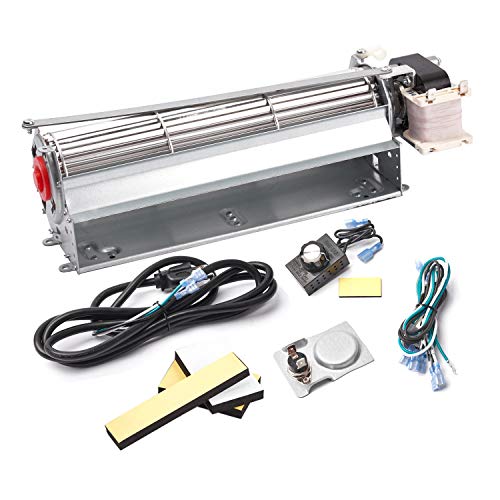
Adviace Replacement Fireplace Blower Kit for Heatilator, Majestic, Lennox, Temco Fireplace, GFK4B GFK4 FK4 GFK4A Fireplace Fan Blower Kit for Heatilator GNBC33,NDV4236I,ND3933

KUNRISE BBQ 97mm × 33mm Blower Fan, High Airflow 110V 120V Variable Speed Centrifugal Fan with AC Plug for Camping, Charcoal Ignition, Outdoor Cooking, Fireplace, Bellows or Wood Stove

GFK160 GFK-160A Fireplace Blower Fan Kit for Quadrafire, Heat N Glo 6000CLX SL-550TR, Hearth and Home DV3732 DV3732-B, Heatilator, Fasco, Superior, GTI, Jakel, Royal, Nordica, Regency, Rotom Fireplace

Adviace GFK-160 GFK-160A Fireplace Blower Fan Kit for Heat-N-Glo, Heat and Glow, Heat&Glo, Hearth and Home, Superior, Quadra-Fire Fireplaces, FAB-1600 FAB-1100 HB-RB168 1601881 950-3315 Blower Kit

GFK-160A GFK-160 Fireplace Blower Fan Kit for Heat N Glo, Quadra-Fire, Heatilator, Superior, Majestic, GTI, Hearth and Home DV3732, Quadra-Fire 7100, Heat N Glo SL-750TR-C, SL-750TR Blower Fan Kit

Hiorucet FK12 Fireplace Blower Fan Kit for Majestic, Vermont Castings, Monessen, Temco, Rotom HB-RB12, GFK4, FK12, FK24 Replacement Fireplace Blower Fan. Ball Bearing, Quiet, High Air Flow.

GFK-160A Fireplace Blower Fan Kit for Heat N Glo SL-750TR, SL-550TR, Hearth and Home DV3732 DV3732-B, Quadra Fire, GTI, Heatilator GCDC60 GCDC80 CD4236IR, Superior, GFK-160 GFK160 Fireplace Blower Kit
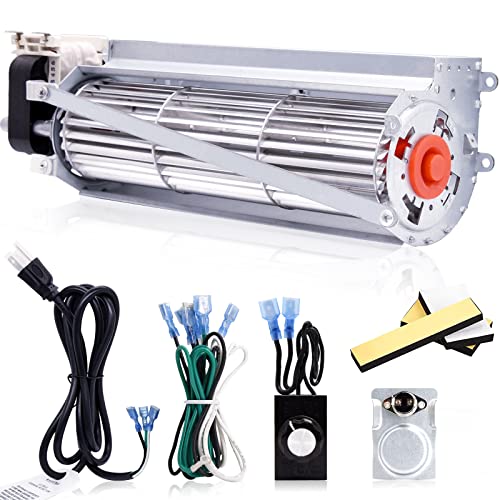
GFK4B Blower Fan Kit for Heatilator NDV4236I, Temco, Majestic, Lennox, Monessen, CFM, Vermont Castings Fireplaces, Rotom HB-RB74K R7-RB74K. FK4 GFK4A GFK4 Heatilator Fireplace Replacement Parts.
What’s the Difference? Blower vs Fan Explained
If you own a gas fireplace, electric fireplace, or wood-burning fireplace, you’ve likely noticed that heat rises and can get trapped near the ceiling or behind the firebox. A fireplace blower (also called a fan kit, circulator, or blower motor) is specifically engineered to pull cool air from the room, pass it over the hot fireplace exterior or heat exchanger, and push heated air back into your living space. In contrast, a standalone fan (like a traditional room fan or a heat-powered stove fan) simply circulates existing air, without actively forcing air through the fireplace’s heat exchange system.
Feature Comparison: Blower vs Fan
| Feature | Fireplace Blower (Circulator) | Standalone Fan / Stove Fan |
|---|---|---|
| Installation | Typically installed inside fireplace cavity (gas/electric/wood insert). Some retrofit universal kits available. Requires basic wiring or plugin. | No installation — place on floor, mantel, or on wood stove (thermoelectric fan). Instant setup. |
| Heating Efficiency Boost | High — forces heated air directly from firebox, reduces heat loss up chimney, increases room temperature rapidly. | Low to Medium — only circulates warm air already in the room; does not extract extra heat from the fireplace. |
| Noise Level | Low to moderate (modern brushless DC motors are near silent, under 32 dB). Some budget blowers produce soft hum. | Varies: traditional electric fan can be noisy (40-55 dB). Heat-powered stove fans are silent (blade movement only). |
| Cost Range | $80 – $350 depending on brand, CFM rating, and fireplace model (OEM vs universal). | $25 – $120 (electric clip-on fans) / $60 – $180 (eco heat-powered fans). |
| Best For | Gas fireplaces, electric fireplaces with heater, wood inserts, and zero-clearance fireplaces. | Wood stoves (heat-powered fan), masonry fireplaces, or temporary air movement. |
| Energy Source | Electric (hardwired or plug-in). Consumes ~40-80 watts. | Electric plug-in or thermoelectric (no battery, runs from stove heat). |
- Maximizes heat distribution – reduces cold spots, pushes warmth to corners.
- Extends the efficiency of gas/wood fireplaces; turns your fireplace into a real zone heater.
- Often includes thermostat or speed control for precise temperature management.
- Quiet operation and sleek integration (hidden inside).
- Can be retrofitted to many existing fireplaces with DIY-friendly kits.
- Zero installation – just plug and play (or place on wood stove).
- Heat-powered fans run without electricity → save operating costs.
- Portable: move to different rooms or fireplaces.
- Very affordable (especially basic electric fans).
- Good for pushing hot air that naturally pools near the ceiling.
Which One Is Right for Your Fireplace Type?
Choosing between a blower and a fan depends largely on your fireplace style and heating goals. Let’s break it down by fuel type:
🔥 For Gas Fireplaces & Inserts
A gas fireplace blower is almost essential if you want noticeable heat distribution. Most modern gas fireplaces are designed to accept a factory or universal blower kit installed inside the unit. Without a blower, gas fireplaces radiate gentle warmth but fail to push heat across large rooms. External fans won’t help because the firebox is sealed — the blower actively forces air through heat-exchange chambers. Our recommendation: Invest in a variable-speed blower ($120–$250) to turn your gas fireplace into a powerful secondary heat source.
⚡ For Electric Fireplaces
Most electric fireplaces already include a built-in fan-forced heater. However, some wall-mounted or recessed models have weaker fans. In this case, adding an external fan doesn't make sense; instead, upgrade to an electric fireplace with a higher CFM blower. For existing units, a small quiet fan near the unit can help but you won’t retrofit a blower inside. We recommend checking the specs: look for electric fireplaces with 5000+ BTU and a high-performance fan.
🪵 For Wood Burning Fireplaces & Stoves
Traditional masonry fireplaces lose much heat up the chimney. A fireplace insert with a built-in blower is the ultimate solution, but if you have an open hearth, consider a heat-powered grate blower (like Ecofan or Amaze) that sits on top of the stove or a wood fireplace insert. These thermoelectric fans start spinning when the stove heats up, pushing warm air horizontally. For wood-burning stoves, a heat-powered fan is popular, silent, and electricity-free. For maximum effect, a heavy-duty blower kit designed for wood inserts works best.
Critical Factors Before You Buy
- CFM (Cubic Feet per Minute): A blower’s airflow rating. For medium living rooms (300-500 sq ft), choose a blower with 130–200 CFM. For open floor plans, 250+ CFM is ideal.
- Noise tolerance: Modern ball-bearing blowers are near-silent. If you are sensitive to noise, avoid cheap axial fans. Look for "whisper-quiet" blower kits.
- Installation complexity: Many DIY fireplace blower kits are simple (just plug into outlet and attach magnetic thermal switch). However, gas fireplace blowers may require a licensed technician — always check local codes.
- Energy savings: Using a fireplace blower allows you to set your thermostat lower by 3–5°F, saving up to 15% on heating bills. A fan does not provide the same economic benefit.
🔧 Already have a blower but it’s not working? Check our step-by-step guide: Fireplace blower/fan troubleshooting — common fixes for rattling, no airflow, or thermal switch issues.
Compared to whole-home systems, a fireplace with blower can effectively warm a large family room, reducing dependency on central heating. Meanwhile, a stand-alone fan merely complements existing warmth. For more insights, explore our detailed fireplace vs space heater efficiency guide and most energy-efficient fireplace types.
If you are still planning a fireplace upgrade, take a look at our fireplace buying guide or compare gas vs electric fireplace operating costs. When selecting a blower, ensure compatibility with your specific fireplace inserts or zero-clearance models. Many homeowners also combine blowers with fireplace mantel designs and proper sealing to reduce heat loss.
📊 Real-market price ranges (2026)
| Product Type | Average Price (USD) | Best For |
|---|---|---|
| Universal fireplace blower kit (150 CFM) | $89 – $149 | Gas logs & vented gas fireplaces |
| OEM gas fireplace blower (variable speed) | $199 – $329 | Matching brands (Heatilator, Majestic, etc.) |
| Heat-powered stove fan (4-blade, silent) | $69 – $120 | Wood stove tops, up to 550°F |
| High-CFM electric fireplace fan (240 CFM+) | $110 – $180 | Electric inserts & large rooms |
| Portable magnetic fan for fireplace | $25 – $45 | Temporary / renters |
*Prices based on Amazon, Wayfair, and fireplace supplier data. Always check compatibility before buying a blower kit.
Pro Tips: Get the Most From Your Blower or Fan
- Install a thermal snap disc or thermostat: Many blower kits include an automatic on/off switch that activates when the fireplace reaches 110°F — prevents cold air circulation.
- Clean blower fan blades annually: Dust reduces efficiency. Refer to fireplace maintenance schedule for deep cleaning.
- For wood fireplaces: Combine a grate blower (under-logs) with a heat-powered fan for double the convection.
- Directional airflow: If using a standalone fan, place it at floor level pointing toward the fireplace opening to push cold air into the firebox, creating natural circulation (works for open hearth).
- Check for blockages: Blowers need unobstructed intake vents. Ensure furniture or debris isn’t blocking the fireplace’s lower grille.
Ready to Upgrade Your Fireplace Heating?
Shop the best-reviewed blower kits and fans below — each product is vetted for real performance, noise level, and value. Click any product to check live prices on Amazon.
View Top Blower Picks →