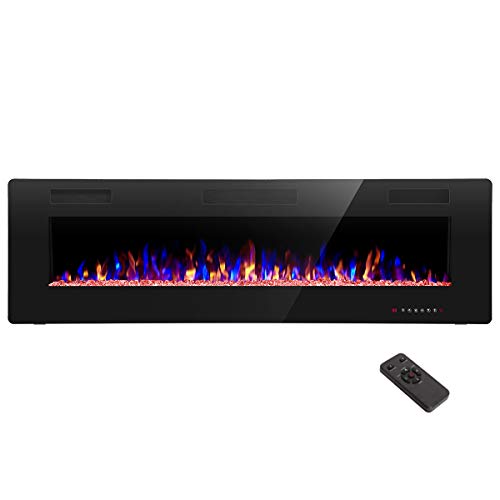
Wall Mounted vs Built-In Fireplace: Complete Comparison Guide
Discover the key differences between wall-mounted and built-in fireplaces to make the best choice for your home's heating needs and aesthetic preferences
VIEW RECOMMENDED OPTIONSWhen it comes to adding a fireplace to your home, two popular options that often cause confusion are wall-mounted and built-in fireplaces. While both can provide warmth and ambiance, they differ significantly in terms of installation requirements, aesthetic impact, heating capabilities, and overall costs. Understanding these differences is crucial for making an informed decision that aligns with your home's architecture, your budget, and your heating needs.
This comprehensive comparison guide will examine every aspect of wall-mounted versus built-in fireplaces, helping you determine which option best suits your specific situation. Whether you're renovating an existing space or building a new home, this guide will provide the detailed information you need to make a confident purchase decision.
Understanding Wall-Mounted Fireplaces
Wall-mounted fireplaces are designed to be installed directly onto a wall surface, typically protruding slightly from the wall rather than being recessed into it. These units come in various styles and fuel types, with electric models being the most common due to their simplified installation requirements.
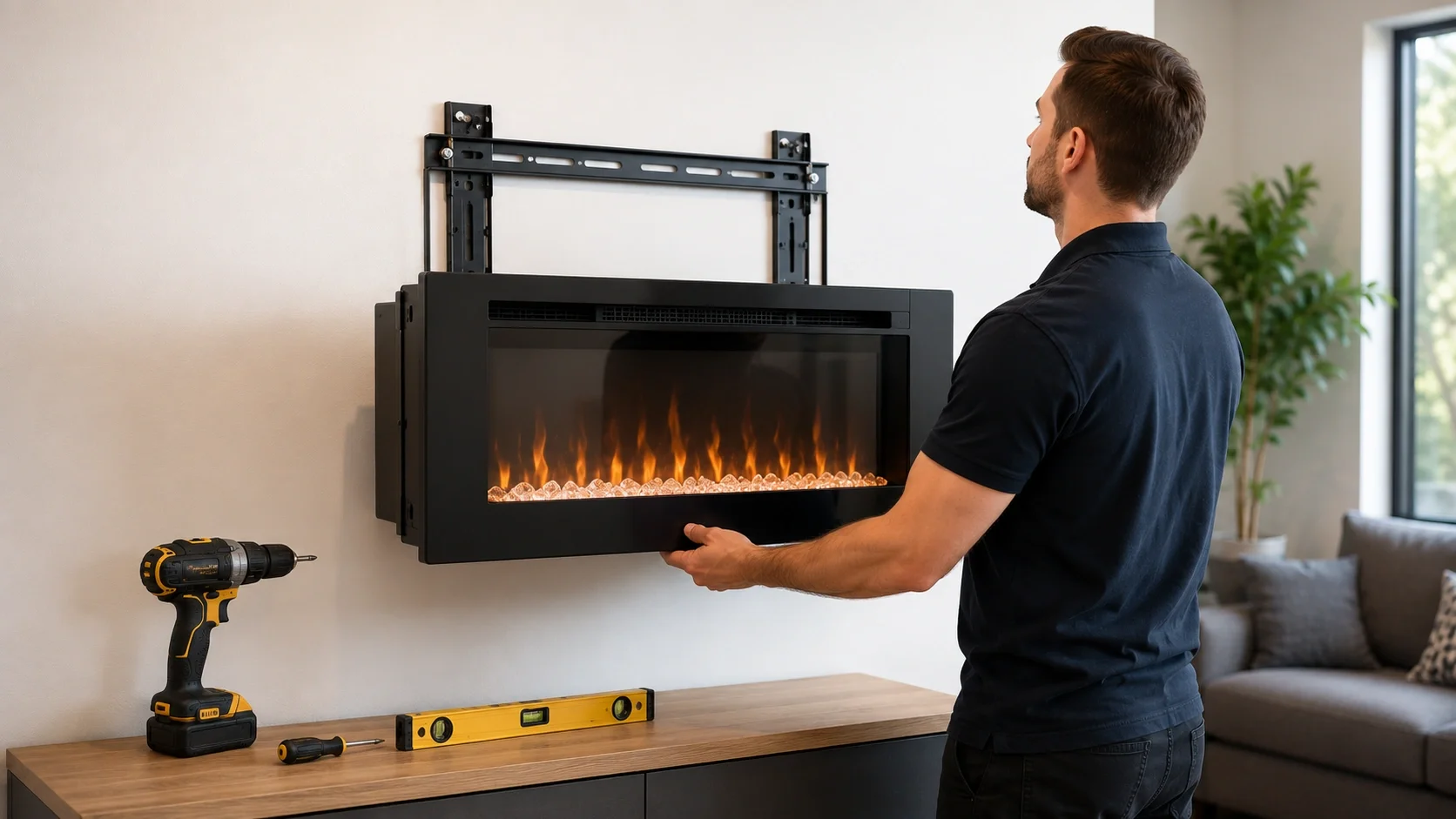
Most wall-mounted fireplaces are relatively slim in profile, making them ideal for spaces where floor area is limited. They can be installed at various heights on the wall, allowing for flexible placement options that can complement your room's layout and design elements. Many homeowners choose to install them at eye level to create a focal point or higher up to free up wall space for other elements like televisions or artwork.
Key Characteristics of Wall-Mounted Fireplaces
- Typically protrude 4-6 inches from the wall surface
- Available in electric, gel, and ethanol fuel types
- Installation usually requires only basic wall mounting hardware
- Offer flexible placement options at various heights
- Generally more portable than built-in options
- Often feature contemporary, minimalist designs
Installation Tip for Wall-Mounted Fireplaces
When installing a wall-mounted fireplace, ensure the wall can support the unit's weight. For heavy models, locate and mount to wall studs. For lighter electric models, appropriate wall anchors may suffice, but always follow the manufacturer's specific installation guidelines.
Understanding Built-In Fireplaces
Built-in fireplaces are designed to be installed within a wall cavity or specially constructed enclosure, creating a seamless, integrated look with your home's architecture. These fireplaces can be either zero-clearance units that can be installed directly against combustible materials or traditional masonry fireplaces that require more substantial construction.
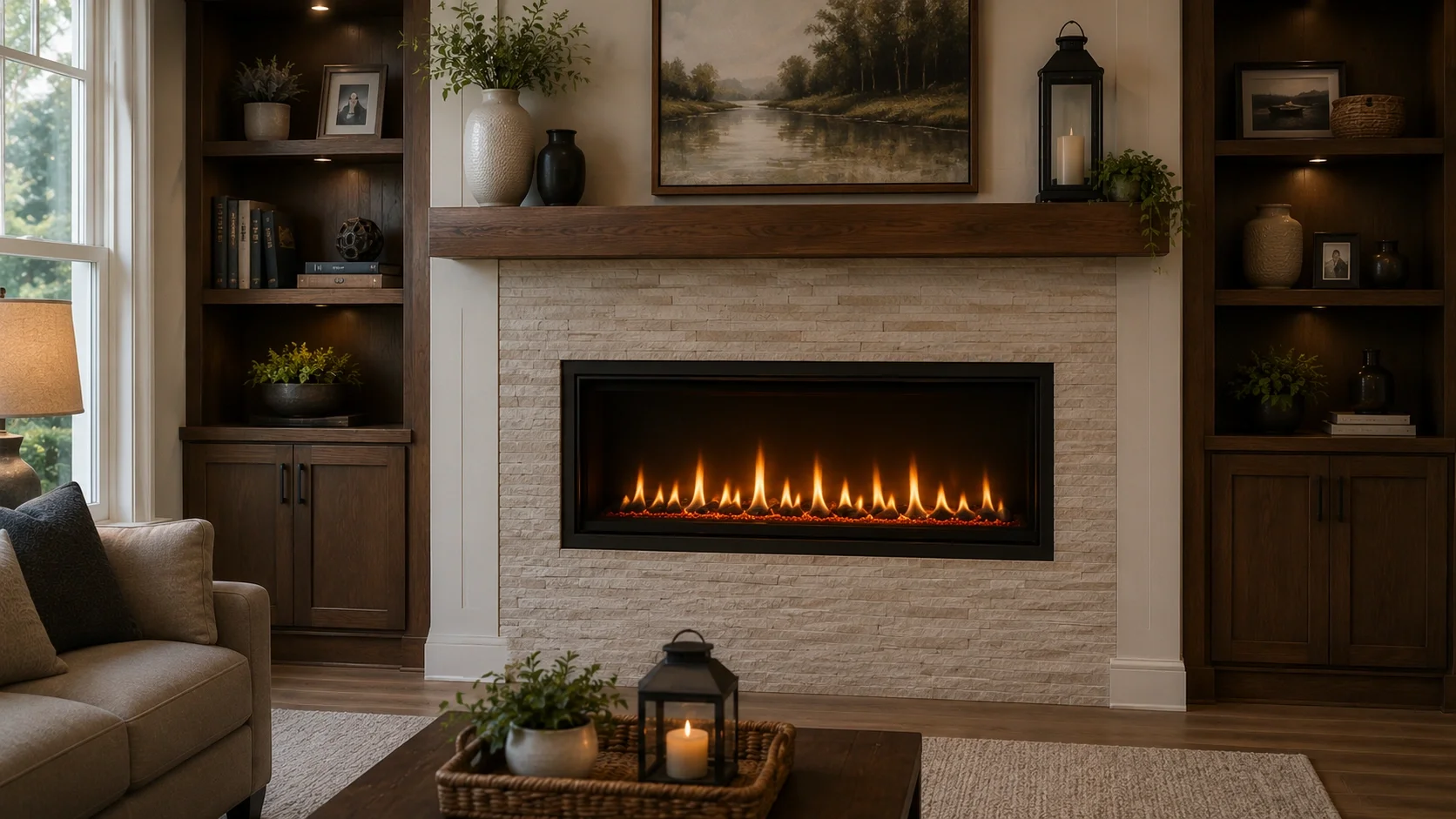
Built-in options come in all fuel types—electric, gas, wood-burning, and even ethanol—and offer a more permanent, integrated appearance that can significantly enhance your home's value and architectural character. They can be customized with various surround materials, mantels, and hearths to match your interior design aesthetic.
Key Characteristics of Built-In Fireplaces
- Recessed into the wall for a flush or near-flush appearance
- Available in all fuel types including gas, electric, wood, and ethanol
- Require more extensive installation involving wall modification
- Create a permanent, architectural element in your home
- Can be customized with surrounds, mantels, and hearths
- Typically offer higher heating capacities than wall-mounted options
Planning Consideration for Built-In Fireplaces
Built-in fireplaces require careful planning regarding wall structure, ventilation requirements (for non-electric models), and electrical or gas line access. For major renovations or new construction, involve your contractor early in the design process to ensure proper integration.
Detailed Comparison: Wall-Mounted vs Built-In Fireplaces
Installation Requirements
The installation process is perhaps the most significant difference between these two fireplace types. Wall-mounted fireplaces typically require minimal installation—usually just securing a mounting bracket to the wall and hanging the unit. Most electric wall-mounted models can be installed by a homeowner with basic DIY skills in under an hour.
In contrast, built-in fireplaces require substantial preparation work. This often includes cutting into walls, framing openings, running electrical or gas lines, and potentially installing ventilation systems. For gas and wood-burning built-ins, professional installation is not just recommended but usually required by building codes. Even electric built-ins typically need professional electrical work to ensure safe, code-compliant installation.
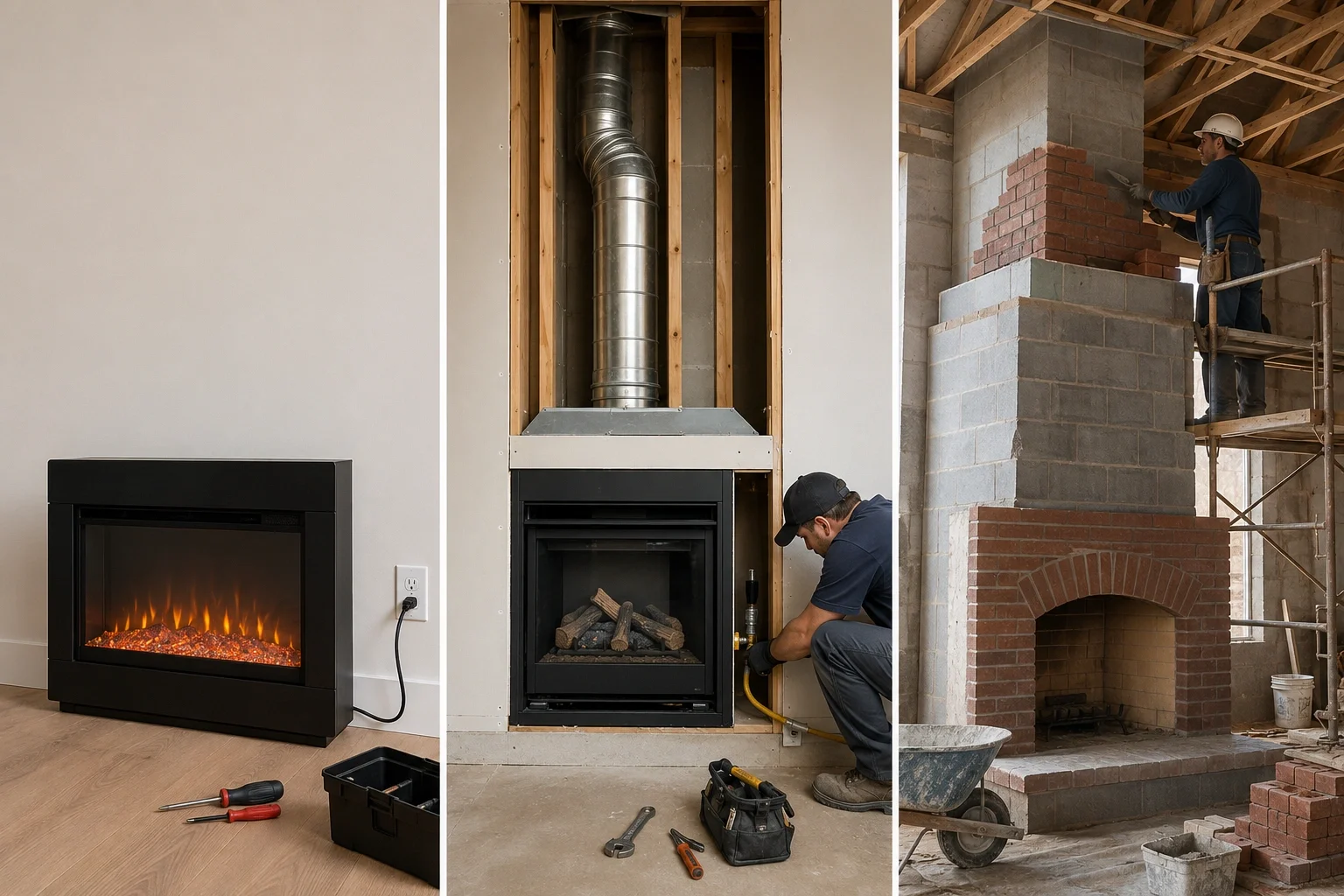
| Installation Factor | Wall-Mounted Fireplace | Built-In Fireplace |
|---|---|---|
| Time Required | 1-2 hours | 1-3 days (depending on complexity) |
| Wall Modification | Minimal (just mounting hardware) | Extensive (cutting, framing, finishing) |
| Professional Help | Usually not required for electric models | Almost always required |
| Venting Requirements | None for electric; minimal for gel/ethanol | None for electric; required for gas/wood |
| Permits | Rarely needed | Often required for gas/wood models |
Cost Comparison
The cost difference between wall-mounted and built-in fireplaces extends beyond just the unit price. While wall-mounted fireplaces are generally less expensive initially, the total cost comparison must factor in installation expenses, which can dramatically change the economic picture.
Wall-Mounted Fireplace Cost Breakdown
Built-In Fireplace Cost Breakdown
As these cost breakdowns show, the total investment for a built-in fireplace is typically 3-5 times higher than a wall-mounted option. However, built-in fireplaces often add significant value to a home and provide a more substantial, permanent heating solution that may justify the additional expense for many homeowners.
Heating Performance
When it comes to heating capabilities, built-in fireplaces generally outperform their wall-mounted counterparts. This is primarily due to their larger size, more substantial construction, and ability to incorporate more powerful heating elements or combustion systems.
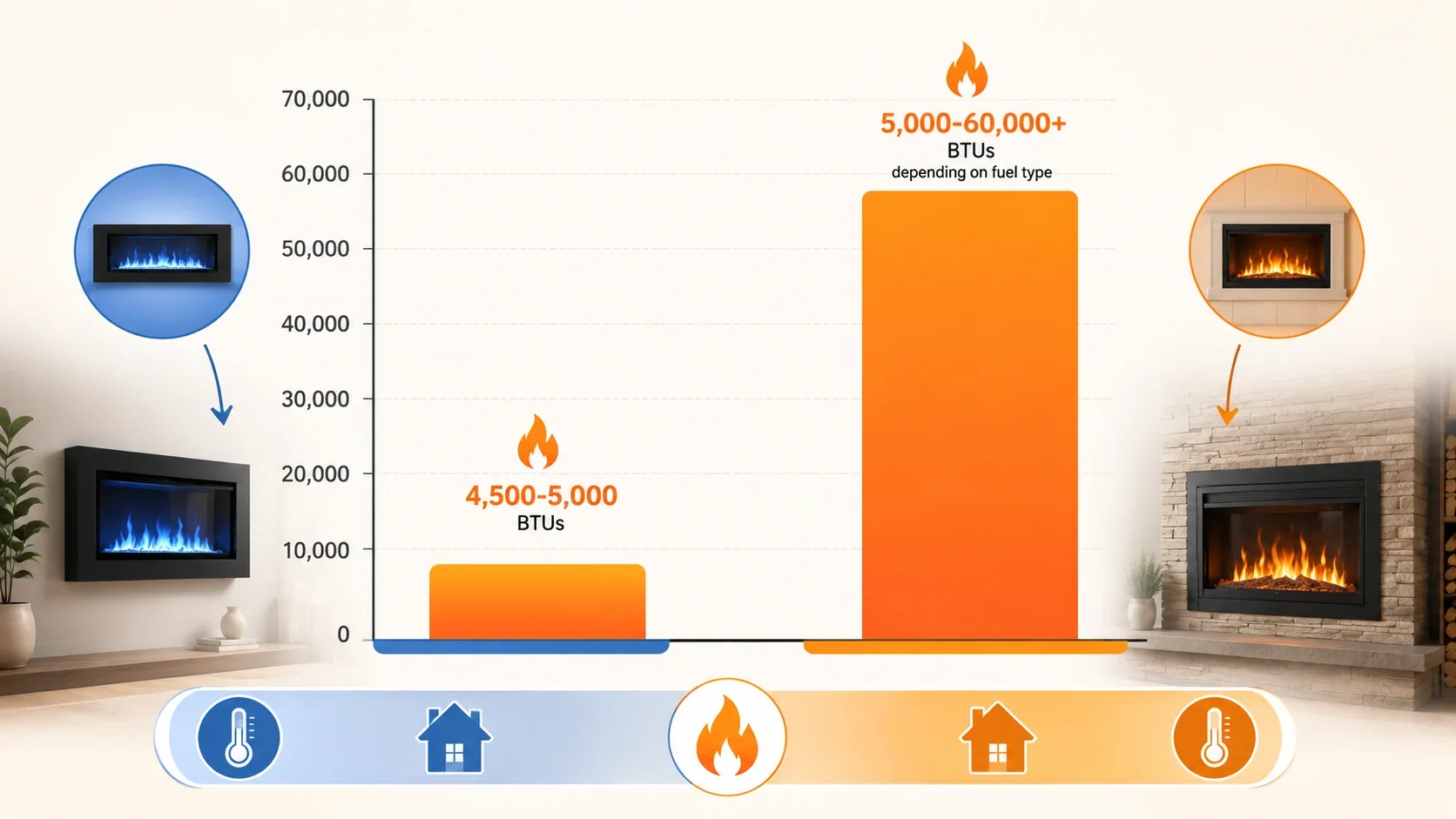
Most wall-mounted electric fireplaces offer heating capacities between 4,500-5,000 BTUs (approximately 1,300-1,500 watts), suitable for heating rooms up to 400 square feet. Built-in electric fireplaces typically range from 5,000-10,000 BTUs, with some high-end models reaching 15,000 BTUs for larger spaces.
For gas and wood-burning options, the difference is even more pronounced. Built-in gas fireplaces can provide 20,000-60,000 BTUs of heating power, while wall-mounted gas options (which are less common) typically max out around 10,000-20,000 BTUs. If primary heating is your goal rather than just ambiance, a built-in fireplace will generally be the more effective choice.
For more detailed information on calculating your heating needs, check out our fireplace heating capacity BTU guide to ensure you select a fireplace with appropriate output for your space.
Design and Aesthetic Impact
The aesthetic impact of your fireplace choice will significantly influence your room's overall appearance and feel. Wall-mounted fireplaces typically offer a more contemporary, minimalist aesthetic that works well in modern, urban, or industrial design schemes. Their floating appearance can create visual interest and a sense of spaciousness in smaller rooms.

Built-in fireplaces, on the other hand, create a more substantial, architectural presence in a room. They can be designed to complement any style—from traditional to contemporary—through the choice of surround materials, mantel design, and hearth treatment. Built-ins often become the natural focal point of a room and can be customized to perfectly match your home's architectural character.

For design inspiration specific to your style preferences, explore our collections of modern fireplace ideas or traditional fireplace ideas to see how each fireplace type can be incorporated into different design schemes.
Space Considerations
Space utilization is a key factor when choosing between wall-mounted and built-in fireplaces. Wall-mounted options are ideal for rooms where floor space is at a premium, as they take up no floor area whatsoever. They're particularly well-suited for small apartments, narrow rooms, or spaces where furniture placement needs maximum flexibility.
Built-in fireplaces do require some floor area for the hearth and surround, though typically less than freestanding models. However, they make more efficient use of wall space by recessing into the wall rather than protruding from it. This can be advantageous in rooms where you want to maintain a clean wall surface while still having a substantial fireplace presence.
If space is a primary concern, you might also consider corner fireplace ideas or small fireplace options that can provide heating and ambiance in compact footprints.
Pros and Cons Comparison
Wall-Mounted Fireplaces
Advantages
- Simpler, less expensive installation
- Often possible as a DIY project
- More affordable total cost
- Zero floor space requirements
- Flexible placement options at various heights
- Easier to remove or relocate if needed
- Modern, contemporary aesthetic
- Quick installation process (often under 2 hours)
Disadvantages
- Lower heating capacity than built-in options
- Limited fuel type options (mostly electric)
- Less substantial appearance
- May look "floating" or less integrated
- Fewer customization options
- May not add as much home value
- Protrusion from wall can be awkward in some layouts
- Limited size options
Built-In Fireplaces
Advantages
- Higher heating capacity and efficiency
- Available in all fuel types
- Seamless, integrated appearance
- More substantial, permanent feel
- Highly customizable with surrounds and mantels
- Typically adds more home value
- Creates a strong architectural focal point
- Can be sized for larger spaces
Disadvantages
- Significantly higher total cost
- Requires professional installation
- Extensive wall modification needed
- Potential permit requirements
- Permanent installation (difficult to relocate)
- Longer installation timeline
- Requires some floor space for hearth
- Less suitable for rental properties
Which Fireplace Type is Right for You?
Choose a Wall-Mounted Fireplace If:
- You're on a tighter budget (total cost under $2,000)
- You want a relatively simple installation process
- Floor space is extremely limited
- You prefer a modern, minimalist aesthetic
- Primary heating isn't your main goal
- You're renting or may move in the near future
- You want the flexibility to change your fireplace location later
- You're comfortable with DIY installation
Choose a Built-In Fireplace If:
- Budget is less of a concern (total cost $1,800+)
- You want a permanent, architectural element in your home
- Heating performance is a primary consideration
- You prefer a traditional or more substantial appearance
- You want to customize the fireplace with surrounds and mantels
- You're planning to stay in your home long-term
- You want to maximize your home's value
- You need a larger fireplace for a bigger space
Consider Your Home's Architecture
Your home's existing architecture should strongly influence your choice. A wall-mounted fireplace might look out of place in a Craftsman or Victorian home, while a built-in fireplace could feel too heavy in an ultra-modern loft space. Consider how each option will complement your home's character and existing design elements.
Special Considerations
TV Placement
If you're considering placing a television above your fireplace, both wall-mounted and built-in options can work, but with different considerations. With a wall-mounted fireplace, the TV can be installed directly above on the same wall, creating a cohesive media wall design. For built-in fireplaces, the TV can be mounted above the surround or integrated into a custom media wall design that incorporates both elements.
For more detailed guidance on this popular configuration, see our article on TV above fireplace ideas and important safety considerations in our TV above fireplace safety guide.
Rental Properties
For renters, wall-mounted fireplaces are generally the only viable option, as they cause minimal permanent modification to the space. However, always check your lease agreement before installing any fireplace, and consider consulting with your landlord. Some landlords may even appreciate the addition of a wall-mounted electric fireplace, as it adds ambiance without permanent structural changes.
For more information on fireplace options for renters, read our guide on apartment fireplace installation.
Energy Efficiency
Both wall-mounted and built-in electric fireplaces can be highly energy-efficient, with most models offering zone heating capabilities that allow you to warm only the rooms you're using rather than heating your entire home. For maximum efficiency, look for models with thermostats, timers, and adjustable heat settings.
If energy efficiency is a primary concern, our most energy-efficient fireplace types guide provides detailed information on efficiency ratings and operating costs for different fireplace options.
Maintenance Requirements
Maintenance needs vary significantly between wall-mounted and built-in fireplaces, primarily based on fuel type rather than installation method. However, there are some installation-specific considerations to keep in mind.
Wall-mounted fireplaces, being more exposed and accessible, are generally easier to clean and maintain. Their components are readily accessible for dusting, bulb replacement (in models with light-based flame effects), and general maintenance. Built-in fireplaces may require more effort to access certain components, particularly those recessed into the wall.
For fuel-specific maintenance guidance, consult our detailed resources on electric fireplace maintenance or gas fireplace maintenance, depending on your chosen fuel type.
Making Your Final Decision
Choosing between a wall-mounted and built-in fireplace ultimately comes down to your budget, installation capabilities, heating needs, and aesthetic preferences. Wall-mounted fireplaces offer an accessible, budget-friendly option with modern appeal, while built-in fireplaces provide a more substantial, permanent solution with greater heating capacity and customization options.
For many homeowners, the decision hinges on whether the fireplace is primarily for ambiance (favoring wall-mounted options) or for significant heating contribution (favoring built-in options). Consider how you'll use the fireplace daily, what role it will play in your room's design, and how much you're willing to invest in installation and customization.
Whichever option you choose, both wall-mounted and built-in fireplaces can transform your living space, provide comforting warmth, and create a inviting atmosphere in your home. The key is selecting the option that best aligns with your specific needs, constraints, and long-term plans for your space.
Ready to explore specific products? Check out our recommended wall-mounted and built-in fireplace options below, or visit our comprehensive fireplace buying guide for additional guidance on selecting the perfect fireplace for your home.