
Electric Fireplace Tripping Breaker? Here's How to Fix It Safely
A complete troubleshooting guide to diagnose why your electric fireplace keeps tripping the circuit breaker, with step-by-step solutions you can try right now.
Quick Takeaway: An electric fireplace tripping the breaker is almost always caused by an overloaded circuit, a faulty heating element, or an internal short. The fix can be as simple as moving the fireplace to a dedicated outlet, or it may require professional repair. Never ignore a recurring breaker trip.

Why Does My Electric Fireplace Keep Tripping the Breaker?
You settle in for a cozy evening, turn on your electric fireplace, and suddenly the room goes dark. The breaker has tripped again. This is one of the most common electrical issues owners face, and while it's frustrating, it's also a critical safety feature working exactly as designed.
Unlike gas fireplaces or wood burning units, electric models rely entirely on your home's electrical system. A standard 120-volt electric fireplace heater typically draws 12.5 amps. Most household circuits are 15-amp breakers. This means even a small additional load on the same circuit—like a TV, lamp, or vacuum—can push it over the limit and cause a trip.
Understanding the root cause is the first step to a permanent fix. This guide will walk you through exactly what to check, how to isolate the problem, and when it's time to call a licensed electrician.
7 Common Reasons Your Breaker Trips
Before you start taking things apart, review these common culprits. One of them is likely the reason your small fireplace or larger insert keeps cutting out.
1. Overloaded Circuit
The most frequent cause. Too many devices share the same circuit as the fireplace. A 1,500-watt heater on a 15-amp circuit leaves almost no room for anything else.
2. Faulty Heating Element
Over time, the heating element can develop a short to ground or partially fail, drawing excessive current the instant it turns on.
3. Damaged Blower Motor
A seized or failing blower motor can cause a current spike. If the fan sounds loud or doesn't spin freely, it may need replacing.
4. Internal Wiring Short
Vibration and heat can wear through wire insulation. A loose wire touching the metal chassis will cause an immediate trip.
5. Defective Circuit Breaker
Breakers wear out. An aging or weak breaker might trip at a lower amperage than it's rated for. This is especially common in older homes.
6. Faulty Power Cord or Outlet
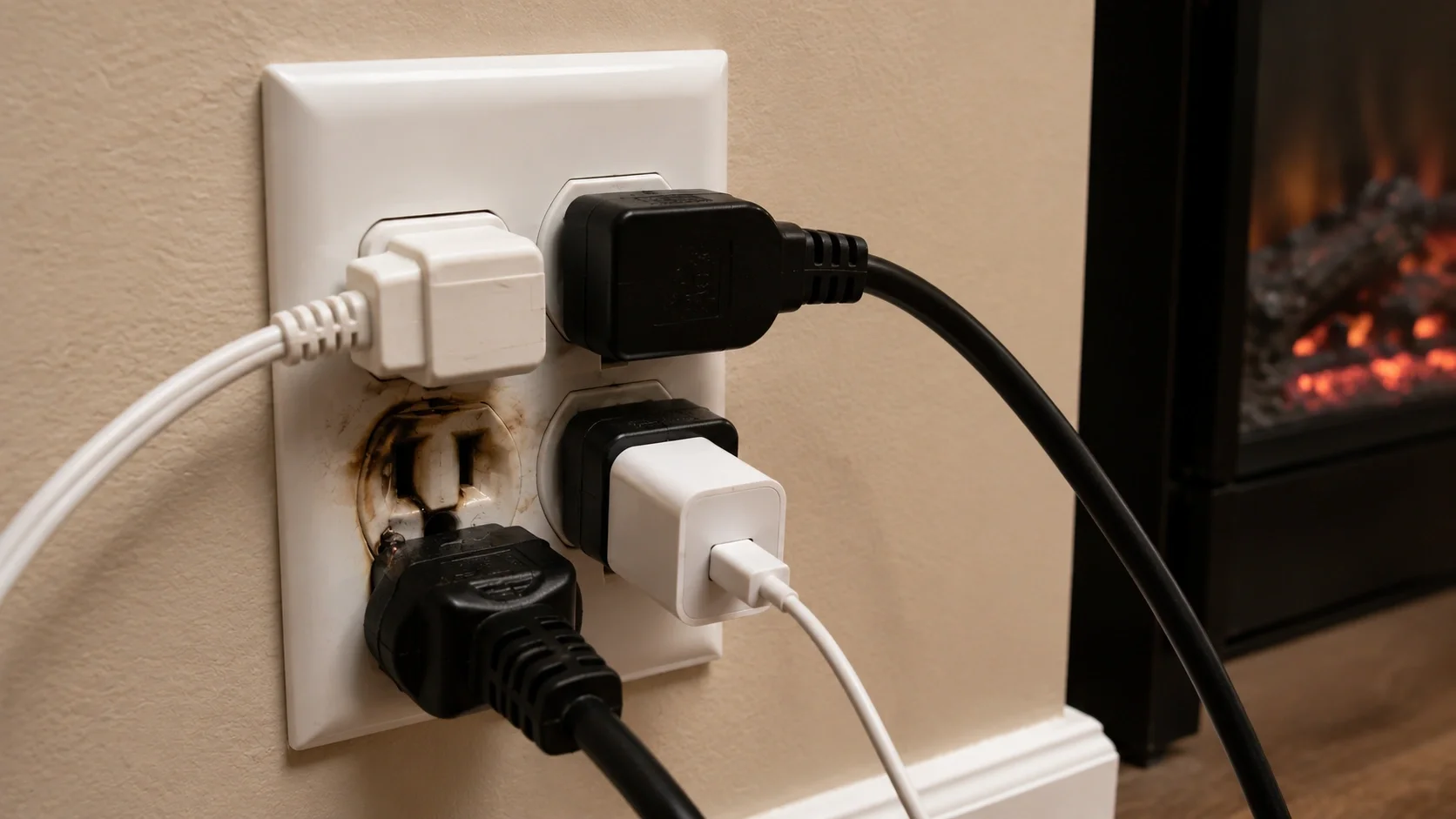
A damaged plug, melted outlet, or loose connection can create resistance and heat, leading to nuisance tripping.
7. Moisture or Dust Buildup
Excess dust on internal components or moisture can create a conductive path where one shouldn't exist, especially in units stored for the summer.
How to Fix an Electric Fireplace That Trips the Breaker
Follow these diagnostic steps in order, from easiest to most involved. Safety first: always turn the fireplace off and unplug it before inspecting any internal components.
Test on a Dedicated Circuit
Unplug the fireplace and plug it into an outlet on a different circuit—ideally one you know has very little else running on it. A garage or kitchen small-appliance circuit is often a good test. Turn the heater to its highest setting. If the breaker holds, your original circuit is overloaded. If it still trips, the problem is inside the fireplace.
Insight: If you have a plug-in vs hardwired electric fireplace, the troubleshooting approach is the same, but hardwired units require you to switch the breaker off to perform any checks.
Inspect the Power Cord and Plug
Look for any signs of damage. A melted or discolored plug prong indicates a serious problem at the outlet level. Check the cord for kinks, cuts, or pinched areas that could expose wires. A damaged cord is a fire hazard and a guaranteed breaker-trip risk.
Run the Flame Only (No Heat)
Most electric fireplaces allow you to operate the flame effect independently of the heater. If the breaker only trips when the heat is on, the heating element or its wiring is the prime suspect. If it trips even with just the flame on, you likely have a short in the main control board, blower motor wiring, or power supply.
Check the Heating Element for Shorts
With the unit unplugged and cooled down, remove the back panel. Visually inspect the heating element coils. A collapsed or sagging coil touching the metal housing will cause a dead short. If you own a multimeter, you can test for continuity between the element terminals and the chassis; any continuity indicates a short.
This is a very specific type of electric fireplace not heating issue combined with an electrical fault.
Clean the Interior and Blower Motor
Use a can of compressed air to blow out dust from the blower motor, heating element, and circuit board. A heavy buildup of lint and dust can absorb moisture and become conductive. If the blower motor is stiff or squeaky, a drop of electric motor oil on the bearings (if accessible) might free it up. If the motor is sealed and failing, it will need to be replaced.
Never use an extension cord or a power strip as a permanent power source for an electric fireplace. These are not rated for the continuous high-wattage draw of a 1,500W heater and are a leading cause of electrical fires. If your outlet is too far away, have an electrician install a new one.
How to Calculate Circuit Load for Your Fireplace
To avoid overloading a circuit, you need to understand the 80% rule. A circuit breaker should not be loaded to more than 80% of its rating for a continuous load (defined as running for 3 hours or more). For a standard 15-amp circuit, that's 12 amps, or about 1,440 watts. A 20-amp circuit allows for 16 amps, or 1,920 watts.
Most electric fireplace heaters are rated at 1,500 watts. As you can see, a 1,500W heater consumes the entire available safe capacity of a 15-amp circuit. Even a single 60-watt light bulb on the same circuit is enough to push it dangerously close to tripping if the heater runs on high. For more detailed calculations, see our guide on fireplace heating capacity and BTU ratings to understand the electrical equivalent of heat output.

Is It the Breaker Itself? When to Call an Electrician
If you have isolated the fireplace on a dedicated circuit and it still trips, and you've confirmed the fireplace itself is not shorted internally, the home's breaker may be failing. Breakers can become weak after many trips or simply due to age. An electrician can perform an amp draw test to confirm if the breaker is tripping at its rated value.
Furthermore, if you notice any of the following, stop using the fireplace immediately and call a pro:
- A burning smell coming from the outlet, breaker panel, or fireplace itself.
- The breaker is warm or hot to the touch.
- You hear a buzzing or crackling sound from the panel.
- The lights in the room flicker significantly when the heater cycles on.
These are signs of a much more serious electrical problem, such as a loose bus bar connection or an overloaded sub-panel, and pose a significant fire risk. An electric fireplace inspection guide covers what a pro will look for during a service call.
Top Electric Fireplaces with Reliable Performance
⚠️ AFFILIATE DISCLOSURE: This website contains affiliate links. As an Amazon Associate, we earn from qualifying purchases. If you make a purchase through these links, we may receive a small commission at no additional cost to you. Read our full affiliate policy.

EUHOMY 50 Inch Electric Fireplace Recessed and Wall Mounted
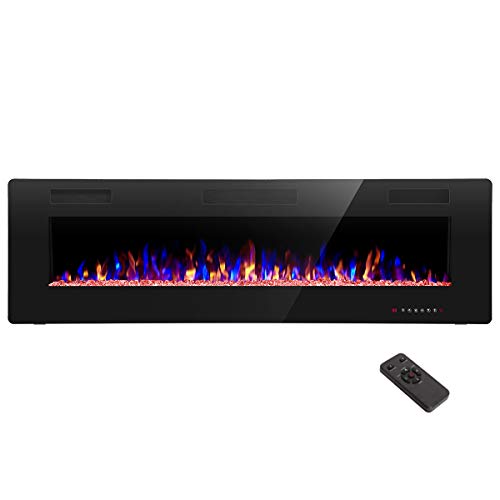
R.W.FLAME 60" Recessed and Wall Mounted Electric Fireplace, Low Noise, Fit for 2 x 6 Stud, Remote Control with Timer, Touch Screen, Adjustable Flame Color and Speed, 750-1500W

Tehanld 60" Ultra-Thin Electric Fireplace Heater, Recessed Wall Mounted

duraflame Freestanding Electric Fireplace Stove Heater with 3D Flame Effect for 1,000 Sq. Ft. Room, Black

Touchstone Smart Electric Fireplace-The Sideline 50" Wide-in Wall Recessed - 30 Realistic Ember Color/Flame Options - 1,500W Heater w/Thermostat - Log & Crystal Hearth Options - Alexa/WiFi Enabled
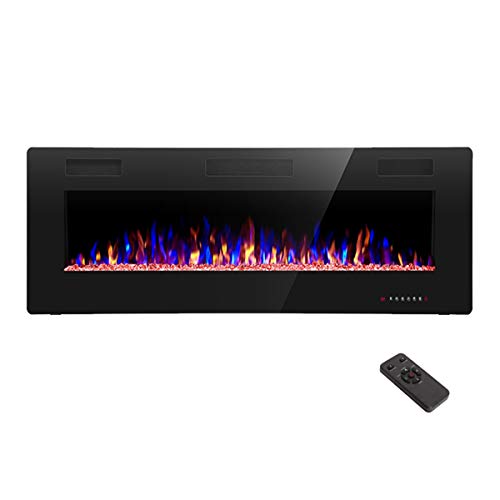
R.W.FLAME Electric Fireplace 50 inch Recessed and Wall Mounted,The Thinnest FireplaceLow Noise, Fit for 2 x 6 Stud, Remote Control with Timer,Touch Screen,Adjustable Flame Colors and Speed

EUHOMY 60 Inch Electric Fireplace Recessed Wall Mounted
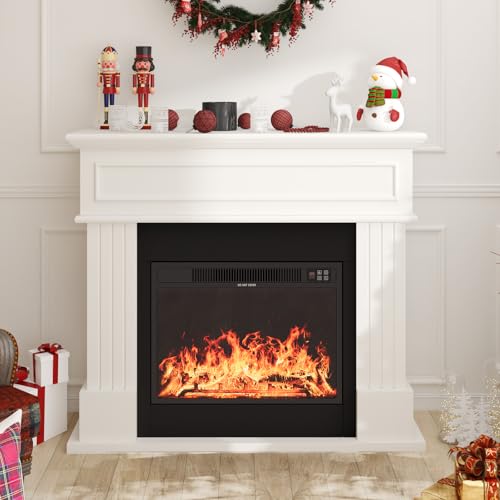
OneBlis 43" Electric Fireplace with Mantel, Freestanding Electric Fireplace Heater TV Stand with 23" Insert, Remote Control, Ajustable Flame and Timer, Fire Place Insert Heater for Living Room, White
Preventing Future Breaker Trips
Once you've solved the immediate issue, a few habits can keep the heat on all winter. Always plug your fireplace directly into a wall outlet. If you use a timer or a smart plug, verify that it is specifically rated for a minimum of 1,875 watts (15 amps) constant load. Many standard smart plugs are only rated for 10 amps and will melt internally.
Integrating a smart Wi-Fi fireplace controller that monitors energy usage can help you avoid overloading circuits without realizing it. Finally, an annual pre-winter cleaning to remove dust and a quick visual check of the power cord will go a long way. Pair this with a general electric fireplace maintenance routine to keep all components in top shape.
If you are looking for alternatives that place less demand on your electrical panel, a tabletop fireplace running on bioethanol is a ventless, electric-free option that adds real flame ambiance without any electrical load at all.