
Rock Fireplace Ideas: Stunning Stone Designs for Your Home
Transform your living space with the timeless beauty and natural warmth of rock fireplaces. From rustic to modern designs, discover how stone can elevate your home's aesthetic.
EXPLORE ROCK FIREPLACE TYPESRock fireplaces have been a focal point in homes for centuries, offering not just warmth but also a striking visual element that can define the character of a room. Whether you're drawn to the rugged charm of a rustic stone fireplace or the clean lines of a modern rock design, these fireplaces bring a piece of nature indoors while providing excellent heat retention and durability.

Unlike other fireplace materials, rock offers unique textures, colors, and patterns that make each installation one-of-a-kind. From fieldstone to ledger panels, the variety of options allows homeowners to customize their fireplaces to match any architectural style, from traditional to ultra-modern.
Benefits of Rock Fireplaces
Exceptional Durability
Rock fireplaces are incredibly durable and can last for generations with minimal maintenance. Unlike wood or metal alternatives, stone doesn't warp, rust, or deteriorate over time, making it an excellent long-term investment for your home.
Superior Heat Retention
The thermal mass of rock allows it to absorb heat during operation and slowly release it even after the fire has died down. This property makes wood-burning rock fireplaces particularly efficient at heating your space, often outperforming other materials in heat retention.
Natural Aesthetic Appeal
Each rock fireplace is unique, with natural variations in color, texture, and pattern that can't be replicated with manufactured materials. This organic quality adds character and visual interest to any room, creating a warm, inviting atmosphere.
Increased Home Value
A well-crafted rock fireplace can significantly increase your home's resale value. According to the National Association of Realtors, fireplaces are one of the most requested features by home buyers, and the natural beauty of stone makes your property stand out in the market.
Additional Advantages
- Low maintenance requirements compared to other materials
- Fire-resistant properties enhance safety
- Versatile design options to match any architectural style
- Environmentally friendly when using locally sourced stone
- Reduces energy costs through improved heat retention
- Resistant to moisture damage and mold growth
Types of Rock Fireplaces

Natural Fieldstone
Fieldstone fireplaces use naturally occurring stones with irregular shapes and sizes, creating a rustic, organic appearance. These stones are typically gathered from fields or riverbeds and require skilled masonry to install properly. The irregular patterns make each fireplace truly unique.
Price range: $3,000–$8,000 for materials and installation
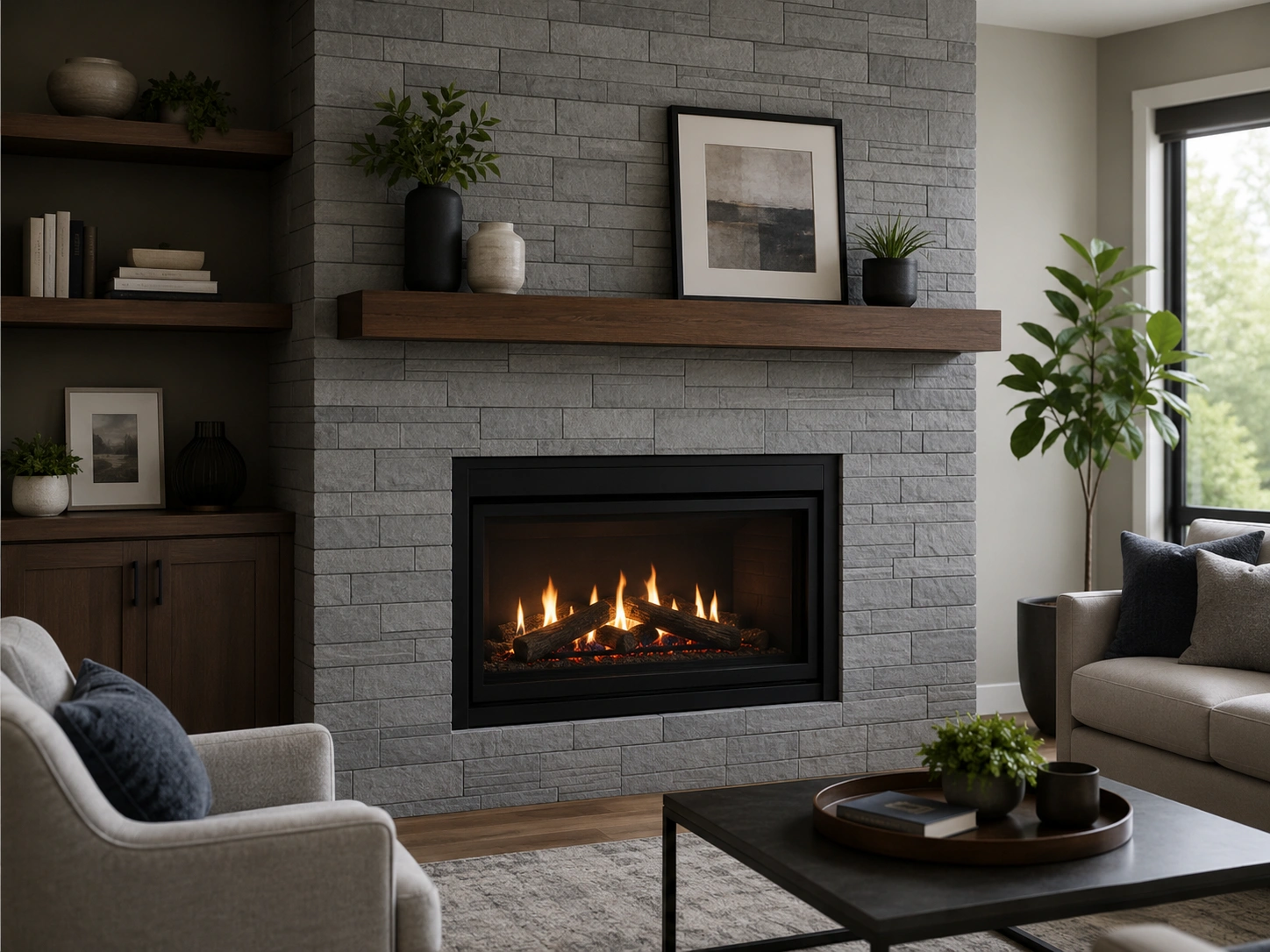
Cultured Stone (Manufactured)
Cultured stone is a concrete product molded to resemble natural stone but with more uniform shapes and sizes. It's lighter than natural stone, easier to install, and available in a wide range of colors and textures. This option is ideal for modern designs where consistency is desired.
Price range: $1,500–$4,000 for materials and installation
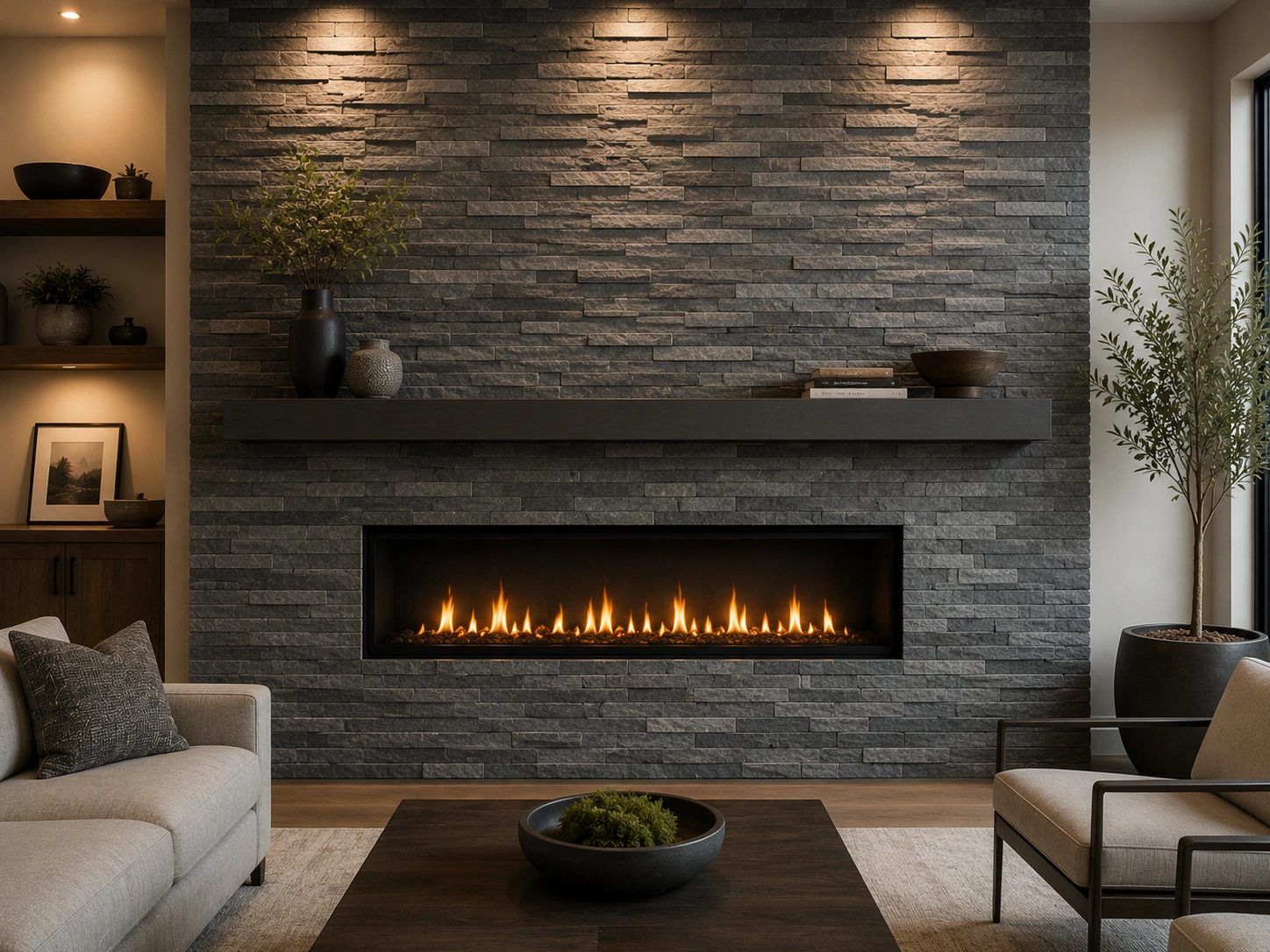
Ledger Panels
Ledger panels consist of thin stone pieces arranged in a stacked pattern, creating a contemporary, linear appearance. These panels are pre-arranged for easier installation and work well in minimalist designs. They're available in both natural and manufactured options.
Price range: $2,000–$5,000 for materials and installation

Slate
Slate fireplaces feature thin, flat stones with a distinctive layered appearance. Slate comes in various colors including gray, black, green, and purple, offering a more refined look than rougher stone types. It's particularly popular in contemporary designs due to its clean lines.
Price range: $2,500–$6,000 for materials and installation
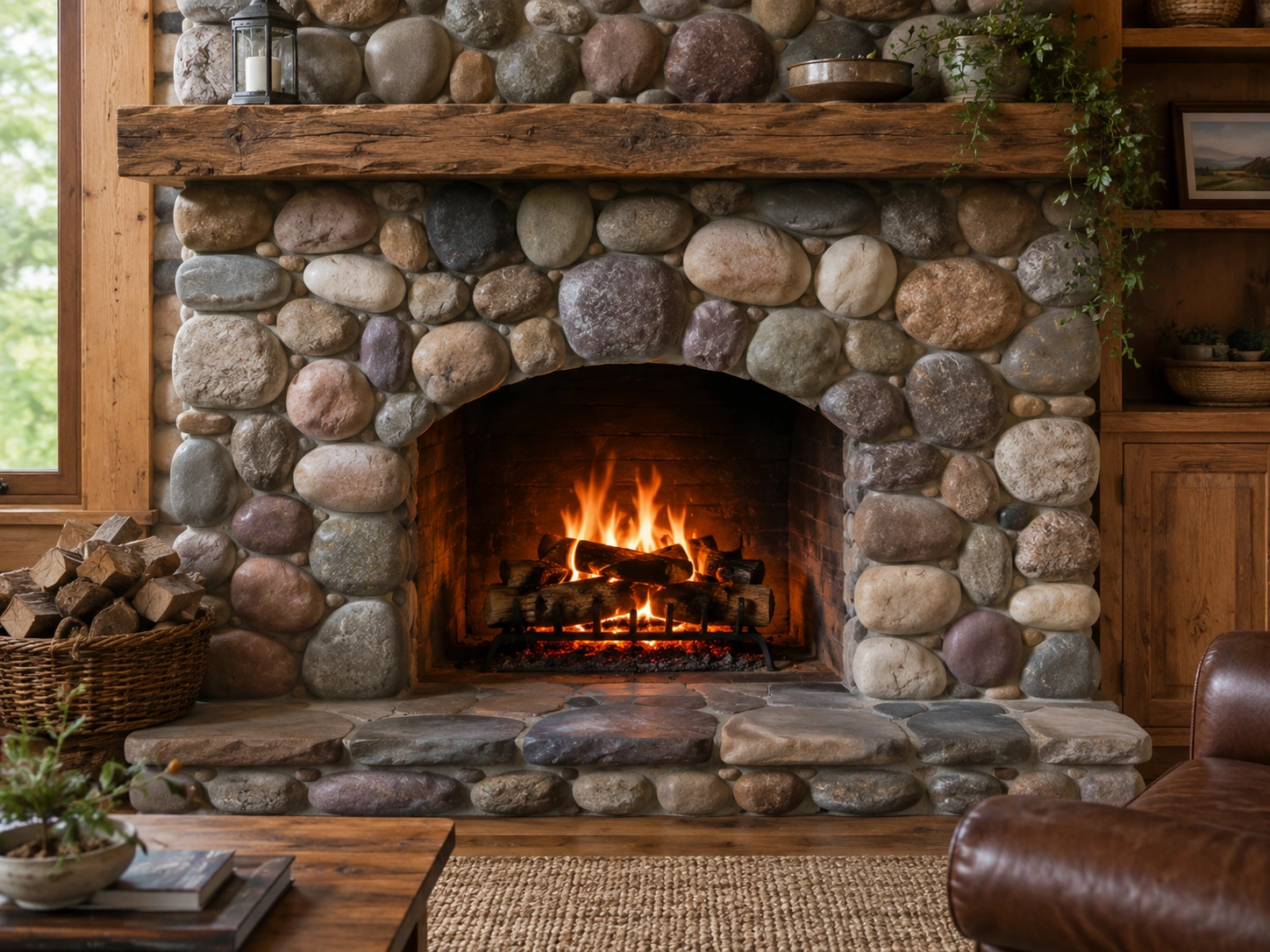
River Rock
River rock fireplaces use smooth, rounded stones naturally shaped by water over time. These stones create a distinctive, organic look with their polished appearance and varied colors. River rock works well in both rustic and contemporary settings depending on the installation pattern.
Price range: $3,500–$9,000 for materials and installation
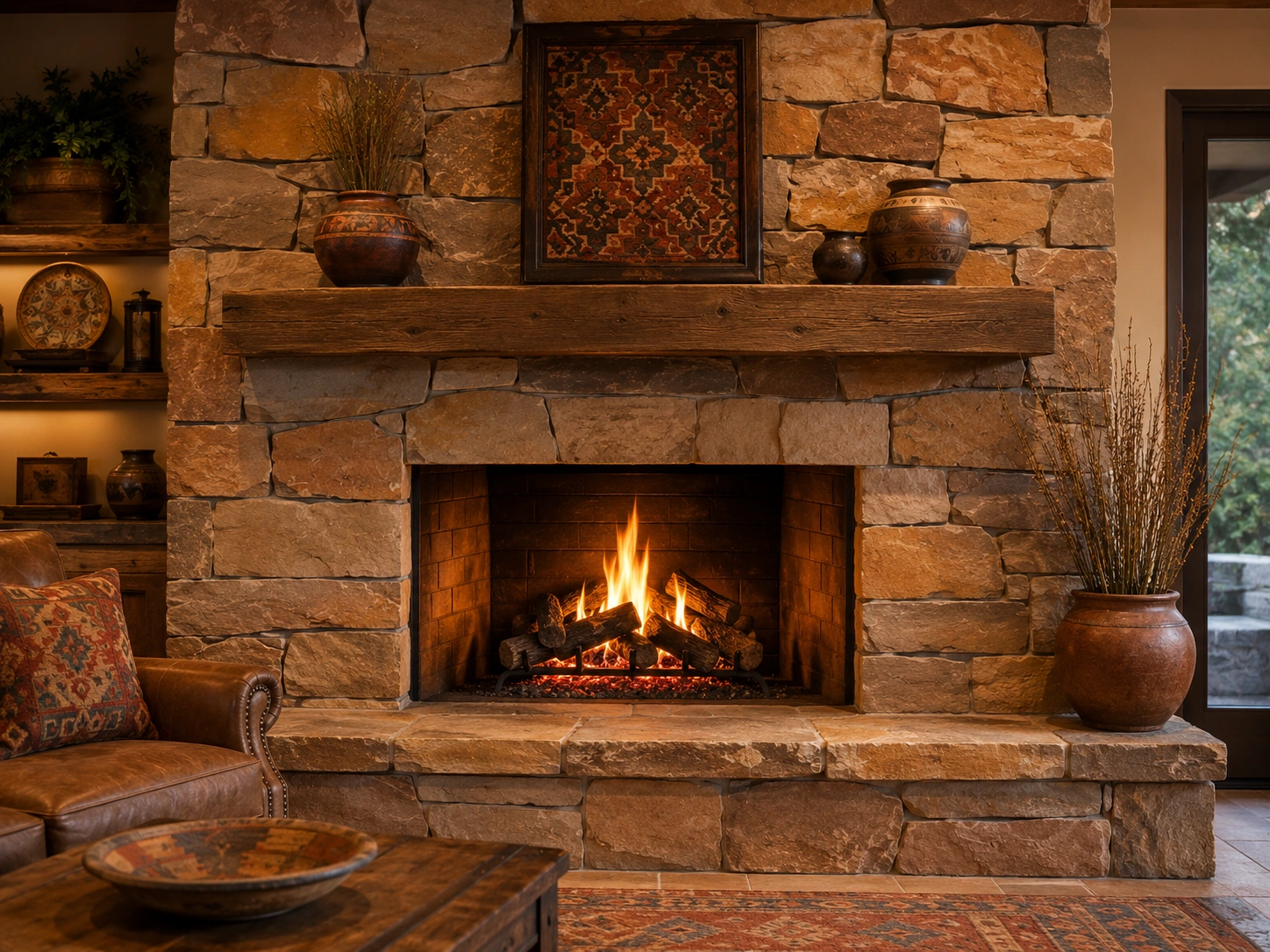
Flagstone
Flagstone consists of flat, layered stones that can be split into thin pieces. These stones create a textured, natural appearance with subtle color variations. Flagstone fireplaces work particularly well in traditional designs and can be used both indoors and outdoors.
Price range: $2,800–$7,000 for materials and installation
Rock Fireplace Designs by Room
Living Room Rock Fireplaces
The living room is the most popular location for rock fireplaces, where they serve as a natural focal point. For larger living rooms, consider a floor-to-ceiling design that makes a dramatic statement. In smaller spaces, a corner rock fireplace can maximize seating arrangement options while still providing the warmth and ambiance you desire.

Bedroom Rock Fireplaces
In bedrooms, rock fireplaces create a cozy, intimate atmosphere perfect for relaxation. Consider a smaller-scale design with a decorative mantel for displaying personal items. For a more contemporary look, a wall-mounted rock fireplace can provide warmth without consuming valuable floor space.
Kitchen Rock Fireplaces
Kitchen fireplaces are gaining popularity as homeowners seek to create gathering spaces that combine cooking and relaxation. A rock fireplace can complement natural stone countertops and create a cohesive design. Consider a compact design near a dining area or a larger installation that includes a wood-fired cooking component.
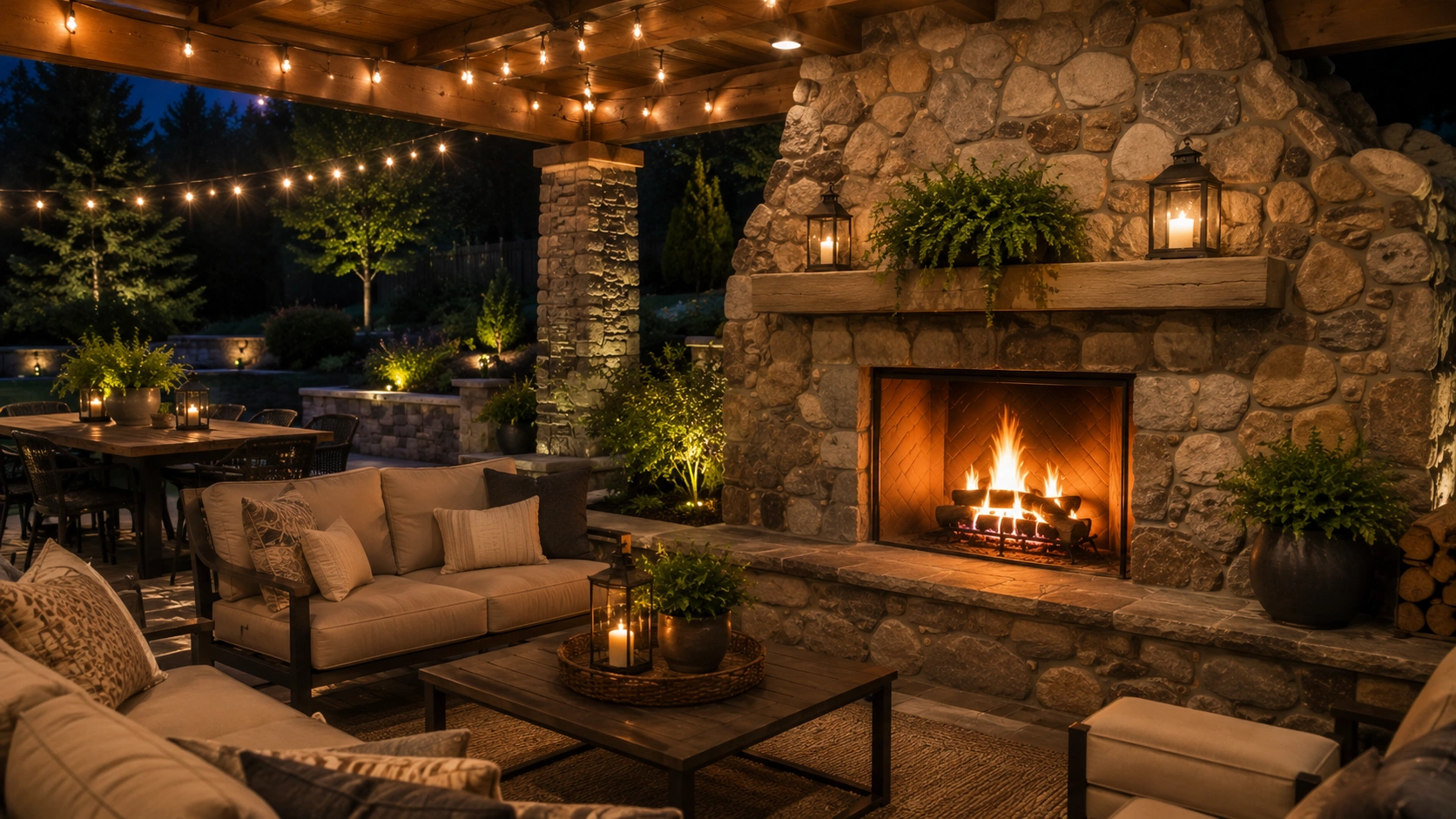
Outdoor Rock Fireplaces
Outdoor rock fireplaces extend your living space and create a natural gathering point for entertaining. These installations can range from simple fire pits with rock borders to elaborate outdoor kitchens with full rock fireplaces. Natural stone is particularly well-suited for outdoor applications as it withstands weather conditions beautifully.
Rock Fireplaces with TV Integration
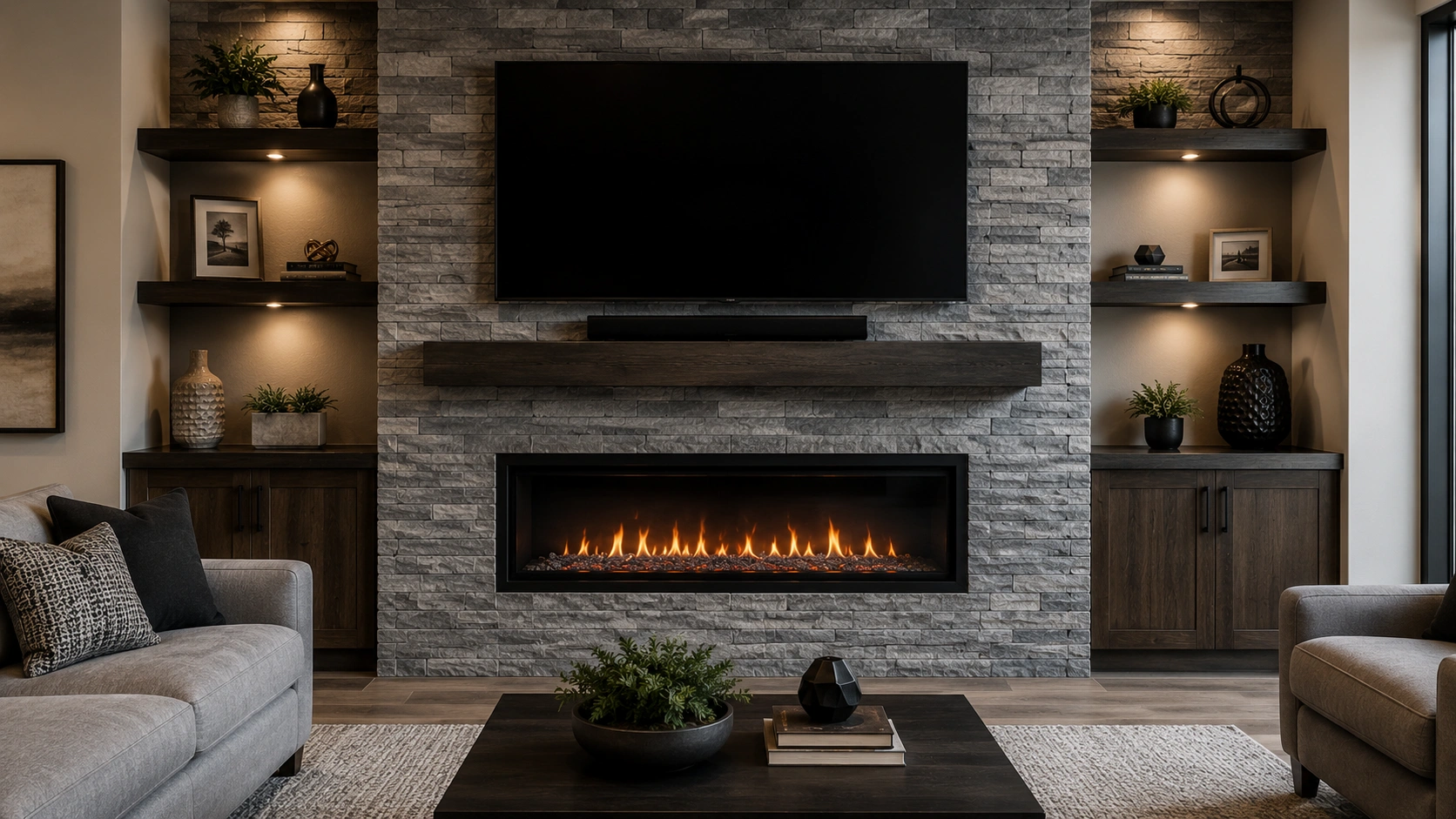
Combining a rock fireplace with a television creates a dual-purpose entertainment center that's both functional and visually appealing. When planning this combination, consider factors like heat management, viewing height, and visual balance to ensure both elements complement each other.
TV Above Rock Fireplace
Mounting a TV above a rock fireplace is a popular space-saving solution, especially in smaller rooms. The rough texture of rock provides an excellent contrast to the sleek lines of modern televisions. For safety, ensure proper installation with heat-resistant materials and consider using a vented fireplace to direct heat away from the TV.
Design Tips for TV Integration
- Position the TV at a comfortable viewing height (center of screen at eye level when seated)
- Use a recessed installation to protect the TV from heat
- Consider a pull-down mount if the fireplace is particularly tall
- Hide cables within the rock work for a clean appearance
- Add accent lighting to highlight both the fireplace and TV area
For more ideas on combining these elements, explore our TV above fireplace ideas and TV and fireplace wall designs to find the perfect solution for your space.
Rock Fireplace Installation Considerations
Structural Requirements
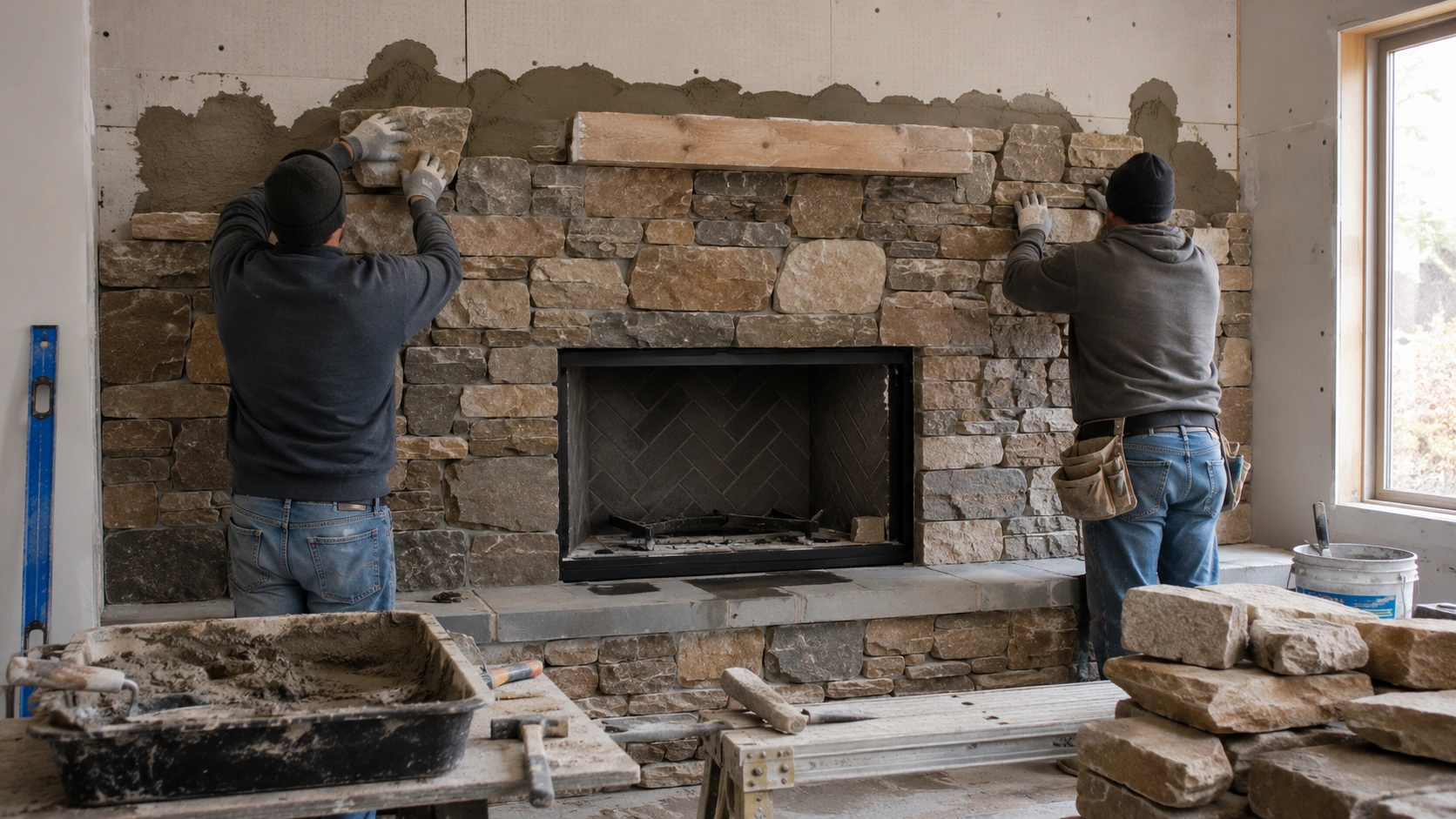
Rock fireplaces are significantly heavier than other fireplace types, requiring proper structural support. Before installation, consult with a structural engineer to ensure your floor can support the additional weight, which can range from 1,000 to 5,000 pounds depending on the size and type of stone used.
Venting and Chimney Options
The type of fireplace you choose will determine your venting requirements. Wood-burning rock fireplaces require a full chimney system, while gas fireplaces can use direct venting through an exterior wall. For a rock appearance without the need for venting, consider a electric fireplace with a rock surround or facade.
Professional vs. DIY Installation
While smaller rock veneer projects might be manageable for experienced DIYers, full rock fireplace installation typically requires professional masonry skills. The weight, structural requirements, and technical aspects of fireplace installation make this a project where professional expertise is highly recommended. For more information, read our guide on DIY vs. professional fireplace installation.
Rock Fireplace Cost Breakdown
The cost of a rock fireplace varies significantly based on the type of stone, size of the fireplace, complexity of the design, and your geographic location. Below is a general cost breakdown to help you plan your project budget.
| Component | Cost Range | Notes |
|---|---|---|
| Natural Stone Materials | $15–$50 per sq. ft. | Varies by stone type; fieldstone typically less expensive than slate |
| Manufactured Stone Materials | $8–$25 per sq. ft. | More uniform and lighter than natural stone |
| Firebox Insert | $1,000–$4,000 | Depends on fuel type and efficiency rating |
| Chimney/Venting System | $2,000–$5,000 | Required for wood and gas fireplaces |
| Professional Installation | $3,000–$10,000 | Varies by complexity and regional labor rates |
| Hearth Extension | $500–$2,000 | Required for safety; can match or contrast with fireplace |
| Mantel | $200–$2,000 | Wood, stone, or metal options available |
| Total Project Cost | $7,000–$25,000+ | Simple electric surrounds at lower end; full masonry at higher |
For a more detailed analysis of fireplace costs across different types, visit our fireplace cost breakdown guide. If you're comparing rock fireplaces to other options, our gas vs. wood fireplace comparison can help you understand long-term cost implications.
Rock Fireplace Maintenance Guide
One of the advantages of rock fireplaces is their relatively low maintenance requirements compared to other materials. However, proper care will ensure your fireplace remains beautiful and functional for generations.
Regular Cleaning
Remove dust and debris from the rock surface using a soft brush or vacuum with a brush attachment. For deeper cleaning, use a solution of mild dish soap and water applied with a sponge, then rinse with clean water. Avoid acidic cleaners that can etch certain stone types. For specific guidance on cleaning different stone types, see our guide to cleaning fireplace brick and stone.
Annual Inspection
Schedule a professional inspection at least once a year to check for cracks, loose stones, or mortar deterioration. Early detection of these issues can prevent more expensive repairs later. This is particularly important for wood-burning fireplaces where creosote buildup can pose safety hazards.
Sealing Natural Stone
Apply a quality stone sealer every 2-3 years to protect porous natural stones from moisture absorption and staining. This is especially important for lighter-colored stones that show discoloration more easily. Test the sealer on a small, inconspicuous area first to ensure it doesn't alter the stone's appearance.
Mortar Repair
Inspect the mortar joints annually and repair any cracks or deterioration promptly. Repointing (replacing damaged mortar) is a specialized skill best left to professionals to ensure the structural integrity of your fireplace. For more maintenance tips, check our fireplace maintenance schedule.
Firebox Care
The interior firebox requires different care than the exterior rock facing. Clean the firebox regularly, removing ashes after each use for wood-burning units. For gas fireplaces, clean the burner and logs according to the manufacturer's instructions to ensure proper operation.

Frequently Asked Questions About Rock Fireplaces
Related Fireplace Ideas to Explore
Brick Fireplace Ideas
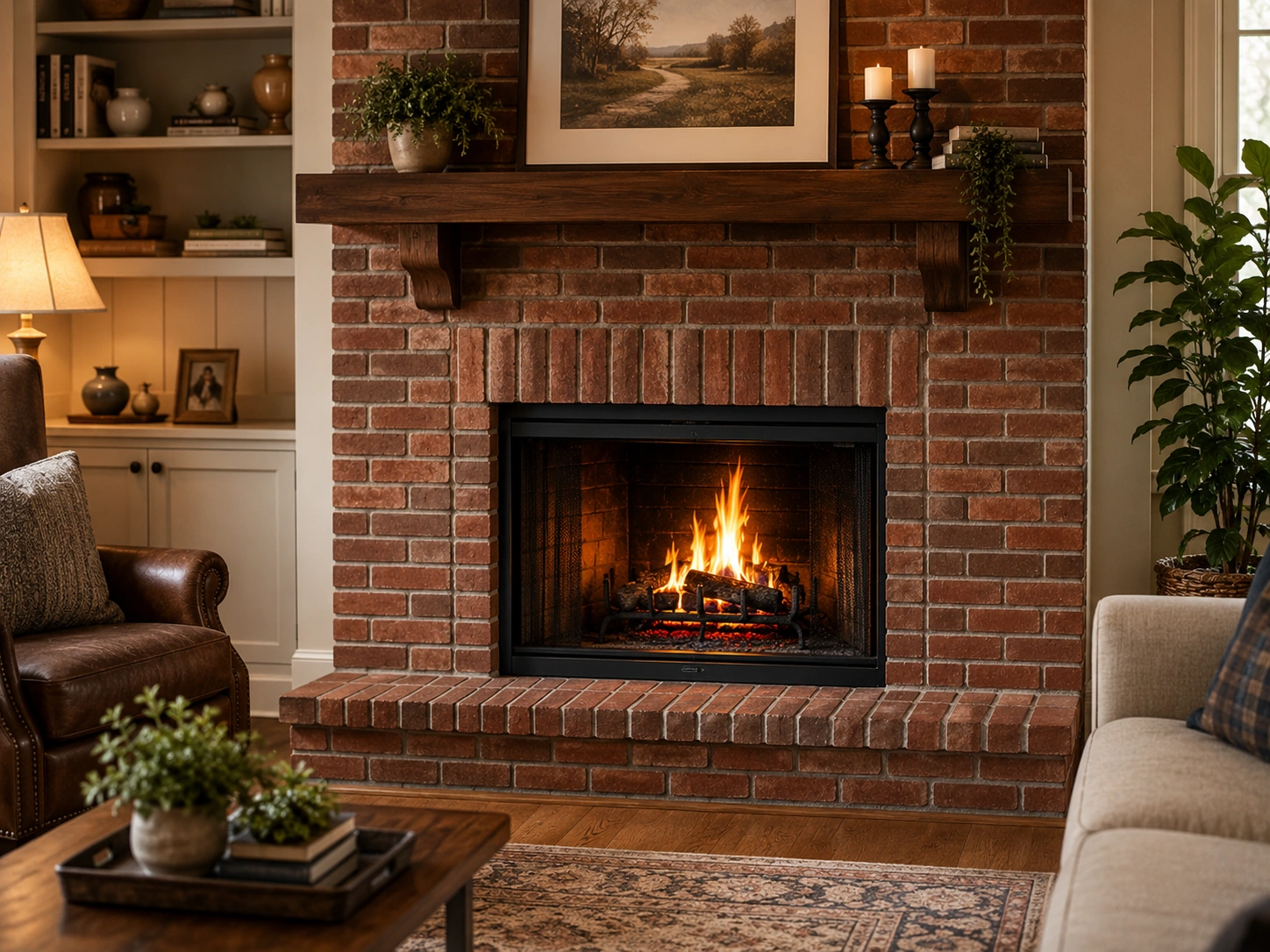
Explore classic brick fireplace designs that offer timeless appeal and excellent heat retention similar to rock fireplaces but with a different aesthetic character.

Sandstone Fireplace Designs
Discover the warm, earthy tones of sandstone fireplaces and how this specific rock type can create a unique focal point in your home.
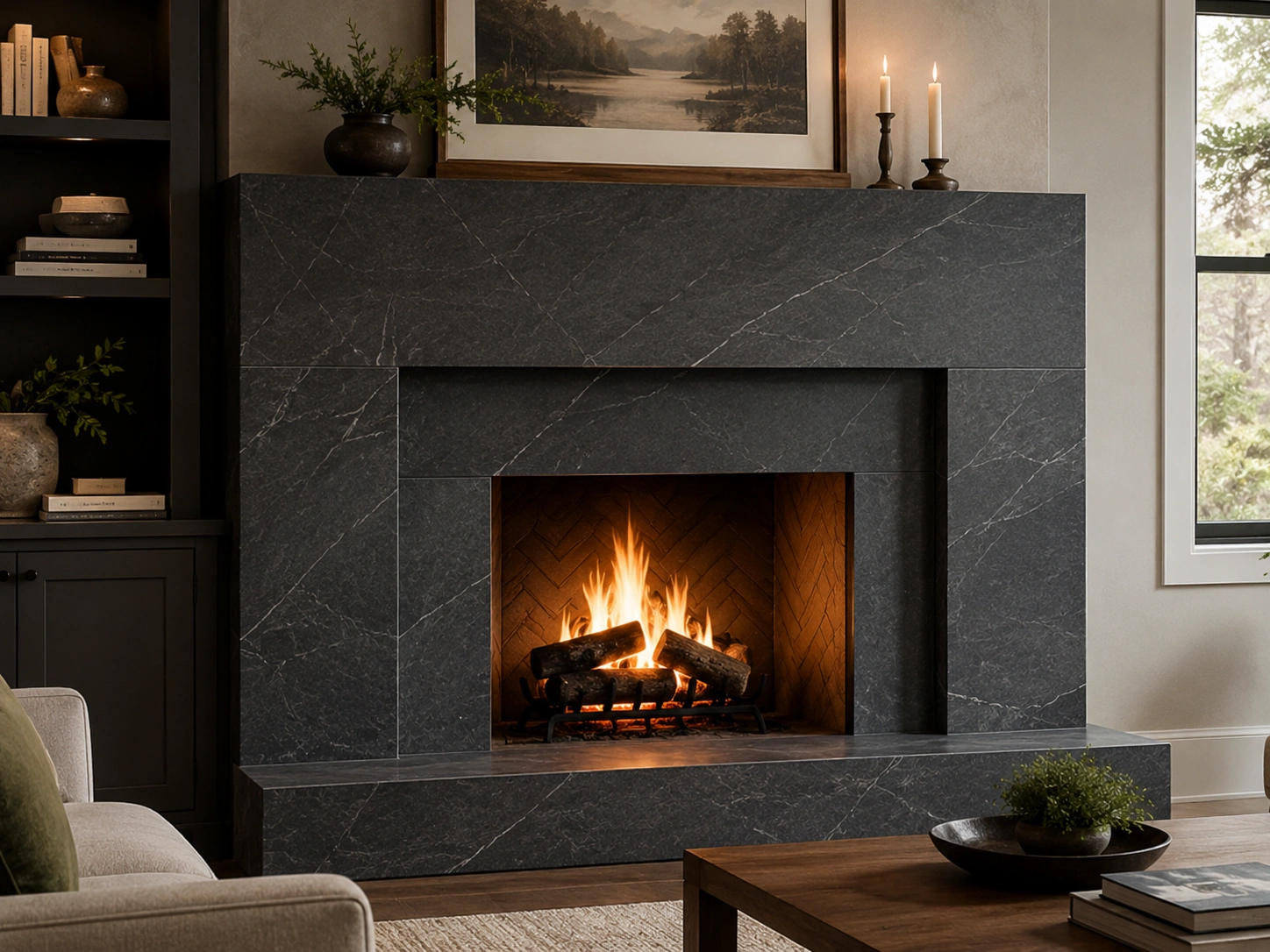
Soapstone Fireplace Options
Learn about soapstone's exceptional heat retention properties and smooth, sophisticated appearance for a more refined stone fireplace option.


