
Rock Fireplace Ideas: Complete Guide to Stone Fireplace Designs
Discover the timeless beauty and durability of rock fireplaces, from natural stone to manufactured options, and learn how to create a stunning focal point in your home
EXPLORE ROCK FIREPLACESWhat is a Rock Fireplace?
A rock fireplace is a stunning architectural feature that incorporates natural or manufactured stone materials to create a durable, heat-resistant enclosure for your fire. These fireplaces have been used for centuries and continue to be popular today due to their timeless appeal, exceptional durability, and ability to complement various interior design styles from rustic to modern.
Rock fireplaces can be constructed using a variety of stone types, each offering unique colors, textures, and patterns. From the rugged charm of fieldstone to the sleek appearance of stacked stone, these fireplaces create a natural focal point that adds both warmth and character to any living space.
Whether you're considering a wood-burning fireplace with a traditional stone surround or a gas fireplace with a contemporary stone facade, understanding the different options available will help you make the best choice for your home.

Rock Fireplace Benefits: Beyond their aesthetic appeal, rock fireplaces offer exceptional heat retention, superior durability, and increased home value. They can last for generations with proper maintenance and continue to be one of the most sought-after features in home design.
Types of Rock Fireplaces
Rock fireplaces come in various styles and materials, each offering distinct advantages and visual characteristics. Understanding these options will help you select the perfect stone fireplace for your home's architecture and your personal taste.
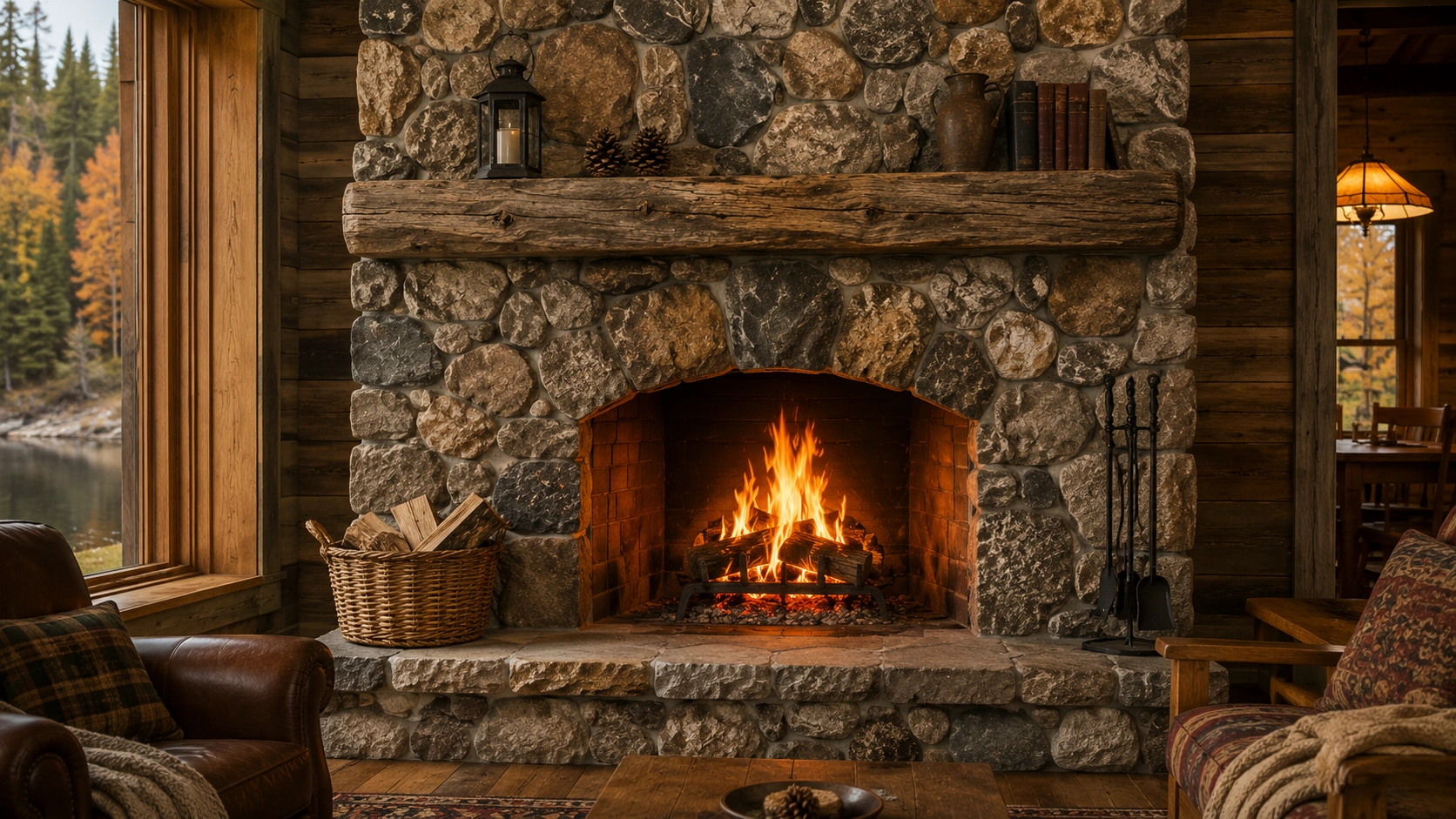
Fieldstone Fireplaces
Fieldstone fireplaces use naturally occurring stones collected from fields or quarries. These irregularly shaped stones create a rustic, organic appearance with no two fireplaces looking exactly alike. Fieldstone is particularly popular in rustic fireplace designs and cabins.

Stacked Stone Fireplaces
Stacked stone fireplaces feature uniformly cut stones arranged in neat, horizontal rows. This style offers a more contemporary look while maintaining the natural beauty of stone. Stacked stone works well in modern fireplace designs and can complement various interior styles.
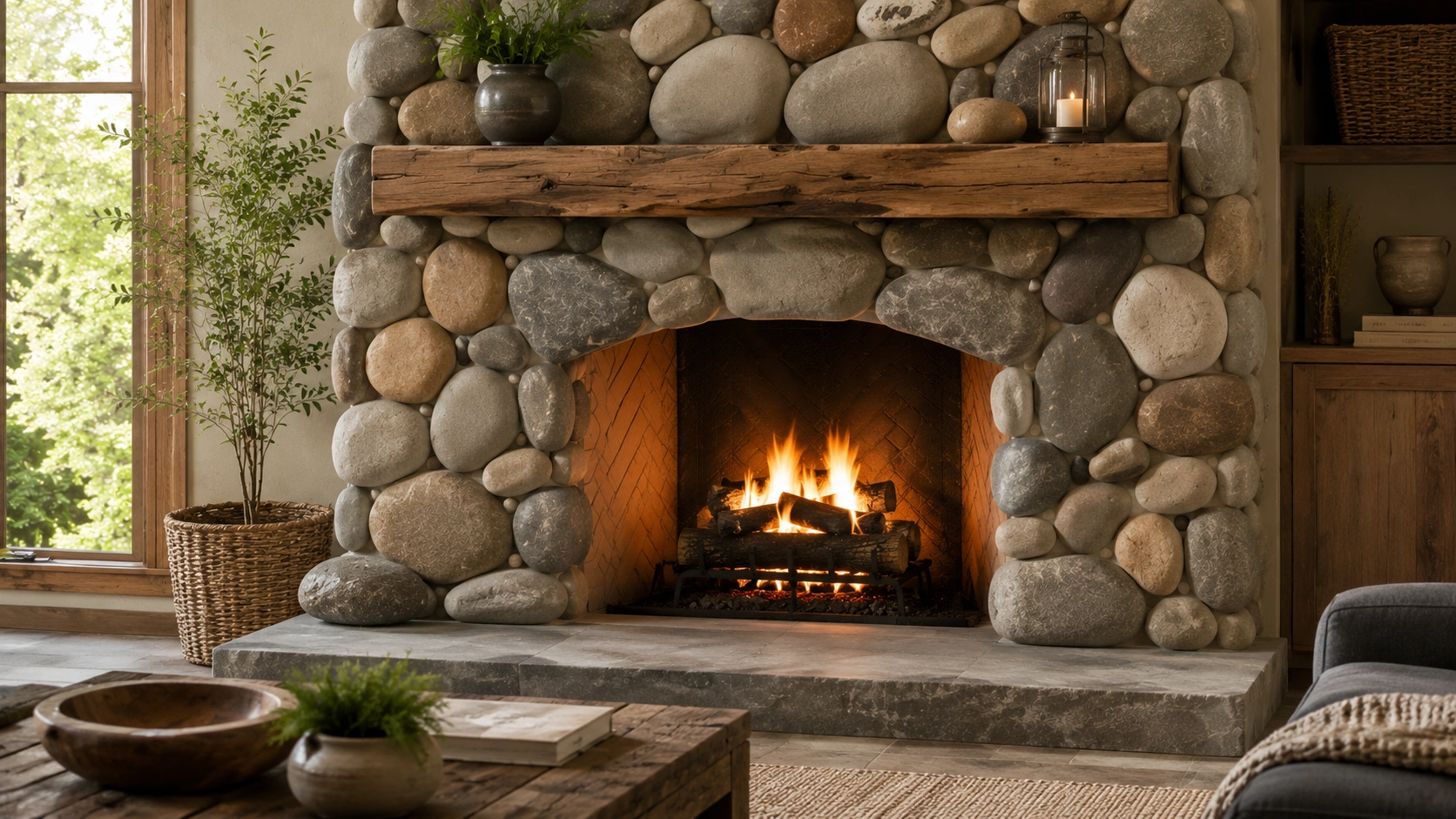
River Rock Fireplaces
River rock fireplaces use smooth, rounded stones that have been naturally shaped by water over time. These stones create a distinctive, textured appearance with a more polished look than other natural stone options. River rock is ideal for creating a soothing, organic focal point in your living space.
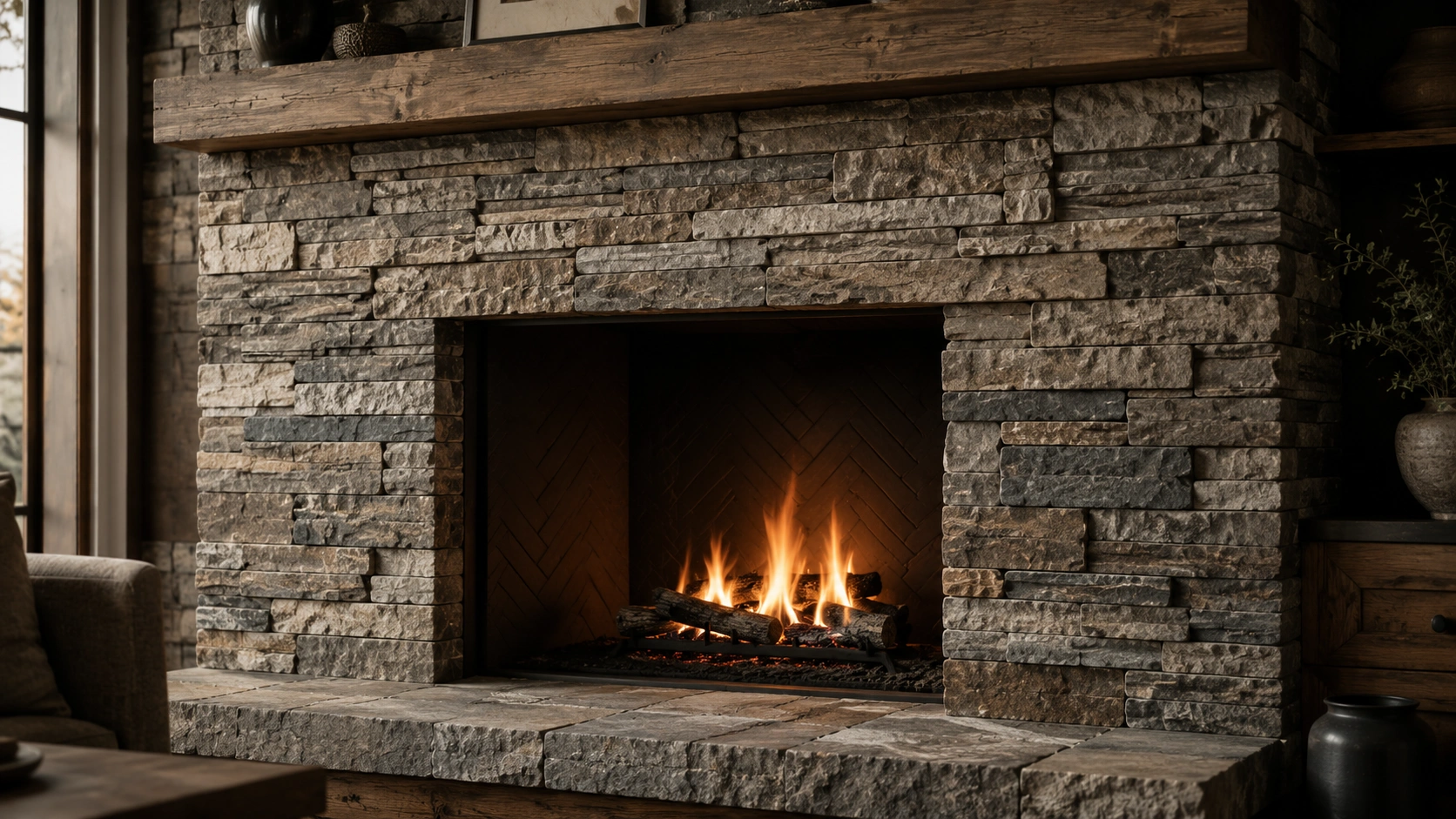
Ledgestone Fireplaces
Ledgestone features rectangular stones with natural textures and varying depths. This style creates a dimensional appearance that adds visual interest to your fireplace. Ledgestone is versatile and works well in both traditional and contemporary settings.

Cultured Stone Fireplaces
Cultured stone, also known as manufactured stone veneer, is made from concrete and colored to resemble natural stone. It's lighter and more affordable than natural stone while offering similar aesthetics. This option is excellent for fireplace remodeling projects where weight is a concern.
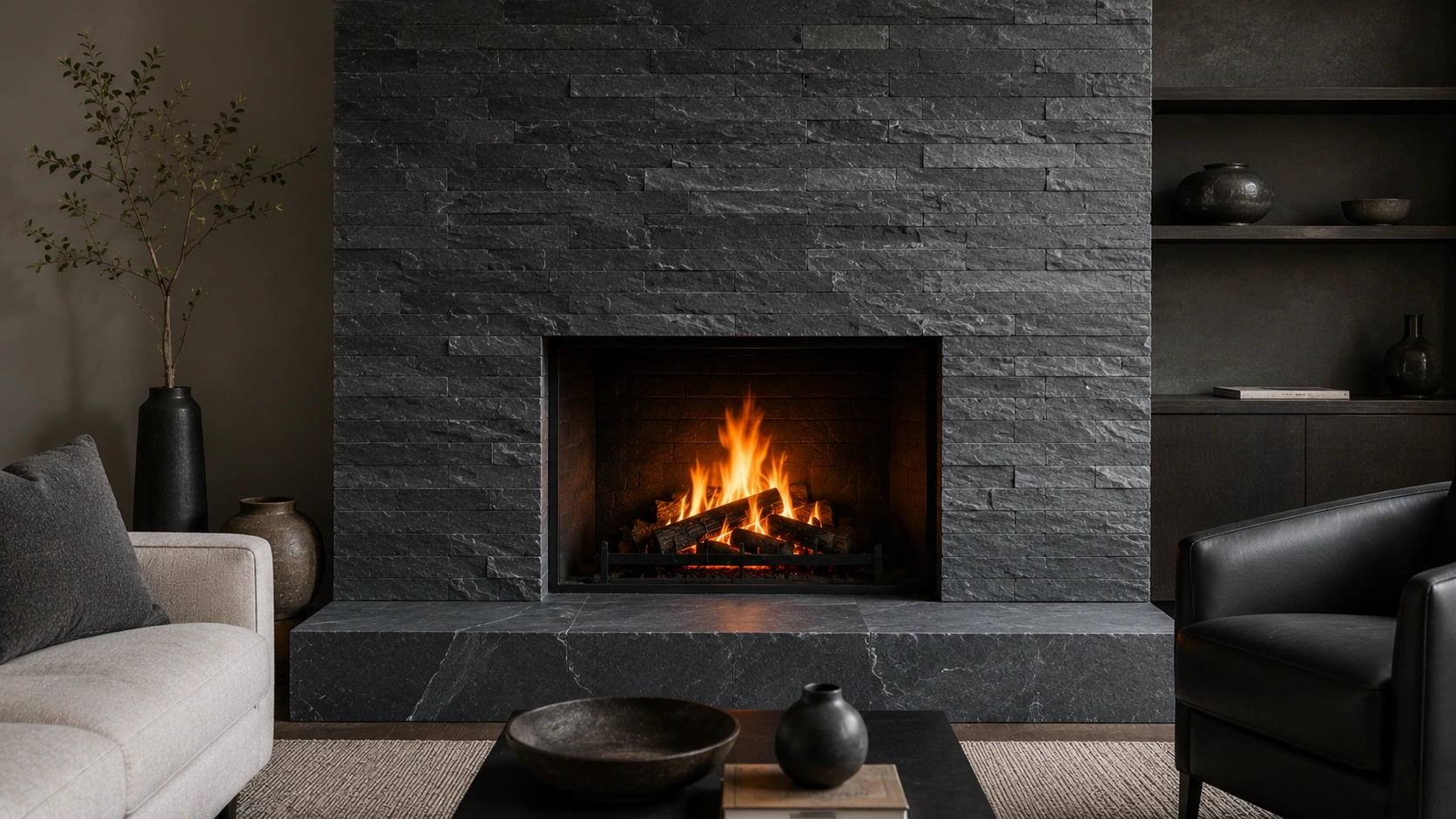
Slate Fireplaces
Slate is a fine-grained metamorphic rock that offers a sophisticated, elegant appearance. Its natural cleft surface creates interesting textures and its color variations (grays, blacks, blues, and greens) can complement various design schemes. Slate works particularly well in minimalist fireplace designs.
Benefits of Rock Fireplaces
Rock fireplaces offer numerous advantages beyond their natural beauty. Understanding these benefits can help you justify the investment and appreciate why stone fireplaces have remained popular throughout history.
-
Exceptional Durability: Rock fireplaces can last for generations with minimal maintenance. Unlike other materials that may crack, warp, or deteriorate over time, stone maintains its structural integrity and appearance for decades, making it a wise long-term investment for your home.
-
Superior Heat Retention: Stone has excellent thermal mass properties, meaning it absorbs heat during operation and slowly releases it even after the fire has died down. This makes rock fireplaces particularly efficient for heating purposes, helping to maintain comfortable temperatures in your living space.
-
Increased Home Value: A well-crafted rock fireplace is a desirable feature that can significantly increase your home's resale value. According to real estate experts, fireplaces are among the top features homebuyers seek, and stone fireplaces are particularly appealing due to their permanence and quality appearance.
-
Design Versatility: Rock fireplaces complement a wide range of architectural styles, from rustic cabins to modern homes. With numerous stone types, colors, and installation patterns available, you can customize your fireplace to perfectly match your home's aesthetic and your personal taste.
-
Low Maintenance: Unlike other fireplace materials that require regular painting, sealing, or other treatments, stone fireplaces are remarkably low maintenance. Occasional cleaning and inspection are typically all that's needed to keep your rock fireplace looking beautiful for years to come.
-
Fire Safety: Stone is naturally fire-resistant and non-combustible, making it an ideal material for fireplace construction. This provides an extra layer of safety for your home and family, as the stone surround can help contain sparks and heat, reducing the risk of accidental fires.
Rock Fireplace Design Considerations
When planning a rock fireplace for your home, several design elements should be carefully considered to ensure the final result meets your expectations and complements your space effectively.
Room Size and Proportions
The size of your rock fireplace should be proportional to the room where it will be installed. A massive stone fireplace might overwhelm a small bedroom, while a modest surround could look undersized in a large, open-concept living area. Consider using our fireplace sizing guide to determine appropriate dimensions.
Stone Selection
Choose a stone type that complements your home's architecture and interior design. Light-colored stones like limestone can brighten a dark room, while darker stones like slate can add drama to a light space. Consider the existing color palette in your room when selecting your stone.
Fireplace Surround Design
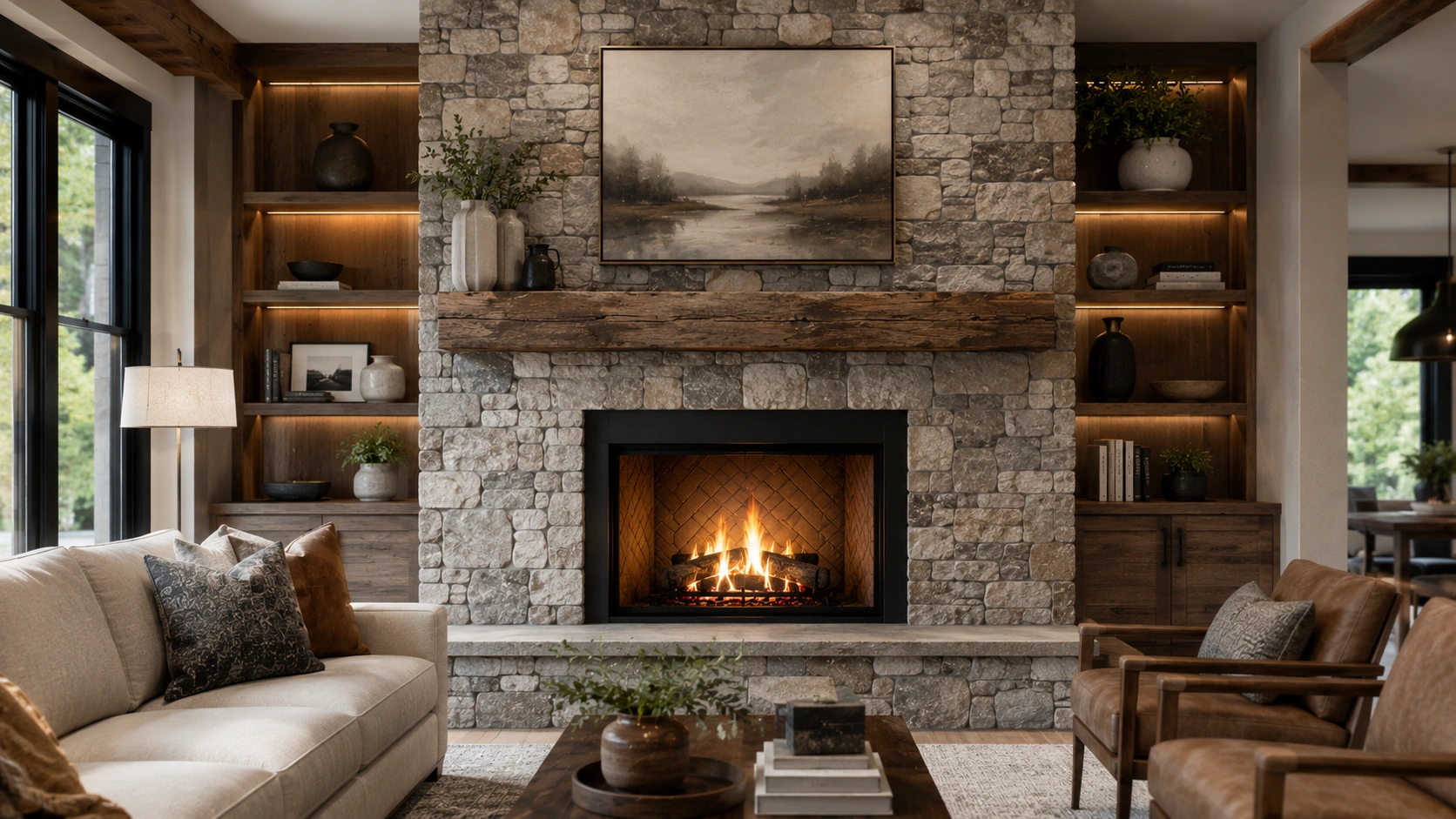
The fireplace surround is the frame around the firebox and can dramatically impact the overall appearance. Options include full stone surrounds, stone with a wooden mantel, or stone combined with other materials like tile or metal for a more contemporary look.
Hearth Extension
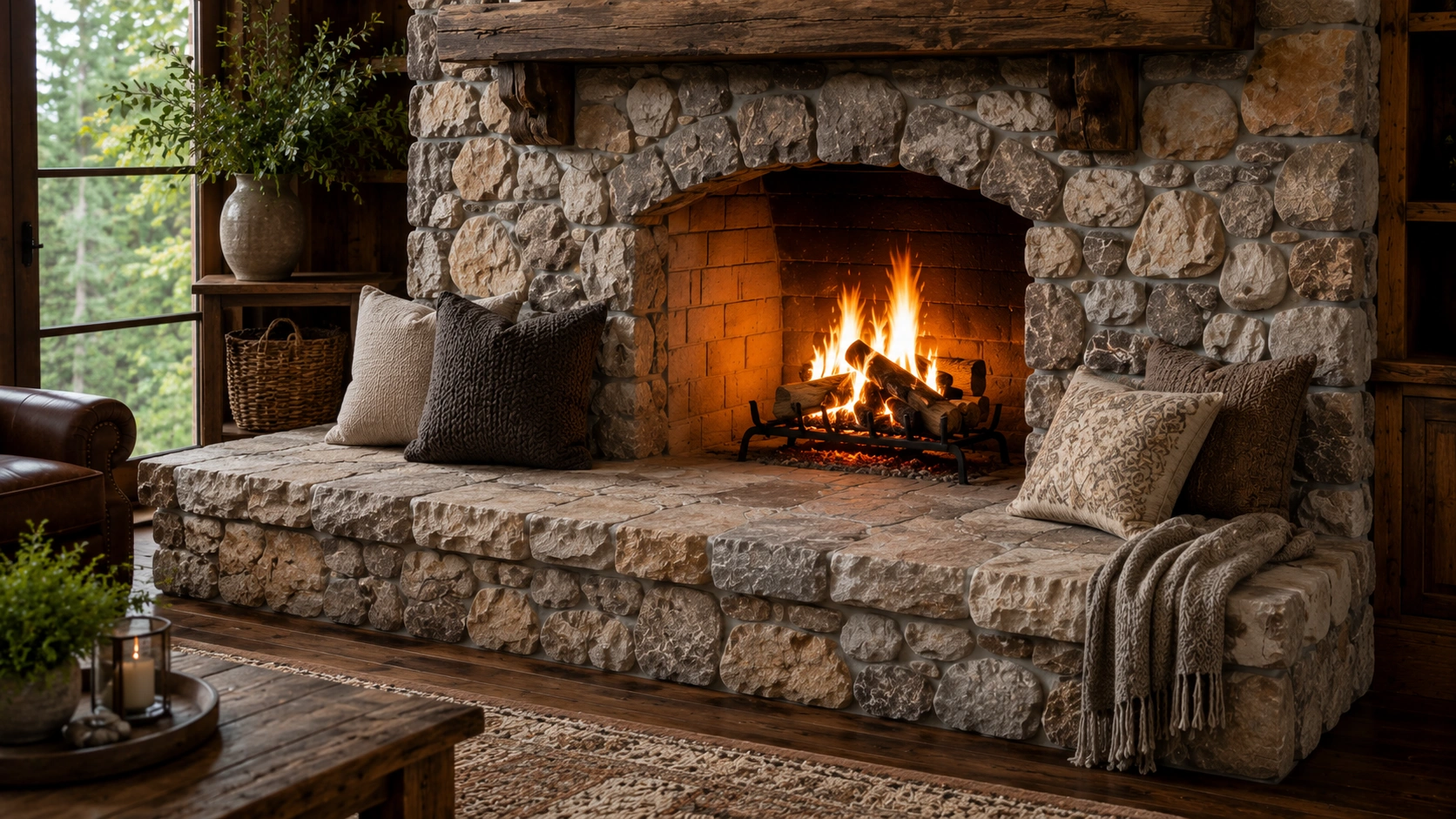
The hearth is the area in front of the fireplace that extends into the room. For rock fireplaces, extending the stone material onto the hearth creates a cohesive look. Consider making the hearth large enough to serve as additional seating or a display area for decorative items.
Mantel Integration
Decide whether you want to incorporate a mantel into your rock fireplace design. A wooden mantel can provide a striking contrast to the stone and offer a practical shelf for displaying artwork, photos, or seasonal decorations. For a more streamlined look, you might opt for a stone shelf or no mantel at all.
TV Placement
If you're considering placing a TV above your fireplace, ensure the stone surround is properly designed to accommodate this. The TV above fireplace arrangement requires careful planning to ensure proper viewing height, safe installation, and adequate heat protection for your electronics.
Rock Fireplace Installation Process
Installing a rock fireplace is a complex process that typically requires professional expertise. Understanding the basic steps involved can help you prepare for your project and communicate effectively with your contractor.
Foundation & Framing
The process begins with creating a solid foundation capable of supporting the considerable weight of stone. This may involve reinforcing the floor structure. Next, a frame is constructed using metal studs or wood to define the fireplace shape.
Firebox Installation
The firebox—the actual chamber where the fire burns—is installed according to local building codes. This may be a factory-built firebox for gas fireplaces or a constructed masonry firebox for wood-burning units.
Venting System
Proper ventilation is critical for safety and performance. This step involves installing the chimney or direct vent system according to manufacturer specifications and local codes. The ventilation requirements vary based on fireplace type.
Stone Application
The stone is applied to the exterior frame using a combination of mortar and mechanical fasteners. This is a skilled process that requires proper spacing, alignment, and structural integrity. The installation technique varies based on the type of stone selected.
Installation Tip
For most homeowners, rock fireplace installation is not a DIY-friendly project. The structural requirements, weight considerations, and technical aspects of venting make professional installation essential. Always verify that your contractor is licensed, insured, and experienced with stone fireplace construction.
Rock Fireplace Cost Considerations
The cost of a rock fireplace varies significantly based on several factors, including the type of stone, size of the fireplace, complexity of the design, and your geographic location. Understanding these cost components can help you budget appropriately for your project.
| Component | Cost Range | Notes |
|---|---|---|
| Natural Fieldstone | $15–$30 per sq. ft. | Price varies based on local availability and stone quality |
| Stacked Stone Veneer | $10–$25 per sq. ft. | More uniform appearance, easier to install than fieldstone |
| River Rock | $20–$40 per sq. ft. | Premium option due to collection and sorting process |
| Cultured/Manufactured Stone | $8–$18 per sq. ft. | Most affordable option, lighter weight |
| Slate | $25–$50 per sq. ft. | Premium natural stone with elegant appearance |
| Professional Installation | $40–$100 per sq. ft. | Varies by region and project complexity |
| Firebox Unit | $1,500–$5,000+ | Depends on type (gas, wood, electric) and efficiency rating |
| Venting System | $500–$3,000 | Varies based on chimney type and height requirements |
| Total Project Cost | $5,000–$25,000+ | Complete installation including all components |
Cost-Saving Tip
Consider using manufactured stone veneer for the majority of your fireplace surround, then incorporate natural stone accents around the firebox opening. This approach can significantly reduce costs while maintaining the authentic look of natural stone in the most visible areas. Check our detailed cost breakdown for more budgeting insights.
Rock Fireplace Maintenance
One of the advantages of rock fireplaces is their relatively low maintenance requirements. However, regular care will ensure your stone fireplace remains beautiful and functional for generations.
Routine Cleaning
- Dust the stone surface regularly with a soft brush or vacuum with a brush attachment
- Wipe down the stone occasionally with a damp cloth to remove accumulated dirt
- Clean the fireplace glass according to manufacturer recommendations
- Remove ash from the firebox after each use for wood-burning models
- Avoid using harsh chemicals or abrasive cleaners that could damage the stone
Annual Maintenance
- Schedule a professional annual inspection to check for structural issues
- Have the chimney cleaned by a professional sweep to prevent creosote buildup
- Check for and repair any mortar joints that have deteriorated
- Inspect the firebox for cracks or damage that could affect safety
- Verify that all vents and dampers are functioning properly
Sealing & Protection
- Apply a penetrating stone sealer every 3-5 years to protect against moisture and stains
- Consider a heat-resistant sealant for areas closest to the firebox
- Address any water damage promptly to prevent deterioration of the stone or mortar
- Ensure proper flashing around the chimney to prevent water infiltration
- Use a draft stopper when not in use to prevent moisture and drafts
Problem Prevention
- Use only properly seasoned wood to minimize creosote buildup in wood-burning models
- Address any smoke problems immediately as they may indicate ventilation issues
- Monitor for signs of efflorescence (white salt deposits) which indicate moisture problems
- Keep combustible materials at a safe distance from the fireplace opening
- Install carbon monoxide detectors near the fireplace as a safety precaution
Rock vs. Other Fireplace Materials
Understanding how rock fireplaces compare to other popular materials can help you make an informed decision about which option is best for your home and lifestyle.
| Feature | Rock/Stone | Brick | Tile | Stucco |
|---|---|---|---|---|
| Durability | Excellent | Excellent | Good | Moderate |
| Heat Retention | Excellent | Very Good | Good | Fair |
| Installation Cost | High | Moderate | Moderate | Low |
| Maintenance | Low | Low | Moderate | High |
| Design Versatility | High | Moderate | Very High | Moderate |
| Weight | Heavy | Heavy | Light | Light |
| Lifespan | 50+ years | 50+ years | 20-30 years | 15-25 years |
Material Selection Tip
If weight is a concern, such as when installing on an upper floor or when remodeling an existing space with limited structural capacity, consider manufactured stone veneer instead of natural stone. It offers the appearance of real stone at about one-third the weight, making it suitable for applications where full-depth stone would be impractical. Learn more about different installation approaches to find the best solution for your space.
Rock Fireplace Ideas for Different Rooms
Rock fireplaces can enhance various spaces throughout your home. Here are some specific ideas and considerations for different rooms:
Living Room Rock Fireplaces
The living room is the most common location for a rock fireplace. Here, a substantial stone fireplace can serve as the room's focal point, anchoring the furniture arrangement and creating a warm, inviting atmosphere. Consider extending the stone to the ceiling for dramatic impact, or incorporate built-in shelving on either side of the fireplace for a custom look.
Bedroom Rock Fireplaces
A bedroom fireplace adds a luxurious, romantic element to your personal retreat. For bedrooms, consider a more subdued stone selection in lighter colors to maintain a serene atmosphere. A smaller-scale rock fireplace with a delicate mantel can provide warmth without overwhelming the space.


Outdoor Rock Fireplaces
Outdoor rock fireplaces extend your living space and create a stunning focal point for your patio or backyard. For outdoor applications, select stone that can withstand weather exposure, such as granite or fieldstone. Consider incorporating a pizza oven or cooking surface into your outdoor fireplace design for added functionality.
Kitchen Rock Fireplaces
A kitchen fireplace can add both warmth and cooking functionality. Consider a rock fireplace with an integrated wood-fired oven or a smaller decorative fireplace that complements your kitchen's design. Ensure proper ventilation is planned to handle cooking smoke in addition to fireplace emissions.
Is a Rock Fireplace Right for You?
A rock fireplace represents a significant investment in both money and home value, but it offers unparalleled beauty, durability, and performance. The natural materials create a connection to the environment that manufactured materials simply cannot replicate, and the exceptional heat retention properties make rock fireplaces particularly efficient for home heating.
If you're looking for a fireplace idea that combines timeless aesthetics with practical benefits, a rock fireplace deserves serious consideration. Whether you prefer the rugged charm of fieldstone, the contemporary look of stacked stone, or the elegance of slate, there's a rock fireplace style that will perfectly complement your home and lifestyle.
Before making your final decision, consult with experienced professionals who specialize in stone fireplace construction. They can assess your space, discuss your options, and provide accurate cost estimates based on your specific requirements. With proper planning and execution, a rock fireplace will become the heart of your home—a place where family and friends naturally gather to create lasting memories.


