The Complete TV Fireplace Guide
Everything you need to know about safely combining your TV and fireplace for the perfect entertainment center
EXPLORE TV FIREPLACESWhat Are TV Fireplaces?
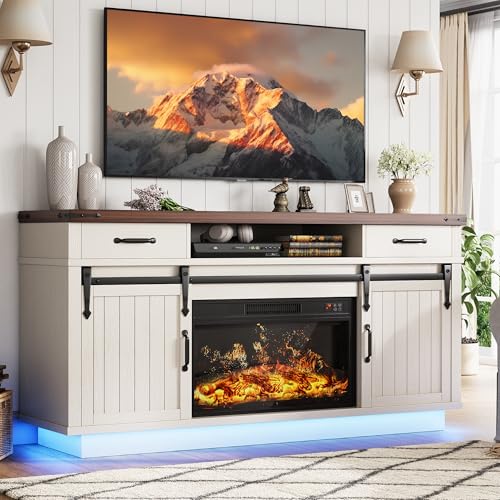
TV fireplaces refer to fireplaces specifically designed or installed to work harmoniously with television setups. Whether you're mounting your TV above a fireplace, placing it beside one, or creating a complete TV and fireplace wall design, these combinations have become increasingly popular in modern homes.
The appeal is obvious: you get the cozy ambiance of a fireplace alongside the entertainment value of television, all in one cohesive focal point for your living room. However, this combination requires careful planning to ensure both safety and optimal viewing experience.
From sleek modern designs to traditional setups, TV fireplaces can transform any space. The key is understanding the different approaches available and choosing the right one for your specific needs, room layout, and safety requirements.
Types of TV Fireplace Setups

TV Above Electric Fireplace
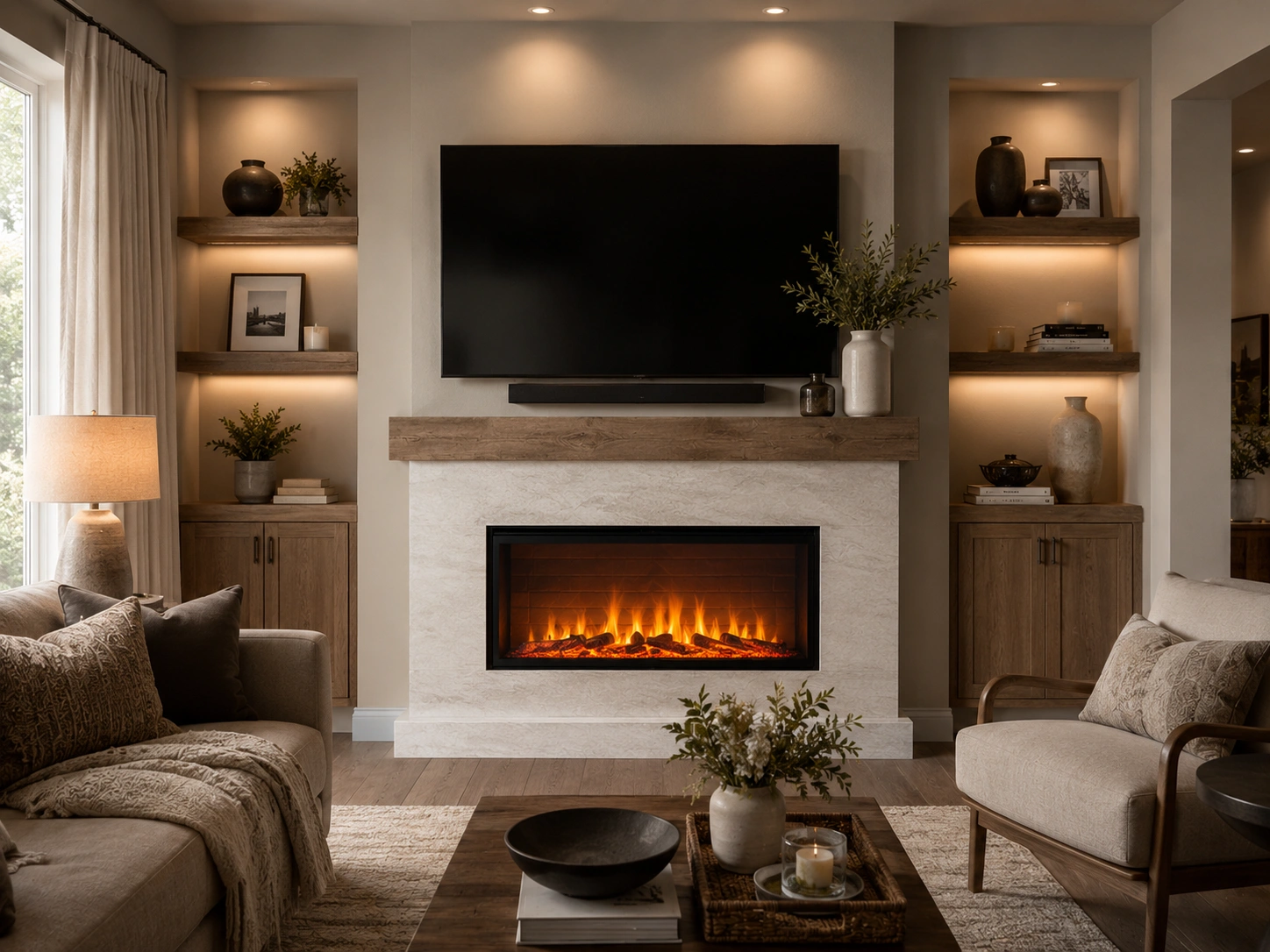
The most popular and safest option. Electric fireplaces produce no real flames or emissions, making them ideal for TV placement. They offer realistic flame effects with minimal heat at the top. Perfect for TV above fireplace setups.

TV Beside Fireplace
Positions the TV adjacent to the fireplace rather than above it. This arrangement eliminates heat concerns while creating an attractive asymmetrical design. Works well with any fireplace type and offers flexible placement options.
Built-in TV Fireplace Units
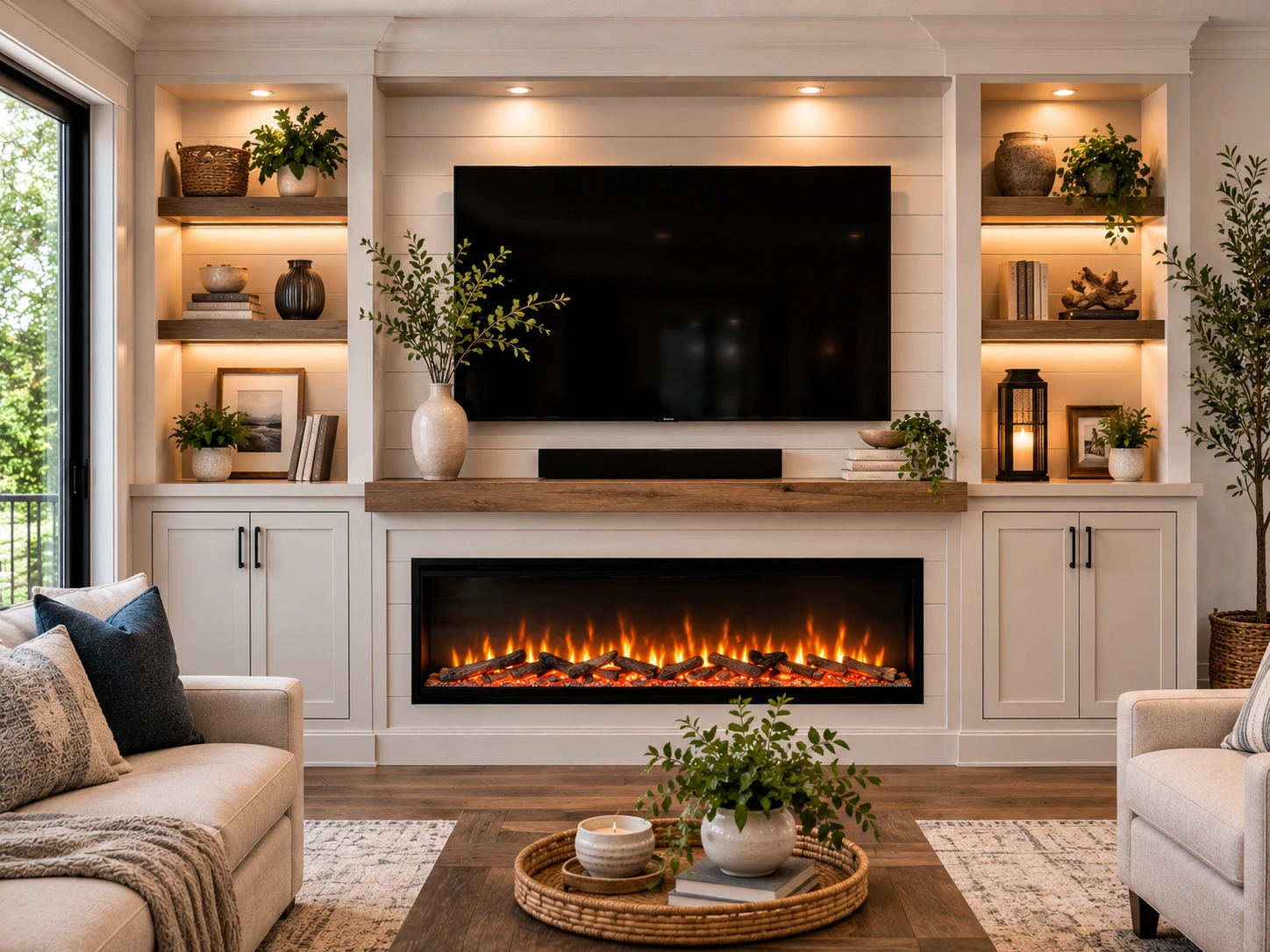
Pre-designed units that incorporate both TV mounting and fireplace in one cohesive piece. Often feature media storage, shelving, and mantels. Available as wall-mounted or built-in options for seamless integration.
TV Above Gas Fireplace
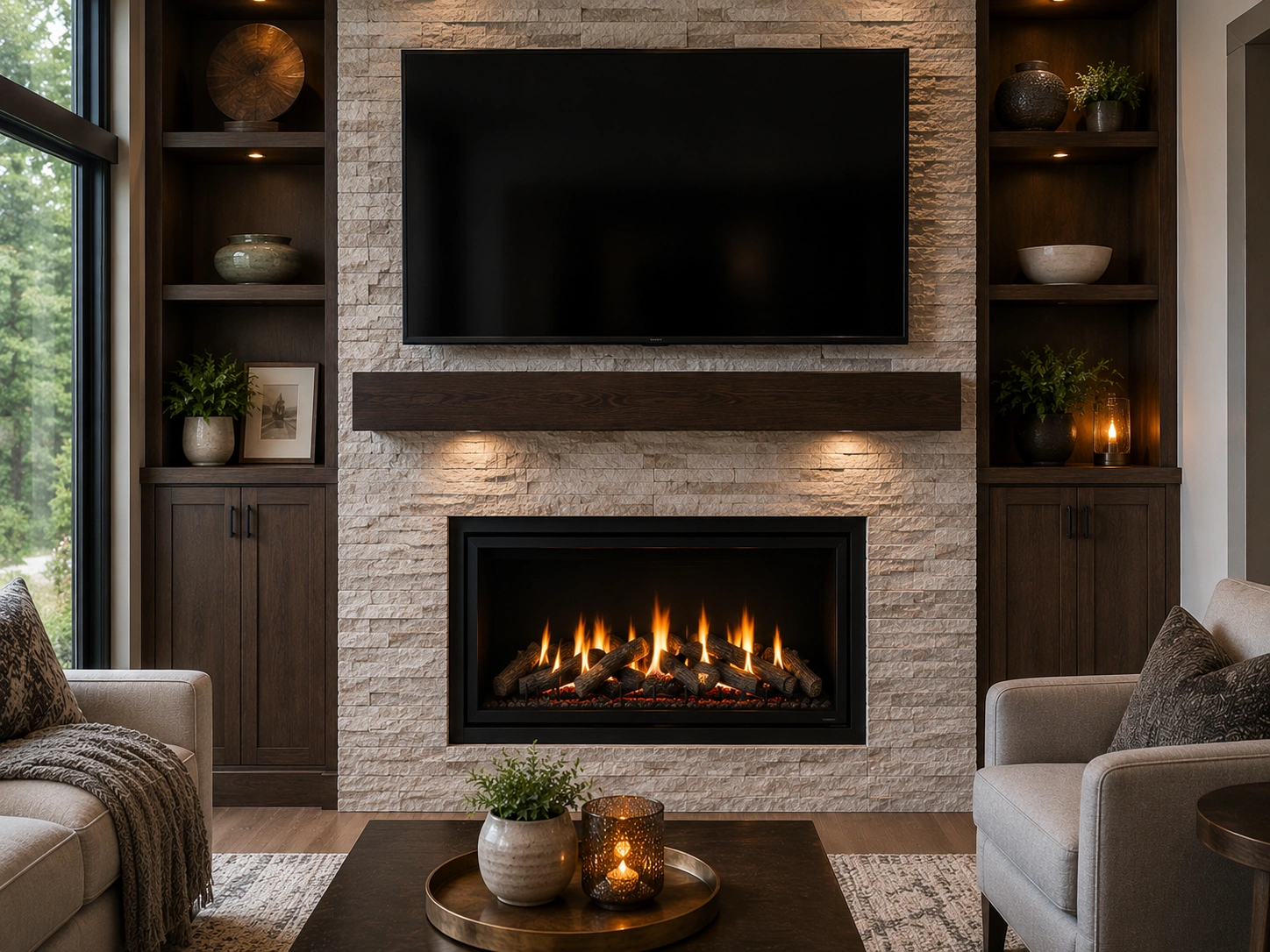
More challenging but possible with proper precautions. Requires specific gas fireplace installation requirements including heat deflectors and adequate clearance. Best suited for direct-vent models with low top heat output.
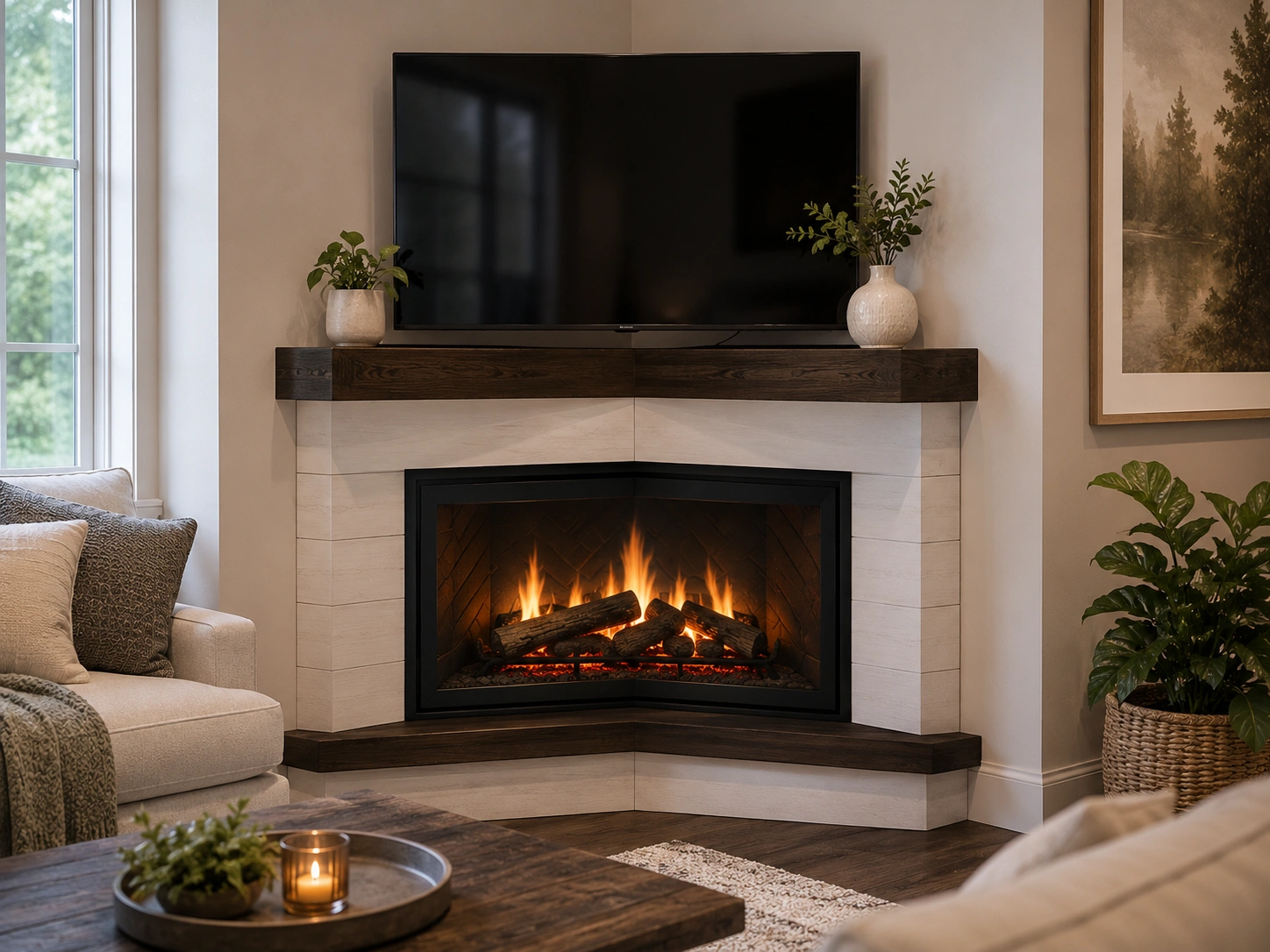
Corner TV Fireplace
Utilizes corner space efficiently by combining corner fireplace ideas with TV mounting. Great for smaller rooms or awkward layouts. Can create a cozy nook while maximizing floor space.

Minimalist TV Fireplace
Clean, streamlined designs that focus on simplicity. Often features flush-mounted TVs with linear fireplaces for a minimalist aesthetic. Perfect for contemporary homes seeking understated elegance.
Critical Safety Considerations
When combining TVs and fireplaces, safety must be your top priority. Here are the essential considerations:
Heat Management
TVs have maximum operating temperatures typically around 100°F (38°C). Fireplace heat can exceed this, especially with wood or gas models. Proper clearance and heat deflection are essential to prevent damage. Learn about TV above fireplace safety guidelines.
Proper Clearance Distance
Minimum 12-18 inches between TV bottom and fireplace top for electric models. Gas and wood fireplaces require 24-36 inches or more. Always follow manufacturer specifications for both TV and fireplace.
Ventilation Concerns
Ensure proper ventilation requirements are met to prevent heat buildup behind the TV. Avoid completely enclosing the TV in cabinetry without adequate airflow.
Mounting Hardware
Use heavy-duty, heat-resistant mounting hardware rated for both the TV weight and potential temperature exposure. Standard mounts may degrade with heat exposure over time.
Cable Management
Route cables away from heat sources and use heat-resistant cable covers. Exposed cables near fireplaces can melt or become fire hazards. Plan cable paths during installation.
Professional Installation
For gas or complex installations, always use certified professionals. Improper installation can void warranties and create serious safety hazards. See our DIY vs professional installation guide.
Important Warning Signs
Watch for these indicators that your TV may be too close to heat:
- TV screen discoloration or dark spots
- Unusual TV shutdowns or overheating warnings
- Warped or melting TV frame or stand
- Burning smell from TV components
- Reduced TV performance or lag
If you notice any of these signs, immediately turn off both the fireplace and TV, and reposition the TV to a safer distance.
Installation Guide
Proper installation is crucial for both safety and aesthetics. Follow these steps:
Plan Your Layout
Determine optimal TV viewing height (center of screen at eye level when seated) and fireplace placement. Consider room dimensions, seating arrangement, and fireplace proportions for your room shape. Mark proposed locations with painter's tape before proceeding.
Choose the Right Fireplace Type
For TV combinations, electric fireplaces are generally safest and easiest to install. If choosing gas, select direct-vent models specifically designed for TV compatibility. Avoid ventless models above TVs due to moisture concerns.
Install Fireplace First
Always complete fireplace installation before TV mounting. This allows you to measure actual heat output at different heights and adjust TV placement accordingly. Follow manufacturer's installation guide carefully.
Test Heat Distribution
Run the fireplace at maximum setting for 30+ minutes and measure temperatures at the proposed TV location. Use an infrared thermometer to check for hot spots. The area should not exceed 90°F (32°C) at TV mounting height.
Install Heat Deflector if Needed
If temperatures are too high, install a heat deflector or mantel shelf to redirect heat away from the TV. Many modern electric fireplaces include built-in heat management systems specifically for TV setups.
Mount the TV
Use appropriate mounting hardware and follow TV manufacturer's guidelines. Ensure the mount is securely attached to wall studs, not just drywall. Leave adequate space for cable management and ventilation.
Complete Cable Management
Route all cables safely away from heat sources. Use in-wall cable management if permitted by local codes, or use surface-mount raceways designed for high-temperature environments.
Cost Breakdown
Understanding the costs involved helps you budget appropriately:
| Component | Price Range | Notes |
|---|---|---|
| Electric Fireplace Unit | $400–$2,000 | TV-compatible models with heat management |
| Gas Fireplace (TV-rated) | $1,500–$4,000 | Direct-vent with heat deflector |
| TV Mount (Heavy-duty) | $80–$300 | Heat-resistant, weight-appropriate |
| Heat Deflector/Mantel | $150–$500 | Required for most gas/wood setups |
| Professional Installation | $500–$1,500 | Recommended for gas installations |
| Cable Management | $50–$200 | In-wall or surface-mount solutions |
| Surround/Mantel | $300–$2,000+ | Custom fireplace surround options |
| Total Investment | $1,500–$10,000+ | Complete setup with installation |
For detailed cost analysis, see our complete fireplace cost breakdown guide.
Design Ideas & Inspiration
Creating Your Perfect TV Fireplace Wall
A well-designed TV fireplace combination can become the centerpiece of your room. Consider these popular design approaches:
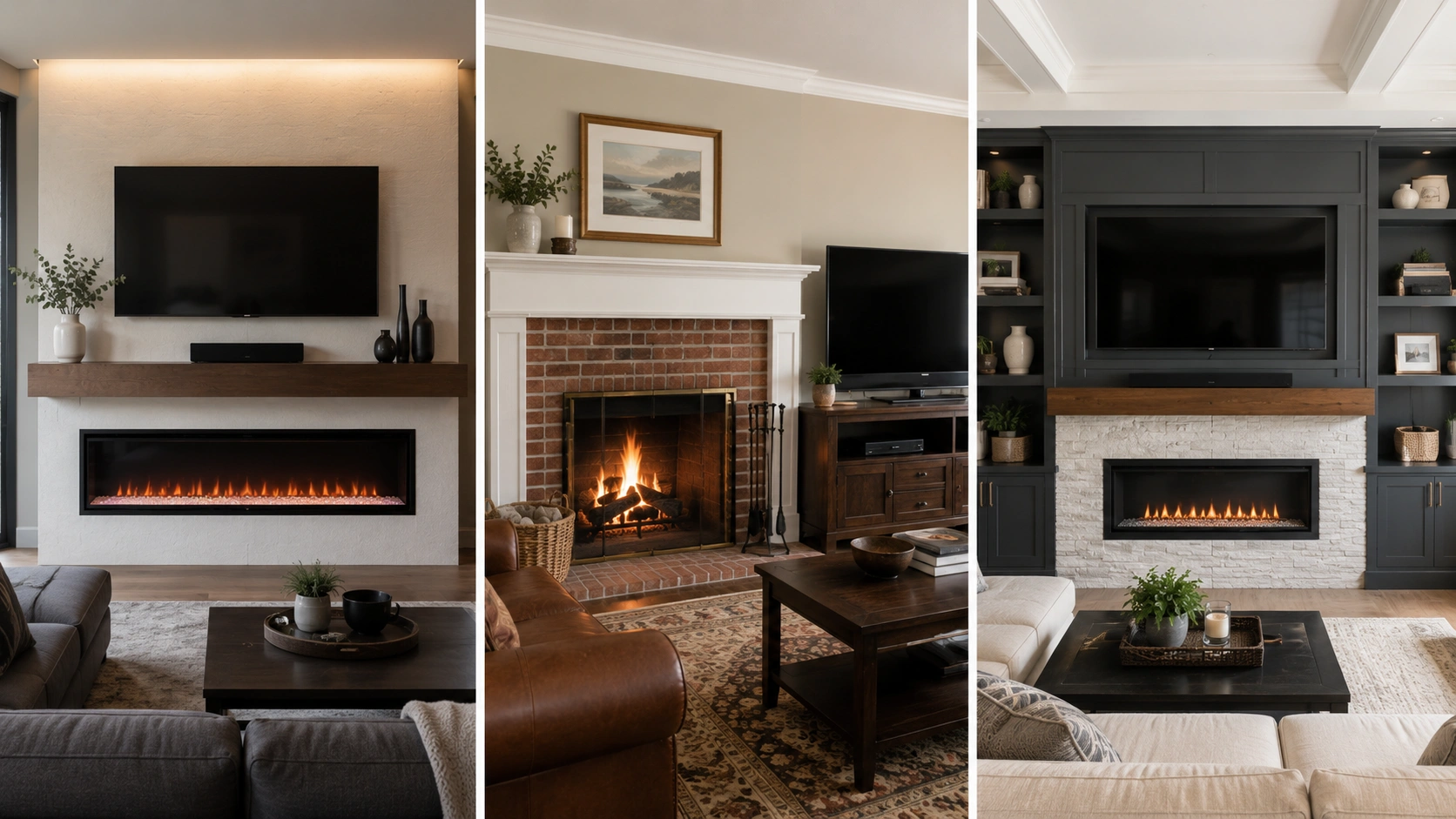
Modern Floating Design: Mount both TV and wall fireplace flush with the wall for a sleek, contemporary look. This works exceptionally well with linear electric fireplaces and flat-screen TVs, creating a unified, minimalist appearance.
Built-in Media Center: Create a custom built-in that houses both the fireplace and TV with integrated storage for components, media, and decor. This approach offers a polished, furniture-like appearance while hiding unsightly cables and equipment.
Asymmetric Balance: Position the TV and fireplace at different heights or on adjacent walls for an intentional, design-forward look. This approach works well in modern spaces and allows more flexibility in placement.
Traditional Elegance: Combine a classic fireplace with modern TV mounting using thoughtful design elements like decorative mantels, tile surrounds, and custom cabinetry that bridges traditional and contemporary styles.
Electric vs Gas for TV Setups
When choosing a fireplace for TV combination, the fuel type significantly impacts safety and installation:
Electric Fireplaces: Safest option for TV placement. No real flames mean no combustion byproducts, minimal heat at the top of the unit, and no venting required. Easiest to install and maintain. Ideal for dedicated TV viewing areas. See our gas vs electric fireplace comparison.
Gas Fireplaces: More challenging for TV setups due to higher heat output and ventilation requirements. Only direct-vent models should be considered, and even then, proper heat management is essential. Better suited for larger spaces with adequate clearance. Requires professional installation and more frequent maintenance.
Recommendation: For most homeowners combining TVs and fireplaces, electric models offer the best balance of safety, convenience, and aesthetics. Reserve gas fireplaces for situations where they're the primary heat source and the TV is positioned to the side rather than directly above.
Maintenance Tips
Proper maintenance ensures both your TV and fireplace function safely and efficiently:
Regular Heat Monitoring
Periodically check temperatures at TV location during fireplace operation. Temperature changes can indicate blocked vents, failing components, or other issues requiring attention.
Fireplace Maintenance
Follow proper electric fireplace maintenance or gas fireplace maintenance schedules. Clean components, check for damage, and ensure all safety features function correctly.
TV Ventilation Check
Ensure TV ventilation openings remain unobstructed. Dust accumulation can reduce cooling efficiency and increase susceptibility to heat damage. Clean TV vents monthly.
Mount Inspection
Regularly inspect mounting hardware for looseness, corrosion, or heat damage. Tighten bolts as needed and replace any components showing signs of wear or heat degradation.
Frequently Asked Questions
Can I safely put a TV above a fireplace?
Yes, but with important caveats. Electric fireplaces are generally safe for TV placement when proper clearance is maintained. Gas and wood fireplaces require significantly more caution, heat management, and professional installation. Always check manufacturer guidelines for both products. For detailed safety information, see our TV above fireplace safety guide.
How much clearance do I need between TV and fireplace?
Minimum clearance varies by fireplace type: 12-18 inches for electric models, 24-36+ inches for gas fireplaces, and 36+ inches for wood-burning units. However, these are minimums—more space is always better for safety and comfort. Always follow manufacturer specifications.
Will the heat from my fireplace damage my TV?
It can if proper precautions aren't taken. Heat can damage TV components, screen coatings, and internal electronics. Using electric fireplaces, maintaining adequate clearance, and installing heat deflectors significantly reduces this risk. Monitor temperatures regularly.
What's the best height for a TV above a fireplace?
The ideal height depends on your seating position. Generally, the center of the TV screen should be at eye level when seated, typically 42-48 inches from the floor. This often means the fireplace needs to be low-profile or recessed to achieve proper TV height.
Can I use any electric fireplace with a TV?
Most electric fireplaces work well with TVs, but look for models specifically designed for TV compatibility. These typically have heat management features, lower top temperatures, and may include built-in TV mounting provisions. Avoid models with excessive heat output directed upward.
Do I need a mantel between the TV and fireplace?
Not always required for electric fireplaces with low top heat output. However, mantels are strongly recommended for gas and wood fireplaces as they help deflect heat away from the TV. Even with electric models, a mantel can add visual separation and design interest. Explore fireplace mantel ideas for inspiration.
How do I hide cables when mounting TV above fireplace?
Several options exist: in-wall cable routing (requires fishing cables through walls), surface-mount cable raceways, or built-in cabinetry with cable management. Always use heat-resistant cable covers and keep cables away from direct heat sources.