The Complete Ventless Fireplace Guide
No chimney needed: Discover efficient, flexible heating solutions for any room in your home
VIEW TOP VENTLESS FIREPLACES
What is a Ventless Fireplace?
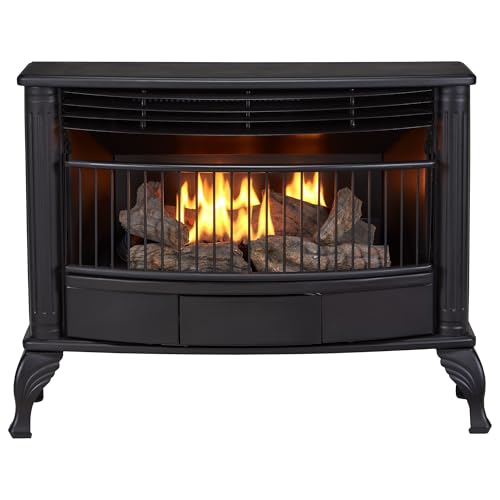
A ventless fireplace, also known as a vent-free or unvented fireplace, is a heating appliance that burns fuel (gas, gel, or ethanol) without requiring a chimney or external venting system. Unlike vented fireplaces that expel combustion byproducts outside through a flue, ventless models are designed to burn fuel so completely that they produce minimal emissions, releasing all heat directly into the room.
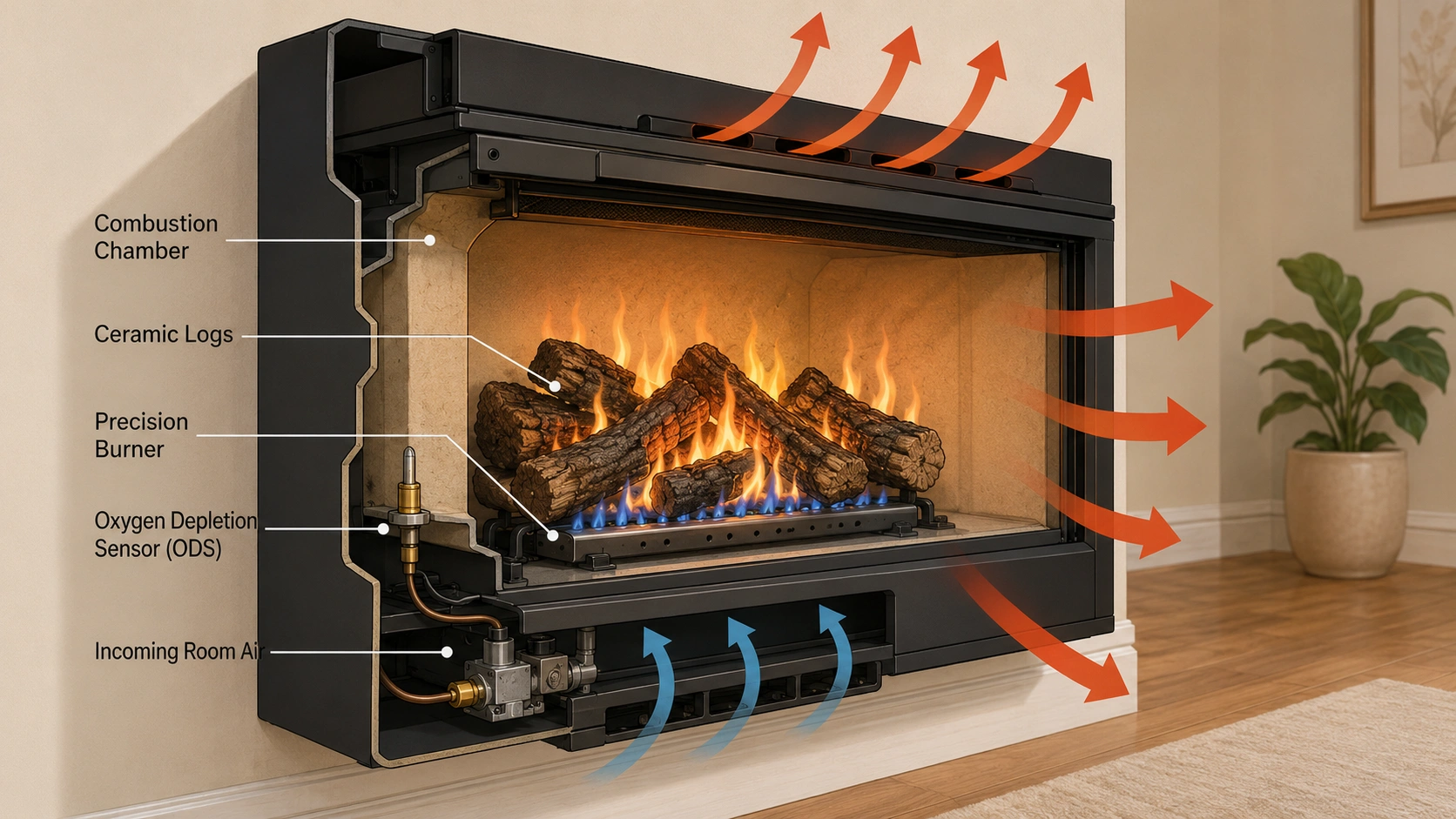
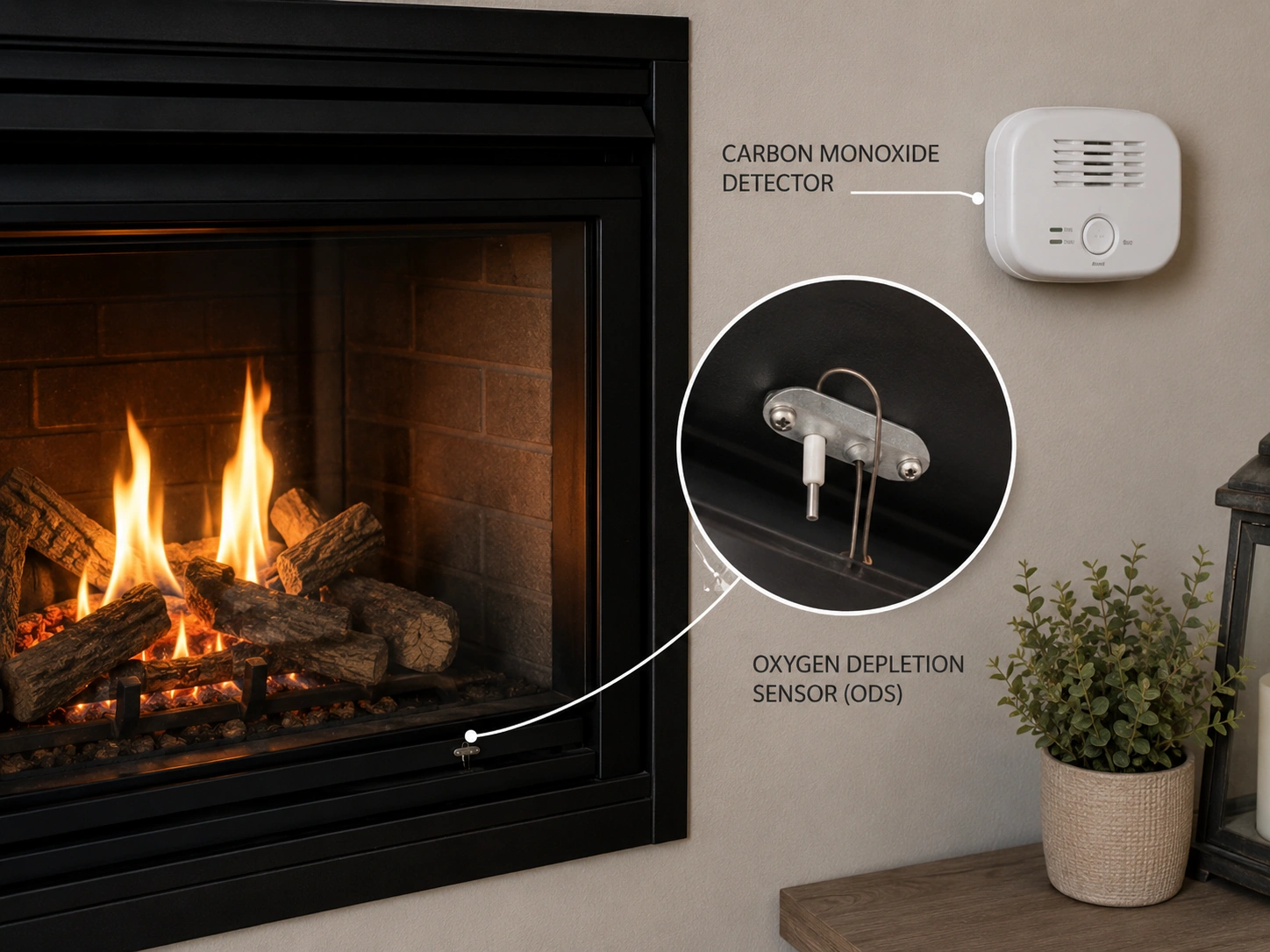
These fireplaces use precision-engineered burners and combustion chambers to achieve near-complete fuel combustion, typically reaching 99%+ efficiency. The small amount of byproducts produced (primarily water vapor and carbon dioxide) are released directly into the indoor environment, which is why they include sophisticated safety features like oxygen depletion sensors (ODS).
Types of Ventless Fireplaces
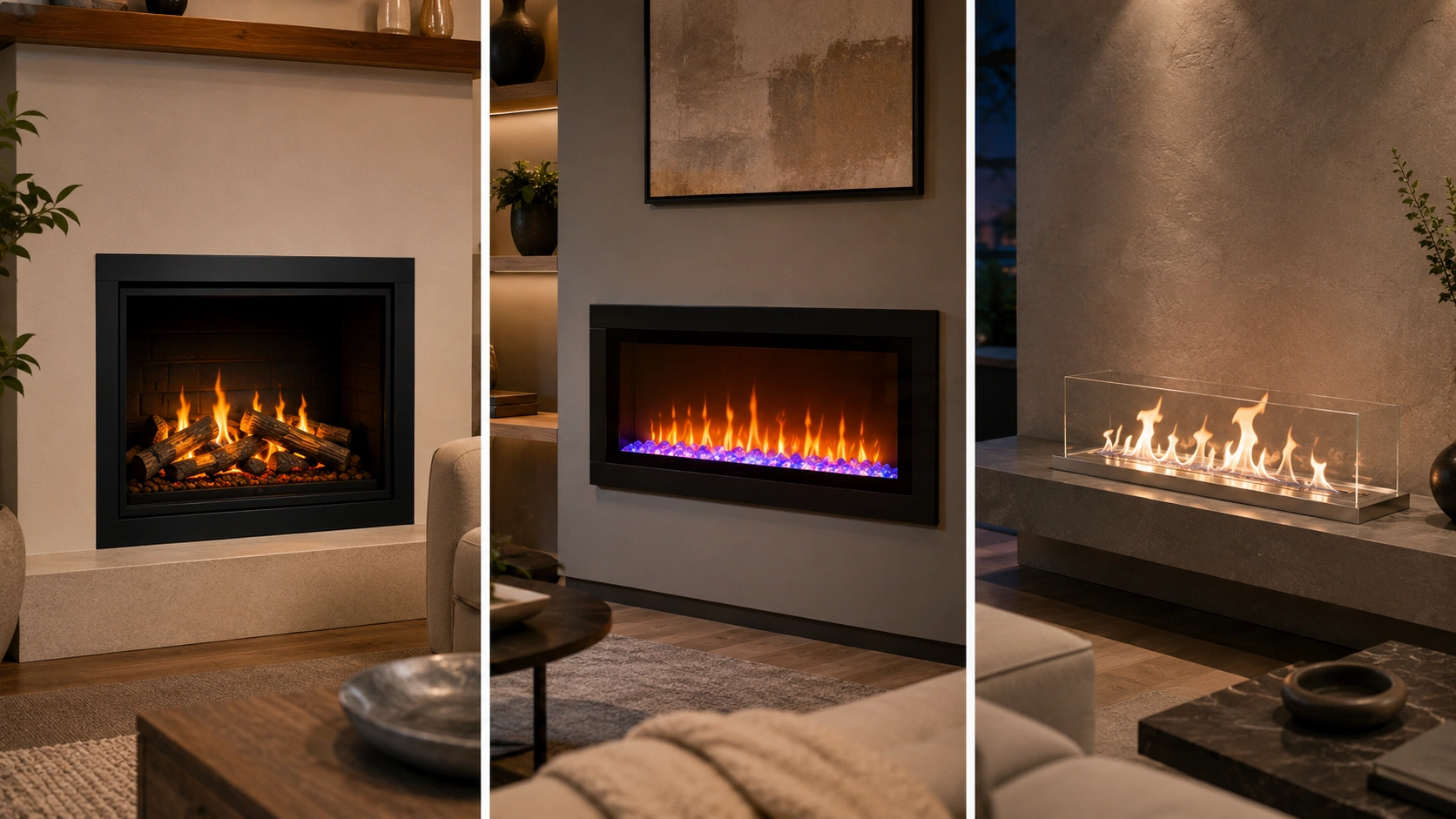
Ventless fireplaces come in several varieties, each with distinct advantages for different needs and preferences:
Ventless Gas Fireplaces
The most common and powerful type, ventless gas fireplaces connect to natural gas or propane lines and produce substantial heat output (10,000-40,000 BTU). They feature realistic ceramic logs or glass media and provide consistent, controllable heat. These models are ideal for primary heating needs and offer the most authentic flame appearance among ventless options.
Ventless Electric Fireplaces
Combining the convenience of electric heating with ventless installation flexibility, these units are perfect for supplemental heating and ambiance. Electric ventless fireplaces require only a standard electrical outlet, produce no emissions, and often include LED flame effects with adjustable brightness. While they don't produce as much heat as gas models, they're excellent for zone heating and visual appeal.
Ventless Ethanol Fireplaces
Using clean-burning bioethanol fuel, ethanol fireplaces offer real flames without any venting, gas lines, or electrical connections. They're highly portable, produce minimal emissions (mainly water vapor and CO2), and are perfect for creating ambiance in apartments or rental properties. However, they typically provide lower heat output and higher fuel costs compared to gas options.
Benefits of Ventless Fireplaces
Ventless fireplaces offer compelling advantages that make them increasingly popular among homeowners:
- No Chimney Required: Perfect for homes without existing chimneys or for rooms where traditional venting isn't possible, eliminating costly chimney construction.
- Near-Perfect Efficiency: With 99-99.9% efficiency, virtually all heat produced stays in your room, unlike vented fireplaces that lose 20-30% of heat through the chimney.
- Lower Installation Costs: Installation typically costs $200-$800 compared to $2,000-$5,000+ for vented systems, saving thousands on chimney construction and complex venting.
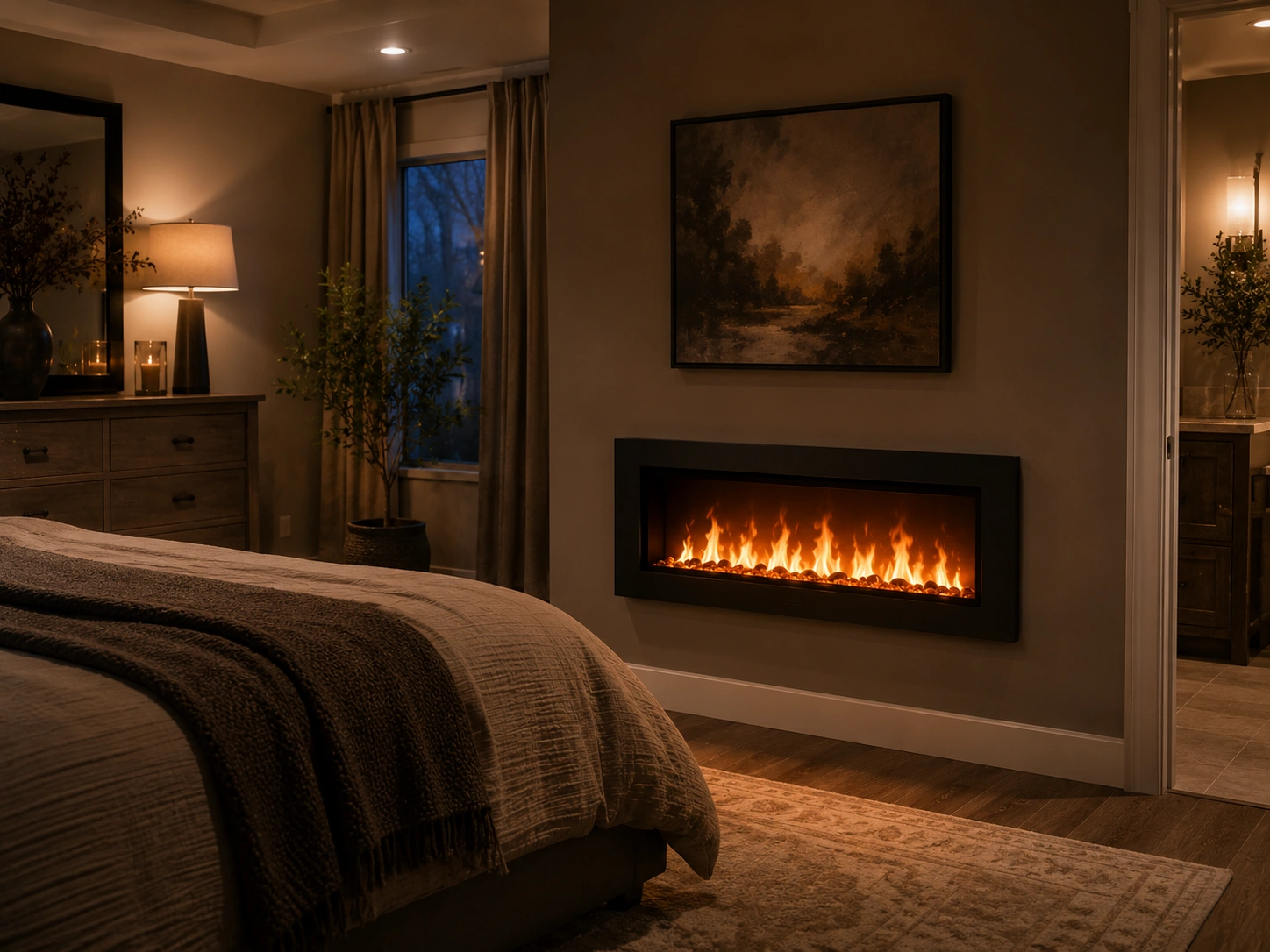
- Flexible Placement: Can be installed in virtually any room including bedrooms, basements, and apartments where traditional fireplaces aren't feasible.
- Zone Heating Capability: Efficiently heat specific areas of your home, potentially reducing overall heating costs by allowing you to lower your central heating thermostat.
- Easy Maintenance: No chimney cleaning, no creosote buildup, no annual chimney inspections—significantly lower maintenance requirements than wood-burning options.
- Instant Heat: Gas and electric models provide immediate warmth without the long warm-up time required by wood-burning fireplaces.
How Ventless Fireplaces Work
Understanding the technology behind ventless fireplaces helps you appreciate their engineering and make informed decisions:
Precision Burner Design
Engineered burners mix fuel and air in precise ratios to achieve near-complete combustion, minimizing unburned fuel and harmful byproducts that would require venting.
Oxygen Depletion Sensor
Critical safety feature that continuously monitors room oxygen levels and automatically shuts off the fireplace if oxygen drops below safe thresholds (typically 18%).
Clean-Burning Technology
Advanced combustion chambers and burner designs ensure fuel burns completely, producing primarily water vapor, carbon dioxide, and minimal other emissions.
Heat Distribution System
Built-in fans or natural convection circulate heated air throughout the room, maximizing comfort and efficiency without external venting requirements.
Safety Considerations and Requirements
While ventless fireplaces are generally safe when properly installed and maintained, understanding their safety requirements is crucial for responsible ownership:
⚠️ Important Safety Information
Ventless fireplaces are banned or restricted in some states and municipalities. Always check local building codes and regulations before purchasing. They're not recommended for people with respiratory conditions, asthma, or chemical sensitivities.
Room Size Requirements
Ventless fireplaces require adequate room volume to dilute combustion byproducts. As a general rule, you need a minimum of 50 cubic feet of room space per 1,000 BTU of fireplace output. For example, a 20,000 BTU fireplace requires at least 1,000 cubic feet (approximately a 10' x 12' room with 8-foot ceilings).
Oxygen Depletion Sensors (ODS)
All certified ventless gas fireplaces include ODS technology that automatically shuts off the unit if room oxygen levels drop below safe thresholds. This is the primary safety mechanism and must never be disabled or bypassed. Regular testing of the ODS system is recommended as part of routine maintenance.
Ventilation Requirements
While ventless fireplaces don't require chimney venting, they do need some air exchange with the outside. In very tight, well-insulated homes, you may need to crack a window slightly or install a fresh air intake to ensure adequate combustion air and prevent moisture buildup.
Carbon Monoxide Considerations
Although properly functioning ventless fireplaces produce minimal carbon monoxide, it's essential to install carbon monoxide detectors in the same room and throughout your home. Regular maintenance and professional inspections help ensure safe operation. Learn about signs of carbon monoxide issues for additional safety.
Ventless vs. Vented Fireplaces: Complete Comparison
Understanding the key differences helps you choose the right fireplace type for your specific needs:
| Feature | Ventless Fireplace | Vented Fireplace |
|---|---|---|
| Efficiency | 99-99.9% | 70-80% |
| Venting Required | No | Yes (chimney/flue) |
| Installation Cost | $200-$800 | $2,000-$5,000+ |
| Placement Flexibility | Very High | Limited by venting |
| Heat Output | 10,000-40,000 BTU | 20,000-60,000 BTU |
| Indoor Air Quality Impact | Moderate | Minimal |
| Maintenance Requirements | Low | High (chimney cleaning) |
| Real Flame Appearance | Good to Excellent | Excellent |
| Moisture Production | Significant | Minimal |
| Building Code Restrictions | More Common | Rare |
For a detailed analysis, read our comprehensive vented vs. ventless gas fireplace comparison or explore ventless vs. electric safety considerations.
Installation Requirements and Process
Ventless fireplace installation is significantly simpler than vented systems, but still requires attention to specific requirements:
Gas Line Connection (for Gas Models)
Ventless gas fireplaces require a properly sized gas line with adequate pressure. If you don't have an existing gas line, installation will require running new piping, which should only be done by licensed professionals. Installing a gas fireplace without an existing gas line involves additional costs and complexity.
Electrical Requirements
Most ventless fireplaces require electrical power for ignition systems, fans, and controls. Electric models need only a standard 120V outlet, while gas models typically need a dedicated circuit for safety. Consider plug-in vs. hardwired electric options based on your installation preferences.
Clearance Requirements
Like all fireplaces, ventless models require specific clearances from combustible materials including walls, furniture, curtains, and other flammable items. Typical requirements include 36 inches from the top, 12-18 inches from sides, and specific floor protection requirements. Always follow manufacturer specifications and local building codes.
Professional Installation
While some homeowners with extensive DIY experience can handle electric ventless fireplace installation, gas models should always be installed by licensed professionals. Improper installation can create serious safety hazards and may void warranties. Learn about DIY vs. professional installation considerations.
Ventless Fireplace Costs: Complete Breakdown
Understanding the full cost picture helps you budget appropriately and compare options:
Total Cost Breakdown
- Ventless Gas Fireplace Unit $800-$2,500
- Ventless Electric Fireplace Unit $300-$1,200
- Ventless Ethanol Fireplace Unit $200-$800
- Installation (Gas/Electric) $200-$800
- Gas Line Installation (if needed) $500-$1,500
- Safety Equipment (CO detectors, etc.) $50-$150
- Total Investment Range $500-$3,300+
Operating Costs
Operating costs vary significantly by fuel type. Natural gas ventless fireplaces typically cost $0.50-$1.50 per hour to operate, depending on local gas prices and BTU output. Propane models run $1.50-$3.00 per hour. Electric models cost $0.08-$0.25 per hour based on electricity rates. Ethanol fuel is the most expensive at $2.00-$4.00 per hour. For detailed analysis, see our electric vs. gas running costs comparison.
Long-Term Savings
Despite higher upfront costs for some models, ventless fireplaces can provide significant long-term savings through reduced heating bills, lower maintenance costs, and increased home value. Their 99%+ efficiency means virtually every dollar spent on fuel translates to room heat, unlike vented fireplaces that waste 20-30% of heat through the chimney.
Maintenance and Care
One of the major advantages of ventless fireplaces is their minimal maintenance requirements compared to traditional fireplaces:
Regular Maintenance Tasks
- Annual Professional Inspection: Have a qualified technician inspect the unit, gas connections, and safety systems annually, even though chimney cleaning isn't required.
- Burner and Log Cleaning: Clean ceramic logs or glass media periodically to remove dust and ensure proper flame appearance and combustion efficiency.
- ODS Testing: Test the oxygen depletion sensor regularly according to manufacturer instructions to ensure it's functioning properly.
- Filter Cleaning: If your unit has air filters or blowers, clean or replace them as recommended to maintain optimal performance.
- Carbon Monoxide Detector Maintenance: Test CO detectors monthly and replace batteries annually or as needed.
What You Don't Need to Do
Unlike wood-burning fireplace maintenance, ventless fireplaces eliminate the need for chimney sweeping, creosote removal, ash disposal, and annual chimney inspections. This represents significant time and cost savings over the life of the unit. For comprehensive maintenance guidance, see our gas fireplace maintenance guide.
Ideal Applications for Ventless Fireplaces
Ventless fireplaces excel in specific situations where their unique advantages provide the most benefit:
Homes Without Chimneys
For homes built without fireplaces or chimneys, ventless options provide the warmth and ambiance of a fireplace without the massive construction costs of adding a chimney. They're particularly valuable for apartment installations and condominiums where structural modifications aren't permitted.
Supplemental Zone Heating
Rather than heating your entire home to a comfortable temperature, ventless fireplaces can efficiently warm specific rooms you're using, allowing you to lower your central heating thermostat and reduce overall energy costs. This makes them excellent for home offices, family rooms, or frequently used living spaces.
Room Additions and Renovations
When adding rooms to your home or finishing basements, ventless fireplaces provide heating solutions without the complexity and cost of extending existing chimney systems. They're ideal for remodeling projects where adding traditional venting would be prohibitively expensive or architecturally challenging.
Emergency Heating Backup
Gas ventless fireplaces can provide reliable backup heating during power outages (if they have manual ignition capabilities), making them valuable in areas prone to winter storms or electrical interruptions.
Frequently Asked Questions
Are ventless fireplaces really safe?
Yes, ventless fireplaces are safe when properly installed, maintained, and used according to manufacturer guidelines. They include multiple safety features including oxygen depletion sensors, automatic shut-off systems, and flame failure devices. However, they're not recommended for people with respiratory conditions, and some states have restrictions on their use. Always check local regulations and follow all safety guidelines.
Do ventless fireplaces produce moisture?
Yes, ventless gas fireplaces produce significant moisture as a byproduct of combustion—approximately one gallon of water vapor for every 100,000 BTU of gas burned. In well-insulated homes, this can lead to condensation issues, mold growth, or window fogging. Proper ventilation and humidity monitoring are important, especially in smaller or tightly sealed spaces.
Can I install a ventless fireplace myself?
Electric ventless fireplaces can often be installed by homeowners with basic DIY skills, as they typically only require mounting and plugging into a standard outlet. However, gas ventless fireplaces should always be installed by licensed professionals due to the safety risks associated with gas connections and combustion systems. Improper installation can create serious hazards including gas leaks, carbon monoxide poisoning, and fire risks.
How long can I run a ventless fireplace continuously?
Most manufacturers recommend limiting continuous operation to 4-6 hours, though specific guidelines vary by model. Extended operation can deplete room oxygen levels and increase moisture buildup. It's important to provide adequate ventilation by cracking a window slightly and to monitor room conditions including humidity and air quality during use.
Do ventless fireplaces add value to a home?
Ventless fireplaces can add value to your home, though typically less than traditional vented fireplaces. They provide the aesthetic appeal and supplemental heating benefits that many buyers desire, and their lower installation costs make them an attractive option for budget-conscious homeowners. However, some buyers may prefer traditional fireplaces, and local restrictions on ventless appliances could affect perceived value.
What's the difference between ventless and vent-free fireplaces?
"Ventless" and "vent-free" are interchangeable terms referring to the same type of fireplace. Both describe fireplaces that operate without external venting systems. You may also see them called "unvented" fireplaces. All these terms refer to the same technology and products.
Conclusion: Is a Ventless Fireplace Right for You?
Ventless fireplaces offer an excellent solution for homeowners seeking fireplace ambiance and supplemental heating without the cost and complexity of traditional chimney systems. Their near-perfect efficiency, flexible installation options, and lower maintenance requirements make them particularly attractive for specific applications.
However, they're not the right choice for everyone. If you have respiratory conditions, live in an area with restrictions on ventless appliances, or prioritize the most authentic fireplace experience, you might be better served by vented fireplace options or electric fireplaces.
For most homeowners in suitable locations, ventless fireplaces provide an excellent balance of performance, convenience, and value. If you're ready to explore the possibilities, check out our recommended ventless fireplaces below to find the perfect model for your space and needs.