Fireplace Energy Saving Tips
Reduce heating bills by up to 30% with smart fireplace choices and usage strategies. Expert advice for every home.
🔥 Did you know? A traditional open-hearth wood fireplace can lose up to 90% of its heat through the chimney. Meanwhile, a modern electric fireplace converts nearly 100% of electricity into heat. Choosing the right fireplace and adopting smart habits can dramatically cut your winter energy costs.
Potential heating bill reduction
Savings by upgrading efficiency
Electric fireplace efficiency
High-efficiency gas fireplace
1. Choose the Most Energy-Efficient Fireplace Type
Not all fireplaces are created equal when it comes to energy savings. If you're buying new, consider the following options ranked by efficiency:
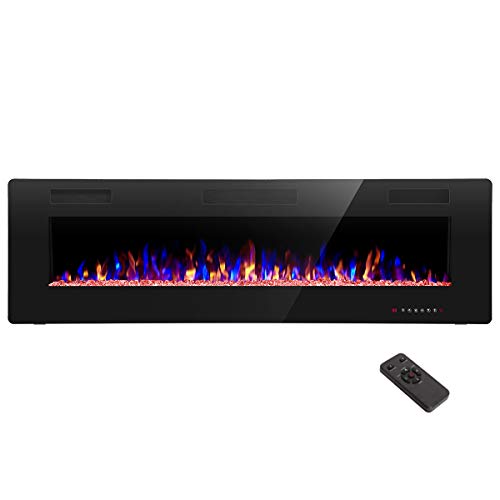
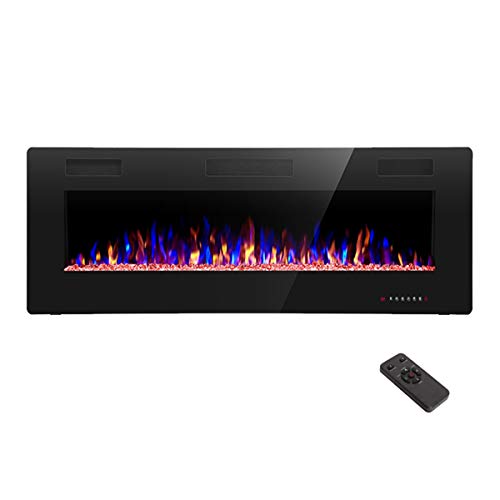
- Electric Fireplaces: Nearly 100% efficient – all heat stays in the room. Perfect for zone heating. Explore electric fireplace models that offer realistic flames and low operating costs (approx. $0.08–$0.15 per hour).
- High-Efficiency Gas Fireplace (Direct Vent): Efficiency ratings of 70–85%. These draw outside air for combustion, reducing heat loss. Gas fireplace buying guide explains sealed combustion benefits.
- Ethanol Fireplaces: Eco-friendly and efficient for ambiance, but heating capacity is limited. Best for supplemental warmth. Check ethanol fireplace options.
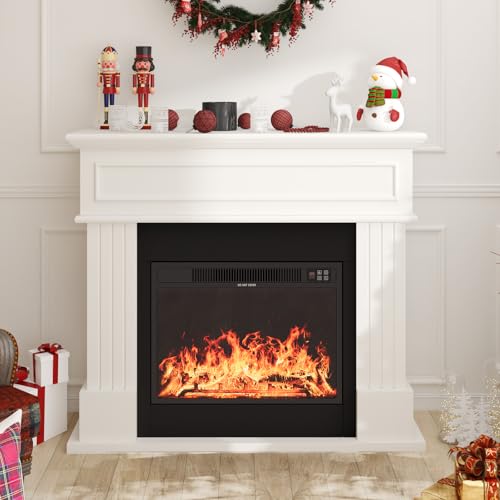
- Traditional Wood Fireplaces: If you have one, consider adding an fireplace insert to boost efficiency from 10% to over 70%.
For most homeowners, electric or high-efficiency gas offer the best balance of ambiance, heating performance, and energy savings. Compare running costs with our detailed electric vs gas running costs guide.
2. Size Your Fireplace Correctly (BTU Guide)
An oversized fireplace wastes energy by overheating the space and cycling on/off frequently. An undersized unit struggles to heat, running continuously. Use the standard formula: BTU needed = Room sq. ft. × 20–30 (for average insulation).
For a 400 sq. ft. living room, target 8,000–12,000 BTUs. Many electric fireplaces provide 5,000–10,000 BTUs, ideal for zone heating. Read our complete BTU heating capacity guide and use the fireplace sizing worksheet to avoid costly mistakes.
3. Smart Operation Habits That Save Money
Even the most efficient fireplace can waste energy if used incorrectly. Follow these tips:
- Lower the thermostat when using fireplace: Turn your central heating down by 5–10°F while the fireplace is on. This can cut total heating bills by up to 20%.
- Close doors to the room: Isolate the heated area to prevent heat from escaping to unused zones. See zone heating strategies (internal link concept: similar to /best-fireplace-for-small-spaces).
- Use a programmable thermostat or remote: Many smart Wi-Fi fireplace controllers allow you to schedule heating only when needed.
- Don't run the fireplace constantly: Use it for supplemental heating during the coldest hours. See using fireplace every day best practices.
- For wood fireplaces: Use seasoned hardwood, keep damper fully open until fire is out, then close to prevent heat loss. Learn about creosote prevention and efficiency.
4. Regular Maintenance Maximizes Efficiency
A neglected fireplace can lose 10–20% efficiency. Simple maintenance tasks ensure optimal performance:
- Clean the fireplace glass and burner: Soot and debris block heat output. Check our how to clean fireplace glass guide.
- Inspect and clean the blower fan: A dusty blower works harder and uses more electricity. Read fireplace blower fan guide.
- Seal gaps around the fireplace insert or mantel: Prevent drafts. See fireplace ventilation requirements.
- Annual professional inspection: Especially for gas and wood units. Schedule annual fireplace inspection to catch efficiency issues early.
Following a monthly and yearly maintenance schedule can extend your fireplace's life and lower energy bills by up to 15%.
Energy Cost Comparison by Fireplace Type
| Fireplace Type | Efficiency Rating | Avg. Cost per Hour (heating mode) | Annual Cost* (supplemental use) |
|---|---|---|---|
| Electric Fireplace | 99–100% | $0.08 – $0.18 | $60 – $150 |
| Direct-Vent Gas Fireplace | 70–85% | $0.25 – $0.50 | $180 – $350 |
| Ventless Gas Fireplace | 99% (but indoor air quality concerns) | $0.20 – $0.40 | $150 – $300 |
| Wood Fireplace with Insert | 70–80% | $0.15 – $0.30 (wood cost) | $120 – $280 |
| Traditional Open Wood Fireplace | 10–20% | $0.50 – $1.20 (most heat lost) | $400 – $900+ |
*Based on 4 hours/day, 120 days per winter. Actual costs vary by fuel prices and region. See detailed running costs comparison.
5. Upgrade Options for Existing Fireplaces
Don't replace your entire fireplace — consider these cost-effective energy upgrades:
- Install a fireplace insert: Convert a inefficient masonry fireplace into a high-efficiency heating source. Fireplace inserts can boost efficiency from 15% to 80%.
- Add glass doors: Prevent warm air from escaping up the chimney when the fireplace is not in use. Glass doors reduce heat loss by up to 50%.
- Use a fireplace draft stopper (inflatable balloon): For seasonal sealing. See fireplace inflatable draft stopper.
- Upgrade to a programmable remote or thermostat: Better control reduces wasted runtime. Check replacement remote controls.
Many homeowners recoup upgrade costs within 1–2 heating seasons. Explore our new fireplace vs makeover cost analysis to decide.
6. Use Zone Heating to Cut Central Heating Bills
Zone heating means using your fireplace as the primary heat source for the room you occupy while lowering the whole-house thermostat. This strategy can reduce overall heating costs by 20–40%.
Best fireplaces for zone heating: Electric fireplaces and gas fireplaces with blowers. For small spaces, consider small fireplace options or tabletop fireplaces for personal warmth.
Learn more in our article fireplace vs central heating: which saves money?
✅ Daily Energy Saving Checklist
- Close doors to the room with the fireplace
- Lower central thermostat by 5–8°F when fireplace is running
- Use fireplace only in occupied rooms (zone heating)
- For gas/electric: clean dust from vents monthly
- For wood: burn only seasoned hardwood (less smoke, more heat)
- Seal chimney damper when fireplace is not in use
📘 For a complete seasonal approach, visit winter fireplace preparation guide and seasonal maintenance checklist.
7. Look for Energy-Efficient Certifications
When buying a new fireplace, prioritize models with these labels:
- ENERGY STAR Certified: For electric and gas fireplaces that meet strict efficiency guidelines (up to 25% more efficient than standard models).
- EPA Certified Wood Stoves & Inserts: Burn cleaner and use less wood for the same heat output.
- High AFUE (Annual Fuel Utilization Efficiency): Above 80% for gas units is excellent.
Check our most energy-efficient fireplace types roundup for specific model recommendations.
🌟 Ready to save energy and money? Start by evaluating your current fireplace or choosing a new energy-efficient model. Use our how to size a fireplace guide and explore top-rated products below. Small changes lead to big savings.