The Ultimate Fireplace Buying Guide
Everything you need to know to choose the perfect fireplace for your home, from understanding types and sizing to installation requirements and cost considerations.
EXPLORE FIREPLACE TYPESAdding a fireplace to your home is a significant investment that enhances both comfort and property value. However, with numerous options available, selecting the right fireplace can be overwhelming. This comprehensive buying guide will walk you through every aspect of the decision-making process, ensuring you choose a fireplace that perfectly matches your needs, space, and budget.
Whether you're looking for the most efficient heating solution, a beautiful focal point for your living room, or a combination of both, understanding the key factors will help you make an informed decision that you'll be satisfied with for years to come.
Understanding Fireplace Types
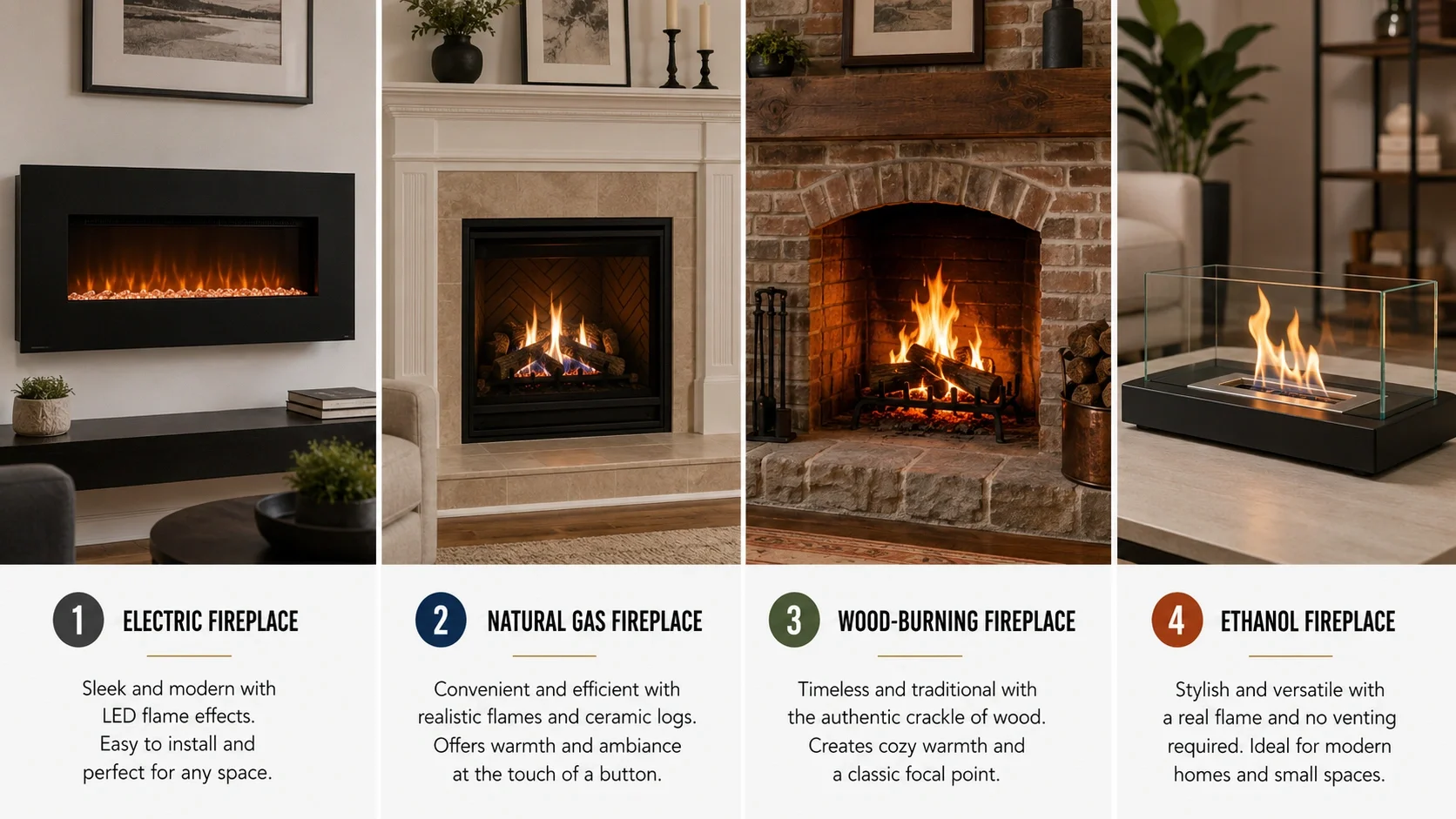
The first step in choosing a fireplace is understanding the different types available. Each comes with its own advantages, limitations, and ideal use cases. Let's explore the main categories to help you determine which aligns best with your needs.
Electric Fireplaces
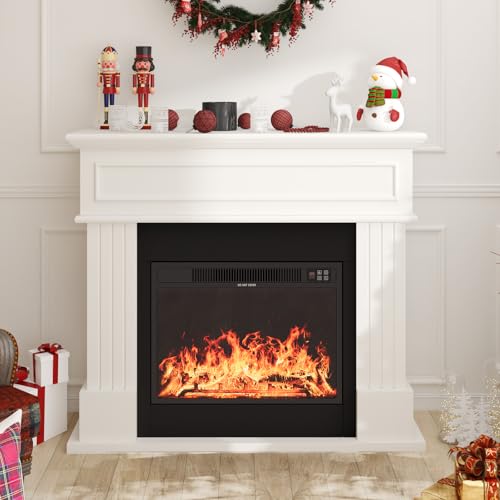
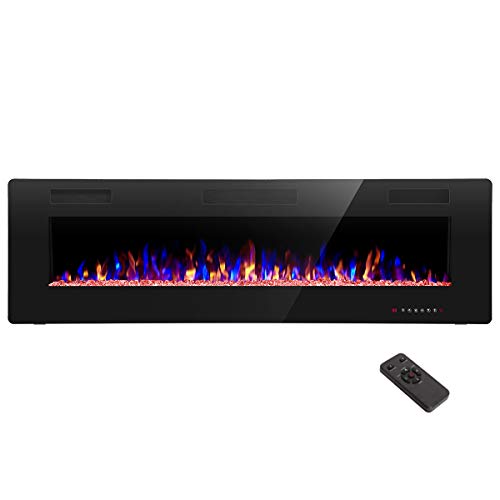
Electric fireplaces have become increasingly popular due to their versatility and ease of installation. They require no venting, can be plugged into a standard outlet, and offer precise temperature control.
- Installation: Simple plug-and-play; can be wall-mounted, built-in, or freestanding
- Heating Capacity: Typically 4,500-5,000 BTU, suitable for rooms up to 400 sq ft
- Cost: $200-$2,500 for the unit; lowest operating costs at $0.08-$0.15 per hour
- Maintenance: Minimal; occasional dusting and cleaning
- Best For: Apartments, supplemental heating, and where venting isn't possible
Pro Tip: Electric fireplaces with infrared heating technology provide more efficient, comfortable heat that doesn't dry out the air as much as traditional fan-forced models.
Gas Fireplaces
Gas fireplaces offer the convenience of instant heat with realistic flame effects. They connect to your home's natural gas line or use propane tanks for areas without natural gas service.
- Installation: Requires gas line connection and proper venting (direct vent or B-vent)
- Heating Capacity: 10,000-40,000 BTU, can heat 400-1,200 sq ft effectively
- Cost: $1,000-$5,000 for the unit; installation adds $500-$2,500; operating costs $0.20-$0.40 per hour
- Maintenance: Annual inspection and professional cleaning recommended
- Best For: Primary heating source, realistic flame effect, and homes with existing gas service

Wood-Burning Fireplaces
Wood-burning fireplaces provide the traditional ambiance with the crackling sounds and aromatic experience that many homeowners desire. They offer excellent heating capabilities but require more maintenance.
- Installation: Requires chimney system and proper clearances; building codes must be followed
- Heating Capacity: 20,000-60,000 BTU, can heat large areas effectively
- Cost: $1,500-$5,000 for the unit; chimney installation adds $2,000-$5,000; fuel costs vary by region
- Maintenance: Regular cleaning, annual chimney sweeping, and ash removal required
- Best For: Primary heating in rural areas, traditional aesthetics, and those who don't mind maintenance
Ethanol Fireplaces
Ethanol fireplaces are the most versatile and eco-friendly option, burning clean bio-ethanol fuel that produces no smoke, soot, or harmful emissions.
- Installation: No venting required; can be placed almost anywhere
- Heating Capacity: 5,000-15,000 BTU, suitable for supplemental heating in smaller spaces
- Cost: $300-$3,000 for the unit; fuel costs approximately $2-$3 per hour of operation
- Maintenance: Minimal; occasional cleaning and fuel reservoir maintenance
- Best For: Modern designs, apartments, and areas where real flames are desired without venting
Fireplace Type Comparison
| Feature | Electric | Gas | Wood-Burning | Ethanol |
|---|---|---|---|---|
| Installation Complexity | Very Easy | Moderate | Complex | Very Easy |
| Venting Required | No | Yes | Yes | No |
| Real Flame | Simulated | Yes | Yes | Yes |
| Heating Efficiency | 100% | 70-90% | 40-60% | 95% |
| Maintenance Level | Low | Medium | High | Low |
| Operating Cost (per hour) | $0.08-$0.15 | $0.20-$0.40 | $0.30-$0.60 | $2.00-$3.00 |
For a more detailed comparison, check out our comprehensive electric vs gas vs wood fireplace comparison.
Sizing Your Fireplace Correctly
Choosing the right size fireplace is crucial for optimal performance. A unit that's too small won't adequately heat your space, while one that's too large may create uncomfortable temperature fluctuations and waste energy.

Calculating Heating Requirements
To determine the appropriate BTU (British Thermal Unit) requirements for your space, follow these steps:
- Calculate square footage: Multiply room length by width (for irregular shapes, break into rectangles)
- Consider ceiling height: For ceilings over 8 feet, increase BTU requirements by 10-15% for each additional foot
- Account for insulation quality: Well-insulated homes need 20-30% less heating capacity
- Factor in climate zone: Colder regions require approximately 30-40% more heating capacity
- Consider room usage: Kitchens and rooms with large windows may need additional capacity
Quick BTU Calculation Formula: Room square footage × 20 BTU = base heating requirement. For example, a 400 sq ft room would need approximately 8,000 BTU. Adjust this base number using the factors above for your specific situation.
For more detailed calculations and worksheets, see our complete guide on how to properly size a fireplace.
Physical Dimensions
Beyond heating capacity, consider the physical dimensions of the fireplace in relation to your room:
- Wall proportions: The fireplace should occupy about one-third to one-half of the wall width for balanced aesthetics
- Room scale: In smaller rooms, consider compact fireplace options that won't overwhelm the space
- Ceiling height: Taller fireplaces can complement high ceilings while standard heights work better with 8-9 foot ceilings
- Depth considerations: Deeper fireplaces protrude more into the room, affecting traffic flow
Installation Considerations
Installation requirements vary significantly between fireplace types and can substantially impact both the initial cost and feasibility of your project. Understanding these requirements upfront will help you make a more informed decision.

Venting Options
The venting requirements are often the most significant installation consideration:
- No venting needed: Electric and ethanol fireplaces can be installed anywhere with access to electricity (for electric models)
- Direct vent: Gas fireplaces that vent directly outside through a wall, offering high efficiency and flexibility in placement
- B-vent: Traditional vertical venting through an existing chimney or newly installed vent pipe
- Ventless: Some gas fireplaces are designed to operate without venting, though they have specific installation requirements and safety considerations
Professional vs. DIY Installation
While electric and some ethanol fireplaces can be installed by homeowners, most other types require professional installation. Consider these factors when deciding between DIY vs. professional installation:
- Safety concerns: Gas lines, electrical work, and structural modifications should be handled by licensed professionals
- Building codes: Most jurisdictions require permits and inspections for fireplace installations
- Warranty implications: Improper installation may void manufacturer warranties
- Insurance requirements: Your homeowner's insurance may require professional installation for coverage
Important: Before making your final decision, check local building codes and permit requirements. Some areas have specific restrictions on certain types of fireplaces, particularly ventless models.
Comprehensive Cost Analysis
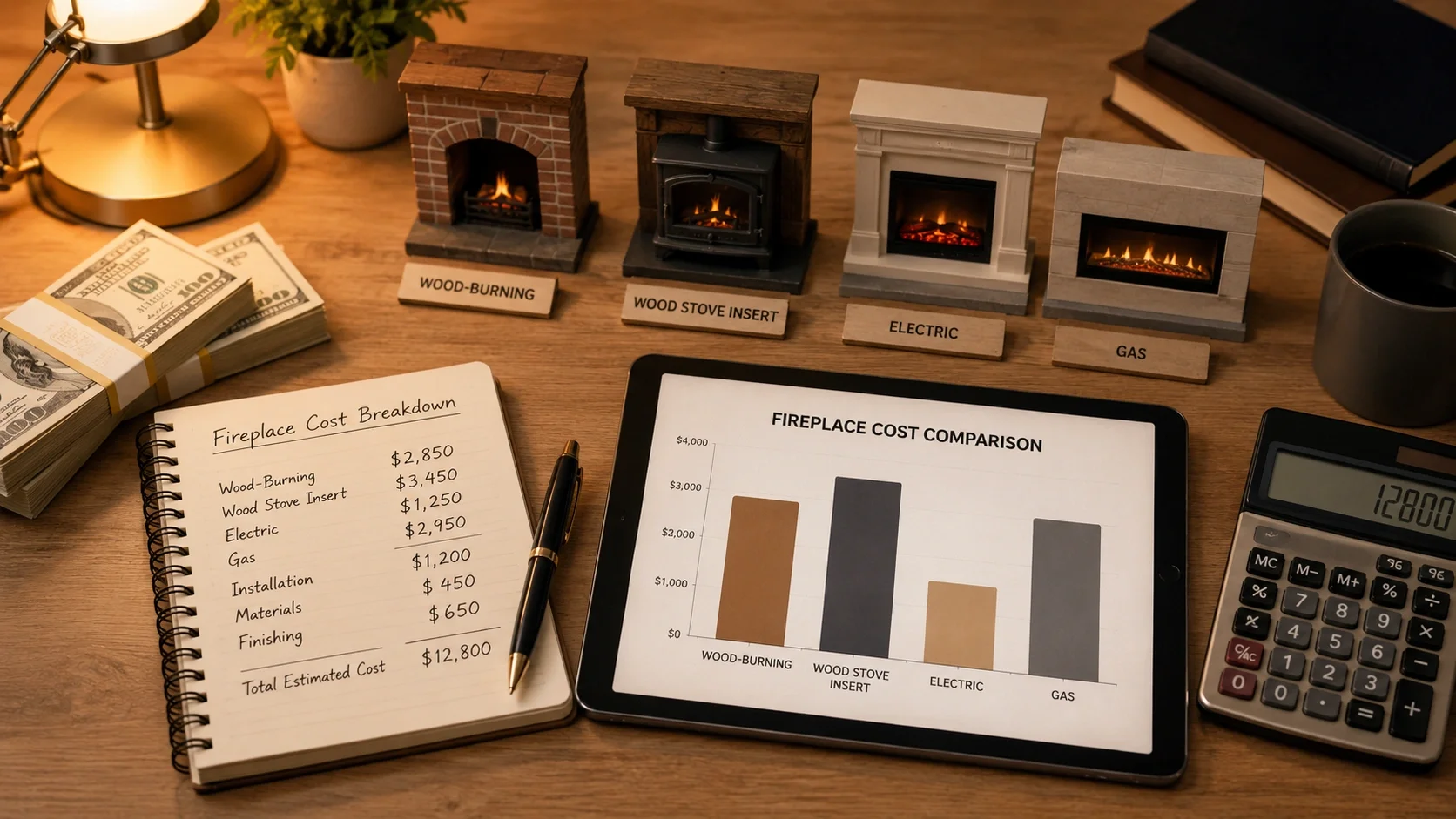
Understanding the full cost picture—both upfront and ongoing—is essential for making a financially sound decision. Let's break down the expenses associated with different fireplace options.
Initial Costs
| Cost Component | Electric | Gas | Wood-Burning | Ethanol |
|---|---|---|---|---|
| Unit Cost | $200-$2,500 | $1,000-$5,000 | $1,500-$5,000 | $300-$3,000 |
| Installation | $0-$300 | $500-$2,500 | $2,000-$5,000 | $0-$300 |
| Venting System | N/A | $500-$1,500 | $2,000-$5,000 | N/A |
| Total Initial Investment | $200-$2,800 | $2,000-$9,000 | $5,500-$15,000 | $300-$3,300 |
Operating Costs
The ongoing operating costs can vary significantly based on usage patterns, fuel prices in your area, and the efficiency of the unit:
- Electric: Approximately $0.08-$0.15 per hour; lowest ongoing costs
- Gas: Approximately $0.20-$0.40 per hour; costs fluctuate with natural gas prices
- Wood: Varies widely by region ($0.30-$0.60 per hour); requires storage space for fuel
- Ethanol: Approximately $2.00-$3.00 per hour; highest ongoing fuel costs
Maintenance Costs
Don't forget to factor in maintenance expenses over the lifetime of your fireplace:
- Electric: Minimal; occasional cleaning only
- Gas: Annual professional inspection ($100-$200); occasional parts replacement
- Wood: Annual chimney sweeping ($150-$300); regular cleaning supplies; potential repairs
- Ethanol: Minimal; regular cleaning of burner and fuel reservoir
Long-term Value: While electric and ethanol fireplaces have lower initial costs, gas and wood-burning options may offer better long-term value in regions with expensive electricity, especially for primary heating applications.
Design and Aesthetics
Beyond functionality, your fireplace will serve as a significant design element in your home. The right choice can transform a room's atmosphere and become a focal point that enhances your interior design.

Matching Your Home's Style
Consider how different fireplace styles complement your home's existing architecture and interior design:
- Modern homes: Clean lines, minimalist designs, and wall-mounted options work well
- Traditional homes: Classic surrounds, traditional mantels, and built-in cabinets create cohesion
- Rustic settings: Stone surrounds, rustic wood mantels, and hearth extensions enhance the aesthetic
- Contemporary spaces: Linear fireplaces, floating mantels, and mixed materials create visual interest
Customization Options
Most fireplace types offer various customization options to match your design vision:
- Surrounds: Choose from marble, stone, tile, wood, or metal to complement your decor
- Mantels: From ornate traditional to sleek floating designs, mantel options are extensive
- Finishes: Unit finishes range from black and stainless steel to custom colors
- Media options: Different log styles, glass media, and stone options for gas fireplaces
Safety Considerations
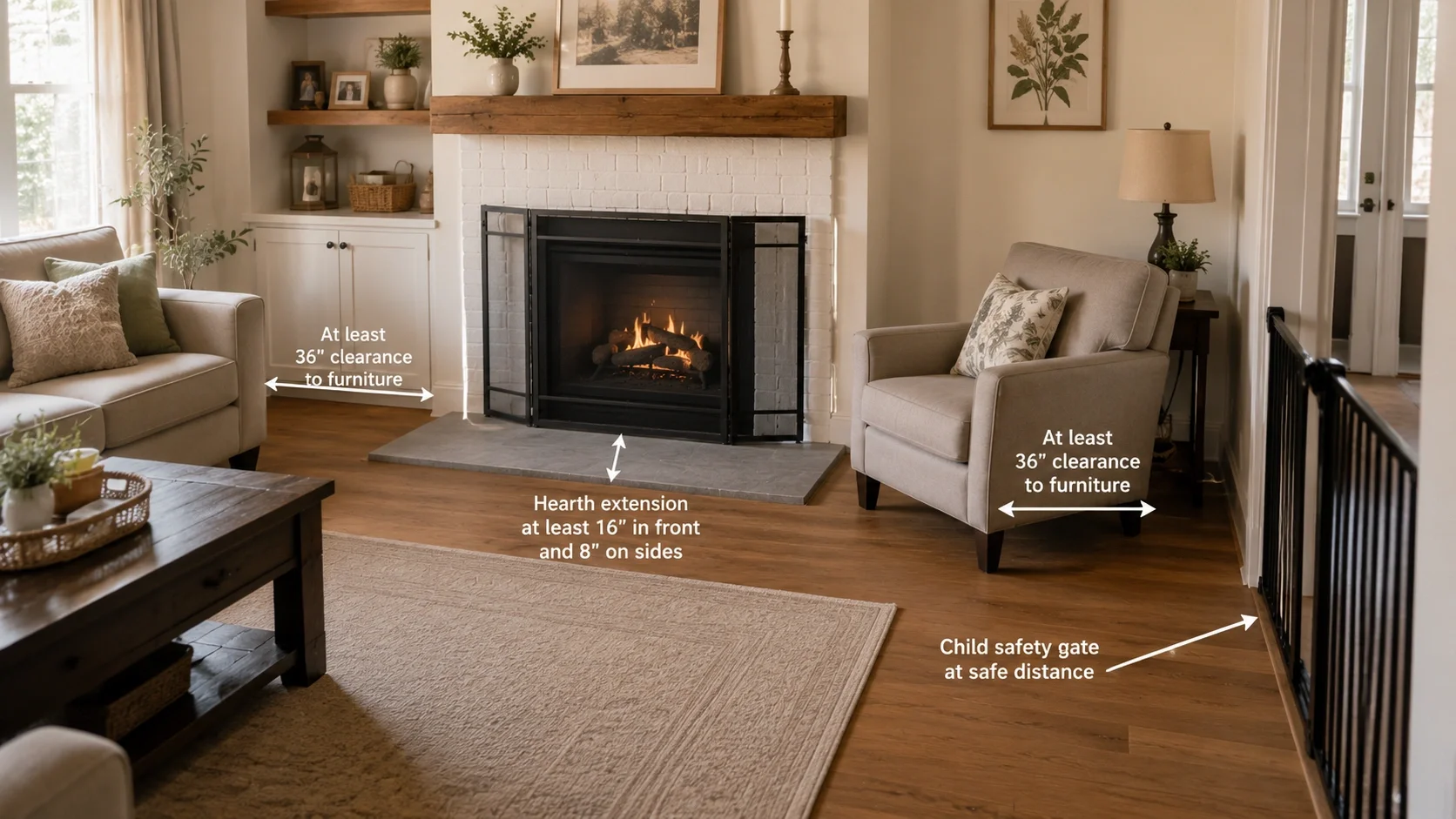
Safety should be a primary concern when selecting and installing any fireplace. Understanding the specific safety requirements and features of each type will help you create a secure environment for your family.
Essential Safety Features
Look for these important safety features regardless of fireplace type:
- Overheat protection: Automatic shutoff when internal temperatures exceed safe levels
- Child safety locks: Prevents accidental operation by children
- Temperature limiting switches: Prevents surfaces from becoming dangerously hot
- Tip-over protection: Automatically shuts off if the unit is accidentally knocked over
- Carbon monoxide detectors: Essential for any fuel-burning fireplace
Safety by Fireplace Type
- Electric: Generally safest option with no combustion, emissions, or hot surfaces on the exterior
- Gas: Requires proper ventilation to prevent carbon monoxide buildup; annual inspections crucial
- Wood: Requires proper chimney maintenance to prevent creosote buildup and chimney fires
- Ethanol: While clean-burning, the fuel is flammable and must be handled and stored properly
Critical Safety Note: Always follow manufacturer guidelines for clearances from combustible materials. Maintain the recommended distances from furniture, curtains, and other flammable items, and install appropriate safety screens or barriers, especially in homes with children or pets.
Special Considerations
Certain situations require additional considerations when selecting a fireplace. These special circumstances can significantly influence which type will work best for your specific needs.
Apartments and Rental Properties
If you're living in an apartment or rental, your options may be limited:
- Check lease agreements and apartment installation rules before purchasing
- Electric and ethanol fireplaces are typically the only viable options
- Consider portable or freestanding models that can move with you
Homes Without Existing Chimneys
For homes without chimneys, you have several options:
- Electric and ethanol fireplaces require no venting
- Direct-vent gas fireplaces can be installed with minimal wall penetration
- Manufactured chimney systems can be added for wood-burning options, though this significantly increases cost
Primary vs. Supplemental Heating
Your intended use will significantly impact the best choice:
- Primary heating: Gas and wood-burning fireplaces offer the most effective heating
- Supplemental heating: Electric fireplaces provide efficient zone heating
- Ambiance only: Ethanol fireplaces create beautiful flames without significant heat output
Placement Options
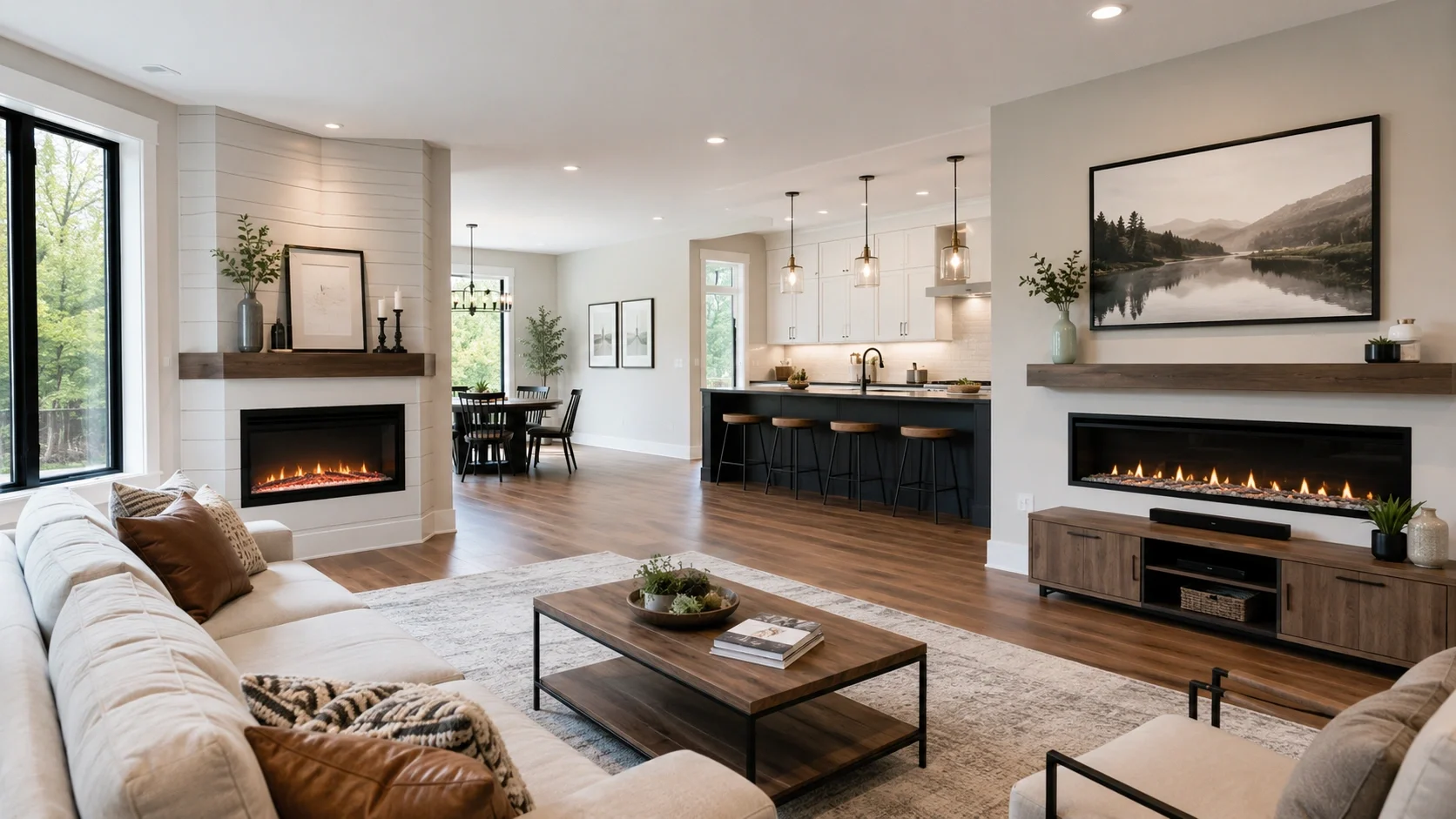
Where you plan to install the fireplace will influence your options:
- Corner installations maximize space efficiency
- Wall-mounted options save floor space
- TV above fireplace configurations require specific safety considerations
- Outdoor installations have different requirements than indoor units
Maintenance Requirements
Understanding the maintenance needs of different fireplace types is essential for long-term satisfaction and safety. Some homeowners enjoy the ritual of maintaining a wood fireplace, while others prefer the minimal upkeep of electric options.

Maintenance by Fireplace Type
| Maintenance Task | Electric | Gas | Wood-Burning | Ethanol |
|---|---|---|---|---|
| Frequency of Cleaning | Monthly dusting | Bi-annually | After each use | Weekly |
| Professional Inspection | Not required | Annually | Annually | Not required |
| Parts Replacement | Occasional bulbs | Periodic components | Gaskets, dampers | Burner cartridges |
| Time Investment | Minimal | Moderate | Significant | Low |
For detailed maintenance instructions for each type, check our comprehensive fireplace maintenance guides.
Making Your Final Decision
With all these factors in mind, it's time to synthesize the information and make your final choice. Consider using this decision-making framework:
Priority Setting
Rank these factors in order of importance for your specific situation:
- Primary heating vs. ambiance
- Budget constraints (initial and ongoing)
- Installation feasibility
- Maintenance willingness
- Design preferences
- Safety considerations
Scenario-Based Recommendations
Based on common scenarios, here are our top recommendations:
- For apartments or rentals: Electric fireplace - no permanent installation required
- For primary heating: High-efficiency gas fireplace with thermostat control
- For traditional ambiance: Wood-burning fireplace with efficient insert
- For modern design: Wall-mounted electric or linear ethanol fireplace
- For supplemental zone heating: Infrared electric fireplace
- For homes without chimneys: Direct-vent gas or electric fireplace
Expert Tip: Before making your final decision, visit showrooms to see fireplaces in operation. The visual impact and flame quality can vary significantly between models, and seeing them in person often helps clarify preferences.
Ready to Find Your Perfect Fireplace?
Now that you understand the key factors in choosing a fireplace, explore our curated selection of top-rated models that match different needs and budgets.
VIEW RECOMMENDED FIREPLACES