
Vented Fireplaces: Safe, Efficient Home Heating
Discover how vented fireplaces provide superior safety and performance with proper exhaust systems for your home
EXPLORE VENTED OPTIONSWhat You'll Learn in This Guide
This comprehensive guide covers everything about vented fireplaces, including how they work, the differences between direct vent and B-vent systems, installation requirements, costs, safety benefits, maintenance needs, and how they compare to ventless alternatives. By the end, you'll have all the information needed to decide if a vented fireplace is the right choice for your home.
What Is a Vented Fireplace?

A vented fireplace is any fireplace system that uses a dedicated venting system—either a chimney or specialized vent pipe—to exhaust combustion byproducts outside your home. Unlike ventless fireplaces that release all exhaust into the living space, vented models maintain indoor air quality by removing smoke, carbon monoxide, and other harmful gases.
Vented fireplaces can burn various fuels including natural gas, propane, wood, and pellets. The key characteristic that defines them is their exhaust system, which ensures all combustion byproducts are safely expelled outside rather than circulating in your living area. This makes them the safest option for homeowners concerned about indoor air quality.
When considering fireplace ventilation requirements, vented systems offer the most comprehensive solution. They're particularly important in newer, tightly-sealed homes where air exchange is limited, as they prevent the buildup of harmful gases that could occur with ventless alternatives.
How Do Vented Fireplaces Work?
The fundamental principle behind vented fireplaces is simple: they create combustion inside a sealed firebox and use natural draft or powered fans to push exhaust gases through a venting system to the outside. Here's how the process works in detail:
- Air Intake: The fireplace draws combustion air from outside (in direct vent systems) or from the room (in B-vent systems).
- Combustion: Fuel burns in the firebox, producing heat along with byproducts like carbon dioxide, water vapor, and trace amounts of carbon monoxide.
- Heat Transfer: Heat radiates from the firebox into the room through glass fronts or cast iron surfaces.
- Exhaust Removal: A venting system (chimney or pipe) carries all combustion byproducts outside the home.
- Draft Maintenance: Proper draft is maintained through vertical rise of the vent, temperature differential, or powered exhaust fans.
This closed-system approach ensures that harmful combustion byproducts never enter your living space, addressing the primary concern many homeowners have about fireplace safety.
Types of Vented Fireplaces
Vented fireplaces come in several configurations, each with distinct characteristics, advantages, and installation requirements. Understanding these types is essential for choosing the right system for your home.

Direct Vent Fireplaces
The most popular vented option, direct vent systems use a coaxial pipe (pipe within a pipe) that simultaneously brings in fresh combustion air from outside and exhausts byproducts. They can vent horizontally through a wall or vertically through a roof, offering flexible installation options. These systems are extremely efficient (70-85% efficiency) and maintain excellent indoor air quality since they don't consume room air for combustion.

B-Vent (Natural Vent) Fireplaces
B-vent systems use a single pipe that relies on natural draft to exhaust combustion byproducts up through a chimney. They draw combustion air from the room rather than outside, making them less efficient (typically 50-70%) than direct vent options. B-vent fireplaces are often used when replacing existing wood-burning fireplaces with gas alternatives, as they can utilize existing chimney structures with appropriate liners.
Wood-Burning Vented Fireplaces
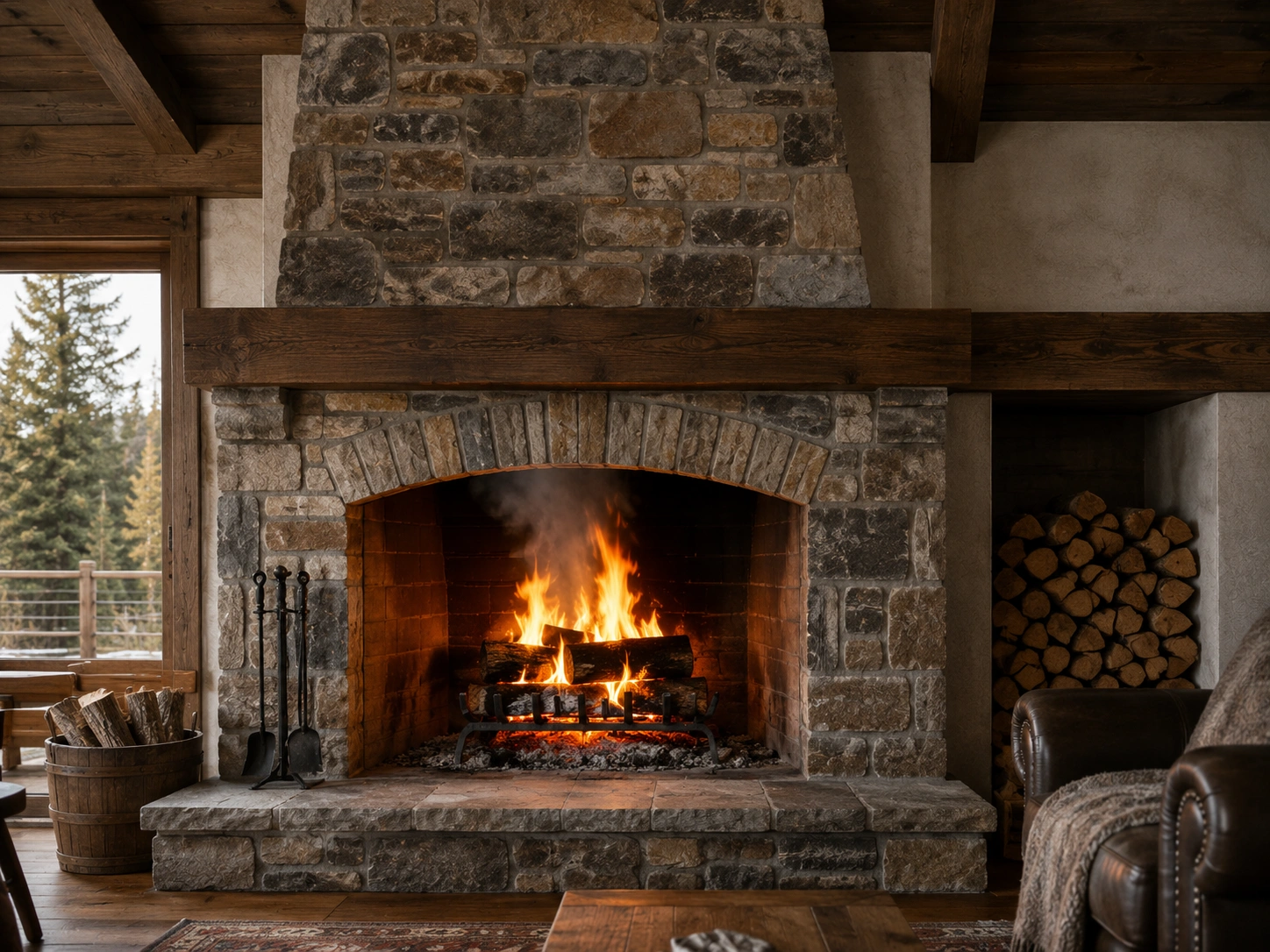
Traditional wood-burning fireplaces are inherently vented systems that require a masonry chimney or metal chimney system. They offer the authentic crackling fire experience but are the least efficient option (typically 10-30% efficiency). Modern EPA-certified wood-burning fireplaces have improved efficiency and reduced emissions compared to older models, making them a more environmentally conscious choice.

Pellet Vented Fireplaces
Pellet fireplaces burn compressed wood or biomass pellets and require venting through a specialized pellet vent pipe. They offer higher efficiency than traditional wood-burning options (70-83%) and produce less ash and emissions. Most models include automatic feeding systems and can be thermostatically controlled, providing consistent heat with minimal attention required.
Need Help Choosing Between Vent Types?
The decision between direct vent and B-vent systems depends on your specific situation. Check out our detailed direct vent vs B-vent comparison to understand which option makes the most sense for your home's layout, existing infrastructure, and heating needs.
Direct Vent vs. B-Vent: Detailed Comparison
When selecting a vented gas fireplace, understanding the key differences between direct vent and B-vent systems is crucial. These two options have significantly different performance characteristics, installation requirements, and operational efficiencies.
| Feature | Direct Vent | B-Vent |
|---|---|---|
| Air Supply | From outside (sealed combustion) | From room air |
| Efficiency Rating | 70-85% | 50-70% |
| Venting Configuration | Horizontal or vertical | Vertical only |
| Indoor Air Quality Impact | None (sealed system) | Consumes room air |
| Installation Flexibility | High (multiple options) | Limited (requires vertical rise) |
| Typical Cost Range | $1,200–$3,500 | $800–$2,500 |
| Heat Output Consistency | Very consistent | Can fluctuate with draft conditions |
| Suitable for Tight Homes | Yes | No (may cause depressurization) |
For homeowners comparing all fireplace options, our vented vs ventless gas fireplace comparison provides additional context on how these vented systems stack up against ventless alternatives in terms of safety, efficiency, and practical considerations.
Benefits of Vented Fireplaces

Key Advantages
- Superior Safety: All combustion byproducts are exhausted outside, eliminating carbon monoxide concerns.
- Better Indoor Air Quality: No moisture buildup, odors, or pollutants released into living spaces.
- Higher Efficiency: Direct vent models achieve 70-85% efficiency, converting more fuel to usable heat.
- Flexible Installation: Direct vent systems can be installed in locations without existing chimneys.
- Real Flame Appearance: Vented gas fireplaces provide more realistic flames than ventless alternatives.
- No Oxygen Depletion: Direct vent systems don't consume room air, preventing stuffiness.
- Consistent Performance: Not affected by room conditions or air pressure changes.
- Higher Heat Output: Can effectively heat larger spaces than ventless options.
Considerations
- Installation Complexity: Requires proper venting system installation, often needing professional help.
- Higher Initial Cost: More expensive than ventless options due to venting requirements.
- Placement Limitations: Must be located where venting is feasible (exterior wall or roof access).
- Structural Modifications: May require cutting through walls or roofs for vent termination.
- Maintenance Requirements: Venting systems require periodic inspection and cleaning.
- Permit Requirements: Most installations require building permits and inspections.
- Reduced Portability: Once installed, these systems cannot be easily relocated.
Vented vs. Ventless Fireplaces: Which Is Right for You?
The choice between vented and ventless fireplaces often comes down to specific circumstances and priorities. Here's how to determine which option best suits your needs:
Choose Vented If:
- Indoor air quality is a top priority, especially for households with children, elderly members, or those with respiratory conditions
- You want to heat a larger space effectively (over 1,000 square feet)
- You prefer the most realistic flame appearance possible
- Your home is tightly sealed with limited natural air exchange
- You're planning to use the fireplace frequently or for extended periods
- You have exterior wall or roof access for venting installation
- You're concerned about moisture buildup from combustion byproducts
Consider Ventless If:
- Budget constraints make the additional cost of venting prohibitive
- You want supplemental heat for a small to medium room (under 1,000 square feet)
- Your home has good natural air exchange or you live in a moderate climate
- Installation flexibility is essential (apartments, rooms without exterior access)
- You plan to use the fireplace occasionally rather than as a primary heat source
- You're comfortable with the safety considerations of ventless combustion
Important Safety Note
While modern ventless fireplaces include safety features like oxygen depletion sensors, they still release combustion byproducts into your living space. If anyone in your household has respiratory issues, asthma, or chemical sensitivities, vented systems are strongly recommended despite their higher cost and installation complexity.
Vented Fireplace Installation Requirements
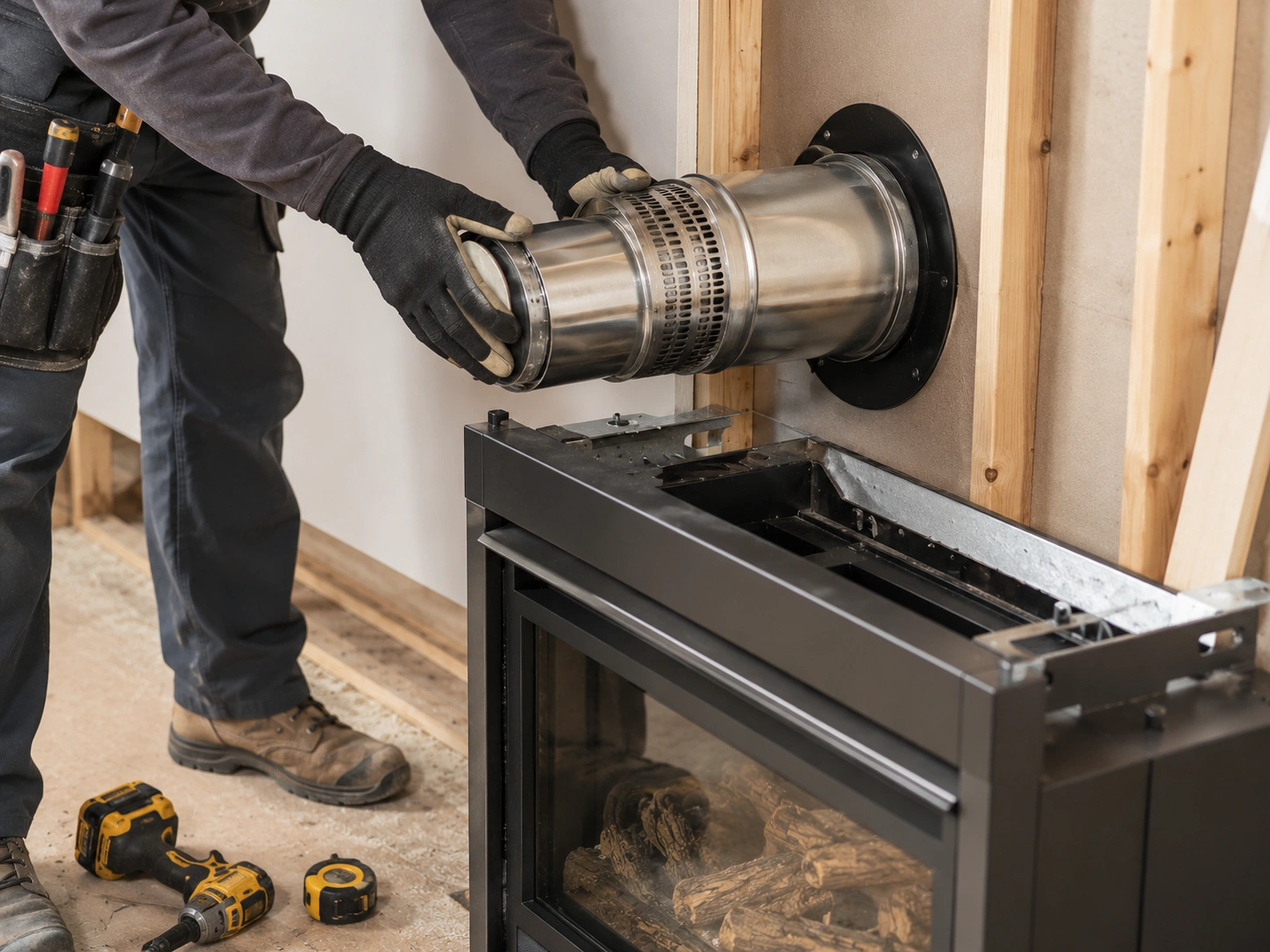
Installing a vented fireplace requires careful planning and adherence to building codes. While some experienced DIYers might tackle certain aspects, most vented fireplace installations should be performed by certified professionals.
Direct Vent Installation Considerations
- Horizontal Venting: Can terminate through an exterior wall, typically requiring only a 6-12 inch opening. Ideal for rooms with exterior walls but no chimney access.
- Vertical Venting: Runs upward through the roof, similar to traditional chimney systems. Necessary when horizontal venting isn't feasible or when building codes restrict wall terminations.
- Clearance Requirements: Maintain specific distances from windows, doors, air intakes, and property lines (typically 12-48 inches depending on local codes).
- Gas Line Connection: If using a gas fireplace, proper gas line installation with appropriate shut-off valves and pressure testing is required.
- Electrical Connection: Many direct vent models require electrical power for blowers, igniters, or control systems.
B-Vent Installation Requirements
- Vertical Rise: Must have adequate vertical rise (typically minimum 5 feet above the firebox) to establish proper draft.
- Chimney Considerations: When installed in existing chimneys, appropriate liners are required to properly size the vent and protect the chimney structure.
- Roof Penetration: Requires proper flashing and sealing where the vent passes through the roof to prevent water infiltration.
- Support Requirements: B-vent systems need proper support at specified intervals to maintain structural integrity.
Professional Installation Recommendation
For most vented fireplace installations, professional installation is strongly recommended and often required by local codes. Improper installation can lead to carbon monoxide hazards, poor performance, and voided warranties. See our guide on DIY vs professional fireplace installation to understand when professional help is essential.
Vented Fireplace Costs
Understanding the full cost picture helps you budget appropriately and compare vented options with alternatives. Here's a comprehensive breakdown of costs associated with vented fireplaces.
Direct Vent Gas Fireplace Cost Breakdown
For comparison with other fireplace options, our comprehensive fireplace cost breakdown provides detailed pricing across all fireplace types, helping you understand how vented systems fit into the broader market.
Operating Costs
Vented fireplaces typically have reasonable operating costs, especially direct vent models with higher efficiency ratings:
- Natural Gas: $0.50–$1.00 per hour of operation
- Propane: $1.50–$3.00 per hour of operation
- Wood: $0.50–$1.50 per hour (depending on wood costs in your area)
- Pellets: $1.00–$2.00 per hour of operation
Vented Fireplace Maintenance

Proper maintenance is essential for safety and performance. Vented fireplaces require more upkeep than ventless options, but the maintenance tasks are straightforward and can prevent costly repairs while ensuring safe operation.
Annual Maintenance Tasks
- Professional Inspection: Schedule an annual fireplace inspection to check all components, connections, and venting systems.
- Chimney/Vent Cleaning: Have the venting system cleaned to remove creosote buildup (wood-burning) or debris (gas fireplaces).
- Gasket Inspection: Check door and glass gaskets for deterioration that could affect the sealed combustion system.
- Gas Connection Check: For gas fireplaces, verify all connections are secure and leak-free.
- Control System Testing: Test all safety controls, thermostats, and remote functions to ensure proper operation.
Regular User Maintenance
- Glass Cleaning: Clean the glass front periodically using appropriate cleaners to maintain visibility and check for unusual deposits that might indicate combustion issues.
- Log/Burner Inspection: Check ceramic logs and burner components for damage or displacement.
- Blower Cleaning: If equipped with a blower, clean the fan and housing to maintain airflow efficiency.
- Vent Termination Check: Periodically inspect the exterior vent termination for obstructions, damage, or debris accumulation.
For wood-burning vented fireplaces, additional maintenance considerations apply. Our wood fireplace maintenance guide covers the specific needs of these systems, including more frequent cleaning due to creosote accumulation.
Maintenance Schedule Planning
Creating a consistent maintenance schedule helps ensure nothing falls through the cracks. Our monthly and yearly maintenance schedule provides a comprehensive checklist to keep your vented fireplace operating safely and efficiently throughout its lifespan.
Safety Considerations for Vented Fireplaces
While vented fireplaces are inherently safer than ventless options due to their exhaust systems, proper safety practices are still essential:
Carbon Monoxide Protection
- Install carbon monoxide detectors in the same room as the fireplace and in nearby sleeping areas
- Test detectors monthly and replace batteries annually
- Replace detectors according to manufacturer recommendations (typically every 5-7 years)
- Never ignore a carbon monoxide alarm—even if you think it's a false alarm, evacuate and call professionals
Proper Operation Practices
- Follow manufacturer's operating instructions precisely
- Never modify or bypass safety features or controls
- Keep flammable materials at least 36 inches from the fireplace
- Supervise children and pets around the fireplace at all times
- Use a fireplace screen when the fire is burning, especially with wood-burning models
- Ensure adequate make-up air if you have a B-vent system that draws room air
Warning Signs to Watch For
- Unusual odors (especially sulfur or rotten egg smell with gas fireplaces)
- Soot buildup on glass fronts or surrounding surfaces
- Difficulty starting or maintaining the fire
- Unusual sounds from the venting system
- Visible damage to venting components
- Pilot light that frequently goes out
If you experience any of these warning signs, discontinue use immediately and contact a qualified technician. For more information on recognizing problems, see our guide on signs of carbon monoxide from fireplaces.
Vented Fireplace Design Options

Modern vented fireplaces offer extensive design flexibility, allowing you to enhance your home's aesthetic while enjoying the benefits of a properly vented heating system.
Popular Design Styles
- Contemporary Linear: Wide, low-profile fireboxes with clean lines that create dramatic focal points in modern spaces
- Traditional: Classic designs with decorative surrounds that complement traditional home aesthetics
- See-Through: Double-sided units that can be enjoyed from two rooms simultaneously, perfect for open floor plans
- Corner Units: Space-efficient designs ideal for corner installations in smaller rooms
- Three-Sided: Peninsula-style units that provide views from multiple angles, excellent for room dividers
- Outdoor Rated: Vented systems specifically designed for outdoor installations on patios or decks
Customization Options
- Surround Materials: Choose from stone, brick, tile, metal, or wood to match your decor
- Fire Media: Select from realistic gas logs, glass media, stones, or other decorative elements
- Finishes: Available in various metal finishes including black, stainless steel, bronze, and custom colors
- Accent Lighting: LED accent lighting options to enhance ambiance even when the fireplace isn't in use
- Smart Controls: Wi-Fi enabled systems that can be controlled via smartphone apps or voice commands
Common Problems and Solutions
Even well-maintained vented fireplaces can occasionally experience issues. Understanding common problems helps you identify when professional assistance is needed.
Gas Vented Fireplace Issues
- Pilot Light Problems: If your pilot light keeps going out, it could indicate thermocouple issues, draft problems, or gas supply problems.
- Weak Flame: A weak flame on gas fireplace often points to dirty burners, improper gas pressure, or venting restrictions.
- Odor Issues: If your gas fireplace smells like gas, immediately turn off the unit and contact a professional—this indicates a potential gas leak.
- Glass Clouding: Condensation on glass can be normal during operation but excessive fogging may indicate improper venting or burner issues.
Wood-Burning Vented Fireplace Issues
- Smoke Problems: Smoke coming into the room often indicates draft problems, chimney obstructions, or negative air pressure in the home.
- Draft Issues: If your fireplace isn't drawing properly, check for chimney obstructions, ensure the damper is fully open, and verify adequate make-up air.
- Creosote Buildup: Excessive creosote accumulation reduces efficiency and creates fire hazards—regular cleaning is essential.
When to Choose a Vented Fireplace
Vented fireplaces are the right choice in several specific scenarios:
- Primary Heating Source: When you need a fireplace that can effectively heat a significant portion of your home, vented systems provide the necessary heat output.
- Health Considerations: For households with members who have asthma, allergies, or other respiratory conditions, the superior air quality of vented systems is essential.
- High-Use Situations: If you plan to use your fireplace frequently or for extended periods, the safety and efficiency of vented systems become increasingly important.
- Realistic Flame Priority: When the visual experience of a realistic fire is a top priority, vented gas fireplaces provide the most authentic appearance.
- Home Value Consideration: Vented fireplaces typically add more value to a home than ventless options and are preferred by most home buyers.
- Code Compliance: Some municipalities restrict or prohibit ventless fireplaces, making vented systems the only compliant option.
Still Deciding Between Fireplace Types?
If you're comparing all options, our comprehensive guide to choosing the right fireplace for your home walks you through the decision-making process step by step. For a broader comparison, see our fireplace pros and cons by type analysis that covers all major categories.
Frequently Asked Questions
Do vented fireplaces require a chimney?
Not necessarily. While traditional wood-burning fireplaces require a chimney, direct vent gas fireplaces can be vented horizontally through an exterior wall using specialized vent pipes. B-vent systems do require vertical venting but can use smaller-diameter pipes than traditional chimneys. See our detailed explanation of whether you need a chimney or vent for different fireplace types.
How efficient are vented fireplaces?
Efficiency varies significantly by type. Direct vent gas fireplaces achieve 70-85% efficiency, B-vent gas fireplaces typically rate 50-70%, and traditional wood-burning fireplaces are only 10-30% efficient. EPA-certified wood-burning fireplaces can reach 60-70% efficiency. For comparison with other options, check our guide to the most energy-efficient fireplace types.
Can I convert my ventless fireplace to a vented system?
In most cases, converting from ventless to vented isn't practical as it would require installing a complete venting system, which often involves significant structural modifications. It's typically more cost-effective to remove the ventless unit and install a new vented system. If you're considering this change, consult with a professional to evaluate your specific situation.
How often should vented fireplaces be inspected?
All vented fireplaces should have a professional inspection annually. Wood-burning systems may require more frequent cleaning depending on usage. Gas fireplaces should be inspected even if they appear to be functioning properly, as small issues can develop that aren't immediately obvious. Our guide on how often to service a fireplace provides detailed recommendations based on usage patterns and fuel types.
Can a vented fireplace heat my entire home?
While possible with appropriately sized units, most vented fireplaces are designed to heat specific zones rather than entire homes. Direct vent systems with high BTU ratings and forced-air blowers can effectively heat 1,000-2,000 square feet, but distributing that heat throughout a larger home typically requires supplemental systems. For more details, see our analysis of whether a fireplace can heat an entire house.




![RealFyre 18 Inch Vented Gas Fireplace Logs Kit, Natural Gas Fire Logs Set with Ceramic Logs and Burner, High Heat Performance (18-Inch Live Oak [Ng] [Includes Gas Connection-Kit])](https://m.media-amazon.com/images/I/617Crv6klKL._SL500_.jpg)