Gas Fireplace Maintenance Guide
Keep your gas fireplace running safely and efficiently year after year with our comprehensive maintenance, cleaning, and troubleshooting steps.
SCHEDULE INSPECTIONA gas fireplace is a fantastic addition to any home, offering warmth and ambiance at the flip of a switch. However, to ensure it operates safely and efficiently, regular maintenance is non-negotiable. Neglecting your unit can lead to poor air quality, reduced heating performance, and even dangerous carbon monoxide leaks.
Why Maintenance Matters: A well-maintained gas fireplace not only heats your home more effectively but also extends the lifespan of your unit. Annual professional inspections typically fall in the mid-range service tier, which is far more affordable than major repairs or replacing a unit that can fall in the premium to luxury tier.
Whether you have a direct vent, B-vent, or ventless model, understanding the basics of fireplace maintenance will save you money and keep your family safe. Let's break down exactly what you need to do.
Annual Inspection Checklist
Before the heating season begins, it's crucial to perform or schedule an annual fireplace inspection. While some tasks are DIY-friendly, having a certified technician check the gas lines and internal components is highly recommended.
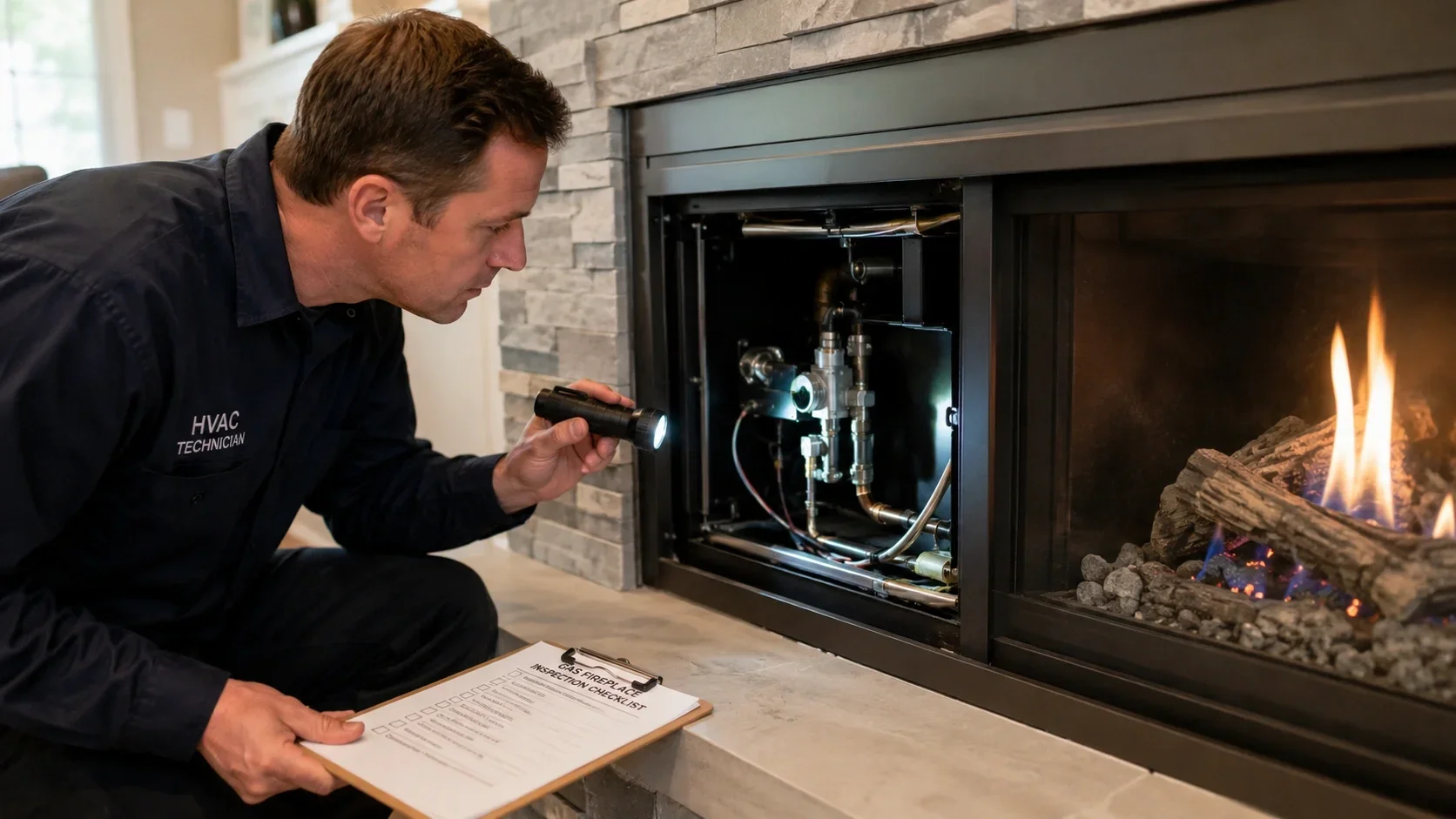
Not sure how often to service your unit? Check out our guide on fireplace service frequency to build a reliable schedule.
How to Clean Gas Fireplace Glass
Over time, a white cloudy film can build up on the inside of your fireplace glass. This is caused by mineral deposits and combustion byproducts. Cleaning it not only improves the look of your living room fireplace but also allows you to monitor the flames properly.

- Ensure the Fireplace is Cold: Never clean the glass while the unit is hot or even warm. Wait at least 2-3 hours after turning it off.
- Remove the Glass: Carefully unlatch the clamps or remove the screws holding the glass frame. Place it on a soft towel on a flat surface.
- Apply Cleaner: Use a dedicated gas fireplace glass cleaner (avoid ammonia-based products as they can damage the glass). Spray it onto a microfiber cloth, not directly onto the glass.
- Wipe Clean: Gently scrub the glass in a circular motion. For stubborn buildup, let the cleaner sit for a few minutes before wiping.
- Dry and Reinstall: Use a dry microfiber cloth to buff away any streaks, then carefully reinstall the glass frame and secure the latches.
For a deeper dive into this process, read our full tutorial on how to clean fireplace glass.
Cleaning the Burner and Logs
Dust, pet hair, and soot can accumulate on your gas fireplace logs and burner, which can cause uneven flames, unpleasant odors, or even soot buildup. Whether you have a gas log set or a gas insert, keeping these components clean is vital.

- Turn Off Gas and Power: Shut off the gas valve and unplug the unit if it has an electronic ignition or blower.
- Remove Logs Carefully: Take out the ceramic logs, noting their exact placement. They must go back in the same position for proper combustion.
- Vacuum the Burner: Use a soft brush attachment on your vacuum to gently remove dust and debris from the burner pan and pilot assembly.
- Brush the Logs: Use a soft-bristled paintbrush to dust off the ceramic logs. Do not wash them with water.
- Inspect for Damage: Check the logs for excessive cracking or crumbling. If they are degrading, it's time for a replacement set.
Need more specific instructions? Our gas fireplace burner cleaning guide covers all the details to keep your flames burning blue and steady.
Pilot Light and Thermocouple Maintenance
If your pilot light frequently goes out or the flame is weak and yellow instead of strong and blue, it's time for some maintenance. A dirty pilot assembly or a failing thermocouple are the most common culprits.

Cleaning the Pilot Assembly: Use a can of compressed air or a soft pipe cleaner to gently clear out the pilot tube and the orifice. This improves gas flow and ensures a consistent flame.
Thermocouple Check: The thermocouple is a safety device that shuts off the gas if the pilot light goes out. If it is covered in soot, gently sand it with fine-grit sandpaper. If the pilot light keeps going out even after cleaning, the thermocouple likely needs replacing—a repair that typically falls in the mid-range service tier including labor.
If the unit fails to ignite at all, you might be dealing with a broader ignition issue. Visit our gas fireplace won't light troubleshooting guide for solutions.
Venting and Chimney Maintenance
Even though gas burns much cleaner than wood, it still produces byproducts that need to be safely exhausted from your home. A blocked vent can cause carbon monoxide to back up into your living space, which is a severe safety hazard.
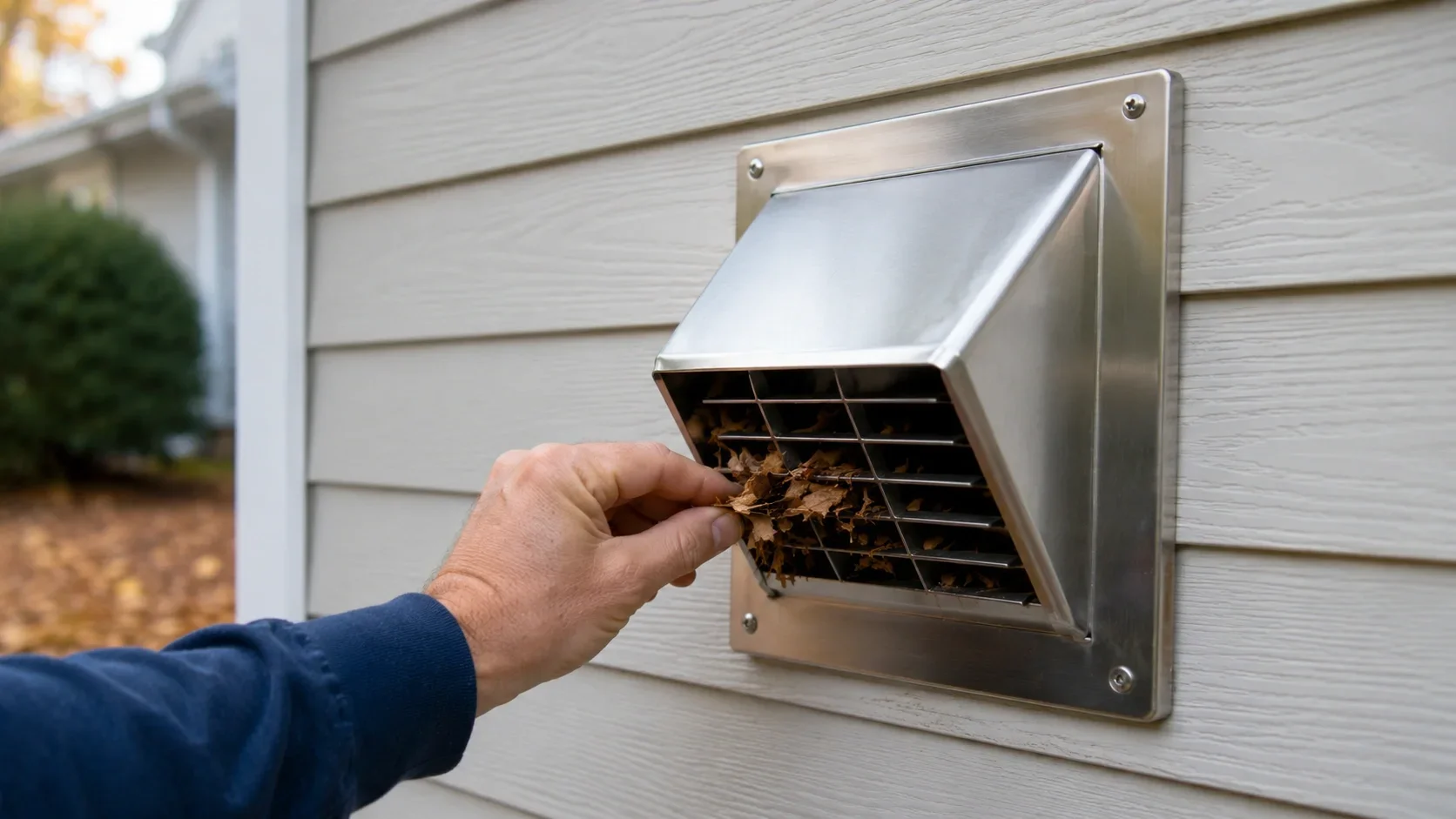
Understanding your setup is critical. If you are unsure about your system, learning the differences in our vented vs ventless gas fireplace guide is a great starting point. For vented systems, follow these steps:
- Check the Exterior Vent Cap: Ensure there are no bird nests, leaves, or debris blocking the exhaust.
- Inspect the Flue: Look for signs of rust, corrosion, or damage inside the chimney flue. Schedule a professional chimney cleaning if you notice significant buildup.
- Look for Soot: Excessive soot inside the fireplace can indicate improper combustion or a venting issue that needs immediate professional attention.
When to Call a Professional
While routine cleaning and minor maintenance are great DIY projects, certain situations require a certified HVAC or fireplace technician. Knowing when to step back can save you from costly damage or dangerous gas leaks.
Safety First: If you ever smell gas in your home, do not attempt to fix it yourself. Leave the house immediately and call your gas company or emergency services.
Always call a professional if you experience:
- A strong gas smell or suspected gas leak.
- Carbon monoxide detector alerts.
- Yellow or wavering pilot flames instead of a sharp blue flame.
- Soot buildup anywhere inside or outside the fireplace.
- Difficulty starting the unit after basic troubleshooting.
Professional servicing ensures that internal components like the gas valve, heat exchanger, and safety sensors are operating correctly. Learn more about when it's time to seek expert help in our guide on when to call a chimney sweep, and ensure you follow a strict fireplace maintenance schedule to prevent emergencies.