
Corner Fireplace Ideas: Transform Unused Spaces
Discover how corner fireplaces can maximize your room's potential while adding warmth, character, and a stunning focal point to your home
EXPLORE FIREPLACE TYPESWhy Choose a Corner Fireplace? Corner fireplaces represent an ingenious design solution that transforms typically underutilized spaces into functional, beautiful features. Whether you're working with a compact living room or simply want to create a more interesting architectural element, corner installations offer unique advantages that traditional wall-mounted fireplaces cannot match.
Corner Fireplace Design Styles
Corner fireplaces come in various designs to complement different architectural styles and interior aesthetics. From traditional brick installations to sleek modern units, the right design can dramatically enhance your room's character while providing efficient heating and visual appeal.
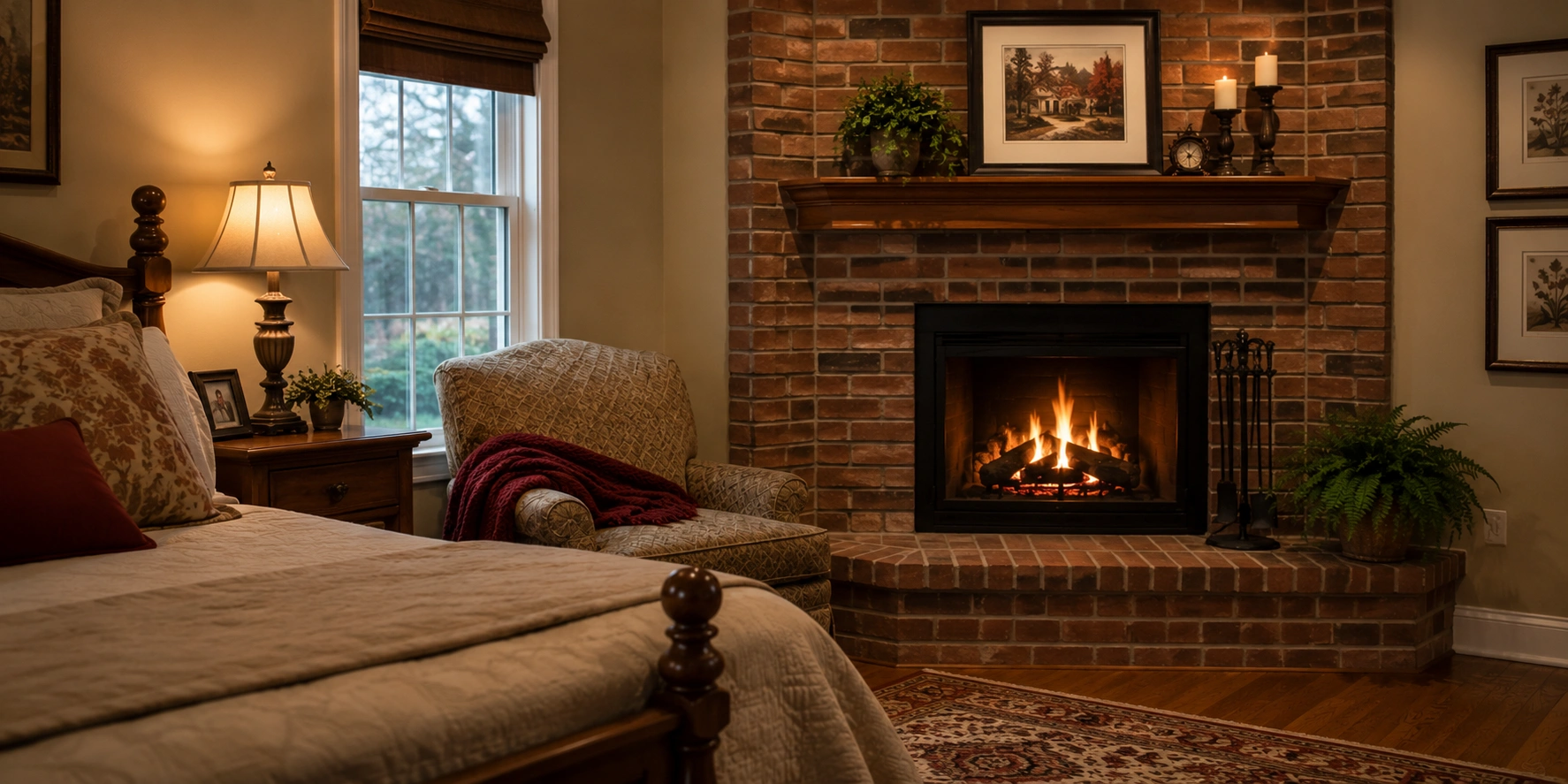
Traditional Brick Corner Fireplace
Classic masonry construction with a brick surround and wooden mantel, these fireplaces evoke timeless charm. The angled design allows for a deeper firebox while maintaining a relatively small footprint. Perfect for homes with colonial, craftsman, or traditional architectural styles.
Explore Brick Designs →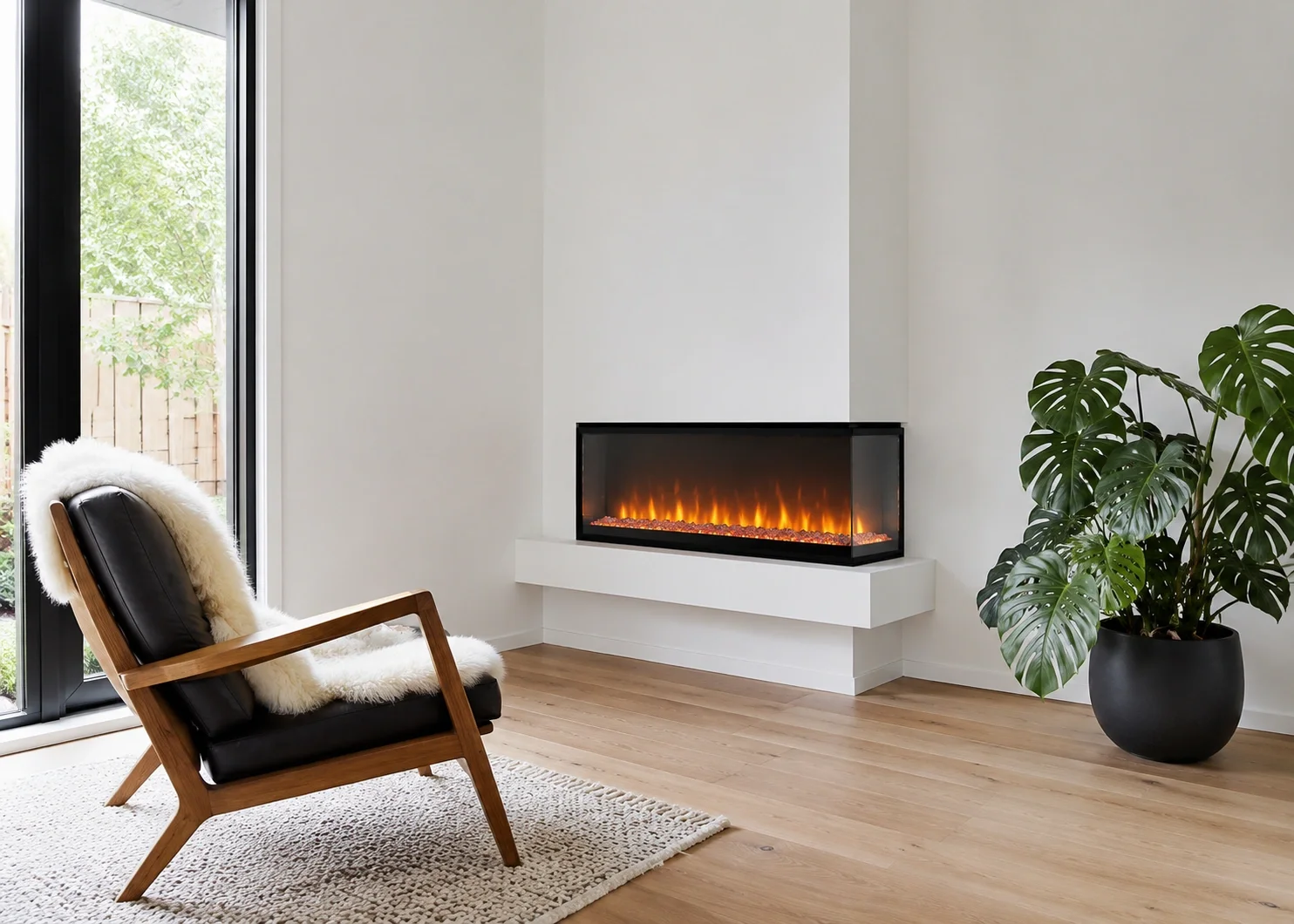
Modern Minimalist Corner Unit
Featuring clean lines, minimal framing, and contemporary materials like stainless steel, glass, or polished concrete, these units create a sophisticated focal point without visual clutter. Often designed as flush installations that blend seamlessly with the wall, they're ideal for modern interior designs.
Explore Modern Designs →
Natural Stone Corner Fireplace
Constructed with fieldstone, limestone, or slate, these fireplaces bring organic texture and natural beauty to your space. The irregular shapes of natural stone create visual interest and work particularly well in rustic, mountain, or farmhouse-style homes. Stone also provides excellent heat retention properties.
Explore Stone Designs →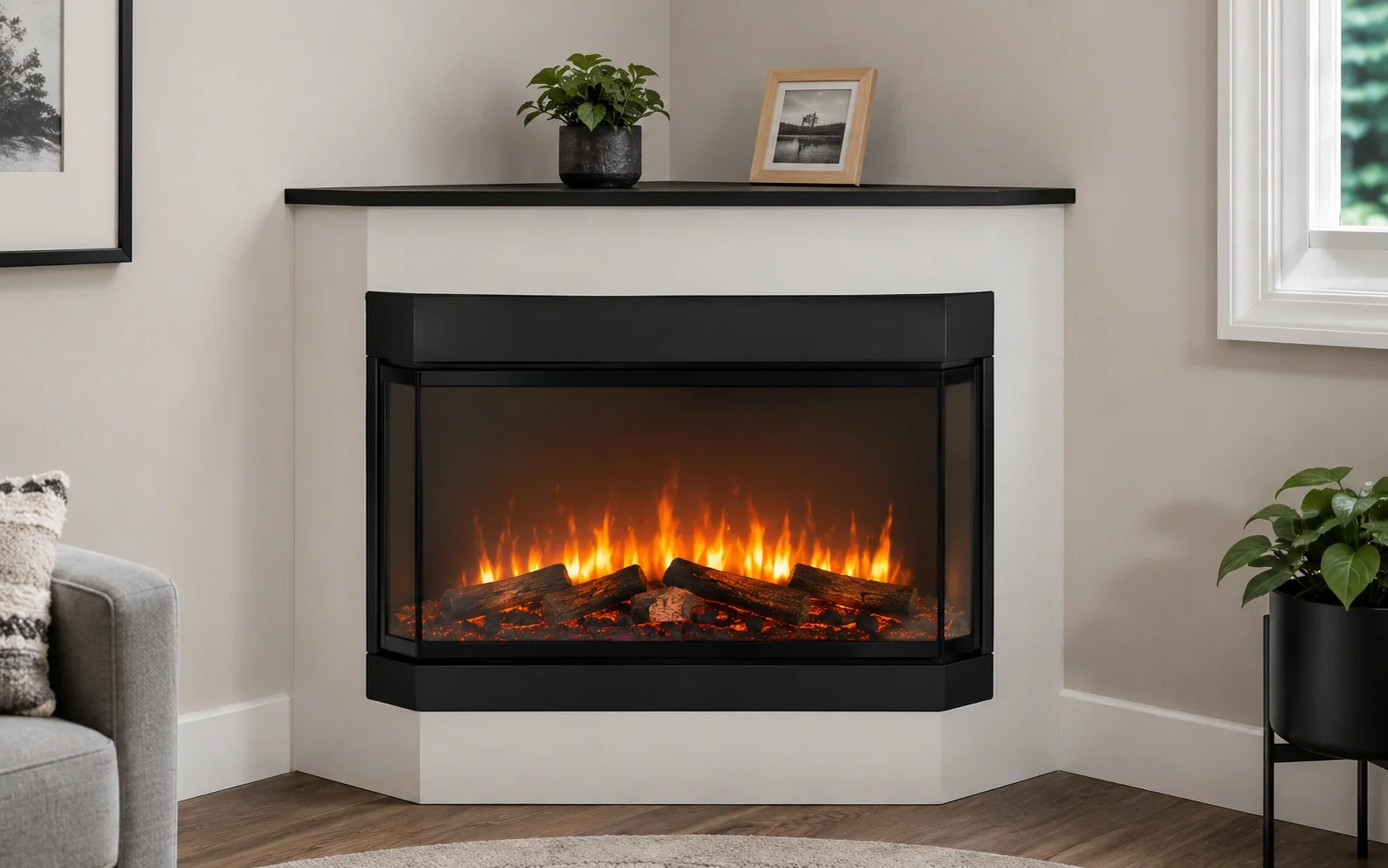
Electric Corner Fireplace
The easiest corner installation option, electric fireplaces require no venting, making them perfect for apartments, condos, or rooms without existing chimney infrastructure. Modern electric units feature realistic flame effects, adjustable heat settings, and remote control operation, all in a space-saving corner configuration.
Explore Electric Options →
Gas Corner Fireplace
Offering the convenience of gas fuel with the space efficiency of corner placement, these units typically use direct venting through an exterior wall. They provide realistic flame effects at the flip of a switch without the maintenance requirements of wood-burning options. Ideal for homeowners seeking both convenience and ambiance.
Explore Gas Options →
Wood Burning Corner Fireplace
For those who appreciate the authentic experience of a real wood fire, corner installations maximize the visual impact while maintaining efficient heating. These fireplaces often feature angled fireboxes designed to radiate heat into the room effectively. They require proper chimney installation but offer unmatched ambiance.
Explore Wood Options →Advantages of Corner Fireplace Installation
Corner fireplaces offer numerous practical benefits beyond their aesthetic appeal. Understanding these advantages helps homeowners determine if a corner installation is the right choice for their specific space and needs.
Space Optimization
Corner fireplaces utilize otherwise wasted space, making them ideal for smaller rooms or awkward floor plans. They leave more wall space available for furniture arrangement, windows, or artwork, effectively increasing your room's usable area.
Better Heat Distribution
The angled placement of corner fireplaces allows heat to radiate into the room more effectively than wall-mounted units. This positioning creates a more even temperature distribution and can reduce cold spots that often occur in rooms with traditional fireplace installations.
Enhanced Focal Point
Corner fireplaces naturally draw the eye, creating a strong architectural focal point without competing with other design elements. This positioning allows for more creative furniture arrangements and can help define distinct zones in open-concept living spaces.
Increase Home Value
Well-designed corner fireplaces can increase your home's resale value and appeal to potential buyers. They're often perceived as custom architectural features rather than standard amenities, adding perceived value and character to your home.
Cozy Atmosphere
The angled placement of corner fireplaces creates an inherently cozy, intimate atmosphere perfect for conversation areas. This configuration naturally encourages people to gather around the fireplace, making it an ideal choice for living rooms and family spaces.
Design Flexibility
Corner fireplaces offer unique design opportunities for built-in shelving, media centers, or seating arrangements that can wrap around the unit. This creates a cohesive, custom look that maximizes both form and function in your space.
Corner Fireplace Ideas by Room
The placement and design of a corner fireplace should be tailored to the specific room where it will be installed. Different spaces present unique opportunities and challenges that influence the ideal fireplace design, size, and style.

Living Room Corner Fireplaces
In living rooms, corner fireplaces create natural conversation areas and can help define distinct zones in open-concept layouts. Consider a design with built-in bookshelves on either side to create a media wall alternative, or opt for a see-through model that divides the living area from an adjacent dining space while maintaining visual connection.
Explore Living Room Ideas →
Bedroom Corner Fireplaces
A bedroom corner fireplace creates a luxurious, romantic retreat without consuming valuable wall space needed for bed placement or storage furniture. Position the fireplace diagonally across from the bed to create a balanced, symmetrical layout, or place it in a corner visible from the bed to enjoy the ambiance while relaxing.
Explore Bedroom Ideas →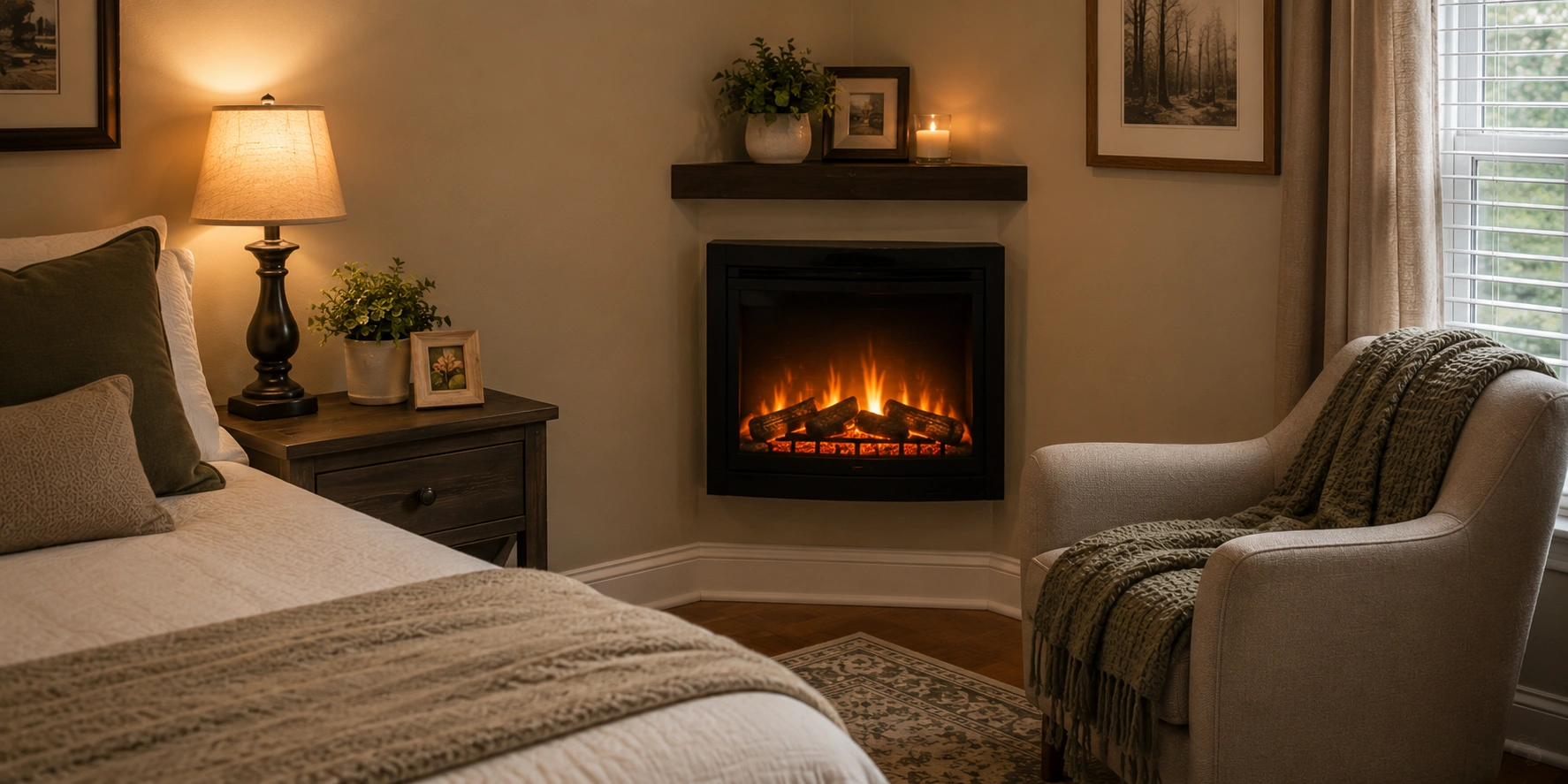
Small Room Solutions
For small rooms, corner fireplaces are particularly advantageous as they maximize floor space while providing the ambiance of a larger installation. Consider a compact electric unit with a minimalist surround to avoid visual clutter, or a wall-hung model that appears to float in the corner while preserving floor space beneath.
Explore Small Space Ideas →Corner Fireplace Installation Guide
Installing a corner fireplace requires careful planning and consideration of specific factors unique to angled placement. Understanding these requirements helps ensure a safe, efficient installation that meets building codes and maximizes the benefits of your corner location.
Assess Structural Requirements
Corners often contain structural elements like support columns that may affect installation. Before proceeding, determine if your chosen corner can accommodate the fireplace type you prefer. For masonry installations, verify that the floor can support the additional weight, which can be substantial for brick or stone construction. Consider consulting with a structural engineer for complex installations.
Determine Venting Options
Corner installations have specific venting requirements that differ from standard wall placements. For gas fireplaces, direct venting through an exterior wall is typically the most practical solution for corner installations. Electric units require no venting, making them ideal for interior corners. Wood-burning corner fireplaces need proper chimney routing, which may require special angled flue systems.
Plan Clearances and Safety Zones
Maintain proper clearances between the fireplace and combustible materials, following manufacturer specifications and local building codes. Corner installations may require specific clearance measurements for the angled sides. Pay special attention to adjacent walls, built-in cabinetry, and furniture placement to ensure safe operation.
Consider Surround Design
The surround design for a corner fireplace can either emphasize or minimize its angled placement. A symmetric surround with equal returns on both walls creates a balanced look, while an asymmetric design can draw attention to specific architectural features. Consider how the surround will interact with adjacent elements like windows, doors, or built-in furniture.
Address Electrical Requirements
Plan electrical outlets for any powered components, including blowers, ignition systems, or media components you might incorporate into the design. For electric fireplaces, ensure dedicated circuits are available. Position outlets strategically to avoid visible cords while providing convenient access for operation and maintenance.
Professional vs. DIY Installation
While some electric corner fireplaces can be installed by handy homeowners, gas and wood-burning units typically require professional installation. Consider your skill level honestly when deciding which portions of the project to tackle yourself. Improper installation can lead to safety hazards, inefficiency, and code violations that may affect your home insurance.
Corner Fireplace Cost Considerations
Understanding the costs associated with corner fireplaces helps you budget appropriately and make informed decisions about which options offer the best value for your investment. Costs vary based on the fireplace type, materials, installation complexity, and your geographic location.
| Fireplace Type | Unit Cost | Installation Cost | Total Estimated Cost |
|---|---|---|---|
| Electric Corner Fireplace | $400–$2,000 | $200–$800 | $600–$2,800 |
| Direct Vent Gas Corner Unit | $1,500–$4,500 | $1,000–$3,000 | $2,500–$7,500 |
| Wood Burning Corner Fireplace | $2,000–$6,000 | $2,500–$7,000 | $4,500–$13,000 |
| Custom Masonry Corner Fireplace | $5,000–$15,000 | $4,000–$12,000 | $9,000–$27,000 |
Cost-Saving Tip: Consider a corner fireplace insert if you have an existing corner fireplace that's inefficient or outdated. Inserts typically cost $1,200–$3,500 including installation but can dramatically improve heating efficiency, reducing long-term operating costs while updating the appearance of your existing unit.
Integrating Your Corner Fireplace with Room Design
A well-integrated corner fireplace enhances your room's overall design rather than appearing as an afterthought. Thoughtful design decisions around your fireplace create a cohesive, intentional look that maximizes the impact of this architectural feature.
Mantel and Surround Options
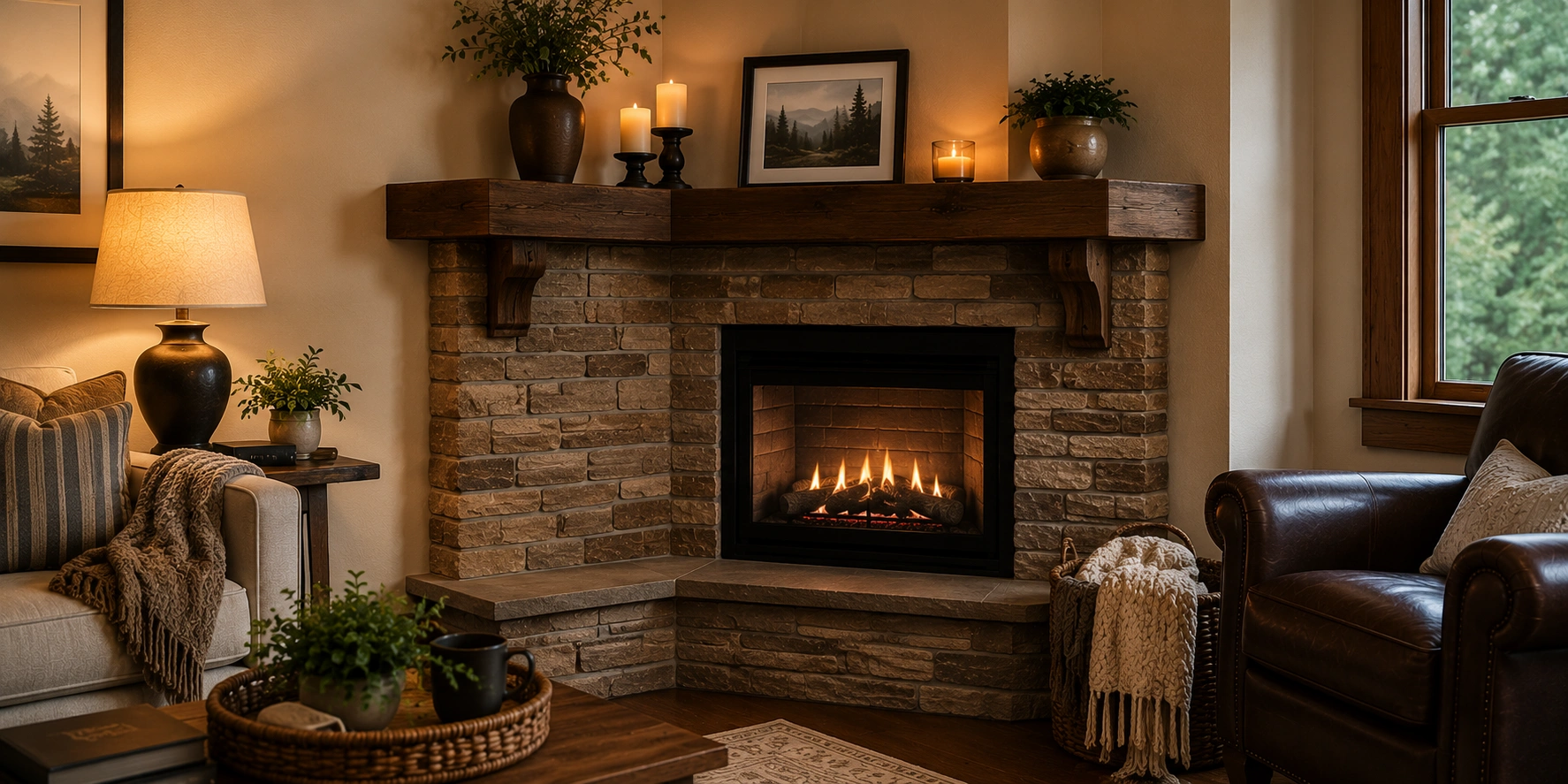
Corner fireplaces offer unique mantel possibilities, including angled shelves that follow the fireplace's contour or traditional horizontal mantels that bridge the corner. Consider floating shelves on adjacent walls to create a cohesive display area, or opt for a minimalist approach with no mantel to emphasize the fireplace itself.
Explore Mantel Ideas →
Built-In Furniture Integration
Corner fireplaces naturally lend themselves to built-in furniture solutions. Consider custom cabinetry that wraps around the unit to create a media center, bookshelves, or display cases. This approach maximizes storage while creating a cohesive, high-end look that appears professionally designed rather than added as an afterthought.
Explore Surround Ideas →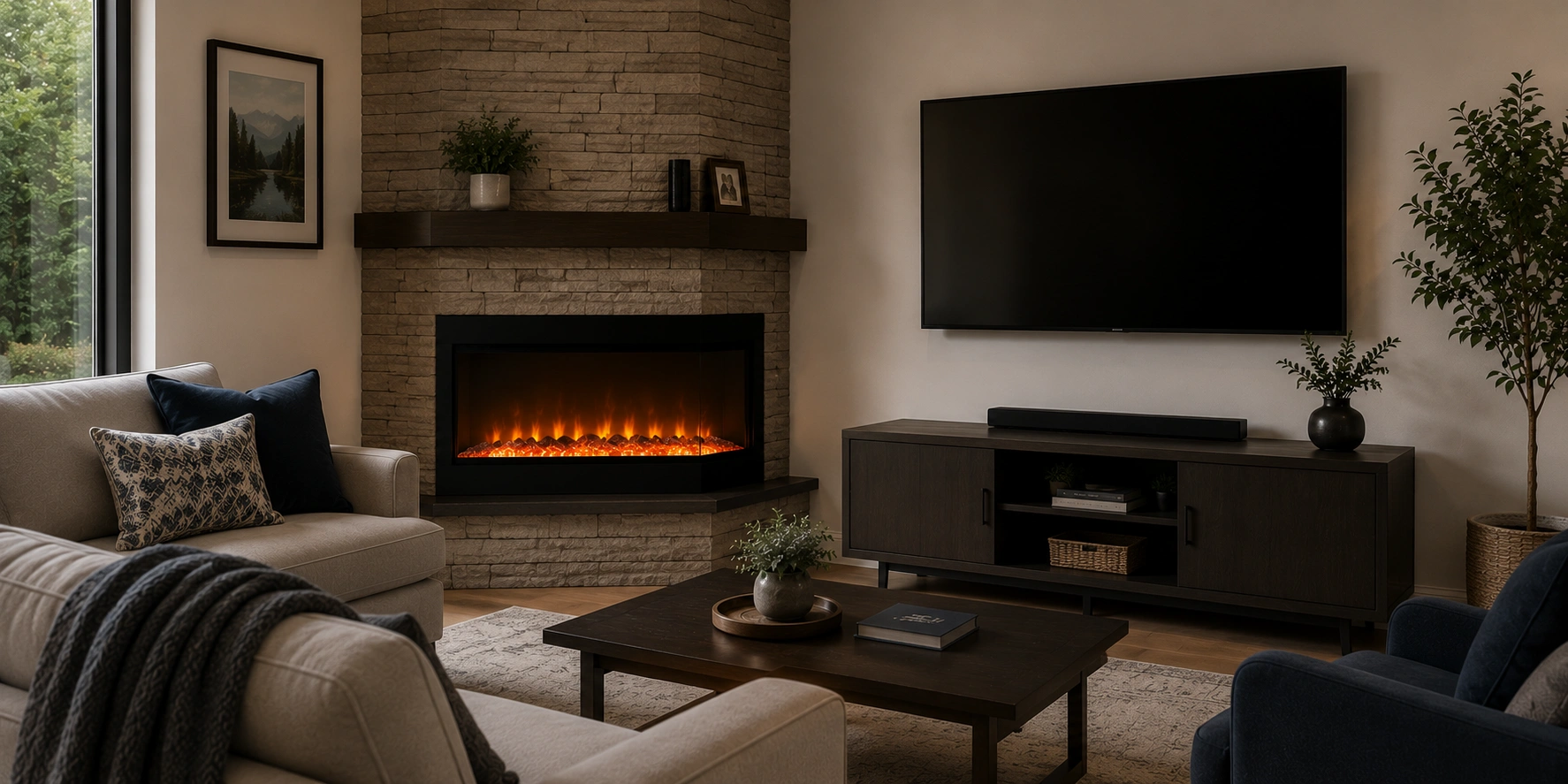
TV and Media Placement
When incorporating a TV with a corner fireplace, several options exist: mount the TV on an adjacent wall at a complementary angle, install a rotating mount that allows viewing from multiple positions, or create a built-in media center above or beside the fireplace. Avoid placing the TV directly above a corner fireplace unless you can ensure proper safety clearances and heat protection.
Explore TV Placement Ideas →Corner vs. Traditional Wall Placement
Understanding how corner fireplaces compare to traditional wall-mounted options helps you determine which placement best suits your space, needs, and design preferences. Each approach has distinct advantages that may make it more or less suitable depending on your specific circumstances.
Space Efficiency: Corner fireplaces typically require 20-30% less wall space than equivalent traditional models, making them ideal for smaller rooms or spaces where preserving wall length is important. However, they do consume more floor space due to their angled projection into the room. Consider your room's specific dimensions when deciding between corner and wall placement.
Heating Performance: Corner fireplaces often provide more efficient heating than wall-mounted units because they can radiate heat into the room from two directions. This creates a more even temperature distribution and can reduce cold spots. However, the actual efficiency depends on the specific fireplace model, not just its placement.
Design Flexibility: Traditional wall fireplaces offer more straightforward furniture arrangements and typically integrate more easily with existing architectural elements. Corner fireplaces, while more unique, can create challenging furniture layouts and may require custom solutions for surround treatments, mantels, and adjacent built-ins.
Corner Fireplace Maintenance Tips
While corner fireplaces share many maintenance requirements with traditional models, their angled placement can create specific challenges that require special attention. Understanding these unique considerations helps ensure your fireplace remains safe, efficient, and attractive.
Regular Cleaning Access
The angled placement of corner fireplaces can make some areas harder to reach for cleaning. Use specialized tools with angled handles for cleaning glass doors and removing ash from difficult-to-reach corners. Consider removable surround panels that provide better access to the firebox.
Venting Inspection
Corner installations often have more complex venting configurations with angled sections that can trap creosote or debris. Schedule more frequent professional inspections for wood-burning corner fireplaces, and ensure that any horizontal vent runs have adequate slope to prevent moisture accumulation.
Surround Maintenance
Corner fireplace surrounds often have joints where the angled sections meet adjacent walls. These junction points are vulnerable to cracking due to differential expansion. Inspect these areas regularly and use flexible caulking specifically designed for high-temperature applications to seal any gaps that develop.


