Wood Fireplace Ideas: Timeless Warmth for Your Home
Explore stunning wood fireplace designs that combine traditional charm with modern functionality, creating the perfect focal point for any room
EXPLORE WOOD FIREPLACESWhy Choose a Wood Fireplace? Wood-burning fireplaces offer unmatched ambiance, reliable heat during power outages, and a connection to traditional home heating methods that modern alternatives simply cannot replicate. With proper design and installation, a wood fireplace becomes both a functional heating source and a stunning architectural feature.
Wood Fireplace Design Styles
Wood fireplaces come in a variety of styles to complement different home architectures and interior design preferences. From classic traditional looks to contemporary minimalist designs, there's a wood fireplace option for every aesthetic. The right choice depends on your home's architecture, your personal style, and how you plan to use the fireplace.

Traditional Wood Fireplace
Classic design featuring a brick or stone surround, raised hearth, and ornate mantel. These fireplaces often include detailed craftsmanship like carved corbels, decorative tile work, and traditional damper systems. Perfect for colonial, Victorian, or craftsman-style homes.
Explore Traditional Designs →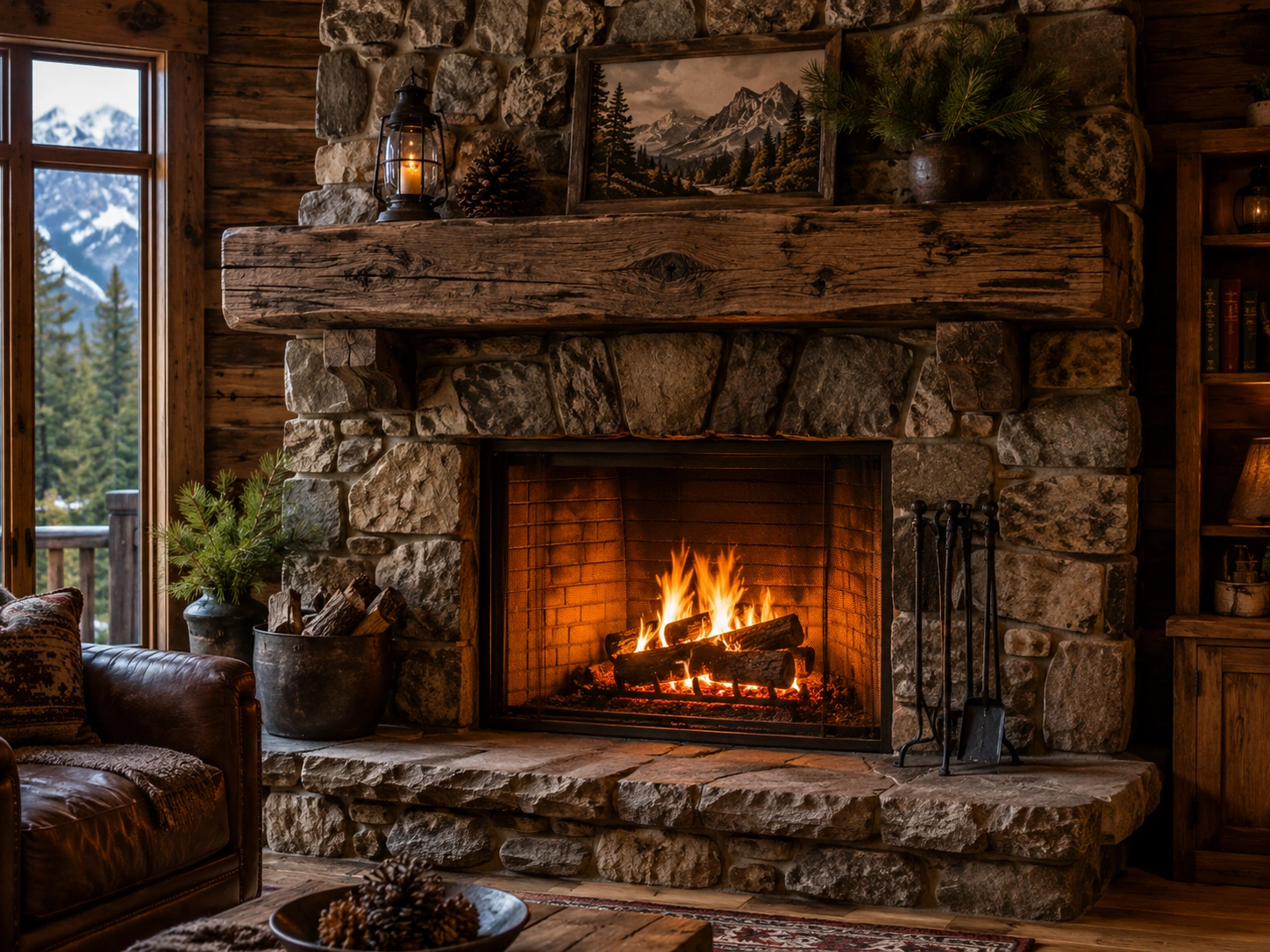
Rustic Wood Fireplace
Embraces natural elements with rough-hewn timber mantels, fieldstone surrounds, and organic shapes. These fireplaces often feature exposed chimneys, natural rock formations, and minimal finishing to highlight the raw beauty of materials. Ideal for cabins, lodges, or homes with a country aesthetic.
Explore Rustic Designs →
Modern Wood Fireplace
Features clean lines, minimal surrounds, and contemporary finishes like concrete, steel, or sleek tile. These designs often incorporate large viewing windows, raised hearths, and simplified mantels. Perfect for mid-century modern, industrial, or minimalist interiors.
Explore Modern Designs →
Stone and Wood Combination
Blends the warmth of wood with the durability and texture of natural stone. These fireplaces often feature stone surrounds with wood mantels and accents, creating a harmonious balance between materials. Works well in transitional homes that bridge traditional and contemporary styles.
Explore Stone Designs →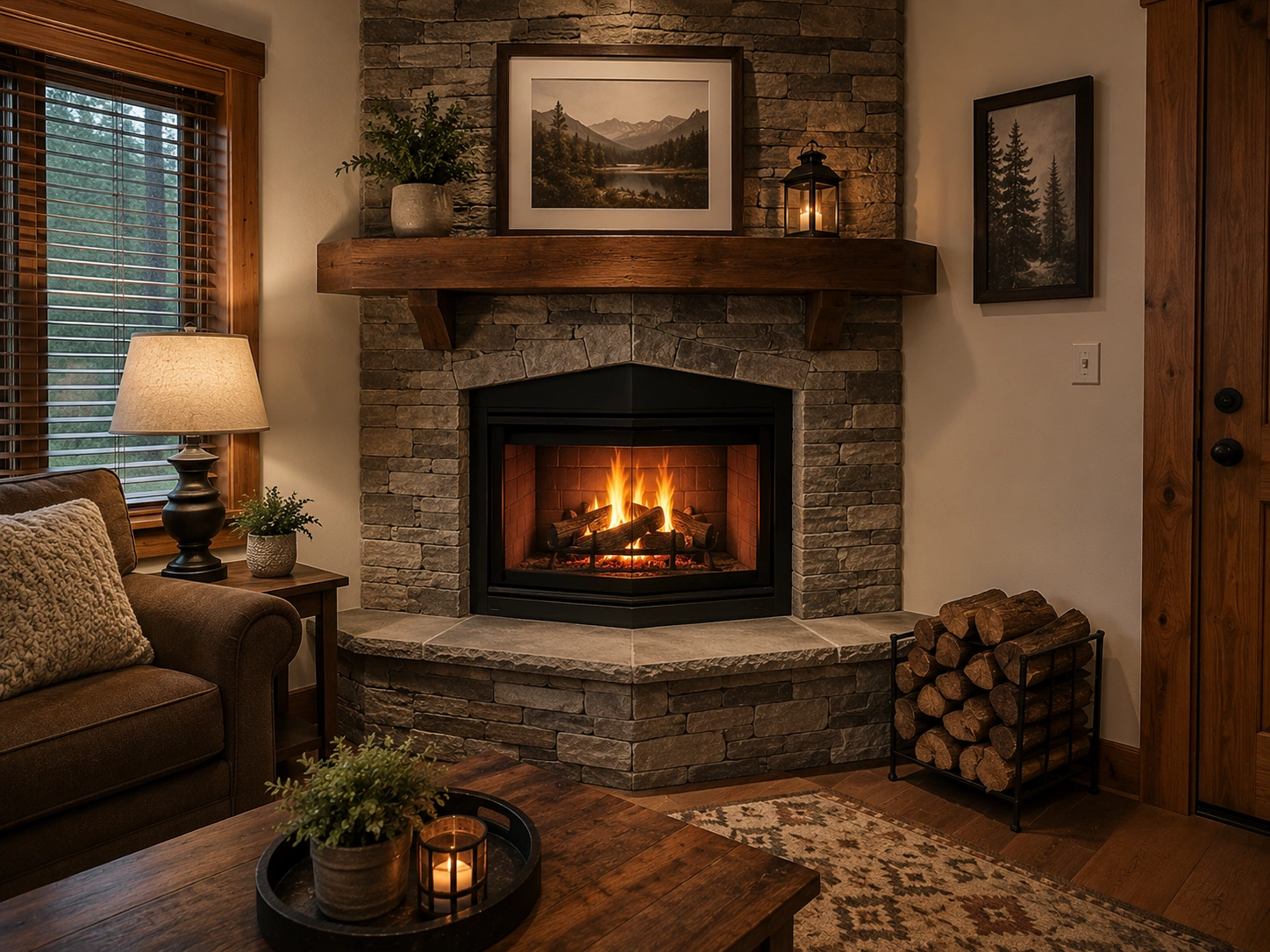
Corner Wood Fireplace
Maximizes space by fitting into room corners, making efficient use of otherwise awkward areas. These designs can be traditional or modern and often feature angled glass doors or asymmetric surrounds. Perfect for smaller rooms or open floor plans where space optimization is key.
Explore Corner Designs →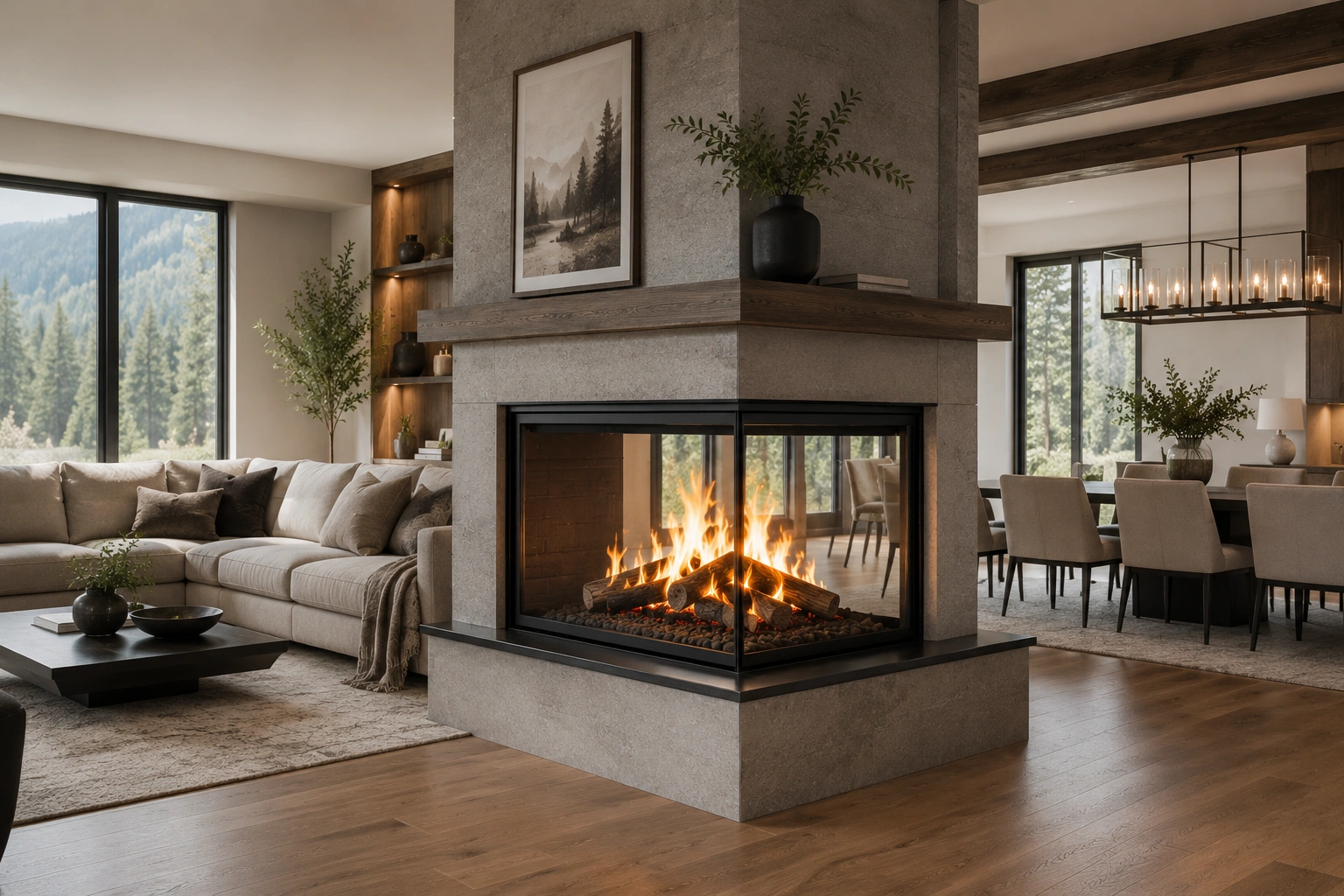
Two-Sided Wood Fireplace
Also called double-sided or see-through fireplaces, these designs allow viewing from two adjacent rooms, creating visual connection between spaces. They can be positioned between living and dining areas or as room dividers in open-concept homes, providing warmth and ambiance to both spaces.
Explore Multi-Sided Designs →Benefits of Wood-Burning Fireplaces
Beyond their aesthetic appeal, wood-burning fireplaces offer numerous practical advantages that make them a worthwhile investment for many homeowners. While they require more maintenance than gas or electric alternatives, the unique benefits they provide often outweigh the additional effort for those who appreciate authentic fire experiences.
Emergency Heating
Provides reliable heat during power outages or emergencies when other heating systems fail. Unlike gas or electric options, wood fireplaces operate independently of utility services, making them invaluable in regions prone to winter storms.
Cost-Effective Heating
For homeowners with access to affordable or free firewood, operating costs can be significantly lower than gas or electric alternatives. Even when purchasing wood, the per-BTU cost often compares favorably to other heating fuels.
Authentic Experience
Nothing replicates the sensory experience of a real wood fire—the crackling sounds, the smell of burning wood, and the dynamic flames create an ambiance that gas and electric fireplaces can only approximate.
Home Value Increase
A well-designed and properly maintained wood fireplace can increase your home's resale value. Many homebuyers consider fireplaces a desirable feature, particularly in colder climates where they're seen as both practical and aesthetic assets.
Psychological Comfort
Studies show that watching a wood fire can lower blood pressure and induce relaxation. The primal connection to fire provides psychological comfort that goes beyond mere heating, creating a meditative focal point in your living space.
Carbon Neutral Option
When using sustainably harvested wood, wood-burning fireplaces can be considered carbon neutral, as the carbon released during burning is roughly equal to what the tree absorbed during growth, creating a closed carbon cycle.
Wood Fireplace Installation Considerations
Installing a wood fireplace requires careful planning and consideration of various factors to ensure safety, efficiency, and compliance with local building codes. Unlike gas or electric fireplaces, wood-burning units have specific requirements for venting, clearances, and structural support that must be addressed during the planning phase.
Home Structure Assessment
Evaluate your home's structure to determine if it can support the weight of a masonry fireplace and chimney. For existing homes, this may require reinforcement of the foundation or floor joists. Consider consulting with a structural engineer before proceeding with installation plans.
Chimney and Venting Requirements
Wood fireplaces require proper venting through a chimney that meets specific height and clearance requirements. The chimney must extend above the roofline and any nearby obstacles to ensure proper draft. Consider whether your home can accommodate a traditional masonry chimney or if a prefabricated metal chimney would be more appropriate.
Clearances and Safety Zones
Maintain proper clearances between the fireplace and combustible materials. Most building codes require specific distances from the fireplace opening to walls, furniture, and other combustibles. These clearances vary based on the fireplace type and may be reduced with proper heat shielding.
Permits and Building Codes
Most jurisdictions require building permits for fireplace installation. Research local building codes and obtain necessary permits before beginning construction. Failure to comply with local regulations can result in costly corrections, insurance issues, or safety hazards.
Professional vs. DIY Installation
While some components like mantels or surrounds can be DIY projects, the core fireplace and chimney installation typically requires professional expertise. Improper installation can lead to house fires, carbon monoxide poisoning, or structural damage. Consider your skill level honestly before deciding what portions of the project to tackle yourself.
Indoor Air Quality Considerations
Wood-burning fireplaces affect indoor air quality. Plan for adequate makeup air to prevent negative pressure that can cause backdrafting. Consider installing a dedicated outside air intake for the fireplace, especially in tightly sealed, energy-efficient homes.
Wood Fireplace Cost Breakdown
Understanding the costs associated with wood fireplaces helps you budget appropriately and make informed decisions about which options offer the best value for your investment. Costs vary significantly based on the type of fireplace, materials used, installation complexity, and your geographic location.
| Component | Cost Range | Notes |
|---|---|---|
| Masonry Fireplace (Materials) | $3,000–$7,500 | Brick, stone, concrete blocks, mortar, and other masonry materials |
| Prefabricated Fireplace Unit | $1,500–$4,000 | Factory-built metal firebox with refractory lining |
| Chimney System | $2,000–$5,000 | Masonry or prefabricated metal chimney with proper lining |
| Installation Labor | $2,500–$7,000 | Professional installation including structural work and finishing |
| Surround and Mantel | $800–$3,500 | Decorative elements surrounding the fireplace opening |
| Hearth Extension | $300–$1,200 | Non-combustible floor protection in front of the fireplace |
| Permits and Inspections | $200–$600 | Required building permits and inspection fees |
| Total Estimated Cost | $9,800–$28,800 | Complete installation from start to finish |
Cost-Saving Tip: Consider a fireplace insert if you have an existing masonry fireplace that's inefficient. Inserts typically cost $1,500–$4,000 including installation but can dramatically improve heating efficiency, reducing long-term operating costs and potentially qualifying for energy tax credits.
Essential Wood Fireplace Maintenance
Proper maintenance is crucial for wood-burning fireplaces to ensure safety, efficiency, and longevity. Unlike gas or electric options, wood fireplaces require regular attention to combustion byproducts, structural components, and venting systems. Establishing a consistent maintenance routine will protect your investment and your family.
Annual Chimney Cleaning
Schedule a professional chimney cleaning at least once a year, preferably before the heating season begins. Creosote buildup is the leading cause of chimney fires, and regular cleaning removes this dangerous flammable substance. A professional chimney sweep will also inspect for structural issues, blockages, and proper draft.
Regular Ash Removal
Remove ashes regularly, but leave a small layer (about 1 inch) to insulate the firebox and make starting fires easier. Use a proper ash shovel and container with a tight-fitting lid for safe disposal. Never use a vacuum cleaner unless it's specifically designed for ash removal, as regular vacuums can scatter hot embers.
Inspect and Replace Gaskets
Check the gaskets around doors and glass annually for wear or deterioration. Damaged gaskets allow excess air into the firebox, reducing efficiency and making fire control difficult. Replace gaskets if you notice gaps, crumbling, or if the door doesn't seal properly when closed.
Glass Cleaning
Clean the fireplace glass regularly using appropriate fireplace glass cleaner or a mixture of water and vinegar. Avoid abrasive cleaners that can scratch the glass. For stubborn creosote buildup, use a specialized fireplace glass cleaner or carefully scrape with a razor blade designed for this purpose.
Exterior Inspection
Inspect the exterior chimney and fireplace structure annually for signs of damage, including cracked masonry, deteriorating mortar joints, damaged flashing, or rust on metal components. Address these issues promptly to prevent water infiltration and structural deterioration that can lead to costly repairs.
Cap and Crown Maintenance
Ensure your chimney has a proper cap to prevent rain, animals, and debris from entering. Inspect the chimney crown (the top surface around the flue) for cracks or deterioration, which can allow water to penetrate and damage the chimney structure. Repair or replace damaged caps and crowns as needed.
Choosing the Right Firewood
The type and quality of wood you burn significantly impacts your fireplace's performance, efficiency, and maintenance requirements. Understanding different wood characteristics helps you make informed choices that maximize heat output while minimizing problems like excessive smoke, creosote buildup, and environmental impact.

Hardwoods (Oak, Maple, Hickory)
Dense hardwoods provide the highest heat output and burn longest, making them ideal for overnight heating. They produce less smoke and creosote than softwoods when properly seasoned. Though more expensive and harder to ignite, their efficiency and longer burn times make them the preferred choice for primary heating.

Softwoods (Pine, Fir, Cedar)
Softer woods ignite quickly and produce a lively flame, making them excellent for starting fires or for short, intense burns. They create more creosote and require more frequent chimney cleaning. Many experienced burners use softwoods to start the fire, then add hardwoods for sustained, efficient heating.

Properly Seasoned Wood
Regardless of species, wood should be properly seasoned (dried) for at least 6-12 months before burning. Seasoned wood has a moisture content below 20%, indicated by cracks in the ends, lighter weight, and a hollow sound when knocked together. Burning wet wood reduces efficiency, creates excessive smoke, and accelerates creosote buildup.
Wood Fireplace Safety Essentials
While wood fireplaces provide warmth and ambiance, they require vigilant safety practices to protect your home and family. Understanding and implementing proper safety measures is non-negotiable for wood-burning appliance owners. These guidelines help prevent common hazards associated with wood combustion.
Carbon Monoxide Detection
Install carbon monoxide detectors on every level of your home, particularly near sleeping areas. Test them monthly and replace batteries annually. Wood-burning appliances can produce this odorless, deadly gas if not properly vented or if there are drafting issues.
Proper Fire Building
Build fires using the top-down method for cleaner, more efficient burning. Start with larger logs at the bottom, progressively smaller pieces in the middle, and kindling on top. This technique creates less smoke, requires less tending, and reduces creosote formation compared to traditional bottom-up fire building.
Safe Ash Disposal
Never dispose of hot ashes in paper bags, cardboard boxes, or plastic containers. Use metal containers with tight-fitting lids and store them outside, away from combustible materials, for at least a week before final disposal. Embers can remain hot for days and are a common cause of house fires.
Maintain Clearances
Keep furniture, curtains, and other combustible materials at least 36 inches from the fireplace opening. Use a sturdy fireplace screen to prevent sparks from escaping. Never leave a fire unattended, and ensure it's completely extinguished before leaving home or going to bed.
Integrating Your Wood Fireplace with Room Design
A wood fireplace can serve as the architectural centerpiece of your room when properly integrated with your overall design scheme. Thoughtful design decisions around your fireplace enhance its impact and create a cohesive, inviting space that highlights this feature rather than treating it as an afterthought.

Mantel Styling
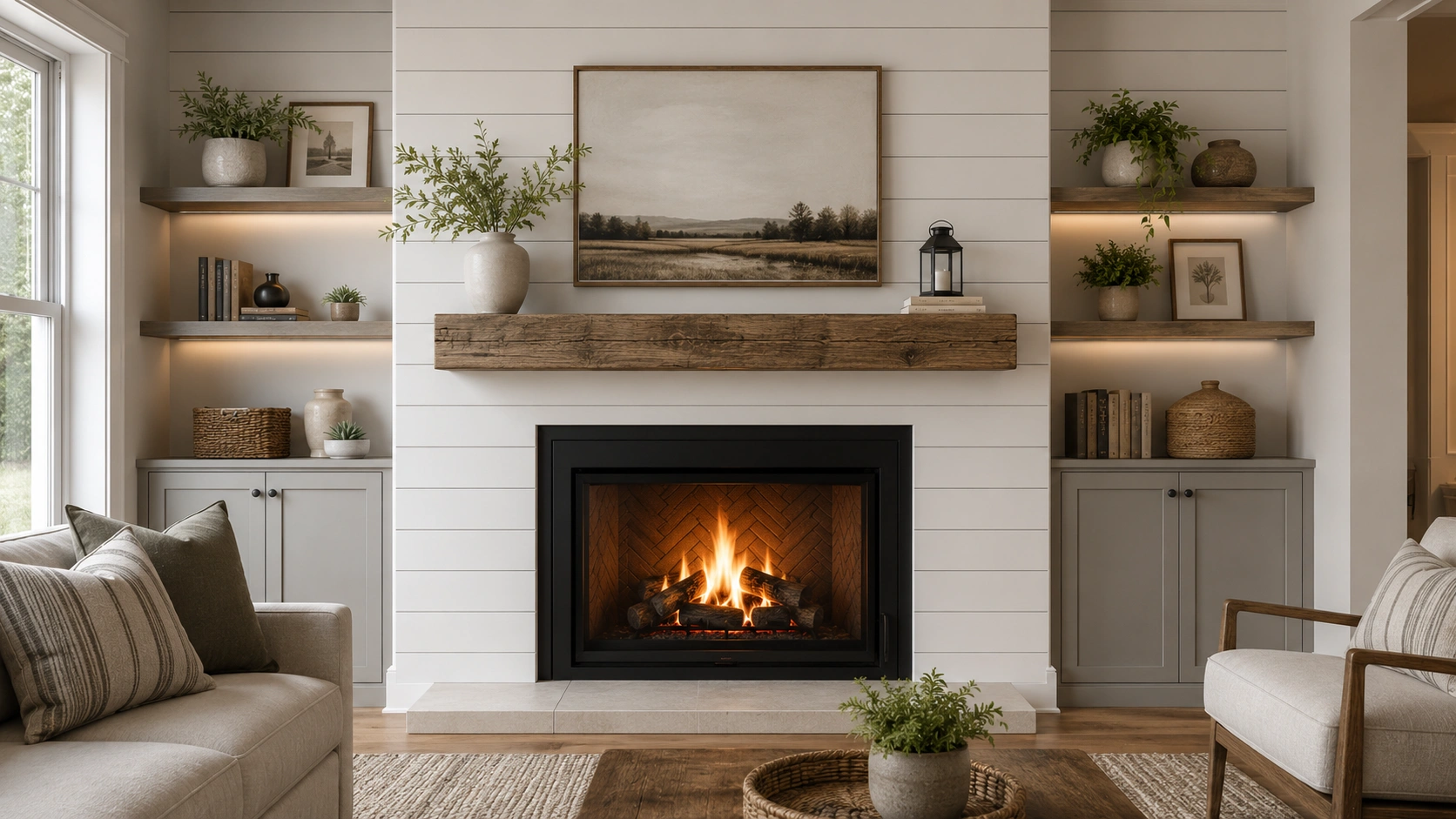
Your fireplace mantel offers prime real estate for personal expression. Create balanced arrangements with varied heights and textures, incorporating artwork, mirrors, candles, and seasonal elements. Avoid cluttering the space—leave some breathing room between objects for visual impact.
Wall Treatments
Create emphasis with accent walls that frame your fireplace. Consider contrasting materials like shiplap, stone veneer, or textured wallpaper behind the fireplace to make it stand out. The wall treatment should complement but not compete with the fireplace itself.
Furniture Arrangement
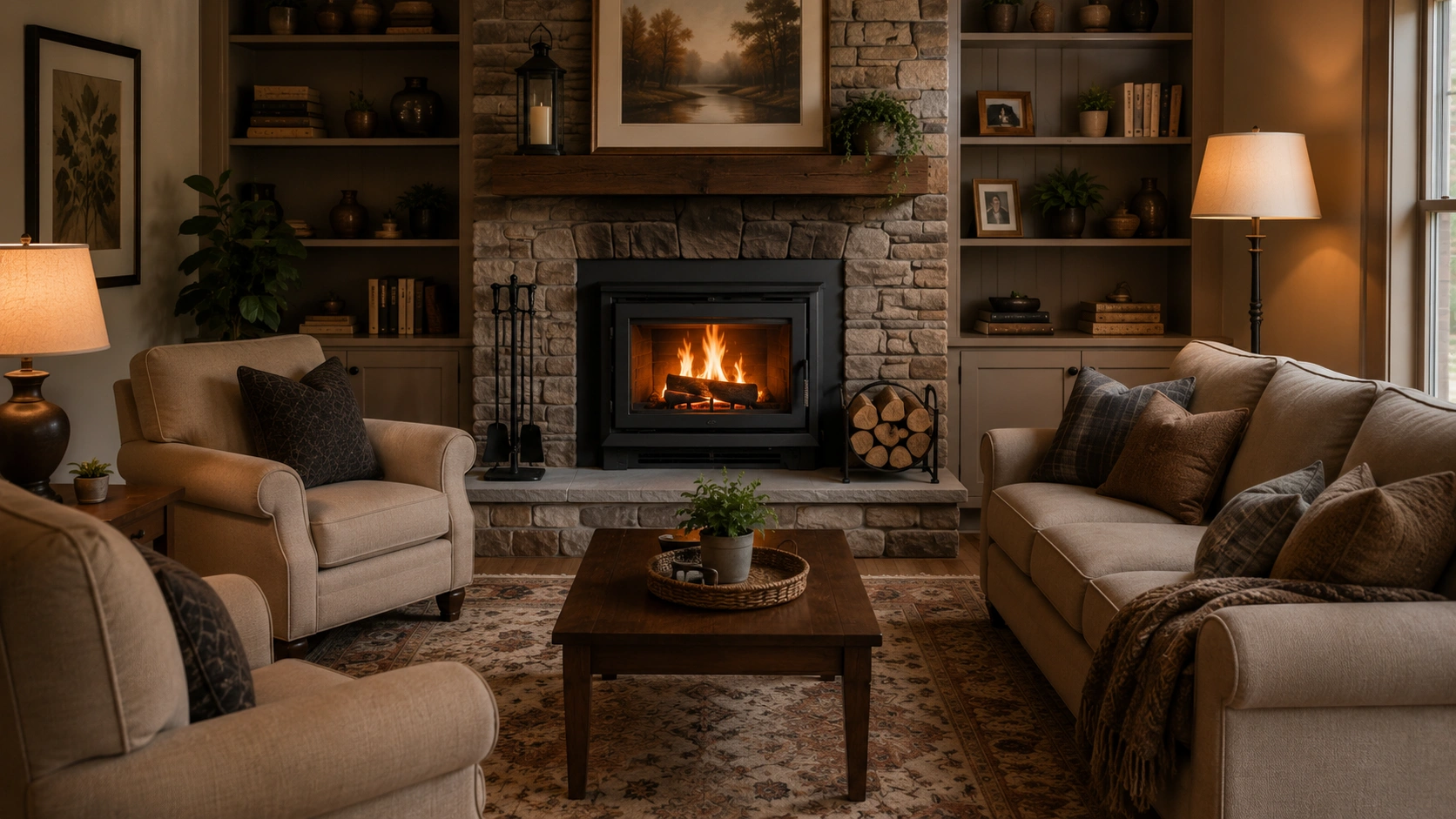
Position furniture to take advantage of the fireplace as a focal point while maintaining safe clearances. Create intimate conversation areas with seating oriented toward the fire. Include a mix of seating types—sofas, armchairs, and ottomans—to accommodate different activities and group sizes.
How Wood Fireplaces Compare to Other Types
Understanding how wood-burning fireplaces compare to other options helps you determine if they're the right choice for your specific needs and circumstances. Each fireplace type has distinct advantages and considerations that may make it more or less suitable depending on your priorities.
Wood vs. Gas Fireplaces: While gas fireplaces offer convenience with instant ignition and no wood handling, wood fireplaces provide a more authentic experience, higher heat output, and independence from utility services. Wood requires more maintenance but typically has lower operating costs if you have access to affordable firewood.
Wood vs. Electric Fireplaces: Electric fireplaces excel in installation flexibility and minimal maintenance, but can't match the heat output or authentic experience of wood burning. Electric units are ideal for supplemental heating and ambiance in spaces where venting isn't possible, while wood fireplaces serve as primary heat sources in many homes.
Wood vs. Pellet Stoves: Pellet stoves offer more consistent heat output and automated operation than traditional wood fireplaces, but require electricity to operate the auger and fans. Wood fireplaces provide a more traditional experience and can function during power outages, but require more frequent tending and have less precise heat control.