
How to Clean Your Electric Fireplace
Keep your electric fireplace running efficiently, looking pristine, and lasting longer with our complete step-by-step cleaning and maintenance guide
START CLEANING GUIDEElectric fireplaces are one of the lowest-maintenance heating options available for homeowners. Unlike gas fireplaces that require burner cleaning and gas line inspections, or wood-burning fireplaces that demand regular chimney sweeping and ash removal, electric models need only basic cleaning to stay in top condition. However, "low maintenance" does not mean "no maintenance." Dust accumulation, smudged glass, and blocked vents can gradually reduce your fireplace's performance and shorten its lifespan. This guide walks you through every step of cleaning your electric fireplace safely and thoroughly.
Why Regular Cleaning Matters
A clean electric fireplace is not just about aesthetics. Dust and debris that accumulate inside the unit can interfere with the heating element, block airflow through the vents, and even create a burning smell when the heater turns on. Over time, neglected fireplaces can lose heating efficiency, develop noisy fans, and suffer premature component failure. Regular cleaning protects your investment, which typically ranges from entry-level to premium depending on the model and style you choose.
Better Heating Efficiency
Clean vents and heating elements allow warm air to circulate freely, keeping your room warmer while using less energy.
Clearer Flame Display
Dust-free glass and interior reflectors make the flame effect look more realistic and vibrant in your living space.
Longer Lifespan
Preventing dust buildup around electrical components reduces the risk of overheating and extends the life of your unit.
Safer Operation
Removing debris from vents and the heating area eliminates potential fire hazards and prevents unpleasant burning odors.
Recommended Easy-Clean Electric Fireplaces
⚠️ AFFILIATE DISCLOSURE: This website contains affiliate links. As an Amazon Associate, we earn from qualifying purchases. If you make a purchase through these links, we may receive a small commission at no additional cost to you. Read our full affiliate policy.

Silonn Electric Fireplace Heater, Quick Heating Portable Fireplace with App & Remote,24″ Electric Corner Fireplace Low Noise with 5 Brightness Levels,Temp Control & Timer for Living Room,Bedroom,Black
Check price on Amazon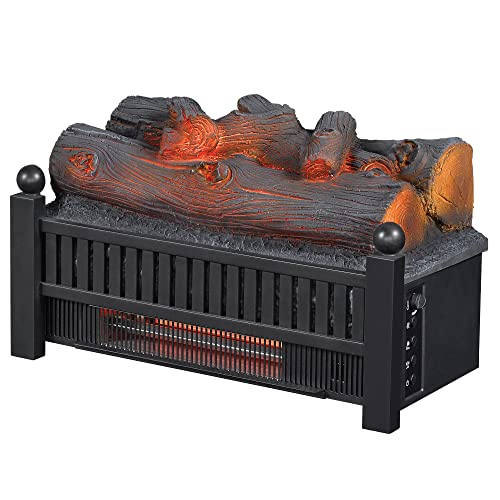
duraflame® Electric Log Set 1,000 Sq Ft Infrared Heater, Faux Logs Insert with LED Flames for Existing Fireplaces, Crackling Sounds, Remote Control Included
Check price on Amazon
ORALNER 3 Sided Wall Mount Electric Fireplace w/ 50" Floating Mantel, White | Wifi & App Controlled Fireplace, 12 Adjustable Colors, 12 LED Light Effect, Remote, 8H Timer, 1500W Heater, Open Front w/ Log
Check price on Amazon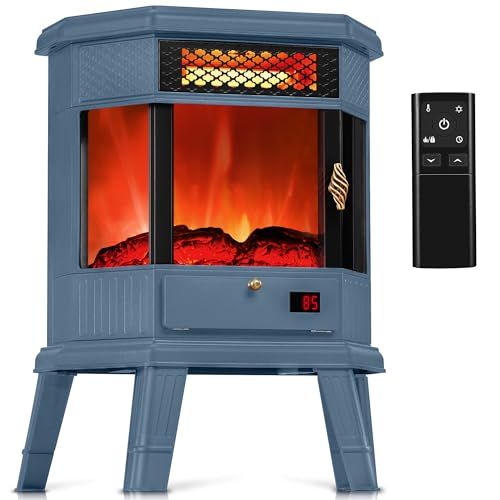
RealSmart Electric Fireplace Heater 22 in Freestanding Fireplace Stove Infrared Fireplace with 3D Flame Effect Remoted Control, Timer, Overheating Protection (Blue)
Check price on Amazon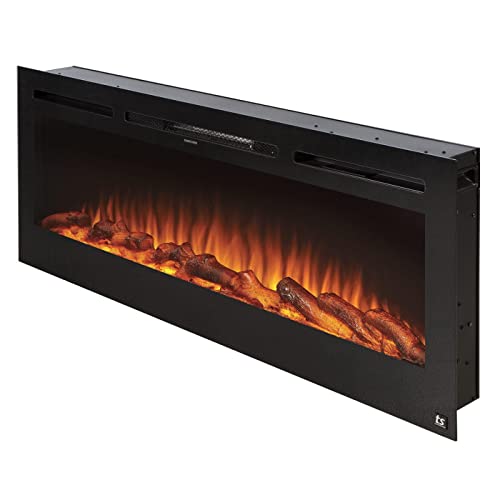
Touchstone Electric Fireplace - The Sideline 50-Inch - in-Wall Recessed | 30 Realistic Flame & Ember Color Combinations - 1,500W Heater with Thermostat - Log & Crystal Hearth Options - Black
Check price on Amazon
Innoflame 21" Electric Fireplace Log Set, Fireplace Insert with Realistic Flame, Adjustable Flame Brightness, Thermostat, 9H Timer, Remote Control, Overheating Protection, 1400W
Check price on Amazon
ROVSUN 22.4”H Electric Fireplace Stove w/Remote Control, 7 Realistic Flame Colors & 4 Brightness, Infrared Quartz Freestanding Heater Overheat & Tip-Over Protection, for Bedroom, ETL Certified, Black
Check price on Amazon
LegendFlame 25" W Free Standing Electric Fireplace Log Set (EF484), Fireplace Insert, Heater 750W/1500W, Crackling Sound, Remote Control…
Check price on AmazonCritical Safety Precautions
⚠️ Before You Start — Read These Safety Rules
Electric fireplaces contain electrical components that can cause shock or damage if cleaned improperly. Follow these precautions every time you clean:
- Always unplug the unit before cleaning. Never clean a fireplace that is connected to power.
- Allow the fireplace to cool completely — wait at least 30 minutes after use. Heating elements retain heat longer than you might expect.
- Never use excessive water or spray liquids directly onto or into the fireplace. Moisture damages electrical components.
- Do not use abrasive cleaners, scouring pads, or harsh chemicals. These can scratch glass, damage finishes, and degrade internal parts.
- If your fireplace is hardwired (not plug-in), switch off the breaker at your electrical panel before cleaning. For more on installation types, see our plug-in vs hardwired electric fireplace guide.

Always unplug your electric fireplace and let it cool before starting any cleaning.
Tools & Supplies You'll Need
Gathering your supplies before you start makes the entire process smoother and faster. You likely already own most of these items. All of these supplies are entry-level, and they will last through many cleaning sessions.
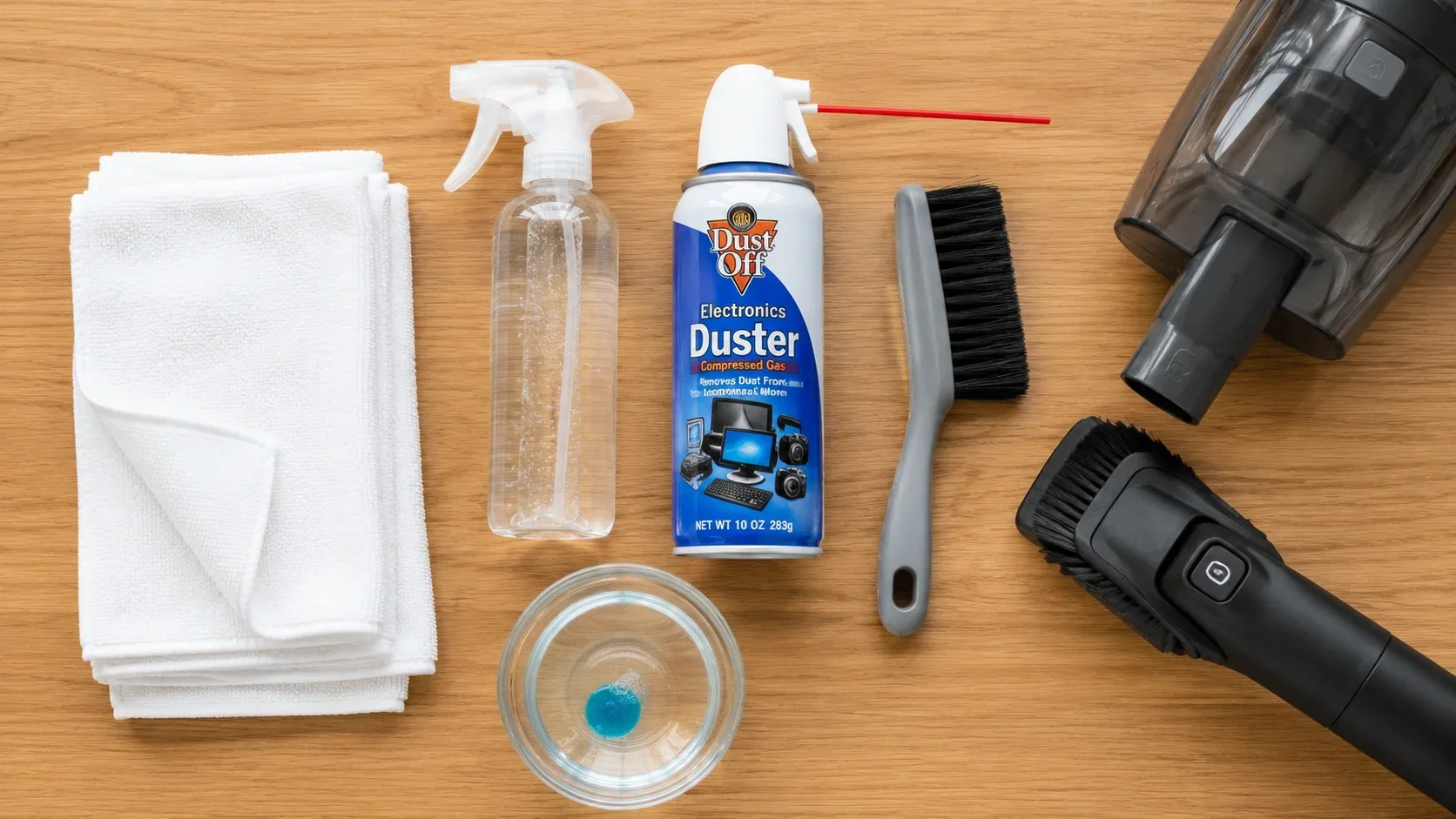
All the supplies you need for a thorough electric fireplace cleaning — most are already in your home.
Step-by-Step Cleaning Guide
Follow these seven steps in order for a complete cleaning that covers every part of your electric fireplace. The entire process typically takes 30–45 minutes for a standard cleaning, or up to 60 minutes for a deep clean.
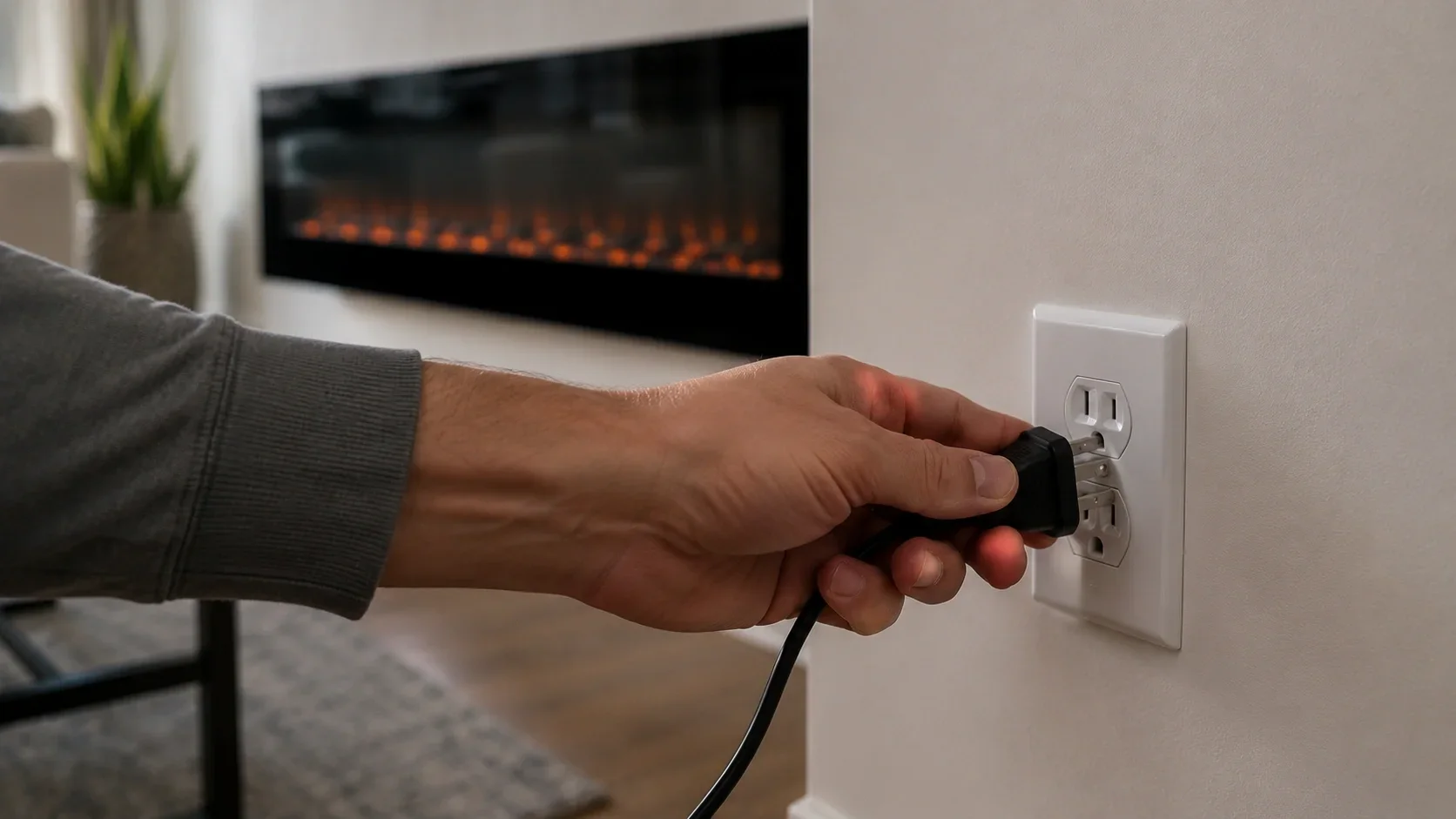
Power Off and Unplug
Turn off your electric fireplace using the power button, then unplug it from the wall outlet. If your unit is hardwired into your home's electrical system, switch off the corresponding circuit breaker at your panel. This step is non-negotiable — even a plugged-in unit in the "off" position can carry residual current to internal components.
- Wait at least 30 minutes after the last use before touching any interior parts.
- Verify the unit is completely cool by placing your hand near (not on) the heating element area.
- If your fireplace has a remote, remove the batteries as an extra safety measure.
Remove Decorative Components
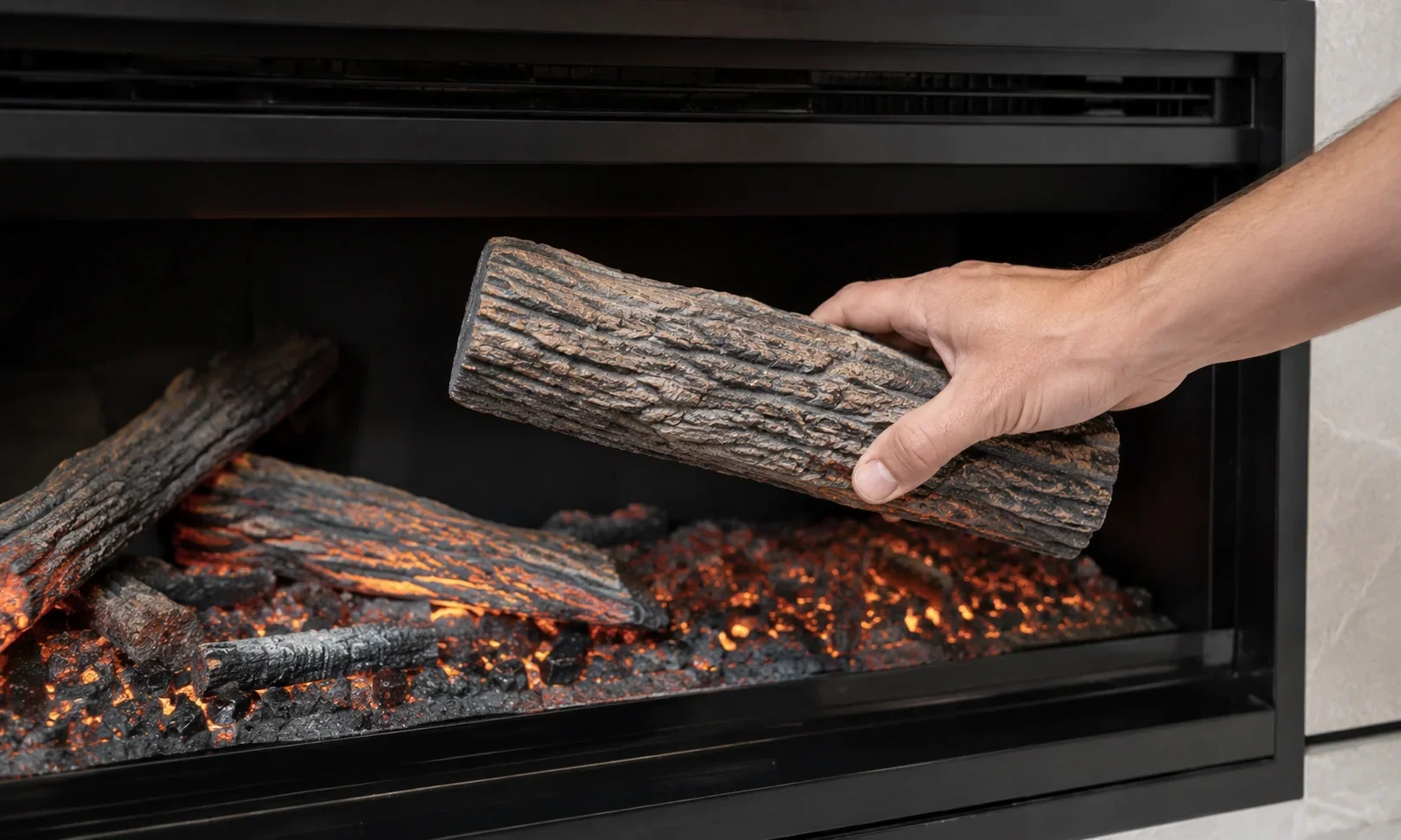
Most electric fireplaces feature removable decorative media — artificial logs, glowing embers, crystals, or stones — that sit inside the flame area. Carefully lift each piece out and place them on a clean, dry towel.
- Wipe each decorative piece gently with a dry microfiber cloth to remove surface dust.
- For resin or plastic logs, use a slightly damp cloth if needed, then dry immediately.
- For glass crystals or stones, rinse in a bowl of lukewarm water with a drop of mild dish soap. Dry thoroughly before reinserting.
- Take a photo before removing pieces so you remember their exact placement during reassembly.
Clean the Glass Panel
The glass panel is the most visible part of your electric fireplace, and keeping it clean dramatically improves the flame effect. Dust, fingerprints, and residue from household air can cloud the glass over time. For detailed techniques, see our dedicated fireplace glass cleaning guide.
- Never spray cleaner directly onto the glass. Spray onto a microfiber cloth first, then wipe.
- Use a non-ammonia glass cleaner. Ammonia can damage anti-reflective or tinted coatings.
- For stubborn residue: mix equal parts distilled water and white vinegar, apply with a microfiber cloth.
- Wipe in gentle circular motions, then buff with a clean, dry section of cloth.
- If your glass panel is removable, take it out for easier cleaning on both sides.
💡 Pro Tip
Clean the inside of the glass panel too — dust settles on the interior surface and is often the main culprit behind a dull flame display. Use a dry microfiber cloth for the inside surface to avoid any moisture reaching interior components.

Dust the Interior
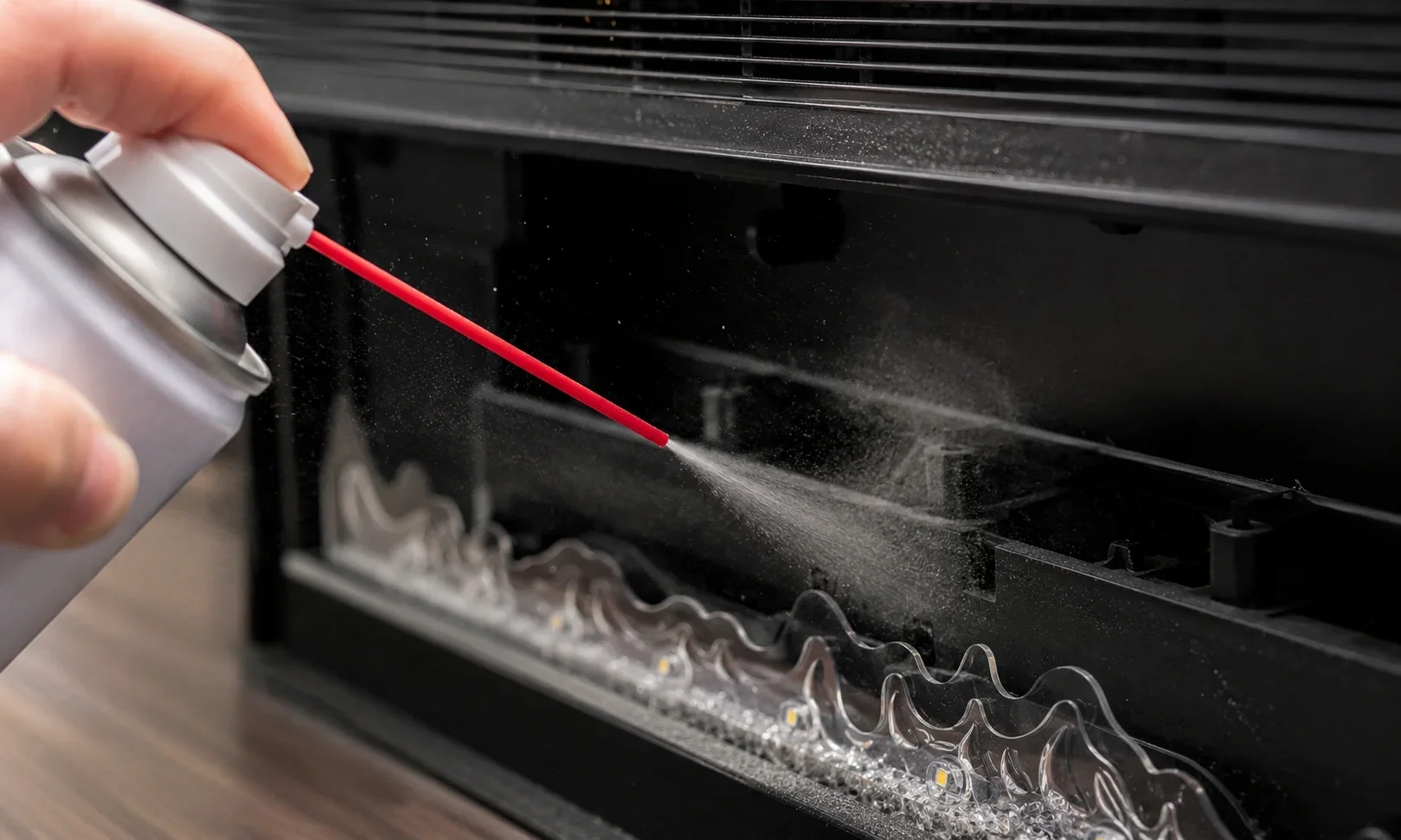
Interior dust is the most common cause of reduced performance and unpleasant odors in electric fireplaces. Use compressed air to blow dust away from the flame mechanism, LED components, reflectors, and any crevices you cannot reach with a cloth. A soft-bristle brush can help dislodge stubborn dust from corners and edges.
- Hold the compressed air can upright and use short bursts to avoid freezing the can.
- Keep the nozzle at least 4–6 inches away from any component.
- Never touch LED bulbs or the heating element with bare hands. Oils from your skin can damage these components.
- Use cotton swabs lightly dampened with distilled water for tight spaces around the flame motor.
- Gently vacuum the loose dust from the bottom of the interior using a brush attachment.
Clean the Vents and Air Intake
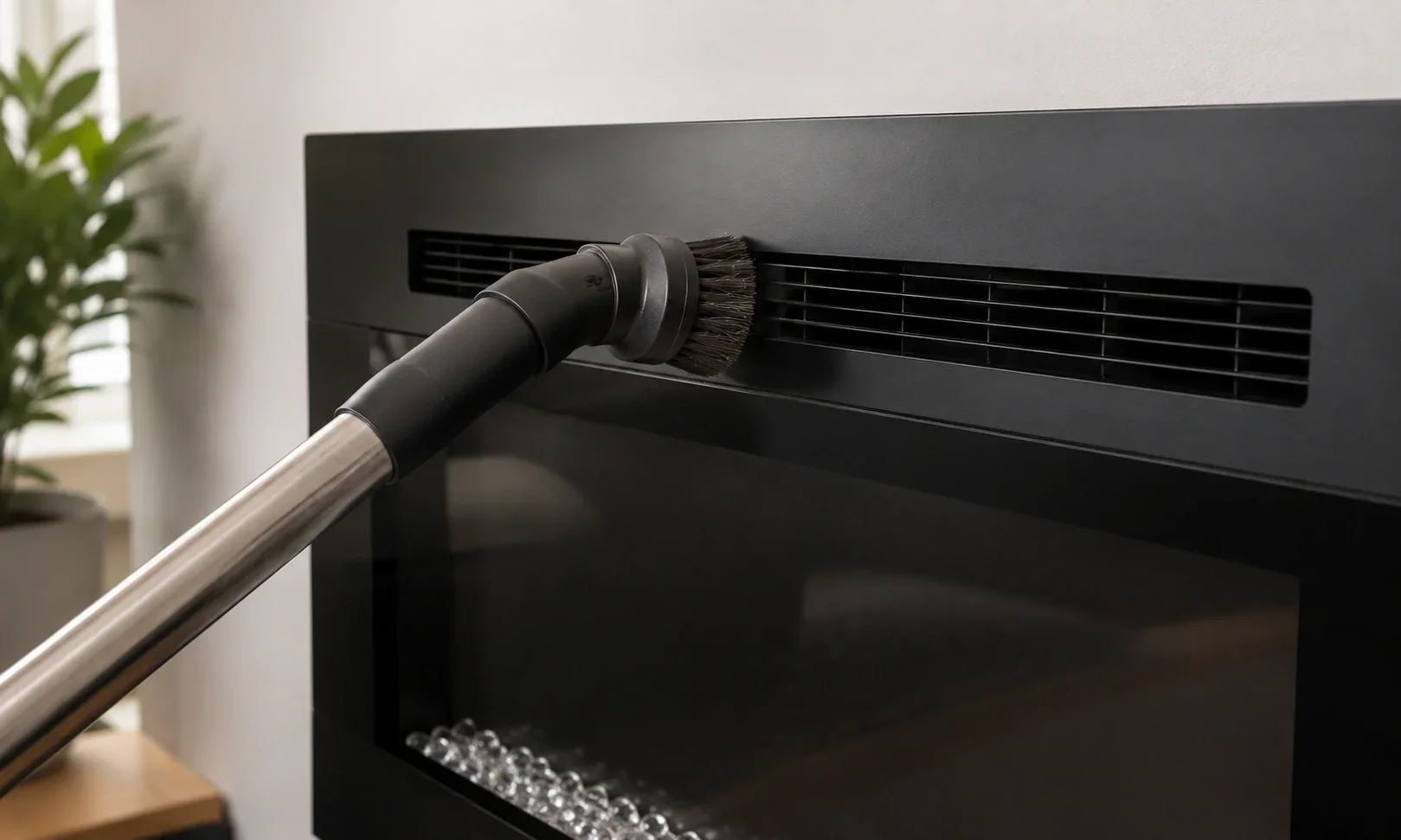
The vents and air intake openings are critical for proper airflow. When these become blocked with dust, pet hair, or debris, the heating element cannot dissipate warmth effectively, which reduces heating output and can trigger the unit's automatic shutoff. This is one of the most important steps for maintaining energy efficiency and preventing your fireplace from tripping the breaker.
- Locate all vent openings — typically at the top, bottom, or sides of the unit, depending on whether it is a wall-mounted or freestanding model.
- Vacuum exterior vents using a brush attachment on low suction.
- Use cotton swabs to clean narrow vent slots that the vacuum cannot reach.
- For deeply embedded dust, use compressed air to blow outward through the vent openings.
- Check that no furniture, curtains, or objects are blocking the vents on a day-to-day basis. Maintain at least 3 inches of clearance around all vent openings.
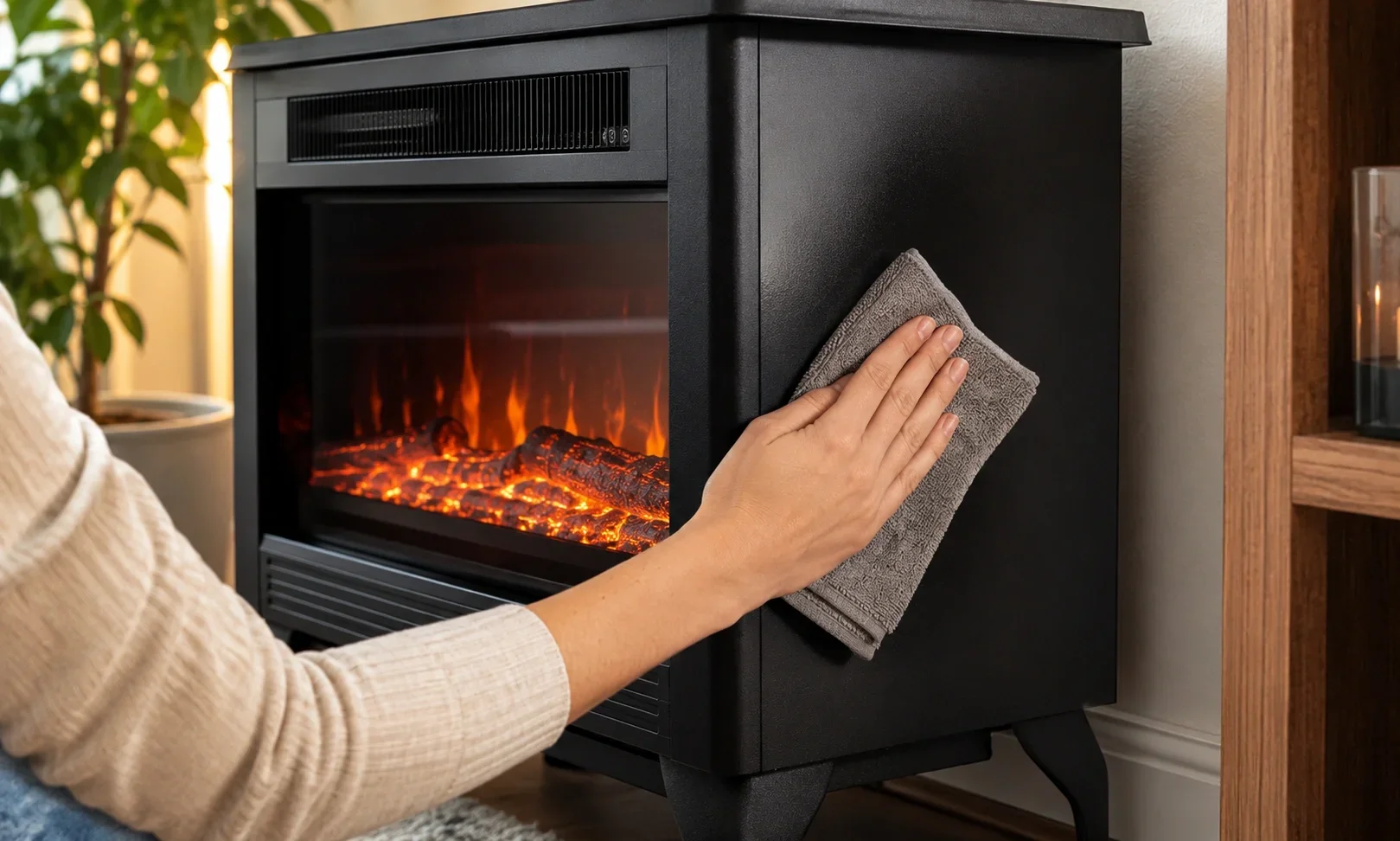
Wipe Down the Exterior
The exterior of your electric fireplace needs gentle cleaning that matches its material. Whether your unit features a metal surround, a decorative surround, or a shiplap finish, the right approach prevents damage while restoring its appearance.
- Metal and painted surfaces: Dampen a microfiber cloth with distilled water and a small drop of mild dish soap. Wipe gently, then dry immediately with a separate cloth to prevent water spots.
- Wood or MDF surrounds: Use a barely damp cloth. Excess moisture can warp or discolor wood finishes.
- Stone or brick surrounds: Refer to our brick and stone cleaning guide for specialized techniques.
- Touchscreen or control panels: Use a dry microfiber cloth only. Never use glass cleaner on control panels.
- Always wipe in the direction of the grain or texture for the best finish.
Reassemble and Test
After all components are completely dry, carefully replace the decorative media in their original positions. Secure the glass panel and any access panels that were opened. Plug the fireplace back in (or switch the breaker on for hardwired units) and perform a test run.
- Run the flame effect without heat first to verify the LED display works properly.
- Then activate the heater on its lowest setting and listen for any unusual sounds.
- A slight dusty smell during the first 10–15 minutes is normal — this is residual dust burning off the heating element. If the smell persists beyond 20 minutes or you see smoke, unplug and inspect the unit.
- Check that the remote control functions correctly. If you notice issues, see our remote control troubleshooting guide.
Cleaning by Fireplace Type
While the seven steps above cover the basics for all electric fireplaces, each installation type has specific cleaning considerations. Here is what to keep in mind based on how your fireplace is set up.
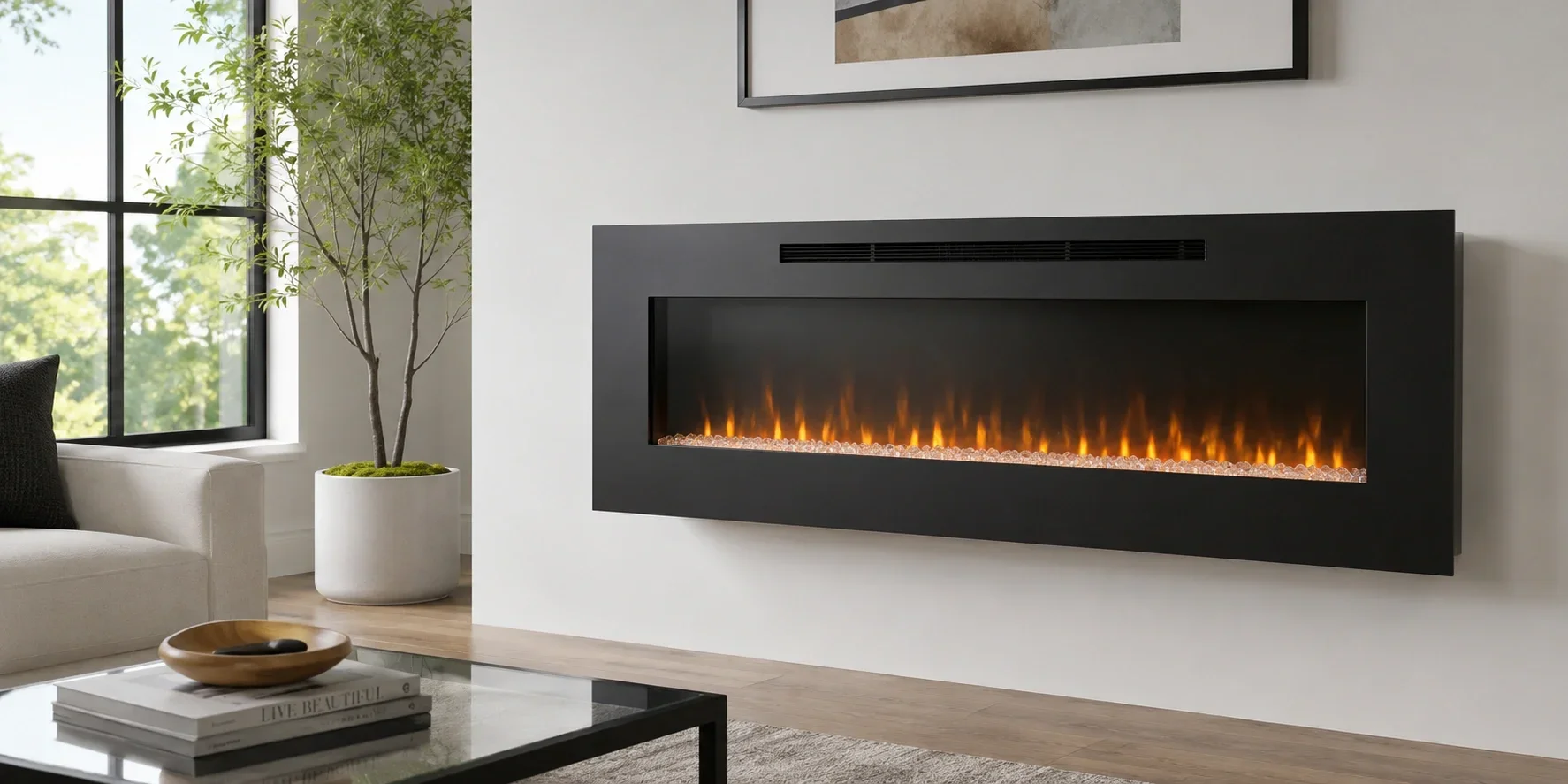
Wall-Mounted Fireplaces
Wall-mounted units are compact but their elevated position makes cleaning harder. Key considerations:
- Use a step stool for safe access to the top vent area.
- Be extra careful with compressed air — dust can fall onto walls or furniture below.
- Check the wall behind and around the unit for heat discoloration during each cleaning.
- Never remove a wall-mounted unit for cleaning unless the manufacturer's manual specifically allows it.
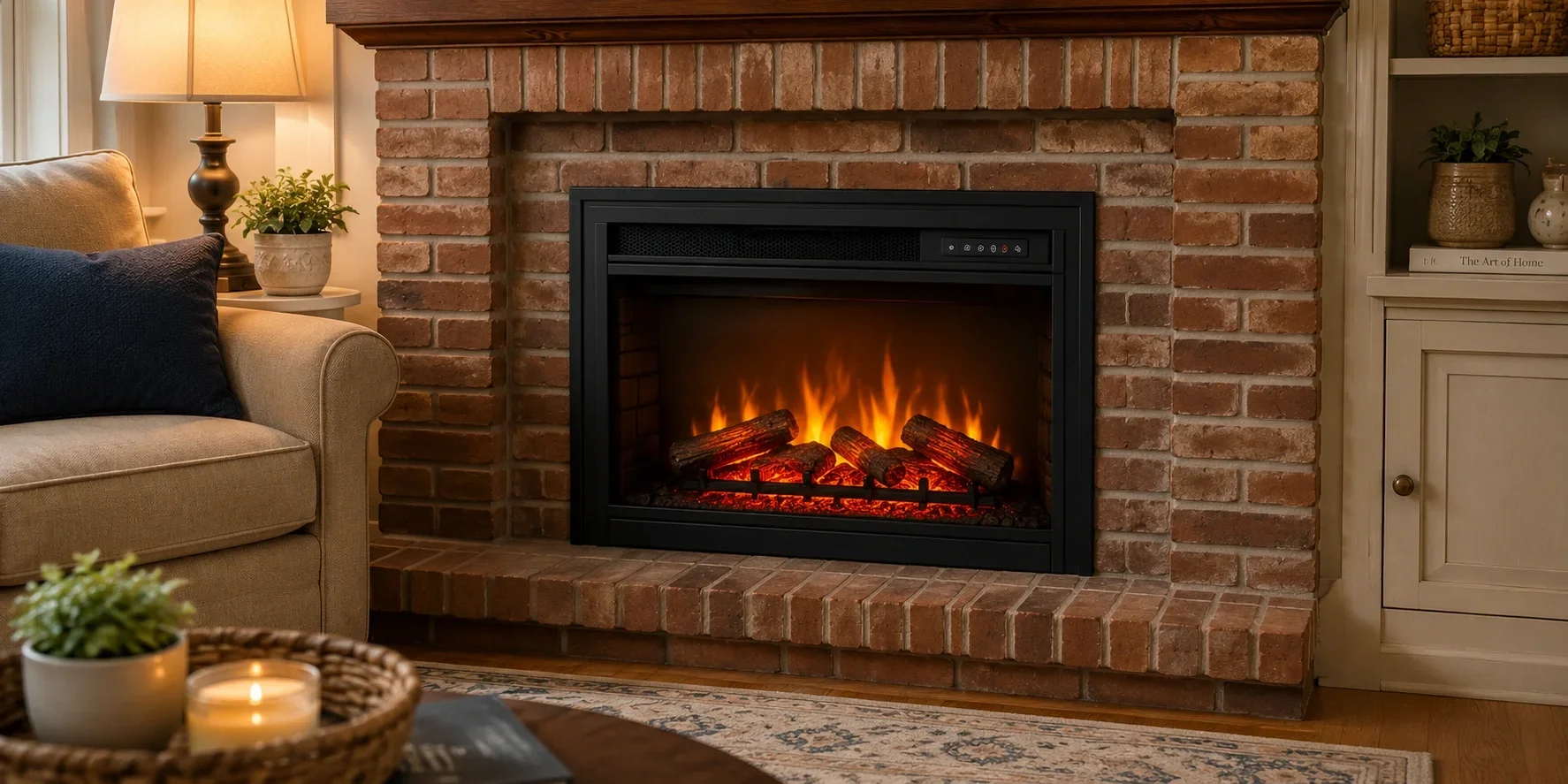
Electric Fireplace Inserts
Inserts sit inside an existing fireplace opening, which creates unique cleaning challenges:
- Check the existing firebox surrounding the insert for debris from previous wood or gas use.
- If the insert slides out, remove it for the most thorough cleaning access.
- Clean the surrounding firebox separately — old soot or ash can still create dust.
- Inspect the seal between the insert and the firebox for gaps that let dust enter.
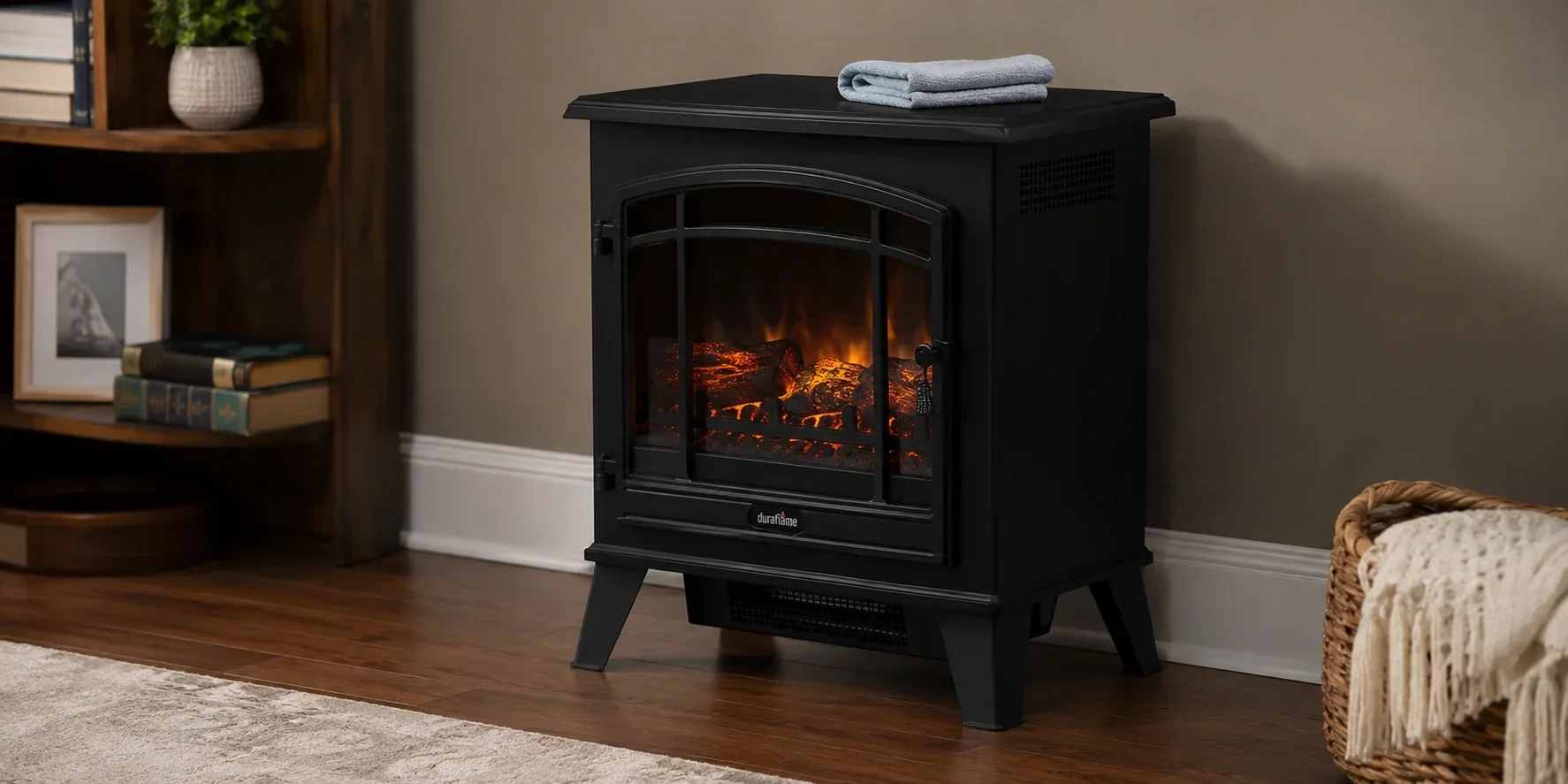
Freestanding & Stove Fireplaces
Freestanding units and stove-style fireplaces offer the best cleaning access since you can reach all sides:
- Move the unit away from the wall (unplugged) to clean the back panel and rear vents.
- Vacuum the floor area underneath — dust bunnies love to accumulate beneath freestanding units.
- For RV fireplaces and portable models, clean after every trip due to road dust exposure.
- Wipe down the base and feet, which collect dust from floor-level air circulation.
How Often Should You Clean?
Cleaning frequency depends on how often you use your fireplace and the environment it operates in. Homes with pets, high dust levels, or daily fireplace use need more frequent cleaning. Use this schedule as a baseline and adjust to your situation. For a comprehensive maintenance timeline, see our fireplace maintenance schedule.
| Component | Light Use (1–2x/week) | Daily Use | Pet Home / Dusty Area |
|---|---|---|---|
| Glass Panel | Every 2–4 weeks | Every 1–2 weeks | Weekly |
| Exterior Surfaces | Every 2–4 weeks | Every 1–2 weeks | Every 1–2 weeks |
| Interior Dusting | Every 3–6 months | Every 2–3 months | Every 1–2 months |
| Vents & Air Intake | Monthly | Every 2 weeks | Weekly |
| Decorative Media | Every 3–6 months | Every 2–3 months | Every 1–2 months |
| Full Deep Clean | Every 6 months | Every 3–4 months | Every 2–3 months |
💡 Seasonal Cleaning Tip
The best time for a deep clean is during seasonal transitions. Perform a thorough cleaning at the start of fall before heavy heating season begins, and again in spring when use decreases. Our seasonal fireplace checklist can help you stay on track.
Common Cleaning Mistakes to Avoid
Even with the best intentions, it is easy to make mistakes that can damage your electric fireplace. Avoid these common errors that we see homeowners make frequently:
- Spraying cleaner directly onto the fireplace Liquid can seep into vents and electrical components. Always spray onto a cloth first, then wipe.
- Using ammonia-based glass cleaner Ammonia can degrade anti-reflective and tinted coatings on fireplace glass. Stick to non-ammonia formulas or a vinegar-water solution.
- Cleaning while the unit is plugged in Even when powered off, a plugged-in fireplace has live electrical current. Always unplug before cleaning.
- Touching LED bulbs or heating elements with bare hands Skin oils can shorten bulb life and create hot spots on heating elements. Handle these components with a dry cloth or cotton swabs.
- Using abrasive scrubbers on glass Steel wool, abrasive sponges, and scouring pads will permanently scratch fireplace glass. Use only microfiber cloths.
- Skipping the vent cleaning Blocked vents are the number one cause of reduced heating efficiency and automatic shutoff issues. Always include vent cleaning in your routine.
- Not letting the unit cool before cleaning Heating elements can cause burns even 15–20 minutes after shutoff. Wait a full 30 minutes to be safe.
Signs Your Fireplace Needs Deep Cleaning
Not sure if it is time for a deep clean? Watch for these indicators that your electric fireplace is overdue for thorough maintenance. If you notice any of these issues, the cleaning steps in this guide will resolve most of them. For persistent problems, consult our electric fireplace maintenance guide or consider scheduling a professional electric fireplace inspection.
Burning Dust Smell
A dusty or burning odor when you turn on the heater means dust has accumulated on the heating element and is burning off.
Cloudy or Dull Glass
If the flame effect looks dim or hazy even when the unit is on, the glass panel likely needs cleaning on both sides.
Noisy Fan Operation
A rattling or buzzing fan often means dust has built up on the blower fan blades, causing imbalance and noise.
Reduced Heat Output
If the room is not warming like it used to, blocked vents or a dusty heating element could be restricting airflow.
Unexpected Shutoffs
Overheating from blocked vents can trigger the safety shutoff. If your unit turns off unexpectedly, check the vents first.
Visible Dust on Vents
If you can see dust clinging to the vent openings from the outside, the interior is likely significantly dustier.
Cleaning Effort: Electric vs. Other Fireplace Types
One of the biggest advantages of owning an electric fireplace is how simple it is to maintain compared to other fuel types. If you are considering switching from gas or wood, or choosing a fireplace for the first time, here is how the cleaning workload compares. For more detailed comparisons, visit our gas vs electric fireplace comparison and electric vs wood fireplace guide.
Cleaning & Maintenance Comparison
Electric Fireplace
Time per cleaning: 20–45 min
Frequency: Every 2–6 weeks
Annual supply tier: Entry-level
Professional needed: Rarely
Main task: Dusting and glass cleaning
Gas Fireplace
Time per cleaning: 1–2 hours
Frequency: Annually (min.)
Annual service tier: Mid-range
Professional needed: Recommended yearly
Main task: Burner, valve, and glass cleaning
Wood Fireplace
Time per cleaning: 2–4 hours
Frequency: After every 50 burns
Annual sweep tier: Mid-range
Professional needed: Annually required
Main task: Chimney sweeping, ash removal
Pro Tips for Easy Maintenance
These expert tips go beyond basic cleaning to help you minimize maintenance effort and keep your electric fireplace performing at its best between cleanings.
🔄 Use a Dust Cover During Off-Season
When you are not using your fireplace for extended periods, cover it with a breathable fabric cover. This prevents dust from settling on the glass and entering vents. See our summer fireplace care guide for off-season tips.
🐾 Vacuum Pet Hair Weekly
Pet hair is the number one vent blocker for electric fireplaces in homes with animals. Run a vacuum with a brush attachment over the vent openings once a week to prevent buildup.
💨 Keep Air Circulating
Maintain at least 3 inches of clearance around all sides and vents. Furniture pushed too close blocks airflow and accelerates dust accumulation near the intake. Check our furniture distance guidelines for safe placement.
📋 Create a Cleaning Calendar
Set phone reminders or mark your calendar for regular cleaning intervals. Consistency is more effective than occasional deep cleaning. Use our maintenance schedule as a template.
🔦 Inspect During Each Cleaning
While cleaning, check for loose wires, cracked glass, or unusual wear. Catching small issues early prevents costly repairs. Our DIY inspection checklist walks you through what to look for.
🧴 Avoid Chemical Air Fresheners Nearby
Aerosol sprays and air fresheners near the fireplace can leave a residue on the glass and interior components. The fan draws in surrounding air, so any airborne chemicals pass through the unit.
Frequently Asked Questions
Clean the exterior and glass every 2–4 weeks during regular use. Perform a thorough interior cleaning every 3–6 months, or more frequently if you use the fireplace daily. Vents should be checked monthly to ensure unobstructed airflow. Homes with pets or high dust levels should clean more frequently — approximately every 1–2 weeks for exterior surfaces and monthly for interior dusting.
Avoid ammonia-based glass cleaners, as they can damage anti-reflective or tinted coatings on some fireplace glass panels. Use a non-ammonia glass cleaner or a mixture of equal parts distilled water and white vinegar applied with a microfiber cloth. Always spray the cleaner onto the cloth first, never directly onto the glass surface.
Yes, always unplug your electric fireplace before cleaning. This is a critical safety step that prevents electric shock and damage to internal components. Even when the unit is switched off, a plugged-in fireplace still has live electrical current. If your fireplace is hardwired, switch off the circuit breaker at your electrical panel. Wait at least 30 minutes after use for the unit to cool completely before touching any interior parts.
Yes, excess moisture can damage electrical components, cause short circuits, and void your warranty. Never spray water or cleaner directly onto the fireplace. Use a lightly dampened cloth for exterior surfaces only, and avoid liquid contact with the interior, heating elements, control panels, or any electrical parts. Ensure all components are completely dry before plugging the unit back in.
A slight odor during the first use after cleaning is usually caused by residual dust burning off the heating element. This is normal and should dissipate within 10–15 minutes of operation. If you used any cleaning solutions near the heating area, the smell could also be from minor residue evaporating. If the smell persists beyond 20 minutes, is accompanied by visible smoke, or smells like burning plastic, unplug the unit immediately and consult the manufacturer or a qualified technician.
A standard surface cleaning — wiping the glass and exterior, and checking the vents — takes about 15–20 minutes. A full deep cleaning that includes removing decorative components, dusting the interior, cleaning vents thoroughly, and wiping all surfaces typically takes 40–60 minutes. Allow additional time for the unit to cool completely (30 minutes) before starting any interior work.
Quick Reference: Electric Fireplace Cleaning
Keeping your electric fireplace clean is straightforward once you establish a routine. With just 30 minutes of attention every few weeks, your fireplace will continue delivering reliable warmth and beautiful flame effects for years to come. If you are considering upgrading your current unit or purchasing your first electric fireplace, explore our recommendations below — we have selected models that are specifically easy to clean and maintain.