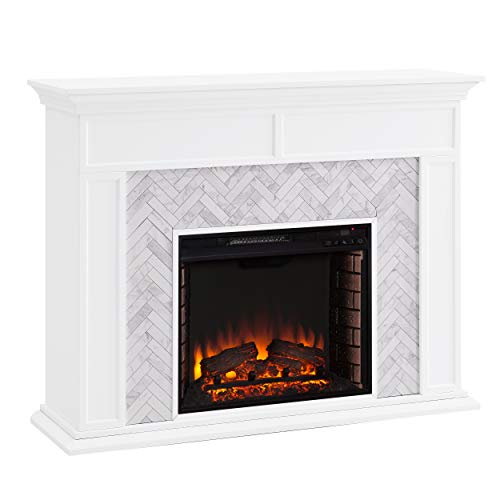
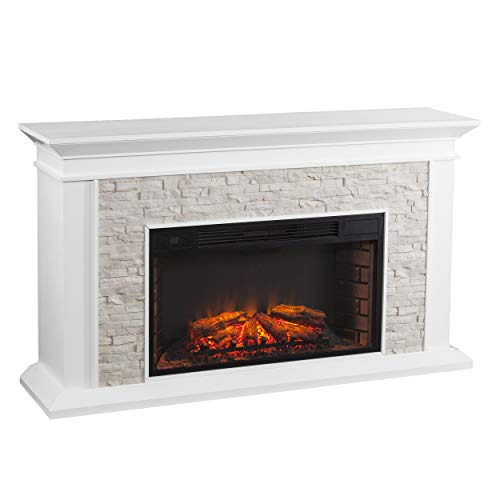
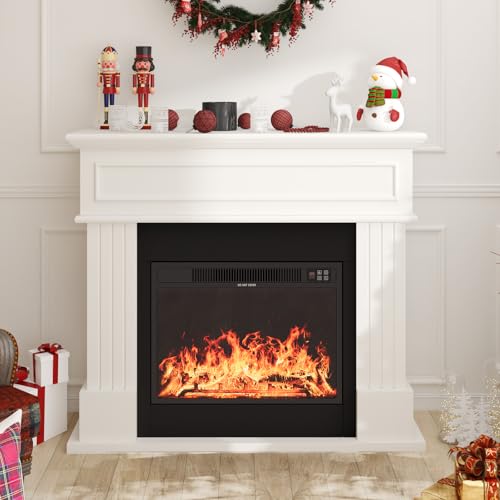
Tiled Fireplace: Complete Design Guide
Transform your fireplace with beautiful tile surrounds. Learn about materials, designs, costs, and installation techniques for stunning results.
EXPLORE TILE IDEASWhy Choose a Tiled Fireplace? Tile surrounds offer unmatched design versatility, easy maintenance, and lasting beauty. Whether you prefer classic elegance or modern sophistication, tile transforms an ordinary fireplace into a stunning focal point that enhances your entire room.
What is a Tiled Fireplace?
A tiled fireplace features ceramic, porcelain, stone, or glass tiles covering the fireplace surround, hearth extension, or both. Unlike plain brick or painted surfaces, tiled fireplaces offer virtually unlimited design possibilities through color, pattern, texture, and layout variations.
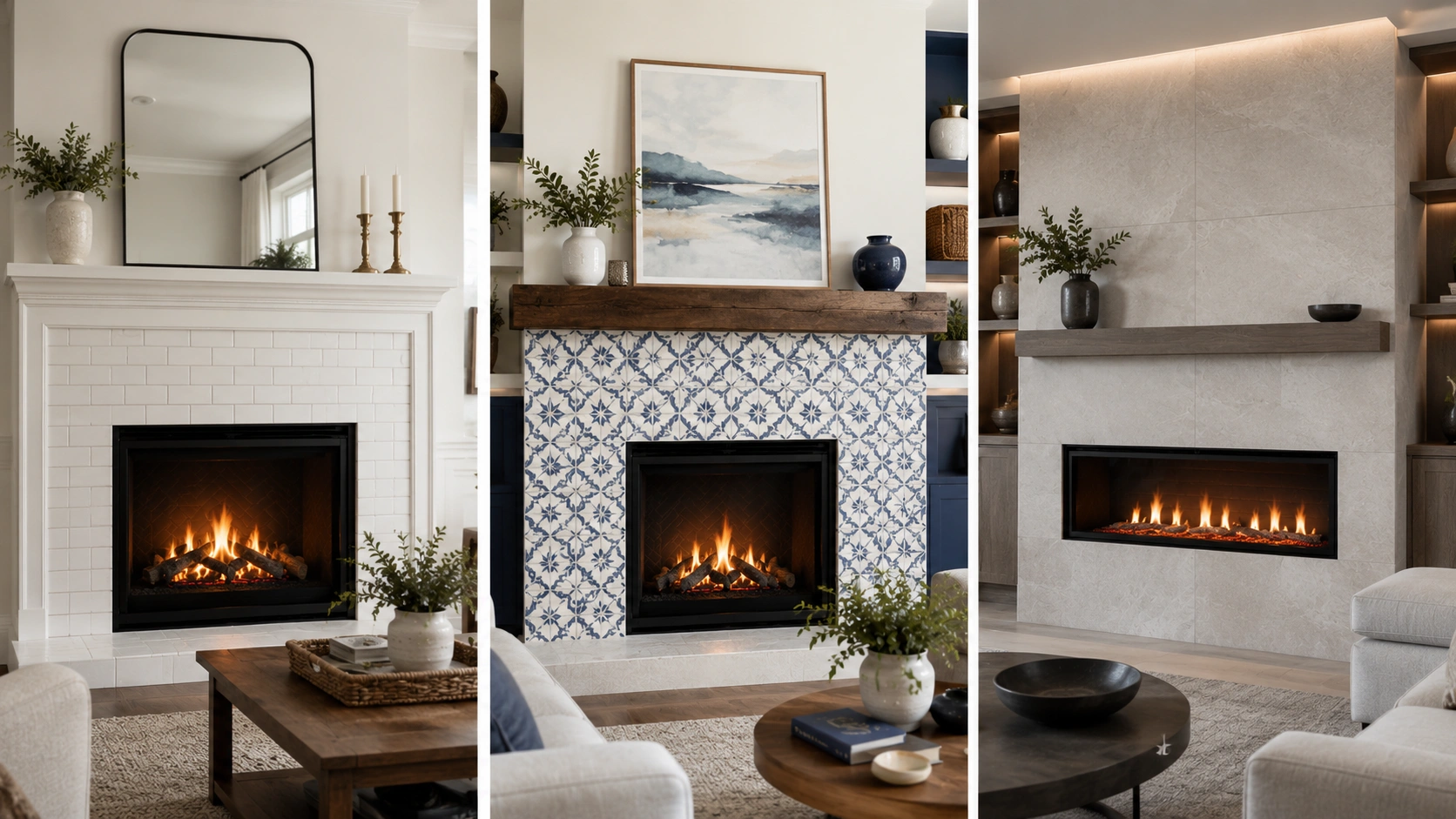
Tiling a fireplace is more than just covering a surface—it's about creating a cohesive design element that complements your room's architecture and reflects your personal style. The right tile choice can make a small room feel larger, add warmth to contemporary spaces, or honor the character of period homes.
Types of Tiles for Fireplaces
Choosing the right tile material is crucial for both aesthetics and performance near heat sources:
Ceramic Tile
- Affordable: $2-$8 per square foot
- Wide color and pattern selection
- Good heat resistance
- Easy to clean and maintain
- Best for: Budget-friendly projects
Porcelain Tile
- Mid-range: $3-$12 per square foot
- Extremely durable and dense
- Low water absorption rate
- Excellent heat tolerance
- Best for: High-traffic areas
Natural Stone Tile
- Premium: $8-$25+ per square foot
- Includes marble, slate, travertine
- Unique natural patterns
- Requires sealing for protection
- Best for: Luxury installations
Glass Tile
- Premium: $7-$30+ per square foot
- Reflective and luminous
- Non-porous surface
- Modern, contemporary look
- Best for: Accent areas and mosaics
Benefits of Tiled Fireplaces
Tiled fireplaces offer numerous advantages that make them a popular choice for homeowners:
- Design Versatility: Unlimited color, pattern, and texture options allow you to match any decor style from traditional to modern.
- Easy Maintenance: Non-porous tiles resist stains and are simple to clean with mild soap and water.
- Heat Resistance: Properly rated tiles withstand fireplace temperatures without cracking or discoloring.
- Cost Flexibility: Options range from budget-friendly ceramic to luxurious natural stone.
- Durability: Quality tile installations last for decades with minimal upkeep.
- Value Addition: A well-designed tiled fireplace can significantly increase your home's appeal. Learn about fireplace impact on home value.
- Customization: Mix different tile types, create custom patterns, or incorporate decorative elements for a unique look.
- Allergy-Friendly: Unlike carpet or fabric, tiles don't trap dust, allergens, or smoke particles.
Design Ideas and Styles
Tiled fireplaces can complement virtually any architectural style. Here are popular design approaches:
Classic Subway Tile
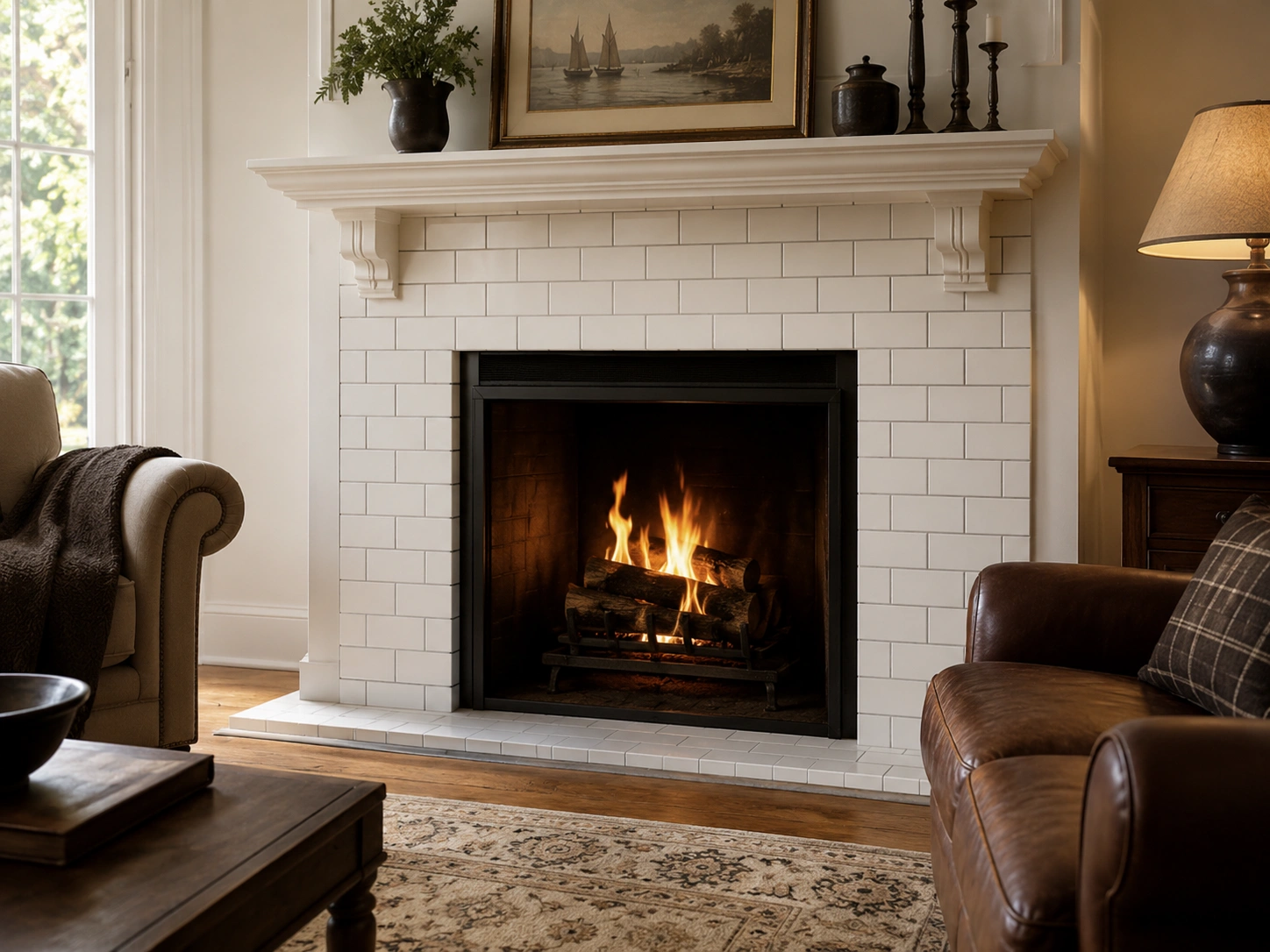
Subway tiles create a timeless, clean look that works in both traditional and transitional spaces. Lay them in standard brick pattern, herringbone, or vertical stacks for different effects. White subway tile is classic, but colored options add personality.
Mosaic Patterns
Mosaic tiles create intricate patterns and are perfect for adding visual interest to fireplace surrounds. Small glass mosaics catch and reflect light beautifully, while stone mosaics add texture and depth. Mosaics work particularly well as accent bands or in combination with larger field tiles.
Large Format Tiles
Oversized tiles (12x24 inches or larger) create a sleek, contemporary look with minimal grout lines. This approach is popular in minimalist designs and makes small spaces feel larger. Large-format porcelain tiles that mimic natural stone offer luxury at a lower cost.
Patterned and Decorative Tiles
Encaustic, Moroccan, or hand-painted tiles create stunning focal points perfect for vintage-inspired or eclectic spaces. Use patterned tiles as accents within a field of solid-colored tiles, or cover the entire surround for maximum impact.
Vertical Emphasis
Installing tiles vertically rather than horizontally draws the eye upward, making ceilings appear higher. This technique is particularly effective in rooms with standard ceiling heights or when creating tall fireplace designs.
Room-Specific Considerations
Different rooms present unique requirements for tiled fireplaces:
Living Rooms
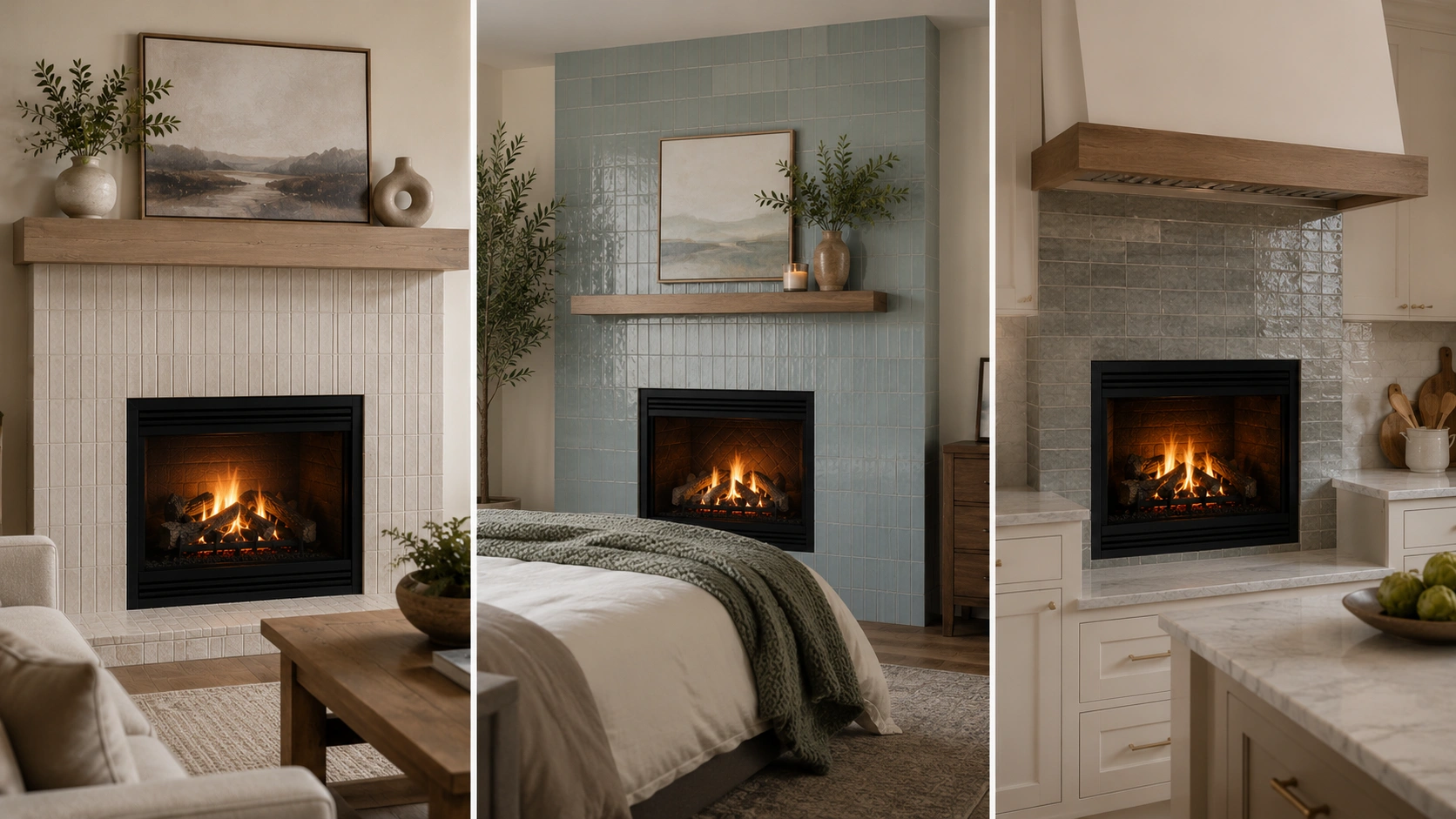
Living room fireplaces are typically the focal point, so tile choices should complement the overall design scheme. Consider the room's size—large tiles work well in spacious rooms, while smaller tiles or mosaics suit cozy spaces. Neutral tones with textured tiles add sophistication without overwhelming the space.
Bedrooms
Bedroom fireplaces benefit from soothing, calming tile choices. Soft colors, subtle patterns, and matte finishes create a relaxing atmosphere. Consider using the same tile on both the fireplace surround and accent walls for a cohesive look.
Kitchens
Kitchen fireplaces should coordinate with cabinetry and countertops. Durable, easy-to-clean tiles like porcelain or ceramic are practical choices. Consider extending the backsplash tile to the fireplace surround for visual continuity.
Installation Considerations
Proper installation is essential for a safe, long-lasting tiled fireplace:
Surface Preparation
The existing surface must be clean, structurally sound, and properly prepared. Remove any loose material, repair cracks, and apply appropriate primer. For fireplace remodeling projects, this may involve removing old tile or addressing moisture issues.
Heat-Resistant Materials
Use thin-set mortar specifically rated for high-temperature applications near the firebox opening. Standard thin-set may degrade under extreme heat, causing tiles to loosen or crack over time.
Grout Selection
Choose grout that matches your tile type and usage. Epoxy grout offers superior stain resistance and durability but is more difficult to work with. Cement-based grout is easier to apply but requires sealing. Consider grout color carefully—it can significantly impact the final appearance.
Expansion Joints
Include expansion joints where tile meets different materials (wood mantels, drywall, metal surrounds) to accommodate thermal expansion and prevent cracking. This is especially important for fireplaces that will be used frequently.
Professional Installation Recommendation
While experienced DIYers can tackle simple tile projects, fireplace installations require specialized knowledge of heat-resistant materials, proper substrate preparation, and building codes. Improper installation can lead to safety hazards. Compare the options in our DIY vs professional installation guide.
Cost Breakdown
Tiled fireplace costs vary significantly based on materials, complexity, and labor:
Material Costs
Labor and Additional Costs
- Professional Installation: $500-$2,500 depending on complexity
- Surface Preparation: $200-$800 if significant work is needed
- Mortar, Grout, and Supplies: $50-$150
- Sealer (for natural stone): $30-$80
- Removal of Existing Materials: $200-$600 if required
For comprehensive pricing, see our fireplace cost breakdown guide.
Maintenance and Care
Proper maintenance keeps your tiled fireplace looking beautiful for years:
Regular Cleaning
Clean tiles weekly with a soft cloth and pH-neutral cleaner. Avoid abrasive cleaners or scouring pads that can scratch tile surfaces or damage grout. For soot buildup near the firebox, use specialized fireplace cleaning techniques.
Grout Maintenance
Grout is the most vulnerable part of a tiled fireplace. Seal grout lines annually to prevent staining and moisture penetration. Clean grout with a soft brush and mild cleaner—never use bleach on colored grout as it can cause discoloration.
Natural Stone Care
Natural stone tiles require additional maintenance including periodic sealing (every 1-2 years), immediate cleanup of spills, and use of stone-specific cleaners. Some stones are more porous and stain-prone than others.
Seasonal Inspections
Include your tiled fireplace in your seasonal maintenance routine. Check for loose tiles, cracked grout, or signs of moisture damage. Address issues promptly to prevent more extensive damage.
Heat Damage Prevention
Even heat-resistant tiles can be damaged by excessive temperatures. Maintain proper clearances from the firebox opening, use a fireplace screen to protect tiles from direct flame contact, and avoid using your fireplace at extremely high temperatures for extended periods.
Common Problems and Solutions
Even well-installed tiled fireplaces may encounter issues over time:
Cracked Tiles
Cracks can result from thermal stress, substrate movement, or impact. Small hairline cracks may be cosmetic, but larger cracks require tile replacement. Address underlying causes—such as inadequate expansion joints—before replacing tiles to prevent recurrence.
Grout Deterioration
Grout can crumble, discolor, or develop mold in damp environments. Remove damaged grout and regrout using appropriate products. Consider upgrading to epoxy grout for superior durability in high-moisture areas.
Stained Tiles
Smoke, soot, and spills can stain tiles, especially natural stone. Use poultice treatments for deep stains on porous materials. For soot buildup, specialized fireplace cleaners work better than general household products.
Loose Tiles
Tiles become loose when mortar bond fails, often due to moisture behind the tile or improper initial installation. Remove loose tiles, clean the substrate thoroughly, and reinstall using appropriate heat-resistant mortar.
Efflorescence
White mineral deposits (efflorescence) appear when moisture moves through masonry behind tiles. Address moisture sources, clean deposits with specialized cleaners, and ensure proper ventilation. This is often a sign of underlying moisture issues that need attention.
Tile vs. Other Fireplace Materials
Understanding how tile compares to other surround materials helps you make the best choice:
| Feature | Tile | Brick | Natural Stone | Painted Drywall |
|---|---|---|---|---|
| Design Options | Excellent | Limited | Good | Unlimited |
| Heat Resistance | Excellent | Excellent | Good | Poor |
| Maintenance | Low | Medium | High | High |
| Durability | Excellent | Excellent | Good | Poor |
| Installation Cost | Medium | High | High | Low |
| Moisture Resistance | Excellent | Poor | Variable | Poor |
For more comparisons, explore our fireplace surrounds guide.
DIY Tiled Fireplace Considerations
While professional installation is recommended, experienced DIYers can successfully tile a fireplace with proper planning:
Assess Your Skills
Honestly evaluate your tiling experience. Simple subway tile layouts are more forgiving than complex patterns or mosaics. If you've never tiled before, consider practicing on a less visible project first. Check our DIY fireplace feasibility guide.
Gather Proper Materials
Purchase heat-resistant thin-set mortar, appropriate tiles, grout, sealer, and all necessary tools. Don't compromise on material quality to save money—this is a long-term installation. See our DIY fireplace tile guide for specific product recommendations.
Plan Your Layout
Mock up your tile pattern before starting. Consider how cuts will fall at edges and corners. Plan for expansion joints and transition points. A well-planned layout minimizes difficult cuts and ensures a professional appearance.
Prepare the Surface Thoroughly
Surface preparation is more important than the tiling itself. Ensure the substrate is clean, level, structurally sound, and properly primed. Address any moisture issues before proceeding.
Work in Manageable Sections
Don't try to tile the entire surround at once. Work in small sections, checking level and alignment frequently. Use spacers consistently and remove excess mortar before it dries.
Allow Proper Curing Time
Follow manufacturer recommendations for mortar and grout curing times before using your fireplace. Premature exposure to heat can compromise the installation.
Safety Considerations
Safety is paramount when working around fireplaces:
- Clearance Requirements: Maintain proper clearances between combustible materials and the firebox opening as specified by local codes and the fireplace manufacturer.
- Heat-Rated Materials: Only use tiles and installation materials specifically rated for fireplace applications near the firebox.
- Ventilation: Ensure proper ventilation to prevent moisture buildup behind tiles, which can cause mold and structural damage.
- Carbon Monoxide Detection: Any fireplace modification should include verification that carbon monoxide detection systems are functioning properly.
- Professional Inspection: Have your completed installation inspected by a qualified professional before regular use, especially if modifications were made to the firebox or venting system.
- Local Permits: Check permit requirements before starting your project. Some jurisdictions require permits for fireplace modifications.
Enhancing Your Tiled Fireplace
Complete your tiled fireplace with complementary elements:
Mantels and Shelves
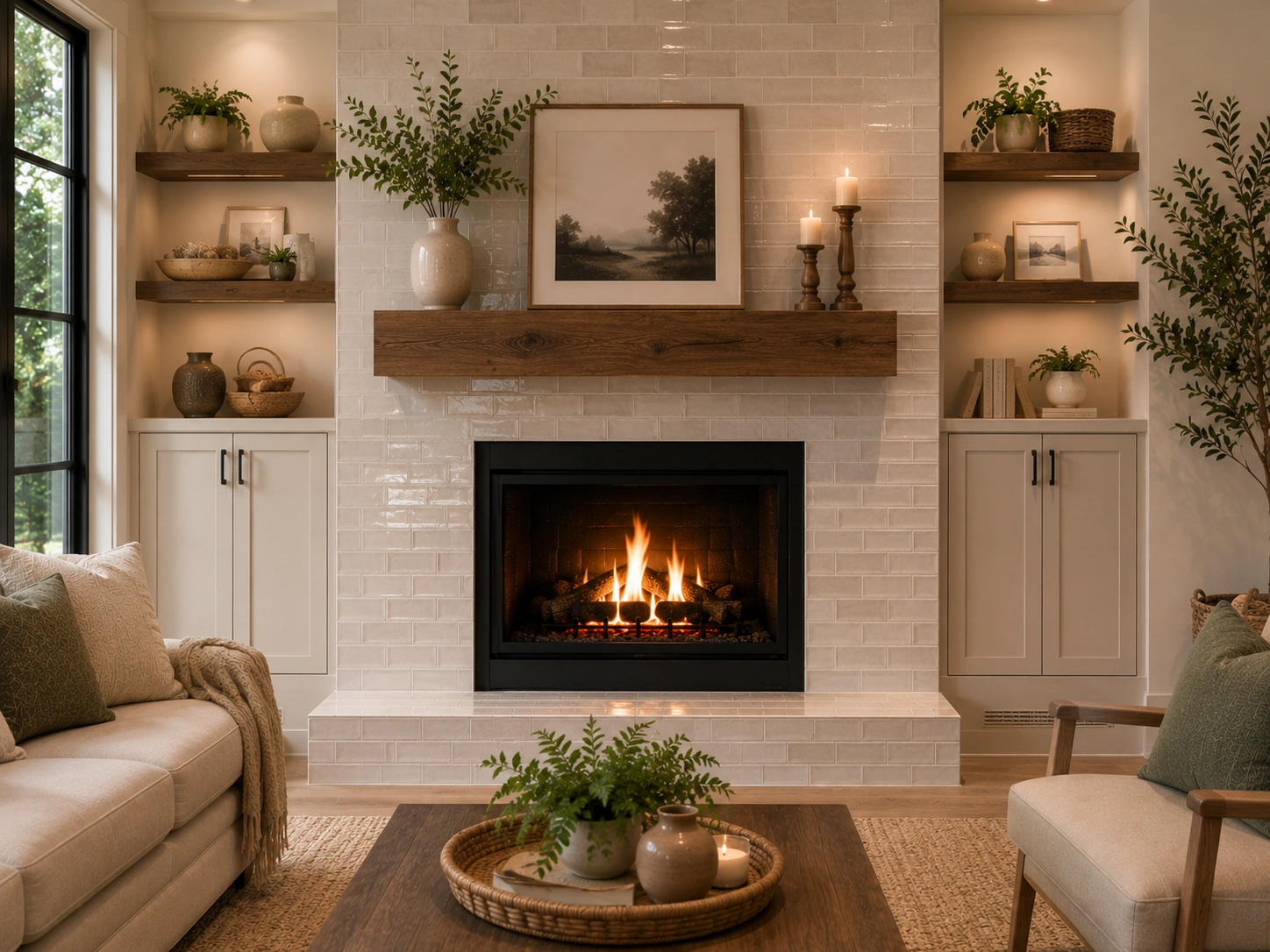
A well-chosen fireplace mantel provides a framing element that ties the tile surround to the room. Wood mantels add warmth, while stone or metal options create different aesthetic effects. Ensure mantel installation doesn't compromise tile integrity.
Lighting
Strategic lighting highlights tile textures and patterns. Recessed lighting above the mantel, sconces on either side, or LED strip lighting behind floating shelves can dramatically enhance your tiled fireplace's visual impact.
Hearth Extensions
Extending tile to the hearth creates visual continuity and defines the fireplace zone. Use the same tile or complementary materials for a cohesive look. Ensure hearth tiles are rated for foot traffic if the area will be walked on.
Decor and Accessories
Fireplace decor should complement rather than compete with your tile design. Choose accessories that harmonize with tile colors and styles. Metallic accents often work beautifully with tile surfaces.
When to Consider Professional Help
While DIY can save money, certain situations call for professional expertise:
- Structural Issues: If the fireplace surround has cracks, water damage, or structural problems, professional assessment is essential.
- Complex Patterns: Intricate designs, multiple tile types, or custom layouts benefit from professional expertise.
- Natural Stone Installation: Natural stone requires specialized knowledge of sealing, cutting, and installation techniques.
- Firebox Modifications: Any changes to the firebox itself should be handled by certified professionals.
- Ventilation Concerns: If moisture problems exist or ventilation modifications are needed, professional assessment prevents future issues.
- Historic Properties: Older homes may require specialized techniques to preserve historical integrity while meeting modern safety standards.
Making Your Decision
Choosing the right tiled fireplace involves balancing several factors:
- Budget: Determine your total budget including materials, labor, and contingency for unexpected issues.
- Style Preferences: Consider your home's architectural style and your personal aesthetic preferences.
- Usage Patterns: Frequent fireplace use requires more durable materials and professional installation.
- Maintenance Willingness: Be realistic about the maintenance you're willing to perform over time.
- Long-Term Plans: Consider how long you plan to stay in the home and whether the investment aligns with your timeline.
- Room Context: Ensure your tile choices work with existing room elements and future furnishing plans.
Conclusion
A tiled fireplace offers a perfect blend of beauty, durability, and design flexibility. Whether you choose classic subway tile, luxurious natural stone, or contemporary large-format porcelain, tile transforms your fireplace into a stunning focal point that enhances your entire living space.
By understanding the various tile options, installation requirements, and maintenance needs outlined in this guide, you're well-equipped to make informed decisions that will result in a beautiful, long-lasting tiled fireplace. The investment in quality materials and proper installation pays dividends for decades through enhanced comfort, increased home value, and daily enjoyment of your fireplace's beauty.
Ready to explore specific tiled fireplace options? Check out our recommended products below, or continue your research with our comprehensive fireplace tile ideas gallery.