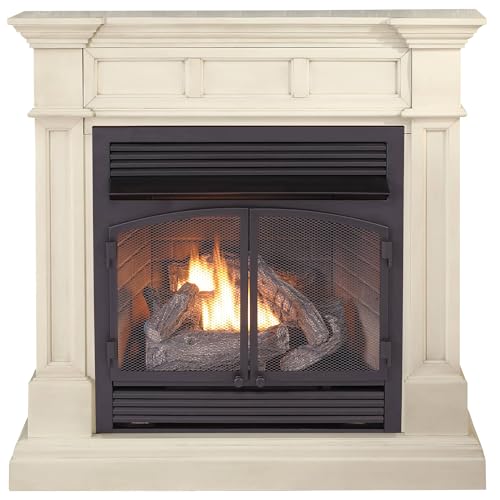
Ventless Gas Fireplace Insert with Glass Front
Discover the perfect blend of efficiency, elegance, and convenience with a ventless gas fireplace insert featuring a glass front. This comprehensive guide will help you understand everything you need to know before making a purchase.
View Recommended ModelsA ventless gas fireplace insert with a glass front is one of the most versatile and efficient heating solutions for modern homes. Unlike traditional wood-burning fireplaces that require a chimney and produce significant emissions, ventless (also known as vent-free) gas inserts are designed to operate without external venting. This makes them an excellent choice for homeowners who want the ambiance of a real fire without the hassle and expense of a chimney system.
The glass front on these inserts serves both aesthetic and functional purposes. It enhances the realism of the flame, prevents drafts from disturbing the fire, and adds a layer of safety by keeping embers and combustion byproducts contained. For those who are exploring their options, understanding the different types of fireplaces can help you make a more informed decision.
Why Choose Ventless? Ventless gas inserts are up to 99% efficient, meaning almost all the heat they produce stays in your room. This makes them an excellent supplemental heating source, especially in homes where adding a chimney or venting system is impractical or too costly.
How Does a Ventless Gas Fireplace Insert Work?
A ventless gas fireplace insert burns natural gas or propane and releases combustion byproducts directly into the room. The key to this technology is a catalytic converter or a specialized burner system that ensures complete combustion, minimizing harmful emissions. When paired with a glass front, the unit becomes even more efficient because the glass helps maintain consistent temperatures and prevents heat loss.
These inserts are typically installed into an existing fireplace opening, which means you can upgrade your old masonry or prefabricated fireplace without major renovations. If you are considering a replacement, our guide on electric fireplace inserts into wood burning fireplaces can provide additional context for alternative options.
Key Benefits of a Ventless Gas Insert with Glass Front
High Efficiency
Ventless inserts are renowned for their high efficiency ratings, often exceeding 90%. This means more heat for your home and lower energy bills compared to vented alternatives.
Easy Installation
No chimney or external venting required. These inserts can be installed in almost any room with access to a gas line, making them ideal for apartments, basements, and additions.
Realistic Flame
The glass front enhances the visual appeal by showcasing a dancing flame that looks remarkably like a traditional wood fire, without the mess and maintenance.
Zone Heating
These inserts are perfect for heating specific areas of your home, allowing you to lower your central thermostat and save on overall heating costs.
Safety Features
Modern ventless inserts come with oxygen depletion sensors (ODS) and automatic shut-off valves, ensuring safe operation. The glass front also acts as a barrier to keep children and pets at a safe distance.
Aesthetic Versatility
Available in a range of styles, from contemporary to traditional, these inserts can seamlessly blend with your existing décor. Many models include realistic logs and ember beds.
Understanding Efficiency and BTU Ratings
When shopping for a ventless gas insert, you'll encounter two important metrics: efficiency and BTU (British Thermal Units). Efficiency refers to how much of the gas is converted into usable heat. Ventless inserts are typically 92–99% efficient. BTU, on the other hand, measures the heating capacity. A higher BTU rating means the unit can heat a larger space.
To determine the right size for your room, you can use a simple formula: approximately 20 BTU per square foot of living space. However, factors like ceiling height, insulation, and climate can affect this. For a more detailed breakdown, refer to our fireplace heating capacity BTU guide.
Safety Considerations for Ventless Gas Inserts
While ventless gas inserts are generally safe when installed and maintained correctly, they do produce some moisture and carbon dioxide. It's essential to follow the manufacturer's guidelines regarding room size and ventilation. Most manufacturers require a minimum room volume to ensure safe operation. Additionally, many states and municipalities have specific regulations regarding ventless appliances, so always check local codes before installation.
For a deeper dive into safety, including carbon monoxide concerns, see our article on signs of carbon monoxide from fireplace. Regular maintenance, such as cleaning the glass front and inspecting the burner, is also crucial. Our gas fireplace maintenance guide offers practical tips.
Ventless vs. Vented Gas Inserts: A Quick Comparison
| Feature | Ventless Gas Insert | Vented Gas Insert |
|---|---|---|
| Efficiency | 92–99% | 70–85% |
| Installation | No venting required | Requires chimney or direct vent |
| Indoor Air Quality | Releases trace byproducts into room | Vents byproducts outdoors |
| Heating Capacity | Zone heating | Can heat larger areas |
| Best For | Apartments, basements, additions | Homes with existing chimneys |
For a more comprehensive comparison, explore our guide on vented vs ventless gas fireplaces.
Installation: What to Expect
Installing a ventless gas insert with a glass front is generally less involved than installing a vented unit. However, it still requires a professional to ensure safety and compliance with local codes. The process typically involves:
- Measuring the existing fireplace opening to ensure proper fit.
- Connecting the insert to a gas line (natural gas or propane).
- Installing the glass front and any decorative media (logs, stones).
- Testing for leaks and verifying proper operation.
If you're considering a DIY approach, read our article on DIY vs professional fireplace installation to weigh the pros and cons.
What to Look for When Buying
When selecting a ventless gas insert with a glass front, consider the following factors:
- Size and BTU: Match the heating capacity to your room size. For small spaces, a lower BTU model may suffice; larger rooms need higher output.
- Fuel Type: Decide between natural gas and propane. Natural gas is convenient if you have an existing line; propane is ideal for rural areas.
- Controls: Look for features like remote control, thermostat, and programmable timers. Some models offer smart home integration.
- Style: Choose a design that complements your décor. Options include traditional log sets, contemporary fire glass, and modern linear burners.
- Safety Certifications: Ensure the unit is certified by a recognized testing agency (e.g., CSA, ANSI).
- Warranty: A longer warranty indicates manufacturer confidence in the product.
For more tips, see our fireplace buying guide and which fireplace is right for your home.
Maintenance Tips for Longevity
To keep your ventless gas insert running efficiently and safely, follow these maintenance practices:
- Clean the glass front regularly with a non-abrasive cleaner to remove soot and haze.
- Inspect the burner and logs for dust or debris; gently vacuum if needed.
- Check the pilot light and igniter periodically.
- Schedule an annual inspection by a qualified technician.
For detailed instructions, refer to our gas fireplace maintenance guide and how to clean fireplace glass.
Ready to Upgrade Your Home?
Explore our recommended ventless gas fireplace inserts with glass fronts below. These models are selected for their performance, safety, and style.
See Recommended ModelsFrequently Asked Questions
Are ventless gas fireplace inserts safe?
Yes, when installed and maintained according to the manufacturer's instructions. They include safety features like oxygen depletion sensors. However, they should not be used in small, enclosed spaces without proper ventilation. Always check local codes.
Do ventless gas inserts produce carbon monoxide?
They produce trace amounts of carbon monoxide, but complete combustion minimizes it. The ODS system shuts off the unit if oxygen levels drop. For more information, see our article on carbon monoxide signs from fireplace.
Can I install a ventless gas insert myself?
While some homeowners may attempt a DIY installation, it's strongly recommended to hire a licensed professional due to gas line connections and local code requirements. See our guide on DIY vs professional installation.
How much heat does a ventless gas insert produce?
Most models range from 20,000 to 40,000 BTU, which can heat areas up to 1,000 square feet depending on insulation and climate. Check the BTU rating and compare with your room size.
What is the lifespan of a ventless gas insert?
With proper maintenance, a quality ventless gas insert can last 15–20 years or more. Regular servicing and cleaning extend its life.
For further reading, you might find these articles helpful: ventless gas fireplace insert with blower and remote, natural gas ventless fireplace insert with blower, and ventless propane fireplace insert with blower.