Stove Fireplaces: The Complete Buying Guide
Discover everything about stove fireplaces - from wood and gas to electric and pellet options, with expert installation and maintenance advice
EXPLORE TYPESWhat Are Stove Fireplaces?
Stove fireplaces are freestanding heating appliances that combine the aesthetic appeal of traditional fireplaces with the efficiency and functionality of modern heating technology. Unlike built-in fireplace types, stove fireplaces offer versatile placement options and can be installed in various locations throughout your home.
These heating solutions come in multiple fuel types including wood-burning, gas, electric, and pellet varieties. Each type offers unique benefits in terms of heating efficiency, installation requirements, and operational costs.
Whether you're looking to supplement your home's primary heating system, create a cozy focal point in your living room, or add warmth to a bedroom, stove fireplaces provide an excellent balance of form and function.
Types of Stove Fireplaces
Understanding the different types of stove fireplaces is crucial for selecting the right option for your home. Each type has distinct advantages, installation requirements, and operational considerations.

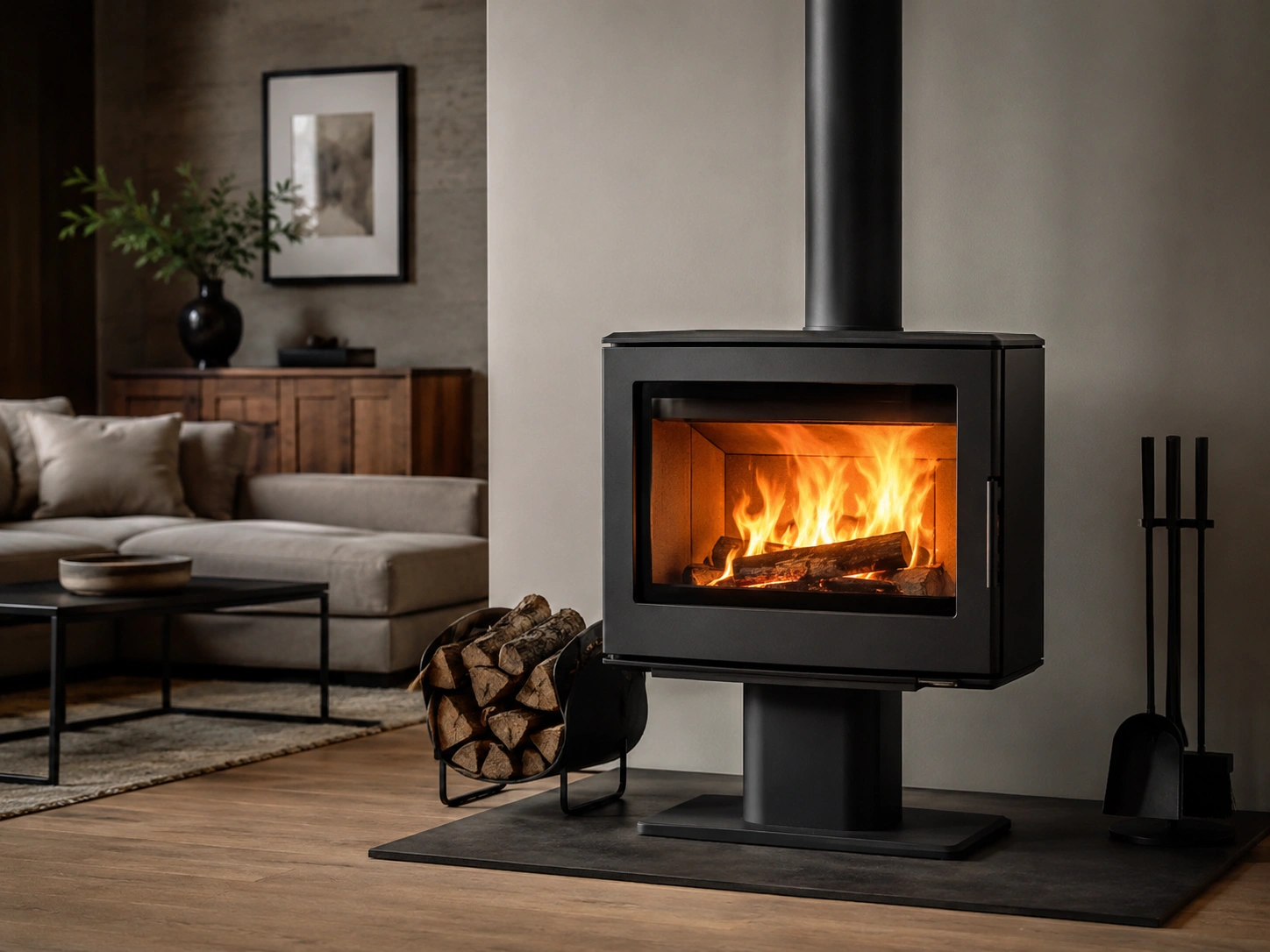
Wood Stove Fireplaces
Wood stoves offer the traditional fireplace experience with superior heating efficiency. These appliances burn cordwood and can heat large areas effectively, making them ideal for primary or supplemental heating in colder climates.
- High heat output (40,000-100,000 BTU)
- Energy independence from utilities
- Requires chimney or venting system
- Price range: $800-$3,500

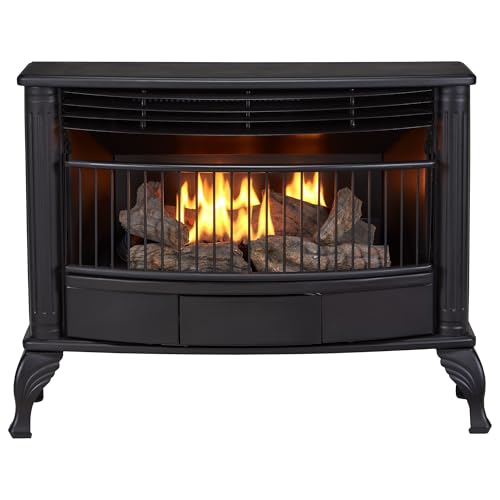
Gas Stove Fireplaces
Gas stoves provide the warmth and ambiance of a real fire with the convenience of instant ignition and precise temperature control. They connect to natural gas or propane lines and require minimal maintenance compared to wood options.
- Instant heat with remote control operation
- Clean burning with no ash cleanup
- Requires gas line and venting
- Price range: $1,200-$4,000
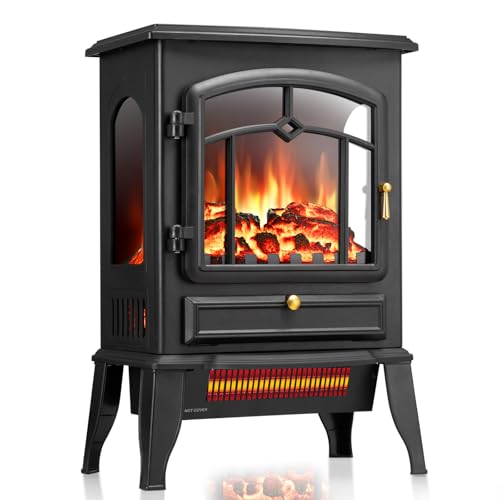
Electric Stove Fireplaces
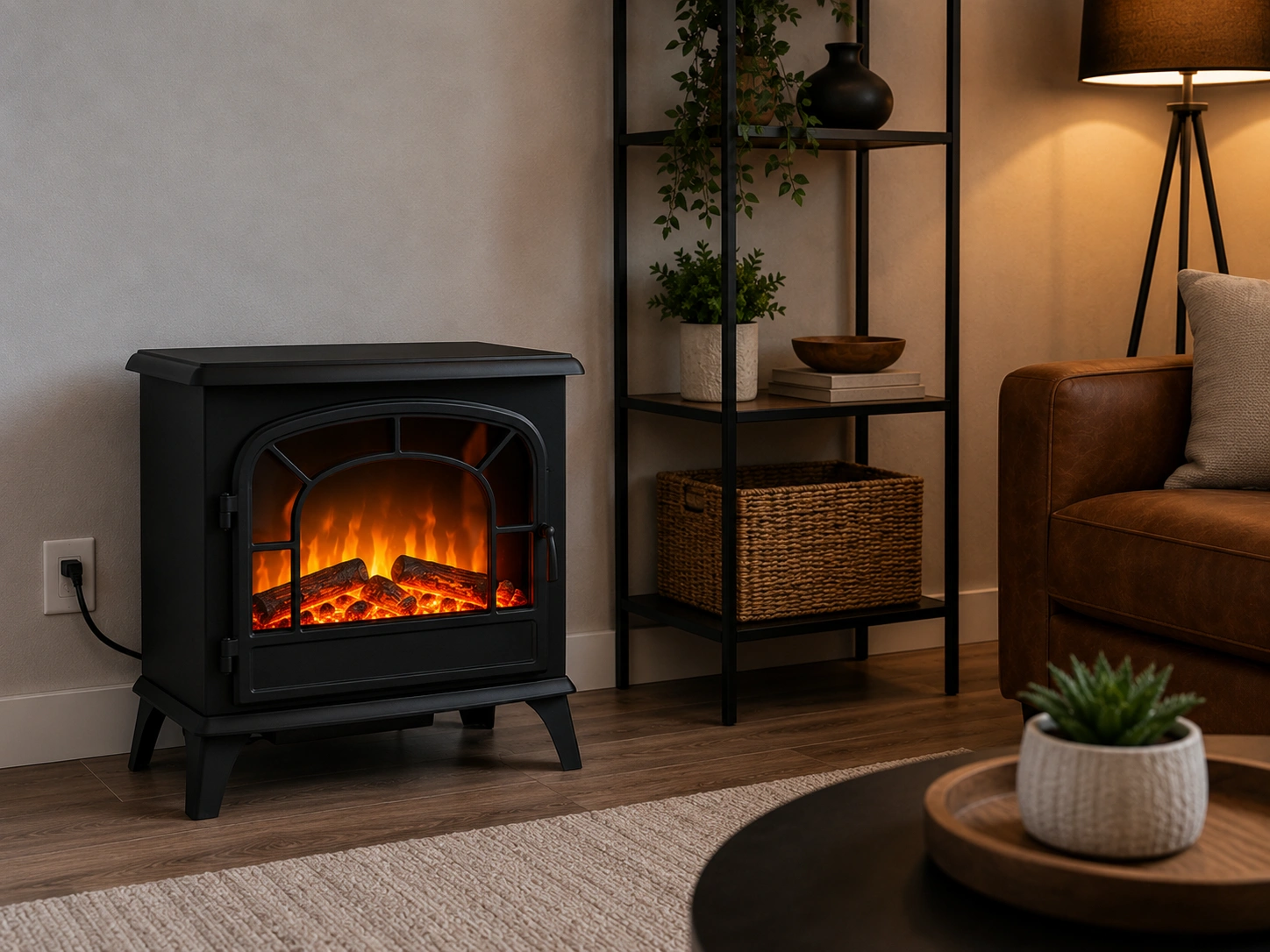
Electric stoves offer the easiest installation of all stove types - simply plug into a standard outlet. They feature realistic flame effects using LED technology and provide supplemental heating without the need for venting or fuel storage.
- No venting required - plug and play
- Low operating costs ($0.08-$0.15/hour)
- Ideal for apartments and rental properties
- Price range: $300-$1,500

Pellet Stove Fireplaces
Pellet stoves burn compressed wood pellets for efficient, clean heating with automated fuel delivery. They offer higher efficiency than traditional wood stoves and produce less ash, making them an excellent eco-friendly option.
- High efficiency (70-83% vs 60-70% for wood)
- Automated feeding with thermostat control
- Requires electricity and pellet storage
- Price range: $1,000-$3,500
Stove Fireplace Comparison
Understanding the key differences between stove types helps you make an informed decision based on your heating needs, budget, and installation constraints.
| Feature | Wood Stove | Gas Stove | Electric Stove | Pellet Stove |
|---|---|---|---|---|
| Heating Capacity | 40,000-100,000 BTU | 20,000-40,000 BTU | 4,500-5,000 BTU | 30,000-70,000 BTU |
| Efficiency | 60-70% | 70-90% | 99% | 70-83% |
| Venting Required | Yes (Chimney) | Yes (Direct or B-vent) | No | Yes (Exhaust vent) |
| Fuel Cost (Monthly) | $50-$150 | $30-$80 | $15-$40 | $40-$120 |
| Maintenance Level | High | Low | Very Low | Medium |
| Installation Complexity | High | Medium-High | Low | Medium |
Key Benefits of Stove Fireplaces
Why Choose a Stove Fireplace: Stove fireplaces offer unique advantages over traditional built-in fireplaces, including higher heating efficiency, flexible placement options, and often lower installation costs. They're particularly effective for zone heating - warming the rooms you use most while reducing overall energy consumption.
Superior Heating Efficiency
Stove fireplaces, particularly pellet and gas models, achieve higher efficiency ratings than traditional fireplaces. This means more heat enters your living space rather than escaping up the chimney, resulting in lower heating costs and reduced environmental impact.
Flexible Placement Options
Unlike built-in fireplaces that require specific wall locations, stove fireplaces can be positioned anywhere with adequate clearance and access to required utilities. This flexibility allows you to optimize heating effectiveness and create your desired room layout.
Zone Heating Capability
Strategically placed stove fireplaces allow you to heat specific zones of your home rather than wasting energy heating unused spaces. This approach can reduce your overall heating bills by 20-40% compared to central heating systems.
Aesthetic Appeal and Value
Modern stove fireplaces combine functional heating with attractive design elements. They serve as focal points in any room and can increase your home's value. Many models feature large glass doors that showcase realistic flame patterns.
Installation Considerations
Proper installation is critical for safety, efficiency, and compliance with local building codes. While electric stoves offer simple plug-and-play installation, other types require professional expertise.
Clearance Requirements
All stove fireplaces require specific clearances from combustible materials including walls, furniture, and curtains. Requirements vary by type: wood and pellet stoves typically need 36 inches to combustibles, while gas stoves may require as little as 6-12 inches with proper shielding.
Venting Systems
Wood stoves require Class A chimney systems rated for high-temperature exhaust. Gas stoves can use direct venting (through a wall) or B-vent systems. Pellet stoves require specialized exhaust venting with proper clearances. Always follow manufacturer specifications and local codes.
Floor Protection
Non-combustible floor protection is required beneath and extending beyond all stove fireplaces. Requirements specify minimum dimensions based on stove size and type. Materials include stone, ceramic tile, or manufactured hearth pads rated for the stove's heat output.
Professional vs. DIY Installation
While electric stoves can typically be installed by homeowners, wood, gas, and pellet stoves usually require professional installation. Improper installation can create fire hazards, void warranties, and fail building inspections. For complex installations, consider hiring certified professionals.
Cost Breakdown
Understanding the full cost picture helps you budget appropriately and compare stove fireplaces with other heating options like freestanding fireplaces or fireplace inserts.
Initial Purchase Costs
Installation & Operating Costs
Maintenance Requirements
Regular maintenance ensures optimal performance, safety, and longevity of your stove fireplace. Maintenance requirements vary significantly by stove type.
Wood Stove Maintenance
Wood stoves require the most intensive maintenance, including daily ash removal, weekly glass cleaning, and annual chimney inspections and cleaning. Creosote buildup in the chimney is a serious fire hazard that must be addressed regularly. For detailed guidance, see our wood fireplace maintenance guide.
Gas Stove Maintenance
Gas stoves need annual professional inspections to check for gas leaks, verify proper venting, and clean burner components. Between professional visits, clean the glass regularly and check that the pilot light or ignition system functions properly. See our gas fireplace maintenance tips for more details.
Electric Stove Maintenance
Electric stoves require minimal maintenance - primarily regular dusting and occasional cleaning of the heating elements and fan (if equipped). The LED flame effects don't require maintenance but should be protected from physical damage. Check out our electric fireplace maintenance guide for simple upkeep tips.
Pellet Stove Maintenance
Pellet stoves require weekly cleaning of the burn pot and ash pan, monthly cleaning of the exhaust vent, and annual professional inspection of the auger system and exhaust path. Proper pellet storage is also essential to prevent moisture damage and ensure efficient burning.
Design Ideas & Integration
Stove fireplaces offer versatile design possibilities that complement various architectural styles from rustic to modern aesthetics.
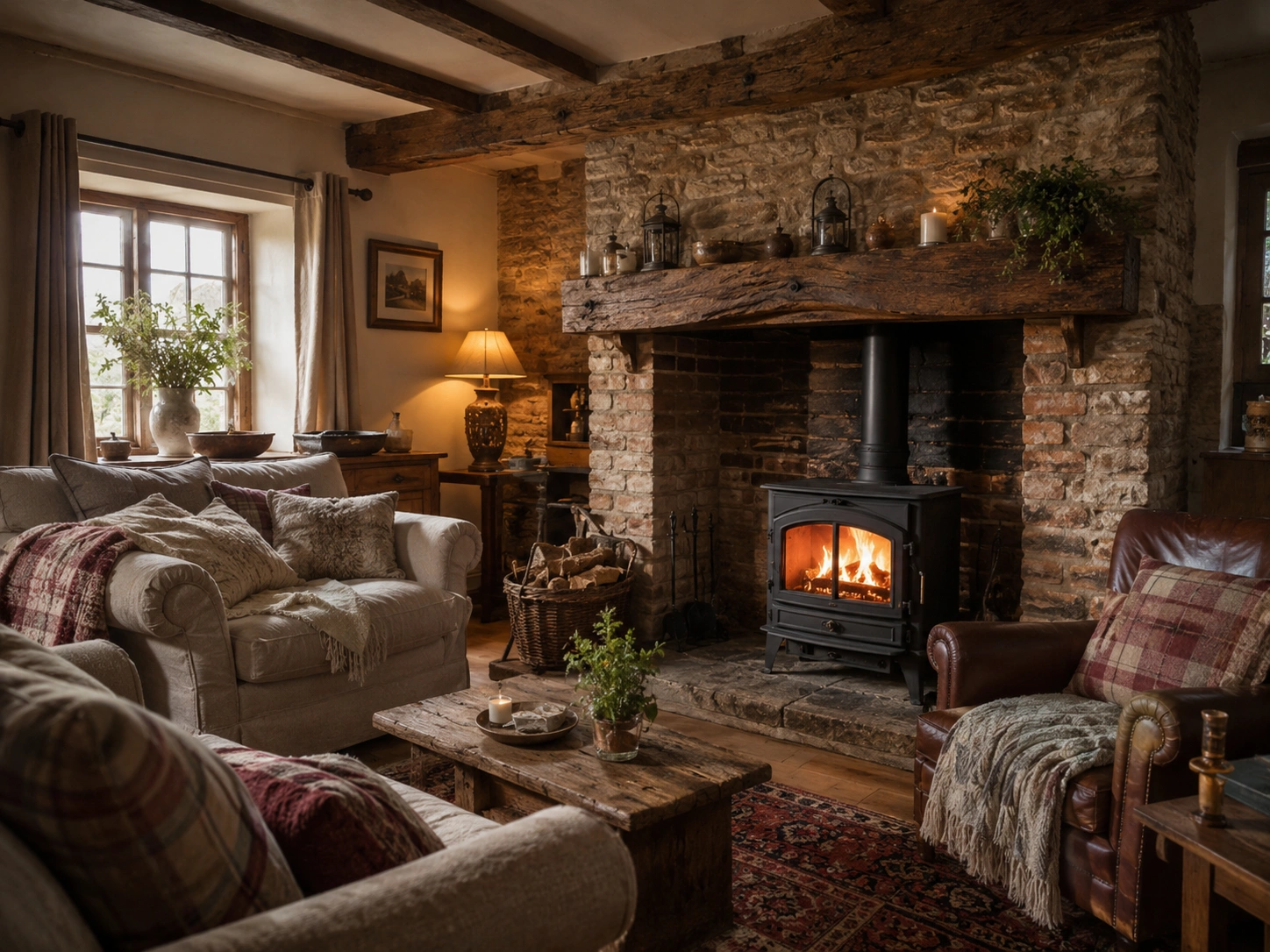
Rustic Country Charm
Wood stoves perfectly complement rustic and country-style interiors. Pair with natural wood floors, exposed beams, and cozy textiles for a warm, inviting atmosphere that celebrates traditional craftsmanship.
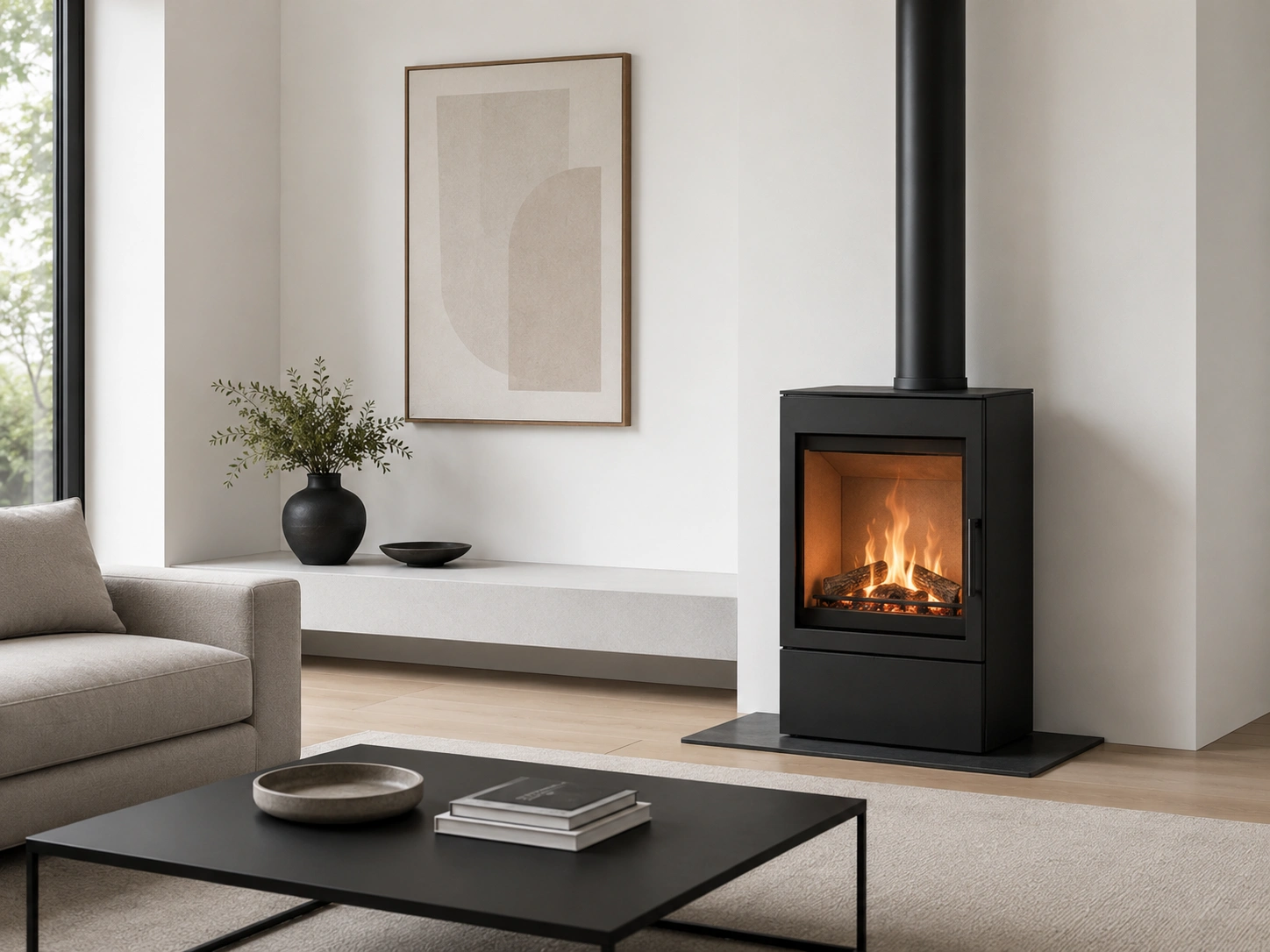
Modern Minimalist
Sleek electric or gas stoves with clean lines work beautifully in minimalist spaces. Choose models with simple geometric forms and neutral finishes to create a striking focal point without visual clutter.

Corner Placement
Utilize unused corner spaces by positioning a stove fireplace diagonally. This placement maximizes floor space while creating an intimate seating arrangement perfect for corner fireplace layouts.
Frequently Asked Questions
Can a stove fireplace heat my entire home?
While large wood or pellet stoves can potentially heat an entire home, it depends on factors like home size, insulation, layout, and climate. Most stove fireplaces are designed for zone heating - warming specific areas rather than whole homes. For comprehensive heating, consider multiple strategically placed stoves or a whole-house heating system. For more details, see our guide on whether fireplaces can heat an entire house.
Do I need a chimney for a stove fireplace?
It depends on the stove type. Wood stoves require a Class A chimney system. Gas stoves can use direct venting through a wall or B-vent through a chimney. Pellet stoves need specialized exhaust venting. Only electric stoves don't require any venting. For detailed venting requirements, see our article on whether you need a chimney or vent.
How much does it cost to run a pellet stove?
Pellet stove operating costs depend on pellet prices (typically $200-$300 per ton) and heating needs. Most homeowners spend $40-$100 monthly during heating season. At average usage, expect to burn 1-3 tons of pellets annually, totaling $200-$900 per year. Pellet stoves are generally more cost-effective than electric heating but may cost more than natural gas in some regions.
Are stove fireplaces safe?
When properly installed and maintained, stove fireplaces are very safe. All modern stoves meet strict safety standards and include features like automatic shutoffs, cool-touch exteriors, and safety screens. The primary risks come from improper installation, lack of maintenance, or misuse. Always follow manufacturer guidelines, maintain required clearances, and schedule regular professional inspections to ensure safe operation.
Can I install a stove fireplace myself?
Electric stoves can typically be installed by homeowners as they simply plug into a standard outlet. However, wood, gas, and pellet stoves usually require professional installation due to venting requirements, gas line connections, and building code compliance. Improper installation can create serious safety hazards and may void warranties or insurance coverage. For more information, see our guide on DIY vs professional fireplace installation.