
Complete Guide to Fireplace Types
Electric, Gas, Wood-Burning & Ethanol: Compare Features, Costs, and Efficiency to Find Your Perfect Match
VIEW COMPARISON TABLEChoosing the right fireplace type is one of the most important decisions you'll make when adding warmth and ambiance to your home. Each fuel type—electric, gas, wood, and ethanol—offers distinct advantages and considerations that affect installation requirements, operating costs, maintenance needs, and overall experience.
This comprehensive guide breaks down everything you need to know about each fireplace type, helping you make an informed decision based on your specific needs, budget, and lifestyle. Whether you're prioritizing heating performance or aesthetic appeal, we'll help you find the perfect fireplace solution.
Fireplace Types at a Glance

Electric Fireplace
- No venting required
- Instant heat with thermostat control
- Low maintenance
- Multiple flame settings
- Energy efficient

Gas Fireplace
- Realistic flame appearance
- Consistent heat output
- Remote control operation
- Vented or ventless options
- Higher heating capacity

Wood-Burning Fireplace
- Authentic fire experience
- Highest heat output
- Works during power outages
- Multiple installation styles
- Wood fuel cost savings
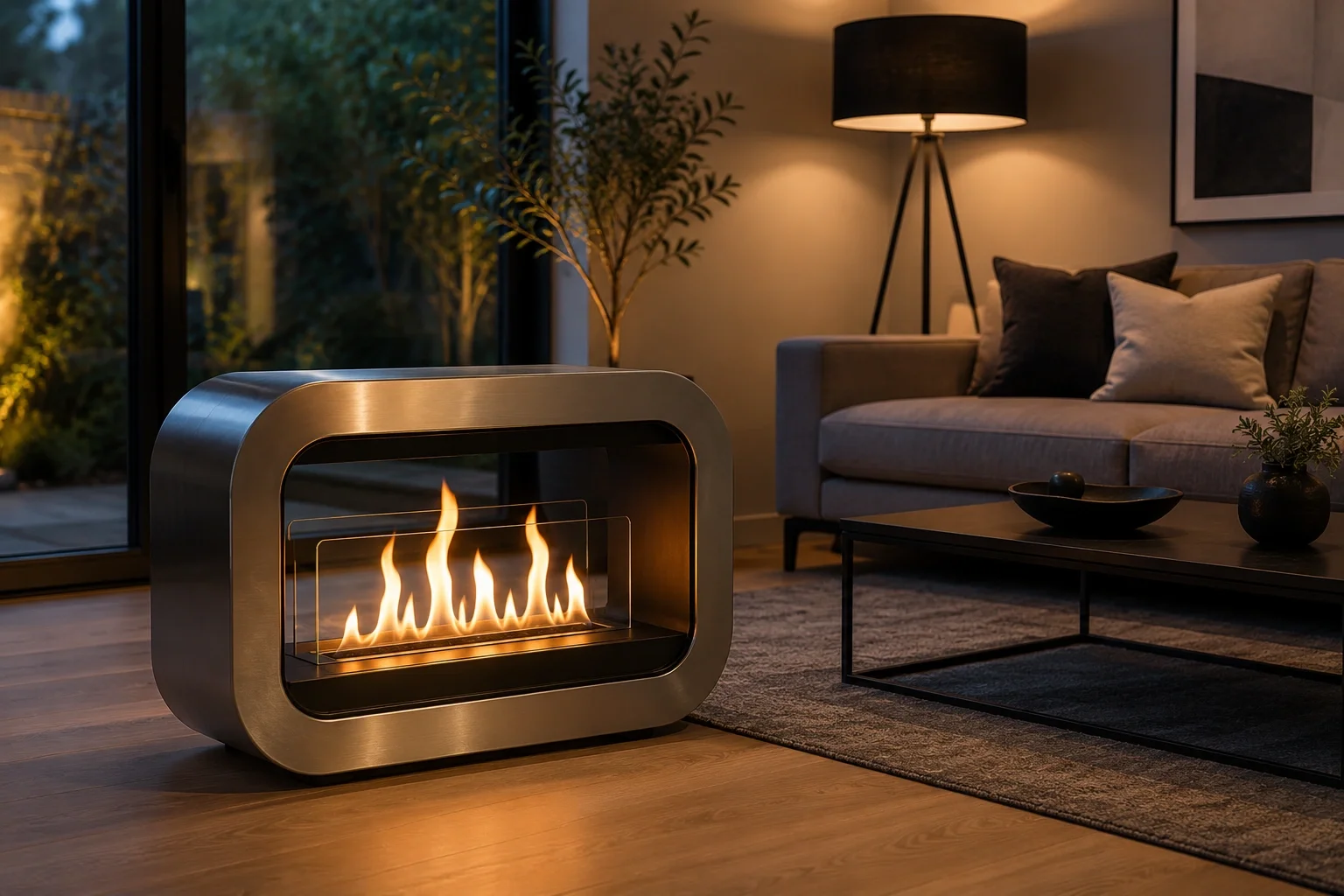
Ethanol Fireplace
- No venting or chimney needed
- Clean burning with no smoke
- Modern, minimalist design
- Easy installation
- Portable options available

Electric Fireplaces: Convenience Meets Efficiency
Electric fireplaces have become increasingly popular due to their versatility and ease of installation. Unlike other fireplace types, electric models require no venting, gas lines, or chimneys, making them suitable for virtually any room in your home, including apartments and condos where traditional fireplaces aren't possible.
Modern electric fireplaces use advanced LED technology to create remarkably realistic flame effects that can be enjoyed with or without heat, allowing year-round ambiance. Many models offer adjustable flame colors, speeds, and brightness levels to customize your experience. The flame technology has improved dramatically in recent years, with some premium models incorporating water vapor for even greater realism.
From an efficiency standpoint, electric fireplaces convert nearly 100% of their energy consumption into heat, making them one of the most efficient options available. They typically feature built-in thermostats and timers, allowing precise temperature control and energy savings. Most models plug into standard 120V outlets, though larger units may require 240V for increased heating capacity.
Electric Fireplace Specifications
| Heat Output | 4,500–10,000 BTU (1,300–3,000 watts) |
|---|---|
| Heating Capacity | 400–1,000 square feet |
| Installation | Plug-and-play; no professional installation required for most models |
| Venting | None required |
| Fuel Cost | $0.12–$0.20 per hour (based on average electricity rates) |
| Maintenance | Minimal – occasional dusting and light bulb replacement |
| Lifespan | 10–20 years |
Pros
- No venting or chimney required
- Easy installation – most are plug-and-play
- 100% energy efficient heat conversion
- Can operate flame effect without heat
- Safe with no emissions or indoor air quality concerns
- Wide variety of styles including wall-mounted, freestanding, and inserts
- Lower upfront and installation costs
Cons
- Lower heat output compared to gas or wood
- Doesn't work during power outages
- Higher operating costs in areas with expensive electricity
- Flame effect, while improved, still not as realistic as real fire
- Doesn't increase home value as much as gas or wood fireplaces
Best For:
Electric fireplaces are ideal for homeowners seeking convenience, those in apartments or condos without chimney access, and anyone wanting ambiance without the maintenance of traditional fireplaces. They're particularly well-suited for bedrooms, small spaces, and supplemental heating in mild climates. If you're interested in a DIY installation, electric models offer the simplest option.

Gas Fireplaces: Realistic Flames with Convenient Operation
Gas fireplaces offer the perfect balance between the authentic experience of a real fire and modern convenience. Available in both vented and ventless configurations, they provide substantial heat output with the flip of a switch or push of a remote button. The realistic flame patterns created by ceramic logs and ember beds closely mimic the appearance of a wood-burning fire.
Natural gas and propane models offer different advantages depending on your home's existing infrastructure. Natural gas provides a continuous fuel supply through existing utility lines, while propane offers flexibility for homes without natural gas access. Both options eliminate the need to store and handle fuel, unlike wood-burning alternatives.
Modern gas fireplaces feature advanced safety systems including oxygen depletion sensors (in ventless models), automatic shut-off valves, and child-proof controls. Many models include remote controls and can be integrated with smart home systems for convenient operation. When considering installation, understand the specific requirements for gas fireplaces to ensure proper setup and safety.
Gas Fireplace Specifications
| Heat Output | 10,000–60,000 BTU |
|---|---|
| Heating Capacity | 500–2,000+ square feet |
| Installation | Professional installation required for gas line connection |
| Venting | Vented (direct vent or B-vent) or ventless options available |
| Fuel Cost | $0.50–$1.50 per hour (varies by gas type and local rates) |
| Maintenance | Annual inspection recommended; occasional cleaning of glass and burner |
| Lifespan | 15–25 years |
Pros
- Highly realistic flame appearance with ceramic logs
- Consistent, controllable heat output
- Instant on/off with remote control operation
- No ash, soot, or wood storage required
- Higher heating capacity than electric models
- Adds significant home value
- Multiple style options including inserts and freestanding units
Cons
- Higher upfront and installation costs
- Requires gas line access or propane tank
- Vented models need chimney or direct vent system
- Annual professional maintenance recommended
- Potential for gas leaks (though safety features minimize risk)
- Doesn't work during gas service interruptions
Best For:
Gas fireplaces are ideal for homeowners seeking a realistic fire experience with convenient operation, those in colder climates needing substantial heating capacity, and anyone wanting to increase their home's value. They're particularly well-suited for living rooms and open-concept spaces. If you're deciding between venting options, our guide to vented vs. ventless gas fireplaces can help you choose the right configuration for your home.

Wood-Burning Fireplaces: Authentic Experience and Powerful Heating
Wood-burning fireplaces offer the most authentic fireplace experience with the crackling sounds, distinctive aroma, and mesmerizing dance of real flames. They provide the highest heat output of any fireplace type and can serve as an emergency heat source during power outages, making them particularly valuable in areas prone to severe weather.
Modern wood-burning fireplaces have evolved significantly from traditional open hearths. Today's options include high-efficiency inserts that can achieve 70-80% efficiency (compared to 10-20% for traditional fireplaces), as well as EPA-certified models that reduce emissions by up to 90%. These advancements address many of the traditional drawbacks of wood burning while preserving the authentic experience.
The surround and mantel options for wood fireplaces are nearly limitless, from traditional brick to contemporary stone and metal designs. A well-designed wood fireplace can become the architectural focal point of your home, adding significant aesthetic and resale value. However, proper chimney maintenance is essential for safety and performance.
Wood-Burning Fireplace Specifications
| Heat Output | 20,000–80,000+ BTU |
|---|---|
| Heating Capacity | 1,000–3,000+ square feet |
| Installation | Professional installation required; significant construction for new installations |
| Venting | Proper chimney or flue system required |
| Fuel Cost | $0.10–$0.50 per hour (if sourcing your own wood); $1.00–$3.00 per hour if purchasing |
| Maintenance | Regular cleaning of ash; annual chimney inspection and cleaning |
| Lifespan | 20–30+ years with proper maintenance |
Pros
- Most authentic fire experience with sound, aroma, and visual appeal
- Highest heat output of any fireplace type
- Functions during power outages
- Potentially lowest fuel costs if you have access to free or inexpensive wood
- Adds significant home value
- Wide variety of design options from rustic to modern
- No reliance on utility companies for fuel
Cons
- Highest upfront and installation costs
- Requires chimney and proper venting
- Most maintenance-intensive option
- Requires wood storage space and handling
- Produces smoke, ash, and potential indoor air quality concerns
- Less convenient to start and maintain than gas or electric
- Local regulations may restrict wood burning in some areas
Best For:
Wood-burning fireplaces are ideal for homeowners who value the authentic fireplace experience above all else, those in rural areas with access to affordable firewood, and anyone wanting a reliable backup heat source. They're particularly well-suited for traditional-style homes and large living spaces. If you're considering a wood fireplace, understanding the proper ventilation requirements is crucial for safety and performance.
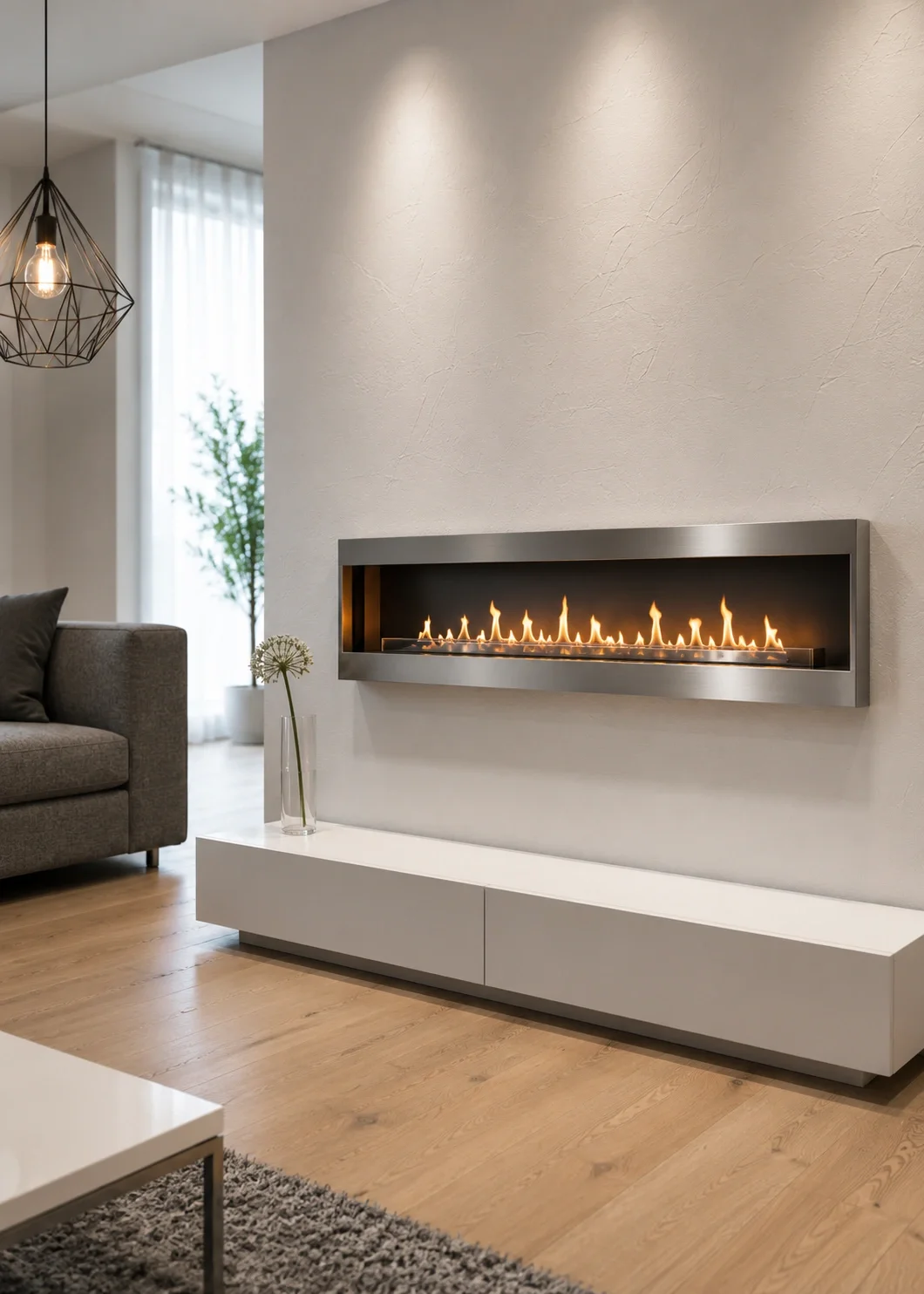
Ethanol Fireplaces: Clean Burning with Modern Design
Ethanol fireplaces represent the newest evolution in fireplace technology, offering clean burning with no venting requirements. Powered by bioethanol fuel (a renewable energy source derived from plants), these fireplaces produce real flames without smoke, soot, or harmful emissions. Their sleek, contemporary designs make them particularly popular in modern and minimalist interiors.
The installation flexibility of ethanol fireplaces is unmatched—they can be wall-mounted, freestanding, built-in, or even used as tabletop models. This versatility allows you to add a fireplace to spaces where traditional options aren't feasible, such as apartments, bathrooms, or even outdoor patios. Many models require no professional installation, making them attractive for DIY enthusiasts.
While ethanol fireplaces offer beautiful, real flames, they produce less heat than gas or wood options, typically serving primarily as aesthetic features rather than primary heat sources. The comparison between ethanol and electric fireplaces often comes down to whether you prioritize real flames (ethanol) or greater heating capacity (electric). Fuel costs for ethanol can also be higher than other options, though the lack of installation expenses often offsets this difference.
Ethanol Fireplace Specifications
| Heat Output | 3,000–15,000 BTU |
|---|---|
| Heating Capacity | 200–500 square feet |
| Installation | Minimal – many models require no professional installation |
| Venting | None required |
| Fuel Cost | $1.50–$3.00 per hour (varies by burner size and fuel quality) |
| Maintenance | Low – occasional cleaning of burner and surrounding area |
| Lifespan | 10–15 years |
Pros
- No venting or chimney required
- Clean burning with no smoke, soot, or ash
- Real flames without the maintenance of wood
- Environmentally friendly renewable fuel source
- Minimal installation requirements
- Portable options available
- Sleek, modern designs perfect for minimalist interiors
Cons
- Lower heat output compared to gas or wood
- Higher fuel costs than other options
- Limited heating capacity – primarily aesthetic
- Requires careful fuel handling and storage
- Open flame requires safety precautions
- Doesn't increase home value as much as gas or wood
Best For:
Ethanol fireplaces are ideal for design-conscious homeowners prioritizing aesthetics, those in apartments or condos where traditional fireplaces aren't possible, and anyone wanting real flames without the maintenance of wood burning. They're particularly well-suited for modern interiors, corner installations, and as supplemental ambiance features. For a deeper comparison, see our guide to ethanol vs. electric fireplaces.
Comprehensive Fireplace Type Comparison
| Feature | Electric | Gas | Wood-Burning | Ethanol |
|---|---|---|---|---|
| Average Cost (Unit + Installation) | $300–$3,000 | $2,500–$7,000 | $3,500–$10,000+ | $500–$4,000 |
| Heat Output (BTU) | 4,500–10,000 | 10,000–60,000 | 20,000–80,000+ | 3,000–15,000 |
| Heating Capacity | 400–1,000 sq ft | 500–2,000+ sq ft | 1,000–3,000+ sq ft | 200–500 sq ft |
| Operating Cost Per Hour | $0.12–$0.20 | $0.50–$1.50 | $0.10–$3.00 | $1.50–$3.00 |
| Energy Efficiency | 99-100% | 70-90% | 10-80% | 95-100% |
| Flame Realism | Moderate (LED effects) | High (ceramic logs) | Highest (real fire) | High (real flames) |
| Venting Required | No | Yes (for most) | Yes | No |
| Professional Installation | Rarely needed | Required | Required | Rarely needed |
| Maintenance Level | Low | Moderate | High | Low |
| Works During Power Outage | No | No (most models) | Yes | Yes |
| Emissions | None | Low (vented) to moderate (ventless) | Moderate to high | Very low |
| Home Value Impact | Minimal | Moderate to high | High | Minimal |
| Ideal For | Apartments, bedrooms, supplemental heat | Living rooms, primary heat source | Large spaces, cold climates, traditional homes | Modern interiors, ambiance focus |
Making Your Final Decision
When choosing between fireplace types, consider these key factors:
For maximum convenience and ease: Electric fireplaces offer the simplest solution with no venting, minimal maintenance, and straightforward installation. They're ideal for apartments and small spaces.
For the best balance of realism and convenience: Gas fireplaces provide authentic-looking flames with easy operation and substantial heating capacity, making them excellent for living rooms and main gathering spaces.
For the most authentic experience and heating power: Wood-burning fireplaces deliver unmatched ambiance and the highest heat output, perfect for traditional homes and cold climates.
For modern design and clean burning: Ethanol fireplaces offer real flames with no venting and sleek designs, ideal for contemporary spaces and design-conscious homeowners.
For a more detailed analysis of all factors, our comprehensive electric vs. gas vs. wood fireplace comparison can help you make the final decision based on your specific needs and circumstances.


