
Fireplace Surround Ideas: Transform Your Hearth with Style
Discover creative surround designs that enhance your fireplace's beauty, increase home value, and create a stunning focal point in any room
EXPLORE MATERIALSThe fireplace surround is the architectural frame that defines your hearth's character and transforms it from a simple heating appliance into a design centerpiece. Whether you're planning a fireplace remodel or building new construction, the surround you choose will significantly impact your room's aesthetics, functionality, and overall value.
A well-designed fireplace surround serves multiple purposes: it protects surrounding walls from heat damage, provides a decorative frame that enhances the fireplace's visual appeal, and creates a cohesive design element that ties your room together. From classic traditional surrounds to sleek contemporary designs, the options available today allow you to customize your fireplace to perfectly match your style and investment plan.
In this comprehensive guide, we'll explore various fireplace surround ideas, materials, design styles, installation considerations, and maintenance requirements to help you make an informed decision that will enhance your home for years to come.
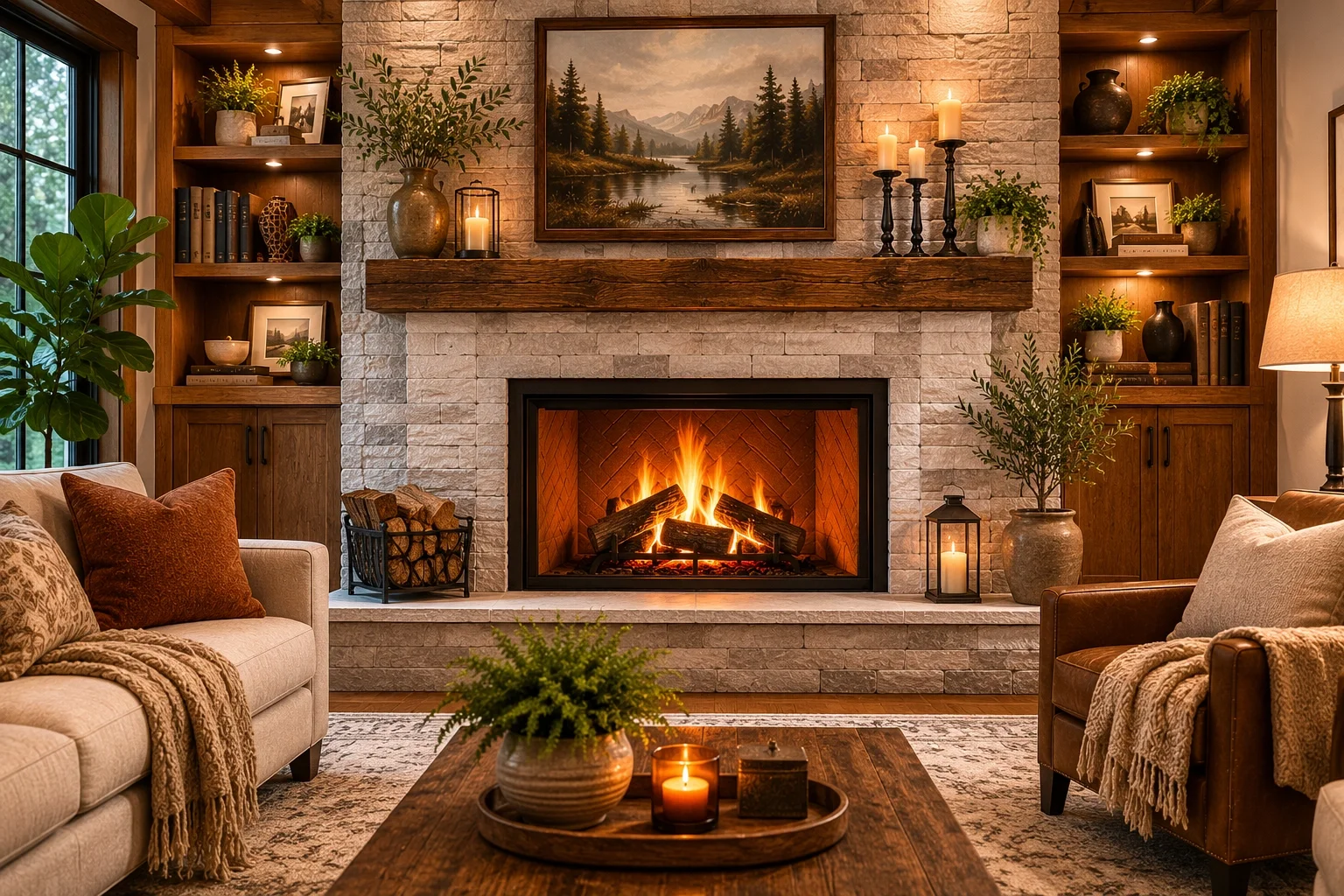
Why Invest in a Quality Fireplace Surround?
Understanding the benefits of a well-designed fireplace surround helps justify the investment and guides your decision-making process:
- Enhanced aesthetic appeal: A surround creates a finished, polished look that elevates the entire room's design, whether you choose minimalist simplicity or ornate elegance.
- Increased home value: According to the National Association of Realtors, fireplaces remain one of the most desired home features, and an attractive surround can increase perceived value significantly.
- Heat protection: Surrounds create a buffer zone between the firebox and combustible wall materials, meeting safety requirements for all fireplace types.
- Design cohesion: A surround helps integrate your fireplace with surrounding architectural elements, creating visual harmony with your fireplace wall and room decor.
- Personalization opportunity: Your surround choice allows you to express your style preferences, from material selection to decorative details that make your fireplace uniquely yours.
- Easier maintenance: Properly designed surrounds with appropriate materials are easier to clean and maintain than exposed wall surfaces around fireplaces.
Popular Fireplace Surround Materials
The material you choose for your fireplace surround dramatically affects both appearance and performance. Consider these popular options, each offering unique characteristics:

Natural Stone
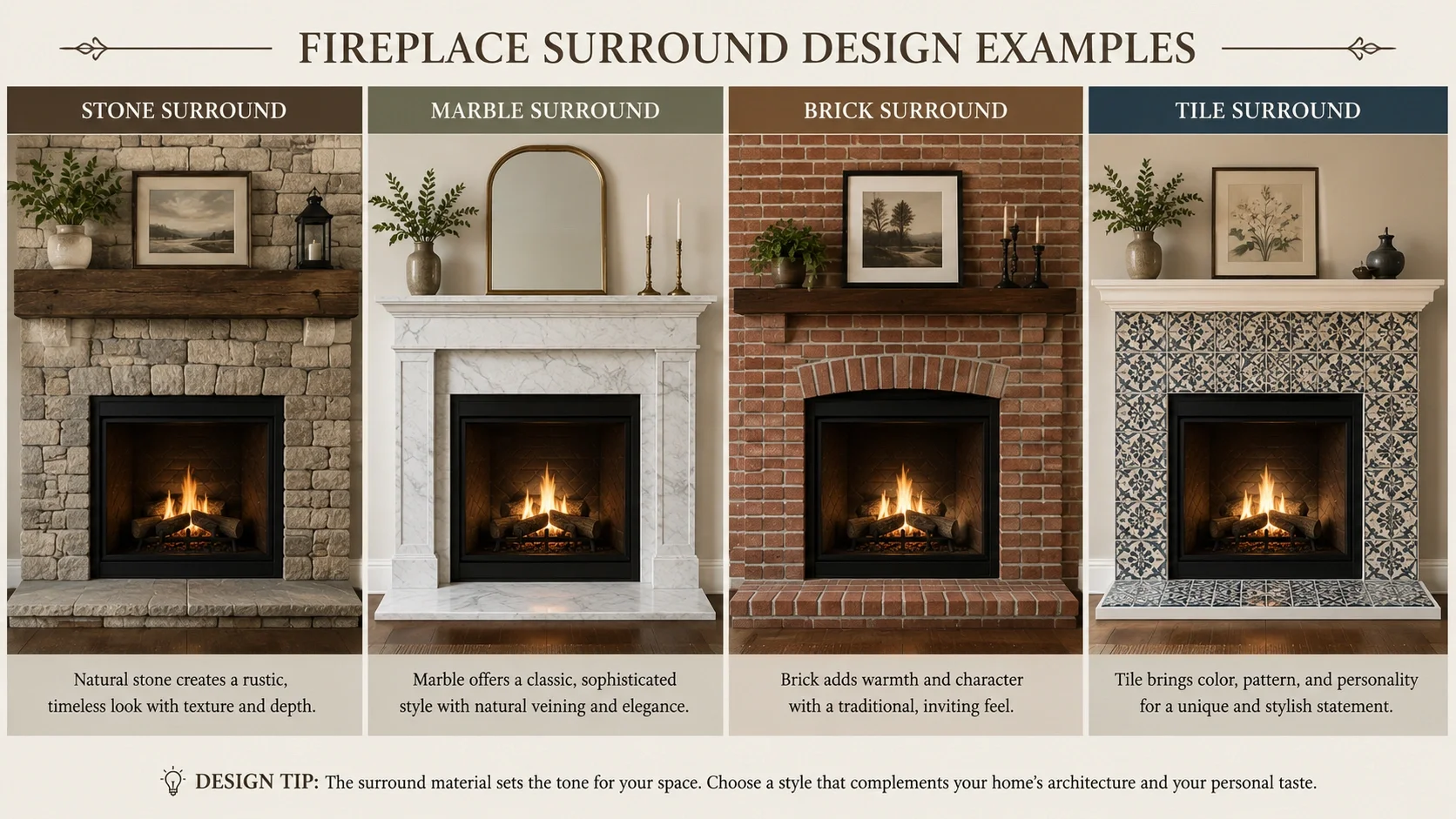
Natural stone surrounds offer unmatched beauty and durability. Options include limestone, granite, slate, and fieldstone. Each piece is unique, creating one-of-a-kind installations that add significant character to any space.
Investment Tier: Premium to Luxury
Best for: Traditional and rustic designs

Marble
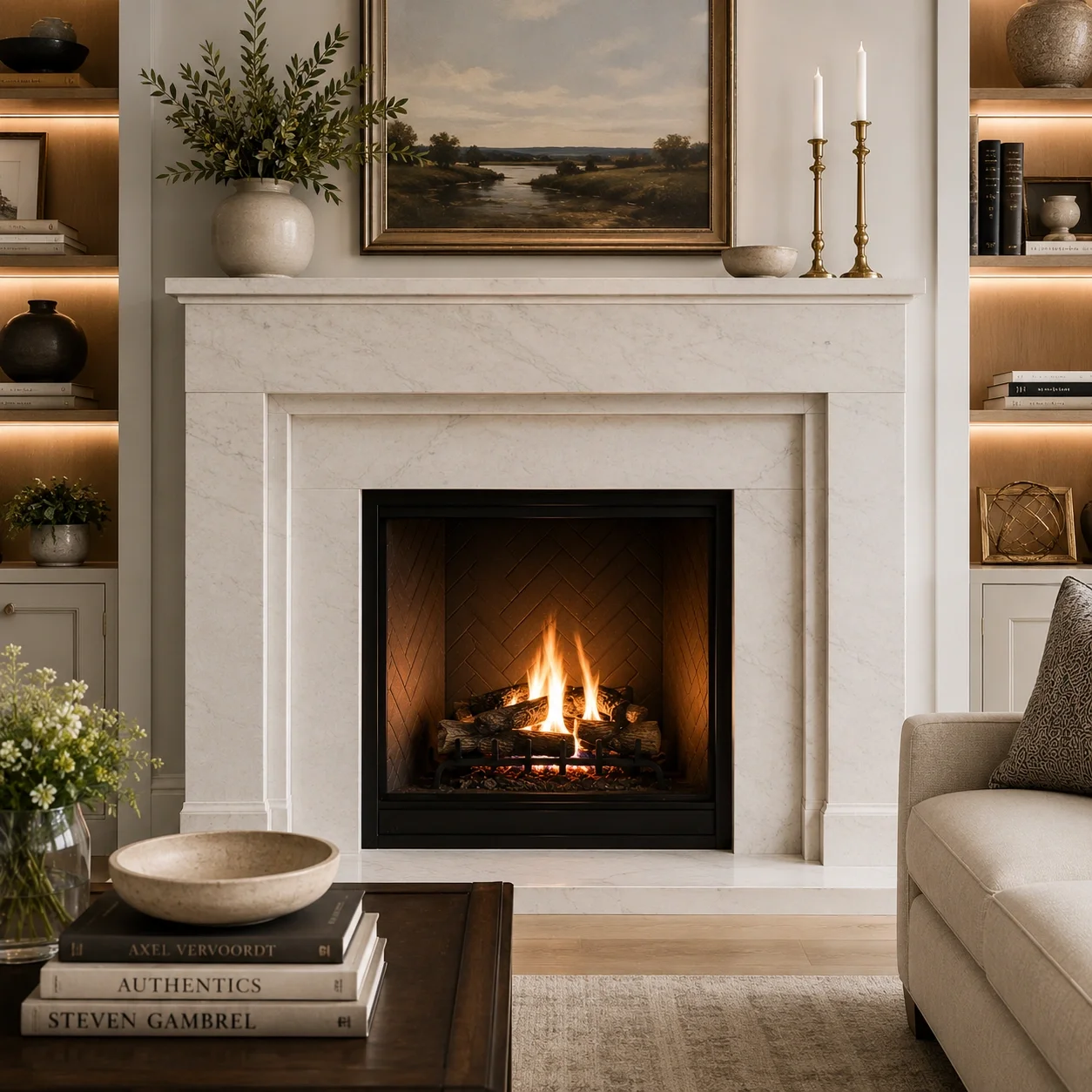
Marble surrounds exude luxury and sophistication. Available in various colors and veining patterns, marble creates elegant focal points perfect for formal living spaces and master bedrooms.
Investment Tier: Premium to Luxury
Best for: Elegant and formal spaces

Brick
Brick surrounds offer timeless appeal and excellent heat retention. Available in various colors, sizes, and patterns, brick provides a warm, traditional look that works well in casual and formal settings.
Investment Tier: Mid-range to Premium
Best for: Traditional and transitional styles

Ceramic or Porcelain Tile
Tile surrounds offer unlimited design possibilities with various colors, patterns, and textures. They're relatively affordable, easy to clean, and allow for creative custom designs.
Investment Tier: Entry-level to Mid-range
Best for: Custom and contemporary designs

Wood
Wood surrounds bring warmth and natural beauty to fireplace areas. While requiring proper clearance from heat sources, wood offers rich grain patterns and can be painted or stained to match any decor.
Investment Tier: Entry-level to Mid-range
Best for: Farmhouse and rustic aesthetics
Concrete
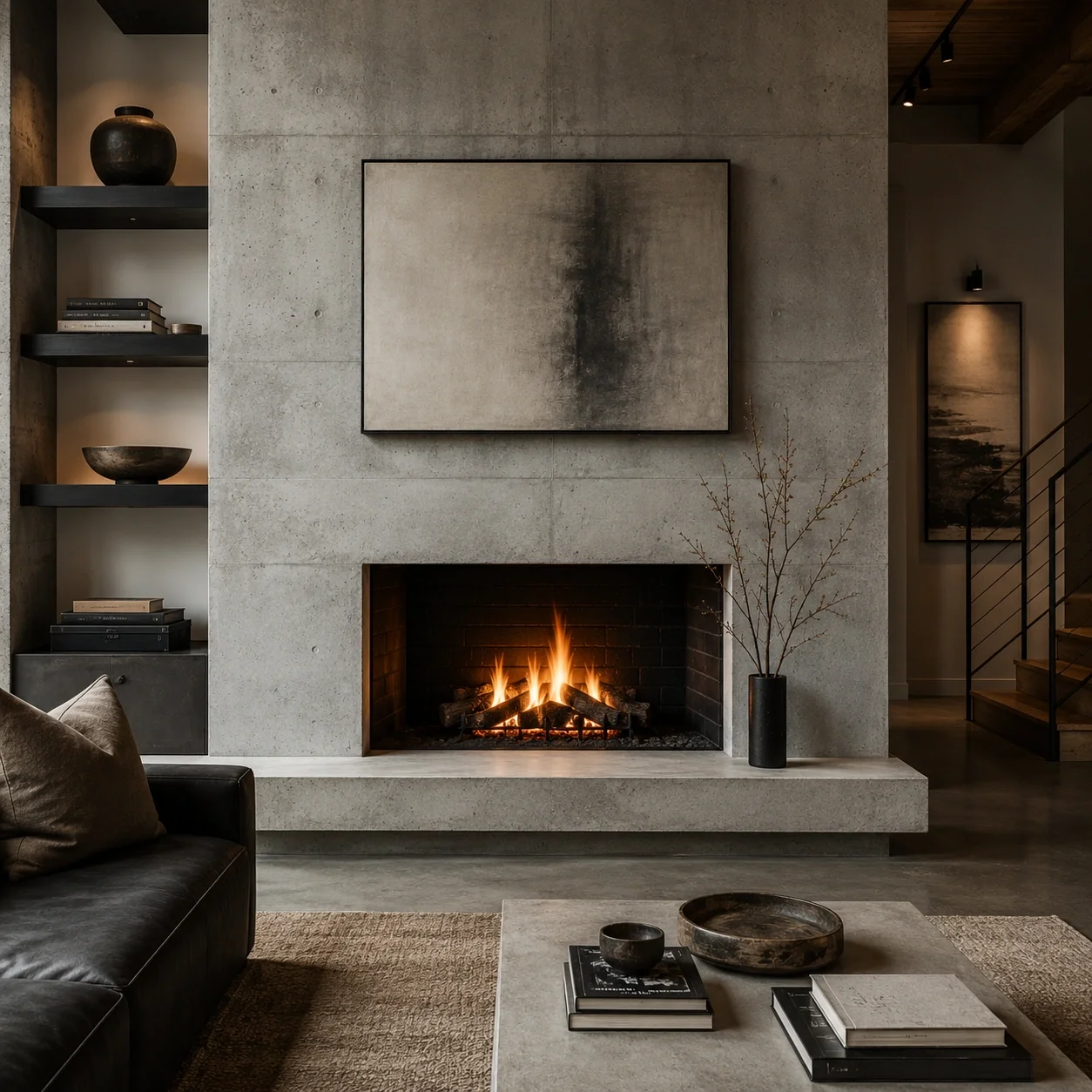
Concrete surrounds offer contemporary appeal with industrial charm. They can be cast in custom shapes, colored, and textured to create unique modern installations perfect for minimalist spaces.
Investment Tier: Mid-range to Premium
Best for: Modern and industrial designs
Fireplace Surround Design Styles
Your surround design should complement both your fireplace type and your room's overall aesthetic. Explore these popular design approaches:

Modern Minimalist
Modern surrounds feature clean lines, simple profiles, and minimal ornamentation. Materials like concrete, glass, and sleek metal create sophisticated looks that work beautifully with electric fireplaces and contemporary gas units. Focus on proportion and material quality rather than decorative details.

Traditional Classic
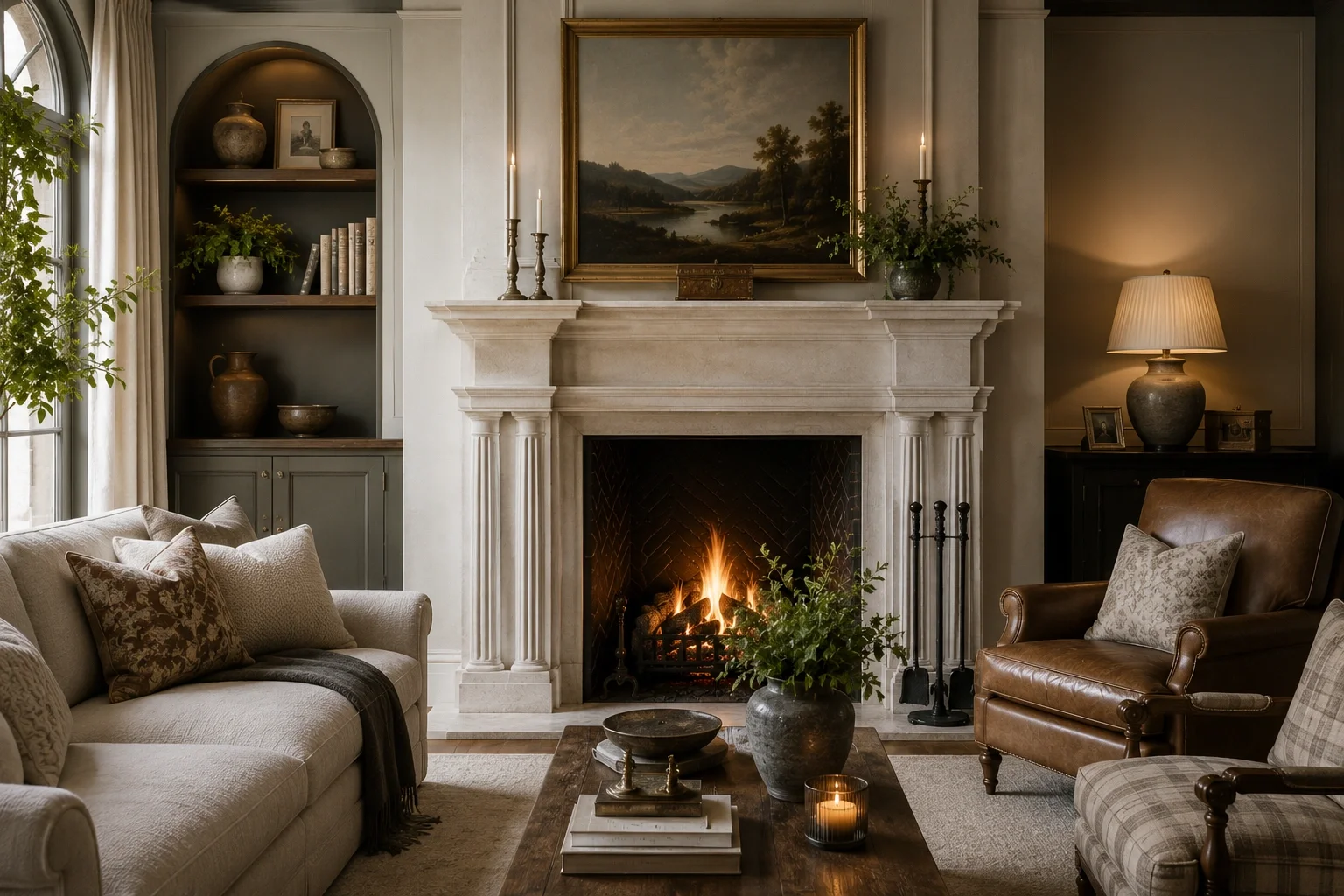
Traditional surrounds feature ornate details, crown molding, and classic proportions. Marble or wood with carved elements creates timeless elegance perfect for formal living rooms and libraries. These designs often include decorative columns, pilasters, and intricate paneling.

Rustic Natural
Rustic surrounds embrace natural materials and organic forms. Rough-hewn stone, reclaimed wood, and fieldstone create cozy, cabin-like atmospheres. These designs celebrate imperfection and natural beauty, working especially well with wood-burning fireplaces.
Transitional Blend
Transitional surrounds bridge traditional and contemporary styles, offering versatile appeal that works in various settings. These designs might combine classic materials like marble with simplified profiles, or traditional woodwork with modern proportions.
Corner Configuration
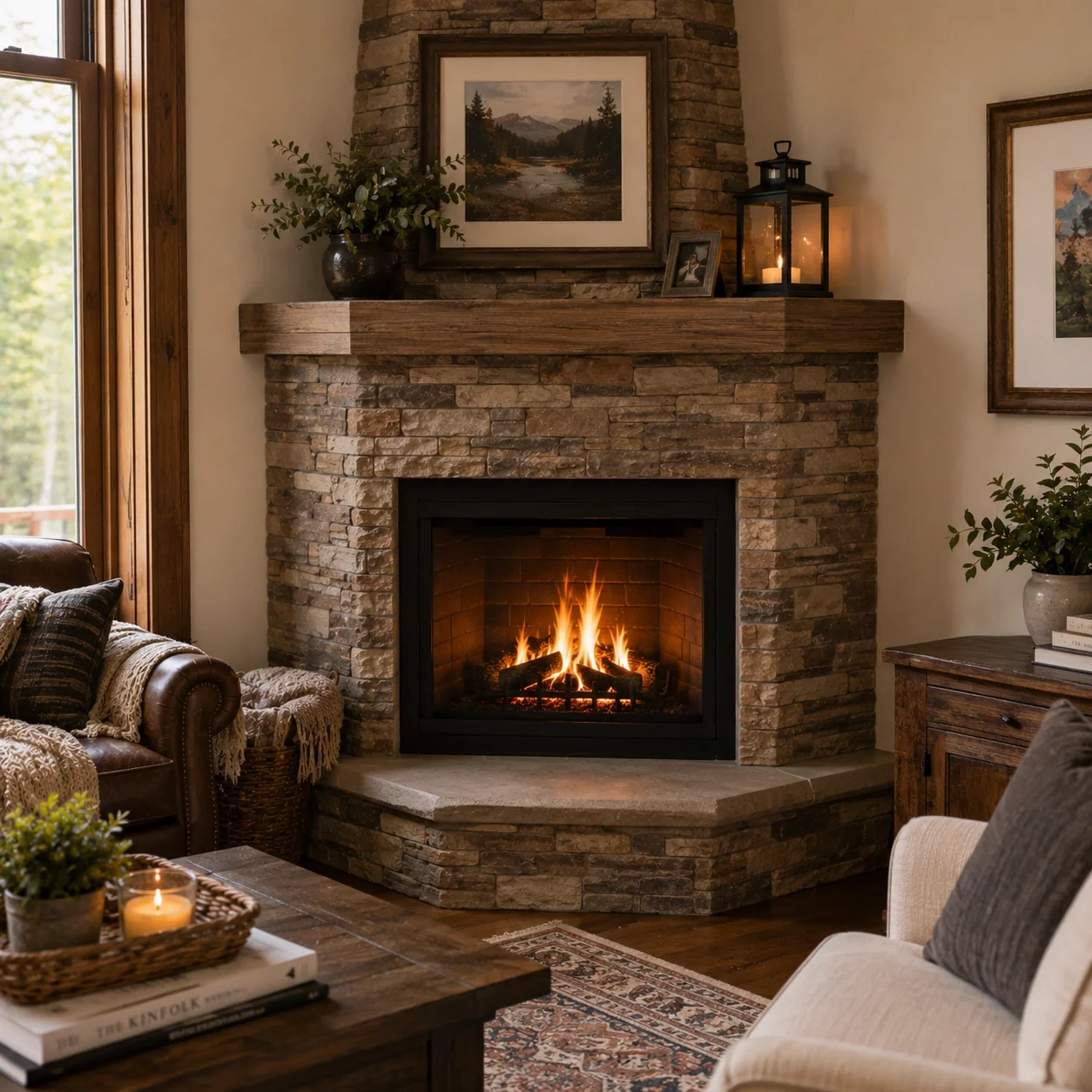
Corner fireplace surrounds maximize space efficiency while creating cozy nooks. These specialized designs address the unique angles and proportions of corner installations, often featuring angled mantels and custom-fit surrounds.
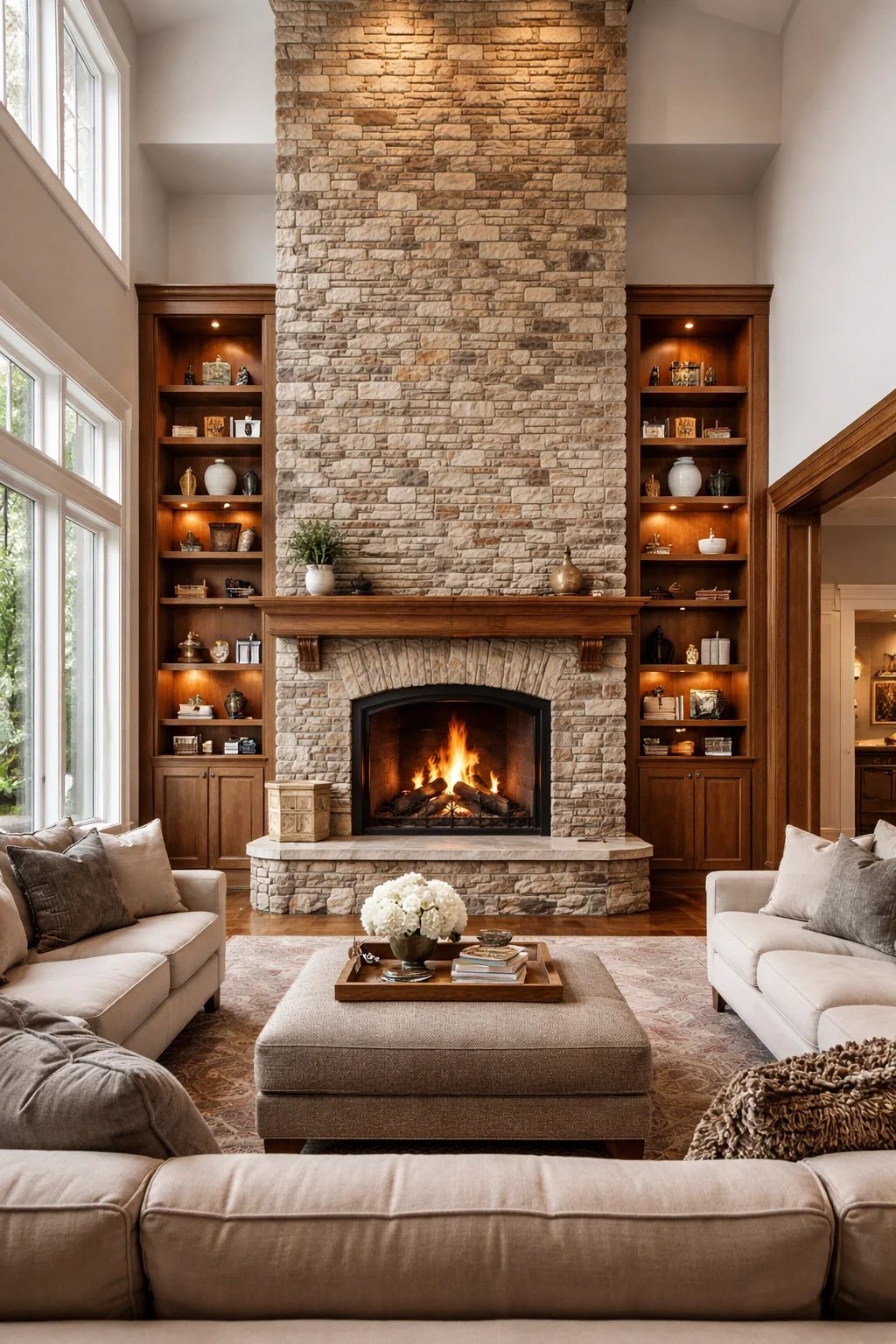
Two-Story Dramatic
For rooms with high ceilings, tall fireplace surrounds create dramatic vertical elements that anchor the space. These impressive installations often extend from floor to ceiling, incorporating built-in shelving, lighting, and architectural details.
Essential Installation Considerations
Proper installation is crucial for both safety and longevity. Before beginning your fireplace installation, consider these critical factors:
Professional Installation Tips
- Clearance requirements: Follow manufacturer specifications and local building codes for minimum clearances between the firebox and combustible materials. These vary significantly between gas, electric, and wood-burning units.
- Structural support: Heavy materials like stone and marble require adequate wall support. Consult with a structural engineer if you're unsure about your wall's load-bearing capacity.
- Venting integration: For vented fireplaces, ensure your surround design accommodates necessary venting without compromising aesthetics or safety.
- Moisture barrier: Install proper moisture barriers behind surround materials, especially in exterior walls, to prevent water damage and mold growth.
- Professional vs. DIY: While some simple tile or wood installations might be suitable for experienced DIYers, complex stone, marble, or structural work typically requires professional installation. Consider DIY vs professional installation carefully.
- Permits and inspections: Check local requirements for permits and inspections. Most jurisdictions require permits for fireplace work, regardless of whether it's new construction or renovation.
- Timing considerations: Plan your surround installation to coordinate with other renovation work. Ideally, install surrounds after flooring but before final wall finishes to ensure proper integration.
- Future maintenance access: Design your surround to allow access to fireplace components that may require future maintenance, such as gas connections, electrical components, or cleaning access.
Fireplace Surround Investment Guide
Understanding investment tiers helps with planning and material selection. Here's a comprehensive breakdown of typical project tiers by material:
| Material | Overall Investment Tier | Best For |
|---|---|---|
| Ceramic/Porcelain Tile | Entry-level to Mid-range | Custom and contemporary designs |
| Brick | Mid-range to Premium | Traditional and transitional styles |
| Wood | Entry-level to Mid-range | Farmhouse and rustic aesthetics |
| Natural Stone | Premium to Luxury | Traditional and rustic designs |
| Concrete | Mid-range to Premium | Modern and industrial designs |
| Marble | Premium to Luxury | Elegant and formal spaces |
| Custom/Specialty | Luxury | Unique architectural statements |
Additional investment components may include:
- Mantel addition: Entry-level to Mid-range tier depending on material and complexity
- Hearth extension: Entry-level to Mid-range tier for stone or tile hearths
- Demolition and preparation: Entry-level tier for removing existing surround
- Electrical work: Entry-level tier for built-in lighting or outlets
- Permits and inspections: Entry-level tier depending on local requirements
For detailed investment analysis including long-term considerations, review our comprehensive fireplace investment breakdown guide.
Fireplace Surround Maintenance Guide
Different surround materials require specific maintenance approaches. Proper care extends the life of your surround and keeps it looking beautiful:
Stone & Marble
- Dust regularly with soft cloth or brush
- Clean spills immediately to prevent staining
- Use pH-neutral cleaners specifically formulated for stone
- Seal annually with appropriate stone sealer
- Avoid acidic cleaners that can etch surfaces
- Address chips or cracks promptly to prevent spreading
Brick
- Vacuum or brush to remove loose debris
- Clean with mild detergent and stiff brush
- Inspect mortar joints annually for deterioration
- Repoint mortar every 15-25 years as needed
- Address efflorescence (white salt deposits) promptly
- Consider sealing to reduce staining in high-use areas
Tile
- Wipe down with damp cloth for routine cleaning
- Clean grout lines with appropriate grout cleaner
- Inspect for cracked or loose tiles periodically
- Re-seal grout annually to prevent staining
- Replace damaged tiles promptly to maintain water resistance
- Avoid abrasive cleaners that can scratch glaze
Wood
- Dust regularly with soft dry cloth
- Polish or oil every 6-12 months to maintain finish
- Keep away from direct heat sources (maintain clearances)
- Address water damage or warping immediately
- Refinish every 3-5 years depending on use and wear
- Monitor for signs of insect damage or rot
For comprehensive maintenance guidance specific to your fireplace type, explore our detailed fireplace maintenance resources.
Creating Your Perfect Fireplace Surround
Choosing the right fireplace surround involves balancing aesthetics, functionality, investment tier, and maintenance requirements. By understanding the available materials, design styles, and installation considerations, you can make an informed decision that enhances your home's beauty and value for decades to come.
Whether you're drawn to the timeless elegance of marble, the natural warmth of stone, the versatility of tile, or the character of wood, your surround choice will define your fireplace's personality and impact your entire room's atmosphere. Take time to consider how your selection will interact with your mantel design, hearth extension, and overall room aesthetic.
Remember that a well-chosen and properly installed fireplace surround is an investment that pays dividends in enhanced aesthetics, increased home value, and improved enjoyment of your living space. By following the guidelines in this article and working with qualified professionals when needed, you can create a fireplace surround that becomes the heart of your home.


