Fireplace Chimney Inspection: The Complete Safety Guide
Understand the three NFPA inspection levels, real costs, what professionals actually check, and how to protect your home from hidden chimney hazards
Schedule an InspectionWhy this matters: The National Fire Protection Association (NFPA) reports that failure to clean creosote from chimneys is the leading cause of home heating fires. A professional chimney inspection isn't just a recommendation — it's the single most important step you can take to prevent chimney fires, carbon monoxide poisoning, and costly structural damage to your home.

Whether you own a wood-burning fireplace, a gas fireplace, or an older masonry chimney, regular inspection ensures your system operates safely and efficiently. The NFPA 211 standard requires that every chimney be inspected at least once per year, regardless of how often you use it. This guide walks you through everything you need to know before booking a chimney inspection — from understanding the three official inspection levels to realistic costs, what technicians actually check, and the warning signs that demand immediate attention.
The Three Levels of Chimney Inspection (NFPA 211)
The Chimney Safety Institute of America (CSIA) and NFPA 211 define three distinct levels of chimney inspection. Each level is designed for a specific situation, and understanding the differences helps you choose the right one and avoid paying for services you don't need.
Level 1 Inspection
Routine — $150–$250Basic visual examination of readily accessible portions of the chimney, connector, and appliance.
- Chimney exterior condition
- Chimney cap and crown
- Visible flue liner surfaces
- Firebox and damper operation
- Clearance to combustibles
- Proper fuel-burning appliance connection
When needed: Annual check with no changes to the system, same fuel type, same appliance.
Level 2 Inspection
Detailed — $250–$500Everything in Level 1 plus video scanning of the flue interior and inspection of accessible areas in attics, basements, and crawl spaces.
- All Level 1 checks included
- Video camera flue scan
- Chimney interior walls
- Chimney-to-house connections
- Attic and basement chase areas
- Proper clearances in concealed spaces
When needed: Property sale, fuel type change, appliance replacement, or after a chimney fire or seismic event.
Level 3 Inspection
Comprehensive — $500–$1,500+Everything in Levels 1 and 2, plus removal of components (chase covers, crowns, walls) to access concealed areas suspected of containing hazards.
- All Level 1 and 2 checks included
- Removal of chimney crown or chase cover
- Interior wall opening if needed
- Structural integrity deep investigation
- Hidden flue liner damage
- Extensive creosote or water damage
When needed: Suspected hidden damage, severe structural concerns, or after a major chimney incident.

A Level 2 inspection is the most common recommendation for homeowners who haven't had an inspection in several years or who recently purchased their home. The video scan alone can reveal cracks, gaps, and deterioration inside the flue that would be completely invisible to the naked eye. If you're planning to remodel your fireplace or change appliances, a Level 2 inspection is not optional — it's required by NFPA 211 before any new installation.
What a Chimney Professional Actually Checks

A thorough chimney inspection goes far beyond a quick visual glance. Certified chimney sweeps follow a systematic checklist to evaluate every critical safety component. Here's what a professional examines during a standard annual fireplace inspection:
Exterior Inspection
- Chimney mortar joints — checking for crumbling, gaps, or missing mortar
- Brick or stone condition — spalling, cracking, or water damage
- Chimney cap — presence, condition, and proper fit
- Crown (concrete top) — cracking, deterioration, or improper slope
- Flashing around chimney-roof junction — signs of water infiltration
- Chimney lean or structural movement
Interior Inspection
- Flue liner — cracks, gaps, spalling, or missing tiles
- Creosote deposit thickness and type (glazed, sooty, or crusty)
- Damper — operation, fit, and condition
- Smoke chamber — parging condition, corbel clearance
- Firebox — brick condition, mortar joints, and proper construction
- Clearance to combustibles behind walls and in attics
- Proper appliance venting and connector pipes
One of the most critical findings a technician looks for is creosote buildup. Creosote is a highly flammable byproduct that accumulates inside the flue every time you burn wood. Even a thin layer of glazed creosote (just 1/8 inch) can ignite and cause a chimney fire reaching temperatures above 2,000°F. For homes with gas fireplaces, the inspection focuses more on venting integrity, gas connections, and carbon monoxide safety rather than creosote.
Warning Signs You Need a Chimney Inspection Immediately
Don't wait for your annual inspection if you notice any of these red flags. Each symptom indicates a potentially serious safety issue that requires prompt professional evaluation.
Smoking Fireplace
Smoke backing into the room signals a blocked flue, negative pressure, or damper problems. Never ignore this warning.
Deteriorating Mortar or Brick
Crumbling mortar joints and spalling bricks allow water intrusion that accelerates structural damage. See our brick fireplace guide for maintenance tips.
Strange Odors
A musty smell indicates water damage, while a smoky or sour odor suggests creosote accumulation that needs cleaning.
Black Soot or Creosote Flakes
Visible soot falling into the firebox or fireplace turning black means creosote is building to dangerous levels inside the flue.
Water Inside the Firebox
Water entry damages the flue liner, mortar, and damper. It often indicates missing or damaged flashing, a cracked crown, or no chimney cap.
Carbon Monoxide Alerts
If your CO detector activates, stop using the fireplace immediately and schedule an inspection. Learn about CO warning signs from fireplaces.
Creosote Odor After Rain
A strong creosote smell that intensifies in humid weather means buildup is significant enough to warrant immediate chimney cleaning.
Animal or Debris Entry
Debris or nesting inside the chimney means the cap is missing or damaged — a serious fire hazard that also blocks proper venting.
If you've experienced a fireplace smoke problem or noticed cold air drafting down your chimney, these are also indicators that your chimney system isn't functioning correctly. A chimney downdraft can mean the flue is partially blocked or the damper isn't sealing properly.
Chimney Inspection Costs: What to Expect

Chimney inspection costs vary by region, the level of inspection required, and whether additional services like cleaning are bundled. Here's a breakdown of typical pricing across the United States:
| Inspection Type | Average Cost | What's Included |
|---|---|---|
| Level 1 — Visual Inspection | $150–$250 | Exterior check, accessible interior, damper, cap, firebox |
| Level 2 — Video Scan Inspection | $250–$500 | All Level 1 items + video camera flue scan + attic/basement access |
| Level 3 — Invasive Inspection | $500–$1,500+ | All Level 2 items + component removal for concealed access |
| Inspection + Cleaning Combo | $200–$400 | Level 1 inspection bundled with chimney sweep cleaning |
| Video Scan (Standalone) | $150–$350 | Camera scan of the flue interior only |
Many companies offer discounted rates when you bundle an inspection with a chimney cleaning, which can save you $50–$100 compared to booking them separately. For homeowners concerned about long-term expenses, our guide on fireplace maintenance costs provides a comprehensive budget breakdown. Keep in mind that the cost of an inspection is minimal compared to the average chimney fire repair, which runs $3,000–$15,000 depending on damage severity.
How Often Should You Schedule a Chimney Inspection?
The NFPA 211 standard is clear: inspect your chimney at least once per year, even if you rarely use the fireplace. Here's a practical schedule based on usage and circumstances:
Minimum Schedule (All Homeowners)
- Annual Level 1 inspection — Even for infrequent users, weather and animals can damage chimneys between seasons
- Before each heating season — Schedule your fall fireplace inspection before lighting the first fire of the year
Additional Situations Requiring a Level 2 Inspection
- Buying or selling a home — A Level 2 inspection is strongly recommended (and often required) for real estate transactions
- Changing fuel type — Switching from wood to gas or vice versa requires a Level 2 before installation
- Replacing or adding an appliance — New inserts, stoves, or heating units need Level 2 verification
- After a chimney fire — Even a minor chimney fire can cause hidden liner damage
- After a seismic event — Earthquakes can shift or crack chimney structures
- After a weather event — Hurricanes, tornadoes, or severe storms can damage chimneys
Wood-burning fireplace owners who use their fireplace heavily (more than 3 times per week during winter) should consider a mid-season inspection and cleaning. Heavy use accelerates creosote accumulation, and a mid-season sweep reduces fire risk dramatically. Follow our seasonal fireplace checklist to stay on track year-round.
DIY Chimney Check vs. Professional Inspection
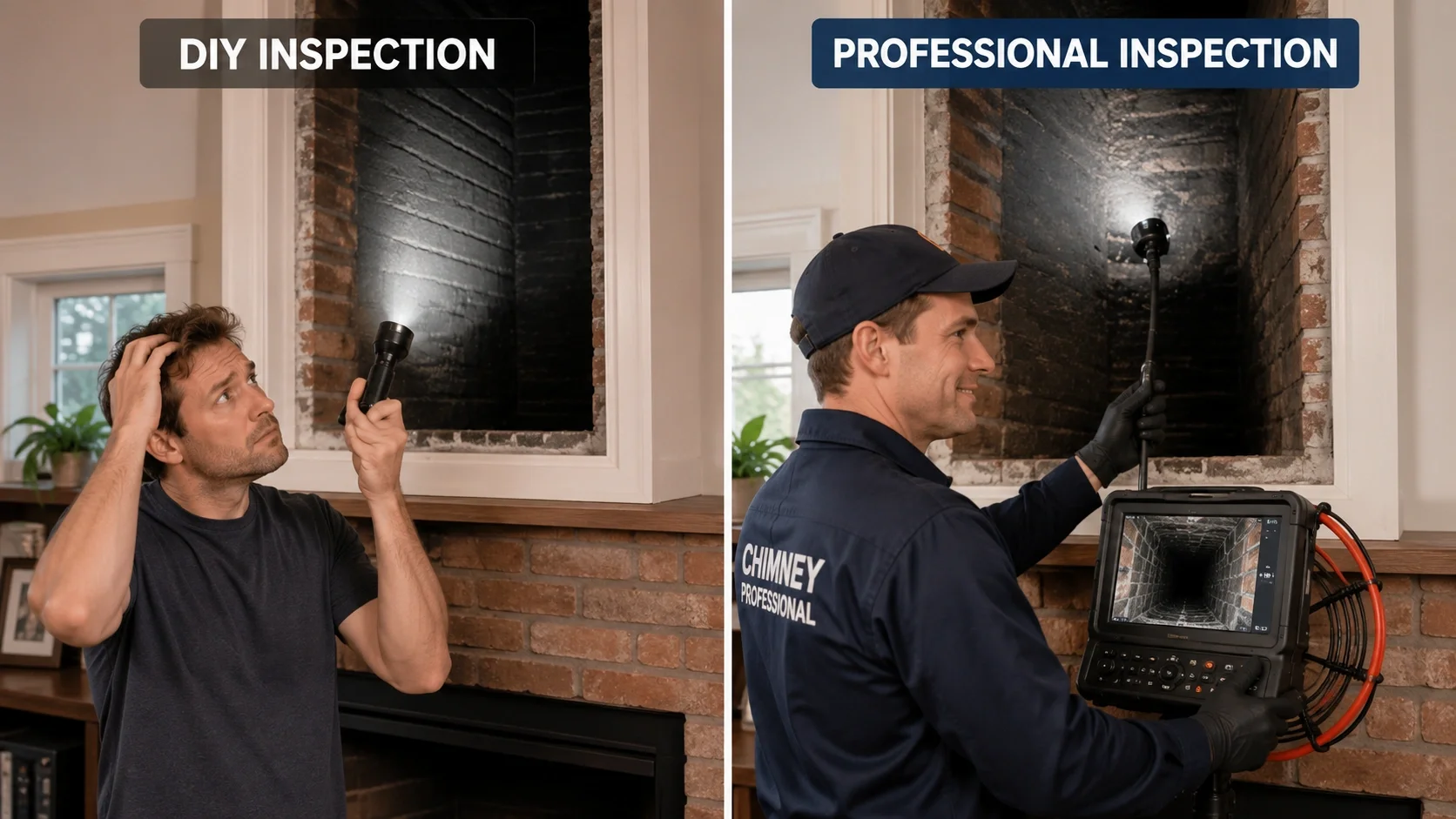
While a basic visual check from the homeowner is always smart, it cannot replace a professional inspection. Here's an honest comparison of what each approach can and cannot do:
🏠 What You Can Do (DIY Visual Check)
- Look for visible exterior damage — missing mortar, cracked bricks, leaning chimney
- Check that the chimney cap is in place and undamaged
- Open and close the damper to verify it operates properly
- Shine a flashlight up the flue for obvious creosote buildup or blockages
- Look for water stains inside the firebox or around the chimney
- Smell for unusual odors (musty, sour, or smoky)
🔧 What Only a Professional Can Do
- Video-scan the entire flue length for hairline cracks and gaps
- Measure creosote thickness accurately
- Inspect smoke chamber parging and clearances
- Evaluate flashing and concealed chase areas in attics
- Verify proper clearances behind walls and around the chimney
- Certify the chimney for insurance or real estate purposes
- Identify improper construction or code violations
- Detect carbon monoxide hazards from hidden venting problems
A DIY fireplace inspection checklist is useful for spotting obvious problems between professional visits, but it's no substitute for certified expertise. Professional chimney sweeps carry specialized camera equipment that can detect liner cracks as thin as a credit card — damage that could allow carbon monoxide or heat to reach combustible framing. For gas fireplace inspections and electric fireplace inspections, the focus shifts but the value of professional assessment remains equally important.
How to Prepare for a Chimney Inspection
Proper preparation helps the inspection go smoothly and ensures the technician can access everything they need. Follow these steps before your appointment:
Stop Using the Fireplace 24+ Hours Before
The chimney must be completely cool for the technician to work safely and for the camera to get clear readings inside the flue.
Clear the Area Around the Fireplace
Remove any fireplace décor, tools, screens, and glass doors from the immediate area. Provide at least 6 feet of clearance.
Ensure Attic or Basement Access
For Level 2 inspections, the technician will need to access the chimney chase from attic or basement spaces. Clear a path and unlock doors.
Remove Ashes and Debris
Clean out the firebox using proper ash removal procedures. A clean firebox allows better visibility of the interior structure.
Document Any Issues You've Noticed
Write down any unusual smells, sounds, drafting problems, or water stains. This information helps the technician focus on potential problem areas.
Gather Your Records
If you have previous inspection reports, repair receipts, or the original installation documentation, have them available for the technician to review.
Common Problems Found During Chimney Inspections
Chimney inspections frequently uncover hidden issues that homeowners were completely unaware of. Here are the most common findings, ranked by urgency:
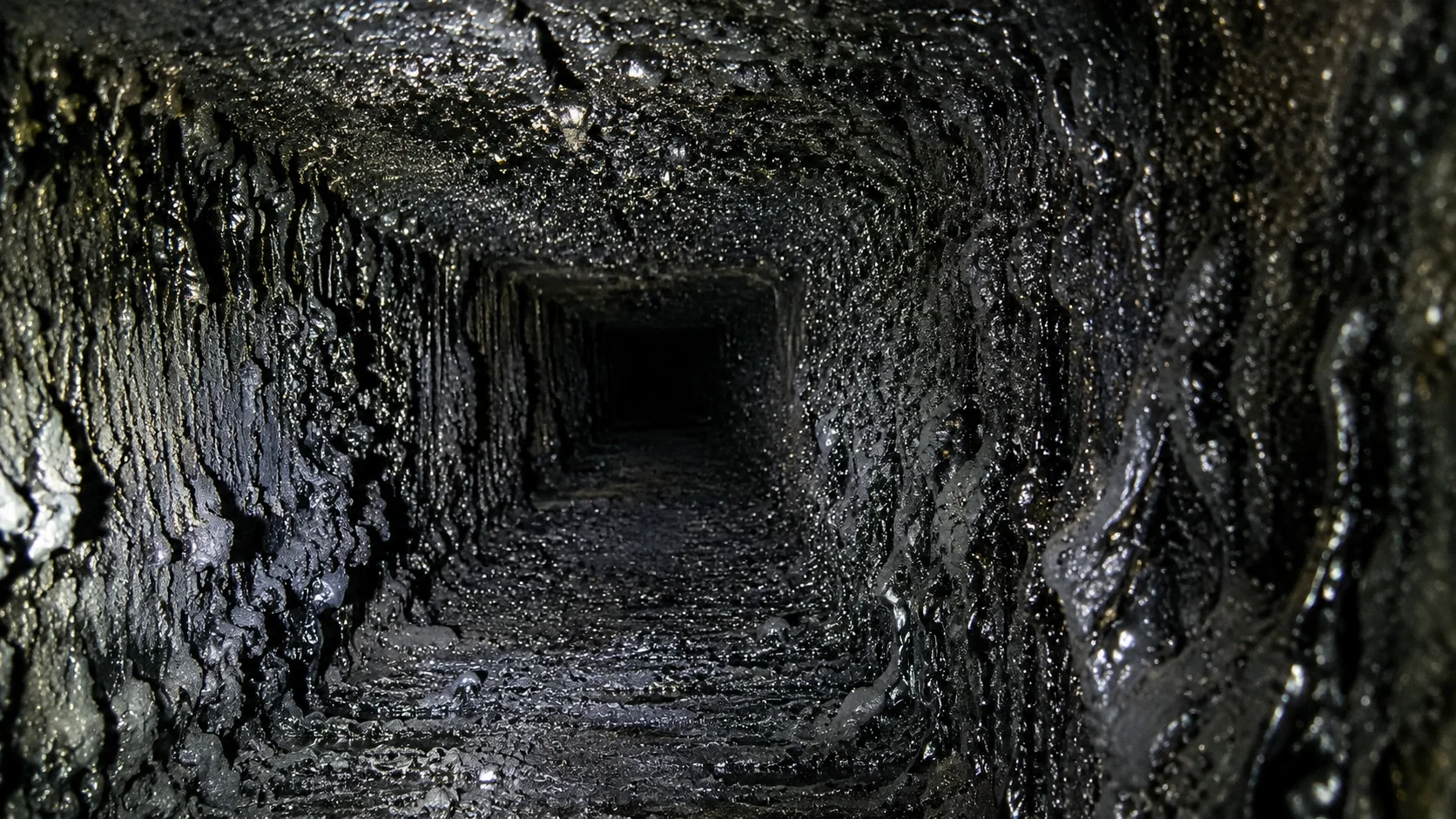
Creosote Buildup
The #1 finding. Even 1/8 inch of glazed creosote can cause a chimney fire. Requires immediate professional cleaning before further use.

Cracked Flue Liner
Cracked clay tiles or damaged stainless steel liners allow heat and toxic gases to reach combustible framing. Must be repaired or relined before use.

Cracked Chimney Crown
The concrete crown at the top of the chimney is the first line of defense against water. Cracks allow water to penetrate, causing freeze-thaw damage to mortar and bricks.

Deteriorated Mortar Joints
Mortar erosion from weather exposure weakens the chimney structure. Tuckpointing or repointing is needed to prevent further deterioration and potential collapse.

Flashing Leaks
Failed flashing at the chimney-roof junction is a leading cause of attic water damage. Proper resealing or replacement prevents costly interior repairs.
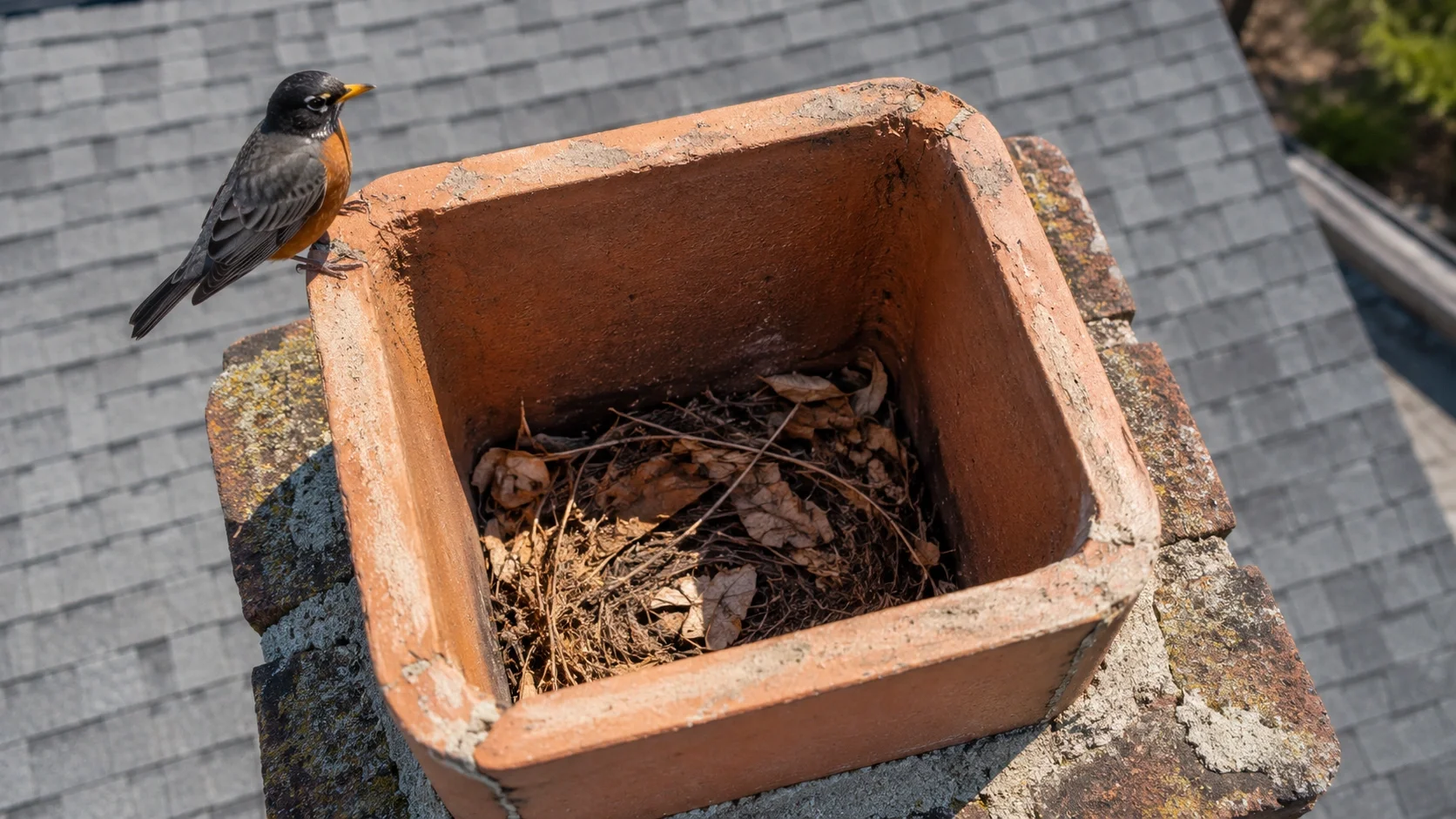
Missing or Damaged Chimney Cap
Without a cap, rain, snow, debris, and animals enter the flue. An inexpensive cap prevents expensive water damage and blockages.
Many of these problems develop silently over months or years. Water damage is particularly insidious — by the time you see stains inside your home, the structural damage inside the chimney may already be extensive. This is why a visual DIY check alone isn't sufficient for wood fireplace maintenance or any fuel type. For homeowners with older traditional fireplaces or rustic fireplaces with masonry chimneys, inspections become even more critical as the system ages.
How to Choose a Qualified Chimney Inspector
Not all chimney sweeps are created equal. Hiring an unqualified inspector can be just as dangerous as skipping the inspection entirely. Here's what to look for:
Certifications and Credentials to Verify
- CSIA Certified — Chimney Safety Institute of America certification is the gold standard in the US
- NFI Certified — National Fireplace Institute certification demonstrates technical competency
- F.I.R.E. Certified Inspector — Fire Investigation Research and Education credential for advanced inspections
- State licensing — Verify your state's requirements; some states mandate specific chimney sweep licenses
- Insurance — Ensure the company carries liability insurance and workers' compensation
Questions to Ask Before Hiring
- What level of inspection do you recommend for my situation and why?
- Do you use video scanning equipment for Level 2 inspections?
- Will I receive a written report with photos of the flue interior?
- Are you certified by CSIA or NFI? Can I see your credentials?
- Do you also perform repairs, or only inspections?
- What is the total cost, including any additional fees for attic or roof access?
Avoid companies that offer "free inspections" with the expectation of selling you repairs — this creates a conflict of interest. A reputable inspector provides an honest assessment regardless of whether repairs are needed. For more guidance, our article on when to call a chimney sweep helps you determine the right timing and service for your specific situation.
Protect Your Home with a Certified Inspection
A professional chimney inspection costs a fraction of chimney fire repairs. Don't wait for warning signs — schedule your inspection before the heating season begins.
View Maintenance ScheduleChimney Inspection Focus by Fuel Type

The type of fuel your fireplace uses significantly affects what the inspector focuses on. Each fuel type produces different byproducts and has unique venting requirements:
Wood-Burning Fireplaces
- Primary concern: creosote accumulation — the leading cause of chimney fires
- Flue liner integrity — high temperatures and corrosive creosote erode clay liners
- Draft performance — proper air flow is essential for safe combustion and smoke evacuation
- Spark arrestor and cap condition — prevent ember escape and animal entry
- Recommended inspection frequency: Annually, plus mid-season for heavy users
Gas Fireplaces (Natural Gas & Propane)
- Primary concern: carbon monoxide leakage from cracked heat exchangers or damaged venting
- Vent pipe integrity — direct vent and B-vent systems must be sealed and correctly installed
- Gas connection safety — checking for leaks and proper pressure
- Burner and pilot assembly — clean and functioning correctly
- Recommended inspection frequency: Annually — see our gas fireplace maintenance guide
Ethanol and Electric Fireplaces
- Ethanol fireplaces: Vent-free but require room ventilation verification and burner condition checks
- Electric fireplaces: No chimney inspection needed — focus on electrical component maintenance
- Both types: Verify clearance to combustibles and proper installation
If you're considering switching fuel types, understand that a propane to natural gas conversion or a change from wood to gas requires a Level 2 inspection before and after the conversion. This ensures the existing chimney system is compatible with the new appliance and fuel type.
Frequently Asked Questions About Chimney Inspections
A chimney inspection typically costs between $150 and $500 depending on the level. Level 1 inspections range from $150–$250, Level 2 from $250–$500, and Level 3 from $500–$1,500 or more. Bundling with a chimney cleaning can save $50–$100. Prices vary by region and chimney accessibility.
According to NFPA 211, chimneys should be inspected at least once per year. You should also schedule an inspection after any chimney fire, seismic event, or before purchasing a home with a fireplace. Heavy wood-burner users should consider a mid-season inspection. Our fireplace service frequency guide provides detailed scheduling recommendations.
Level 1 is a basic visual inspection of accessible parts, recommended for unchanged systems. Level 2 includes video scanning of the flue interior and is required when changes are made or property is sold. Level 3 involves removal of components to investigate hidden damage. Most homeowners need a Level 1 or Level 2 inspection.
You can perform a basic visual check for obvious damage, but a professional chimney inspection uses specialized camera equipment and follows NFPA 211 standards. A certified chimney sweep can identify hidden hazards like creosote buildup, flue liner cracks, and structural issues that a DIY check would miss. Professional inspection is essential for safety and often required for insurance coverage.
Yes. Gas fireplaces produce moisture and exhaust gases that must be safely vented. A cracked or blocked vent can cause carbon monoxide to enter your living space. Annual inspection of gas venting systems is just as critical as for wood-burning systems. Visit our gas fireplace inspection guide for specifics.
If a chimney fails inspection, the technician will provide a written report detailing the problems and recommended repairs. You should not use the fireplace until all safety-critical issues are resolved. Common repairs include flue relining, crown repair, mortar repointing, and creosote removal. See our maintenance cost guide for typical repair pricing.
While not legally required in all states, a Level 2 chimney inspection is strongly recommended during any real estate transaction. Standard home inspections typically do not include video scanning of the chimney flue, meaning hidden damage could go undetected. A dedicated chimney inspection can prevent you from inheriting thousands of dollars in hidden repair costs.
Most homeowner's insurance policies do not cover routine chimney inspections, but they may cover chimney damage caused by covered perils (fire, storm, lightning). Some insurers offer discounts for documented annual inspections. Always keep your inspection reports as proof of maintenance. If your chimney is damaged in a covered event, documentation of prior inspections strengthens your claim.
A fireplace chimney inspection is a small investment that protects your home, your family, and your peace of mind. Whether you maintain a ventless fireplace, a traditional wood-burning hearth, or a modern fireplace insert, the annual inspection is your first line of defense against hidden dangers. For year-round maintenance guidance, follow our complete fireplace maintenance schedule and seasonal winter preparation and summer care guides.