
Can a Fireplace Heat an Entire House?
The short answer is yes—but only with the right type, proper sizing, and strategic placement. Learn which fireplaces can effectively warm your entire home and how to maximize their heating potential.
LEARN ABOUT BTU REQUIREMENTSMany homeowners wonder if they can rely on a fireplace as their primary heat source, potentially reducing or eliminating their dependence on conventional heating systems. The answer depends on several critical factors including the fireplace type, your home's size and insulation, and how the heat is distributed throughout your living space.
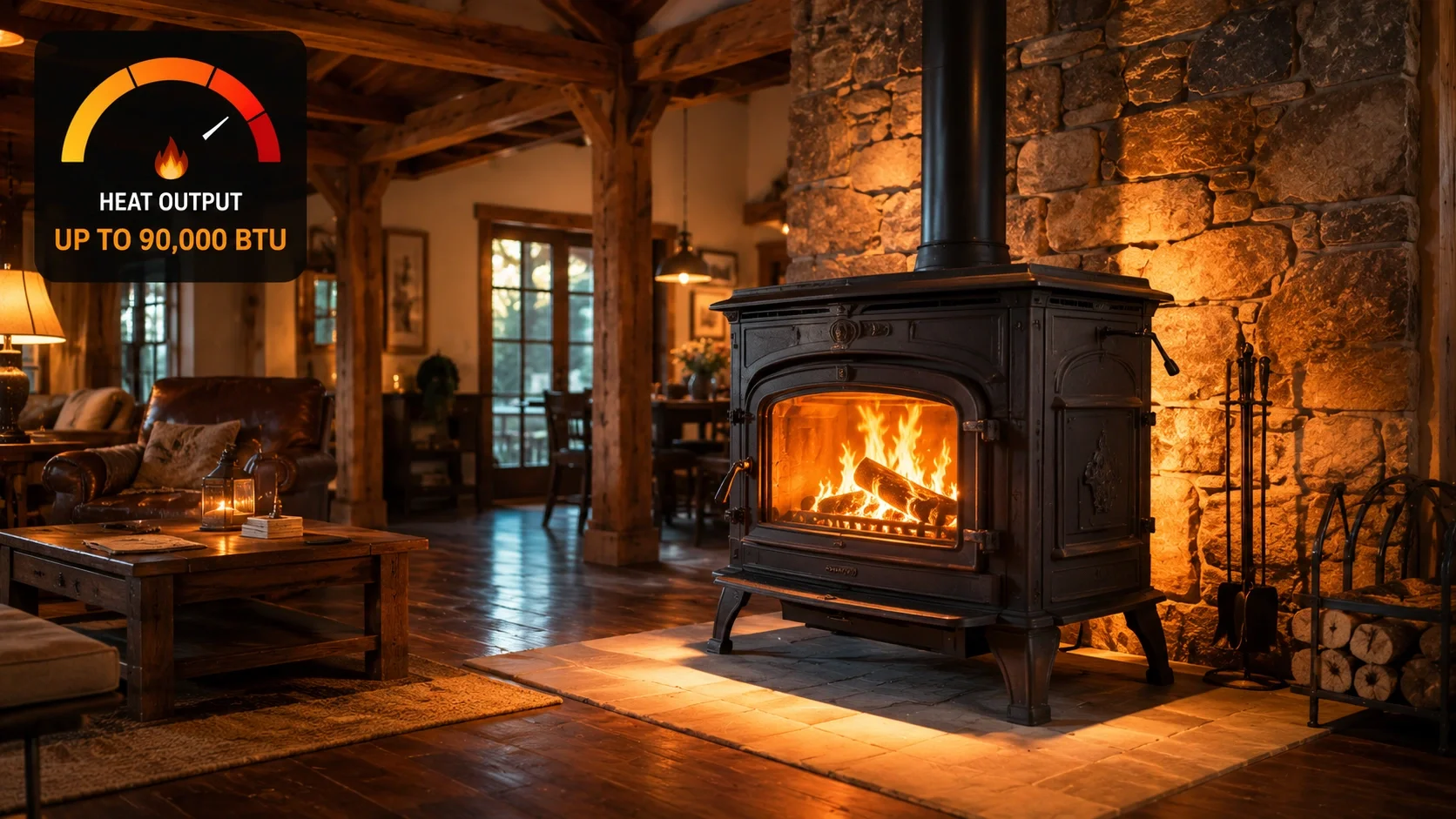
While electric fireplaces are excellent for zone heating and ambiance, they typically aren't powerful enough to heat an entire house. On the other hand, certain wood-burning fireplaces, particularly those with efficient designs or functioning as fireplace inserts, can indeed provide sufficient heat for whole-home warming when properly sized and operated.
Key Insight: The ability of a fireplace to heat an entire house isn't just about raw BTU output—it's about how effectively that heat is captured, distributed, and retained throughout your home.

High-Capacity Fireplaces for Whole-House Heating
⚠️ AFFILIATE DISCLOSURE: This website contains affiliate links. As an Amazon Associate, we earn from qualifying purchases. If you make a purchase through these links, we may receive a small commission at no additional cost to you. Read our full affiliate policy.

EUHOMY 50 Inch Electric Fireplace Recessed and Wall Mounted
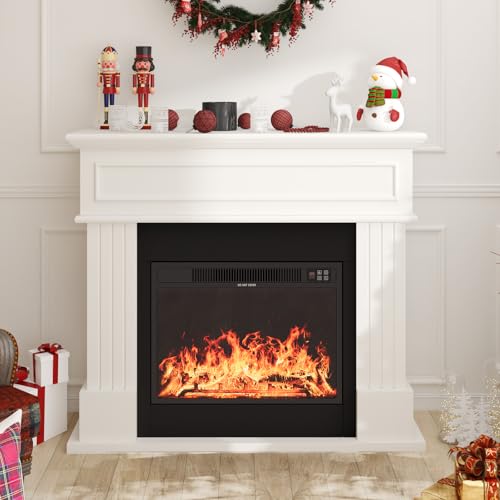
OneBlis 43" Electric Fireplace with Mantel, Freestanding Electric Fireplace Heater TV Stand with 23" Insert, Remote Control, Ajustable Flame and Timer, Fire Place Insert Heater for Living Room, White
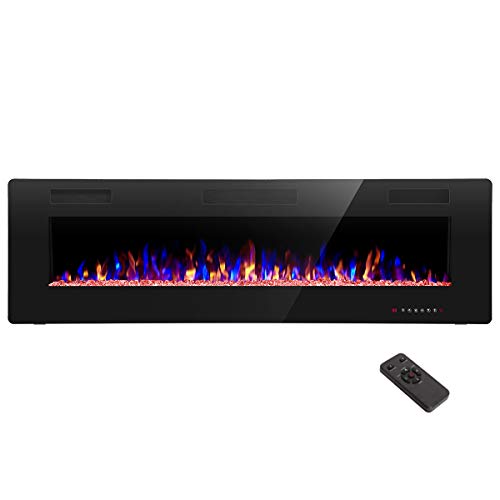
R.W.FLAME 60" Recessed and Wall Mounted Electric Fireplace, Low Noise, Fit for 2 x 6 Stud, Remote Control with Timer, Touch Screen, Adjustable Flame Color and Speed, 750-1500W

Tehanld 60" Ultra-Thin Electric Fireplace Heater, Recessed Wall Mounted

OneBlis 70" TV Stand for Living Room, Modern Entertainment Center & Media Console, Fits TVs up to 80", Storage Cabinet with Shelves, 36" Electric Fireplace with LED Flame (All Black)

duraflame Freestanding Electric Fireplace Stove Heater with 3D Flame Effect for 1,000 Sq. Ft. Room, Black

duraflame Freestanding Electric Fireplace Stove Heater with 3D Flame Effect for 1,000 Sq. Ft, Bronze

EUHOMY 60 Inch Electric Fireplace Recessed Wall Mounted
Fireplace Types and Their Heating Capabilities
Not all fireplaces are created equal when it comes to whole-house heating. Understanding the heating capabilities of different fireplace types is essential for determining if they can meet your home's heating needs.
Heating Capacity Comparison by Fireplace Type
| Fireplace Type | Typical BTU Range | Heating Area | Whole-House Potential |
|---|---|---|---|
| Traditional Wood-Burning | 20,000-60,000+ | 500-2,000 sq ft | Moderate (with modifications) |
| Wood-Burning Insert | 40,000-80,000+ | 1,000-3,000 sq ft | High |
| Wood Stove | 40,000-100,000+ | 1,000-3,500 sq ft | High |
| Gas Fireplace (Direct Vent) | 10,000-40,000 | 400-1,300 sq ft | Low to Moderate |
| Propane Fireplace | 10,000-40,000 | 400-1,300 sq ft | Low to Moderate |
| Electric Fireplace | 4,000-5,000 | 400-500 sq ft | Low |
| Ethanol Fireplace | 3,000-12,000 | 200-400 sq ft | Very Low |
| Water Vapor Fireplace | 0 (flame effect only) | N/A | None |
As the table shows, wood-burning inserts and wood stoves offer the highest potential for whole-house heating due to their superior heat output and efficiency. Traditional open wood-burning fireplaces can also heat an entire home, but typically only after modifications to improve heat capture and distribution.
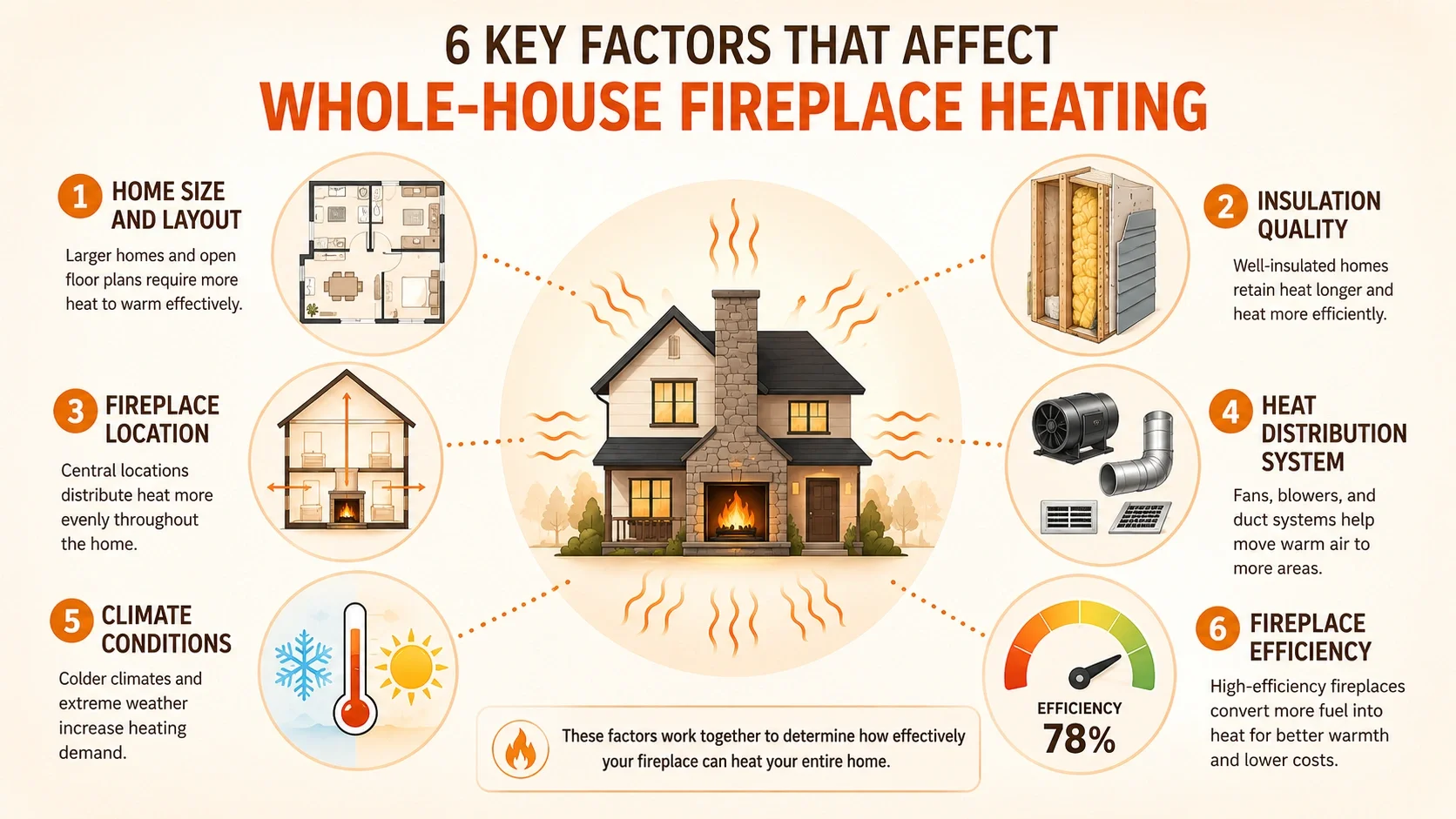
Key Factors That Determine Whole-House Heating Capability
Even the most powerful fireplace may struggle to heat an entire home if other factors aren't optimized. These elements work together to determine whether a fireplace can effectively warm your entire living space:
Home Size and Layout
The square footage of your home and its floor plan significantly impact heating effectiveness. Open floor plans allow heat to circulate more freely, while multi-story homes with many small rooms present greater challenges. Homes under 2,000 square feet are more realistically heated by a single fireplace than larger homes.
Insulation Quality
Well-insulated homes retain heat more effectively, making it easier for a fireplace to maintain comfortable temperatures throughout. Poor insulation in walls, attics, and around windows and doors allows heat to escape, requiring the fireplace to work harder and potentially preventing it from heating distant rooms adequately.
Fireplace Location
Central placement allows heat to radiate more evenly throughout the home. Fireplaces located at exterior walls or in corners may struggle to reach opposite sides of the house. Consider corner placements or central locations for more balanced heat distribution.
Heat Distribution System
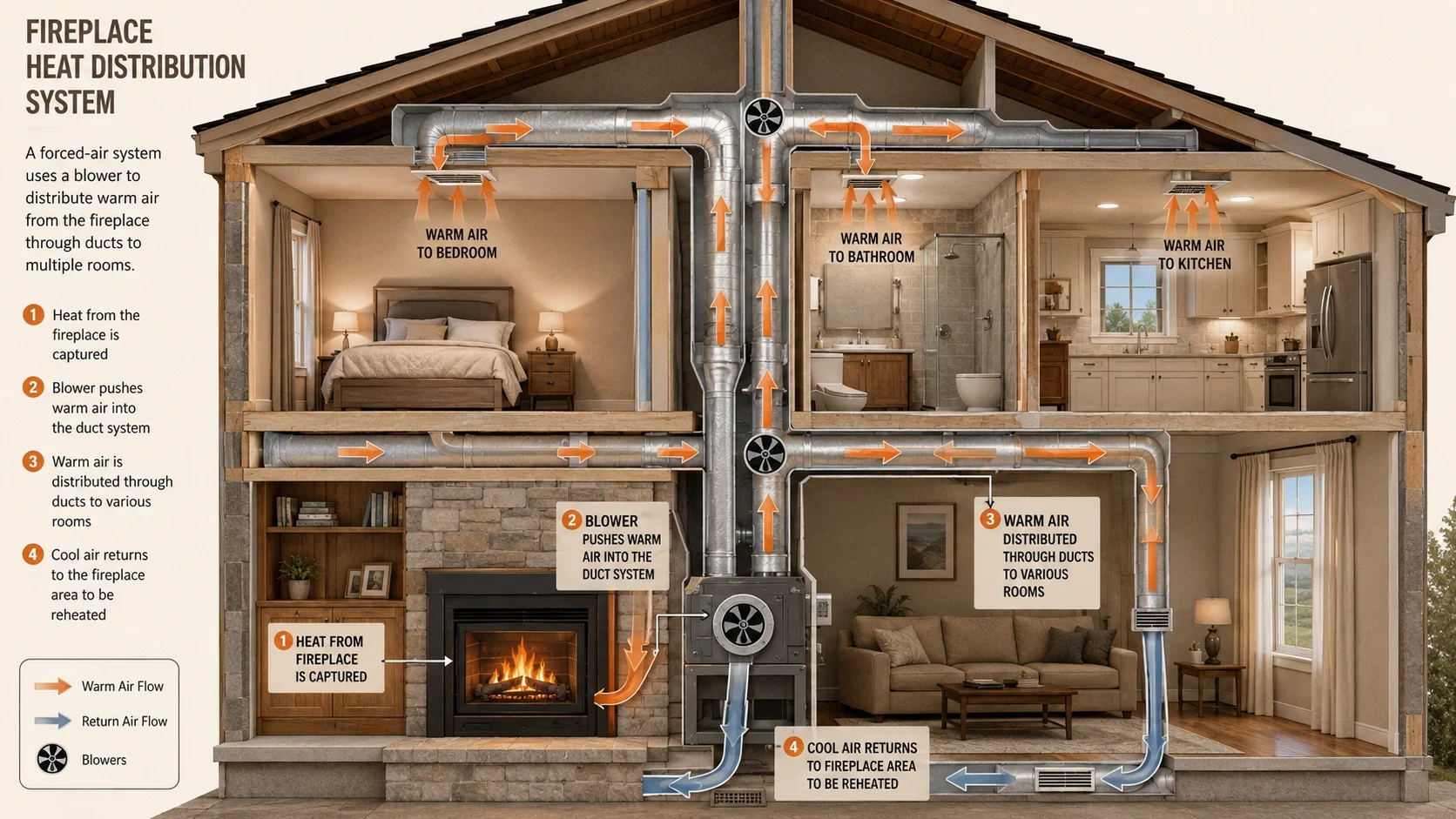
Without a method to move warm air from the fireplace room to other areas of the house, heat will remain localized. Options include using existing ductwork with a special fireplace blower, installing floor or wall vents, or employing ceiling fans to circulate air between rooms.
Climate and Outdoor Temperature
Milder climates naturally make whole-house fireplace heating more feasible. In regions with extreme cold temperatures, even the most powerful fireplace may struggle during the coldest periods, potentially requiring supplemental heating in distant rooms.
Fireplace Efficiency
The efficiency rating of your fireplace determines how much heat actually enters your home versus how much escapes up the chimney. Traditional open fireplaces may be only 10-20% efficient, while modern inserts can achieve 70-80% efficiency, dramatically increasing their whole-house heating potential.
Strategies to Maximize Whole-House Heating
If you're determined to heat your entire home with a fireplace, implementing these strategies can significantly improve your chances of success:
Install a High-Efficiency Fireplace Insert or Stove
Converting a traditional open fireplace to a high-efficiency insert or adding a freestanding wood stove is the single most effective way to increase whole-house heating potential. These units capture and radiate significantly more heat into your living space while burning less fuel.
Implement a Heat Distribution System
Consider installing a forced-air system that connects to your fireplace and distributes warm air through your home's existing ductwork. Alternatively, strategically placed floor or wall vents can allow warm air to naturally flow to other rooms. Fireplace blowers and fans can also help push warm air into adjacent spaces.
Use Ceiling Fans to Circulate Air
Set ceiling fans to rotate clockwise at low speed during heating season. This creates an updraft that pushes warm air that has risen to the ceiling down toward the floor and into adjacent rooms through doorways and hallways.
Improve Home Insulation and Seal Air Leaks
Enhance your home's ability to retain heat by adding insulation to attics, walls, and basements. Seal gaps around windows, doors, and other penetrations with weatherstripping and caulk. This prevents the heat generated by your fireplace from escaping, allowing it to warm your home more effectively.
Keep Interior Doors Strategically Open
Create a pathway for warm air to flow throughout your home by keeping doors between rooms slightly open. Avoid closing off large sections of your home, as this creates cold zones that are difficult to warm later.
Use Thermal Mass to Your Advantage
Materials like brick, stone, and tile absorb and slowly release heat. Positioning your fireplace near these materials or incorporating them into your fireplace surround can help regulate temperatures and extend the heating effect after the fire dies down.
Maintain Consistent Burning Practices
For wood-burning units, use properly seasoned hardwood and maintain a hot, efficient fire. Avoid smoldering fires, which produce less heat and more creosote buildup. For gas fireplaces, ensure proper maintenance to maintain optimal efficiency and heat output.
Cost Considerations for Whole-House Fireplace Heating
While heating your entire home with a fireplace can potentially reduce energy costs, it's important to understand the full financial picture:
Cost Comparison: Fireplace vs. Conventional Heating
The financial benefits of whole-house fireplace heating depend heavily on your local climate, the cost of alternative heating fuels in your area, and how efficiently you can operate the system. In regions with high electricity or natural gas prices, wood heating can offer significant savings. However, in areas with cheap natural gas, the economic advantage may be minimal.
For a more detailed breakdown of costs, see our comprehensive guide on fireplace cost considerations and how fireplaces compare to central heating systems.

Essential Safety Considerations
When using a fireplace as a primary heat source, safety becomes even more critical:
- Install carbon monoxide detectors: Place detectors on every level of your home and near sleeping areas. Test them regularly and replace batteries annually.
- Schedule annual inspections: Have your chimney and fireplace professionally inspected and cleaned before each heating season to prevent creosote buildup and identify potential hazards.
- Maintain clearances: Keep combustible materials at least 36 inches away from the fireplace opening and follow manufacturer guidelines for clearances around wood stoves.
- Use proper ventilation: Never operate a wood-burning fireplace with a closed damper, as this can cause carbon monoxide to build up in your home.
- Have a backup heating plan: Always have an alternative heating source available in case your primary fireplace system fails during extreme weather.
- Practice safe burning habits: Never use flammable liquids to start a fire, don't burn trash or treated wood, and always use a fireplace screen to prevent sparks from escaping.
For more detailed safety information, see our guides on carbon monoxide safety and preventing ember hazards.

The Verdict: Can a Fireplace Heat Your Entire Home?
The answer is a qualified yes—with the right combination of fireplace type, home characteristics, and heat distribution strategies. For most homeowners, the most practical path to whole-house fireplace heating involves:
- Installing a high-efficiency wood-burning insert or freestanding stove with sufficient BTU capacity for your home's square footage
- Implementing an effective heat distribution system to move warm air throughout your home
- Improving insulation and air sealing to retain heat effectively
- Maintaining consistent burning practices for optimal heat output
- Having realistic expectations about temperature variations between rooms
For smaller, well-insulated homes in moderate climates, a properly sized and installed wood stove or insert can realistically serve as the primary heat source. For larger homes or those in extreme climates, a fireplace can significantly reduce but not completely eliminate the need for supplemental heating in some areas.
Final Recommendation: If you're considering whole-house fireplace heating, consult with a professional installer who can assess your specific home, recommend the appropriate fireplace size and type, and design an effective heat distribution system tailored to your floor plan.
For more information on selecting the right fireplace for your heating needs, explore our complete fireplace buying guide or use our fireplace sizing worksheet to calculate your specific requirements.