
DIY Corner Fireplace: Complete Installation Guide
Transform unused corner space into a stunning focal point with our comprehensive guide to building and installing a corner fireplace
A corner fireplace offers a unique solution for homeowners looking to add warmth and character to their living space while maximizing floor space. Unlike traditional fireplace placements that require significant wall space, a corner installation utilizes often-underused areas, making it perfect for smaller rooms or open floor plans. Whether you're considering an electric model for easy installation or dreaming of a custom-built gas fireplace, our comprehensive guide will walk you through every aspect of creating your perfect corner fireplace.
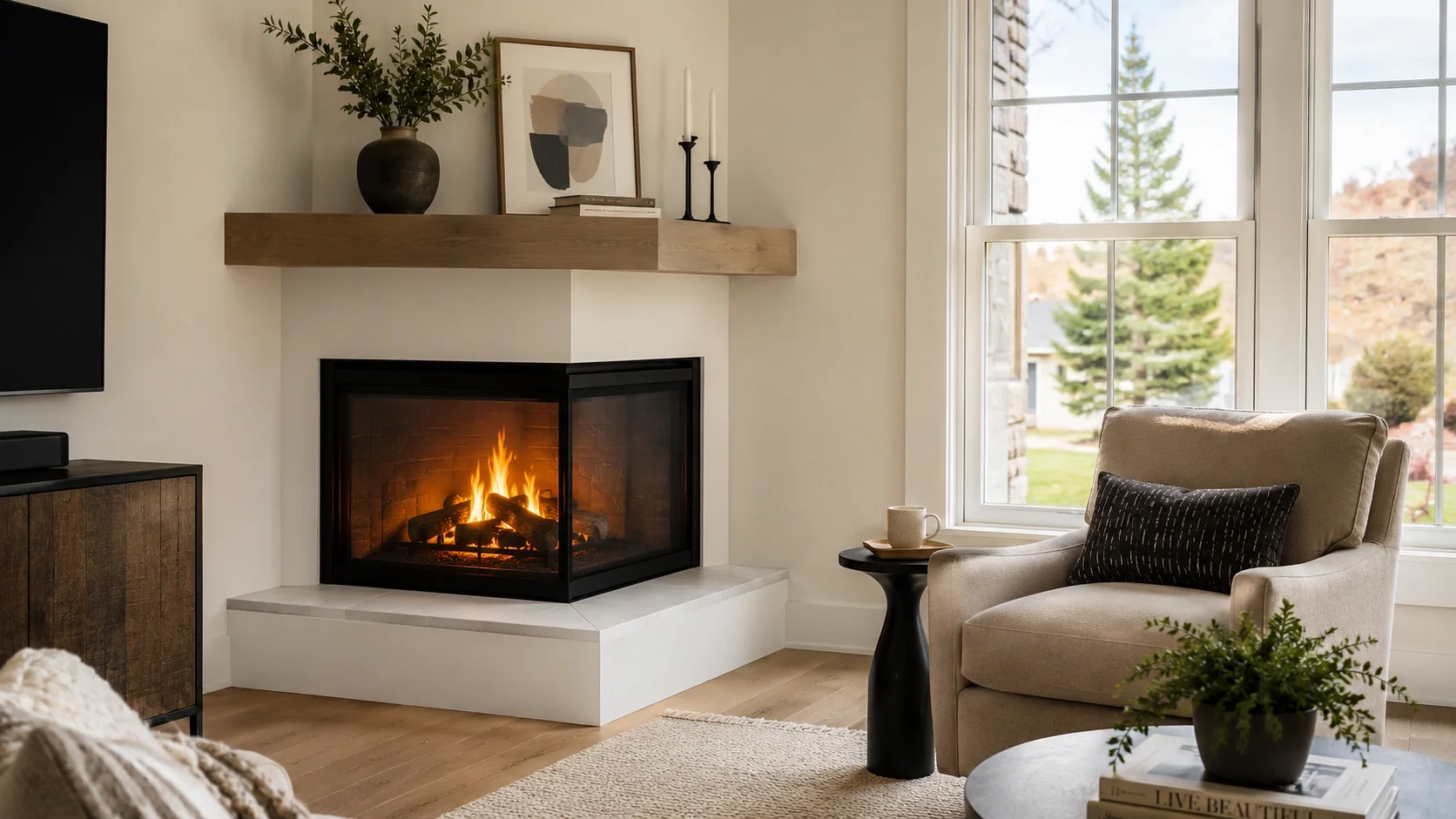
Benefits of a Corner Fireplace
Corner fireplaces offer numerous advantages that make them an excellent choice for many homes. Understanding these benefits can help you determine if this style is right for your space and needs.
Space Efficiency
Corner fireplaces utilize space that would otherwise remain unused, making them ideal for smaller rooms or apartments where floor space is at a premium. They allow for better furniture arrangement and traffic flow compared to traditional wall-mounted fireplaces.
Enhanced Heat Distribution
The angled placement of corner fireplaces helps distribute heat more evenly throughout the room. Rather than heating just one wall, the heat radiates outward in multiple directions, creating a more comfortable environment.
Architectural Interest
A corner fireplace adds visual interest and breaks up the monotony of straight walls. It creates a natural focal point that draws the eye and adds dimension to the room's design.
Flexible Design Options
Corner fireplaces come in various styles, from contemporary sleek designs to rustic stone constructions. This versatility allows you to match your existing decor while creating a unique feature.
Cozy Atmosphere
The angled placement creates a naturally intimate seating area, perfect for conversation and relaxation. The corner location helps define a separate zone within larger rooms, creating a cozy nook effect.
Increased Home Value
Like other fireplace installations, a well-executed corner fireplace can increase your home's value and appeal to potential buyers, offering a good return on investment.
Types of Corner Fireplaces
Before beginning your DIY fireplace project, it's important to understand the different types of corner fireplaces available. Each type has specific installation requirements, benefits, and considerations.
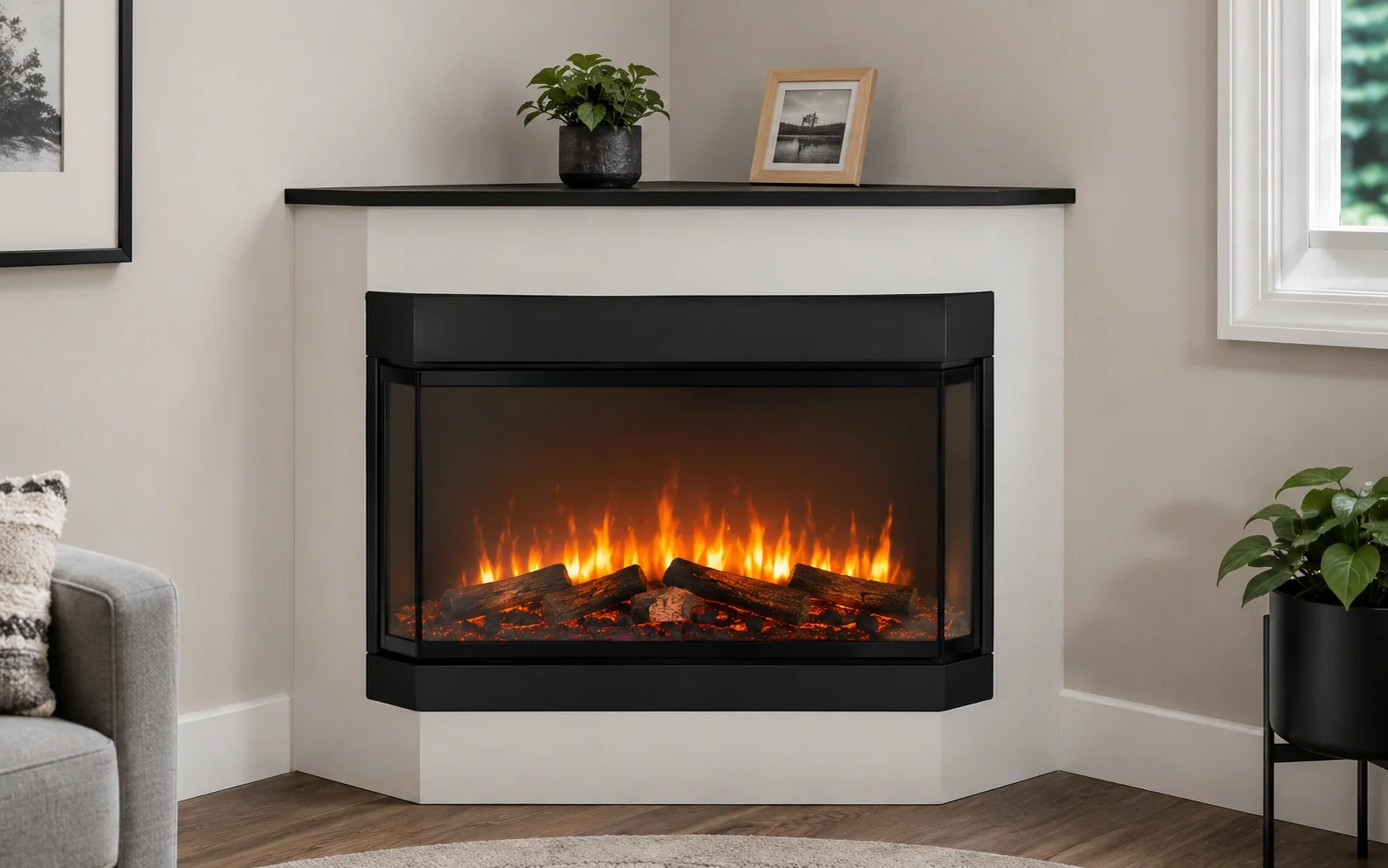
Electric Corner Fireplaces
The most DIY-friendly option, electric corner fireplaces require no venting and typically just need a standard electrical outlet. They offer the easiest installation process and come in various styles from wall-mounted units to complete mantel packages. Modern models feature realistic flame effects and can provide supplemental heating.

Gas Corner Fireplaces
Gas fireplaces offer the convenience of instant heat and realistic flames without the mess of wood. They can be ventless (requiring no chimney) or direct-vent models that need minimal venting through an exterior wall. Gas units provide more heat than electric models and work even during power outages.
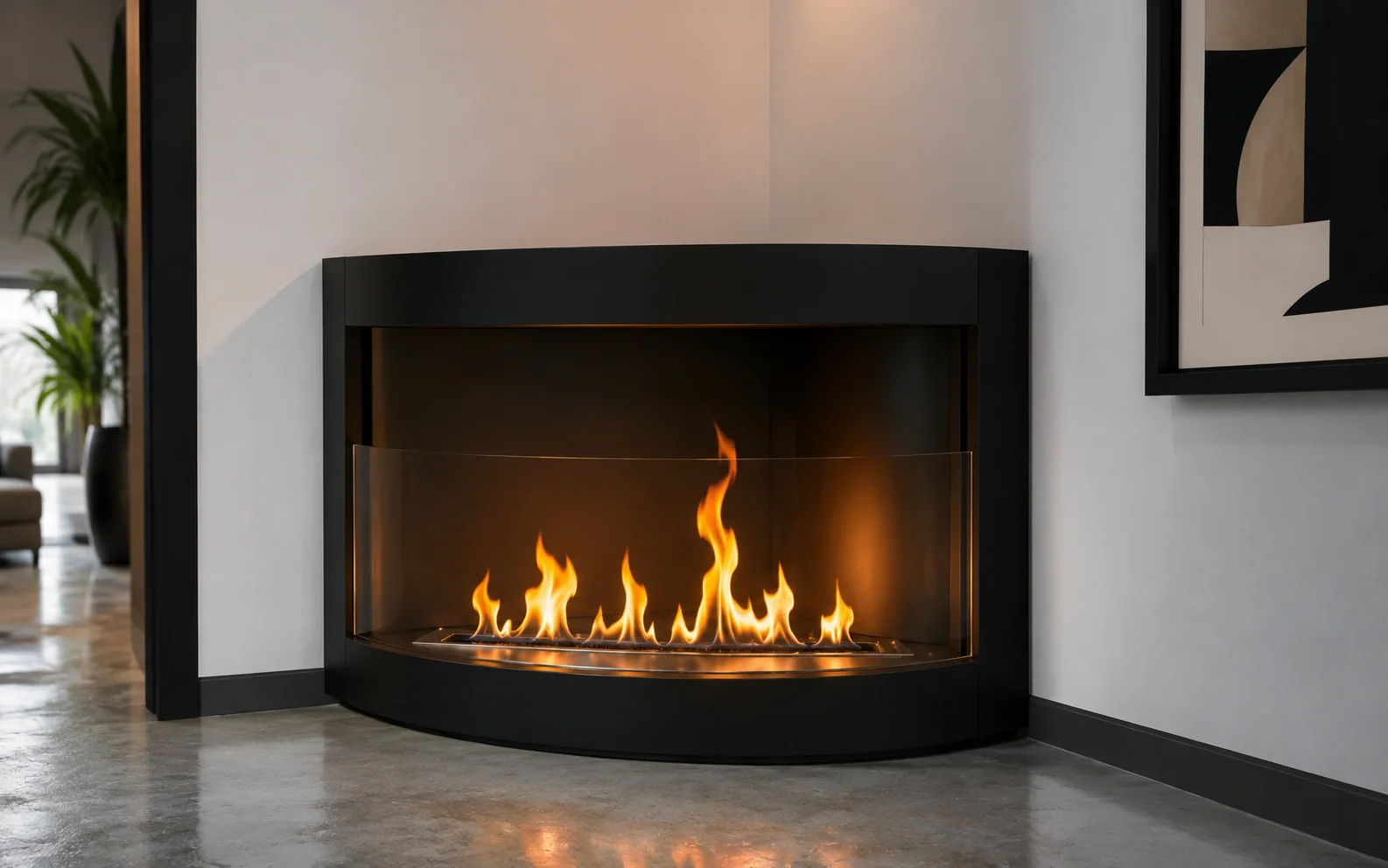
Ethanol Corner Fireplaces
Ethanol fireplaces burn clean bioethanol fuel, producing real flames without smoke, ash, or need for venting. They're extremely versatile in placement since they don't require utility connections. These units are perfect for minimalist designs and offer the ambiance of real fire with minimal installation requirements.
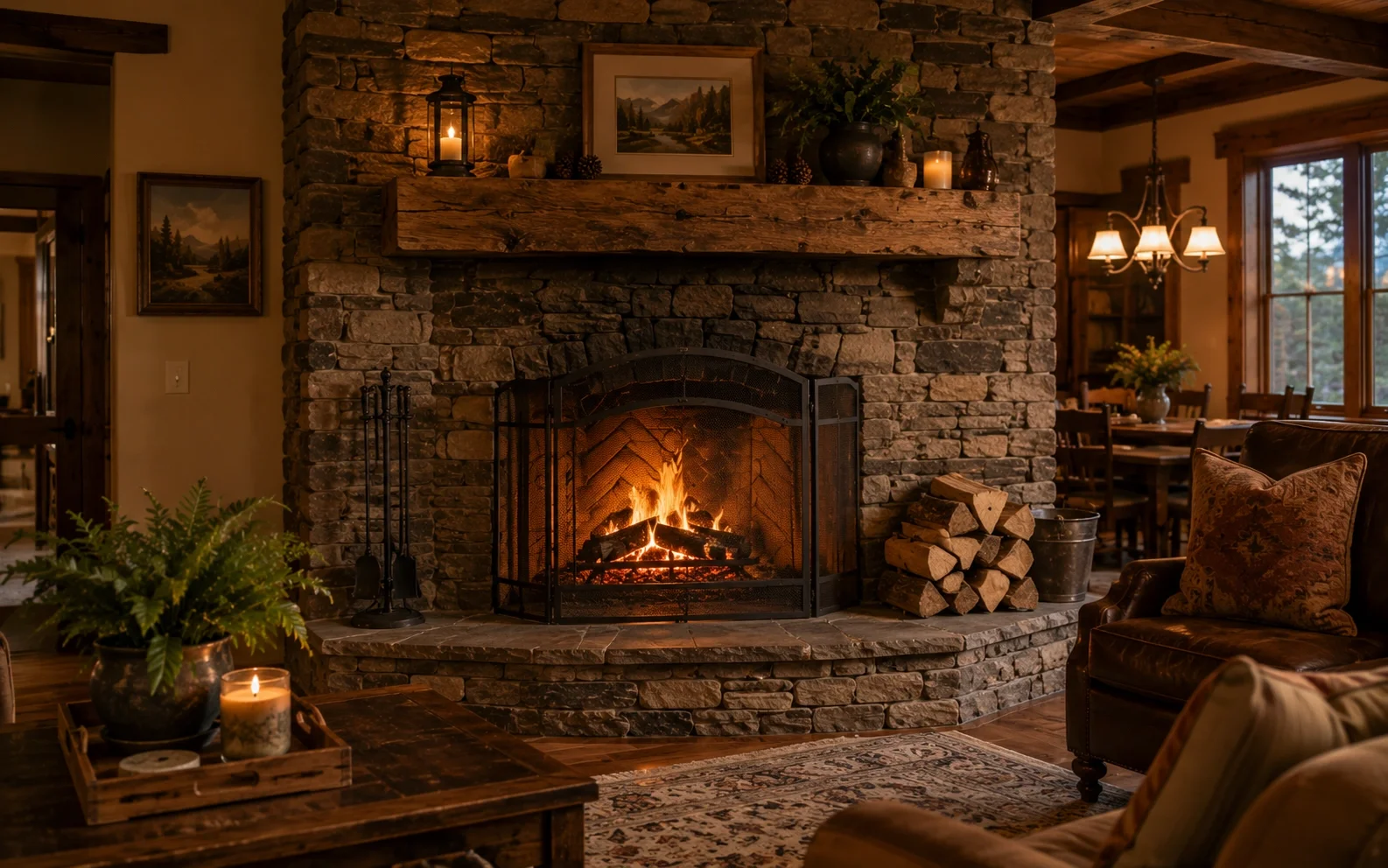
Wood-Burning Corner Fireplaces
For those who love the traditional experience, wood-burning corner fireplaces offer the authentic crackle, aroma, and warmth of a real wood fire. These require proper chimney installation and more complex construction but provide the highest heat output and most traditional aesthetic.
Planning Your Corner Fireplace
Proper planning is essential for a successful corner fireplace installation. Consider these key factors before beginning your project:
Location Assessment
Not all corners are created equal when it comes to fireplace installation. Evaluate your chosen corner for structural integrity, proximity to electrical outlets or gas lines, and ceiling height. Consider how the fireplace will affect traffic flow and furniture placement in the room. For living room installations, ensure the corner provides good sightlines from main seating areas.
Size Proportions
The fireplace should be proportionate to the room size. A massive fireplace in a small room will overwhelm the space, while a tiny unit in a large room will look out of place. As a general rule, the fireplace should occupy about 1/3 to 1/2 of the wall height in the corner. Use our fireplace sizing worksheet to calculate ideal dimensions for your space.
Building Codes and Permits
Before starting construction, check local building codes regarding fireplace permits and installation requirements. Different municipalities have varying regulations about clearances, venting, and fire safety measures. Failure to obtain necessary permits can result in fines and may cause problems when selling your home.
💡 Planning Tip
Create a cardboard template of your planned fireplace dimensions and tape it in the corner where you intend to install it. Live with it for a few days to ensure the size and placement feel right before committing to the project.
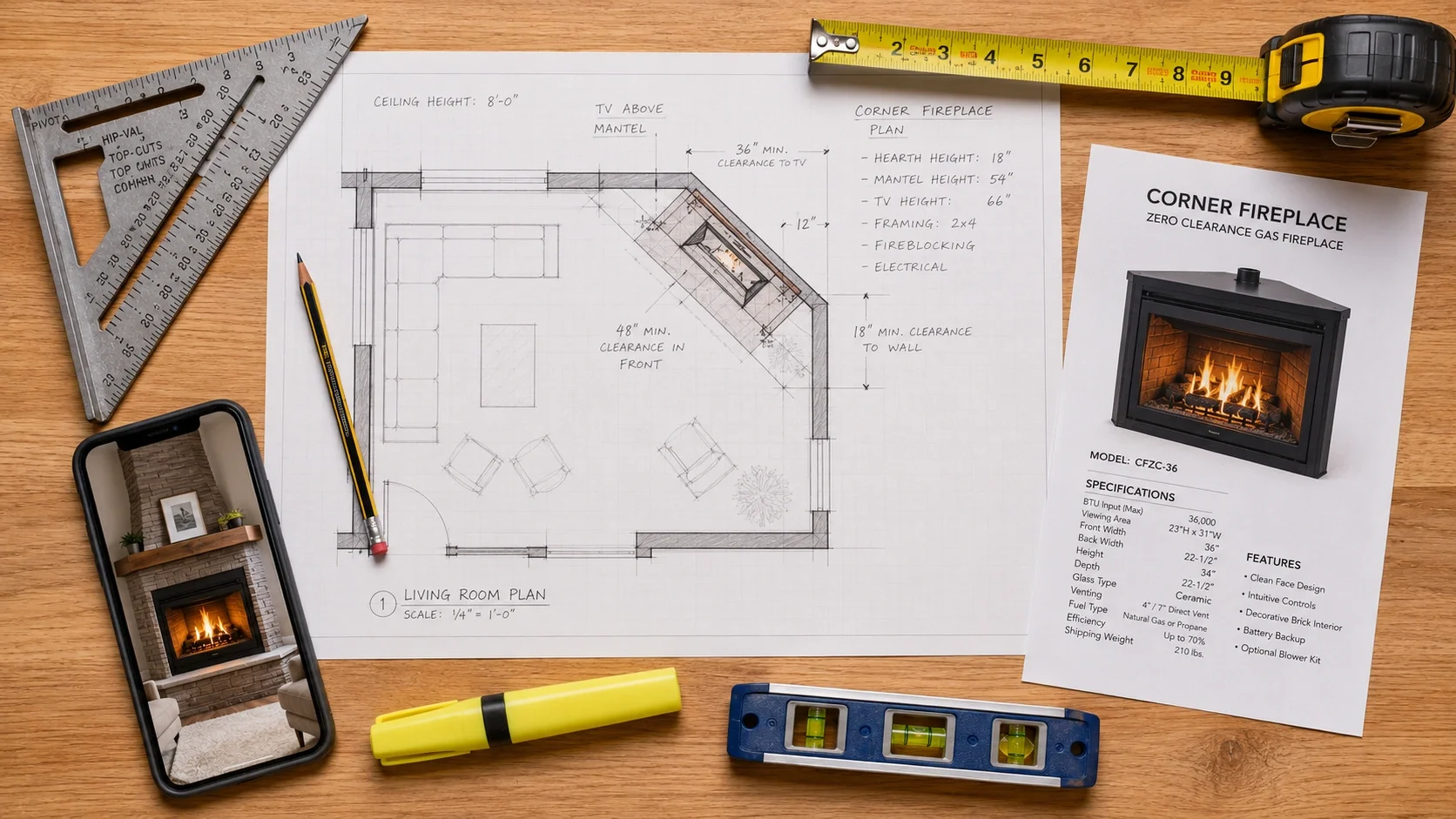
Materials and Tools Needed
The specific materials and tools required will vary based on your chosen fireplace type and design. However, most corner fireplace projects will require the following basics:
Essential Materials
- Fireplace unit (appropriate type for your project)
- Framing lumber (2x4s for wall framing)
- Drywall or finishing materials
- Surround materials (tile, stone, mantel, etc.)
- Fire-rated materials for clearance areas
- Electrical wiring and components (if needed)
- Venting materials (for gas or wood models)
- Insulation
- Screws, nails, and fasteners
Tools Required
- Stud finder
- Level (4-foot and 2-foot)
- Measuring tape and square
- Power drill with various bits
- Circular saw or miter saw
- Hammer and nail gun
- Trowels (for masonry work)
- Utility knife
- Safety equipment (goggles, gloves, mask)
- Fire extinguisher
Optional Enhancements
- Decorative mantel
- Hearth extension
- Recessed lighting
- Blower fan for heat distribution
- Remote control system
- Decorative tile surround
- Built-in storage shelves
- Custom cabinetry
Cost Breakdown
Understanding the costs involved helps you budget appropriately and make informed decisions about your project. Here's a typical cost breakdown for different types of corner fireplace installations:
| Fireplace Type | Unit Cost | Installation Materials | Total Estimated Cost |
|---|---|---|---|
| Electric Corner Fireplace | $400–$1,200 | $100–$300 | $500–$1,500 |
| Ventless Gas Corner Fireplace | $800–$2,000 | $200–$500 | $1,000–$2,500 |
| Direct-Vent Gas Corner Fireplace | $1,200–$3,000 | $400–$800 | $1,600–$3,800 |
| Ethanol Corner Fireplace | $500–$2,500 | $50–$150 | $550–$2,650 |
| Wood-Burning Corner Fireplace | $1,500–$4,000 | $800–$2,000 | $2,300–$6,000 |
These estimates are for DIY installations. Professional installation would typically add 50-100% to the total cost. Keep in mind that custom designs, premium materials, and additional features like built-in cabinetry will increase these costs significantly.
💡 Cost-Saving Tip
Consider starting with a basic faux fireplace frame and adding an electric insert. This approach gives you the look of a built-in fireplace at a fraction of the cost, and you can always upgrade to a gas or wood unit later if desired.
Step-by-Step Installation Guide
While specific installation steps vary by fireplace type, the following general process applies to most corner fireplace projects. Always refer to your specific unit's installation manual for detailed instructions.
Prepare the Corner Space
Begin by clearing the corner area completely. Remove any baseboards, trim, or obstacles. Mark the location of wall studs using a stud finder. For gas installations, determine the location of existing gas lines or plan the route for new lines. Ensure the floor is level and structurally sound to support the weight of the fireplace.
Create a detailed layout plan showing the fireplace position, clearances required, and any framing needed. Check for electrical outlets if you're installing an electric unit, and plan for any new circuits that may be needed.
Build the Framing
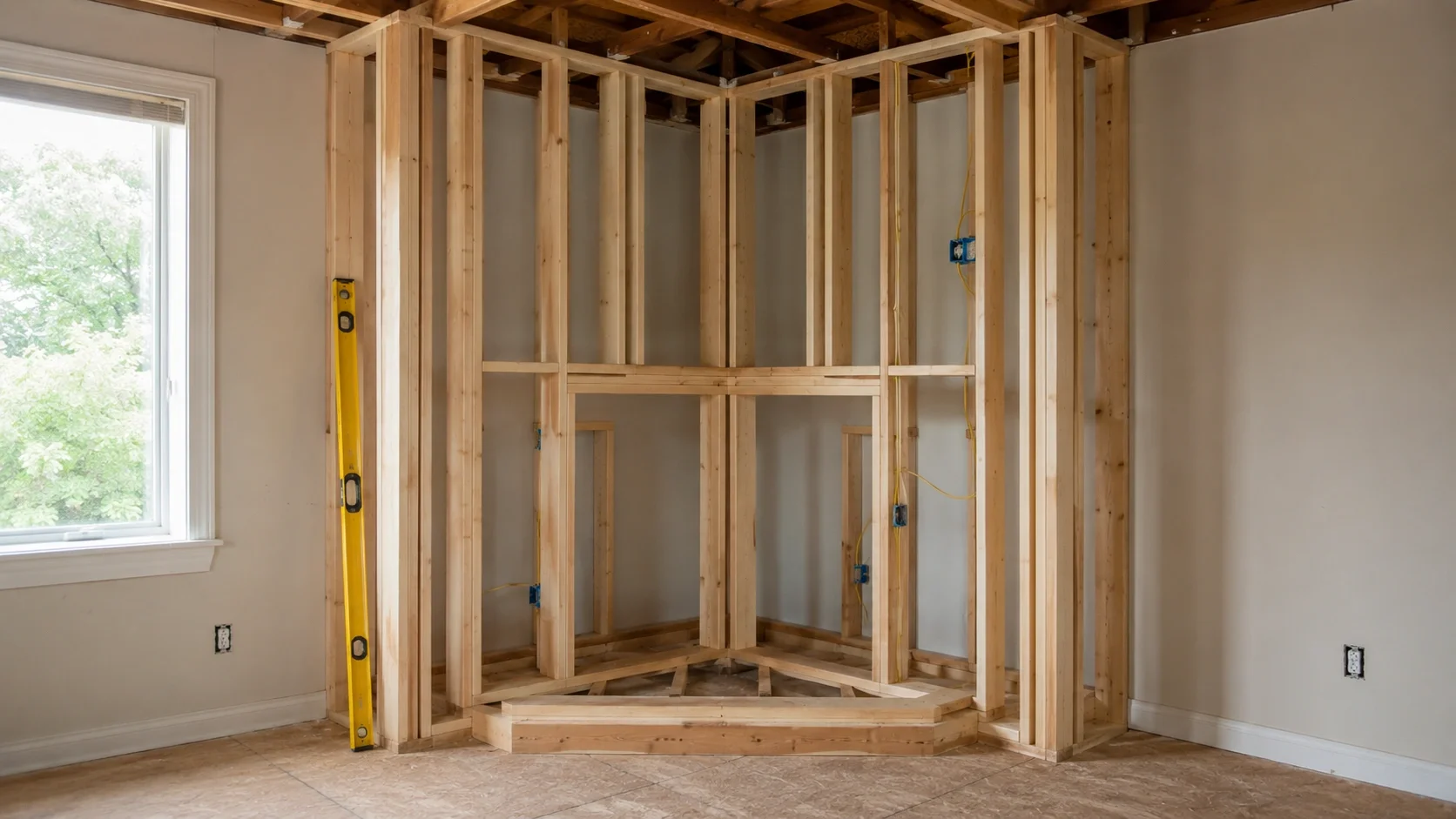
Construct a frame to house the fireplace unit using 2x4 lumber. The frame should be slightly larger than the fireplace unit to allow for adjustment and clearance. Use your level frequently to ensure everything is plumb and square.
For corner installations, you'll typically build two perpendicular walls that meet at the corner, creating a triangular or angled space for the fireplace. Secure the framing to the existing wall studs and floor joists for stability.
⚠️ Safety Warning
Maintain proper clearances from combustible materials as specified in your fireplace's installation manual. These clearances are critical for fire safety and are not optional. Failure to maintain proper clearances can result in house fires and void warranties.
Install Utilities
For electric fireplaces, run electrical wiring to the unit location according to local electrical codes. Install a dedicated circuit if recommended by the manufacturer. For gas fireplaces, install the gas line according to local codes and have it pressure-tested by a qualified professional.
If your fireplace requires venting, install the vent pipe according to the manufacturer's specifications. For direct-vent units, this typically involves running the vent through the exterior wall behind the fireplace. Ensure all connections are secure and properly sealed.
Position the Fireplace Unit
Carefully lift the fireplace unit into position within the framing. This may require assistance due to the weight of the unit. Use shims as needed to level the unit and ensure proper positioning. Connect all utilities (electrical, gas) according to the manufacturer's instructions.
Test the unit briefly to ensure it operates correctly before proceeding with the finishing work. This allows you to identify and address any issues while the unit is still accessible.
Apply Finishing Materials
Complete the surround and finish work around the fireplace. This might include installing drywall, applying tile or stone, or adding a mantel. Ensure all finishing materials maintain the required clearances from the fireplace unit.
For a cohesive look, consider extending the finishing materials to create a hearth extension in front of the fireplace. This not only enhances the appearance but also provides additional protection for your flooring.
Add Final Touches
Complete the installation by adding any final elements such as trim, molding, or decorative accents. Install any optional features like blower fans or remote control receivers. Apply paint or stain as needed to match your room's decor.
Conduct a final safety check, ensuring all clearances are maintained, all connections are secure, and the unit operates properly. Install any required safety features such as carbon monoxide detectors near the installation.
Corner Fireplace Design Ideas
The design possibilities for corner fireplaces are nearly endless. Here are some popular approaches to inspire your project:
Modern Minimalist
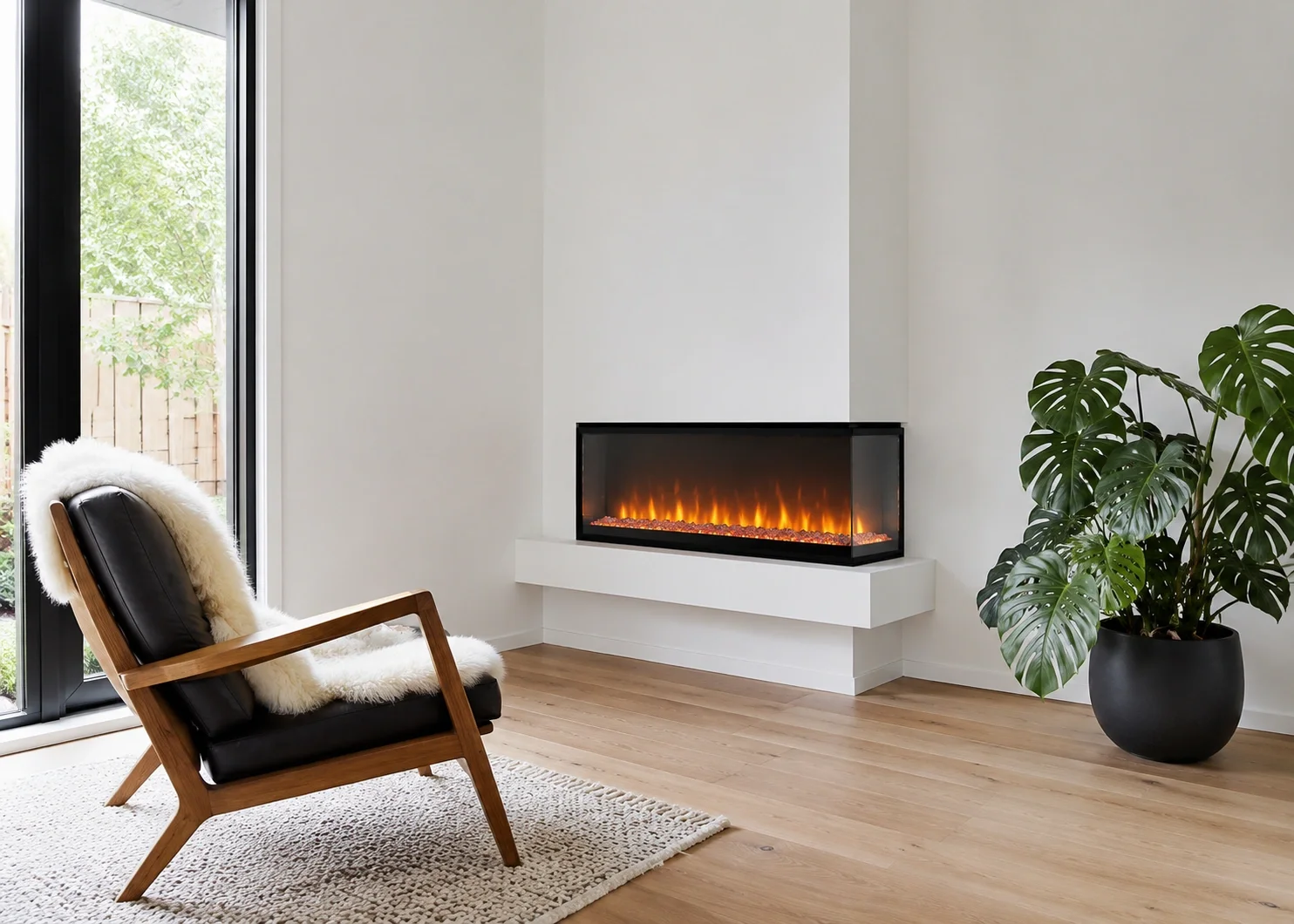
Create a sleek, contemporary look with a wall-mounted electric fireplace in a corner, surrounded by clean lines and minimal ornamentation. Use materials like concrete, glass, and brushed metal for a sophisticated modern aesthetic. Keep the surround simple with perhaps just a narrow shelf above the unit.
Rustic Stone
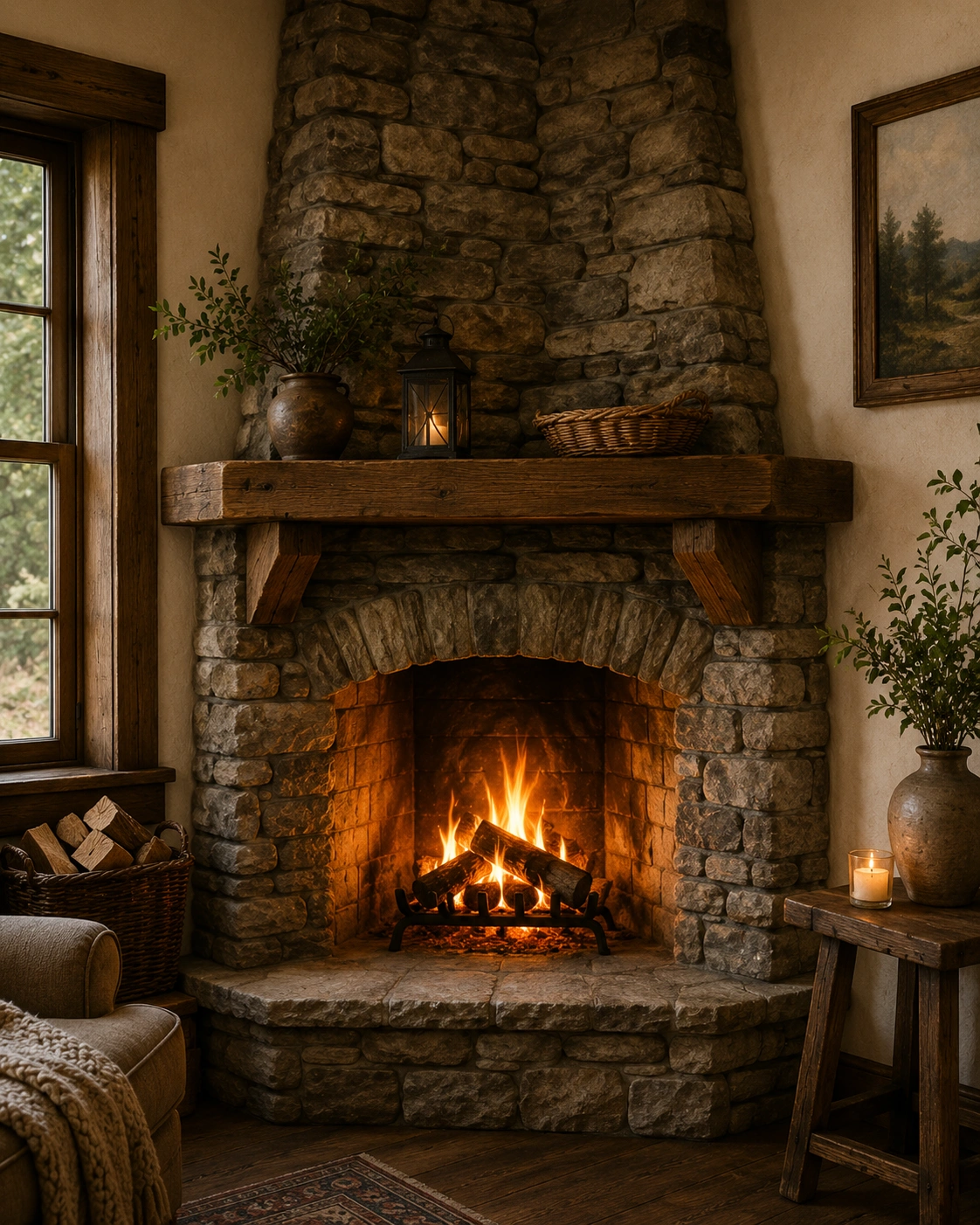
Transform your corner with a natural stone surround that extends from floor to ceiling. Add a substantial wooden mantel and perhaps some built-in log storage beneath. This style works beautifully in cabins, mountain homes, or any space aiming for a cozy, rustic atmosphere.
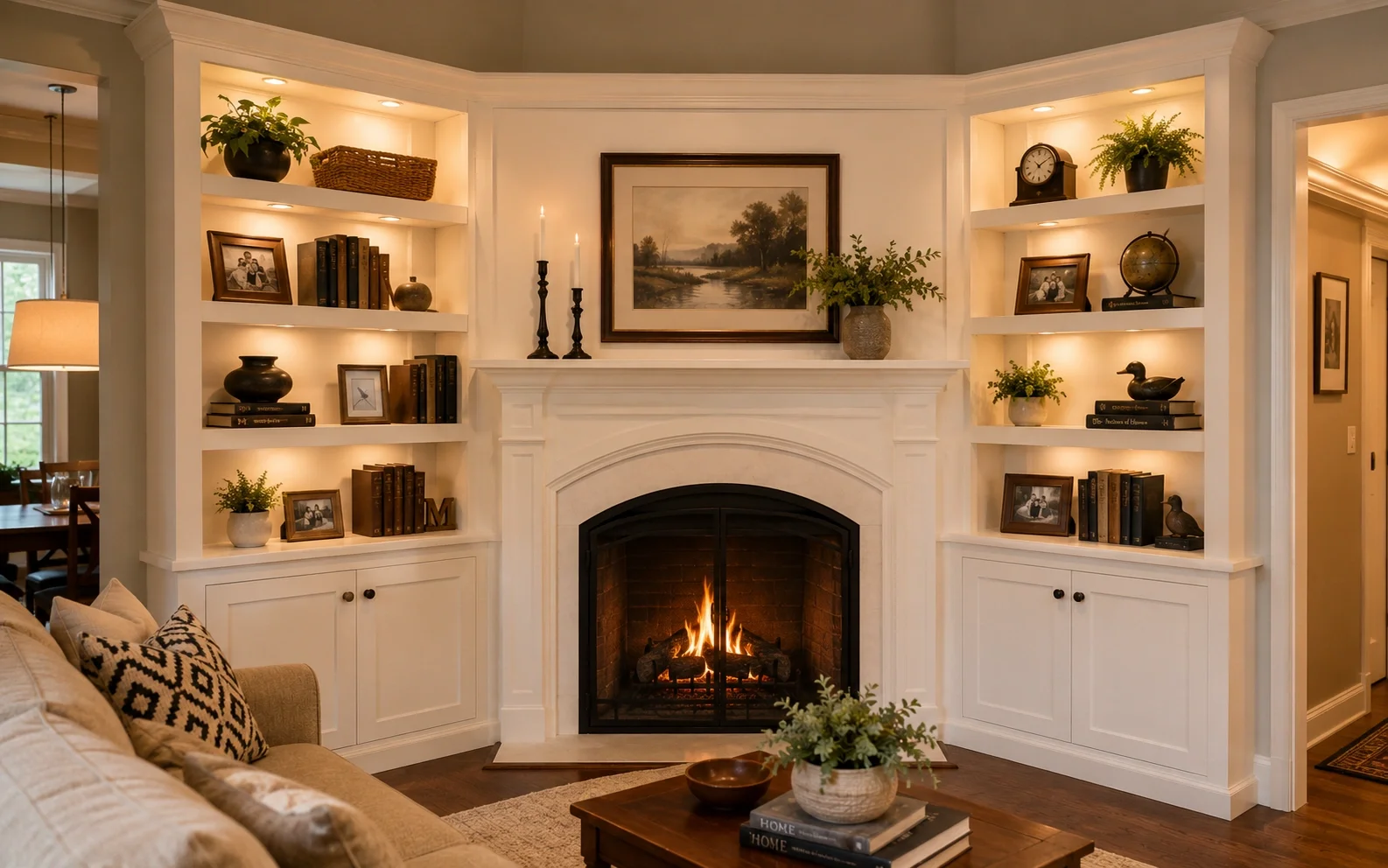
Built-In Storage
Maximize functionality by incorporating built-in shelving or cabinetry around your corner fireplace. This approach not only frames the fireplace beautifully but also provides valuable storage and display space. Consider adding lighting to the shelves to highlight decorative items and create ambiance.
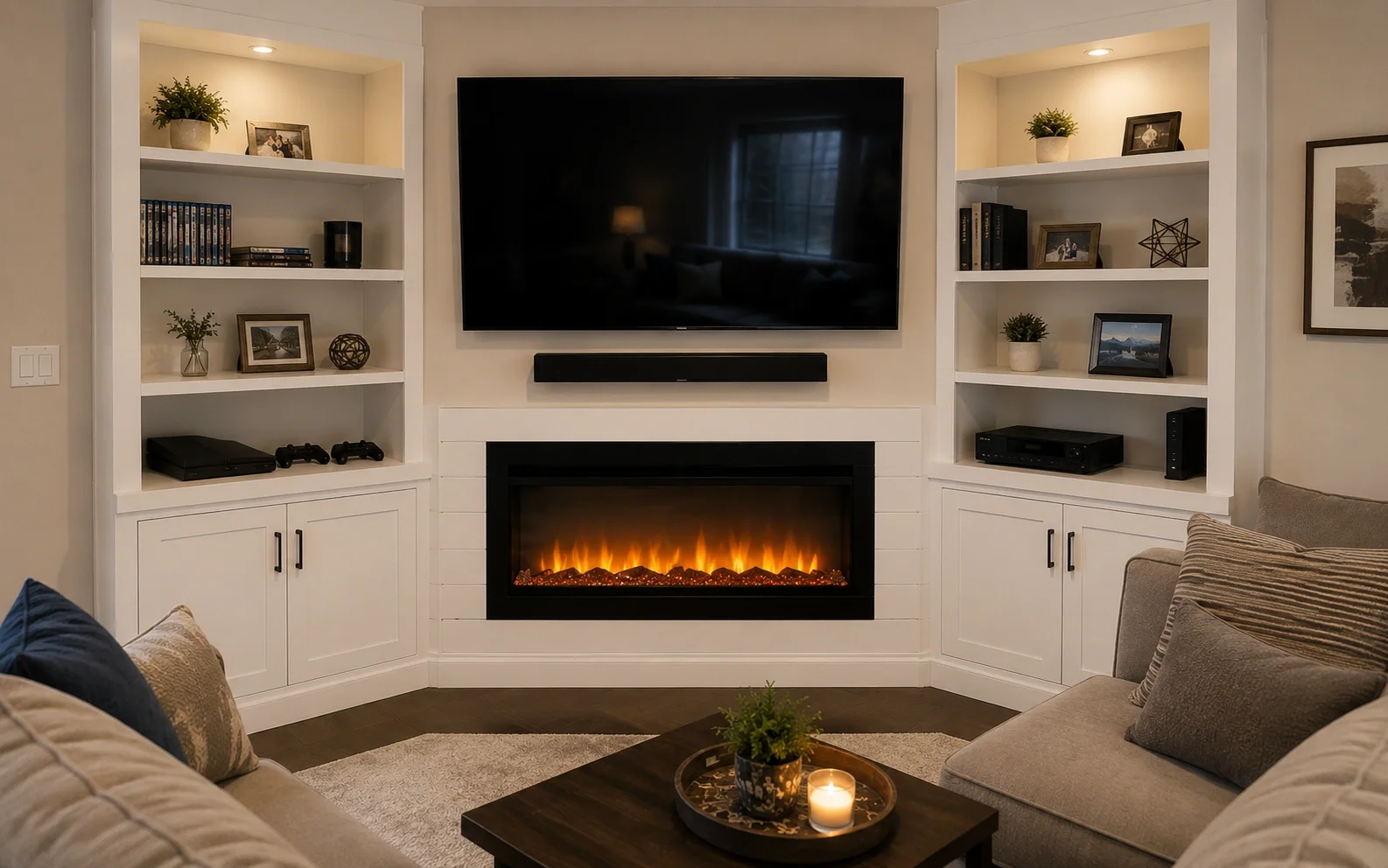
TV and Media Center
Create a complete entertainment center by combining your corner fireplace with a TV mounting solution. For electric or ventless gas units, you can often safely mount the TV above the fireplace. Add custom cabinetry on either side to house media components and provide additional storage.
Maintaining Your Corner Fireplace
Proper maintenance ensures your corner fireplace operates safely and efficiently for years to come. Follow these guidelines to keep your investment in top condition:
- Regular Cleaning: Clean the fireplace exterior according to the material type. For glass fronts, use appropriate glass cleaner. For stone or brick surrounds, vacuum dust and wipe with a damp cloth as needed. Clean the interior components according to the manufacturer's instructions.
- Annual Inspection: Schedule a professional inspection for gas and wood-burning units to check for safe operation, proper venting, and any needed repairs. This is especially important for gas fireplaces to ensure there are no leaks or venting issues.
- Filter and Component Maintenance: For electric fireplaces with filters or blowers, clean or replace filters as recommended. For gas units with blowers, vacuum dust from the fan and motor areas annually.
- Check Seals and Gaskets: Inspect door seals and gaskets on glass-fronted fireplaces annually. Replace any that are worn or damaged to maintain efficiency and safety.
- Chimney Maintenance: For wood-burning units, schedule professional chimney cleaning at least once a year to remove creosote buildup and inspect for structural issues.
- Seasonal Preparation: Before the heating season, test your fireplace to ensure it operates correctly. For gas units, check the pilot light and ignition system. For electric units, verify all functions work properly.
Common Mistakes to Avoid
Learning from others' experiences can help you avoid costly and frustrating mistakes. Here are the most common pitfalls in corner fireplace projects:
Ignoring Clearance Requirements
Failing to maintain proper clearances from combustible materials is not just a mistake—it's a serious safety hazard. Always follow the manufacturer's specifications for minimum clearances, even if it means adjusting your design plans.
Inadequate Planning for Utilities
Forgetting to plan for electrical outlets, gas lines, or venting until after the framing is complete can lead to costly rework. Always map out utility requirements during the planning phase.
Improper Venting Installation
Incorrect venting installation can lead to carbon monoxide buildup, poor performance, and safety hazards. If you're not confident in your ability to properly install venting for a gas or wood-burning unit, consider hiring a professional for this portion of the project.
Choosing the Wrong Size
Selecting a fireplace that's too large or too small for your space is a common error. Use our BTU guide to calculate the appropriate heating capacity for your room size, and consider the visual proportions in your space.
Skipping Permits and Inspections
Many homeowners skip required permits and inspections to save time or money, but this can create significant problems. Unpermitted work may need to be removed or redone, can affect your homeowner's insurance, and can complicate selling your home.
⚠️ Important Note
While many aspects of corner fireplace installation are suitable for DIY, certain elements—particularly gas line installation and venting—may require professional expertise. Consider the DIY vs. professional installation decision carefully, prioritizing safety over cost savings.
Transform Your Space with a Corner Fireplace
A well-designed corner fireplace can transform an underutilized area into the heart of your home. By following this comprehensive guide, you can create a beautiful, functional focal point that adds warmth, character, and value to your living space.
Whether you choose the simplicity of an electric unit, the convenience of gas, or the traditional charm of wood, a corner fireplace offers unique advantages that make it worth considering for your next home improvement project. With proper planning, quality materials, and careful installation, your DIY corner fireplace will provide enjoyment for years to come.
Ready to start your project? Browse our recommended products below to find the perfect corner fireplace for your space and style.


