Fireplace Ember Safety: Protect Your Home from Hidden Dangers
Flying sparks and rolling embers cause thousands of house fires annually. Learn proven strategies to keep your family and home safe while enjoying the warmth of your fireplace.
Why Ember Safety Matters More Than You Think
A crackling fire creates a cozy atmosphere, but those tiny floating sparks and rolling embers pose a serious fire hazard. According to the National Fire Protection Association (NFPA), heating equipment fires account for an estimated average of 48,530 home structure fires per year in the United States, with fireplaces and chimneys being leading causes. Most of these incidents start with embers escaping the firebox and landing on flammable materials like rugs, wood floors, or furniture. Understanding fireplace ember safety isn't just about prevention—it's about creating a secure environment where you can enjoy your fireplace worry-free.
Whether you own a traditional woodburning fireplace or a gas fireplace, embers can still escape. Gas logs can crackle and pop, sending hot particles onto your hearth. Proper safety measures are universal and non-negotiable.
1. Understanding Fireplace Ember Hazards
Embers are small, glowing particles of burning wood or gas residue that can become airborne or roll out of the fireplace. Even after the main flames die down, embers can remain hot for several hours. These particles travel surprisingly far—up to several feet from the fireplace opening. Common ignition points include:
- Wood flooring and area rugs near the hearth opening
- Upholstered furniture placed too close to the firebox
- Children's toys, blankets, or pet beds left on the hearth
- Paper, kindling, or fire-starting materials stored nearby
- Dry Christmas trees or seasonal decorations during winter months
When considering indoor fireplace ideas, always factor in safety clearances and ember containment into your design plan. A beautiful fireplace should never compromise your family's safety.
2. Essential Safety Equipment for Ember Protection
Investing in the right safety gear is the most effective way to prevent ember-related fires. Below are the critical components every fireplace owner needs:
A. Fireplace Screens (Spark Guards)
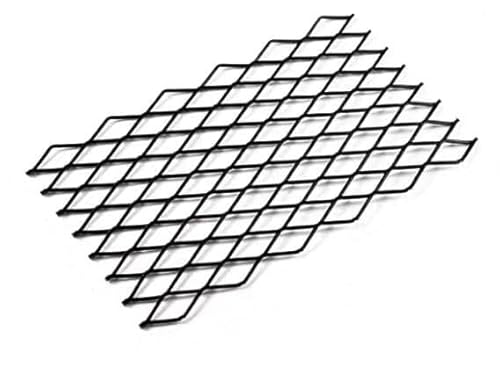
A sturdy fireplace screen is your first line of defense. Look for screens made of heat-resistant metal mesh with a solid frame. Freestanding screens should extend at least 4–6 inches beyond the fireplace opening on each side and sit firmly on the hearth. For a more permanent solution, consider custom-fitted screen doors that seal the opening when the fireplace is in use. Never leave a fire unattended without a properly fitted screen in place.
B. Fire-Resistant Hearth Extensions
The hearth—the floor area directly in front of the fireplace—must be made of non-combustible materials like brick, stone, tile, or concrete. Building codes typically require the hearth to extend at least 16 inches forward for wood-burning fireplaces and 6–8 inches for gas units. If your existing hearth is too small, you can add a hearth extension using fire-rated pavers or ceramic tiles. This prevents rolling embers from contacting flammable flooring.
C. Ember-Proof Fireplace Doors
Fireplace doors with tempered glass and tight seals offer superior ember containment compared to mesh screens alone. Modern fireplace doors are available for both gas fireplace and wood-burning models. Always leave glass doors open when a fire is burning (unless manufacturer specifies otherwise) to allow proper airflow, but close the mesh screen for spark protection.
D. Smoke and Carbon Monoxide Detectors
Working smoke alarms on every level of your home and inside each bedroom reduce the risk of dying in a home fire by half. Place a carbon monoxide detector near sleeping areas, as both wood and gas fireplaces can produce this odorless killer. Test batteries monthly and replace units every 10 years.
3. Hearth Clearance & Safe Distance Guidelines
Proper spacing between your fireplace and household items is crucial for ember safety. Follow these expert-recommended clearance zones:
- In front of fireplace: Minimum 3 feet (36 inches) of clearance from carpets, rugs, furniture, and drapes.
- On the hearth: Never place combustible items (wood stacks, decorative logs, magazines) directly on the hearth while the fireplace is burning.
- Above the mantel: For wood-burning fireplaces, maintain at least 12 inches clearance between the top of the fireplace opening and any combustible mantel material. For electric fireplaces, follow specific manufacturer distances as they vary.
- Wall clearance for inserts: Fireplace inserts and stoves require specific clearances to side walls—typically 6–12 inches depending on the model.
When planning a living room fireplace ideas layout, measure these clearances before arranging furniture. Consider using a decorative fireplace hearth ideas extension made of stone or tile to create a visual and physical safety zone.
4. Safe Burning Practices to Minimize Embers
How you operate your fireplace dramatically affects ember production. Implement these practices every time you light a fire:
- Burn only seasoned hardwoods (oak, maple, ash) with moisture below 20%. Wet wood creates more smoke and explosive pops that throw embers.
- Keep the fire small and manageable—overloading the firebox creates excessive heat and sparks.
- Never leave a fire unattended, especially before going to sleep or leaving the house. Use a fireplace gates to keep children and pets at a safe distance.
- Dispose of ashes safely: Wait at least 24 hours after the last ember glows, then place ashes in a metal container with a tight-fitting lid. Store outdoors away from any structure.
- For gas fireplaces: Clean burner ports annually to prevent irregular flame patterns that can cause sooting and ember pops.
If you're considering a DIY fireplace project, always consult local building codes and hire a professional for gas line connections or chimney work. Improper installation greatly increases ember and fire risks.
5. Chimney Maintenance: The Overlooked Ember Risk
A dirty chimney not only increases creosote buildup (a major cause of chimney fires) but also allows embers to escape through cracks or damaged flue liners. Schedule professional inspections annually, including:
- Chimney sweeping to remove creosote and debris (CSIA recommends once per cord of wood burned or at least yearly).
- Inspection of the damper and firebox for cracks where embers could escape into wall cavities.
- Checking the chimney cap and spark arrestor—a mesh screen on top of the chimney prevents embers from exiting and igniting your roof or nearby trees.
- For gas fireplaces: Verify the venting system is clear of bird nests or blockages that could cause backdrafts pushing embers into the room.
Learn more in our complete fireplace maintenance guide, which covers seasonal chimney cleaning guide and inspection schedules.
6. Emergency Preparedness: What to Do If Embers Ignite
Despite all precautions, accidents can happen. Be prepared to act instantly:
- Keep a Class ABC fire extinguisher within 10 feet of the fireplace. Check the gauge monthly.
- Install a fire blanket near the hearth for smothering small ember fires.
- Teach every family member the "Stop, Drop, and Roll" technique if clothing catches fire.
- Ensure your home has two unobstructed exits from every room.
- Practice a home fire escape drill twice a year with a designated meeting point outside.
If a fire spreads beyond a small contained area, evacuate immediately and call 911. Never attempt to extinguish a large fire yourself.
Fireplace & Safety Gear: What to Look For When Buying
When shopping for a new fireplace or upgrading your safety equipment, prioritize these features:
- For electric fireplaces: Look for units with automatic shut-off timers and cool-to-touch glass. No ember risk, but still maintain clearances.
- For gas fireplaces: Choose direct-vent or sealed combustion units that completely isolate the firebox from your living space.
- For fireplace screens: Opt for woven mesh with holes no larger than 0.5 inches. A solid brass or steel frame adds stability.
- For hearth rugs: Buy only fire-resistant hearth rugs certified by ASTM or UL standards.
Explore our curated recommendations below—these products are selected based on safety ratings, durability, and real customer reviews.