Create a Stunning Focal Point With Fireplace Wall Ideas
Discover design inspiration, material options, and expert tips to transform your fireplace wall into the centerpiece of your room
EXPLORE DESIGNSThe wall surrounding your fireplace offers endless possibilities for creating a dramatic focal point in any room. Whether you're building a new fireplace or renovating an existing one, the right wall treatment can enhance your home's architectural character, increase its value, and create a warm, inviting atmosphere. From simple painted surfaces to elaborate stone installations, these fireplace wall ideas will help you design the perfect backdrop for your hearth.
Popular Fireplace Wall Design Styles
The style of your fireplace wall should complement your home's overall aesthetic while creating visual interest. Different design approaches can dramatically change the room's atmosphere, from cozy and traditional to sleek and contemporary. Explore these popular styles to find the perfect look for your space.
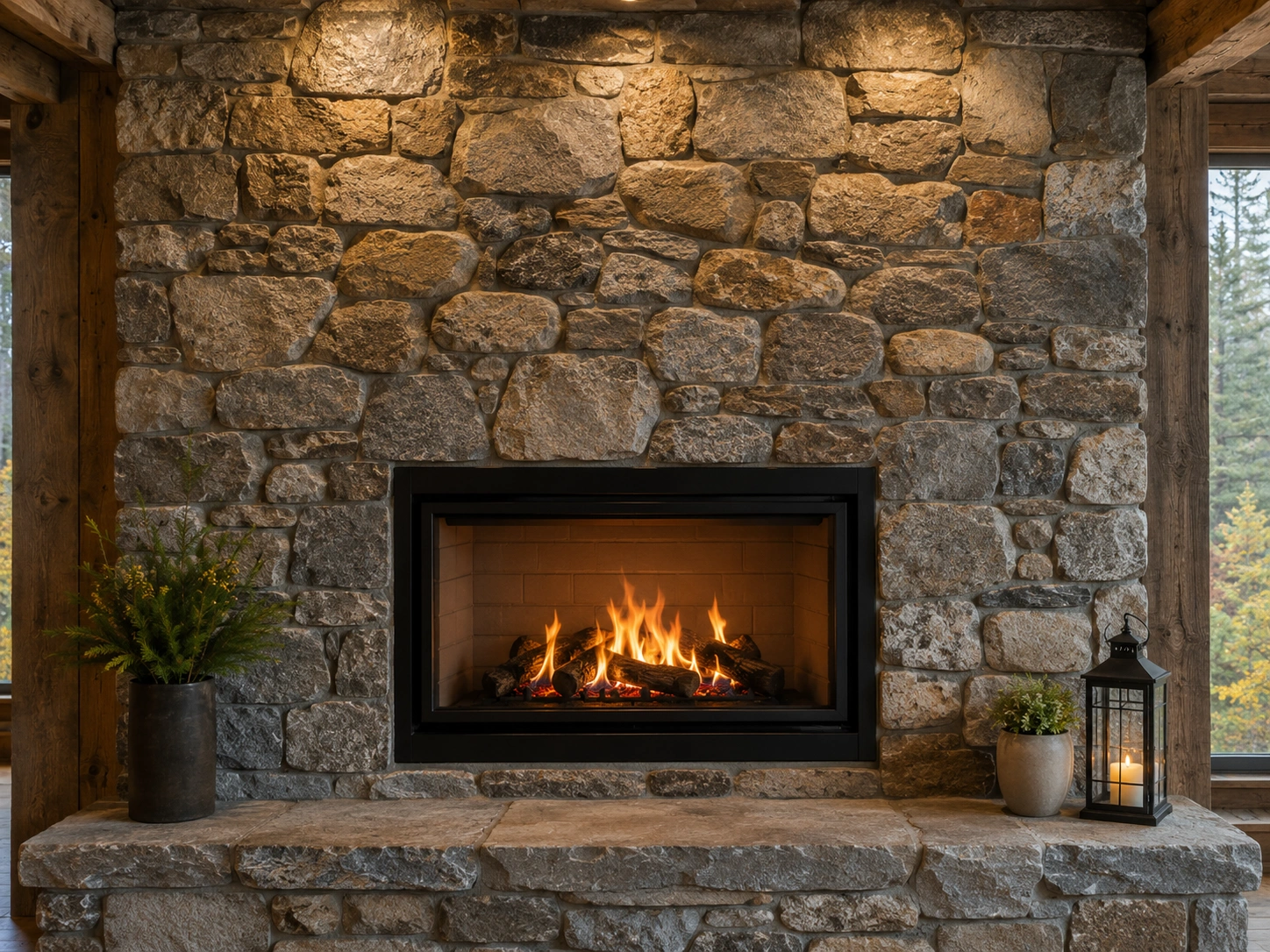
Natural Stone Walls
Stone fireplace walls create a dramatic, organic backdrop that brings natural beauty indoors. From rustic fieldstone to polished granite, stone adds texture, depth, and substantial presence to any room. These installations work particularly well in rustic designs and can be customized with various stone types, patterns, and finishes.
Explore Stone Options
Brick Fireplace Walls
Brick offers timeless appeal and incredible versatility in fireplace wall design. From traditional red brick to whitewashed or painted varieties, brick walls can be adapted to suit virtually any design aesthetic. They're relatively affordable compared to stone and can be updated relatively easily if your style evolves over time.
Explore Brick Options
Tile Fireplace Walls
Tiles offer endless possibilities for customization with their vast array of colors, patterns, and textures. From subway tiles for a clean, classic look to bold geometric patterns for a contemporary statement, tile walls allow you to express your personal style while creating a durable, heat-resistant surface that's easy to clean.
Explore Tile Options
Shiplap Walls
For a farmhouse or coastal aesthetic, shiplap walls offer casual charm and architectural interest. These horizontal wood boards create subtle texture and visual rhythm without overwhelming the space. Shiplap can be painted in any color to match your decor and works particularly well with both traditional and modern fireplace designs.
Explore Shiplap OptionsFull Wall vs. Partial Wall Treatments
One of the first decisions you'll make when designing your fireplace wall is whether to extend the treatment across the entire wall or confine it to the area immediately surrounding the fireplace. Each approach creates a different visual impact and works better in certain situations.
Full Wall Treatments
Extending your fireplace wall treatment to fill the entire wall creates a dramatic focal point that can make a bold design statement. This approach works particularly well with modern fireplace designs where clean lines and minimal details can be emphasized. Full wall treatments can be created with various materials, including stone, tile, wood paneling, or even textured wall treatments like plaster or stucco.

Full wall treatments work best in larger rooms where the expansive surface won't overwhelm the space. They're particularly effective in rooms with high ceilings, as they can help visually lower the ceiling height and create a more intimate atmosphere. In open-concept spaces, a full wall treatment can help define the living area and create a sense of enclosure without physical barriers.
Partial Wall Treatments
Confining your wall treatment to the area immediately around the fireplace creates a more subtle, contained look that works well in smaller spaces or when you want the fireplace to complement rather than dominate the room. Partial treatments can include a simple surround, a raised panel, or a wainscoting effect that extends partway up the wall.

Partial treatments offer flexibility and can be easier to implement in existing spaces where a full wall treatment might be too disruptive or expensive. They also allow you to incorporate contrasting materials or colors in the surrounding wall area, creating visual interest through contrast rather than extensive coverage.
TV and Fireplace Wall Combinations
One of the most popular and challenging design scenarios is integrating a television with a fireplace on the same wall. When done well, this combination creates a unified media center that serves as the room's primary focal point. However, it requires careful planning to ensure both elements are properly positioned and that the wall treatment complements both.
TV Above Fireplace Designs
Mounting a television above a fireplace is a space-saving solution that creates a clean, unified look. However, it's important to consider safety considerations for TVs above fireplaces, including heat protection and optimal viewing height. To ensure comfortable viewing, the center of your TV should ideally be at eye level when seated, which may require a lower-profile fireplace design or a tilting wall mount.

For TV above fireplace designs, consider using materials that won't be damaged by heat and that create a visually cohesive backdrop for both elements. Stone, tile, and metal are excellent choices as they're heat-resistant and can create a unified look that frames both the fireplace and the television.
Side-by-Side Arrangements
Placing the TV and fireplace side by side on the same wall allows each element to shine independently while creating a balanced, cohesive look. This arrangement works well in wider living rooms where you have sufficient wall space. To create visual harmony, consider using similar materials or colors for the fireplace surround and the TV console, and ensure the two elements are aligned either at the top or bottom for a clean, intentional look.
Design Tip
When planning a TV and fireplace wall, consider installing recessed niches or built-in shelving to create depth and visual interest. These elements can house media equipment, books, and decorative items while creating a custom, integrated look that appears professionally designed rather than simply placing two large objects side by side.
Material Options and Finishes
The materials you choose for your fireplace wall significantly impact both the aesthetic and practical performance of your installation. Different materials offer varying levels of heat resistance, durability, maintenance requirements, and visual impact. Consider these popular options for your fireplace wall design.

Marble and Stone Slabs
For a touch of luxury and sophistication, marble and stone slabs create elegant, seamless surfaces with minimal grout lines. The natural veining in marble creates unique patterns that make each installation one-of-a-kind. While more expensive than some other options, these materials offer timeless elegance and exceptional durability that can increase your home's value significantly.
Explore Marble Options
Wood Paneling
Wood paneling offers warmth and versatility, available in various types and finishes to suit any design aesthetic. From rustic reclaimed timber to sleek, stained hardwood, wood adds natural beauty and can be easily updated with paint or stain if your style evolves. Consider using heat-resistant treatments and maintaining proper clearance from the firebox opening.
Explore Wood Options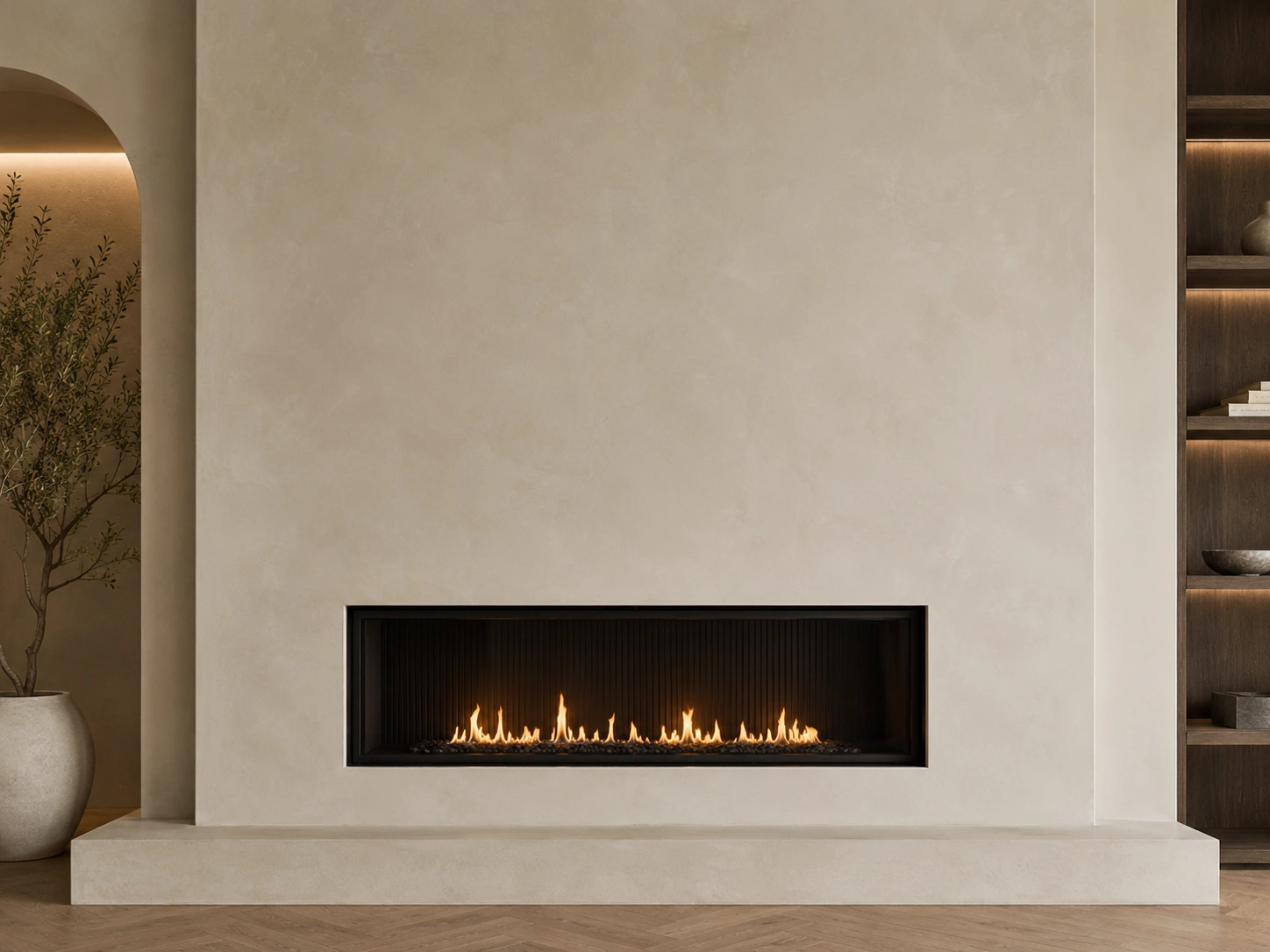
Plaster and Stucco
For a smooth, seamless look, plaster and stucco walls offer a clean, contemporary aesthetic with minimal visual interruption. These materials can be tinted to any color and textured to create subtle depth and interest. They work particularly well with modern fireplace designs where clean lines and minimal details are desired, and can be more affordable than stone or tile options.
Explore Plaster Options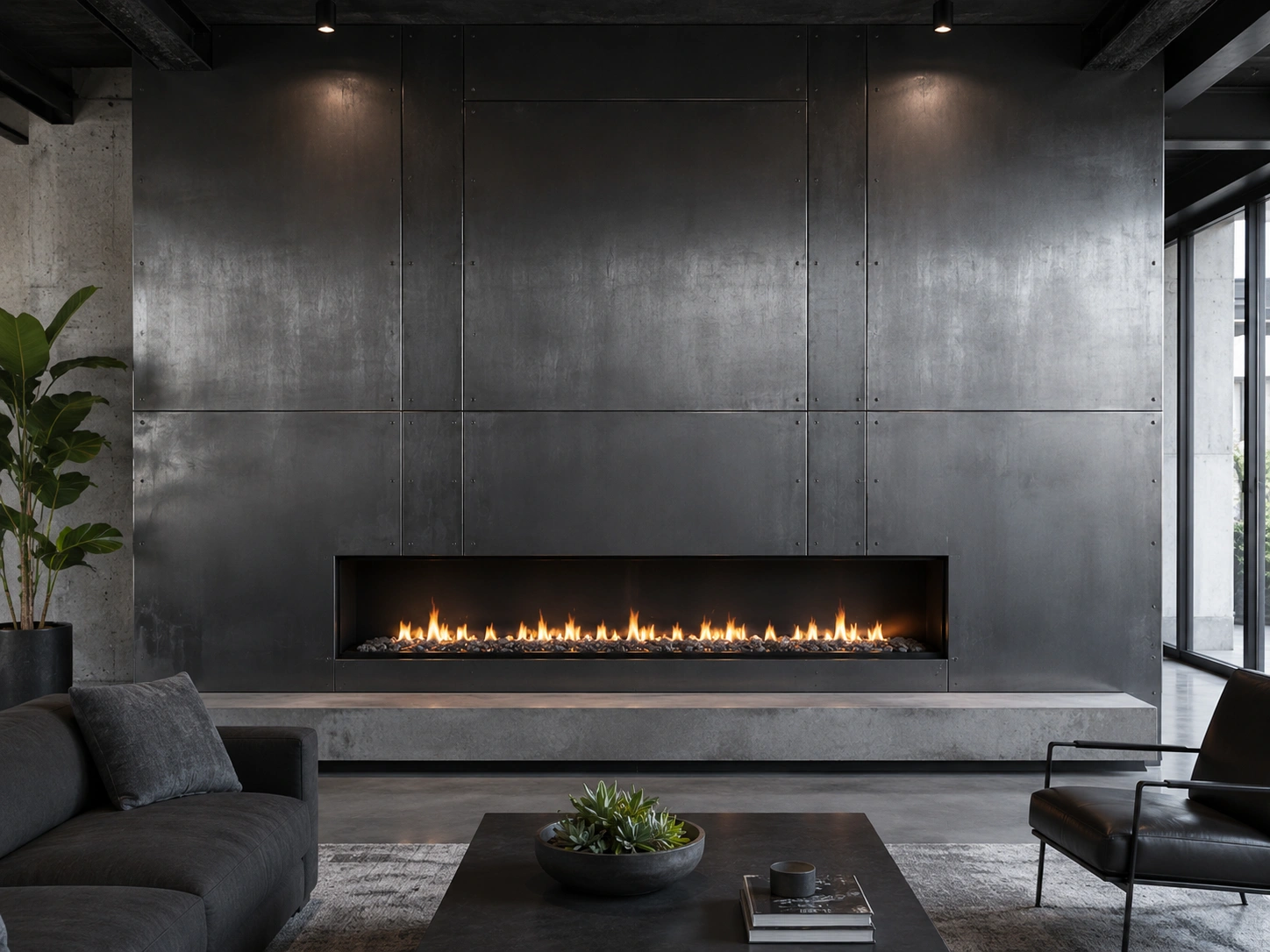
Metal Accents
Metal elements can add industrial edge or contemporary sophistication to your fireplace wall. Options include steel, copper, or brass accents that can be incorporated as trim, panels, or decorative elements. Metal works particularly well in modern and industrial designs, and can create striking contrast when paired with warmer materials like wood or stone.
Explore Metal OptionsBuilt-In Features and Shelving
Incorporating built-in features into your fireplace wall creates a custom, integrated look that adds both functionality and architectural interest. These elements can transform a simple fireplace wall into a comprehensive media center, storage solution, or display area that maximizes the wall's potential while creating a cohesive, professionally designed appearance.
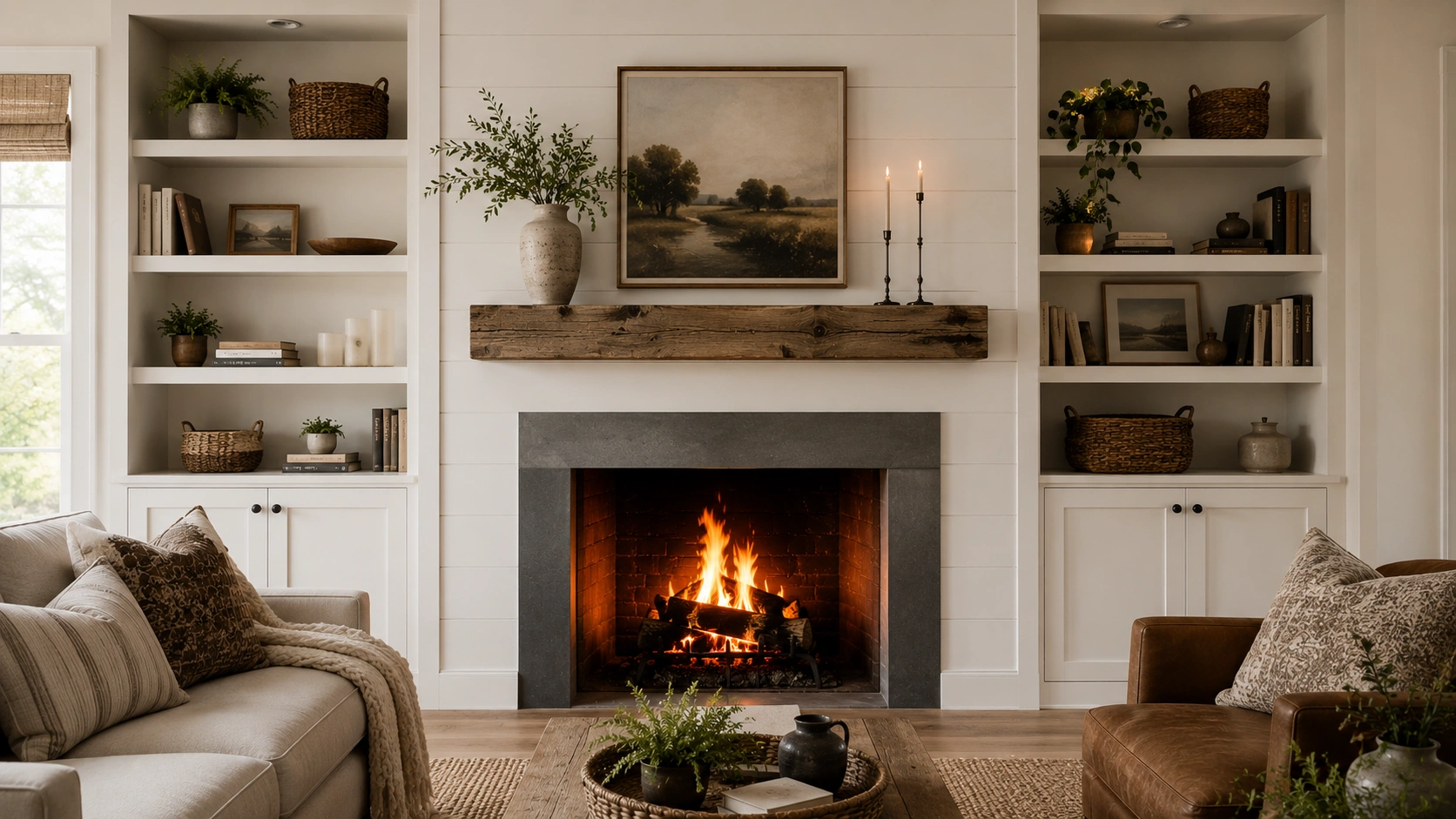
Flanking Shelving
Symmetrical shelving on either side of the fireplace creates a balanced, traditional look that frames the fireplace beautifully. These built-ins can include open shelving for books and decorative items, closed storage cabinets, or a combination of both. This approach works well in both formal and casual settings and can be customized to match your room's architectural style.
Recessed Niches
Creating recessed niches in your fireplace wall adds depth and dimension without protruding into the room. These indentations can house decorative items, artwork, or even a television, creating a clean, integrated look. Niches work particularly well in contemporary designs where a streamlined appearance is desired, and can be highlighted with accent lighting to create dramatic effect.
Integrated Media Centers
For a comprehensive solution, consider designing your fireplace wall as a complete media center that incorporates the fireplace, television, media equipment, and storage in one cohesive unit. These integrated designs can be customized to conceal unsightly cables and equipment while providing ample storage for media components, games, and other items. This approach creates a unified focal point that serves multiple functions without visual clutter.
Color and Finish Considerations
The color and finish of your fireplace wall significantly impact the room's overall atmosphere and can either draw attention to the fireplace or help it blend with its surroundings. Understanding how different colors and finishes affect perception can help you make choices that achieve your desired effect.

Dark Finishes
Dark-colored fireplace walls create dramatic contrast and draw immediate attention to the fireplace as a focal point. Dark charcoal, navy, or even black walls can make the fireplace pop while creating a sophisticated, intimate atmosphere. This approach works particularly well in rooms with abundant natural light or in spaces where you want to create a sense of cozy enclosure.
Explore Dark Options
Light Finishes
Light-colored walls create an airy, spacious feel and can help a fireplace blend with its surroundings rather than dominate the room. White, cream, or light gray walls work particularly well in small spaces or rooms with limited natural light. This approach creates a clean, contemporary look that allows other elements in the room to take center stage.
Explore Light Options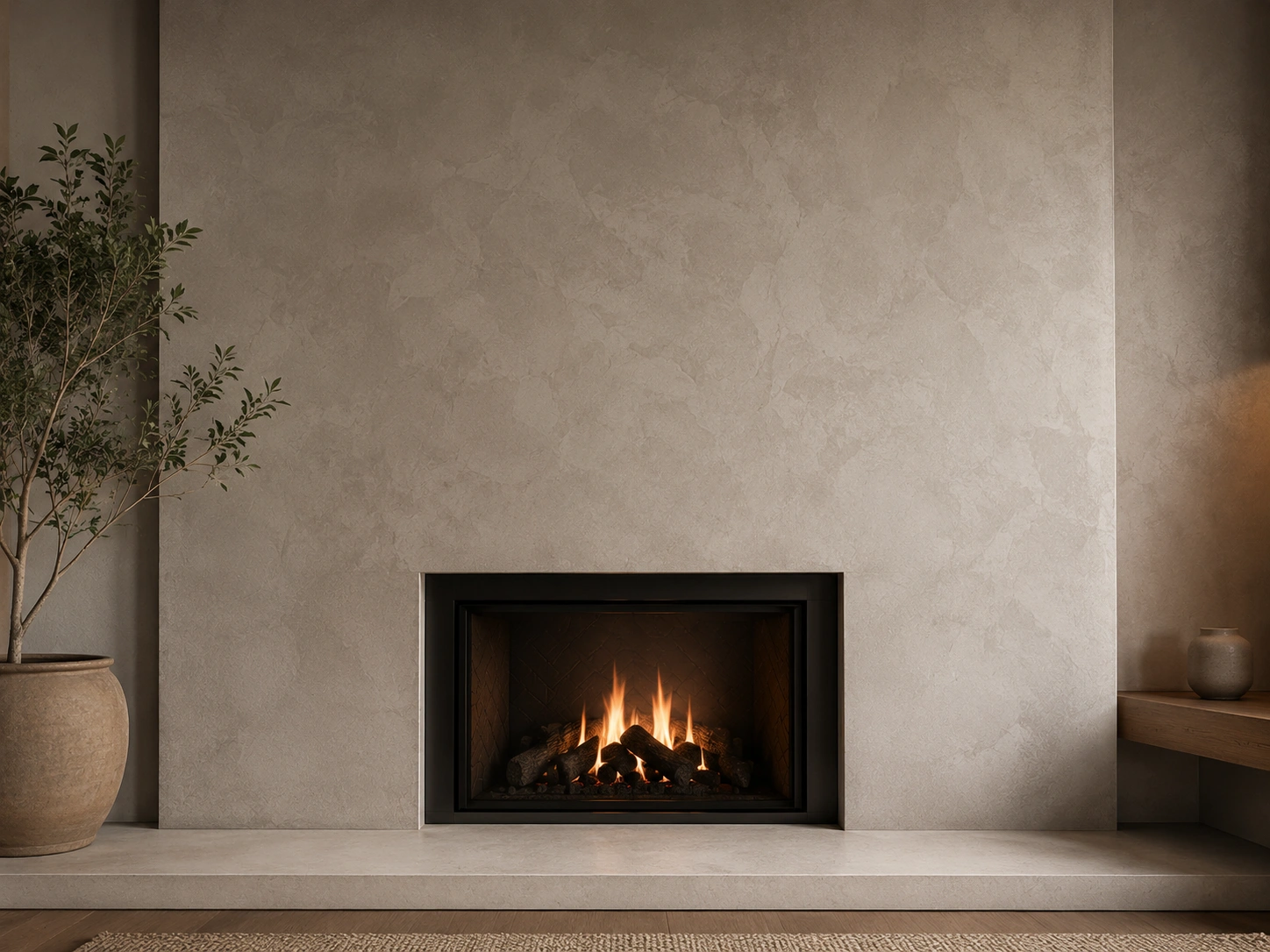
Textured Finishes
Textured walls add depth and visual interest without relying solely on color. Options include smooth troweled plaster, knockdown texture, skip trowel, or even hand-applied textures that create organic, varied surfaces. These finishes work particularly well in minimalist designs where subtle variation creates interest without visual clutter.
Explore Textured Options
Contrasting Colors
Creating contrast between your fireplace wall and surrounding walls draws attention to the fireplace area and defines it as a distinct zone. This can be achieved through different colors, materials, or both. Contrasting walls work particularly well in open-concept spaces where you want to define the living area without physical barriers, creating visual separation while maintaining flow.
Explore Contrasting OptionsPractical Considerations for Fireplace Walls
Beyond aesthetics, several practical factors will influence which fireplace wall options work best in your space. Understanding these considerations early in the planning process can help you avoid costly mistakes and ensure your finished fireplace wall meets both your design goals and functional needs.
Heat Resistance
Materials used on fireplace walls must be able to withstand the heat generated by your fireplace without discoloring, cracking, or becoming a fire hazard. Different fireplace types generate different amounts of heat, so your material choices should correspond to your specific fireplace. Wood-burning fireplaces typically require the most heat-resistant materials, while electric fireplaces generate minimal heat and allow for more material flexibility.
Clearance Requirements
Building codes specify minimum clearance distances between combustible materials and fireplace openings. These requirements vary based on fireplace type, fuel source, and wall construction. Non-combustible materials like stone, tile, and metal can typically be installed closer to the fireplace opening than combustible materials like wood. Always consult local building codes and your fireplace manufacturer's specifications before designing your wall treatment.
Moisture and Ventilation
Fireplaces, particularly those that are vented, can create moisture issues in surrounding walls if not properly installed. Ensure your wall design includes adequate moisture barriers and ventilation to prevent mold, mildew, and material deterioration. This is particularly important for exterior walls or in humid climates where moisture management is critical.
Installation Tip
For complex fireplace wall installations, especially those involving structural changes, multiple materials, or built-in features, consider hiring a professional contractor with experience in fireplace installations. While some simpler wall treatments like painting or basic tile work can be DIY projects, more elaborate installations often require specialized knowledge of building codes, structural requirements, and proper installation techniques to ensure safety and longevity.
Budget Considerations
Fireplace wall projects can range from relatively inexpensive updates to major investments, depending on your choices. Understanding the cost implications of different options helps you make decisions that achieve your design goals within your budget constraints.

Budget-Friendly Options ($500–$2,000)
For a quick refresh, painting your existing fireplace wall is the most affordable option, typically costing $200–$500 including materials. Adding simple tile or updating the mantel and surround can transform the look for $500–$2,000. These projects often can be completed in a weekend and offer significant visual impact for minimal investment.
Explore Budget Options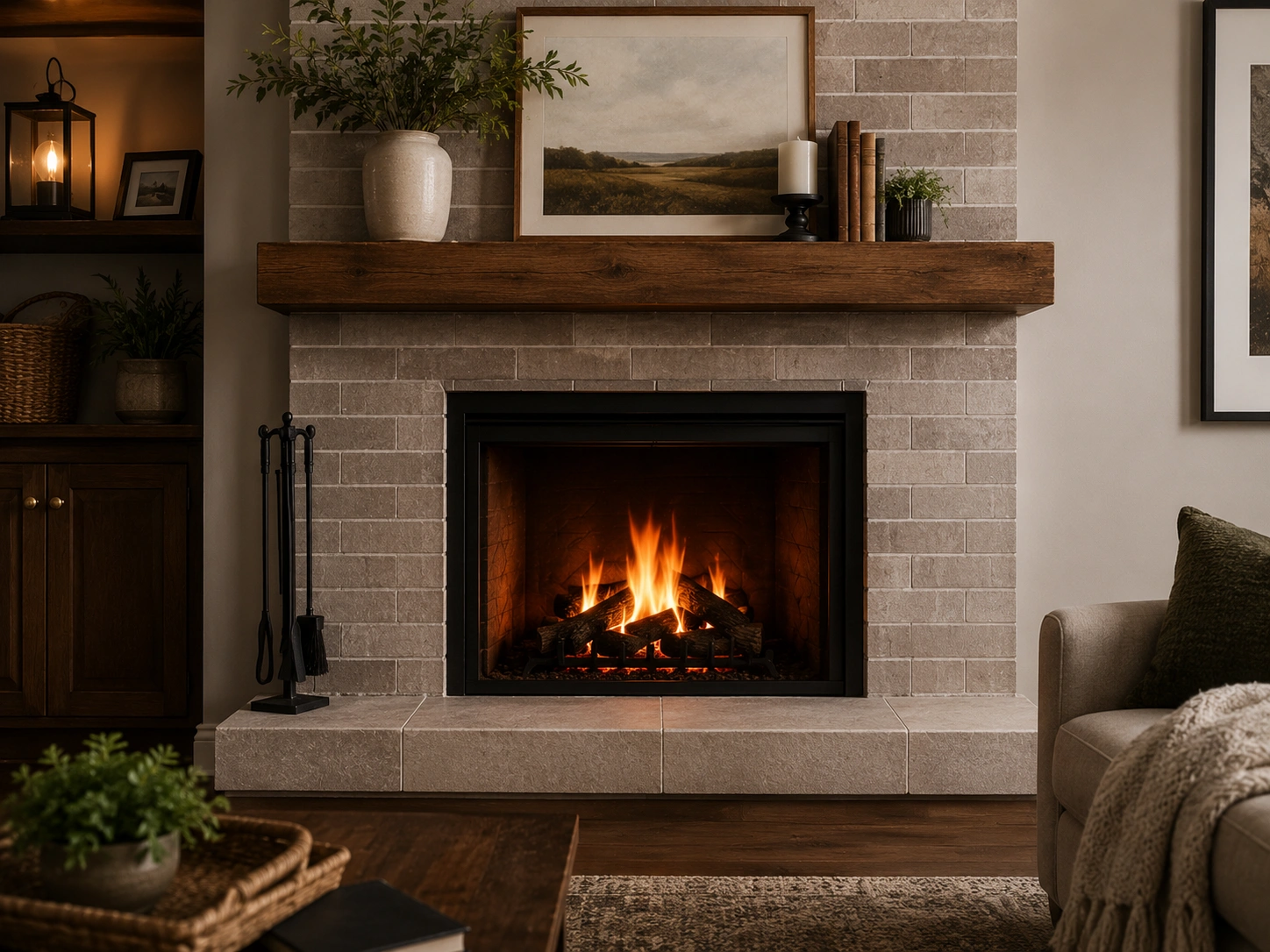
Mid-Range Options ($2,000–$8,000)
Mid-range options include installing quality tile, brick veneer, or simple stone treatments. These projects typically require professional installation but offer more substantial transformation of your space. Adding basic built-in shelving or updating the fireplace surround falls into this price range and creates a more custom, integrated look.
Explore Mid-Range Options
Premium Options ($8,000–$20,000+)
Premium installations include full natural stone walls, elaborate built-in features, custom cabinetry, and high-end materials like marble or granite. These projects typically require specialized contractors and can take several weeks to complete. While expensive, they create truly custom spaces that significantly increase your home's value and provide lasting enjoyment.
Explore Premium OptionsMaintenance and Care
Different fireplace wall materials have varying maintenance requirements that should be considered during the design process. Understanding these needs helps you choose materials that fit not only your aesthetic preferences but also your willingness and ability to maintain them properly over time.
Cleaning Requirements
All fireplace walls will accumulate some soot, dust, and residue over time, but different materials require different cleaning approaches. Smooth surfaces like tile, glass, and painted walls are generally easiest to clean with standard household cleaners. Textured surfaces like stone and brick may require specialized cleaners and techniques to reach into crevices without damaging the material.
For detailed cleaning guidance specific to your material, consult our resources on cleaning fireplace glass and cleaning brick and stone. These guides provide material-specific recommendations to help you maintain your fireplace wall's appearance without causing damage.
Long-Term Durability
Consider how your chosen materials will age over time. Natural stone develops a patina that many find appealing, while painted surfaces may require periodic touch-ups. Some materials, like certain types of limestone, can be damaged by acidic cleaning products or even by the combustion byproducts from gas fireplaces. Research the specific characteristics of your chosen materials to ensure they'll maintain their appearance in your specific installation.
Maintenance Tip
Regardless of your wall material, establish a regular maintenance schedule that includes both the fireplace itself and the surrounding wall. Annual inspections can catch potential issues like cracking mortar, loose tiles, or moisture damage before they become major problems. Addressing small issues promptly is always more cost-effective than waiting until significant repairs are needed.