Horizontal Direct Vent Gas Fireplace: The Ultimate Guide
A horizontal direct vent gas fireplace offers the perfect blend of modern design, high efficiency, and flexible installation. This comprehensive guide will walk you through everything you need to know before making a purchase.
If you are researching horizontal direct vent gas fireplaces, you are likely looking for a heating solution that is both stylish and practical. Unlike traditional fireplaces that require a vertical chimney, a horizontal direct vent system allows for installation on nearly any exterior wall, making it an ideal choice for modern homes, renovations, and spaces where a conventional chimney is not feasible.
This guide is designed to provide you with a complete understanding of how these fireplaces work, their key benefits, installation considerations, and how to choose the right model for your home. By the end, you will have the confidence to make an informed purchase decision.
What Is a Horizontal Direct Vent Gas Fireplace?
A horizontal direct vent gas fireplace is a sealed combustion system that draws air from outside your home for combustion and exhausts byproducts directly back outside through a horizontal pipe. This "direct vent" design means the fireplace does not use indoor air for burning, which makes it highly efficient and safe. The term "horizontal" refers to the venting configuration, where the termination cap is installed on a side wall rather than a roof.
This type of fireplace is often chosen for its clean look and flexibility. It can be installed in a wide range of locations, including interior walls, exterior walls, and even in basements. Because the system is sealed, it is not affected by indoor air pressure, and it does not contribute to indoor air pollution. This makes it a great option for those who want a realistic flame without the drawbacks of a traditional wood-burning fireplace.
For a broader understanding of different fireplace types, you can explore our guide on types of fireplaces explained.
How Does a Horizontal Direct Vent System Work?
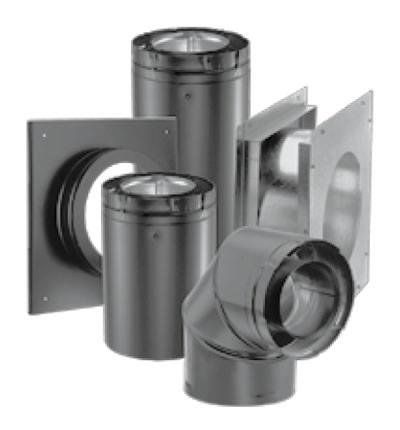
The mechanics of a horizontal direct vent gas fireplace are straightforward but highly effective. The system consists of a sealed firebox, a glass front, and a dual-pipe venting system. One pipe brings fresh outside air into the firebox for combustion, while the other pipe exhausts the combustion gases (such as carbon dioxide and water vapor) safely outside.
Because the firebox is sealed, the fireplace does not create a draft inside your home, and it does not lose heated indoor air up a chimney. This is a significant advantage over traditional open-hearth fireplaces, which can send up to 90% of their heat up the chimney. Direct vent fireplaces are known for their high heating efficiency, often ranging from 70% to over 85%, depending on the model.
The horizontal venting configuration is particularly useful when a vertical vent is not possible or desirable. For example, if you live in a single-story home, a horizontal vent can be installed directly through the wall behind the fireplace, eliminating the need for a long vertical run through the roof.
Key Benefits of Horizontal Direct Vent Gas Fireplaces
- High Efficiency: Sealed combustion means nearly all the heat stays in your home. These units are significantly more efficient than traditional wood-burning fireplaces.
- Flexible Installation: The horizontal vent can be routed through a side wall, making it ideal for homes without a chimney or for interior rooms where a vertical vent is impractical.
- Improved Indoor Air Quality: Because the system is sealed, no smoke, soot, or combustion byproducts enter your living space. This is a major advantage for allergy sufferers.
- Realistic Flames: Modern gas fireplaces feature highly realistic flame patterns and glowing embers, often mimicking the look of a real wood fire.
- Convenience: Many models come with remote controls, thermostats, and programmable settings, allowing you to control the heat and flame with ease.
- Safety: The sealed glass front keeps children and pets safe from the open flame. Additionally, the system is designed to prevent backdrafts and carbon monoxide buildup.
For a comparison of how direct vent fireplaces stack up against other types, see our article on electric vs gas vs wood fireplace comparison.
Installation Considerations for Horizontal Direct Vent Fireplaces
Installing a horizontal direct vent gas fireplace requires careful planning. The most critical factor is the placement of the vent termination cap on the exterior wall. The cap must be located at a safe distance from windows, doors, and air intakes, as specified by local building codes and the manufacturer's instructions. Typically, a clearance of at least 12 inches from any opening is required, but this can vary.
Another consideration is the wall thickness and the route of the vent pipe. The vent pipe must have a slight downward slope toward the termination cap to prevent water from entering the system. It is also important to ensure that the vent pipe is not obstructed by insulation or other building materials.
Because of the complexity and safety requirements, it is highly recommended to hire a professional installer. A qualified technician will ensure that the installation meets all local codes and that the fireplace operates safely and efficiently. For a detailed overview of the installation process, you can read our fireplace installation guide. If you are considering a do-it-yourself approach, you should first understand the pros and cons of DIY vs professional installation.
You may also need to check fireplace permit requirements in your area before beginning any work.
Efficiency and Heating Capacity
Horizontal direct vent gas fireplaces are among the most efficient gas fireplaces available. Their sealed combustion design prevents heated indoor air from escaping up a chimney, and they deliver a high percentage of the heat they produce directly into the room. Many models are rated for heating areas ranging from 500 to 1,500 square feet, depending on the BTU output and the layout of your home.
When selecting a model, it is important to match the heating capacity to the size of your room. A fireplace that is too small will struggle to heat the space, while one that is too large may cycle on and off frequently, reducing efficiency and comfort. To determine the right size, you can use our how to size a fireplace guide or refer to our fireplace heating capacity BTU guide.
It is also worth noting that direct vent fireplaces can be used as a supplemental heat source, helping to reduce reliance on your central heating system. You can learn more about this in our article on supplemental heating.
Maintenance and Troubleshooting
Like any home appliance, a horizontal direct vent gas fireplace requires regular maintenance to ensure safe and efficient operation. Annual inspections by a qualified technician are recommended to check for blockages in the venting system, clean the burner and glass, and verify that all safety features are working correctly. For a step-by-step guide, see our gas fireplace maintenance guide.
Common issues can include a fireplace that won't light, a weak flame, or unusual noises. Many of these problems can be resolved with simple troubleshooting. For example, if your gas fireplace won't light, it could be due to a faulty ignition system or a dirty pilot light. Our gas fireplace won't light article covers common causes and fixes. If you notice a weak flame, it may be a sign of a clogged burner or a gas pressure issue; see our guide on weak flame on gas fireplace for more information.
For more general troubleshooting tips, visit our fireplace troubleshooting hub.
Design and Aesthetic Considerations
Horizontal direct vent gas fireplaces are available in a wide range of styles, from modern linear designs to traditional insert styles. They can be customized with different surrounds, media (such as logs, stones, or glass), and mantels. Because they do not require a traditional chimney, they can be installed at eye level or even higher, making them a focal point in any room.
If you are looking for design inspiration, explore our articles on modern farmhouse TV stand with fireplace or electric fireplace and TV wall ideas. Although these focus on electric models, the design principles often apply to gas fireplaces as well.
For those interested in a more traditional look, you might consider a fireplace mantel for gas fireplace or a gas fireplace surround replacement to update the appearance.
Cost Considerations by Tier
When evaluating horizontal direct vent gas fireplaces, it is helpful to understand the market tiers. Entry-level models typically offer basic features such as a manual control and a standard flame pattern. Mid-range models often include remote controls, programmable thermostats, and more realistic flame presentation. Premium and luxury models may feature advanced controls, customizable media beds, and high-efficiency ratings.
Installation costs can also vary based on the complexity of the venting route and local labor rates. While we do not provide specific pricing, you can get a general idea of cost factors from our fireplace cost breakdown article. For a comparison of running costs between gas and electric, see electric vs gas fireplace running costs.
It is also wise to consider long-term savings. A high-efficiency model may have a higher upfront cost but can save you money on energy bills over time. Our article on which fireplace saves money long-term provides more insights.
Safety and Venting Requirements
Safety is paramount with any gas appliance. Horizontal direct vent fireplaces are designed with multiple safety features, including a sealed combustion chamber, a safety pilot, and an oxygen depletion sensor (ODS) in some models. However, proper installation and maintenance are essential to prevent carbon monoxide leaks.
It is important to follow all gas fireplace venting requirements and gas fireplace ventilation requirements. These guidelines ensure that the vent termination is placed at a safe distance from windows, doors, and other openings. If you ever smell gas, leave the house immediately and call your gas provider. For more information on carbon monoxide safety, see our article on signs of carbon monoxide from fireplace.
Making the Right Choice for Your Home
Choosing the right horizontal direct vent gas fireplace involves balancing your heating needs, design preferences, and installation constraints. Start by measuring your room and determining the required BTU output. Then, consider the available wall space and the venting route. Finally, decide on the features that matter most to you, such as remote control, thermostat, or flame presentation.
For a comprehensive buying guide, refer to our fireplace buying guide and beginner's guide to fireplaces. If you are still unsure which type is right for you, our article on which fireplace is right for your home can help.
Once you have made your decision, you can browse our recommended products below to find the perfect model for your space.