Fireplace FAQ: Expert Answers to All Your Burning Questions
Clear, research-backed answers about costs, installation, safety, and performance — so you can make a confident purchase.
⭐ Before you buy a fireplace, get answers. Whether you're comparing gas vs electric, wondering about home value, or worried about safety, this FAQ covers everything. We’ve combined expert insights, real-world data, and practical solutions to help you choose the perfect fireplace for your needs.
🔥 General & Heating Performance
Do electric fireplaces really heat a room effectively?
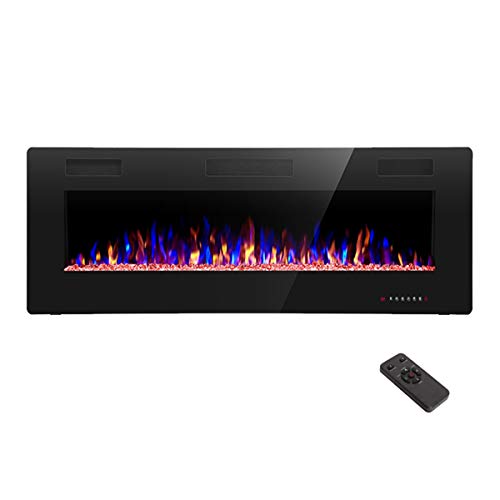
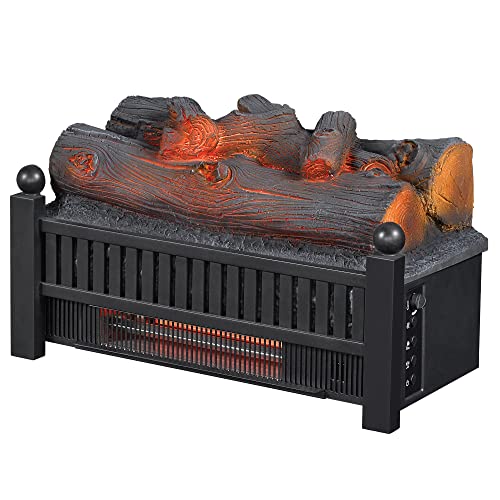
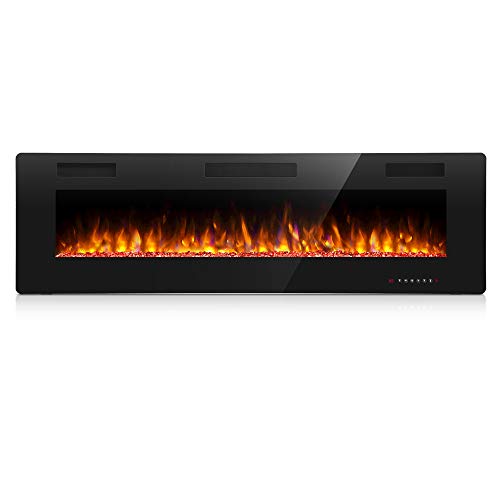
✅ Yes, most modern electric fireplaces provide efficient zone heating. Units with fan-forced or infrared heaters can warm spaces from 400 to 1,000 sq. ft. They are ideal for supplemental heating and can lower your overall energy bill by allowing you to turn down central heat in occupied rooms. Learn more about electric fireplace heating capacity.
💡 Pro tip: Look for models with at least 5,000 BTU output for living rooms.
What is the daily running cost of a gas vs electric fireplace?
💰 Based on average US energy rates: an electric fireplace costs $0.20–$0.50/day (1500W for 5 hours). A gas fireplace costs approx. $0.60–$1.50/day (40,000 BTU/hr). For an in-depth breakdown, see our running costs comparison.
Electric is cheaper to run, but gas provides higher BTU output for larger spaces.
Can a fireplace heat an entire house?
🏠 Most standard fireplaces are zone heaters. A high-BTU wood or gas fireplace can heat an open-concept main area, but rarely a whole house unless it's a specialized furnace insert. Read more about whole-home heating. For whole-home heating, consider a fireplace insert with a blower.
Does a fireplace add value to my home?
📈 Yes — studies show a fireplace can increase home resale value by 6% to 12%. Gas fireplaces and electric models offer the highest ROI because of low maintenance and convenience. A traditional wood fireplace adds charm but may require buyer inspection of chimney condition.
🛠️ Installation & Venting Requirements
Do all fireplaces need a chimney or vent?
🏡 No. Electric fireplaces and ethanol fireplaces are ventless. Ventless gas fireplaces also don't need a chimney, but require proper room size and oxygen sensors. Traditional wood and most gas fireplaces need venting (chimney or direct vent). See full guide: Do you need a chimney?
Can I install a fireplace in an apartment?
🏢 Absolutely — Electric fireplaces and tabletop units are apartment-friendly because they require no permanent structural changes. Many wall-mounted electric fireplaces simply plug into a standard outlet. Always check building rules before drilling.
Do I need a permit to install a fireplace?
📄 For gas or wood-burning fireplaces: yes, most municipalities require a permit for gas line or chimney work. Electric fireplaces generally do not require a permit. Always check local codes. Read permit guidelines.
Is a fireplace DIY-friendly?
🛠️ Electric fireplaces are very DIY-friendly (mounting + plug-in). Gas and wood-burning fireplaces should be installed by professionals due to gas lines, venting, and fire safety codes. Check our DIY fireplace projects for inspiration.
🛡️ Safety & Health Concerns
Do electric fireplaces produce carbon monoxide?
❌ No. Electric fireplaces produce zero carbon monoxide because there is no combustion. This makes them the safest choice for bedrooms and apartments. Gas and wood fireplaces must have CO detectors nearby. Learn more: electric vs gas CO safety.
Can I leave my fireplace on overnight?
🌙 Electric fireplaces with automatic shut-off timers can be used overnight safely. Gas and wood fireplaces should NEVER be left unattended for long periods due to fire risk and carbon monoxide. See safety guidelines.
Can I put a TV above a fireplace safely?
📺 Yes, but follow heat clearance: For gas/wood — min 12" clearance + mantel. Electric fireplaces produce significantly less heat, making them ideal for TV placement. Check our TV above fireplace ideas for optimal viewing angles.
How close can furniture be to a fireplace?
🛋️ Electric fireplace: 0–6 inches (low surface heat). Gas/wood fireplace: at least 36 inches from the firebox opening for combustible furniture. Always refer to manufacturer specs. Full placement guide.
🔧 Maintenance & Common Problems
How often should I clean my fireplace glass?
🧼 For gas fireplaces: clean glass every 1–2 months with approved cleaner. Wood-burning glass may need more frequent cleaning due to soot. Electric fireplace glass just needs dusting. Step-by-step glass cleaning.
Why does my gas fireplace keep going out?
🔄 Common causes: dirty pilot light, thermocouple failure, or low gas pressure. Often a simple cleaning or thermocouple replacement solves it. Follow our pilot light troubleshooting guide.
Why does my fireplace smell like gas or musty?
👃 Gas smell = possible leak → turn off gas & call pro immediately. Musty smells usually occur in summer due to humidity. A draft stopper can help. Regular inspection prevents issues. Learn more about fireplace odors.
Fireplace glass turns black quickly — is this normal?
⚫ For gas fireplaces, black soot indicates improper combustion from blocked air shutters or dirty burner. Clean the logs and burner ports. Persistent soot means a service call. See: soot causes & fixes.
💰 Buying Decisions: Cost, Efficiency & Lifespan
What is the typical lifespan of a fireplace?
⏳ Electric fireplace: 10–20 years (LED lights replaceable). Gas fireplace: 15–25 years with proper maintenance. Wood fireplace: indefinite but chimney may need repairs. Detailed lifespan guide.
Which fireplace type is most energy efficient?
⚡ Electric fireplaces: nearly 100% efficient — all electricity converts to heat. High-efficiency gas inserts reach 70–85%. Wood stoves can be 70%+. See our efficiency ranking for more data.
What's the best fireplace for a small apartment?
🏙️ Small electric fireplaces, tabletop ethanol units, or wall-mounted electrics are perfect for apartments. They need no venting, are safe, and add cozy ambiance. Top picks for compact spaces.
How do I know what size fireplace I need?
📏 Measure your room's length x width to get square footage. Then use a BTU guide: 4,000–9,000 BTU for small rooms, 20,000–40,000 BTU for large living rooms. Try our fireplace sizing worksheet.
🎯 Still unsure which fireplace fits your lifestyle? Read our in-depth Fireplace Buying Guide or compare features side-by-side on our comparison page — designed to help you decide between gas, electric, wood, or ethanol.