Complete Fireplace Exterior Guide
Design, build, and maintain the perfect outdoor fireplace for your patio, backyard, or outdoor living space
VIEW TOP PICKSWhat Is a Fireplace Exterior?
A fireplace exterior refers to the outer structure, surround, and all visible elements of an outdoor fireplace installation. Unlike indoor fireplaces, exterior fireplaces must withstand harsh weather conditions including rain, snow, freezing temperatures, and UV exposure while still providing efficient heating and aesthetic appeal for your outdoor living space.
The exterior design encompasses not just the firebox itself, but also the surround materials, mantel, hearth extension, and any decorative elements that face the outdoors. Proper exterior design is crucial for longevity, safety, and performance in outdoor environments. Whether you're building a DIY outdoor fireplace or installing a professionally manufactured unit, the exterior must be constructed with weather-resistant materials and proper weatherproofing techniques.
Understanding exterior requirements is essential before purchasing or building an outdoor fireplace. The right exterior design ensures your investment lasts for years while maintaining its appearance and functionality through all seasons.
Popular Exterior Fireplace Types
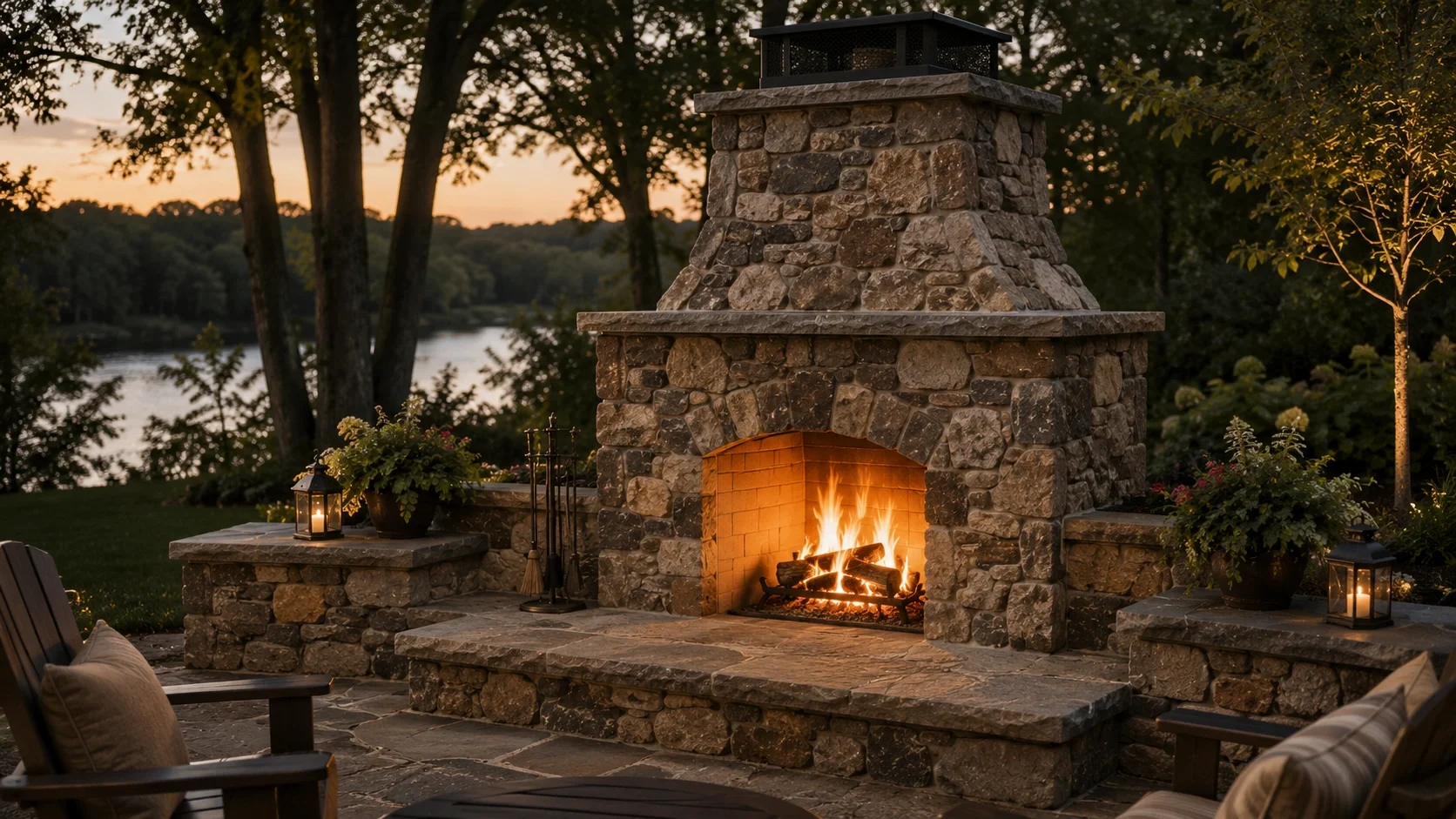
Stone Exterior Fireplaces
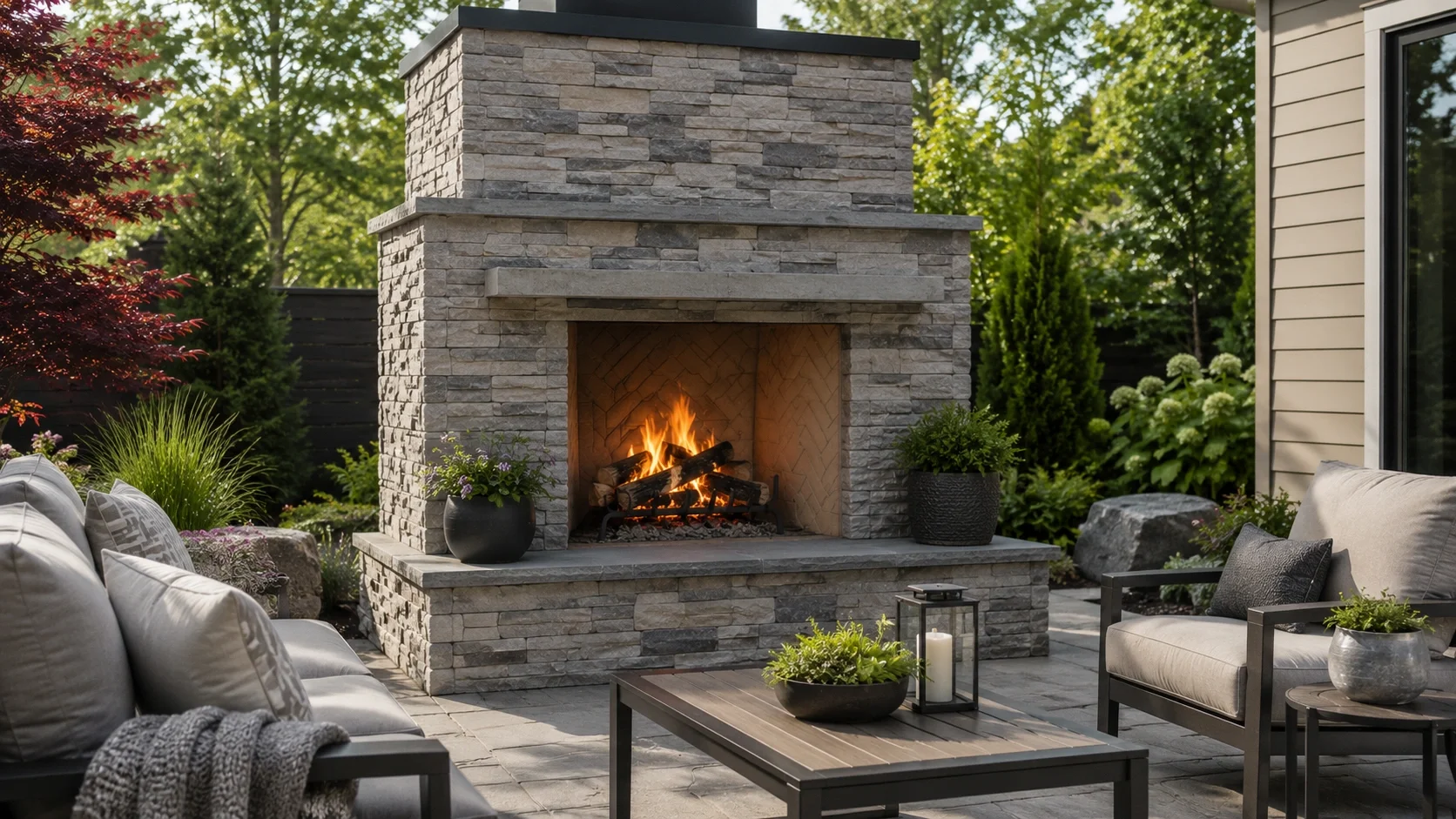
Stone exteriors offer exceptional durability and a natural aesthetic that blends perfectly with outdoor landscapes. Materials like granite, limestone, and fieldstone can withstand extreme weather while developing a beautiful patina over time. Rock fireplaces with stone exteriors are particularly popular for creating a permanent outdoor feature that looks like it was always part of your landscape design.
Investment Tier: Premium to luxury | Lifespan: 50+ years
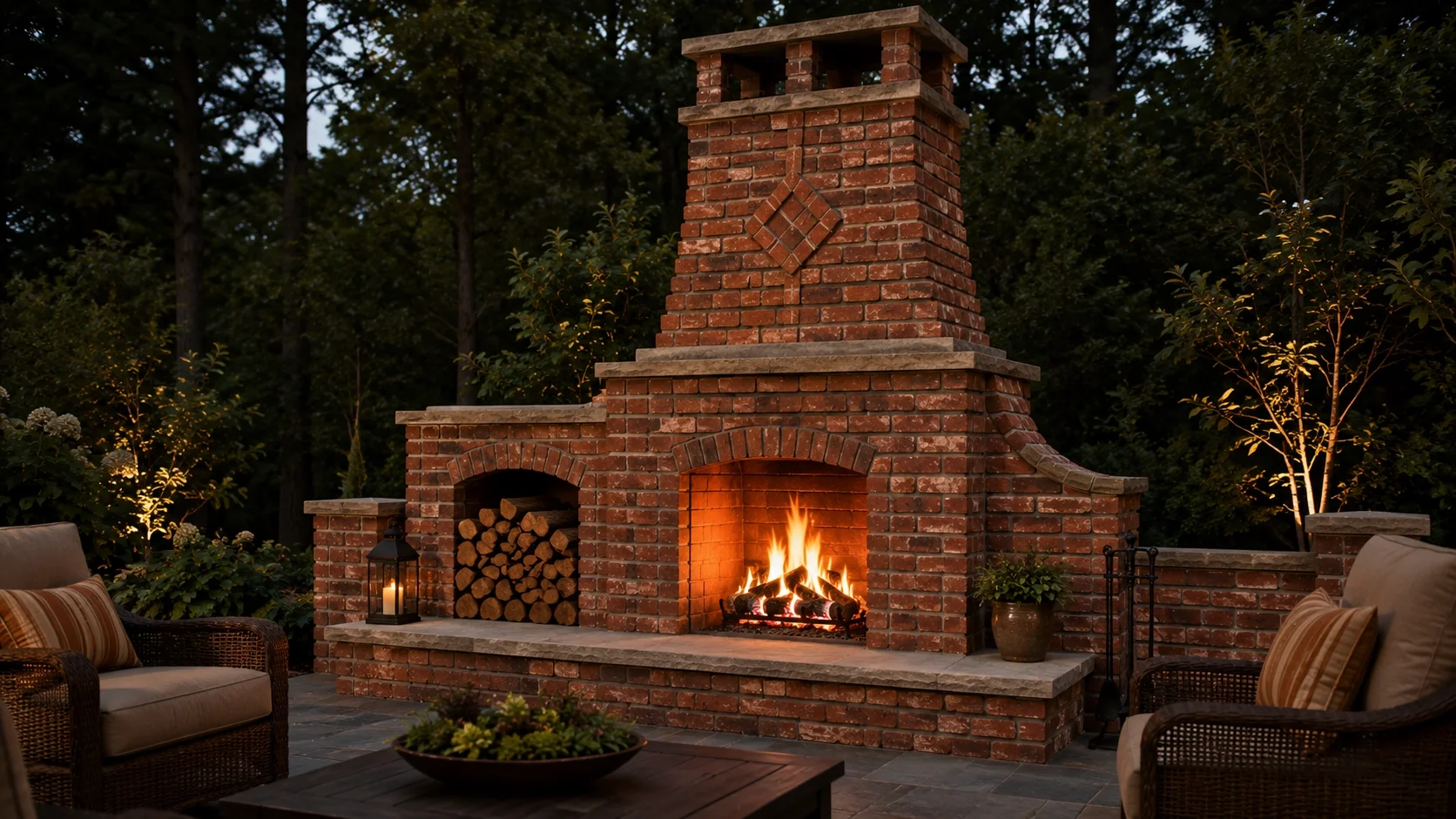
Brick Exterior Fireplaces
Brick fireplaces remain a classic choice for exteriors due to their exceptional durability and timeless appearance. Brick naturally withstands temperature fluctuations and develops character over time. Available in various colors and styles, brick exteriors work well with both traditional and modern designs, making them versatile for any outdoor setting.
Investment Tier: Mid-range to premium | Lifespan: 40+ years
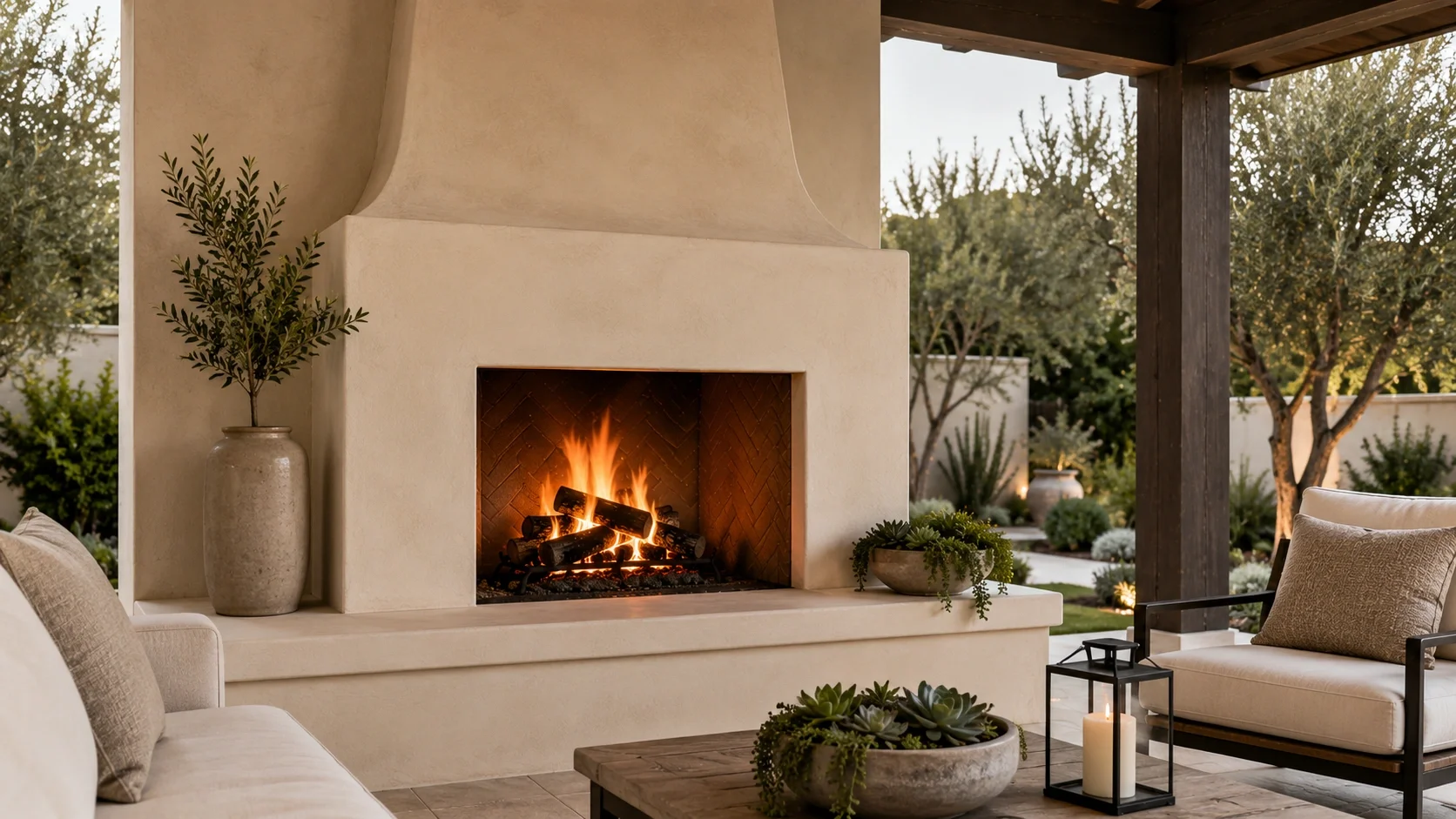
Stucco Exterior Fireplaces
Stucco exteriors provide a smooth, seamless look that works beautifully in contemporary outdoor designs. Stucco is highly weather-resistant, easy to maintain, and can be tinted to match your home's exterior. This finish is particularly popular in southwestern and Mediterranean-style homes, offering excellent weather protection and a clean, modern appearance.
Investment Tier: Mid-range | Lifespan: 30+ years

Metal Exterior Fireplaces
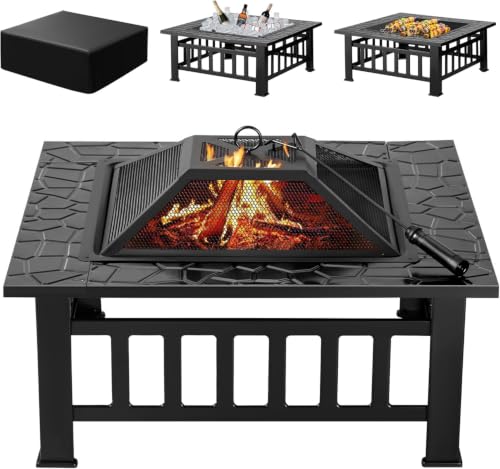
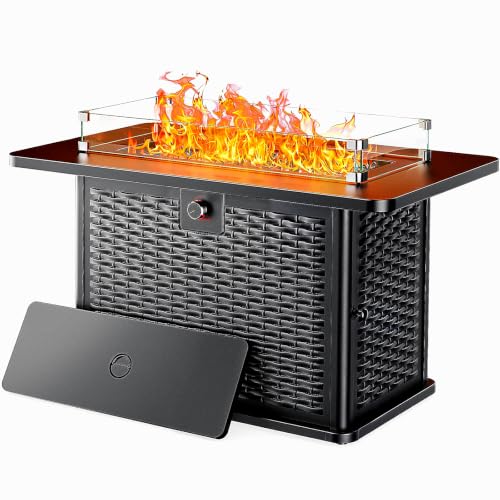
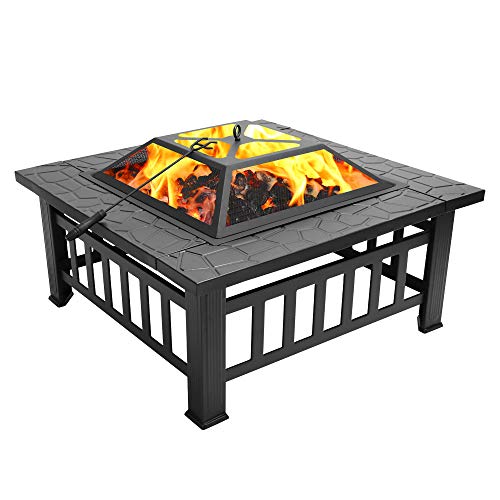
Steel and cast iron exteriors offer a sleek, modern aesthetic with minimal maintenance requirements. Metal exteriors are virtually weatherproof, lightweight compared to stone, and heat up quickly. They're ideal for contemporary outdoor spaces and work particularly well with minimalist designs.
Investment Tier: Entry-level to mid-range | Lifespan: 20+ years
Benefits of Outdoor Fireplace Exteriors

Weather Resistance
Properly designed exteriors withstand rain, snow, ice, and UV exposure without deteriorating, ensuring long-term performance in outdoor environments.

Increased Home Value
Well-designed outdoor fireplaces significantly enhance property value. Learn how fireplaces add value to your home with quality exterior design.

Low Maintenance
Quality exterior materials require minimal upkeep compared to wood, saving time and money on outdoor fireplace maintenance.

Enhanced Safety
Fire-resistant exteriors provide crucial protection against stray sparks and heat damage, especially important for fireplace ember safety in windy conditions.

Aesthetic Appeal
The exterior creates the first impression and sets the tone for your entire fireplace decor, defining your outdoor space's character.

Better Efficiency
Properly insulated exteriors improve heating efficiency by directing warmth outward effectively, similar to how blower fans work indoors.
Exterior Material Comparison
Stone
- Excellent weather resistance
- 50+ year lifespan
- Requires sealing every 3-5 years
- Heavy, requires reinforced base
- Premium to luxury investment tier
Brick
- Very weather resistant
- 40+ year lifespan
- Occasional repointing needed
- Moderate weight
- Mid-range to premium investment tier
Stucco
- Excellent water resistance
- 30+ year lifespan
- Can crack in freeze/thaw cycles
- Lightweight
- Mid-range investment tier
Metal
- Completely waterproof
- 20+ year lifespan
- No sealing required
- Lightweight but conducts heat
- Entry-level to mid-range investment tier
Fireplace Exterior Investment Tiers
Material Investment Tiers
Installation & Additional Investment Tiers
For comprehensive investment information across all fireplace types, see our fireplace cost breakdown guide. When comparing options, consider new fireplace vs makeover cost analysis to determine the most economical approach for your situation.
Exterior Safety Requirements
Outdoor fireplace exteriors face unique safety challenges that differ significantly from indoor installations. Proper exterior design addresses weather exposure, clearance requirements, and fire safety considerations specific to outdoor environments.
Weatherproofing
All exterior joints and seams must be properly sealed to prevent water infiltration, which can cause freeze/thaw damage and structural deterioration. Apply high-quality weatherproofing products designed for exterior use.
Clearances
Maintain proper clearances from combustible materials. Outdoor installations typically require 36 inches from the firebox opening to any wood or vinyl siding, though requirements vary by fuel type. See furniture distance guidelines for specific recommendations.
Rain Protection
Install proper chimney caps and rain pans to prevent water from entering the system, which is critical for wood fireplace maintenance and preventing damage to exterior materials.
Ventilation
Proper ventilation prevents smoke from entering living spaces and ensures efficient combustion, especially important for vented fireplaces in windy conditions.
Wind Resistance
Exterior designs must account for wind exposure, which can affect draft performance and ember behavior. Consider wind direction when positioning your outdoor fireplace to prevent smoke issues.
Local Codes
Always check local building codes before construction. Many areas have specific requirements for fireplace permits and exterior materials in outdoor installations.
Exterior Installation Process
Foundation Preparation
Begin with a solid, level concrete foundation that extends beyond the fireplace footprint. The foundation must be reinforced with rebar and designed to support the weight of the exterior materials. Include drainage provisions to prevent water accumulation. For DIY installations, this is often the most critical step for long-term durability.
Core Construction
Build the firebox structure using firebrick rated for high temperatures. Install the damper system, smoke chamber, and cleanout door according to manufacturer specifications. Ensure proper clearances to combustible framing and follow all installation guidelines for your specific fireplace type.
Exterior Application
Apply your chosen exterior material over a weather-resistant barrier membrane. For stone or brick, use appropriate mortar designed for exterior use. For metal siding, follow manufacturer specifications for fastening and expansion joints. Include weep holes for moisture drainage in masonry exteriors to prevent moisture damage.
Weatherproofing & Sealing
Apply waterproof sealant to all exterior joints, seams, and penetrations. Install a proper chimney cap and spark arrestor. Ensure all flashing is correctly installed to prevent water intrusion. This step is critical for preventing musty smells and structural damage from moisture.
Finishing & Inspection
Complete the exterior with trim pieces, mantel, and any hearth extension. Conduct a thorough inspection to verify all clearances are met and weatherproofing is complete. Test the fireplace under various weather conditions before considering the project complete.
For installation decisions, consider whether DIY vs professional installation is right for your project. Outdoor fireplaces often require specialized knowledge of building codes and weatherproofing techniques that professionals can provide.
Frequently Asked Questions
What material lasts longest outdoors?
Natural stone like granite and slate offer the longest lifespan for outdoor use, often lasting 50+ years with proper maintenance. These materials are virtually impervious to weather damage and actually improve with age. Soapstone and certain types of brick also offer exceptional longevity in outdoor applications.
Can I paint my outdoor fireplace exterior?
Yes, but you must use exterior-grade, heat-resistant paint specifically formulated for high-temperature applications. Standard exterior paint will blister and fail near a fireplace. Painted fireplace exteriors require special preparation and products designed to withstand extreme heat and weather exposure.
How do I protect exterior from rain and snow?
Proper chimney caps are essential for rain protection. Use waterproof sealants on all exterior joints, ensure positive drainage away from the structure, and consider a draft stopper during off-season. Regular outdoor maintenance prevents minor issues from becoming major problems.
Does exterior material affect heating efficiency?
Yes, exterior insulation quality significantly impacts heating efficiency. Poorly insulated exteriors lose significant heat, reducing your fireplace's effectiveness. Using proper insulation materials and techniques can improve efficiency by 20-30%, similar to how infrared vs fan-forced heating technologies optimize indoor heat distribution.
What's the most economical exterior option?
Concrete block with stucco finish is typically the most economical exterior option, falling in the entry-level investment tier for materials. For a complete installed exterior, basic brick or stucco options fall in the entry-level to mid-range tier. Metal siding offers a good balance of investment tier and durability in the entry-level to mid-range tier, while providing excellent weather protection.