
Summer Fireplace Care: Off-Season Maintenance Guide
Protect your investment and prevent off-season damage with our comprehensive guide to cleaning, inspecting, and sealing your fireplace for the summer months.
START SUMMER MAINTENANCEWhy Summer Fireplace Care Matters: When the heating season ends, moisture, pests, and leftover ash can cause structural damage and unpleasant odors. Proper fireplace maintenance during the summer extends the life of your unit, ensures safe operation in the winter, and prevents costly repairs down the road.
A fireplace is a significant investment in your home's comfort and value. However, once the warmer weather arrives, most homeowners forget about their hearth until the first chill of autumn returns. Neglecting your fireplace during the off-season is a missed opportunity to catch minor issues before they become major problems. Following a dedicated seasonal fireplace checklist ensures your fireplace remains in peak condition year-round.
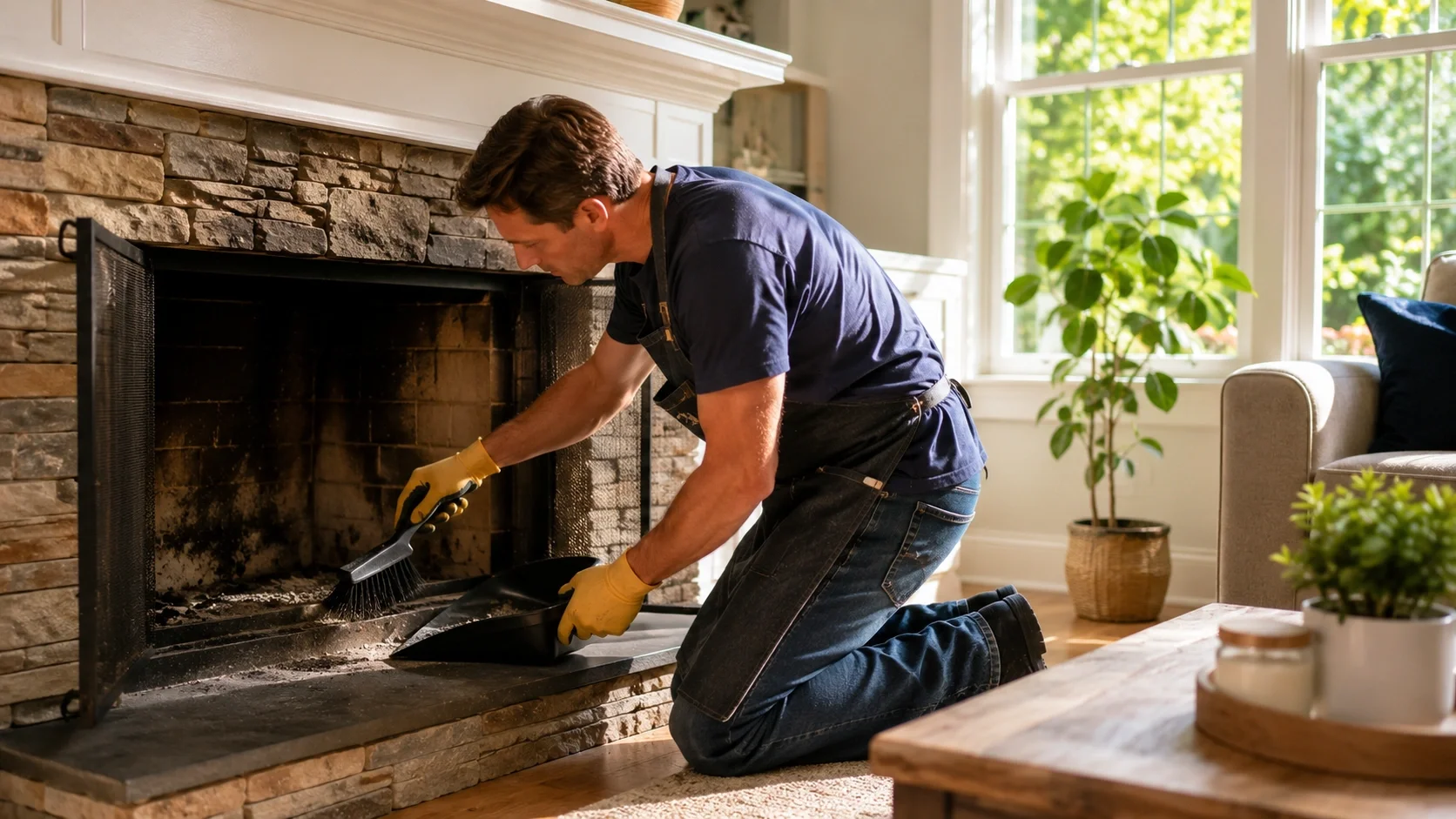
Step-by-Step Summer Cleaning Guide
The most critical part of summer fireplace care is thorough cleaning. Leftover soot and ash absorb humidity during the summer, creating a damp, acidic environment that can corrode your firebox and cause a persistent musty smell throughout your home.
1. Wood-Burning Fireplaces
Remove all remaining ash using a specialized ash vacuum—never a standard shop vac, which can blow fine soot back into the room. Clean the firebox walls with a wire brush and a mixture of warm water and vinegar. Finally, schedule a professional chimney cleaning to remove dangerous creosote buildup before the humid summer air causes it to flake and smell.
2. Gas Fireplaces
Turn off the gas and electrical supply before cleaning. Carefully remove the glass front and clean it with a gas fireplace glass cleaner to remove white calcium buildup. Gently vacuum the burner and logs using a soft brush attachment. For deeper maintenance, refer to our guide on how to clean a gas fireplace burner to ensure the pilot assembly is free of dust and pet hair.
3. Electric Fireplaces
Electric units require less intensive cleaning but still need attention. Unplug the unit, then use a microfiber cloth to wipe down the interior and exterior surfaces. Vacuum the fan and heater intake vents to prevent overheating when you turn it back on. Check out our complete guide for cleaning an electric fireplace for detailed steps.
Inspecting for Damage and Wear
Summer is the perfect time for a comprehensive annual fireplace inspection. With the system completely cooled down, you can safely examine components that are usually too hot to handle during the burning season.
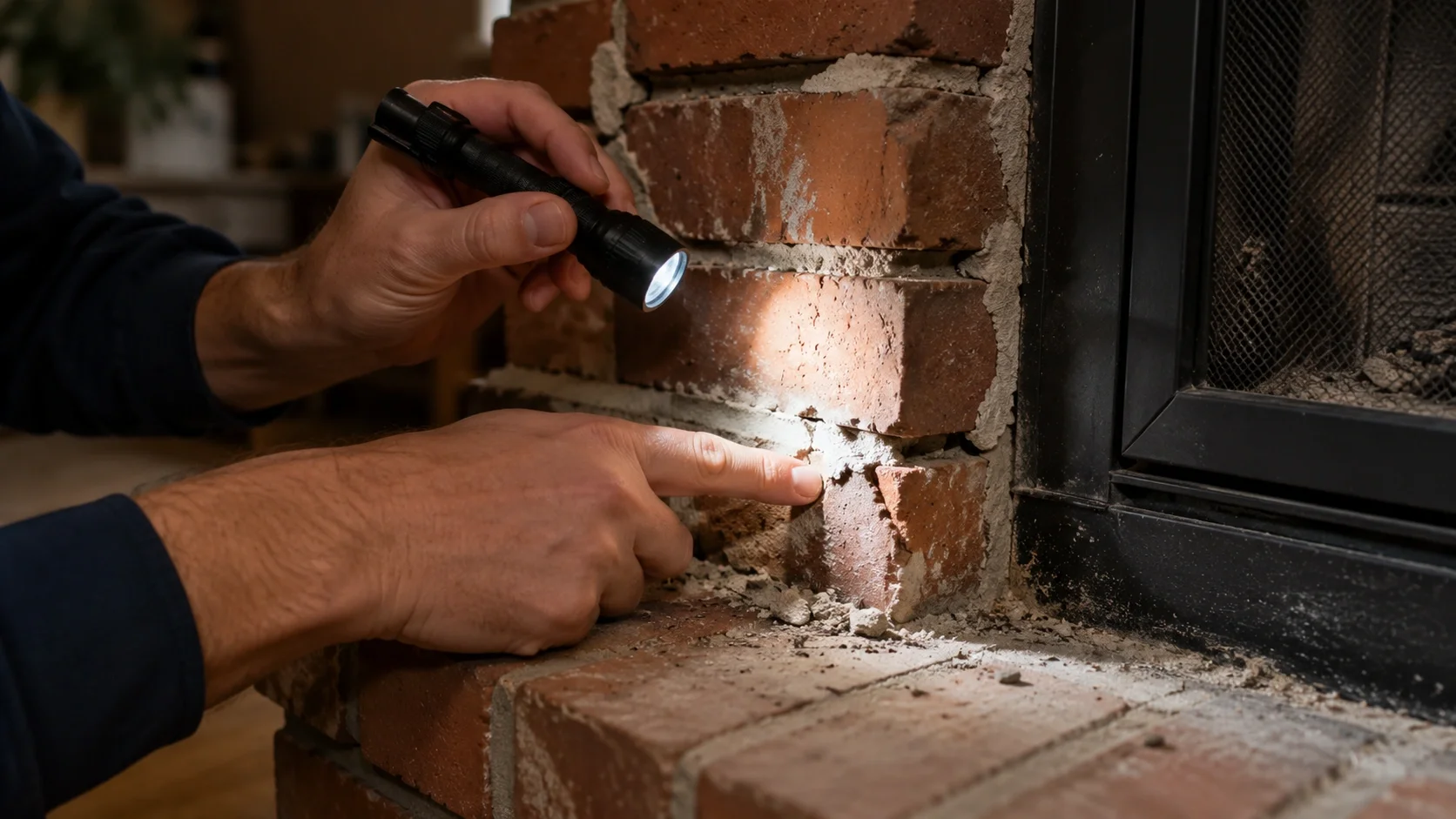
Masonry and Brickwork: Check the firebox and exterior for cracked mortar or crumbling bricks. Summer humidity can worsen small cracks, leading to expensive structural issues. If you notice damage, consult a professional mason or explore our DIY brick fireplace repair tips for minor fixes.
Gas Components: Inspect the gas line connections for signs of wear or corrosion. If your pilot light keeps going out at the end of the season, the thermocouple or valve might need replacing before next year. This is also the ideal time to schedule a gas fireplace inspection to verify safe operation.
Chimney Cap and Crown: Ensure the chimney cap is secure and free of debris. A missing or damaged cap allows rainwater and pests to enter, causing interior water damage and nesting blockages.
Sealing and Protecting Your Fireplace
Keeping moisture out is the primary goal of summer fireplace care. An open chimney acts like an open window, letting humid summer air and rain into your home.
Close the Damper: Ensure your damper is completely closed. If the damper doesn't seal tightly, consider using a fireplace inflatable draft stopper to create an airtight seal. This prevents humid air from entering and stops cool air conditioning from escaping up the chimney. If the mechanism is stuck, read our guide on a fireplace damper stuck fix.
Install Glass Doors and Covers: Adding or closing fireplace doors provides an extra barrier against drafts and moisture. For wood-burning units, a tight-fitting glass door assembly can significantly reduce energy loss during the off-season.
Preventing Summer Fireplace Odors
A common complaint during summer is the smell of stale smoke or mustiness emanating from the hearth. This occurs when humid air reacts with creosote and soot deposits. After thoroughly cleaning the firebox, place a bowl of baking soda or activated charcoal inside the firebox to absorb lingering odors. Improving your home's ventilation can also reverse the chimney downdraft that pulls foul air into the living space.
Summer Fireplace Care Checklist
- Remove all ash and soot from the firebox
- Clean glass doors and gas logs/embers
- Inspect masonry for cracks and mortar damage
- Verify the chimney cap is intact and secure
- Close the damper completely or use a draft stopper
- Schedule a professional chimney sweep and inspection
- Place odor absorbers (baking soda/charcoal) in the firebox
- Test gas valves and thermocouples for proper function
- Unplug and dust electric fireplace components
Summer Decor: Repurposing Your Fireplace
Since your fireplace won't be generating heat, summer is a great time to transform it into a decorative focal point. You can place large pillar candles, potted plants, or decorative fire screens inside the firebox to create a stunning visual. Explore creative fireplace decor ideas and elegant fireplace mantel ideas to keep your living room looking fresh and inviting all summer long. If you have an unused ethanol fireplace or a purely decorative vapor fireplace, you can safely run it during summer without adding unwanted heat to your home.

By taking the time to clean, inspect, and protect your fireplace during the off-season, you guarantee a safe, odor-free, and efficient heating experience when autumn returns. Don't wait until the first cold snap to discover your fireplace needs repairs—tackle your summer maintenance today.


