Sleeping with Fireplace On: Safety Guide & Smart Alternatives
Is it safe to leave your fireplace running overnight? Learn the real risks of carbon monoxide, fire hazards, and which fireplace types are safest for sleeping.
Shop Safe Fireplaces →⚠️ Immediate Safety Warning: Never sleep with a wood-burning or vented gas fireplace running. These produce dangerous carbon monoxide and pose serious fire risks. Modern electric fireplaces with automatic shut-off timers are the only safe option for overnight use. Always install carbon monoxide detectors in bedrooms and living areas.
The Hidden Dangers of Sleeping with a Fireplace
Many homeowners wonder: "Can I sleep with my fireplace on?" The answer depends entirely on the fireplace type. While the cozy warmth feels inviting, leaving any combustion-based fireplace unattended creates serious safety hazards. According to the National Fire Protection Association (NFPA), heating equipment is the second leading cause of home fires in the United States, with many incidents occurring between midnight and 8:00 AM when occupants are asleep.
Three primary risks make sleeping with a traditional fireplace dangerous: carbon monoxide (CO) poisoning, house fires from embers or sparks, and oxygen depletion. Carbon monoxide is particularly deadly because it's odorless, colorless, and can incapacitate you before you wake up. A carbon monoxide detector is essential for any home with a gas or wood fireplace, but even with detectors, experts strongly advise against running combustion fireplaces while sleeping.
Wood-Burning Fireplace
Risk Level: Extreme
Open flames, flying embers, creosote buildup, and high CO emissions. Never leave unattended or while sleeping. Requires constant monitoring and fully closed damper after extinguishing.
Safe for sleeping? NO
Vented Gas Fireplace
Risk Level: High
Even with proper venting, gas fireplaces can produce CO if venting is blocked or malfunctioning. Pilot lights also emit low levels of CO continuously. Not recommended for overnight use without automatic shut-off.
Safe for sleeping? NOT RECOMMENDED
Ventless (Vent-Free) Gas
Risk Level: High
Ventless gas fireplaces are banned in several states (California, Massachusetts) for bedrooms because they deplete oxygen and release CO2 and nitrogen dioxide. Never use in a bedroom or while sleeping.
Safe for sleeping? NEVER
Electric Fireplace
Risk Level: Minimal
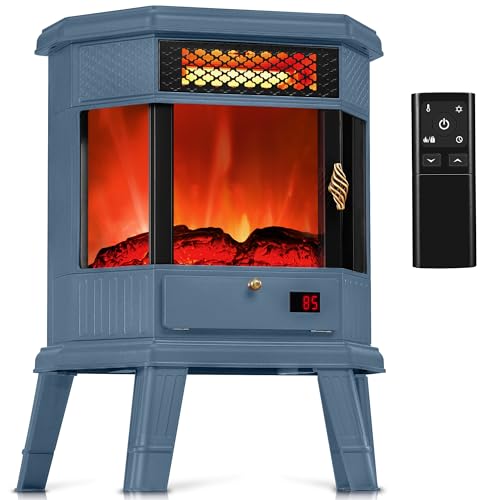
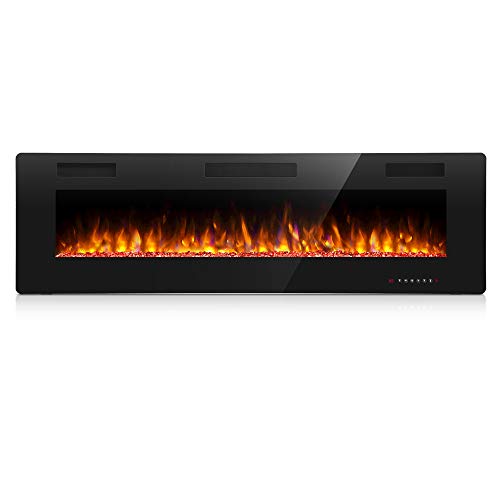
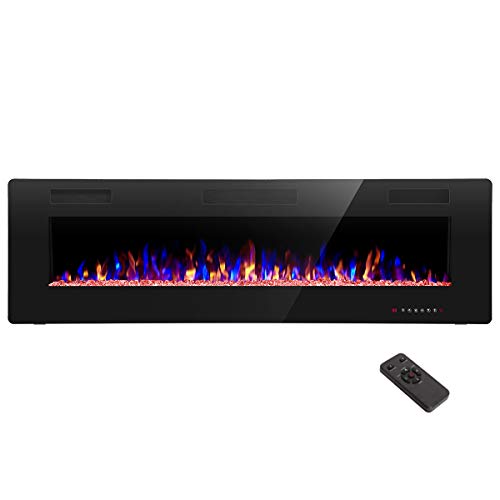
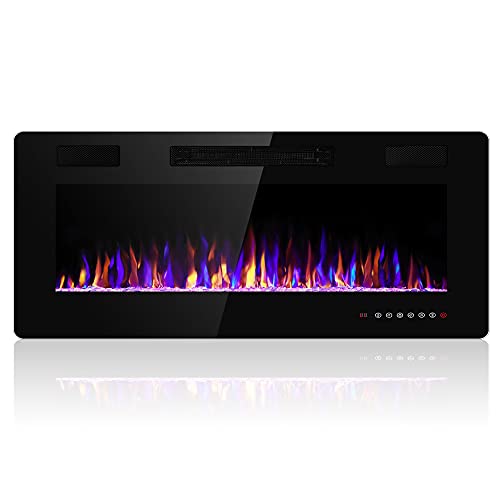
No real flame, no emissions, no carbon monoxide. Most models include automatic shut-off timers and thermal overload protection. The safest choice for overnight use, especially those with programmable timers and adjustable thermostats.
Safe for sleeping? YES (with timer)
If you're considering an electric fireplace for your bedroom, you're making the safest choice. Unlike gas or wood alternatives, electric models produce zero combustion byproducts, making them the only fireplace type suitable for unattended operation when equipped with proper safety features.
Carbon Monoxide: The Silent Killer
Carbon monoxide poisoning causes over 400 deaths annually in the US, with many cases linked to heating equipment used improperly. When sleeping with a gas or wood fireplace, you lose the ability to recognize early CO poisoning symptoms: headache, dizziness, weakness, nausea, and confusion. By the time symptoms become severe, you may be unconscious.
Key facts about CO and fireplaces: A properly functioning gas fireplace should vent all combustion gases outside. However, cracked heat exchangers, blocked chimneys, downdrafts, or improper installation can allow CO to enter your living space. Even ventless gas fireplaces are designed to release small amounts of CO and other gases into the room — that's why they're illegal for bedrooms in many jurisdictions.
📋 Essential Safety Checklist for Fireplace Owners
- Install battery-operated CO detectors on every level of your home, especially near bedrooms
- Test CO detectors monthly and replace batteries twice yearly
- Schedule annual professional inspection for gas and wood fireplaces
- Never run a wood or gas fireplace unattended, especially while sleeping
- Ensure your electric fireplace has an automatic shut-off timer (most models do)
- Keep flammable materials at least 3 feet away from any fireplace
- Consider an electric fireplace insert if you want overnight warmth safely
Fire Hazards: Why Unattended Fires Are Dangerous
Even a small spark from a wood-burning fireplace can ignite nearby rugs, furniture, or curtains. While you sleep, a log can roll out of the fireplace grate, or a sudden downdraft can blow embers into the room. According to fire safety experts, most home heating fires occur when the homeowner is asleep or away.
Gas fireplaces also pose risks: A malfunctioning gas valve, cracked glass panel, or blocked vent can create dangerous conditions. While gas fireplaces lack flying embers, they can still start fires if flammable materials contact the hot glass or if a gas leak occurs. Modern vented gas fireplaces are safer than ventless models, but neither should be left running overnight.
If you desire the ambiance of a real flame while sleeping, consider an ethanol fireplace with automatic extinguishing features. However, even ethanol fireplaces consume oxygen and should be extinguished before sleep. The only truly safe option for overnight operation remains electric models.
Safe Overnight Heating: Electric Fireplace Best Practices
Electric fireplaces can effectively heat a bedroom without any safety concerns associated with combustion. Here's how to use them safely while sleeping:
Choose models with these features: Automatic shut-off timer (most offer 1-8 hour settings), adjustable thermostat with temperature cutoff, cool-touch exterior, tip-over protection (for portable units), and overheat protection. Many wall-mounted electric fireplaces and freestanding models include these safety features as standard.
Optimal settings for overnight: Set the thermostat to maintain a comfortable temperature (65-68°F / 18-20°C) rather than maximum heat. Use the 4-6 hour timer setting to avoid running all night — your room will stay warm from residual heat. Position the fireplace at least 3 feet from bedding and curtains, and ensure the air intake vents are unobstructed.
💡 Pro Tip: Many modern electric fireplaces feature "flame-only" mode, allowing you to enjoy realistic flames without heat. This mode consumes minimal electricity (around 15-30 watts) and is perfectly safe for overnight ambiance. Use this setting with a timer for a cozy sleeping environment without heating costs.
Fireplace Type Comparison: Which Is Safe for Sleeping?
Looking for more comparisons? Read our detailed guides on gas vs electric fireplace and electric vs wood fireplace to make an informed decision for your home.
Frequently Asked Questions About Sleeping with Fireplaces
🔥 Can I leave my gas fireplace on overnight?
No. Experts strongly advise against leaving any combustion-based fireplace (gas, wood, propane, ethanol) running while you sleep. Even well-maintained gas fireplaces can malfunction, and pilot lights emit small amounts of CO continuously. If you want overnight heat, use an electric fireplace with a timer or a standard space heater rated for overnight use.
💨 Is it safe to sleep with an electric fireplace on?
Yes, with precautions. Electric fireplaces produce no emissions, no real flames, and no carbon monoxide. They are the only fireplace type considered safe for overnight use. However, always use the built-in timer function (most offer 1-8 hour settings), ensure proper placement away from combustibles, and never cover the heater vent.
📉 Will sleeping with an electric fireplace increase my electricity bill?
Electric fireplaces typically consume 1,300-1,500 watts on high heat. Running one for 8 hours costs approximately $1.20-$1.60 (based on $0.13/kWh). Using the thermostat or timer reduces runtime significantly. Many users find this cheaper than running central heating all night in a single room.
🏠 Can I put an electric fireplace in my bedroom?
Absolutely. Bedroom electric fireplaces are extremely popular. They require no venting, produce no fumes, and many are wall-mounted or designed as entertainment centers. Look for models with "flame-only" mode for ambiance without heat, and programmable thermostats for comfort control.
🏆 Final Recommendation: If you want to sleep comfortably with a fireplace running, choose an electric fireplace with automatic shut-off timer. Models from brands like Touchstone, Duraflame, and PuraFlame offer safety certifications (UL/ETL), remote controls, and programmable thermostats. For combustion fireplaces, always extinguish the fire completely before going to bed and never rely on them for overnight heating.
Remember: Install carbon monoxide detectors near sleeping areas regardless of your fireplace type. Test them monthly. Your family's safety is worth more than a few hours of cozy warmth.