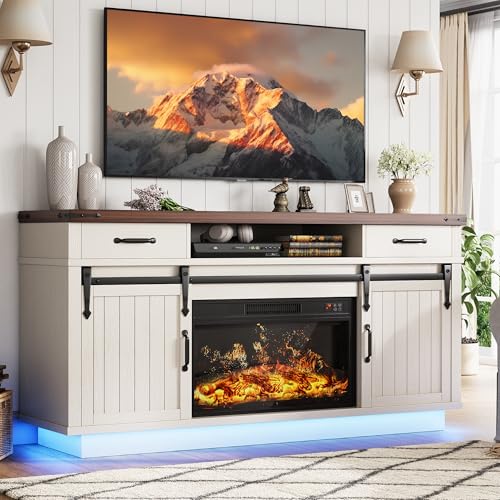
Transform Your Living Room With the Perfect Fireplace
Explore stunning fireplace designs, placement options, and style inspiration to create a warm, inviting focal point in your living space
EXPLORE DESIGNSA living room fireplace serves as the heart of your home, providing warmth, ambiance, and a natural gathering point for family and friends. The right fireplace design can transform an ordinary living space into an extraordinary retreat that reflects your personal style while increasing your home's value. Whether you're building a new home, renovating an existing space, or simply looking to update your current fireplace, these living room fireplace ideas will help you create the perfect centerpiece for your space.
Popular Living Room Fireplace Styles
The style of your fireplace should complement your home's architectural character and your personal aesthetic preferences. From sleek contemporary designs to rustic traditional options, there's a fireplace style to suit every living room. Let's explore the most popular styles that can enhance your living space.

Modern Linear Fireplaces
Sleek, frameless designs with clean lines define modern fireplaces. These contemporary options often feature wide viewing areas, minimal surrounds, and can be installed at various heights for dramatic effect.
Explore Modern Designs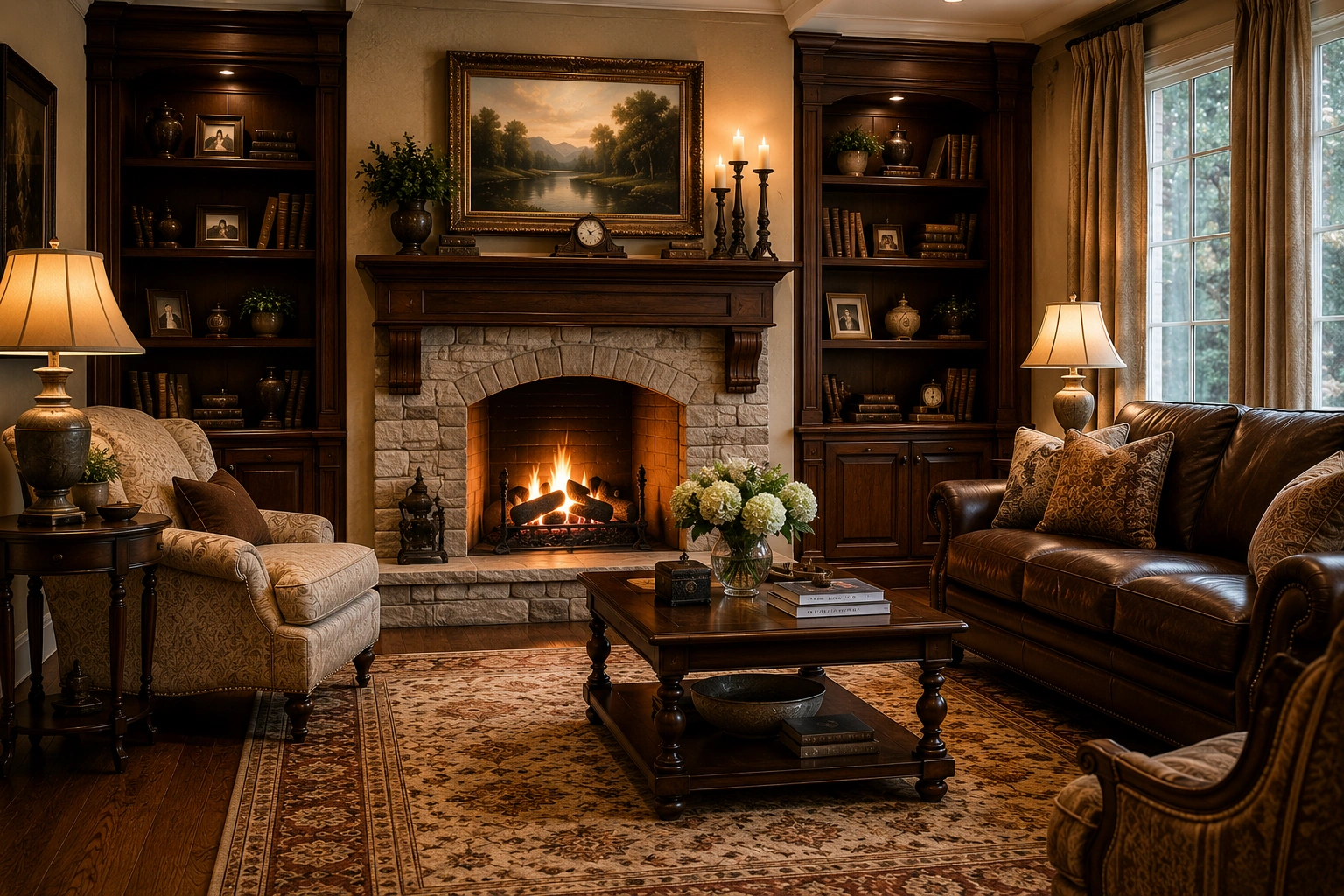
Traditional Brick Fireplaces
Timeless appeal meets cozy comfort in traditional brick designs. These fireplaces often feature detailed mantels, raised hearths, and classic proportions that add character and warmth to any living room.
Explore Traditional Designs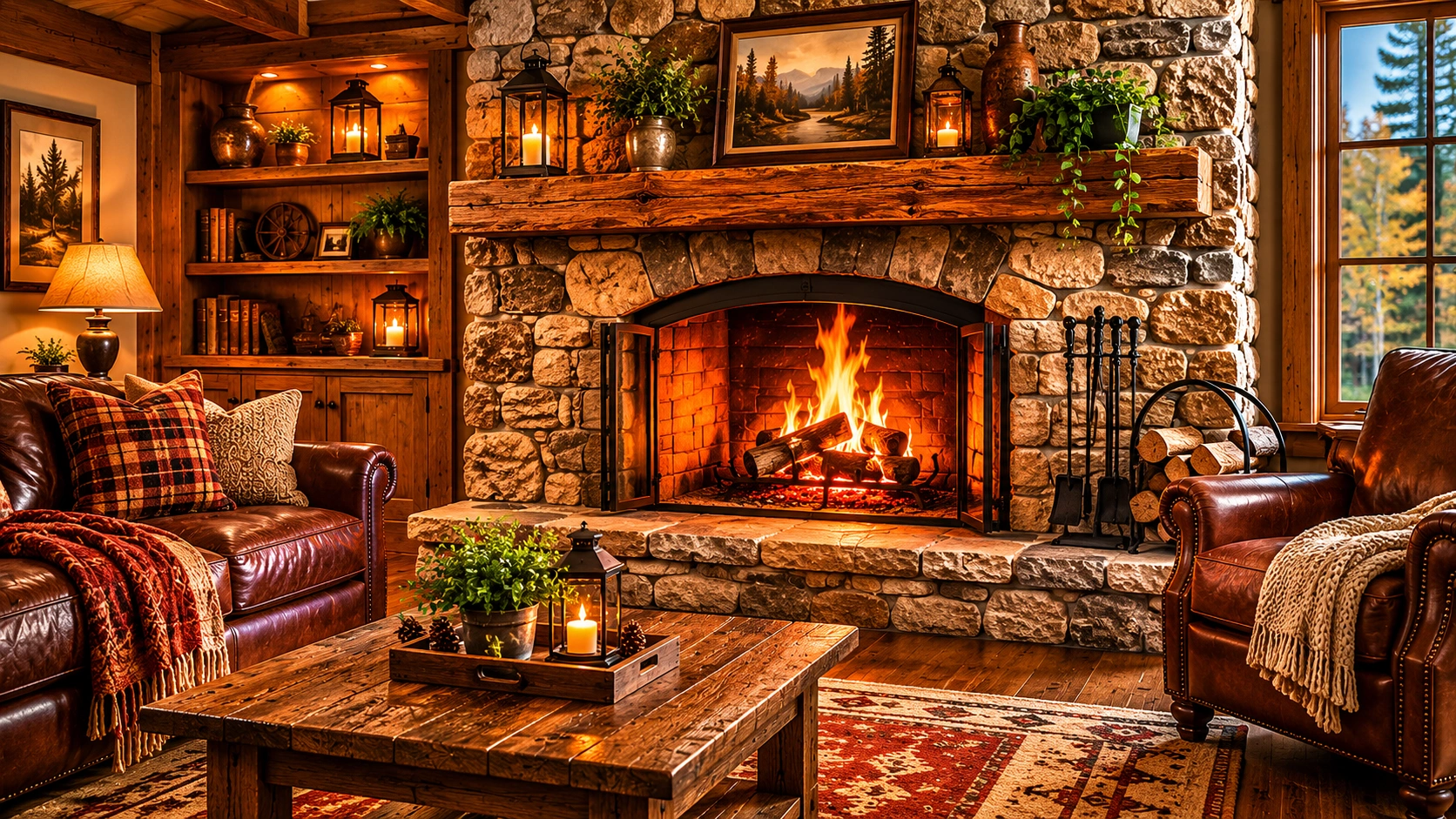
Rustic Stone Fireplaces
Embrace the beauty of nature with rustic stone designs that incorporate raw materials, textured surfaces, and earthy elements for a warm, cabin-like atmosphere in your living room.
Explore Rustic Designs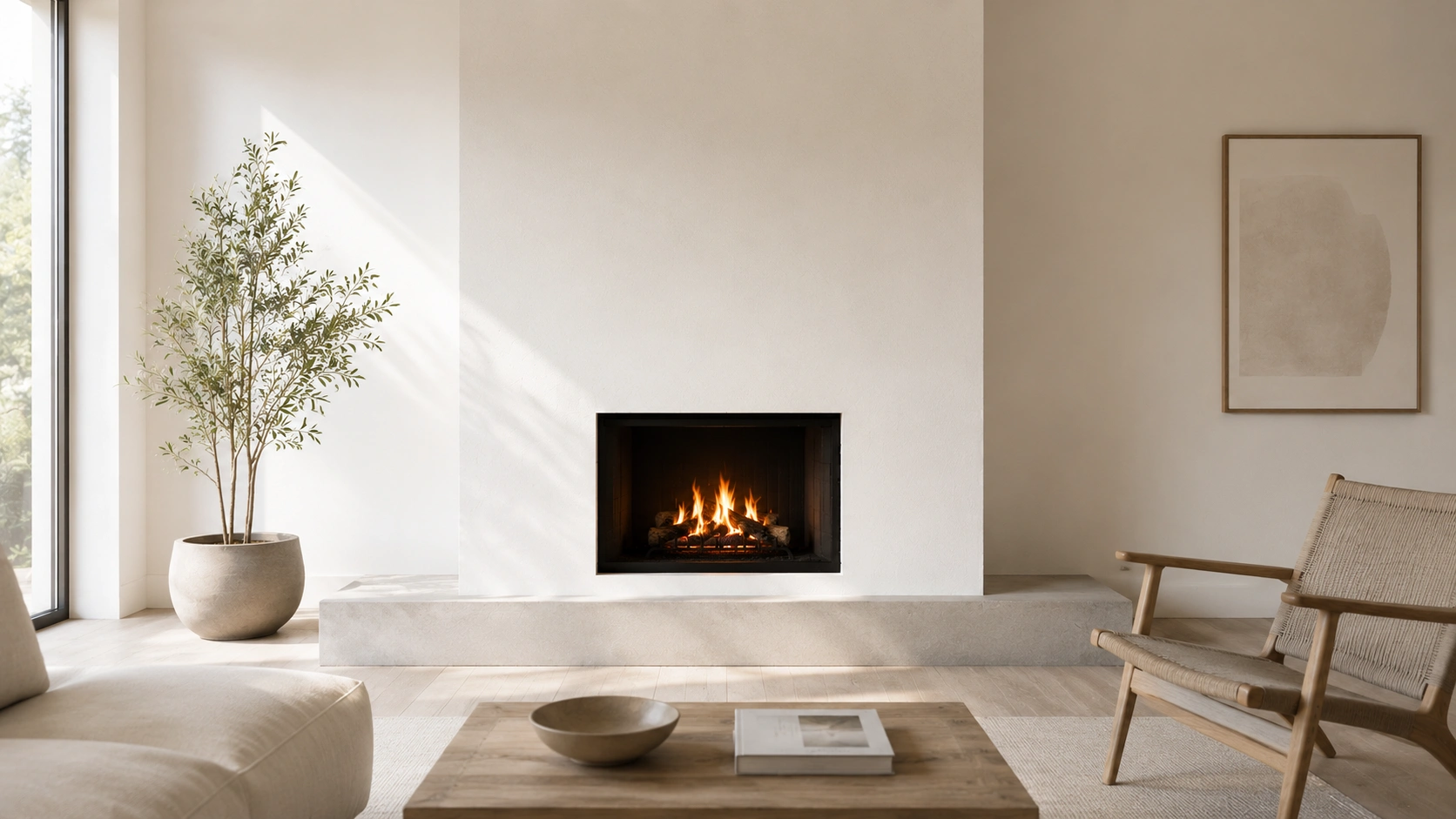
Minimalist Fireplaces
Less is more with minimalist fireplace designs that focus on clean lines, simple forms, and uncluttered spaces. These fireplaces blend seamlessly with contemporary interiors without overwhelming the room.
Explore Minimalist DesignsStrategic Fireplace Placement Options
Where you position your fireplace in the living room significantly impacts both its functionality and the room's overall flow. The right placement can enhance sightlines, improve traffic patterns, and create natural conversation areas. Consider these strategic placement options for your living room.
Center Wall Placement
Positioning your fireplace on the center wall creates a natural focal point that anchors your furniture arrangement. This classic placement works well in both large and small living rooms, allowing you to arrange seating symmetrically around the fireplace for balanced visual appeal. When considering this option, think about how the fireplace will interact with windows, doorways, and other architectural elements in the room.
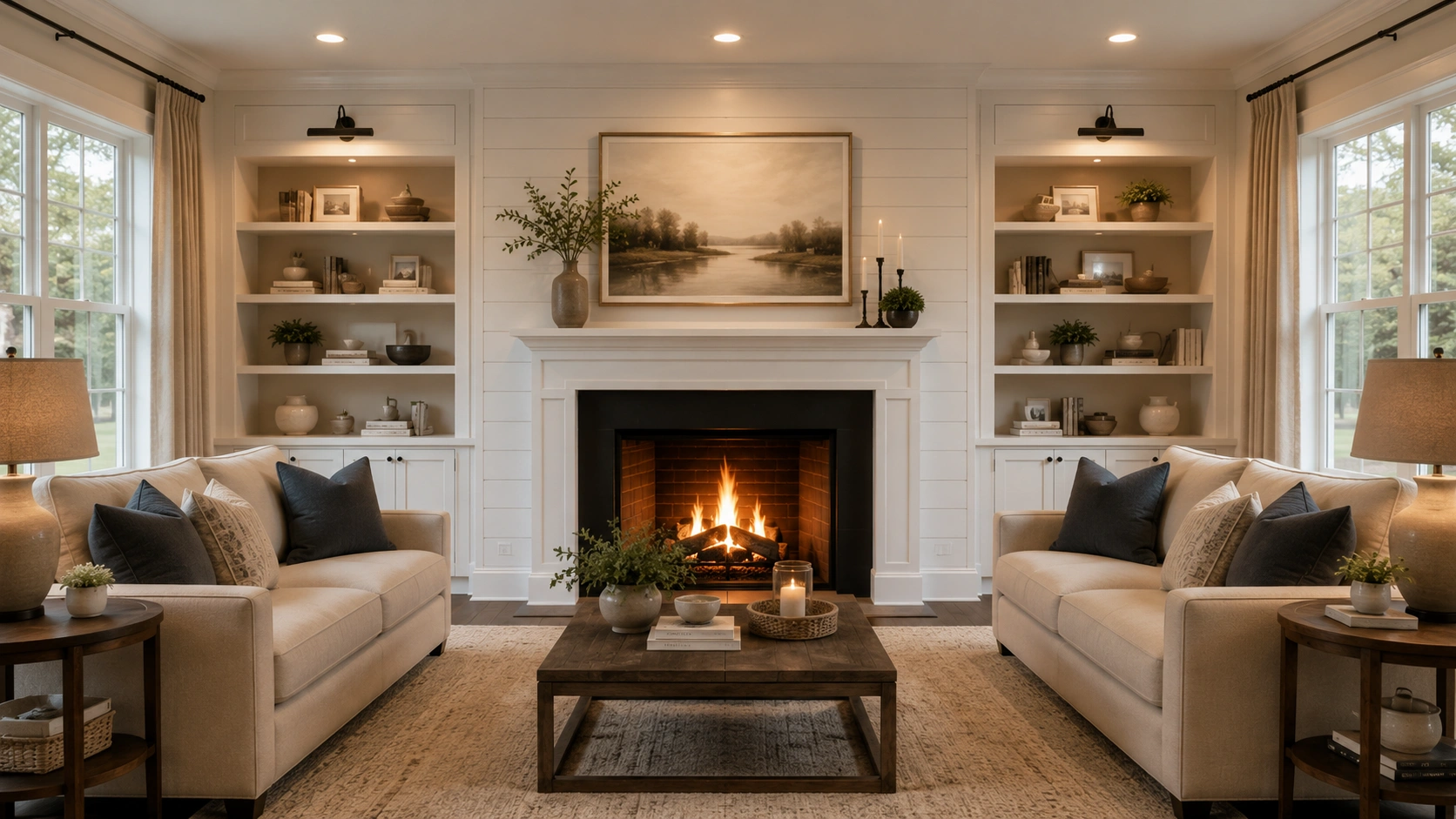
Corner Fireplace Placement
When floor space is at a premium or when you want to create a unique architectural feature, corner fireplaces offer an excellent solution. These installations make use of otherwise underutilized space and can actually make a room feel larger by drawing the eye to a diagonal element. Corner fireplaces work particularly well in smaller living rooms or in open-concept spaces where you want to define distinct zones without blocking sightlines.
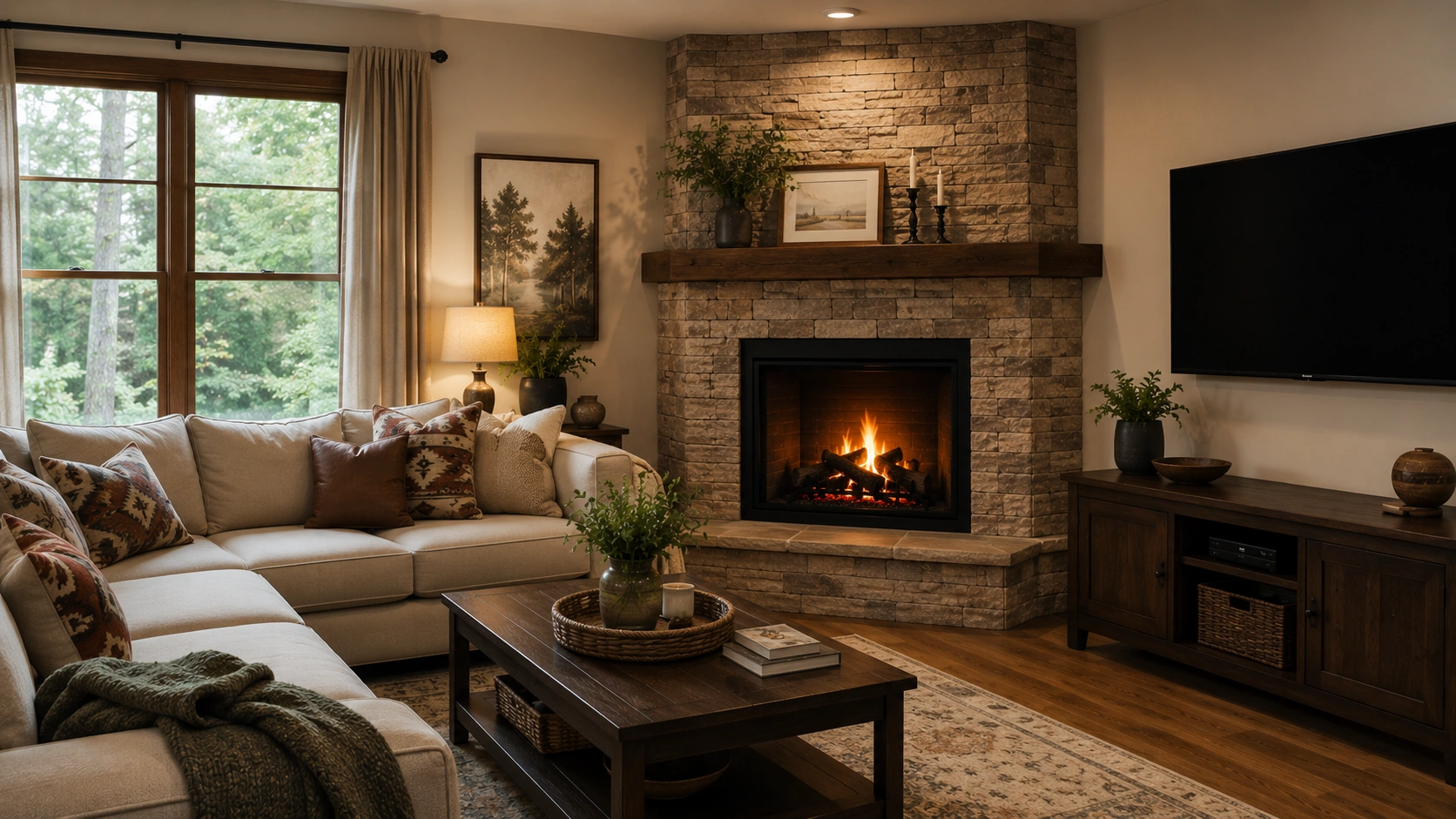
Floating or Peninsula Placement
For open-concept living spaces, a double-sided or see-through fireplace can serve as a room divider while providing warmth and visual interest from multiple angles. This placement option works particularly well when you want to maintain sightlines between different areas of your home while still creating a sense of separation. These fireplaces can be viewed from the living room and adjacent dining area, kitchen, or entryway.
TV and Fireplace Combinations
One of the most common design challenges in living rooms is how to incorporate a television alongside a fireplace. These two focal points often compete for attention, but with thoughtful planning, they can coexist harmoniously. Explore these TV and fireplace wall ideas to create a balanced, functional design.
TV Above Fireplace
Mounting a television above a fireplace is a popular space-saving solution that creates a unified media wall. This arrangement works well when the fireplace isn't too tall and there's adequate wall space above it. However, it's important to consider safety considerations for TVs above fireplaces, including heat protection and optimal viewing height. To ensure comfortable viewing, the center of your TV should ideally be at eye level when seated, which may require a lower-profile fireplace design or a tilting wall mount.
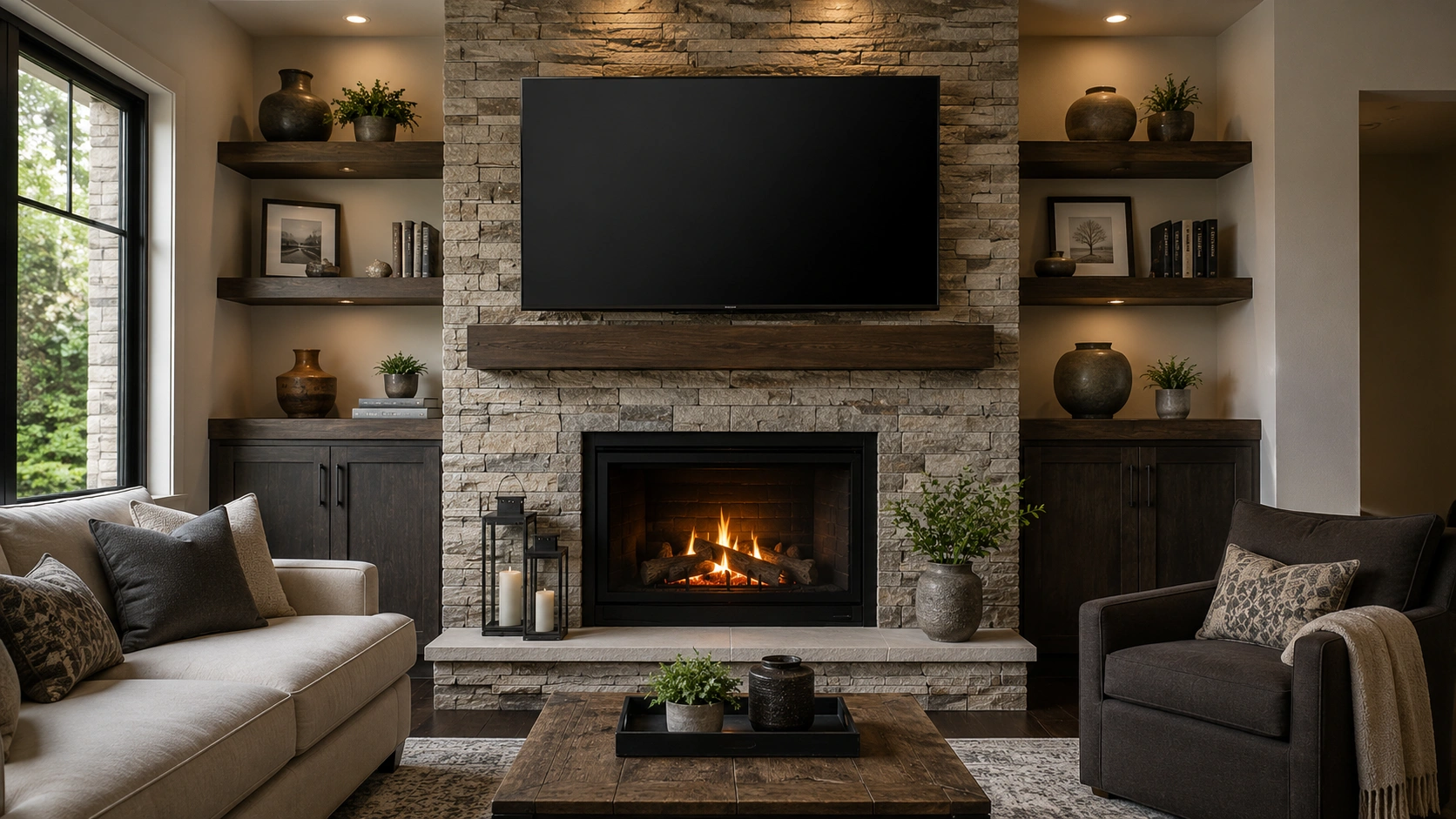
Side-by-Side Arrangement
Placing the TV and fireplace side by side on the same wall allows each element to shine independently while creating a balanced, cohesive look. This arrangement works particularly well in wider living rooms where you have sufficient wall space. To create visual harmony, consider using similar materials or colors for the fireplace surround and the TV console, and ensure the two elements are aligned either at the top or bottom for a clean, intentional look.
Perpendicular Placement
Positioning the TV and fireplace on adjacent walls creates distinct zones within your living room—one focused on media entertainment and the other on relaxation and conversation. This arrangement works well in larger living rooms or open-concept spaces where you want to define different functional areas without physical barriers. It also eliminates the heat and viewing angle concerns associated with mounting a TV directly above a fireplace.
Materials and Finishes for Living Room Fireplaces
The materials you choose for your fireplace surround, mantel, and hearth significantly impact the overall aesthetic of your living room. Different materials evoke different moods and complement various interior design styles. Consider these popular options for your living room fireplace.
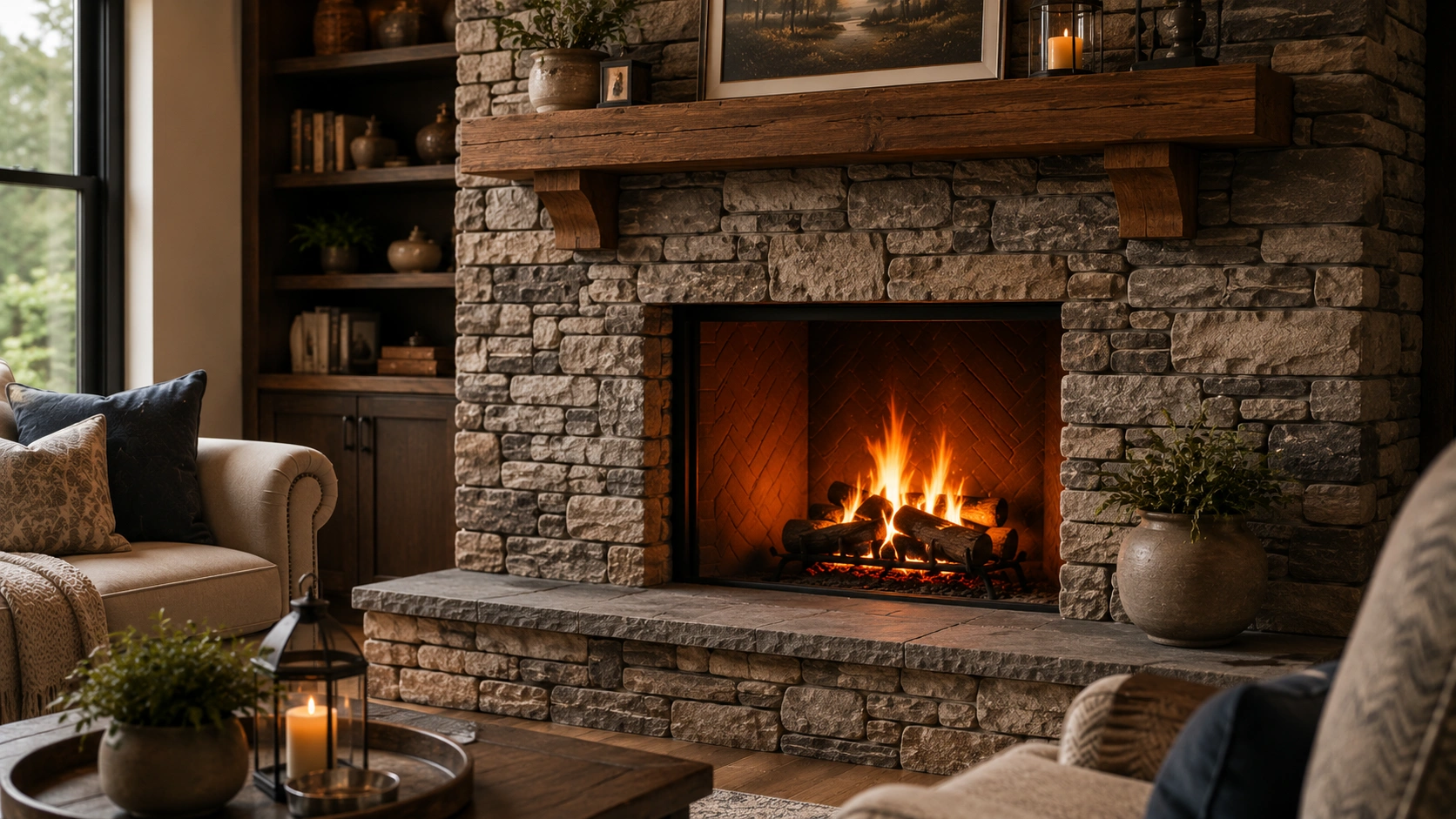
Natural Stone Surrounds
From stacked fieldstone to polished granite, stone fireplaces add natural beauty and substantial presence to any living room. Stone is extremely durable and retains heat well, making it both beautiful and functional. Rock and stone designs work particularly well in rustic, traditional, and Mediterranean-style homes.
Explore Stone Options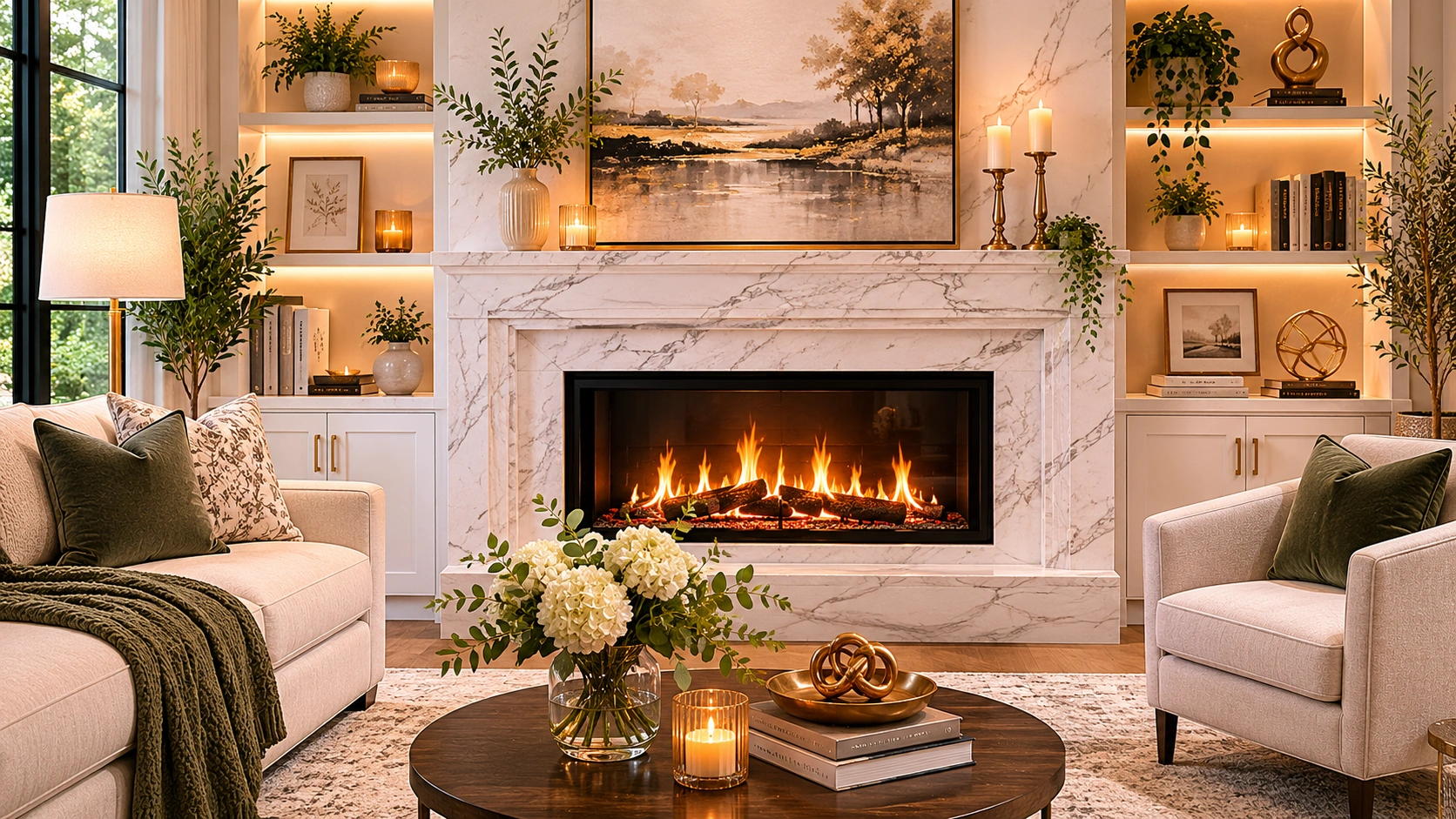
Marble Surrounds
For a touch of luxury and sophistication, marble fireplaces are unparalleled. The natural veining in marble creates unique patterns that make each installation one-of-a-kind. While more expensive than some other options, marble's timeless elegance and durability make it a worthwhile investment that can increase your home's value.
Explore Marble Options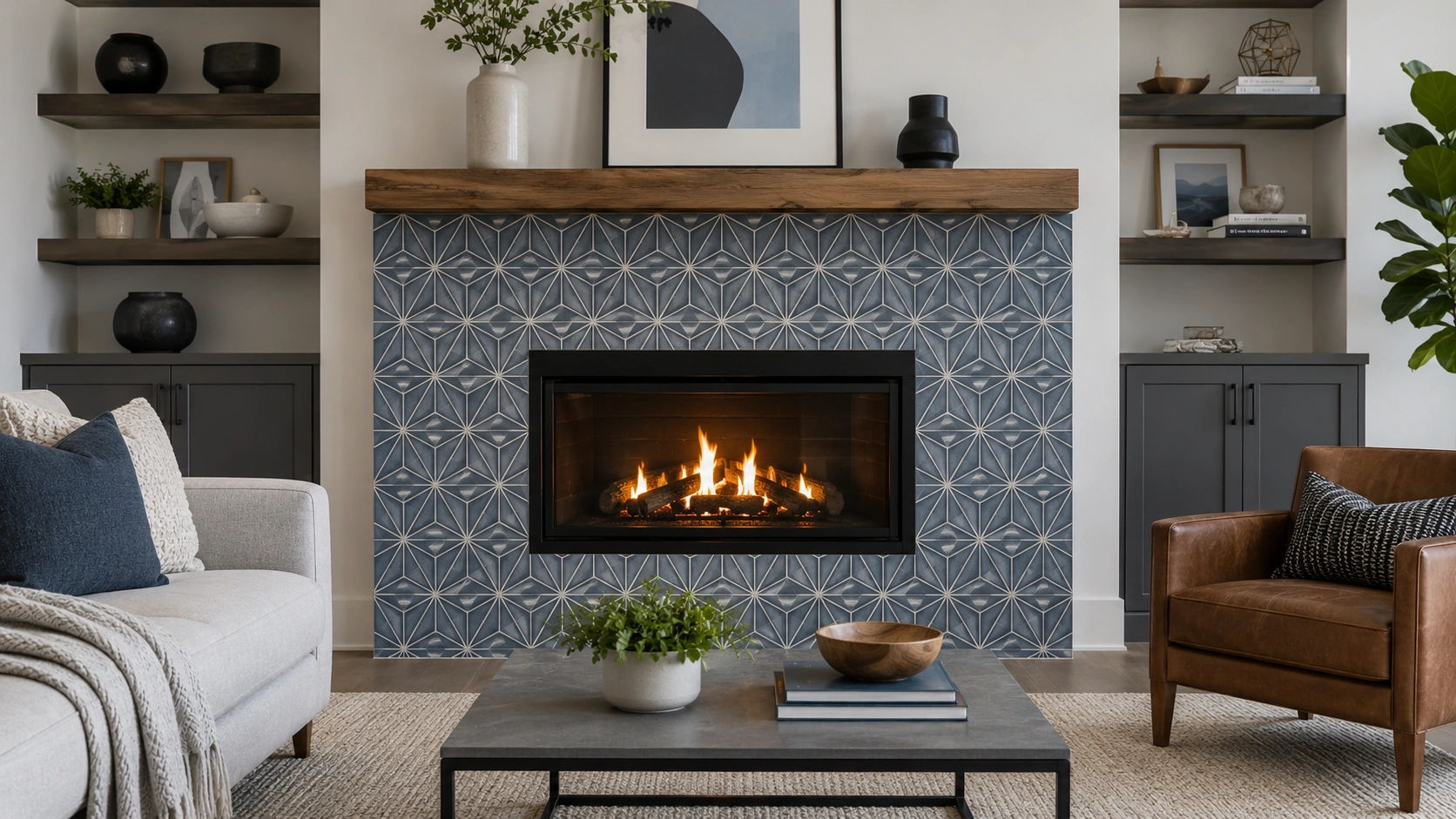
Tile Surrounds
Tiles offer endless possibilities for customization with their vast array of colors, patterns, and textures. From subway tiles for a clean, classic look to bold geometric patterns for a contemporary statement, tile fireplaces allow you to express your personal style while creating a durable, heat-resistant surface.
Explore Tile Options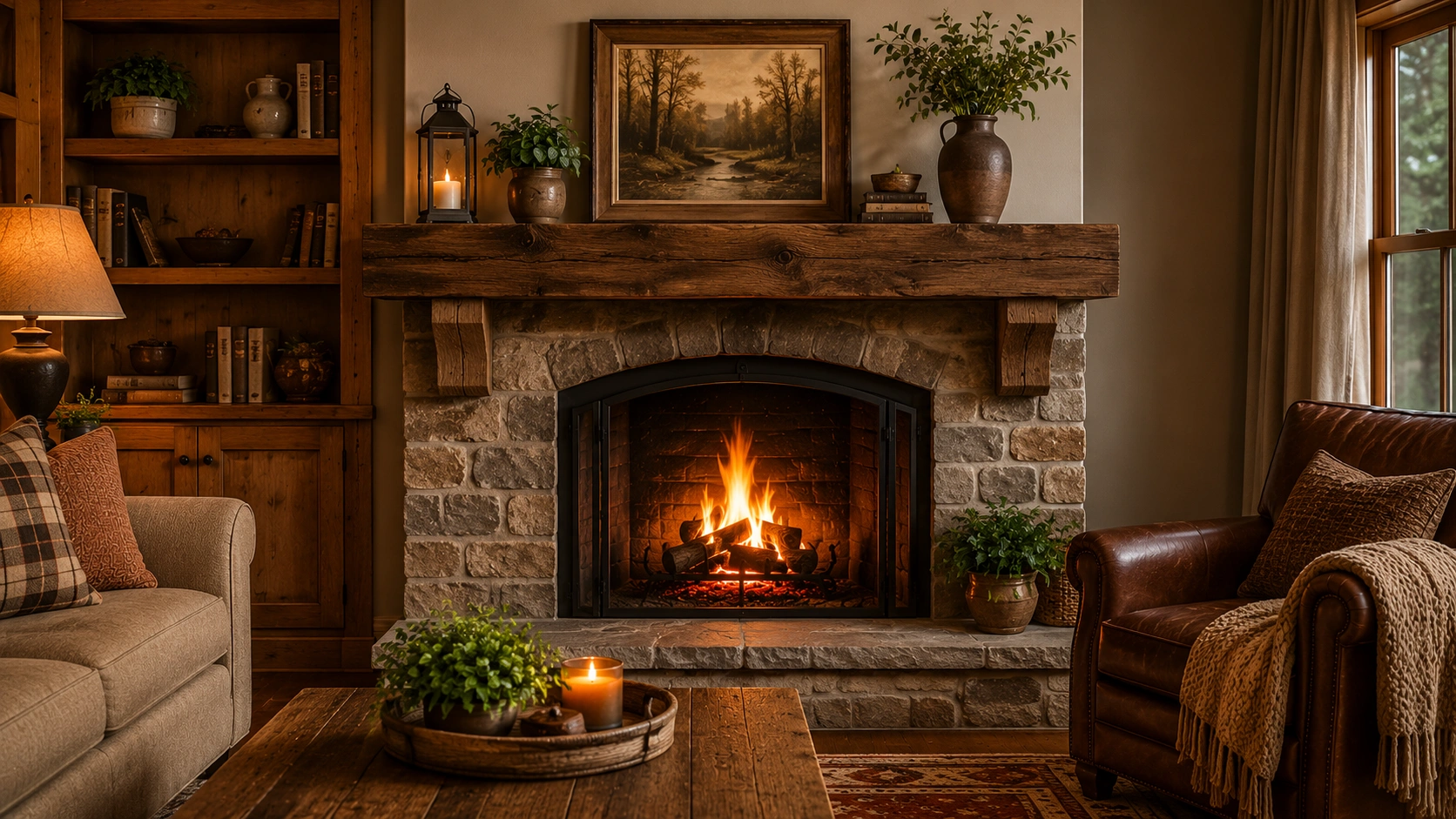
Wood Mantels and Surrounds
Wood offers warmth and versatility, available in various types and finishes to suit any design aesthetic. From rustic reclaimed timber to sleek, stained hardwood, wood fireplaces add natural beauty and can be easily updated with paint or stain if your style evolves over time.
Explore Wood OptionsChoosing the Right Fireplace Type for Your Living Room
Beyond aesthetics, the type of fireplace you choose will significantly impact functionality, maintenance requirements, and installation considerations. Understanding the differences between fireplace types helps ensure your selection meets both your design goals and practical needs.
Electric Fireplaces
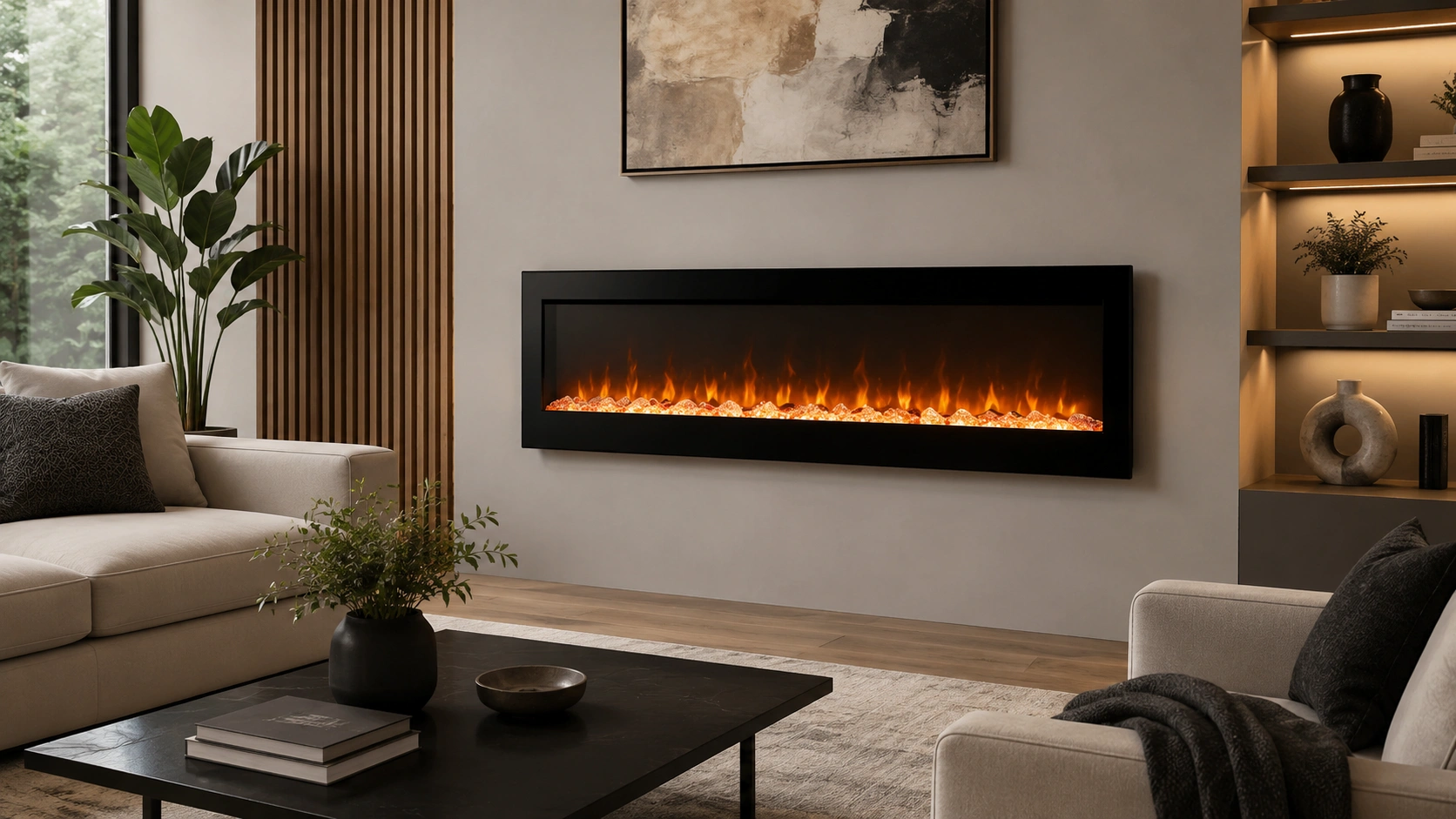
Electric fireplaces offer the easiest installation with no venting required—simply plug them into a standard outlet. They provide realistic flame effects with adjustable heat settings, making them perfect for living rooms where installation flexibility is important. Modern options feature LED technology that creates convincing flames without actual combustion, and many can be operated with remote controls or smart home systems.
Installation Guide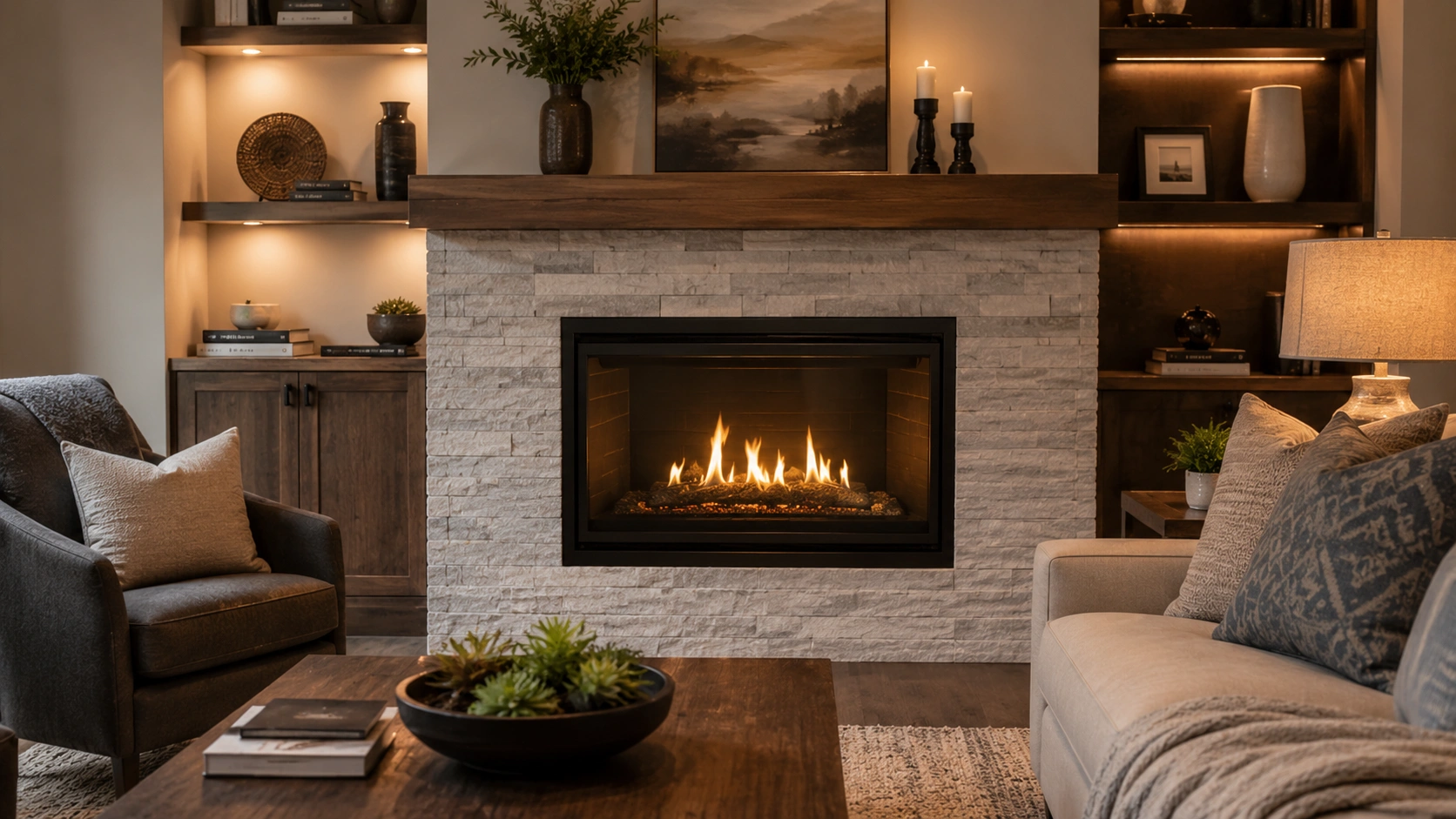
Gas Fireplaces
Gas fireplaces offer the realistic look of a traditional fire with the convenience of instant ignition and adjustable flames. They provide consistent heat output and can be operated with remote controls or wall switches. While they require professional installation and either a natural gas line or propane tank, gas fireplaces are cleaner burning than wood options and don't require storing or handling fuel.
Installation Requirements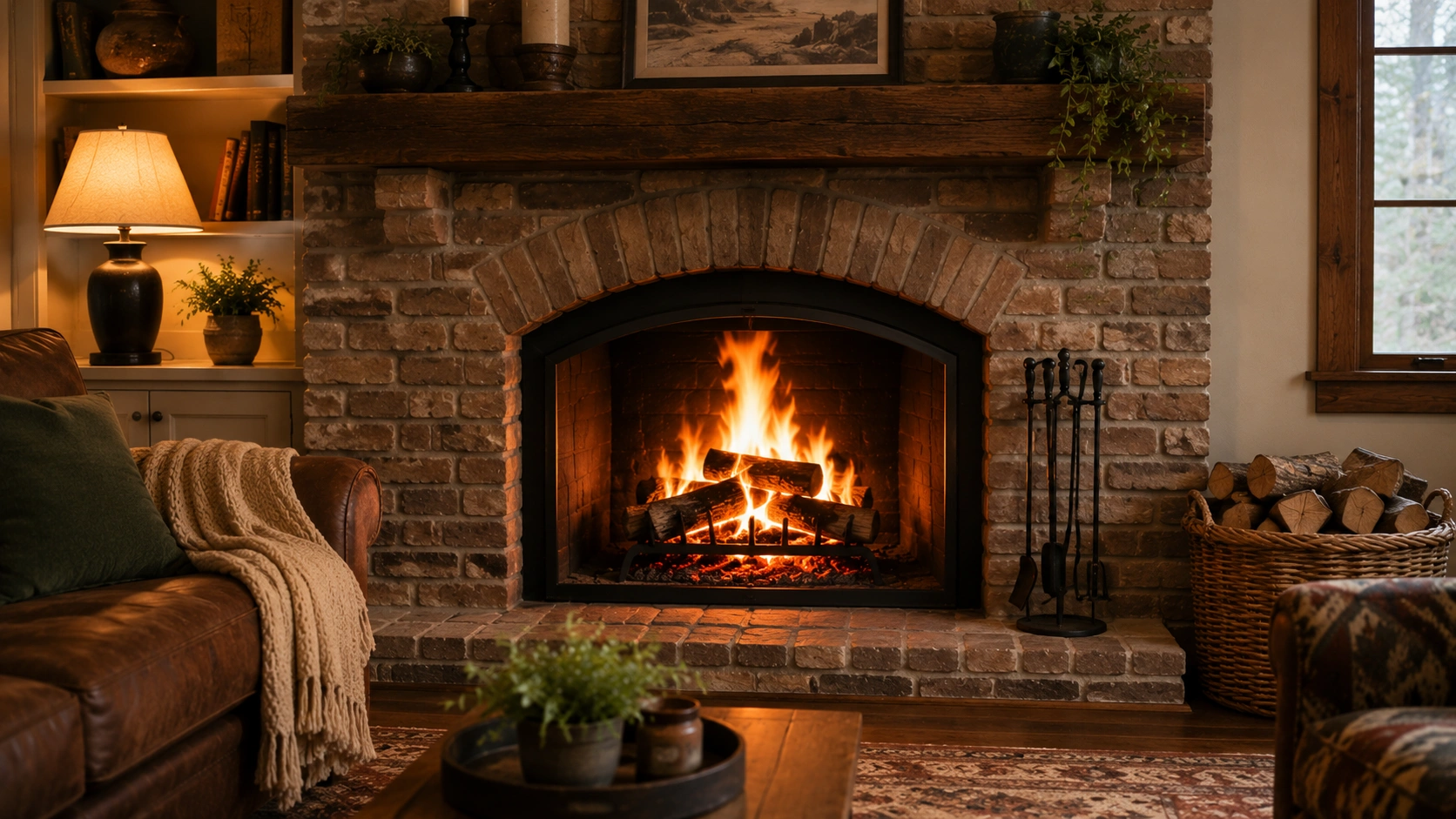
Wood-Burning Fireplaces
For the authentic experience of a crackling fire with the scent of burning wood, nothing beats a wood-burning fireplace. These traditional options provide excellent heat output and create an ambiance that can't be fully replicated by other fuel types. However, they require more maintenance, including regular chimney cleaning, and must comply with local air quality regulations in some areas.
Maintenance Guide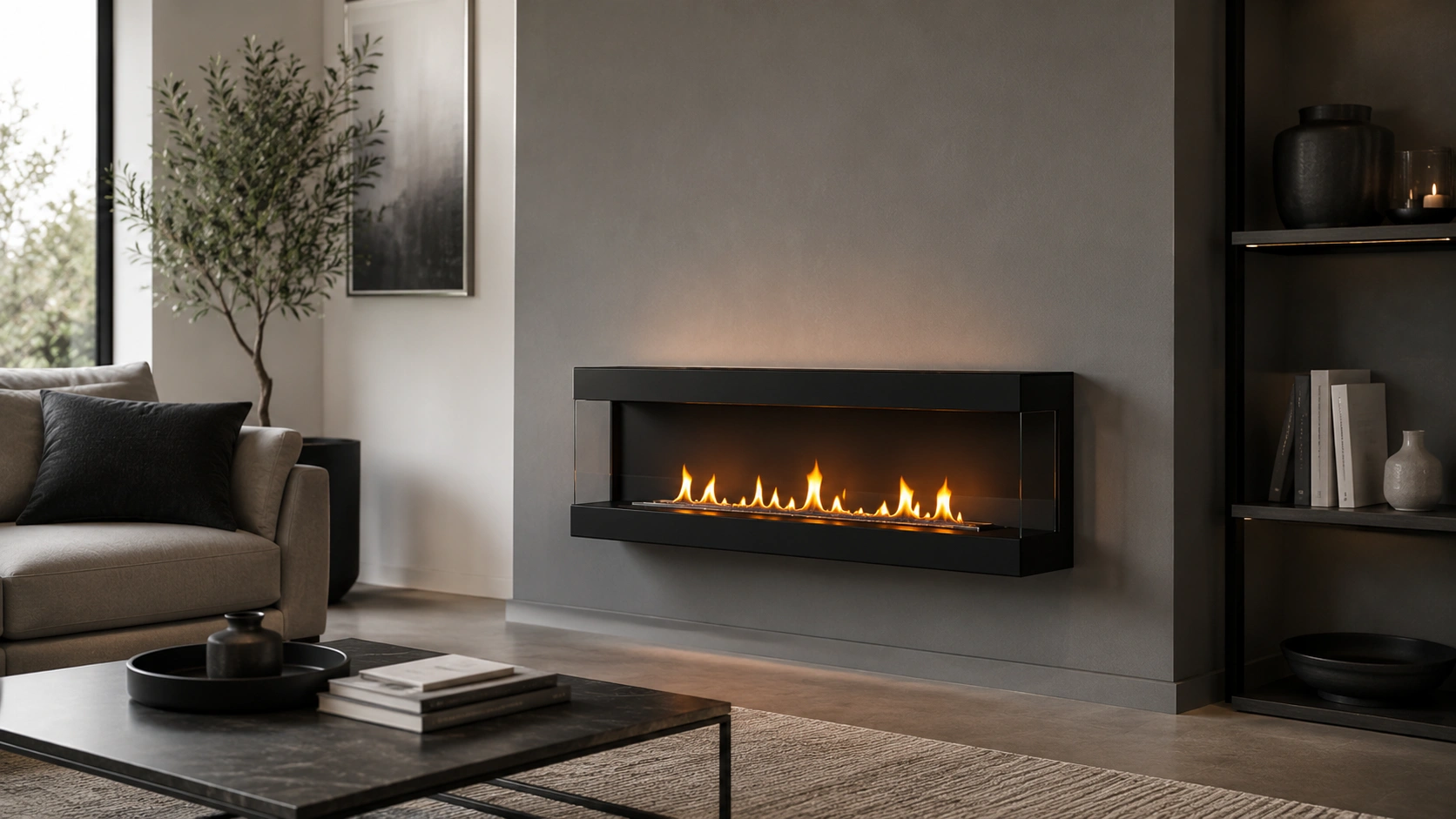
Ethanol Fireplaces
Ethanol fireplaces offer the beauty of real flames without the need for venting, making them extremely versatile for living room installations. They burn clean bioethanol fuel, producing only water vapor and minimal carbon dioxide. These fireplaces come in a wide range of contemporary designs, from wall-mounted units to freestanding models, and can be placed virtually anywhere in your living room.
Compare with ElectricMantel and Surround Design Ideas
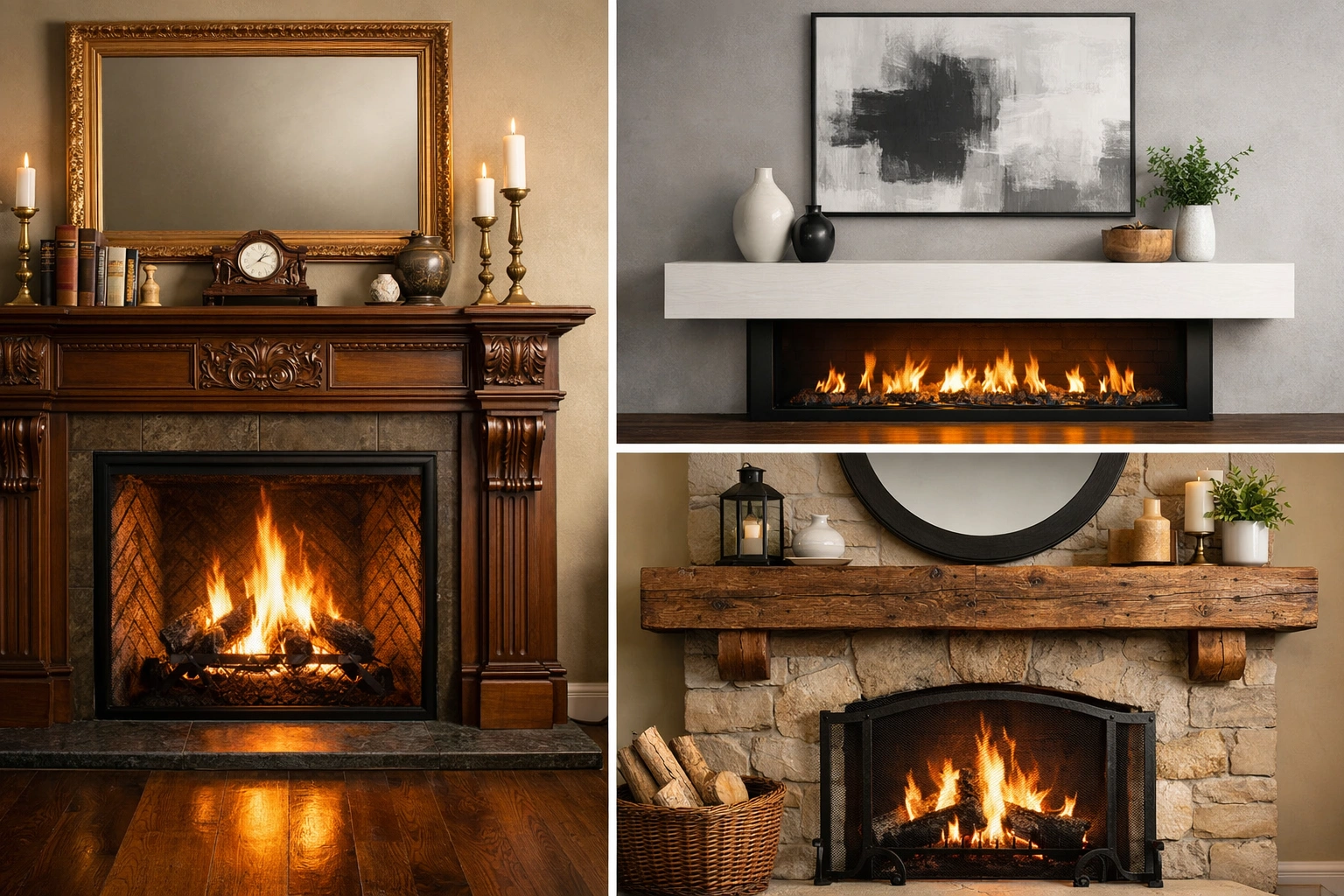
The mantel and surround frame your fireplace and significantly impact its visual presence in your living room. These elements provide an opportunity to add architectural detail and personal style to your fireplace design. Whether you prefer a substantial traditional mantel or a minimal contemporary surround, these design ideas will help you create the perfect frame for your fireplace.
Full Wall Surrounds
Extending your fireplace surround to fill the entire wall creates a dramatic focal point that can make a bold design statement. This approach works particularly well with modern fireplace designs where clean lines and minimal details can be emphasized. Full wall surrounds can be created with various materials, including stone, tile, wood paneling, or even textured wall treatments like shiplap or plaster.
Built-In Shelving Integration
Incorporating shelving into your fireplace surround creates a custom, built-in look that adds both functionality and architectural interest. These integrated designs can include open shelving for books and decorative items, closed storage cabinets, or a combination of both. This approach works well in living rooms where you want to maximize storage while creating a cohesive, custom look around your fireplace.
Floating Mantels
For a clean, contemporary look, consider a floating mantel that appears to extend directly from the wall without visible supports. These minimal mantels work particularly well with modern fireplace designs and can be made from various materials, including wood, stone, or metal. The clean lines of a floating mantel create visual simplicity while still providing a shelf for decorative items.
Size and Proportion Considerations
Choosing the right size fireplace for your living room is crucial for both aesthetic balance and functional performance. A fireplace that's too small will look lost in the space, while one that's too large can overwhelm the room and create uncomfortable heating conditions. Consider these factors when determining the appropriate size for your living room fireplace.
Sizing Tip
As a general rule, your fireplace should occupy approximately one-third to one-half of the wall where it's installed, with the mantel extending slightly beyond the firebox on each side. The height should relate to the ceiling height—a taller fireplace works better in rooms with high ceilings, while a lower profile is appropriate for standard eight-foot ceilings. For heating capacity, calculate the BTU requirements based on your room's square footage, insulation quality, and climate zone.
For Small Living Rooms
In compact living spaces, small fireplaces or wall-mounted options can provide warmth and ambiance without consuming valuable floor space. Consider a corner installation to maximize space efficiency, or a slim profile electric fireplace that can be mounted at any height. In small rooms, every inch matters, so look for designs that offer maximum impact with minimal footprint.
For Large Living Rooms
Spacious living rooms can accommodate larger fireplaces with more substantial surrounds and mantels. In open-concept spaces, consider a double-sided fireplace that can be enjoyed from multiple areas, or a wide linear fireplace that makes a dramatic statement. Larger rooms may also require fireplaces with higher BTU ratings to adequately heat the space, so pay attention to heating capacity specifications when making your selection.
Practical Considerations for Living Room Fireplaces
Beyond aesthetics, several practical factors will influence which fireplace options work best in your living room. Understanding these considerations early in the planning process can help you avoid costly mistakes and ensure your finished fireplace meets both your design goals and functional needs.
Venting Requirements
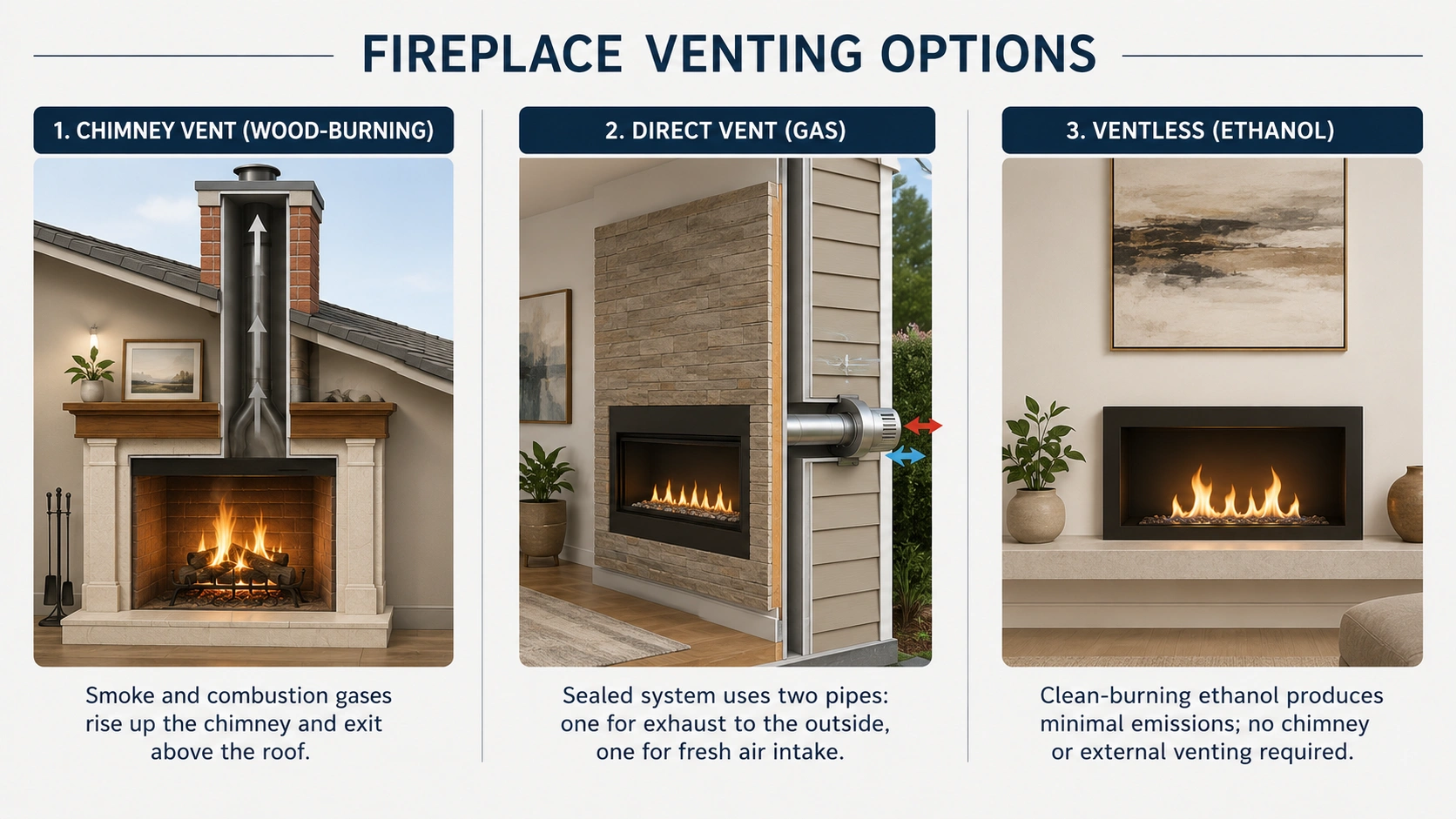
Your home's structure and your chosen fireplace type will determine your venting options. Vented fireplaces require chimney or direct vent systems, while ventless options can be installed almost anywhere but have specific room size requirements. Understanding these requirements early will help narrow down your design options.
Venting Guide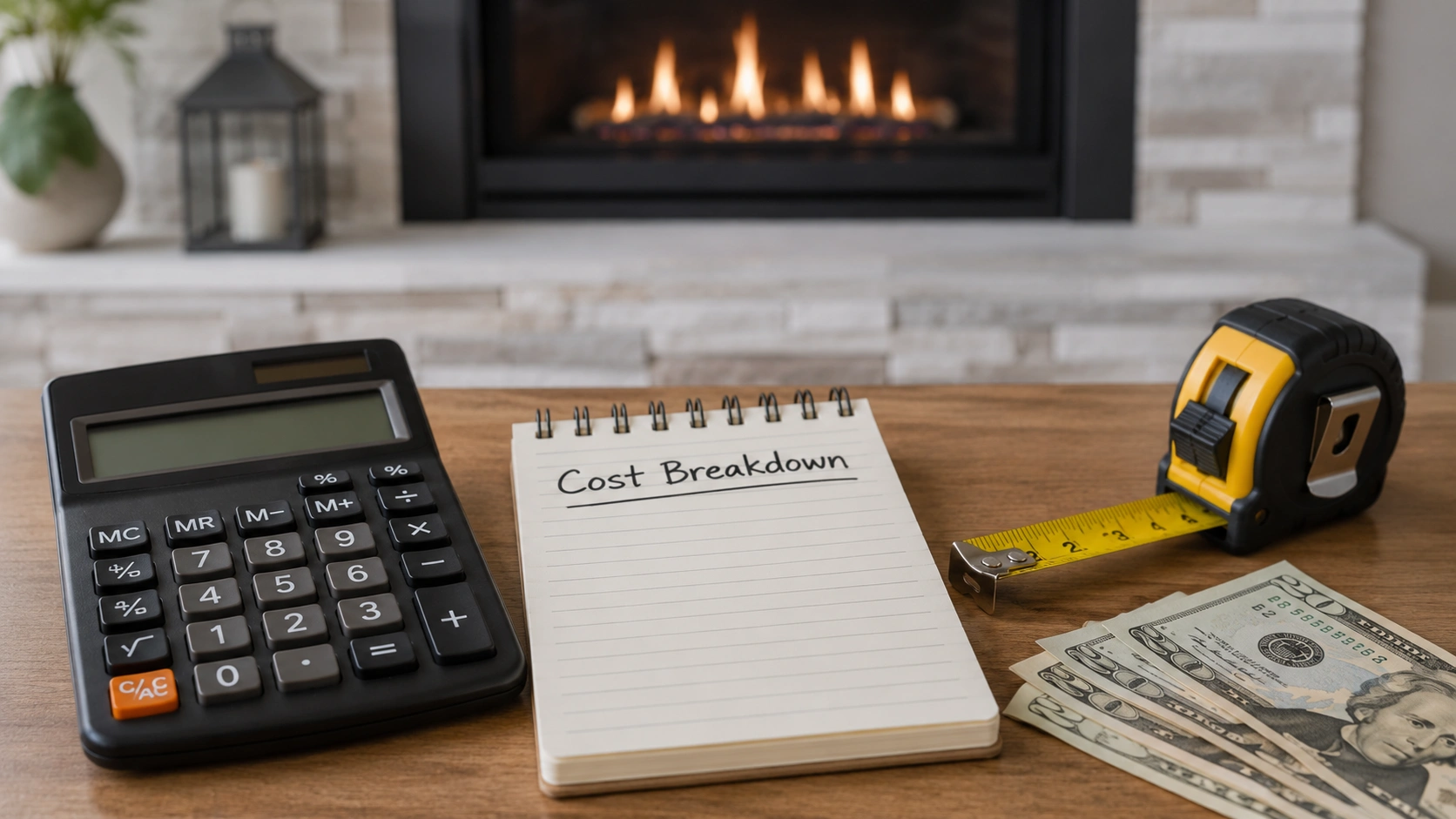
Budget Planning
Understanding the full cost breakdown of your fireplace project helps avoid surprises. Beyond the unit itself, consider installation labor, necessary venting, electrical work, gas lines (if applicable), permits, and decorative elements. Electric fireplaces typically range from $500-$2,500 installed, while gas options run $2,000-$5,000, and wood-burning installations can cost $3,000-$7,500 or more.
Full Cost Analysis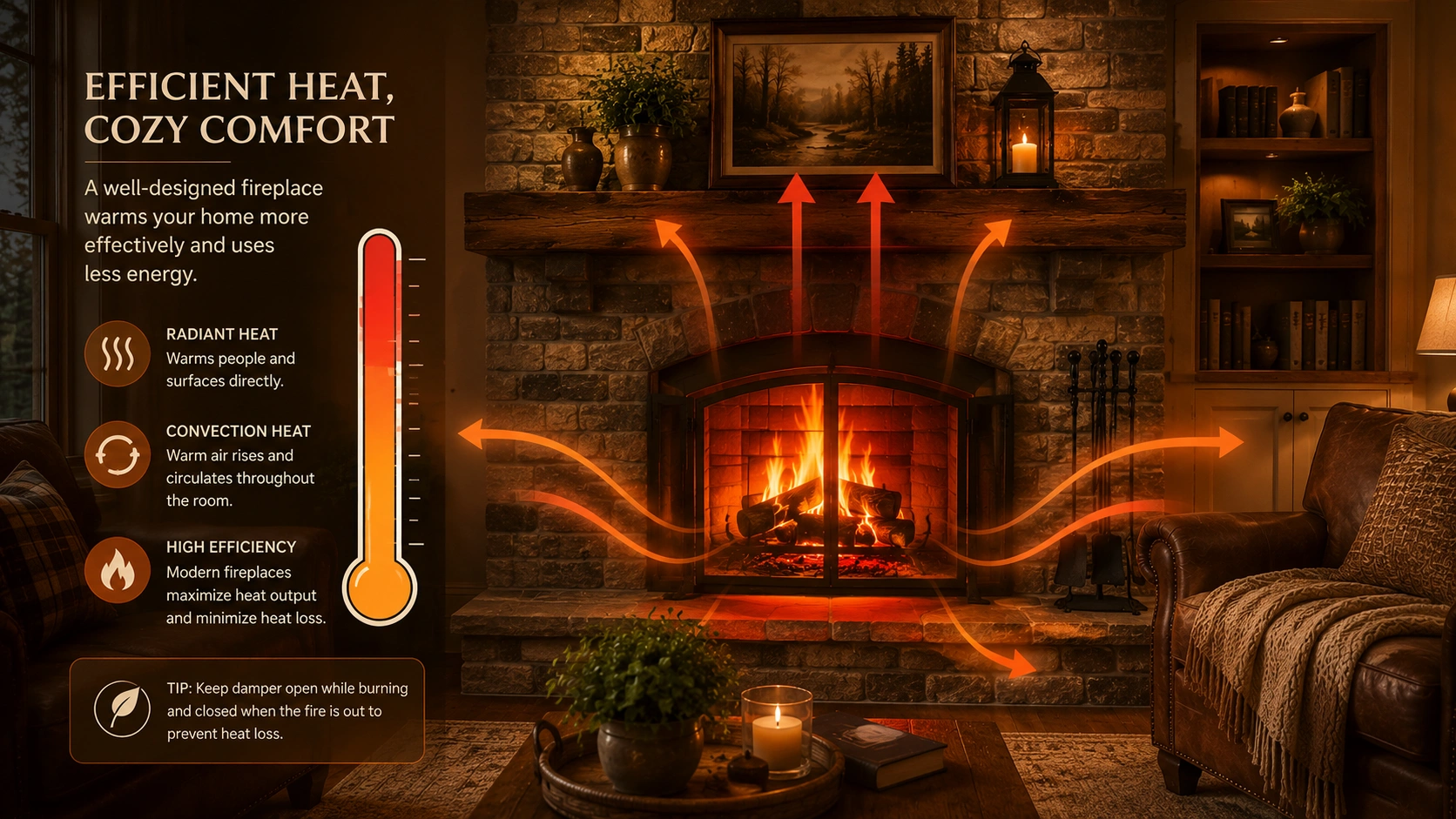
Heating Efficiency
If heating your living room is a primary concern, consider the most energy-efficient fireplace types. Look for features like adjustable flame height, thermostatic controls, heat circulation systems, and programmable timers. These features can significantly reduce operating costs while maintaining comfort throughout your living space.
Energy-Saving Tips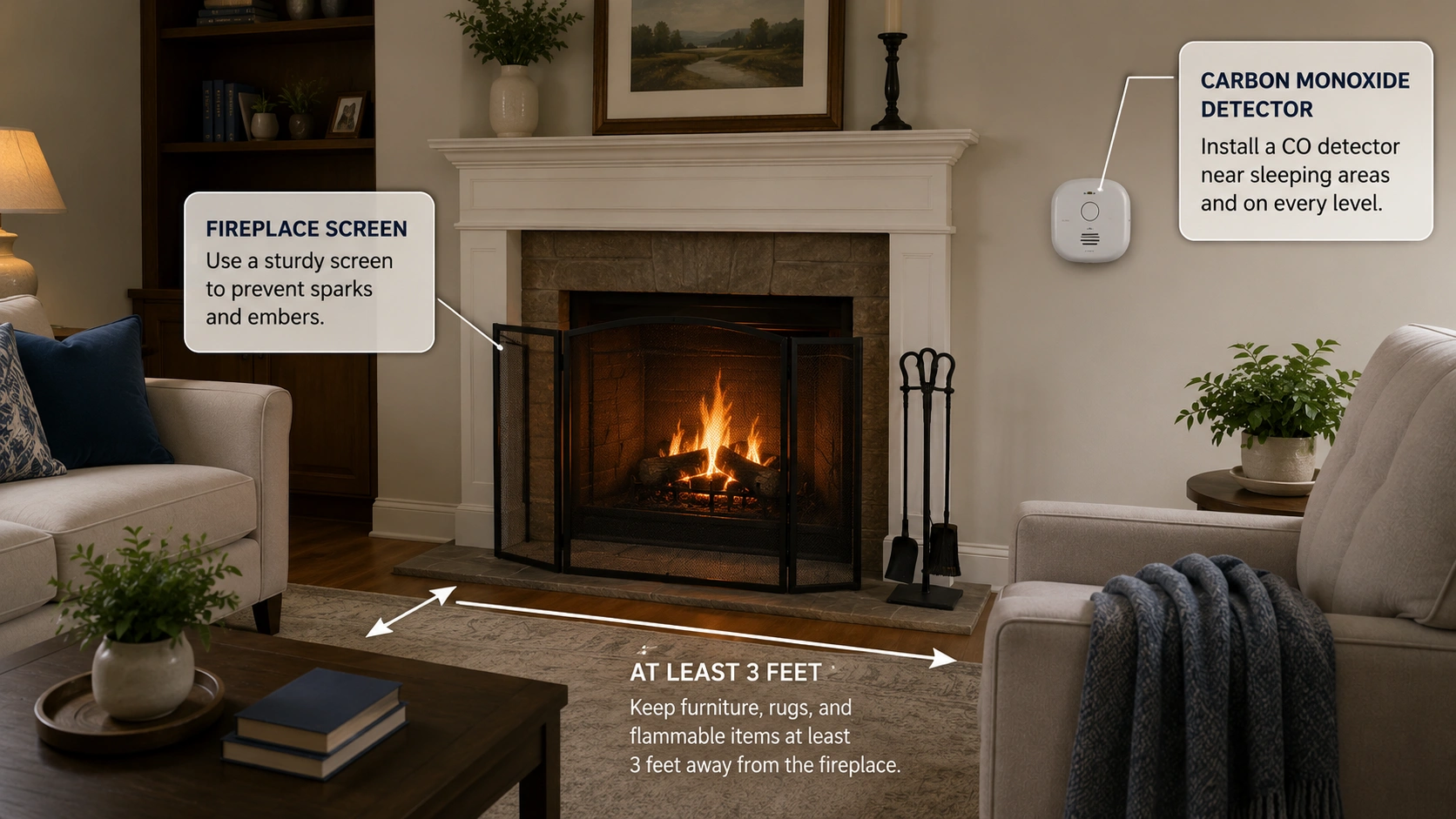
Safety Considerations
Proper furniture placement is crucial for safety—maintain at least three feet of clearance between your fireplace and combustible materials. Consider safety screens to prevent sparks from escaping, and ensure you have functioning smoke and carbon monoxide detectors installed in your living room. If you have young children or pets, a sturdy fireplace gate provides an additional layer of protection.
Safety GuideProfessional vs. DIY Installation
While some fireplace types (particularly electric models) can be installed by handy homeowners, others require professional installation to ensure safety and code compliance. Understanding the differences between DIY-friendly options and those requiring experts can help you plan your project realistically. Gas and wood-burning fireplaces almost always require professional installation due to safety concerns and building code requirements. Additionally, some municipalities require permits and inspections for fireplace installations, regardless of type.
Maintenance and Care for Living Room Fireplaces
Proper maintenance is essential to keep your living room fireplace looking beautiful and functioning safely for years to come. Different fireplace types have different maintenance requirements, but all benefit from regular attention and care. Establishing a maintenance routine will help prevent problems and extend the life of your investment.
For wood-burning fireplaces, annual chimney inspections and cleanings are crucial for safety and efficiency. Gas fireplaces require less maintenance but still benefit from annual professional inspections. Electric fireplaces need minimal maintenance—primarily keeping the unit clean and ensuring the heating elements and fans are functioning properly. Regardless of your fireplace type, following a regular maintenance schedule will help prevent problems and ensure your living room fireplace continues to be a safe, enjoyable focal point in your home.
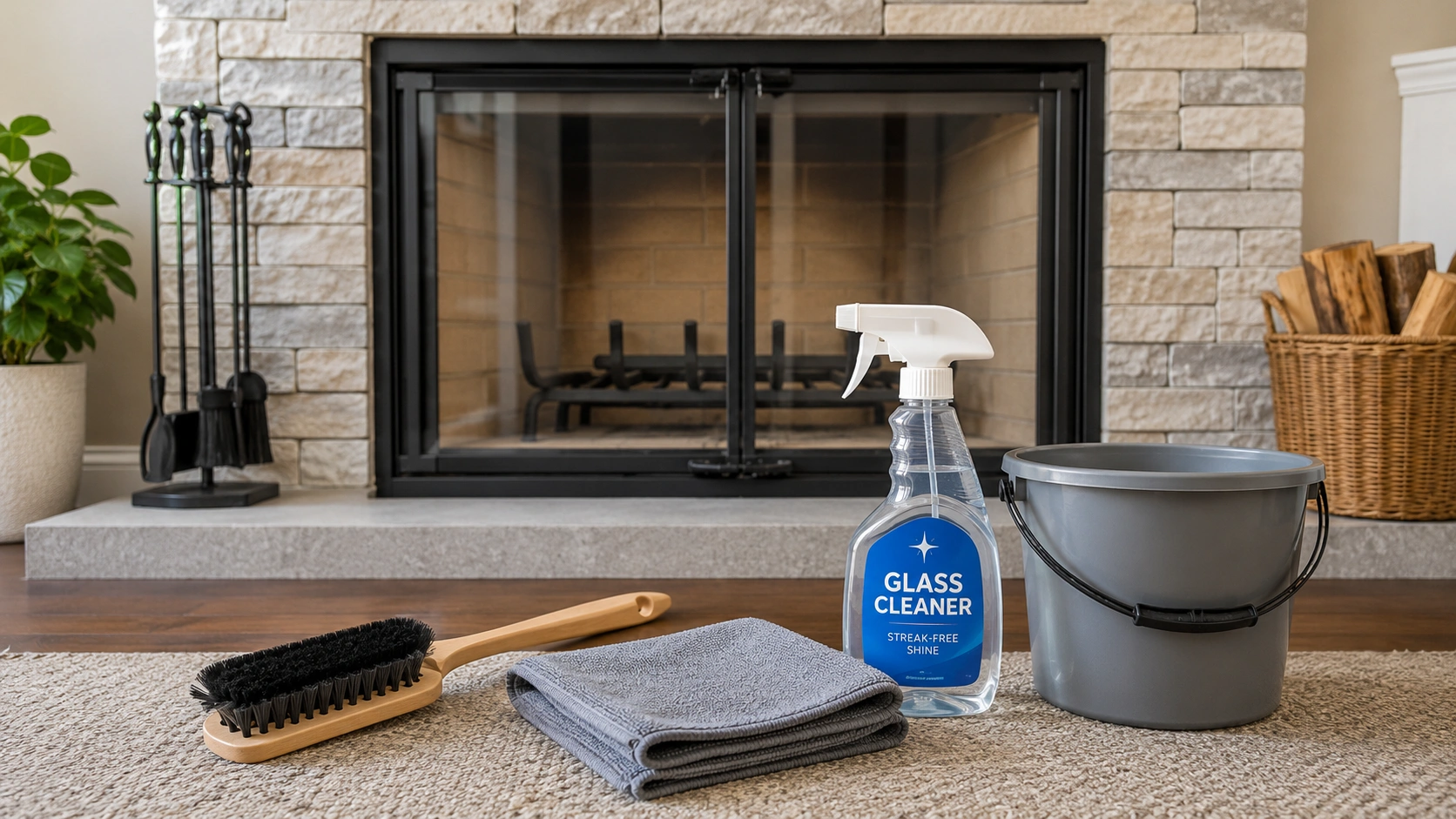
Cleaning Essentials
Regular cleaning keeps your fireplace looking its best and functioning efficiently. Learn proper techniques for cleaning fireplace glass, removing soot from brick and stone, and maintaining the hearth area. Using the right cleaning products and techniques prevents damage to materials while ensuring a safe, attractive fire feature.
Cleaning Guide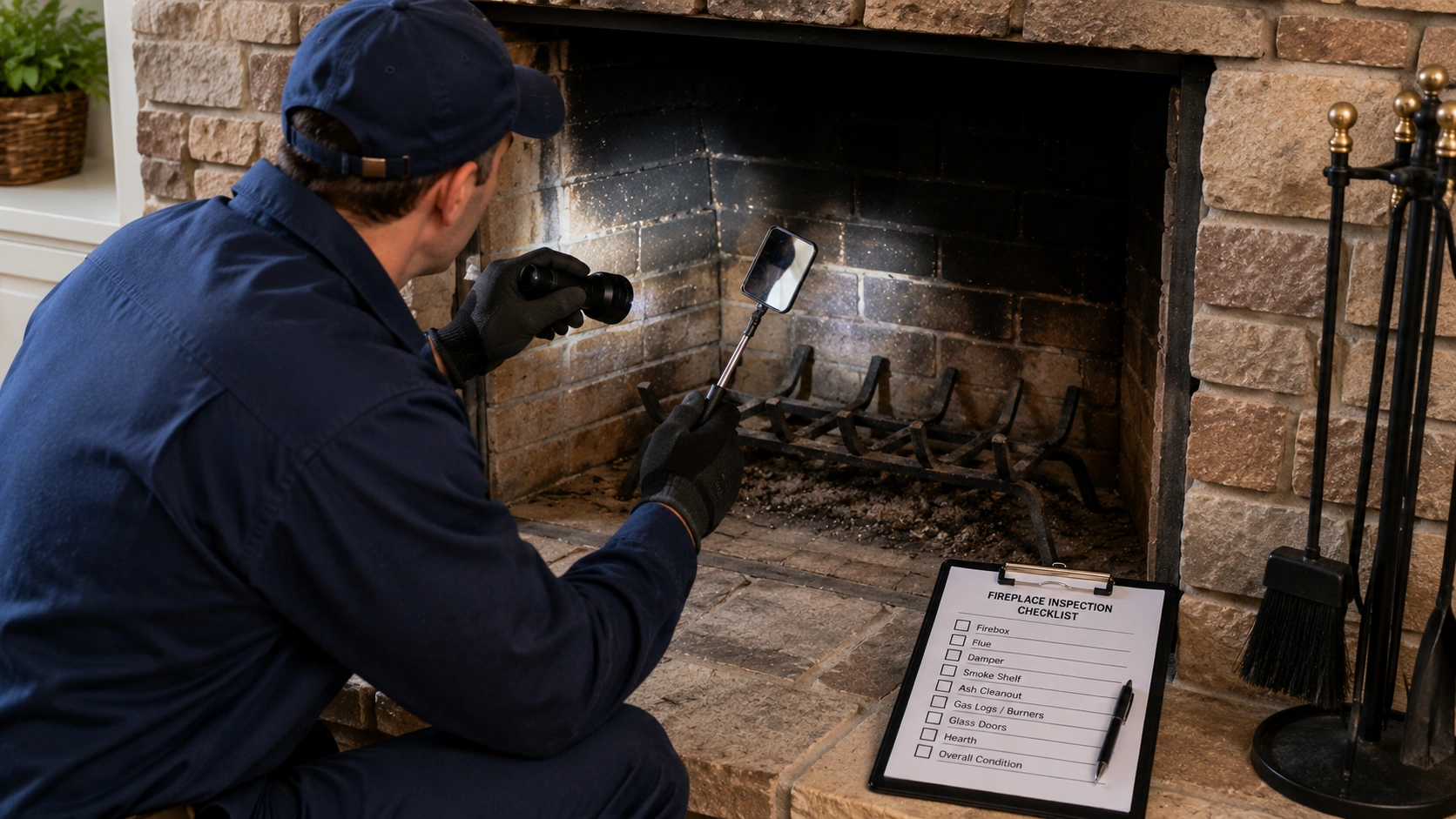
Annual Inspections
Regular inspections catch potential problems before they become dangerous or expensive to fix. Use our DIY inspection checklist for monthly visual checks, and schedule professional inspections annually. Understanding when to call a chimney sweep can prevent dangerous creosote buildup and other hazards.
Inspection Guide