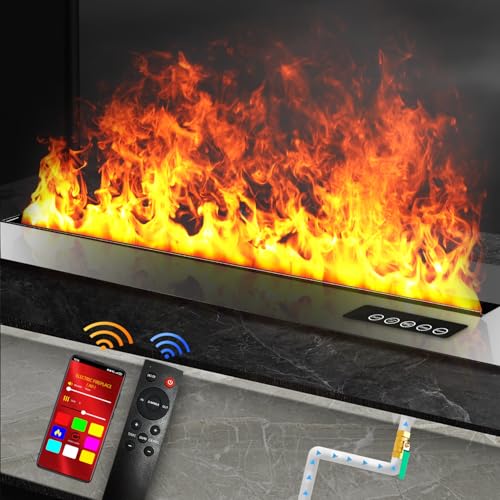
LED vs Water Vapor Flame: Which Creates a More Realistic Fire?
Explore the key differences between LED and water vapor flame technologies to determine which fireplace option delivers the most authentic fire experience for your home.
SEE FULL COMPARISONWhen shopping for a modern electric fireplace or water vapor fireplace, one of the most critical considerations is the flame technology. LED and water vapor represent the two primary approaches to simulating fire without actual combustion. Each technology creates a distinctly different visual effect, with varying levels of realism, maintenance requirements, and costs. This detailed comparison will help you understand which flame technology best suits your aesthetic preferences and practical needs.
Understanding LED and Water Vapor Flame Technologies
Before diving into the comparison, it's essential to understand how each technology creates its flame effect, as this fundamental difference impacts everything from visual authenticity to maintenance requirements.
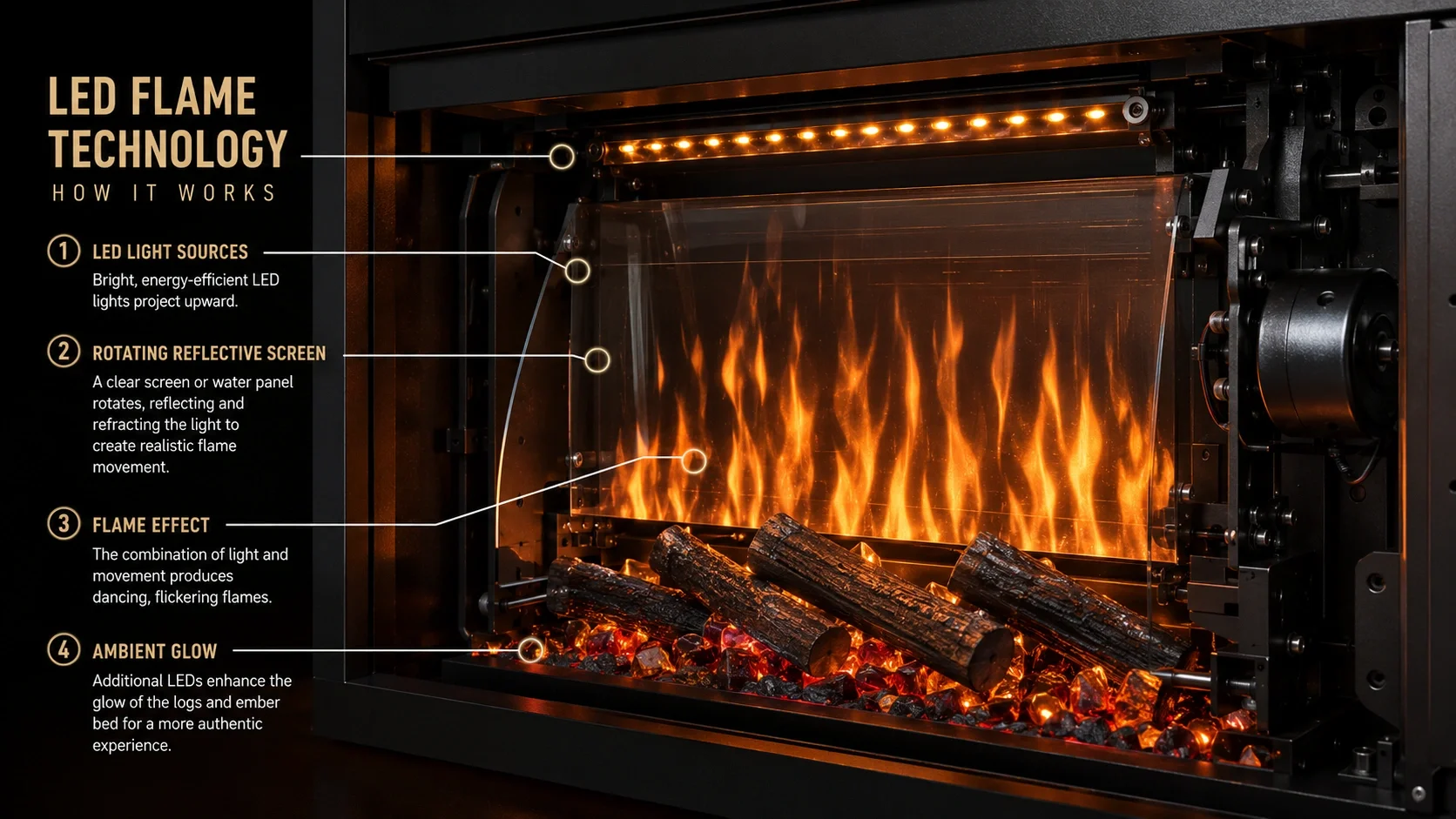
LED Flame Technology
LED (Light Emitting Diode) flame technology creates the illusion of fire using strategically placed LED lights that reflect off rotating mirrors, specialized screens, or water panels. The lights change color and intensity to simulate the dynamic movement of flames. Modern LED systems have become increasingly sophisticated, with some high-end models using dozens of individually controlled LEDs to create more complex flame patterns and color variations.
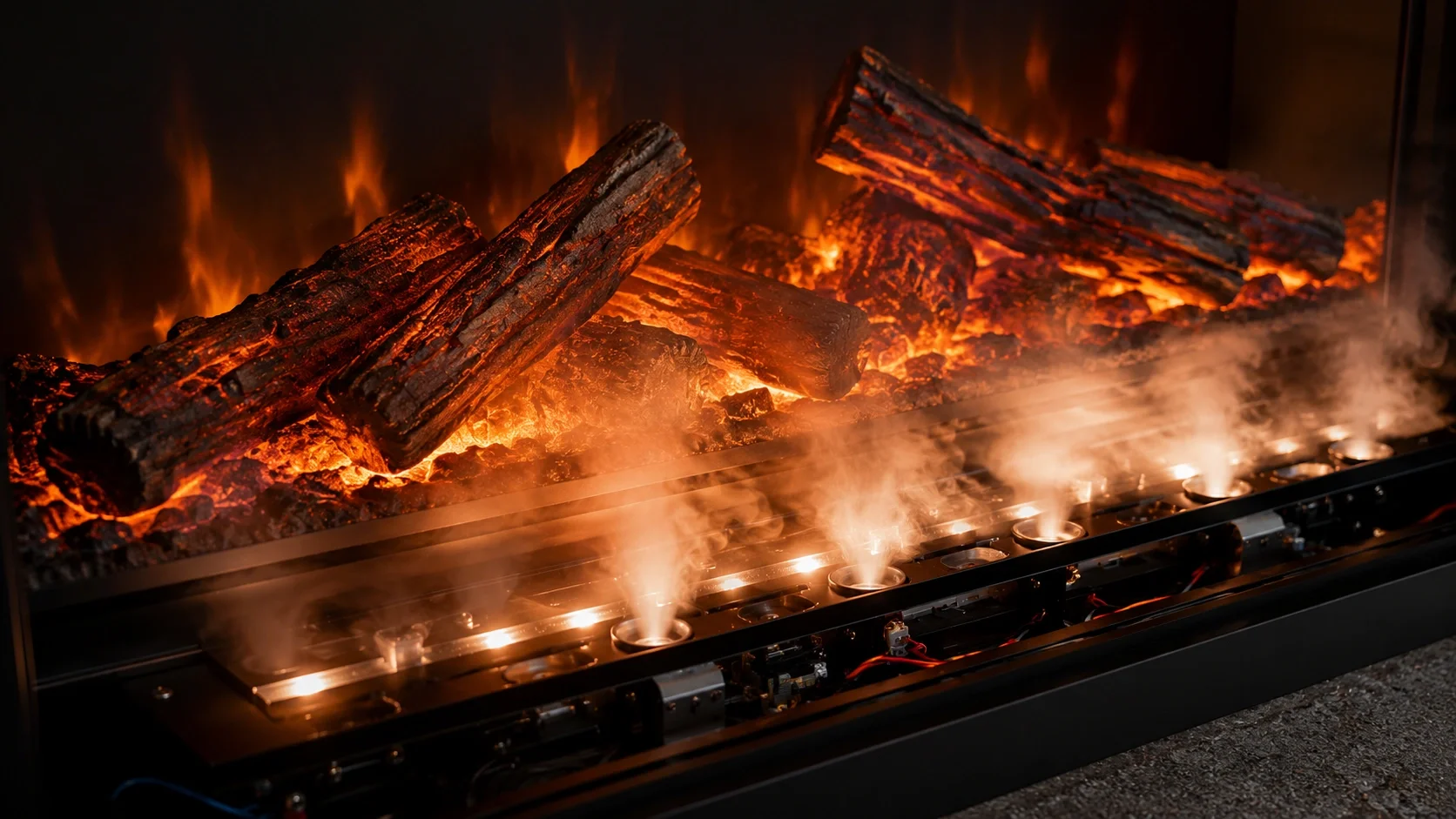
Water Vapor Flame Technology
Water vapor fireplaces use ultrasonic transducers to create a fine mist from water, which is then illuminated by LED lights to create the appearance of flames. Unlike LED-only systems, water vapor technology produces actual three-dimensional "smoke" that rises and moves naturally with air currents, creating a more authentic fire experience. The mist is cool to the touch and dissipates harmlessly into the air, leaving no residue.
Realism: The Deciding Factor for Many Buyers
For most homeowners considering these options, the primary consideration is which technology creates a more convincing fire effect. This is where the fundamental differences in how these technologies work becomes most apparent.
LED Flame Realism
- Creates 2D flame effect that appears flat behind glass
- Movement is mechanical and follows predictable patterns
- Lacks physical depth and dimension
- Best viewed from directly in front for optimal effect
- May appear artificial when viewed from the side
- Color variations can sometimes appear too uniform
Water Vapor Flame Realism
- Creates true 3D flame effect with depth and movement
- Mist rises and moves naturally with air currents
- Physical presence creates tangible depth perception
- Can be viewed convincingly from multiple angles
- Mimics the unpredictable nature of real fire
- Color variations appear more natural and random
Expert Insight:
Water vapor technology consistently scores higher in blind realism tests, with many viewers initially believing they're viewing an actual gas or wood fire. This makes water vapor fireplaces particularly well-suited for modern fireplace designs where visual authenticity is paramount.
Installation Requirements and Flexibility
The installation process and requirements differ significantly between these two technologies, impacting where they can be placed and how they're integrated into your home.
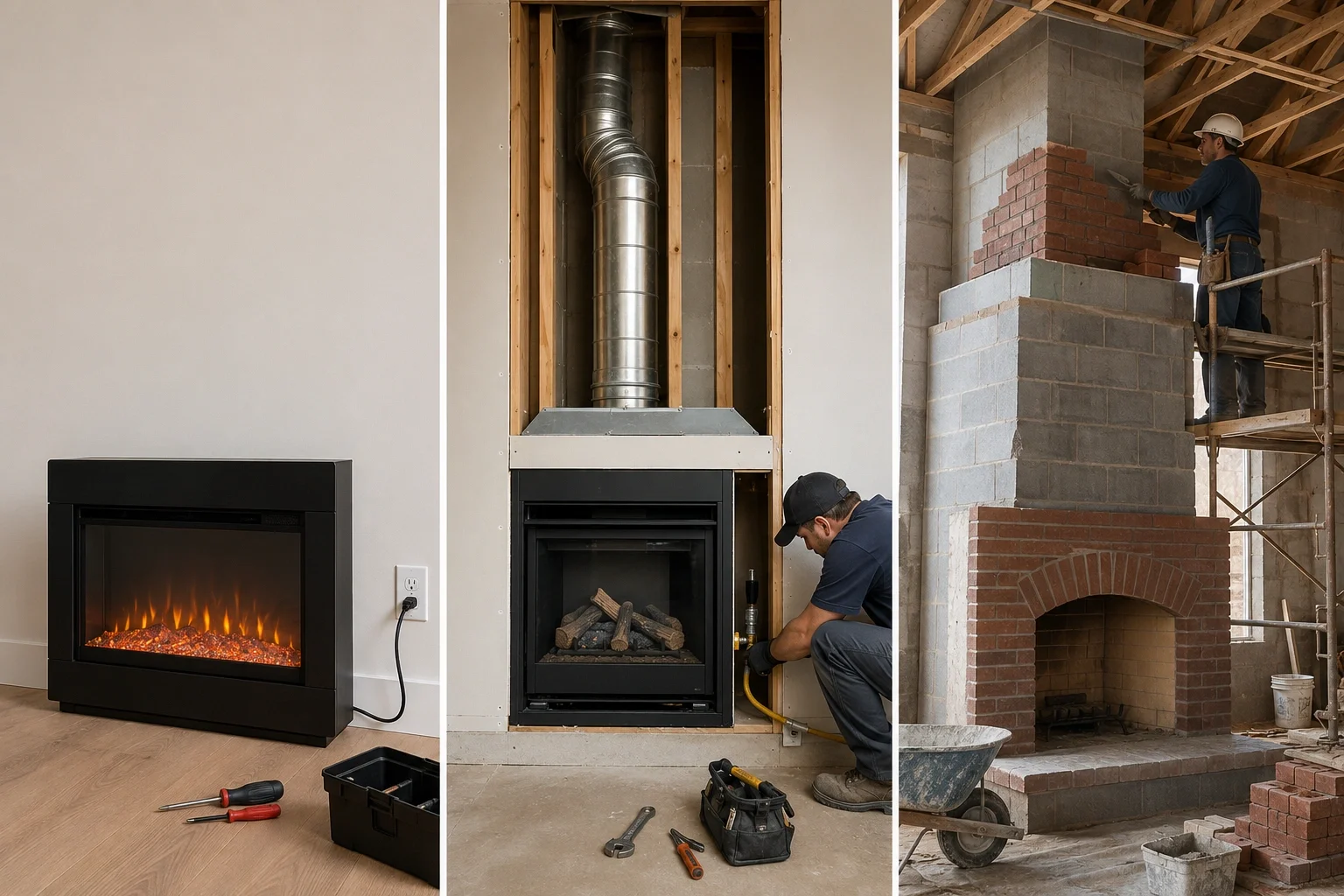
LED Installation
- Simple plug-and-play installation for most models
- No water connection or drainage required
- Available in wall-mounted, freestanding, and insert configurations
- Can be easily moved or relocated
- Ideal for DIY installation projects
- Minimal structural modifications needed
Water Vapor Installation
- Requires access to water supply or regular manual refilling
- May need drainage for condensation in some installations
- Typically requires professional installation
- More permanent installation with less flexibility
- Better suited for built-in rather than portable applications
- May require additional structural considerations
LED fireplaces offer significantly more installation flexibility, making them ideal for renters, those who may move frequently, or homeowners looking for a simple DIY project. For more detailed installation information, see our electric fireplace installation guide.
Maintenance and Ongoing Care
The day-to-day maintenance requirements of these two technologies differ substantially, which can impact your long-term satisfaction and total cost of ownership.
LED Maintenance
- Virtually maintenance-free operation
- Occasional dusting of exterior surfaces
- Periodic cleaning of air intake and fan
- No fluids to refill or replace
- LED lights last 50,000+ hours (years of use)
- Minimal long-term maintenance requirements
Water Vapor Maintenance
- Requires regular water reservoir refilling (every 8-12 hours of use)
- Ultrasonic transducer needs periodic cleaning
- May require demineralized water to prevent mineral buildup
- Water lines and connections need occasional inspection
- Potential for mineral deposits requiring descaling
- Higher long-term maintenance requirements
For homeowners who prefer a "set it and forget it" experience, LED fireplaces are clearly superior. The need to regularly refill water in vapor fireplaces can become tedious, especially during frequent use. For detailed maintenance guidelines, see our electric fireplace maintenance guide.
Cost Comparison: Initial Investment and Long-Term Expenses
Understanding the full cost picture—including both upfront purchase price and ongoing operational costs—is essential for making an informed decision.
| Cost Factor | LED Flame Technology | Water Vapor Technology |
|---|---|---|
| Initial Purchase Price | $300–$2,000 | $2,500–$6,000 |
| Professional Installation | $0–$500 (often DIY) | $500–$1,500 |
| Operational Cost (per hour) | $0.12–$0.18 (with heating on) | $0.02–$0.05 (mainly electricity for lights) |
| Annual Maintenance | $0–$20 (basic cleaning) | $50–$100 (water treatment, transducer care) |
| Expected Lifespan | 10–20 years | 10–15 years |
While water vapor fireplaces have significantly higher upfront costs, their operational expenses are lower since they don't include heating elements and primarily use electricity for LED lighting and the ultrasonic transducer. LED fireplaces offer a more budget-friendly entry point but cost more to operate when the heating function is used regularly. For a detailed breakdown of fireplace costs, see our comprehensive fireplace cost guide.
Heating Capabilities: A Key Differentiator
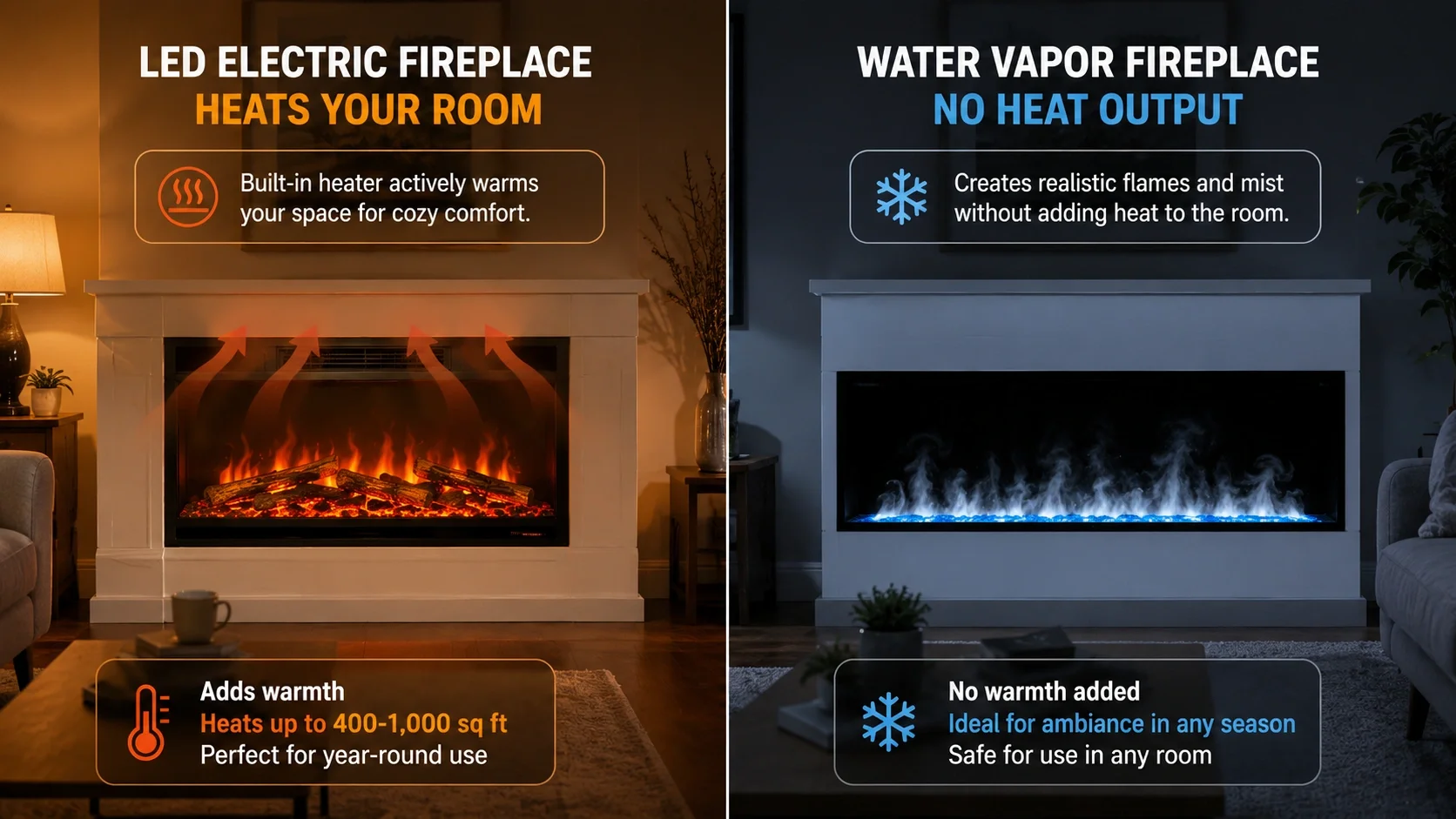
When it comes to actually warming your space, these two flame technologies take dramatically different approaches, which significantly impacts their utility in different seasons and climates.
LED Fireplace Heating
- Designed with heating as a primary function
- Typically produces 4,500–5,000 BTU (1,500W)
- Can heat rooms up to 400 square feet effectively
- Often includes adjustable thermostat and fan
- Flame effect can be used independently of heat
- Suitable as supplemental heating source
Water Vapor Fireplace Heating
- Primarily designed for visual effect, not heating
- Most models produce minimal to no heat
- Some premium models include small heaters (1,000–2,000 BTU)
- Ideal for year-round use without overheating
- Not suitable as a primary heat source
- Limited heating capability even when available
If you're looking for a fireplace that can serve as a supplemental heat source during colder months, LED fireplaces with built-in heaters are the clear winner. However, if you live in a warmer climate or want a fireplace primarily for ambiance without adding heat to your space, a water vapor fireplace might be more appropriate. For more detailed information on heating capabilities, check out our guide on electric fireplace heating effectiveness.
Safety Considerations
Both flame technologies are significantly safer than traditional wood-burning or gas fireplaces, but there are still important safety distinctions to understand.
LED Safety
- Exterior can become warm when heating is activated
- No combustion byproducts or emissions
- No risk of carbon monoxide poisoning
- Standard electrical safety considerations apply
- Overheat protection built into quality models
- Safe to touch when only flame effect is used
Water Vapor Safety
- Completely cool to the touch – no burn risk
- No combustion byproducts or emissions
- No risk of carbon monoxide poisoning
- May increase humidity in small, poorly ventilated spaces
- Water and electricity combination requires proper installation
- Completely safe for children and pets to touch
Both options are extremely safe compared to traditional fireplaces, but water vapor fireplaces have a slight edge due to their completely cool operation. This makes them particularly suitable for homes with small children or pets. For more information on fireplace safety, see our guide on ventless vs electric fireplace safety.
Pros and Cons Summary
LED Flame Technology
Pros
- More affordable initial investment
- Effective supplemental heating
- Virtually maintenance-free
- Simple plug-and-play installation
- Available in many styles and configurations
- Portable options available
Cons
- Less realistic flame effect (2D appearance)
- Can become warm to the touch when heating
- Higher operational costs when heating
- Best viewed from directly in front
- Mechanical flame movement can seem artificial
- May not satisfy those seeking ultimate realism
Water Vapor Flame Technology
Pros
- Unmatched realism with 3D flame effect
- Completely cool to the touch
- No emissions or combustion byproducts
- Lower operational costs
- Can be used year-round without adding heat
- Viewable from multiple angles
Cons
- Significantly higher initial cost
- Requires regular water refilling
- More complex installation
- Minimal or no heating capability
- Higher maintenance requirements
- Less portable than LED options
Best Use Cases for Each Technology
Ideal for LED Flame Technology
- Budget-conscious homeowners seeking fireplace ambiance
- Renters or those who may move frequently
- Homes in colder climates where supplemental heating is valued
- DIY enthusiasts looking for easy installation projects
- Spaces with limited installation options or requirements
- Those who prefer low-maintenance home features
Ideal for Water Vapor Technology
- High-end residential installations where realism is paramount
- Commercial spaces like hotels, restaurants, or luxury retail
- Homes in warmer climates where heating isn't needed
- Spaces where the fireplace will be viewed from multiple angles
- Homeowners willing to invest in premium visual experience
- Locations where a completely cool-touch surface is essential
For a deeper dive into choosing the right fireplace for your specific situation, check out our guide to selecting the perfect fireplace.
The Verdict: Which Flame Technology Should You Choose?
The choice between LED and water vapor flame technology ultimately comes down to your priorities and budget. If unmatched realism and a premium visual experience are your top concerns, and you're willing to invest accordingly, water vapor technology delivers the most authentic fireplace simulation available short of actual combustion.
However, for most homeowners seeking a balance of ambiance, practicality, and value, LED flame technology remains the more sensible choice. Modern LED fireplaces have made significant advances in realism, and when combined with their heating capabilities, easy installation, and minimal maintenance, they offer excellent overall value for a fireplace idea that enhances your living space.
EXPLORE LED FIREPLACES EXPLORE WATER VAPOR FIREPLACESFrequently Asked Questions
From a distance of more than 10 feet, both technologies can appear quite realistic. However, as you get closer, water vapor's three-dimensional quality becomes more apparent, while LED flames may start to look flatter and more artificial. Water vapor also maintains its realism when viewed from the side, while LED flames are best appreciated from directly in front.
In most well-ventilated spaces, the amount of moisture added by a water vapor fireplace is negligible and not noticeable. In very small, poorly ventilated rooms, you might experience a slight increase in humidity, but it's typically not significant enough to cause condensation or other moisture-related issues.
Some LED fireplaces are specifically designed for outdoor use with weather-resistant construction. However, water vapor fireplaces are generally not recommended for outdoor use as wind can dissipate the mist too quickly, and temperature fluctuations can affect the ultrasonic transducer's performance.
LED lights typically last 50,000+ hours, which translates to many years of regular use before any dimming occurs. Water vapor systems have ultrasonic transducers that may need replacement after 3-5 years with regular use, though the LED lights used to illuminate the mist have similar longevity to standalone LED flame systems.
Both technologies can work well in modern minimalist designs, but water vapor often has an edge due to its clean, smoke-like appearance without the need for logs or other traditional fireplace elements. Many high-end modern designs feature water vapor fireplaces for their sleek appearance and the ethereal quality of the mist effect.
In most cases, no. These technologies require fundamentally different components and construction. Converting would typically be more expensive and complicated than simply replacing the unit. However, some manufacturers offer modular designs where specific components can be upgraded, though this is still relatively rare.
Related Comparisons
If you're still exploring your options, these additional comparisons might be helpful: