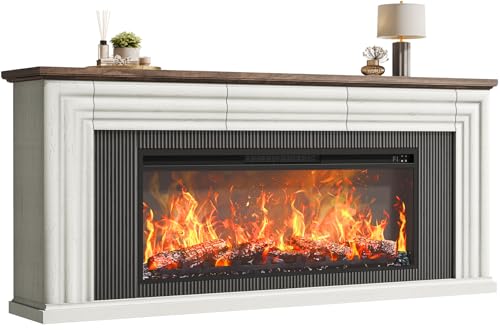
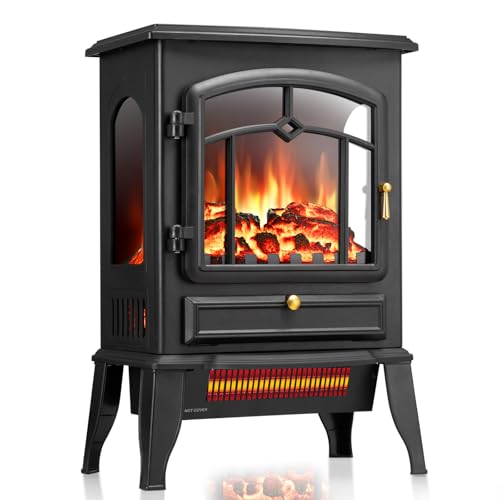
Which Fireplace Is Right for Your Home?
A comprehensive guide to help you choose the perfect fireplace based on your home's needs, budget, and lifestyle
START EXPLORINGSelecting the right fireplace for your home involves more than just picking a design you like. It requires careful consideration of multiple factors including your heating needs, installation constraints, budget, and maintenance preferences. The perfect fireplace for a modern apartment might be entirely different from what works best in a traditional suburban home.
This comprehensive guide will walk you through everything you need to know to make an informed decision. We'll examine the key factors that should influence your choice, compare different fireplace types, explore room-specific recommendations, and help you understand the long-term implications of your decision.
By the end of this guide, you'll have a clear understanding of which fireplace type will best complement your home, meet your heating requirements, and fit your lifestyle.
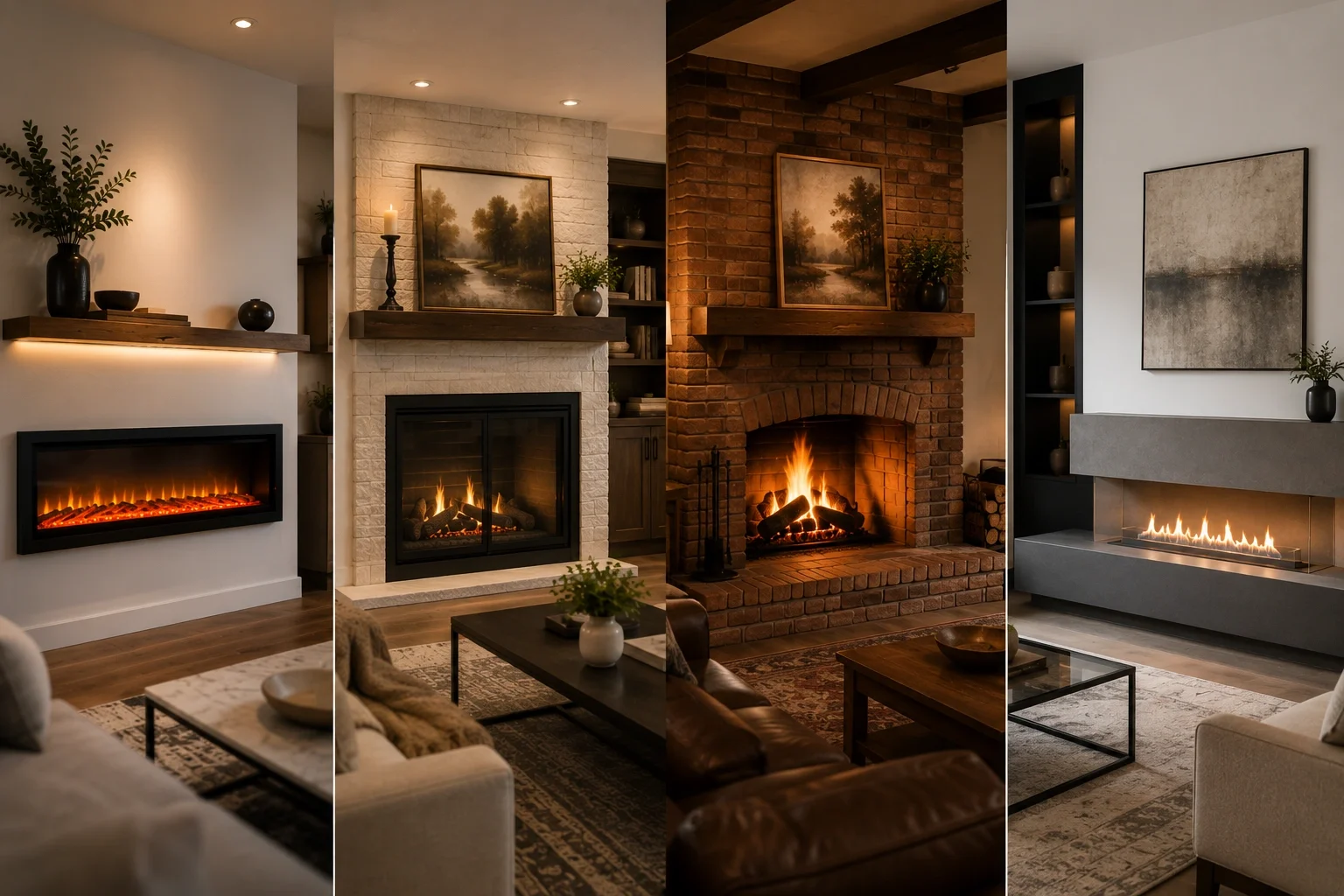
Key Factors to Consider
Before diving into specific fireplace types, it's important to understand the key factors that should influence your decision. These elements will help narrow down your options and ensure you select a fireplace that truly meets your needs.
Heating Requirements
Consider whether you need a fireplace primarily for ambiance or actual heating. Heating capacity is measured in BTUs, and you'll need to match this to your room size for effective heating.
Installation Constraints
Your home's structure will significantly impact your options. Consider whether you have access to a gas line, chimney, or if you need a ventless option due to installation limitations.
Budget Considerations
Your budget should include not just the purchase price but also installation costs and long-term operating expenses. Total cost of ownership varies significantly between fireplace types.
Safety Requirements
Different fireplaces have varying safety considerations. If you have children or pets, you might prefer options with safety gates or those that don't get hot to the touch like some electric models.
Maintenance Commitment
Consider how much time and effort you're willing to invest in maintenance. Maintenance requirements range from minimal (electric) to significant (wood-burning).
Aesthetic Preferences
Your personal style and home's decor should guide your choice. From modern minimalist designs to traditional styles, there's a fireplace to match any aesthetic.
Fireplace Type Comparison
Understanding the differences between fireplace types is crucial for making the right choice. Here's a detailed comparison of the main options available:
| Feature | Electric | Gas | Wood-Burning | Ethanol |
|---|---|---|---|---|
| Heating Capacity | Low to Medium (5,000-10,000 BTU) | Medium to High (20,000-40,000 BTU) | High (30,000-100,000+ BTU) | Low (3,000-12,000 BTU) |
| Installation Complexity | Simple - just plug in | Moderate - requires gas line | Complex - requires chimney | Simple - no venting needed |
| Installation Cost | $100-$500 | $2,000-$5,000 | $3,000-$10,000+ | $200-$1,000 |
| Operating Cost | $0.08-$0.15 per hour | $0.20-$0.50 per hour | $0.30-$1.00+ per hour | $1.50-$3.00 per hour |
| Realism | Good to Excellent | Excellent | Authentic | Good |
| Maintenance | Minimal - dusting only | Annual inspection | Regular cleaning, chimney sweeping | Minimal - refilling fuel |
| Venting Required | No | Yes (or ventless option) | Yes (chimney required) | No |
| Best For | Apartments, supplemental heat | Primary heating, convenience | Primary heating, ambiance | Ambiance, small spaces |
For a more detailed comparison between specific types, check out our comprehensive guide that breaks down the pros and cons of each option.
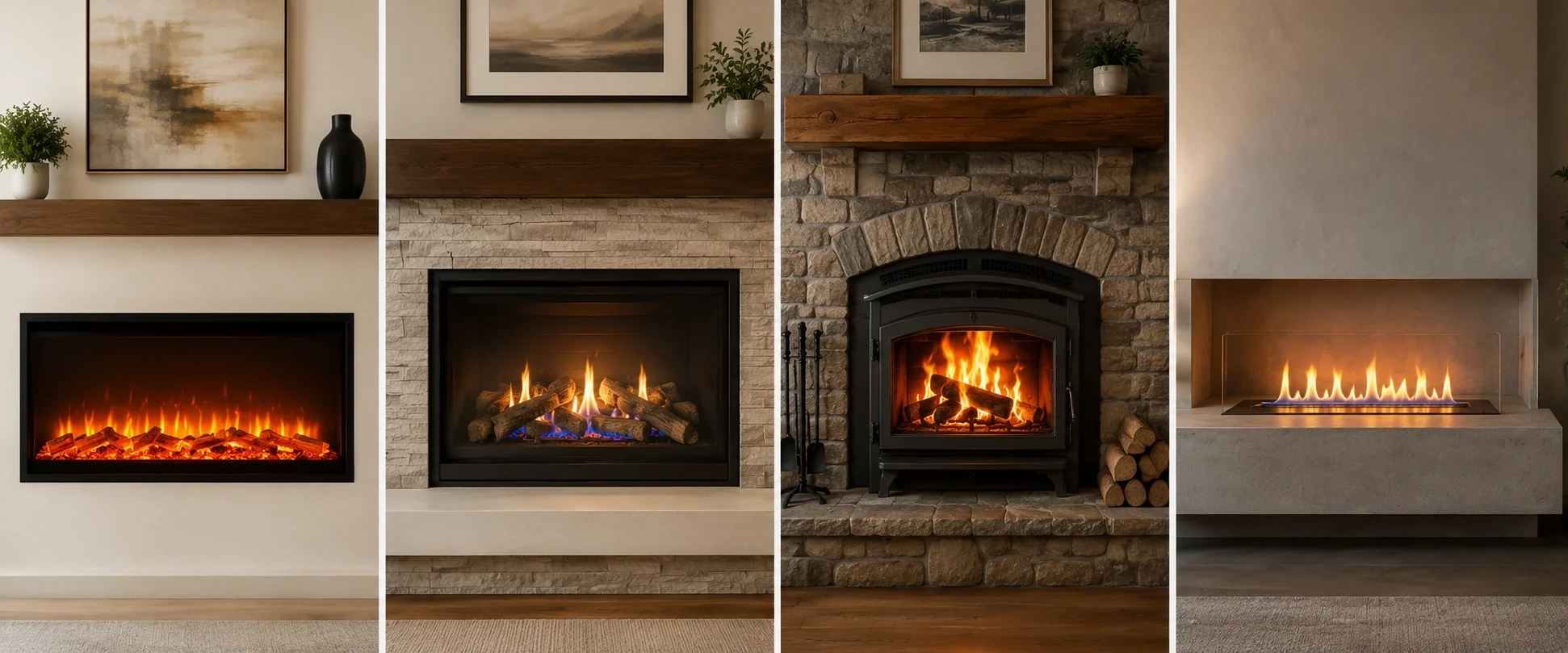
Room-Specific Recommendations
The ideal fireplace can vary significantly depending on which room you're outfitting. Here are our recommendations for different spaces in your home:

Living Room
The living room is typically the heart of the home where you spend the most time. Your choice here should balance aesthetics with practical heating capabilities.

Bedroom
For bedrooms, safety and ease of use are paramount. You'll want something that can provide gentle heat without requiring constant attention.

Kitchen
Kitchens require fireplaces that complement the cooking space without interfering with ventilation or creating additional maintenance concerns.
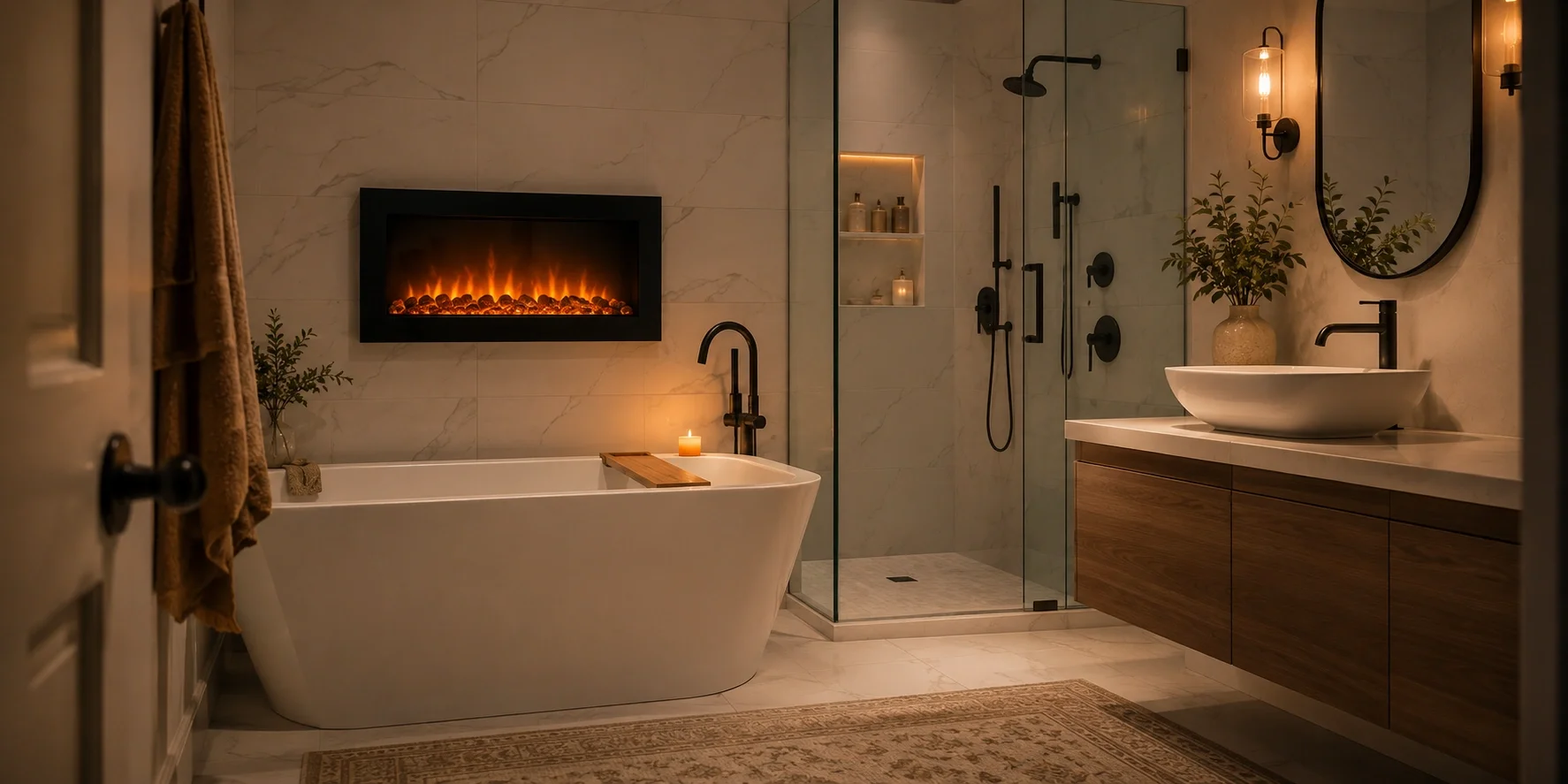
Bathroom
Bathrooms present unique challenges with moisture and limited space. Your choice must be safe for potentially humid environments.

Outdoor Space
Outdoor fireplaces need to withstand weather conditions while providing warmth and ambiance for entertaining or relaxation.

Apartment/Condo
Rental or multi-family living situations often have strict limitations on what can be installed, making ventless options essential.
Budget Considerations
Your budget plays a crucial role in determining which fireplace is right for your home. Here's a breakdown of options at different price points:
Budget-Friendly
$200-$800- Basic electric fireplaces
- Small tabletop fireplaces
- Wall-mounted electric units
- Simple ethanol burners
- DIY installation possible
- Low ongoing costs
Mid-Range
$800-$2,500- High-quality electric fireplaces
- Direct vent gas fireplaces
- Electric fireplace inserts
- Premium ethanol fireplaces
- May require professional installation
- Moderate ongoing costs
Premium
$2,500-$10,000+- Custom built-in gas fireplaces
- Masonry wood-burning fireplaces
- High-end electric with advanced features
- Multi-sided or see-through designs
- Professional installation required
- Variable ongoing costs by type
Remember that the initial purchase price is just one part of your total investment. For a complete understanding of all costs involved, including installation and long-term operation, check our detailed fireplace cost breakdown.
Installation Requirements
Understanding installation requirements is crucial before making your final decision. Some fireplaces can be installed in an afternoon, while others require extensive construction work.
 Electric Fireplaces
Electric fireplaces offer the easiest installation process. Most models simply need to be plugged into a standard 120V outlet. Wall-mounted units require basic mounting similar to a television. No venting, gas lines, or chimney construction is needed, making them ideal for apartments and homes without existing fireplace infrastructure. Installation typically takes 1-2 hours and can often be done as a DIY project.
 Gas Fireplaces
Gas fireplaces require access to a natural gas or propane line. If your home already has gas service, a professional can typically run a line to your desired location. Installation requirements vary based on whether you choose a vented or ventless model. Vented units need proper exhaust venting through a wall or existing chimney. Installation typically takes 1-2 days and must be performed by a licensed professional.
 Wood-Burning Fireplaces
Wood-burning fireplaces have the most complex installation requirements. They require a properly constructed chimney system that meets local building codes. This often involves significant structural work, especially if your home doesn't already have a chimney. Installation is a major construction project that can take several weeks and must be performed by experienced professionals. Chimney requirements are strict and must be followed precisely for safety.
 Ethanol Fireplaces
Ethanol fireplaces offer easy installation similar to electric models but with real flames. They don't require any venting, gas lines, or electrical connections. Most models are freestanding or wall-mounted and can be set up in minutes. The primary installation consideration is ensuring proper clearance from combustible materials and adequate room ventilation. For more details on the installation process, see our DIY ventless fireplace guide.

Maintenance Requirements
The long-term enjoyment of your fireplace depends greatly on your willingness to perform regular maintenance. Different fireplace types have vastly different maintenance needs.
Electric Fireplace Maintenance
- Dust the exterior regularly
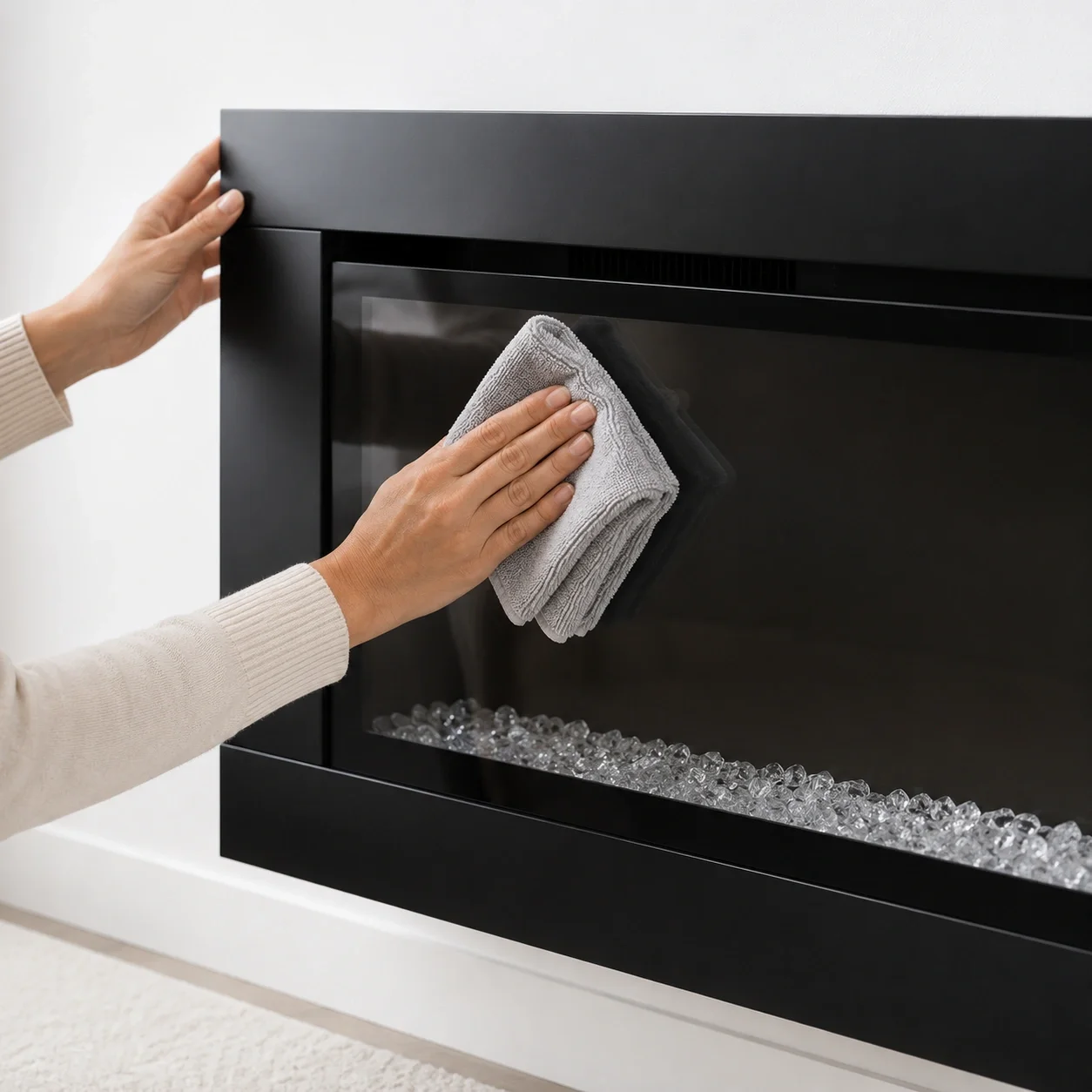
- Clean the glass panel with a soft cloth
- Check electrical connections annually
- Replace light bulbs as needed
- Clean air intake vents
- No professional maintenance required
Time commitment: 10-15 minutes monthly

Gas Fireplace Maintenance
- Annual professional inspection
- Clean glass doors regularly
- Check pilot light and ignition system
- Clean burner and control compartment
- Test carbon monoxide detectors
- Check venting system for blockages
Time commitment: 30 minutes monthly + annual professional service

Wood-Burning Fireplace Maintenance
- Annual chimney sweeping by professional
- Clean ash after each use
- Inspect and clean firebox regularly
- Check damper function before each season
- Inspect chimney cap and flashing
- Remove creosote buildup regularly
Time commitment: 1-2 hours per use + annual professional service
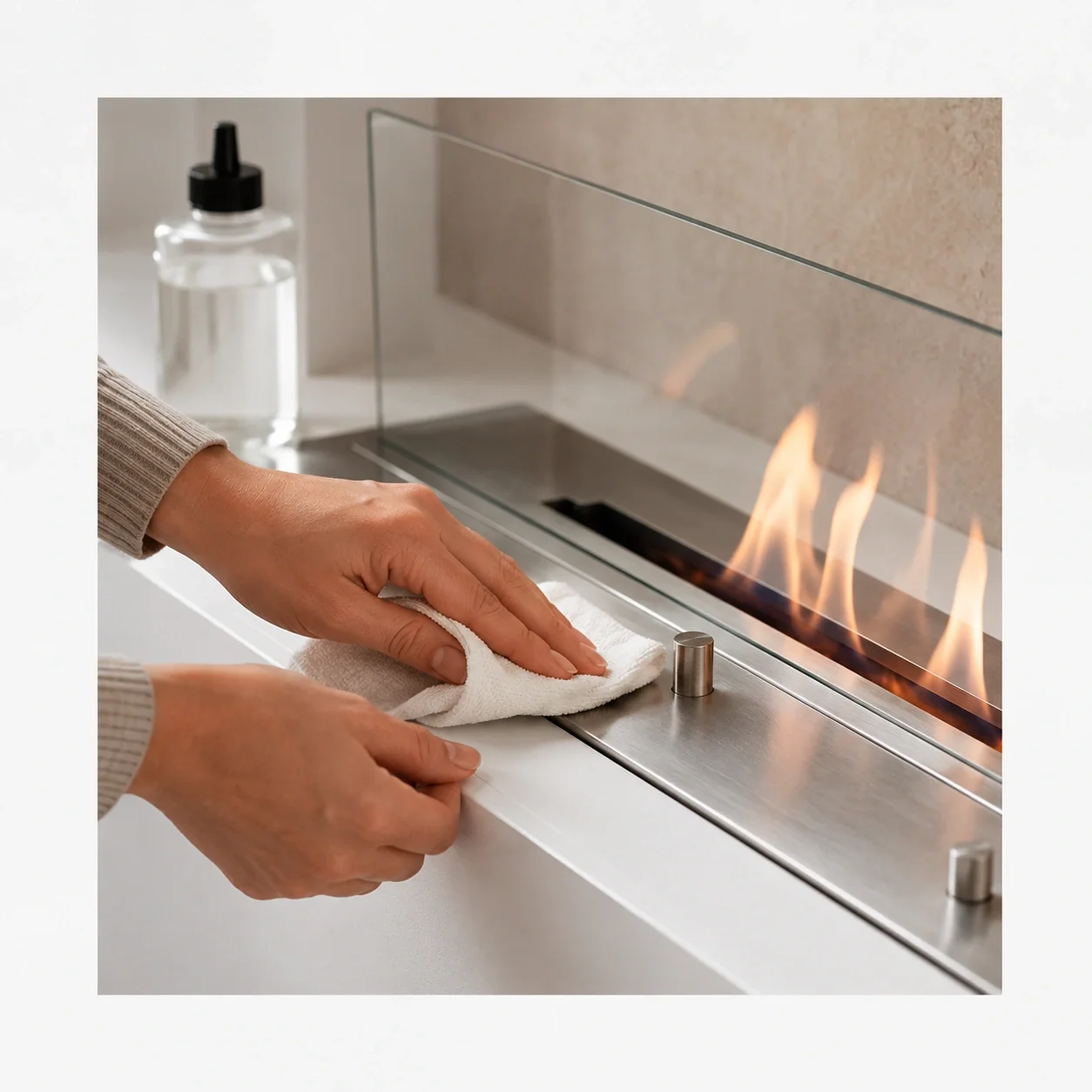
Ethanol Fireplace Maintenance
- Clean burner after each use
- Wipe down exterior surfaces
- Check for fuel leaks
- Ensure proper ventilation
- Replace damaged parts promptly
- Store fuel properly
Time commitment: 15-20 minutes per use
For detailed maintenance schedules and checklists, visit our comprehensive fireplace maintenance guide.
Energy Efficiency Comparison
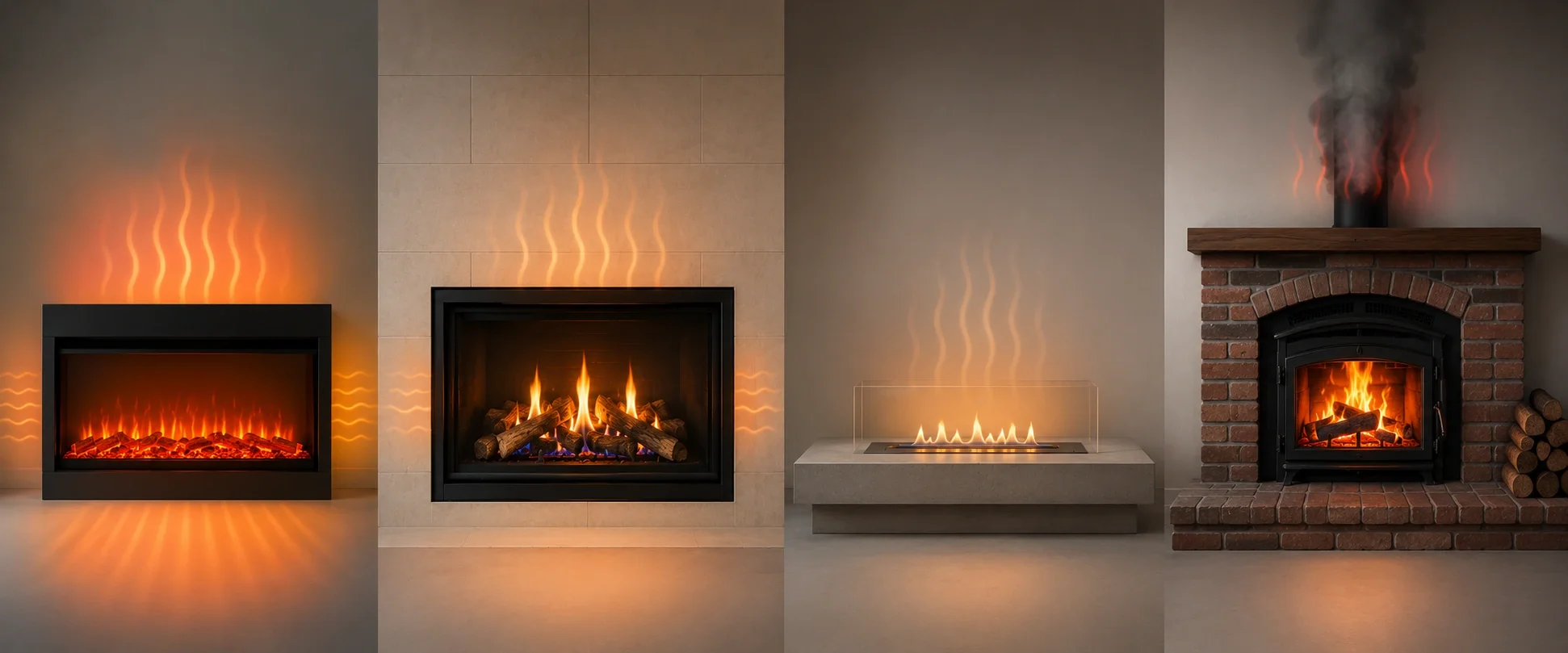
Energy efficiency is an important consideration, especially if you plan to use your fireplace regularly for heating. Here's how different fireplace types compare in terms of efficiency:
While electric fireplaces are technically the most efficient at converting energy to heat, the cost-effectiveness depends on your local electricity rates. For a deeper analysis of operating costs and efficiency, check our guide on the most energy-efficient fireplace types.
Decision Guide: Finding Your Perfect Fireplace
Use this step-by-step decision guide to determine which fireplace type is right for your specific situation:
Step 1: Determine Your Primary Purpose
Are you looking for a fireplace primarily for heating, ambiance, or both? Your answer will significantly narrow down your options.
Step 2: Assess Your Installation Constraints
Your home's structure and existing infrastructure will determine what's feasible for installation.
Step 3: Consider Your Lifestyle and Maintenance Preferences
Be honest about how much time and effort you're willing to invest in your fireplace.
Step 4: Match Your Budget
Consider both upfront costs and long-term operating expenses when making your final decision.
Making Your Final Decision
Choosing the right fireplace for your home is a significant decision that will impact your comfort, energy bills, and home value for years to come. By carefully considering the factors outlined in this guide—your heating needs, installation constraints, budget, and maintenance preferences—you can select a fireplace that perfectly matches your lifestyle and home requirements.
Remember that the "perfect" fireplace isn't the same for everyone. What's ideal for a modern apartment might be completely wrong for a traditional suburban home. The key is finding the right balance between form and function for your specific situation.
Once you've determined which type of fireplace is right for your home, explore our design ideas for inspiration on how to integrate your new fireplace into your home's aesthetic. And when you're ready to make a purchase, check out our recommended products below that have been carefully selected based on quality, value, and customer satisfaction.