Complete Fireplace Installation Guide
Everything you need to know about installing different types of fireplaces in your home, from requirements to step-by-step processes
Introduction to Fireplace Installation
Installing a fireplace can transform your living space, adding both warmth and aesthetic appeal to your home. However, the installation process varies significantly depending on the type of fireplace you choose. This comprehensive guide provides an overview of the installation process for different fireplace types, helping you understand what's involved before you begin your project.

Whether you're considering an electric fireplace for its simplicity, a gas fireplace for its convenience, or a wood-burning fireplace for its traditional appeal, understanding the installation requirements is crucial for a successful project. Each type comes with specific needs regarding ventilation, electrical work, and structural modifications.
💡 Pro Tip
Before starting any installation project, check your local building codes and permit requirements. Many municipalities require permits for fireplace installations, especially those involving gas lines or structural changes.
Types of Fireplaces and Their Installation Requirements
Electric Fireplaces
- No venting required
- Standard electrical outlet (120V)
- Minimal structural modifications
- Installation time: 1-4 hours
- DIY-friendly for most models
Gas Fireplaces
- Venting required (direct vent or B-vent)
- Gas line connection necessary
- Professional installation recommended
- Installation time: 1-3 days
- Permits typically required
Wood-Burning Fireplaces
- Chimney or flue system required
- Significant structural modifications
- Professional installation mandatory
- Installation time: 3-7 days
- Multiple permits required
The complexity of installation varies dramatically between these types. Electric vs Gas vs Wood fireplaces differ not just in operation but in the scope of work required to install them properly. Let's examine each type in more detail.
Electric Fireplace Installation

Electric fireplaces offer the simplest installation process of all fireplace types, making them ideal for homeowners who want the ambiance of a fireplace without extensive renovations. These units come in various styles, including wall-mounted, freestanding, and insert models.
Installation Requirements
- Standard 120V electrical outlet within reach of the unit
- For hardwired models: dedicated circuit with proper amperage
- Appropriate wall support for wall-mounted units
- Clearance from combustible materials (typically 3-6 inches)
- Level surface for freestanding models
Installation Steps
- Choose the location, ensuring it's near an electrical outlet and away from water sources. For wall-mounted units, locate wall studs for proper support.
- For wall-mounted models, install the mounting bracket using appropriate hardware for your wall type (drywall with studs, concrete, etc.).
- For built-in installations, create the appropriate opening in the wall following the manufacturer's specifications precisely.
- Connect the unit to power, either by plugging into a standard outlet or by hardwiring according to local electrical codes.
- Mount the fireplace to the bracket or insert it into the prepared opening, securing it according to the manufacturer's instructions.
- Test all functions including flame effects, heat settings, and any remote control features to ensure proper operation.
💡 Pro Tip
For plug-in vs hardwired electric fireplaces, consider that plug-in models offer flexibility to move the unit later, while hardwired installations provide a cleaner look without visible cords.
Gas Fireplace Installation

Gas fireplaces require more complex installation than electric models but offer the advantage of realistic flames with the convenience of instant ignition. These installations typically require professional expertise, especially when dealing with gas lines and venting systems.
Installation Requirements
- Access to natural gas line or propane tank
- Appropriate venting system (direct vent, B-vent, or ventless)
- Gas shut-off valve within reach
- Clearance from combustible materials (varies by model)
- Fire-rated hearth extension for some models
- Permits from local building department
Installation Steps
- Obtain all necessary permits and have the installation site inspected to ensure compliance with local codes and regulations.
- Prepare the installation area by framing the opening according to manufacturer specifications, ensuring proper clearances and structural support.
- Install the venting system. For direct vent vs B-vent fireplaces, follow the specific requirements for your chosen system, including proper termination outside the building.
- Set the fireplace unit into the prepared opening, ensuring it's level and properly supported according to the manufacturer's instructions.
- Run the gas line from the supply to the fireplace, following all local codes for gas piping. This step should only be performed by a licensed professional.
- Connect the gas line to the fireplace, install the gas valve, and check all connections for leaks using a gas detection solution.
- Install any finishing materials such as mantels, surrounds, or facing materials, maintaining proper clearances from the fireplace opening.
- Test the ignition system, flame adjustment, and safety features to ensure everything operates correctly.
- Schedule a final inspection with your local building department to verify the installation meets all code requirements.
⚠️ Important Safety Note
Gas fireplace installation should always be performed by licensed professionals. Improper installation can lead to gas leaks, carbon monoxide poisoning, or fire hazards. Always check for leaks after installation and install carbon monoxide detectors in the same room as the fireplace.
Wood-Burning Fireplace Installation
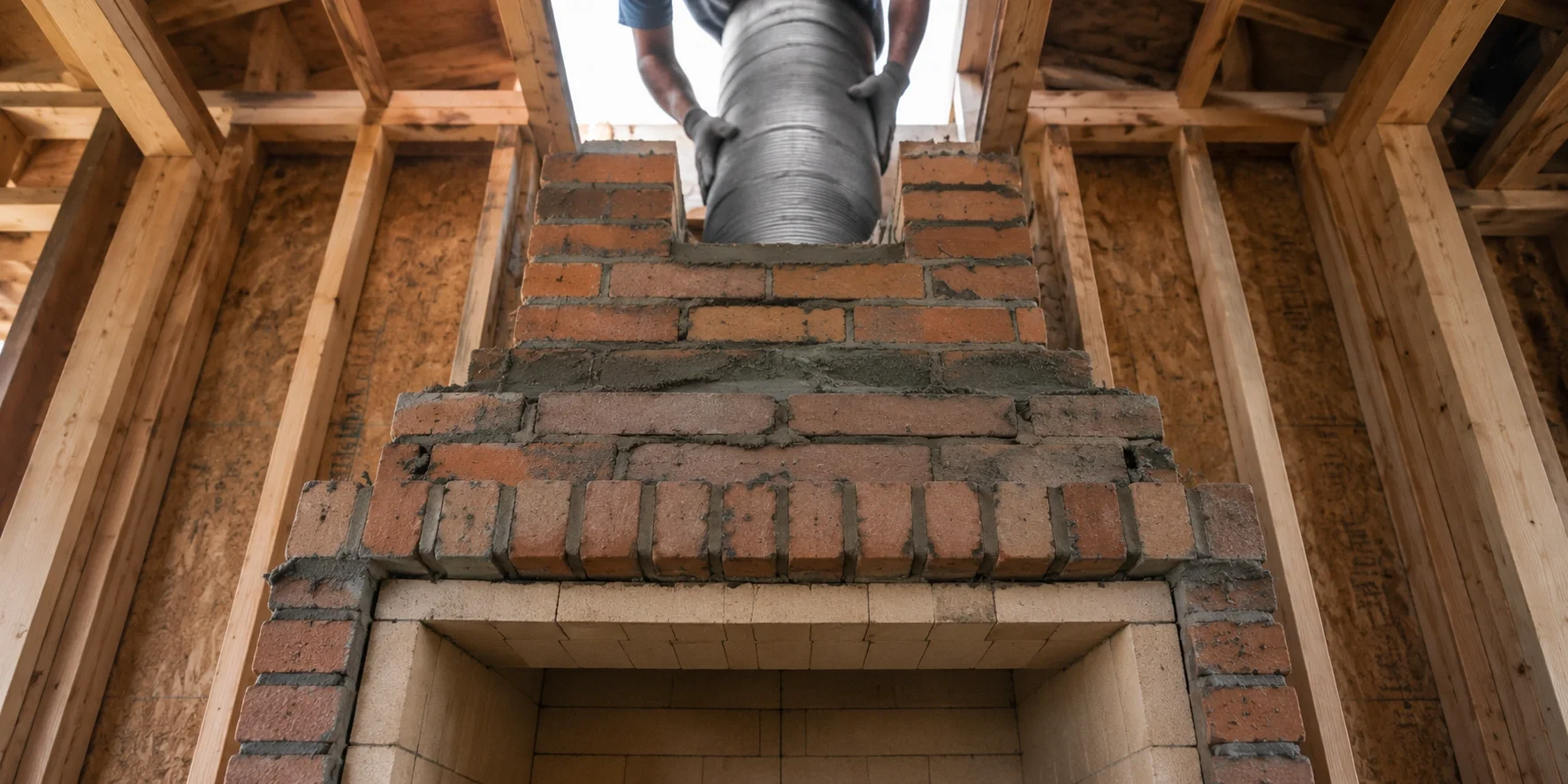
Wood-burning fireplaces require the most extensive installation process of all fireplace types. These installations involve significant structural modifications and must comply with strict building codes to ensure safe operation.
Installation Requirements
- Chimney or flue system that extends above the roofline
- Fire-rated hearth extension (typically 16-20 inches in front)
- Proper clearances from combustible materials (varies by model)
- Foundation support for the weight of the fireplace and chimney
- Spark arrestor on chimney cap
- Multiple permits including building, mechanical, and possibly electrical
Installation Steps
- Obtain all necessary permits and have detailed plans approved by your local building department before beginning any work.
- Prepare the foundation and floor structure to support the weight of the fireplace and chimney system, which can be substantial.
- Frame the fireplace opening according to manufacturer specifications, ensuring proper clearances to combustible materials.
- Install the firebox, following the manufacturer's instructions precisely. This may involve assembling multiple components.
- Construct the chimney system, whether masonry or prefabricated, ensuring proper clearances and support at each floor and roof penetration.
- Install the chimney liner if required, and ensure all joints are properly sealed to prevent smoke leakage.
- Install the chimney cap with spark arrestor to prevent embers from escaping and to keep out rain and animals.
- Create the hearth extension using non-combustible materials such as brick, stone, or tile, extending the required distance from the fireplace opening.
- Install any finishing materials such as mantels, surrounds, or facing materials, maintaining proper clearances.
- Schedule a final inspection and the first cleaning of the chimney system before using the fireplace.
⚠️ Important Safety Note
Wood-burning fireplace installation should always be performed by experienced professionals. Improper installation can lead to house fires, carbon monoxide poisoning, and structural damage. Annual inspections and cleanings are essential for safe operation.
Installation Costs Breakdown
Understanding the costs involved in fireplace installation helps you budget appropriately for your project. Costs vary significantly based on the type of fireplace, complexity of installation, and your geographic location.
| Fireplace Type | Unit Cost Range | Installation Cost | Total Cost Range |
|---|---|---|---|
| Electric (Wall-mounted) | $300–$1,200 | $100–$300 | $400–$1,500 |
| Electric (Built-in) | $600–$2,000 | $300–$800 | $900–$2,800 |
| Gas (Direct Vent) | $1,500–$4,000 | $1,500–$3,500 | $3,000–$7,500 |
| Gas (Ventless) | $800–$2,500 | $500–$1,500 | $1,300–$4,000 |
| Wood-Burning (Prefab) | $2,000–$5,000 | $3,000–$7,000 | $5,000–$12,000 |
| Wood-Burning (Masonry) | $5,000–$15,000 | $5,000–$15,000 | $10,000–$30,000 |
These costs are estimates and can vary based on factors such as:
- Your geographic location (costs tend to be higher in urban areas)
- The complexity of the installation (e.g., running gas lines, constructing chimneys)
- The quality and features of the fireplace unit
- Whether structural modifications are needed
- Permit fees and inspection costs
- Any additional finishing work such as mantels, surrounds, or hearth extensions
💡 Pro Tip
When budgeting for your fireplace installation, include a contingency fund of 15-20% for unexpected expenses. Complex installations often reveal hidden issues once work begins, such as the need for additional structural support or code compliance upgrades.
DIY vs Professional Installation

Deciding between DIY and professional installation depends on the type of fireplace, your skill level, and local code requirements. Understanding the limitations and risks of each approach is crucial for a safe and successful installation.
When DIY Installation Is Appropriate
- Simple electric fireplace installations (plug-in models)
- Wall-mounted electric fireplaces with straightforward mounting
- Electric fireplace inserts in existing openings
- You have experience with basic home improvement projects
- Local codes don't require professional installation for your fireplace type
When Professional Installation Is Necessary
- Any gas fireplace installation (gas line work requires licensing)
- All wood-burning fireplace installations
- Electric fireplaces requiring hardwiring or new circuits
- Installations requiring structural modifications
- Complex venting systems
- When local codes mandate professional installation
⚠️ Important Safety Note
Even if local codes don't explicitly require professional installation, improper installation can void warranties, create safety hazards, and cause problems when selling your home. When in doubt, consult with a professional before attempting the installation yourself.
Preparation and Planning
Proper preparation is key to a successful fireplace installation. Taking time to plan thoroughly can prevent costly mistakes and ensure your new fireplace meets your expectations.
Site Assessment
- Evaluate the chosen location for structural adequacy to support the fireplace weight
- Check for adequate clearances from combustible materials
- Determine if electrical, gas, or venting access is available or can be reasonably installed
- Assess the floor construction to ensure it can support heavy units like masonry fireplaces
- Consider the visual impact from different viewing angles in the room
Permit and Code Requirements
- Contact your local building department to determine required permits
- Understand specific code requirements for your fireplace type and installation method
- Find out if your installation will require inspections and at what stages
- Check if there are any neighborhood or homeowners association restrictions
- Determine if your installer needs specific licenses or certifications
Choosing the Right Location
The ideal location for your fireplace depends on several factors, including the room layout, existing architectural features, and how you plan to use the space. For living rooms, the fireplace often serves as a focal point, while in bedrooms, it might be positioned for optimal viewing from the bed. Corner installations can be an efficient use of space in smaller rooms.
💡 Pro Tip
Consider how the fireplace will work with your existing furniture arrangement and traffic patterns. A poorly placed fireplace can disrupt the flow of a room, while a well-positioned one can enhance both the functionality and aesthetics of the space.
Common Installation Challenges
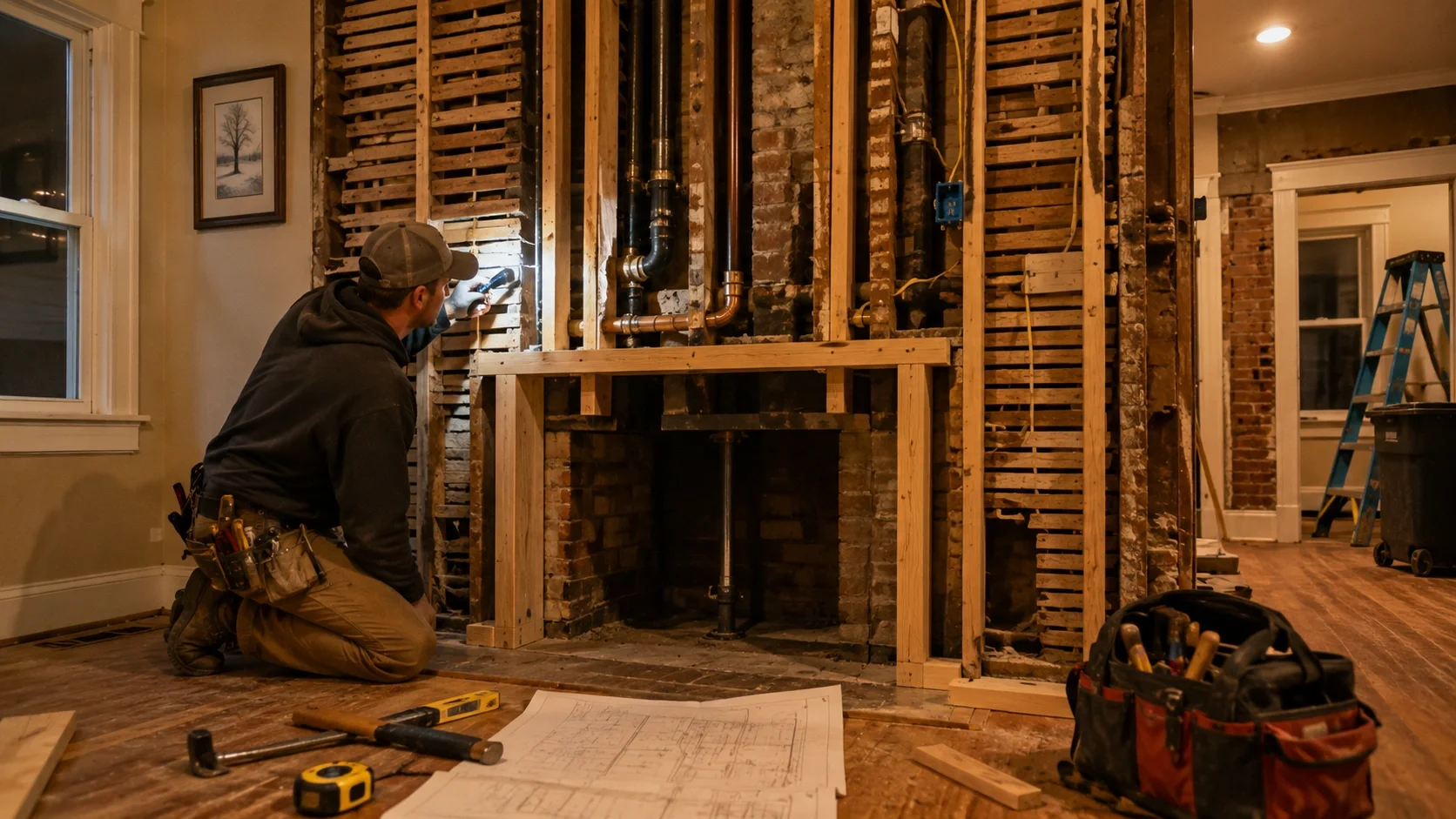
Even with careful planning, fireplace installations can present unexpected challenges. Being aware of these potential issues can help you prepare solutions in advance.
Structural Issues
- Insufficient wall support for heavy units, especially in older homes
- Floor joists not oriented correctly to support the weight of masonry fireplaces
- Hidden utilities (plumbing, electrical) in the path of the installation
- Load-bearing walls that cannot be modified without structural engineering
Venting Complications
- Difficult roof penetrations, especially with complex rooflines
- Obstructions in the path of the venting system
- Insufficient clearance to combustibles at wall or roof penetrations
- Chimney height requirements that create aesthetic challenges
Utility Access
- No existing gas line when installing a gas fireplace
- Insufficient electrical capacity for electric fireplaces with high wattage
- Difficulty routing gas lines through existing construction
- Electrical panel without space for additional circuits
💡 Pro Tip
Before finalizing your installation plans, have a professional assess the site for potential challenges. This small investment can prevent costly surprises during installation and help you choose the best fireplace type for your specific situation.
Post-Installation Considerations
After your fireplace is installed, several important steps ensure safe operation and long-term satisfaction with your investment.
Initial Testing and Break-in
- Follow manufacturer instructions for initial burn-in periods, especially for wood-burning fireplaces
- Test all safety features, including shut-off valves, thermocouples, and safety switches
- Verify proper draft and venting operation before extended use
- Check for unusual odors, which are common during first few uses but should dissipate
Maintenance Requirements
- Establish a regular maintenance schedule based on your fireplace type
- Schedule annual professional inspections for gas and wood-burning fireplaces
- Learn basic maintenance tasks like cleaning fireplace glass and cleaning gas fireplace burners
- Keep manufacturer documentation for warranty purposes and maintenance guidelines
Safety Precautions
- Install carbon monoxide detectors in the same room as gas and wood-burning fireplaces
- Keep a fire extinguisher accessible near the fireplace
- Establish and enforce safe clearance zones, especially with children and pets
- Use a fireplace screen to prevent sparks from escaping wood-burning units
💡 Pro Tip
Create a maintenance log to track inspections, cleanings, and any repairs. This documentation can be valuable for warranty claims and is often requested when selling your home.
Conclusion
A successful fireplace installation requires careful planning, appropriate expertise, and attention to detail. By understanding the requirements and processes involved, you can make informed decisions that result in a safe, efficient, and beautiful addition to your home.
Whether you choose the simplicity of an electric fireplace, the convenience of gas, or the traditional appeal of wood-burning, proper installation is the foundation for years of enjoyment. When in doubt, consult with professionals who can assess your specific situation and provide guidance tailored to your home and needs.
For more detailed information on specific fireplace types, explore our comprehensive guides on electric fireplace installation and gas fireplace requirements. If you're still deciding which type is right for your home, our fireplace selection guide can help you make the best choice for your needs and budget.