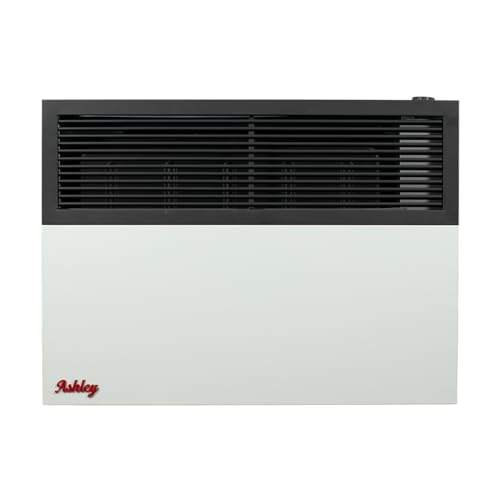
Propane Wall Fireplace Direct Vent: The Complete Guide
Discover why a direct vent propane wall fireplace is an excellent choice for efficient, safe, and stylish home heating. Learn about installation, efficiency, and the best options for your space.
Why Choose Direct Vent? A propane wall fireplace with direct vent technology offers the perfect balance of realism, efficiency, and safety. It draws air from outside and exhausts combustion gases outdoors, making it suitable for modern, airtight homes.
What Is a Propane Wall Fireplace Direct Vent?
A propane wall fireplace direct vent is a heating appliance that mounts directly onto your wall and uses a sealed combustion system. Unlike traditional fireplaces that rely on indoor air for combustion, a direct vent model pulls fresh air from outside through a concentric pipe and sends exhaust gases back outside. This design eliminates drafts, improves indoor air quality, and allows for installation in almost any room—even those without a traditional chimney.
These fireplaces are particularly popular in modern homes, apartments, and renovations where space is limited. They provide the ambiance of a real fire without the mess of ash or the need for a full masonry chimney. If you're exploring your options, our guide on types of fireplaces can help you compare this model against electric, wood, and ethanol alternatives.
How Direct Vent Technology Works
The direct vent system uses a dual-chamber pipe: one channel brings in outside air for combustion, while the other expels exhaust gases. This sealed system means the fire never consumes your indoor air, which is crucial for energy efficiency and safety. It also prevents backdrafts and reduces the risk of carbon monoxide entering your home.
For a deeper understanding of venting options, see our article on whether you need a chimney or vent. Proper gas fireplace ventilation requirements are essential, and a direct vent model simplifies compliance with building codes.
Key Benefits of a Propane Wall Fireplace Direct Vent
Energy Efficiency
Direct vent fireplaces are among the most efficient gas appliances. They retain more heat because they don't lose it up a traditional chimney. Many models achieve high efficiency ratings, making them a smart choice for supplemental heating.
Installation Flexibility
Because they vent horizontally through an exterior wall, you can install them in almost any room. This makes them ideal for small spaces and apartments. Learn more about wall-mounted vs insert vs freestanding options.
Safety & Air Quality
The sealed combustion chamber means no indoor air pollution. This is a major advantage for those concerned about carbon monoxide signs. It's a safer choice for families and pets.
Realistic Flame
Propane produces a lively, realistic flame that many homeowners prefer over electric alternatives. If realism is your priority, you might also explore most realistic gas fireplace options.
Pros and Cons at a Glance
Advantages
- High heating efficiency
- No indoor air loss
- Works during power outages (millivolt systems)
- No chimney required
- Clean-burning propane
- Adds real ambiance
Considerations
- Requires propane supply (tank or line)
- Professional installation recommended
- Higher upfront cost than ventless models
- Needs exterior wall access for venting
- Annual maintenance recommended
Installation Requirements and Considerations
Installing a propane wall fireplace direct vent is a job best left to a licensed professional. The process involves mounting the unit, running a gas line, and cutting a hole in your exterior wall for the vent termination. Local building codes and permit requirements must be followed.
Key factors include:
- Wall clearance: Ensure proper distance from combustible materials.
- Vent location: Must be away from windows, doors, and air intakes.
- Gas supply: A propane tank or existing line must be accessible.
- Electrical: Some models need electricity for fans or ignition; others work without.
For a broader overview, see our installation guide and gas fireplace installation requirements. If you're handy, you might wonder if DIY vs professional installation is right for you—but for gas appliances, professional is strongly advised.
Efficiency and Heating Capacity
Direct vent propane fireplaces are known for their high efficiency. They convert a significant portion of fuel into usable heat, unlike traditional wood fireplaces that lose most heat up the chimney. To determine the right size for your room, use our BTU guide and how to size a fireplace resources.
Many models can serve as a primary heat source for a room or as supplemental heating. If you're curious whether a fireplace can heat an entire house, read our analysis on can a fireplace heat an entire house.
Comparing Direct Vent to Other Fireplace Types
| Feature | Direct Vent Propane | Ventless Propane | Electric |
|---|---|---|---|
| Efficiency | High | Very High | High |
| Indoor Air Quality | Excellent (sealed) | Good (but adds moisture) | Excellent |
| Installation | Moderate (needs venting) | Easy (no venting) | Easy (plug-in) |
| Realism | High | High | Variable |
| Best For | Cold climates, airtight homes | Mild climates, supplemental heat | Apartments, ambiance |
For a deeper dive, explore our comparisons like gas vs electric and electric vs gas vs wood.
Maintenance and Troubleshooting
Like any gas appliance, a propane wall fireplace direct vent needs regular maintenance. This includes cleaning the glass, checking the burner, and inspecting the vent. Our gas fireplace maintenance guide and maintenance schedule provide a step-by-step routine.
Common issues include pilot light problems, weak flames, and unusual noises. Refer to our gas fireplace troubleshooting section for fixes, including won't light, pilot light issues, and weak flame. Always call a professional for gas-related repairs.
Safety First
Direct vent fireplaces are very safe when installed correctly. The sealed system prevents carbon monoxide from entering your home. However, you should still install carbon monoxide detectors and follow furniture distance guidelines. Never block the vent termination outside. For more safety tips, see our FAQ and can you leave a fireplace on overnight.