
Ethanol Fireplace Maintenance: Complete Care Guide
Keep your bioethanol fireplace running safely and efficiently with our expert maintenance routine — from daily wipe-downs to seasonal deep cleaning.
An ethanol fireplace is one of the simplest fireplace types to maintain because it produces no ash, soot buildup, or creosote. There's no chimney to sweep and no gas line to inspect. However, that simplicity can lead homeowners to skip basic upkeep — which gradually reduces flame quality, shortens the burner's lifespan, and even creates safety hazards. Whether you own a sleek wall-mounted unit, a compact tabletop model, or a built-in recessed design, following a consistent maintenance schedule is the single most effective way to protect your investment and enjoy a clean, vibrant flame every time you light it. Compared to other types, the maintenance difference between ethanol and electric fireplaces is modest, but ethanol requires slightly more hands-on care due to the real flame and liquid fuel involved.
Why Ethanol Fireplace Maintenance Matters
Even though bioethanol burns cleanly, it still leaves microscopic carbon deposits inside the burner cup over time. Dust, pet hair, and airborne particles settle into the fuel reservoir and around the burner openings. If ignored, these contaminants clog the fuel wicking channels, produce uneven or yellowish flames, and in worst cases, cause unexpected flare-ups. Regular maintenance prevents all of these problems while also extending the lifespan of your fireplace well beyond the typical 5–8 year range.
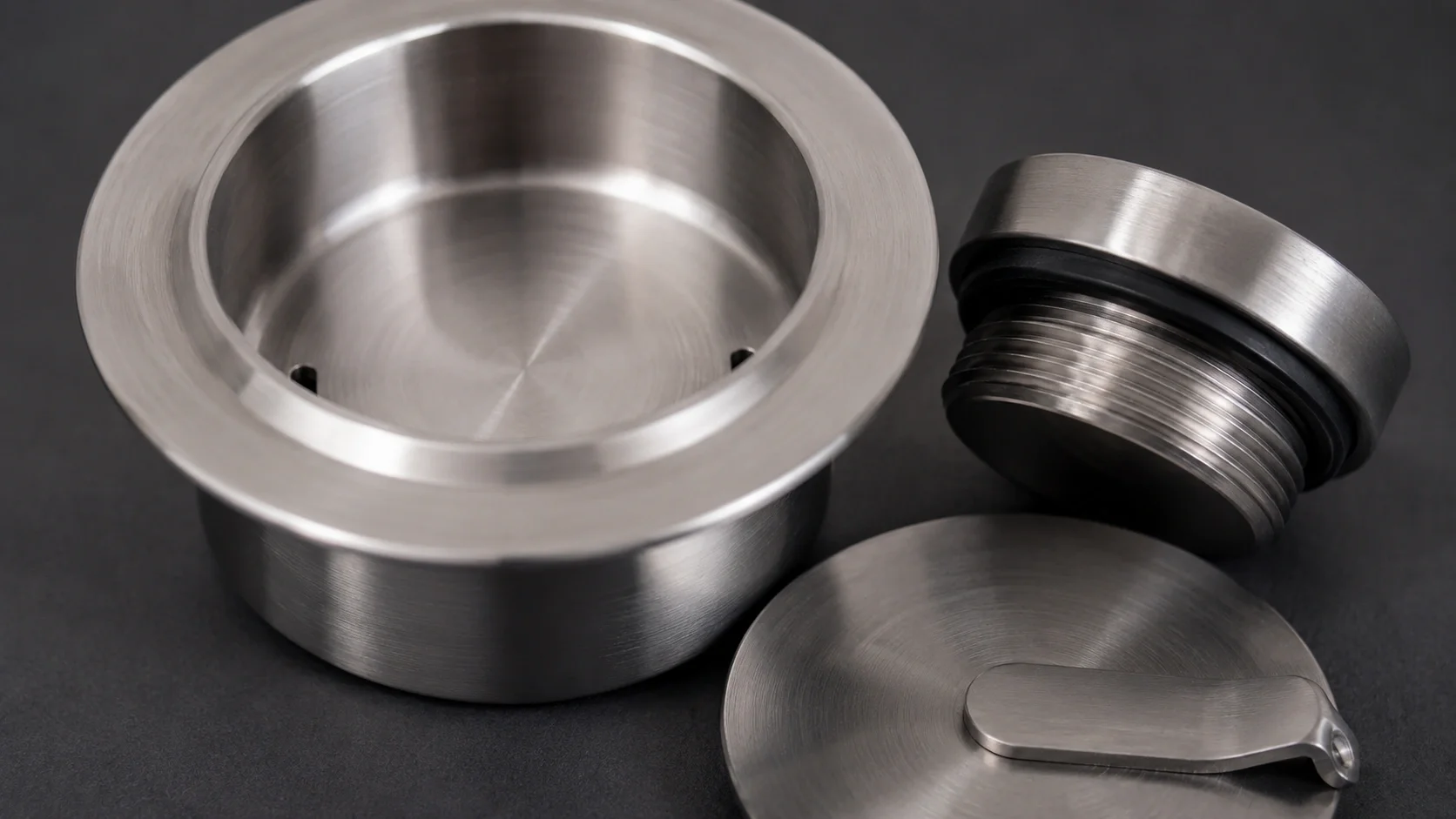
Understanding your ethanol fireplace burner components makes maintenance straightforward and effective
Beyond performance, there's a safety dimension. A well-maintained ethanol fireplace poses minimal risk, but a neglected one can develop fuel leaks around the filler cap, corroded burner surfaces, or blocked ventilation slots that trap heat against the surround material. These issues are entirely preventable with the routine outlined below, which is part of a broader fireplace maintenance schedule you should follow for any hearth appliance in your home.
Essential Maintenance Tools and Supplies
Before starting any maintenance task, gather the right supplies. Using the wrong materials — especially abrasive pads or chemical cleaners — can permanently damage the stainless steel burner and tempered glass panels. You don't need specialized equipment; most of these items are already in your home or available as part of basic fireplace accessories.
Avoid steel wool, scouring pads, bleach, ammonia-based cleaners, acetone, or any solvent on your ethanol fireplace. These will corrode the stainless steel burner, degrade rubber gaskets around the filler cap, and weaken the tempered glass. Stick to soft cloths and mild, ethanol-safe cleaning solutions only.
After-Every-Use Maintenance Routine
The most important maintenance happens immediately after you finish using the fireplace. This quick routine takes less than 5 minutes but prevents the majority of long-term issues. Make it a habit, just like wiping down a stovetop after cooking.
- Extinguish properly. Use the provided snuffer plate or sliding damper to cut off the flame. Never blow out an ethanol flame — this can push unburned fuel vapor into the room. Wait until the flame is completely out.
- Allow full cooling. Let the burner cool for at least 30 minutes before touching any components. The stainless steel retains heat longer than you might expect, and fuel residue can be sticky when warm.
- Wipe the burner cup. Use a dry microfiber cloth to gently wipe the inside of the burner cup. Remove any visible residue, dust, or debris. If the cloth sticks, dampen it slightly with water — never with fuel or solvent.
- Check the fuel level. If the burner is nearly empty, decide whether to refill now or leave it dry until next use. An empty, clean burner is less likely to develop residue buildup than one sitting with a thin film of fuel.
- Inspect for spills. Check the area around the filler cap and the base of the fireplace for any fuel drips. Wipe them immediately with a damp cloth. Fuel left on surfaces can discolor finishes and create odor.
Keep a dedicated microfiber cloth stored near your fireplace. Having it within arm's reach makes the after-use wipe-down effortless, and you'll never be tempted to skip it. Wash the cloth separately from laundry to avoid transferring lint or fabric softener residue.
Weekly Cleaning Tasks
If you use your ethanol fireplace frequently — say, three or more times per week — a weekly cleaning session keeps everything in optimal condition. This goes beyond the quick after-use wipe and addresses areas that accumulate grime more slowly.
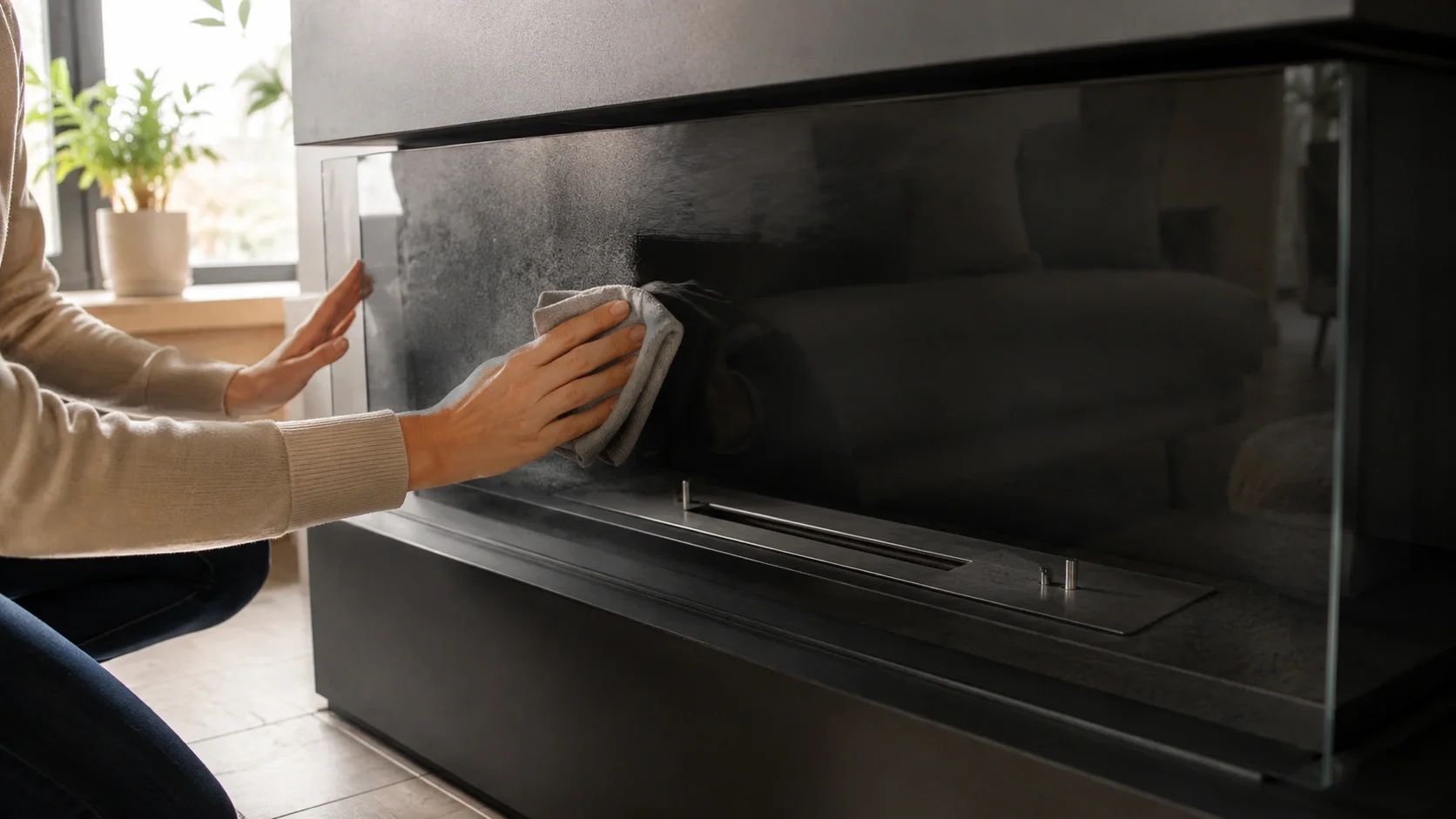
Weekly glass cleaning maintains crystal-clear views of the flame and prevents permanent film buildup
Glass Panel Cleaning
Ethanol flames produce a light film on the inside of glass panels over time. While it's far less aggressive than the soot from a wood-burning fireplace, it still clouds the glass if left unchecked. Our detailed fireplace glass cleaning guide covers all fireplace types, but for ethanol units specifically, spray a small amount of non-abrasive glass cleaner onto your microfiber cloth (never directly onto the glass) and wipe in circular motions. Buff dry with a second clean cloth to prevent streaks.
Burner Opening Maintenance
The small openings or slits in the burner where the flame emerges can become partially blocked by carbon micro-deposits. Use a soft-bristle brush to gently sweep across these openings. Don't insert anything into the openings — simply brush the surface to dislodge any particles, then wipe them away with your cloth.
Exterior Dusting
Dust the exterior housing, frame, and any decorative surround elements. For modern fireplace designs with powder-coated steel or matte black finishes, a slightly damp microfiber cloth works perfectly. For natural stone or marble surrounds, use a stone-safe cleaner to avoid etching the surface.
Monthly Deep Cleaning and Inspection
Once a month, set aside 20–30 minutes for a thorough inspection and deep clean. This is your opportunity to catch small issues before they become expensive problems. Think of it as the equivalent of an annual fireplace inspection but scaled down for a low-maintenance appliance.
Burner Cup Deep Clean
Remove the burner cup from its housing if your model allows it (check your manufacturer's instructions — not all burners are removable). If removable, take it outside and rinse it with warm water. Use a soft brush to clean the interior, then dry it completely with a cloth before reinstalling. Moisture inside the burner can mix with residual fuel and create a sludgy buildup that's difficult to remove.
Filler Cap and Gasket Check
The filler cap is one of the most failure-prone components. Inspect the rubber gasket or O-ring for cracks, hardening, or deformation. A damaged gasket allows fuel to evaporate and can leak if the unit is tipped. Replacement gaskets typically cost $3–$8 and take seconds to swap — far cheaper than dealing with fuel damage to your flooring or surround.
Ventilation Slot Inspection
Check all ventilation openings in the fireplace housing. These slots allow heat to dissipate and prevent the burner compartment from overheating. Dust, pet hair, and cobwebs can block them over time. Use your brush or a vacuum with a soft brush attachment to clear them. Blocked ventilation is a common cause of the fireplace turning black or producing soot unexpectedly.

Having the right cleaning supplies organized makes monthly deep cleaning quick and thorough
Fuel Quality and Proper Storage
Maintenance isn't just about cleaning — it's also about what you put into your fireplace. The quality of your bioethanol fuel directly affects how much residue builds up in the burner, how clean the flame burns, and whether you'll experience issues like sooting, odor, or inconsistent flame height.
Choosing the Right Fuel
Always use bioethanol fuel that is at least 96% pure ethanol. Denatured alcohol with additives, isopropyl alcohol, or cheap imported fuel with unknown purity levels will produce more residue, stronger odors, and potentially toxic fumes. Look for fuel labeled as "bioethanol," "denatured ethanol," or "fireplace fuel" with the purity percentage clearly stated. Expect to pay $25–$45 per gallon for quality fuel — anything significantly cheaper is likely cut with impurities.
Storage Best Practices
How you store your fuel matters just as much as which fuel you buy. Improper storage degrades the ethanol and introduces contaminants that end up in your burner.
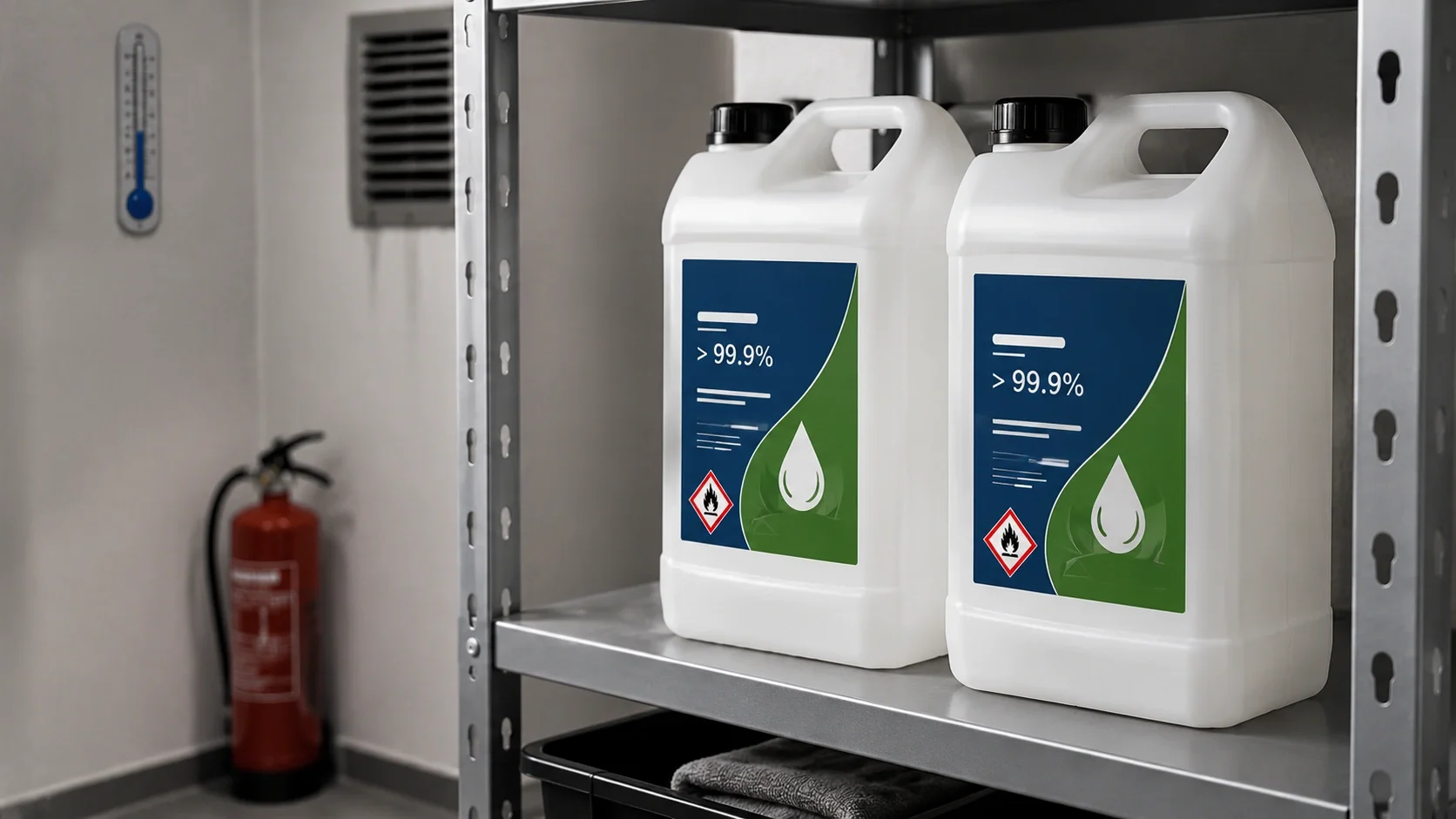
Store ethanol fuel in its original sealed container, away from heat sources and direct sunlight
- Keep fuel in its original sealed container — never transfer to unlabeled bottles
- Store in a cool, dry location between 50–77°F (10–25°C)
- Avoid direct sunlight and any heat sources (water heaters, furnaces, radiators)
- Sealed containers last 12–18 months; once opened, use within 6 months
- Keep away from children and pets — ethanol is toxic if ingested
- Store at least 10 feet from any ignition source per fire safety codes
- Never store fuel inside the fireplace housing or directly beneath it
If your fuel has turned cloudy, developed a strong solvent-like odor beyond the normal mild ethanol smell, or leaves visible particles floating in the liquid, it has degraded and should be disposed of properly. Using expired fuel is one of the leading causes of fireplace troubleshooting calls related to poor flame quality and excessive residue.
Safety Inspection Checklist
Safety should be woven into every maintenance session. Understanding ventless fireplace safety principles is especially important for ethanol fireplaces because they burn without a chimney or vent. All combustion byproducts release directly into the room, so the fireplace must operate flawlessly. Run through this checklist during your monthly deep clean.

A systematic safety inspection during each monthly cleaning prevents most common ethanol fireplace problems
- Burner cup has no cracks, warping, or signs of corrosion
- Filler cap threads are intact and the gasket seals tightly
- All burner openings are clear and unobstructed
- Glass panels have no chips, cracks, or deep scratches
- Ventilation slots are fully open and unblocked
- Fireplace is level and stable — no wobbling or loose mounting hardware
- Surrounding materials show no signs of heat damage or discoloration
- Room has adequate ventilation — no stuffiness or lingering odor after use
- No fuel odor detected when the fireplace is not in use
- Operating instructions are still accessible near the fireplace
If you find cracks in the burner cup, chips in the glass panels, a filler cap that no longer seals properly, or any sign of fuel leaking from connections, stop using the fireplace immediately. These are not DIY repair situations — contact the manufacturer for replacement parts or consider upgrading to a new unit. Operating a damaged ethanol fireplace is a serious fire hazard.
Seasonal Maintenance Guide
How you maintain your ethanol fireplace changes with the seasons. During heavy use in winter, you'll need more frequent cleaning. During summer months when the fireplace sits idle, different concerns arise. This seasonal approach fits into a broader seasonal fireplace checklist that covers all appliance types in your home.

Seasonal maintenance ensures your ethanol fireplace is ready when cold weather returns
Fall Preparation (Before Heavy Use)
- Perform a complete deep clean following the monthly routine above
- Inspect all components for damage that may have developed over summer
- Test the fireplace with a small amount of fuel — verify flame color is blue-orange and even
- Check that room ventilation is adequate for closed-window winter conditions
- Stock up on fresh fuel — don't use last season's open container
- Review the winter fireplace preparation guide for whole-home readiness
Winter Active Use (Weekly Attention)
- Increase glass cleaning to twice per week if used daily
- Monitor for condensation on glass — common in cold rooms and harmless, but wipe it away to prevent water spots
- Keep the room slightly ventilated even in cold weather — crack a window nearby if possible
- Watch for any change in flame color (yellowing indicates poor fuel or dirty burner)
Spring Shutdown (After Heating Season)
- Drain any remaining fuel from the burner — don't store fuel in the unit
- Clean the burner thoroughly so no residue dries and hardens over summer
- Clean the glass panels inside and out to remove any accumulated film
- Dust the entire unit and the surround area
- Consider covering the fireplace with a breathable cloth cover to prevent dust accumulation
- Follow the spring fireplace maintenance tips for your other hearth appliances
Summer Storage
- Store fuel containers in a climate-controlled area — garage temperatures often exceed safe limits
- Inspect the fireplace once mid-summer for dust buildup or any signs of pest intrusion
- Check that no items have been placed on or against the fireplace during summer rearranging
- Review the summer fireplace care guide for additional off-season tips
Common Problems and How to Fix Them
Even with diligent maintenance, occasional issues arise. Most are straightforward to resolve and don't require professional help. For more complex fireplace troubleshooting scenarios, consult your manufacturer's service department. Here are the most common ethanol fireplace problems and their solutions:
| Problem | Most Likely Cause | Solution |
|---|---|---|
| Yellow or orange, smoky flame | Impure fuel or contaminated burner | Drain fuel, clean burner thoroughly, refill with 96%+ pure bioethanol |
| Uneven flame height | Partially blocked burner openings | Brush burner openings with soft-bristle brush; remove debris with cloth |
| Flame goes out unexpectedly | Low fuel level or drafts | Refuel to proper level; check for air currents from vents, fans, or open windows |
| Strong odor during or after use | Low-purity fuel or poor room ventilation | Switch to premium fuel; improve room airflow; reduce burn time |
| Black soot on glass or surround | Impure fuel or blocked ventilation | Replace fuel; clear ventilation slots; clean glass with ethanol-safe cleaner |
| Fuel leaking from filler cap | Damaged gasket or overfilling | Replace filler cap gasket ($3–$8); never fill beyond the max line |
| Difficulty lighting the flame | Residue in burner or wet burner from cleaning | Ensure burner is completely dry; clean out residue; use a long-reach lighter |
| Crackling or popping sounds | Moisture in fuel or burner (normal in small amounts) | Replace old fuel; ensure burner is fully dry before use |
Unlike gas fireplace maintenance which often requires certified technicians, most ethanol fireplace issues are DIY-friendly. However, if you encounter structural damage to the surround, electrical issues in models with remote ignition, or if the fireplace is a built-in unit that's difficult to access for inspection, contact the manufacturer or a qualified hearth professional rather than attempting repairs yourself.
Maintenance Cost Breakdown
One of the strongest advantages of ethanol fireplaces is their low maintenance cost. Compared to the ongoing maintenance costs of other fireplace types — chimney sweeps for wood-burning units at $150–$500 per visit, or annual gas line inspections at $100–$300 — ethanol fireplace maintenance is remarkably affordable. Here's what you can expect to spend annually:
| Maintenance Item | Frequency | Estimated Annual Cost |
|---|---|---|
| Bioethanol fuel (96%+ pure) | Ongoing | $150–$400 (depending on usage) |
| Microfiber cloths (replacement) | Every 3–4 months | $10–$18 |
| Glass cleaner (ethanol-safe) | As needed | $8–$15 |
| Filler cap gasket replacement | Annually or as needed | $3–$8 |
| Soft-bristle brush replacement | Annually | $6–$12 |
| Total Estimated Annual Cost | $177–$453 |
The bulk of this cost is fuel itself, which is a usage expense rather than a maintenance expense. The actual cleaning and upkeep supplies total just $27–$53 per year — making ethanol fireplaces the most budget-friendly option for ambiance-focused fireplace owners who want a real flame without the upkeep burden of wood or gas alternatives.
How Ethanol Maintenance Compares to Other Types
If you're still deciding between fireplace types, understanding the maintenance commitment for each can help. Ethanol sits in a sweet spot — more involved than electric fireplace maintenance (which is essentially just dusting) but dramatically simpler than wood or gas.
| Aspect | Ethanol | Electric | Gas | Wood |
|---|---|---|---|---|
| Chimney/Vent Cleaning | Not required | Not required | Annual ($150–$500) | Annual ($150–$500) |
| Professional Inspection | Rarely needed | Rarely needed | Annual ($100–$300) | Annual ($100–$300) |
| Ash/Creosote Removal | None | None | None | After every use |
| Glass Cleaning Frequency | Weekly | Monthly (dusting) | Weekly | After every use |
| Fuel System Maintenance | Cap/gasket check | None | Gas line, valves, pilot | None (manual fuel) |
| Annual Maintenance Cost | $27–$53 (supplies) | $0–$15 (dusting) | $250–$800 | $300–$1,000+ |
Frequently Asked Questions
Maintaining an ethanol fireplace is refreshingly simple compared to other hearth appliances, but it's not optional. The after-use wipe-down, weekly glass cleaning, and monthly deep inspection described in this guide take a combined 30–40 minutes per month and will keep your fireplace performing like new for years. The real key is consistency — small, regular efforts prevent the kind of buildup and deterioration that lead to costly repairs or premature replacement.
If you're currently researching ethanol fireplaces and haven't made a purchase yet, understanding this maintenance routine should give you confidence that ownership is manageable and affordable. Browse our recommended ethanol fireplaces and maintenance supplies below to find everything you need in one place.


