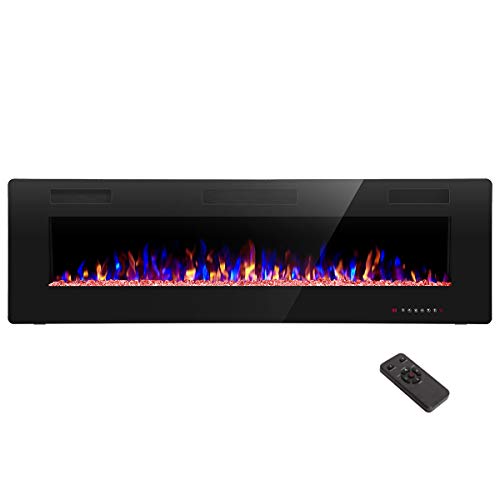
Most Energy Efficient Fireplace Types
Discover which fireplace options provide the most heat for your energy, with detailed efficiency ratings, operating analysis, and expert recommendations
EXPLORE FIREPLACE TYPESWhen selecting a fireplace for your home, energy efficiency is a crucial factor that directly impacts both your heating usage and environmental footprint. The most energy efficient fireplace types can provide substantial warmth while minimizing energy waste, making them both economically and environmentally sound choices.
In this comprehensive guide, we'll examine the efficiency ratings of different fireplace types, analyze long-term operating implications, and help you determine which option offers the best value for your specific heating needs and home setup.
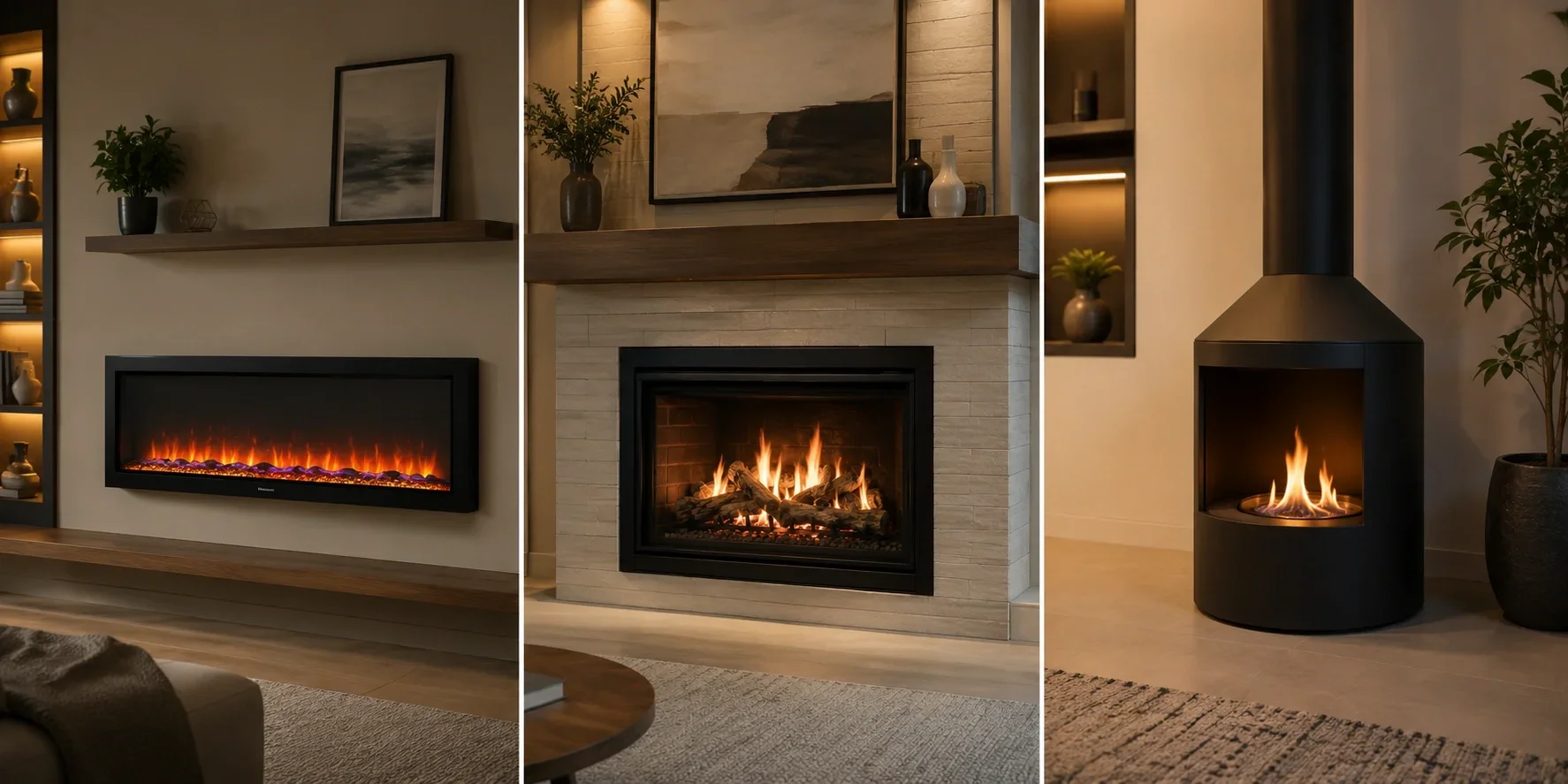
Understanding Fireplace Efficiency Ratings
Before comparing specific fireplace types, it's essential to understand how efficiency is measured. Fireplace efficiency refers to the percentage of heat energy from the fuel that actually warms your living space versus how much is lost through the chimney or other means.
Key Efficiency Metrics:
- Steady-State Efficiency: Measures efficiency when the fireplace is running at optimal temperature
- Overall Efficiency: Includes start-up and cool-down phases, providing a more realistic efficiency rating
- AFUE (Annual Fuel Utilization Efficiency): The most comprehensive measurement, accounting for seasonal variations
For a detailed explanation of how to match these efficiency metrics to your room size, check out our fireplace heating capacity BTU guide.
Most Energy Efficient Fireplace Types Ranked
Based on industry standards and testing data, here's how different fireplace types compare in terms of energy efficiency:
| Fireplace Type | Typical Efficiency Range | Operating Investment Tier | Best For |
|---|---|---|---|
| Electric Fireplaces | 99-100% | Entry-level | Zone heating, apartments |
| Direct Vent Gas Fireplaces | 70-85% | Mid-range | Primary heating, real flames |
| Ventless Gas Fireplaces | 90-99% | Entry-level to Mid-range | Supplemental heating, no venting |
| Ethanol Fireplaces | 85-95% | Premium | Ambiance, moderate heat |
| Pellet Stoves | 70-85% | Entry-level to Mid-range | Primary heating, eco-friendly |
| Wood Burning Inserts | 60-80% | Entry-level | Primary heating, traditional feel |
| Traditional Open Wood Fireplaces | 10-30% | Variable | Ambiance only |
For a deeper comparison between the top contenders, read our electric vs gas fireplace comparison and ethanol vs electric fireplace analysis.
Electric Fireplaces: The Efficiency Leader
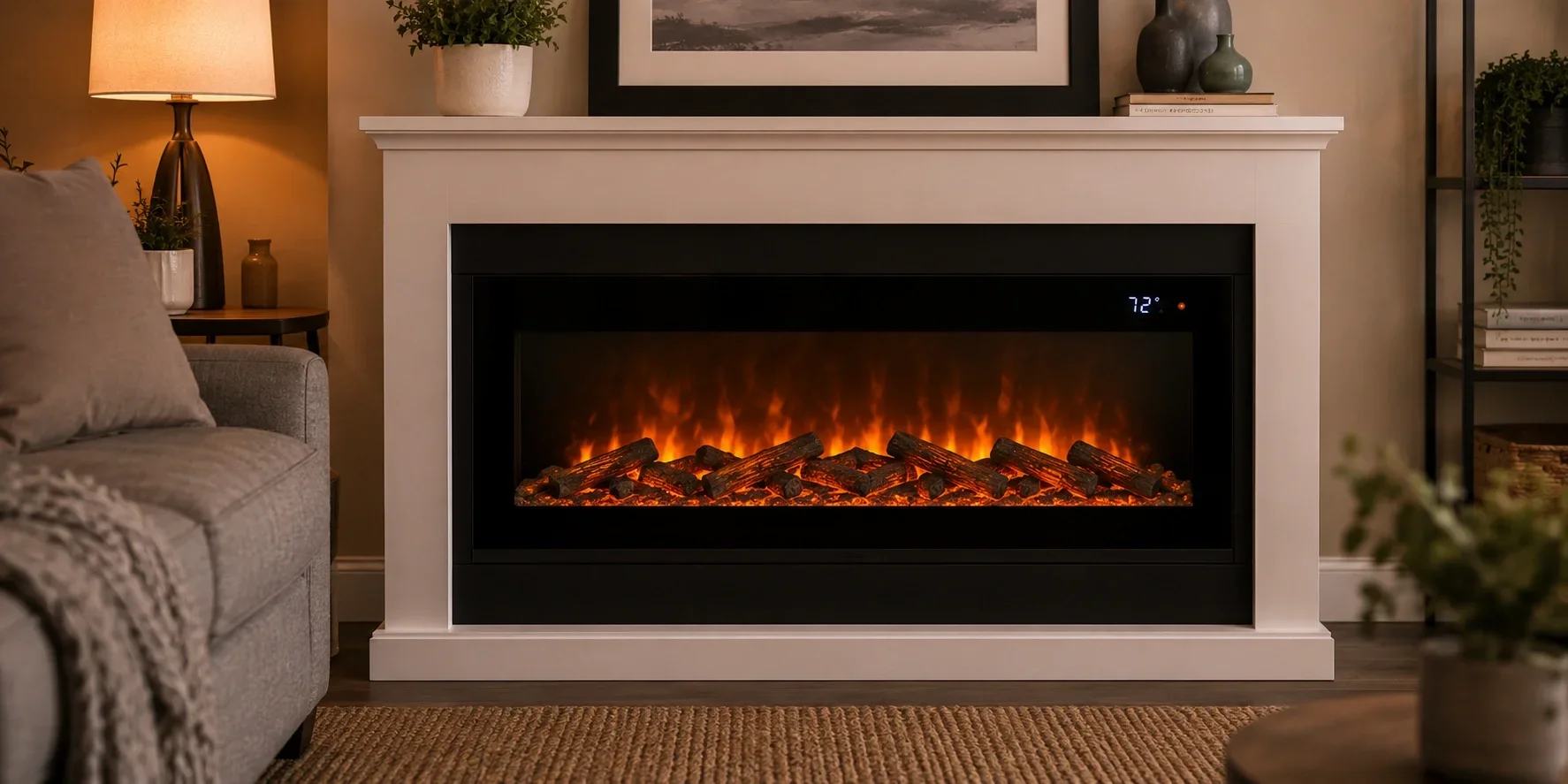
Electric fireplaces achieve near-perfect efficiency because all the electrical energy is converted directly into heat with no combustion process or venting losses. This makes them the most energy efficient option from a pure conversion standpoint.
Advantages of Electric Fireplaces for Energy Efficiency
- 99-100% energy conversion efficiency with zero heat loss
- No chimney or venting required, eliminating drafting losses
- Zone heating capability reduces overall home heating usage by 20-30%
- Thermostat controls allow precise temperature management
- Instant on/off operation with no warm-up time required
- No standby energy loss when turned off
For those concerned about running expenses, our detailed analysis of whether electric fireplaces are expensive to run provides reassuring data about their cost-effectiveness.
Types of Energy-Efficient Electric Fireplaces
Not all electric fireplaces are equal in terms of efficiency and heating effectiveness:
Infrared Electric Fireplaces
- Heats objects directly rather than air
- Maintains efficiency even in drafty rooms
- Quieter operation than fan-forced models
- Ideal for living rooms and open spaces
Fan-Forced Electric Fireplaces
- Heats air quickly for rapid warming
- More affordable initial investment
- Better for smaller, enclosed spaces
- Works well in bedrooms and offices
Electric Fireplace Inserts
- Converts existing inefficient fireplaces
- Eliminates drafting through old chimneys
- Retains traditional appearance
- Perfect for fireplace remodeling projects
To understand the difference between these heating technologies, see our infrared vs fan-forced fireplace comparison.
Gas Fireplaces: High Efficiency with Real Flames
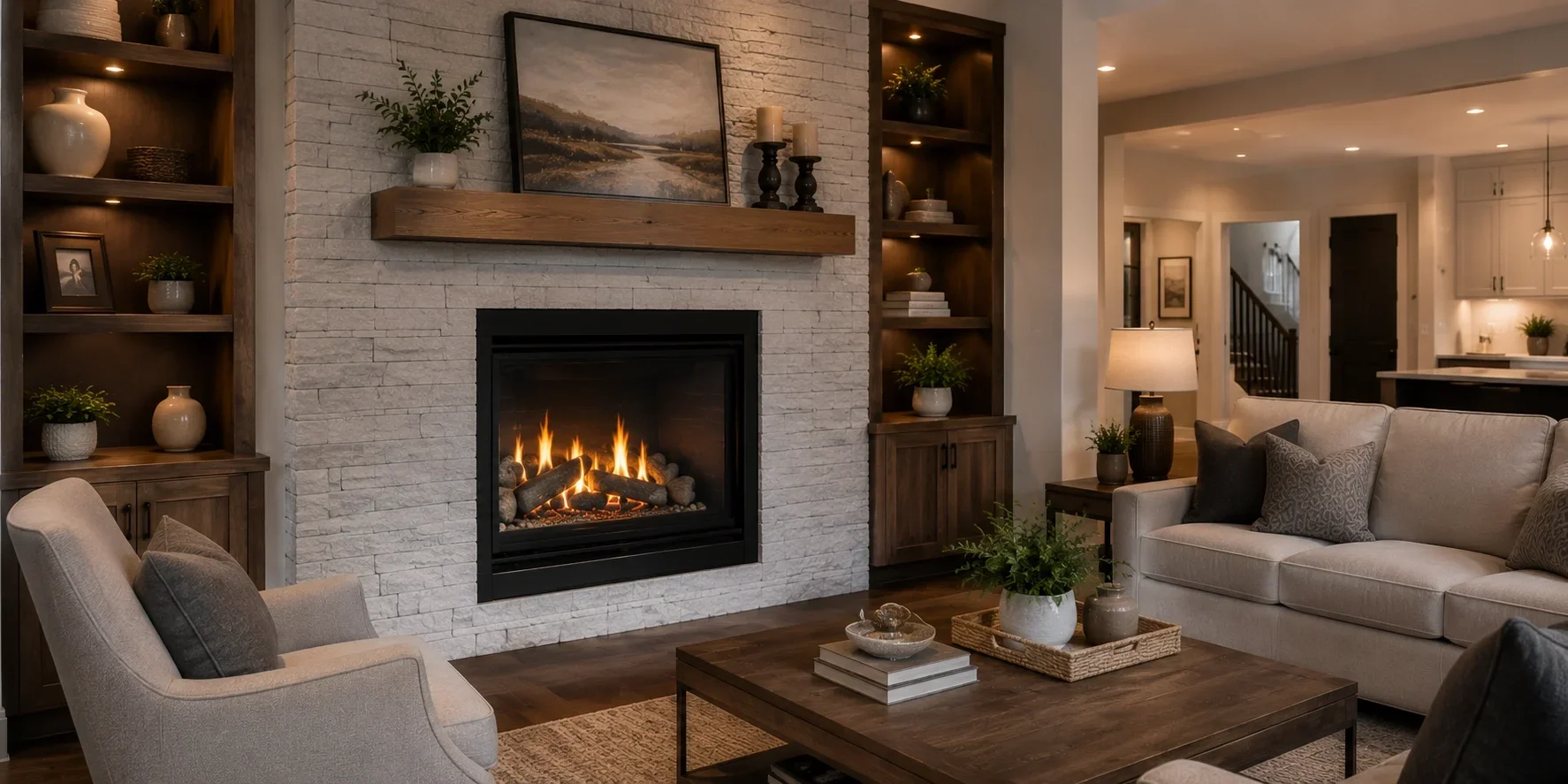
Gas fireplaces offer an excellent balance of efficiency and ambiance, with modern direct-vent models achieving impressive efficiency ratings while providing the realistic flame appearance that many homeowners desire.
Ventless vs. Direct Vent Gas Fireplaces
The efficiency of gas fireplaces varies significantly based on their venting configuration:
Ventless Gas Fireplaces (90-99% efficiency): These models exhaust all their heat into the room since they don't require venting. While extremely efficient, they do produce small amounts of moisture and combustion byproducts in your living space. For safety considerations, read our ventless vs electric safety comparison.
Direct Vent Gas Fireplaces (70-85% efficiency): These models use a sealed combustion system that draws air from outside and exhausts through a dedicated vent. While slightly less efficient than ventless models, they maintain indoor air quality and are considered safer by many experts. Learn more about the differences in our vented vs ventless gas fireplace comparison.
Maximizing Gas Fireplace Efficiency
- Choose models with electronic ignition rather than standing pilot lights
- Install a programmable thermostat for precise temperature control
- Opt for variable speed blowers to distribute heat effectively
- Ensure proper sizing for your space using our fireplace sizing guide
- Schedule annual maintenance to maintain peak efficiency
For a comprehensive understanding of gas fireplace efficiency and operation, explore our gas fireplace maintenance guide to keep your unit running at peak performance.
Ethanol Fireplaces: Efficient but Costly Fuel
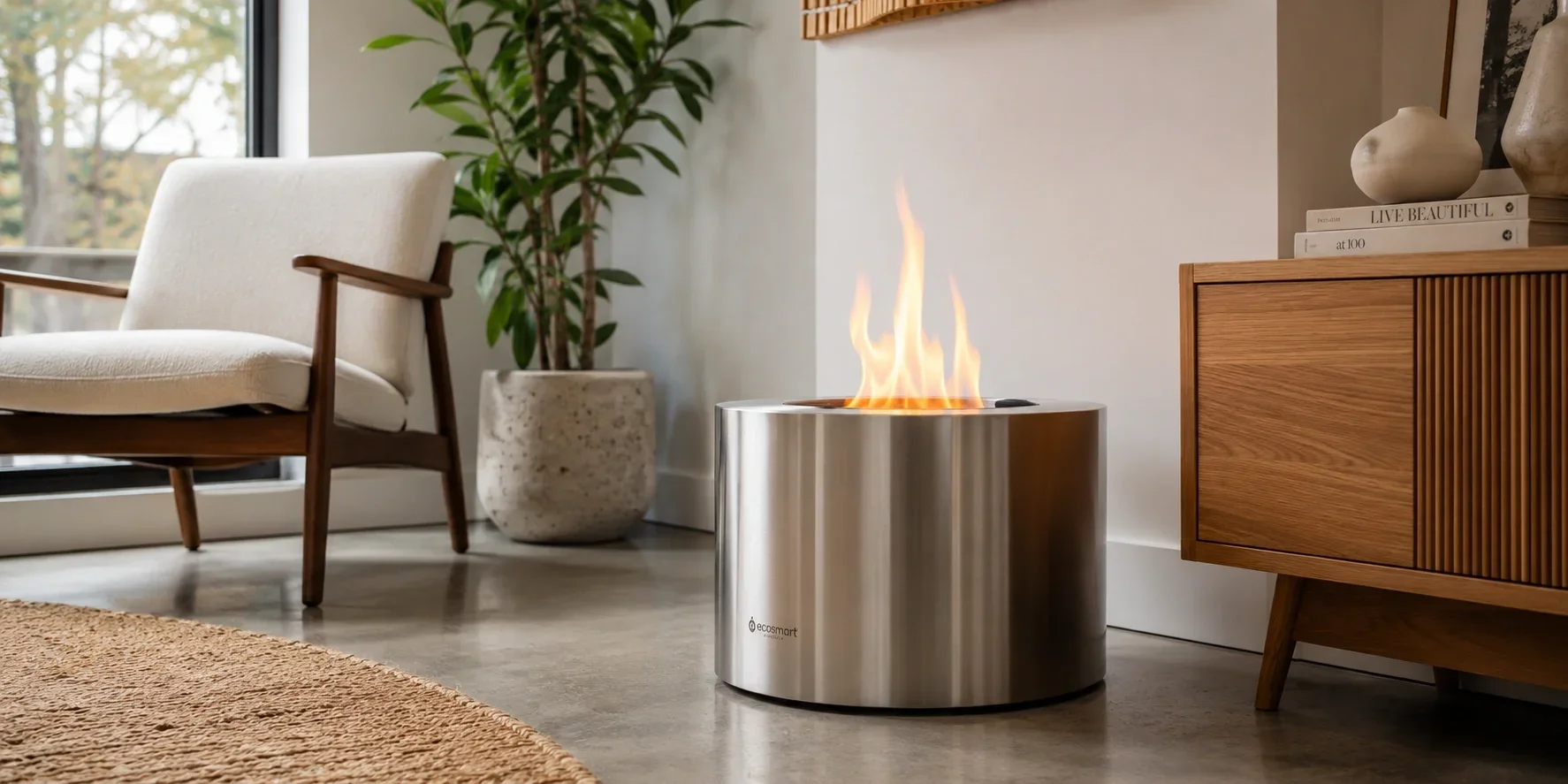
Ethanol fireplaces achieve high combustion efficiency (85-95%) since they burn cleanly with minimal byproducts. However, their overall energy efficiency must be considered in the context of fuel production and overall operating investment.
Ethanol Fireplace Efficiency Factors
- No venting required, eliminating heat loss through chimneys
- Clean burning with no soot, ash, or harmful emissions
- Instant on/off capability with no warm-up time
- Real flame aesthetic similar to traditional fireplaces
- Portable designs allow for zone heating flexibility
Despite their high combustion efficiency, ethanol fireplaces typically have higher operating tiers than electric or gas options due to fuel costs. For a detailed comparison, see our ethanol vs electric fireplace analysis.
Wood Burning Options: Improved Efficiency with Modern Technology
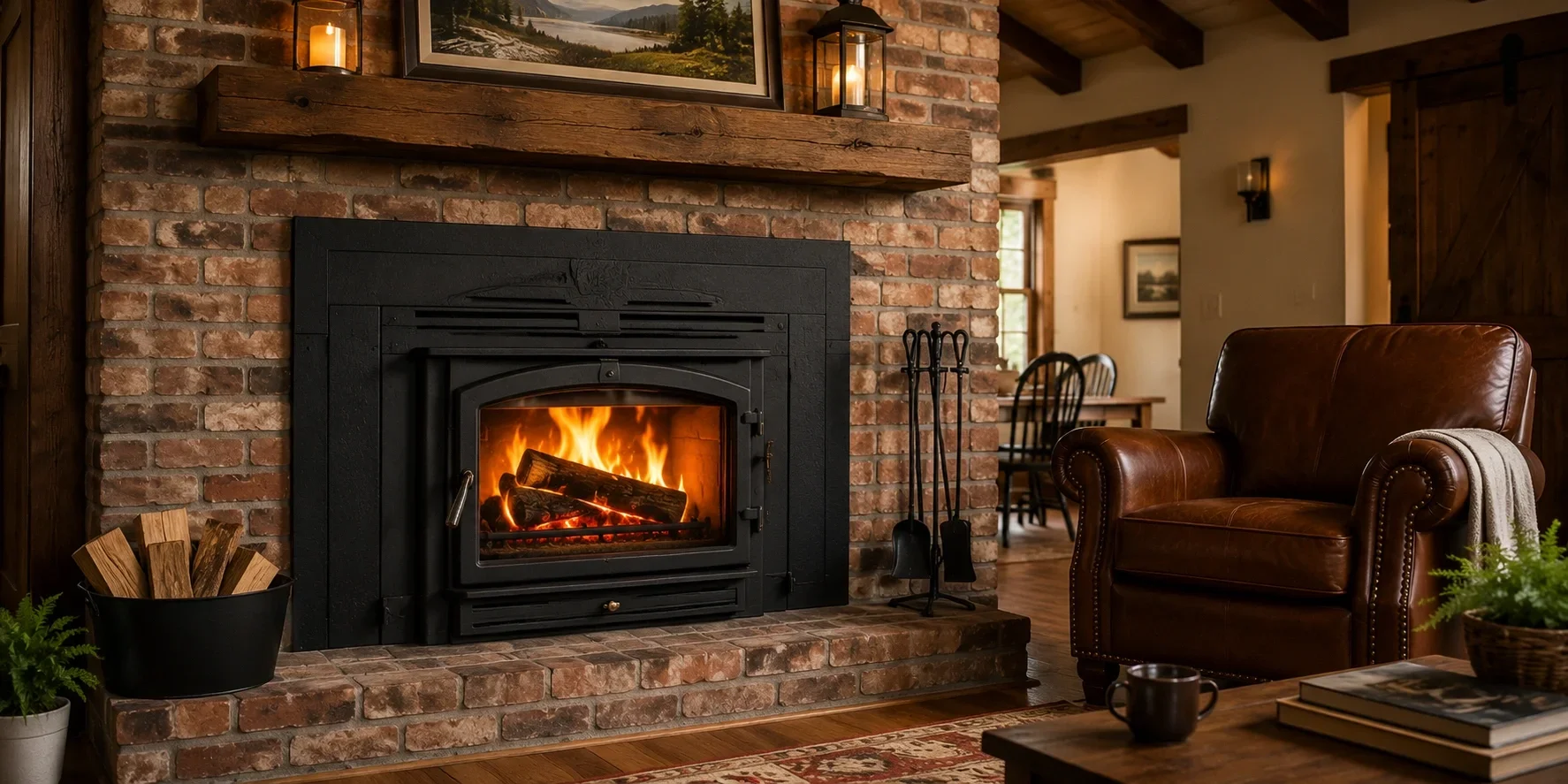
While traditional open wood fireplaces are extremely inefficient (10-30%), modern wood burning inserts and EPA-certified stoves can achieve impressive efficiency ratings of 60-80% through advanced combustion technology.
Improving Wood Burning Efficiency
- Install an EPA-certified wood burning insert to convert existing fireplaces
- Use properly seasoned hardwood with moisture content below 20%
- Ensure proper draft control to maintain optimal combustion temperature
- Regular chimney cleaning to maintain proper airflow
- Consider catalytic or non-catalytic combustion technology for improved efficiency
For a complete comparison between wood and other fuel types, read our electric vs wood fireplace analysis and gas vs wood fireplace comparison.
Operating Investment: Initial Outlay vs. Long-Term Efficiency
When evaluating energy efficiency, it's crucial to consider both initial investment and long-term operating expenses. The most efficient option isn't always the most cost-effective when viewed over the fireplace's lifetime.
10-Year Total Investment Comparison (Based on 5 hours daily use during heating season)
For a more detailed analysis, explore our guide on which fireplace saves money long-term and learn about hidden costs of owning a fireplace.
Maximizing Your Fireplace's Energy Efficiency
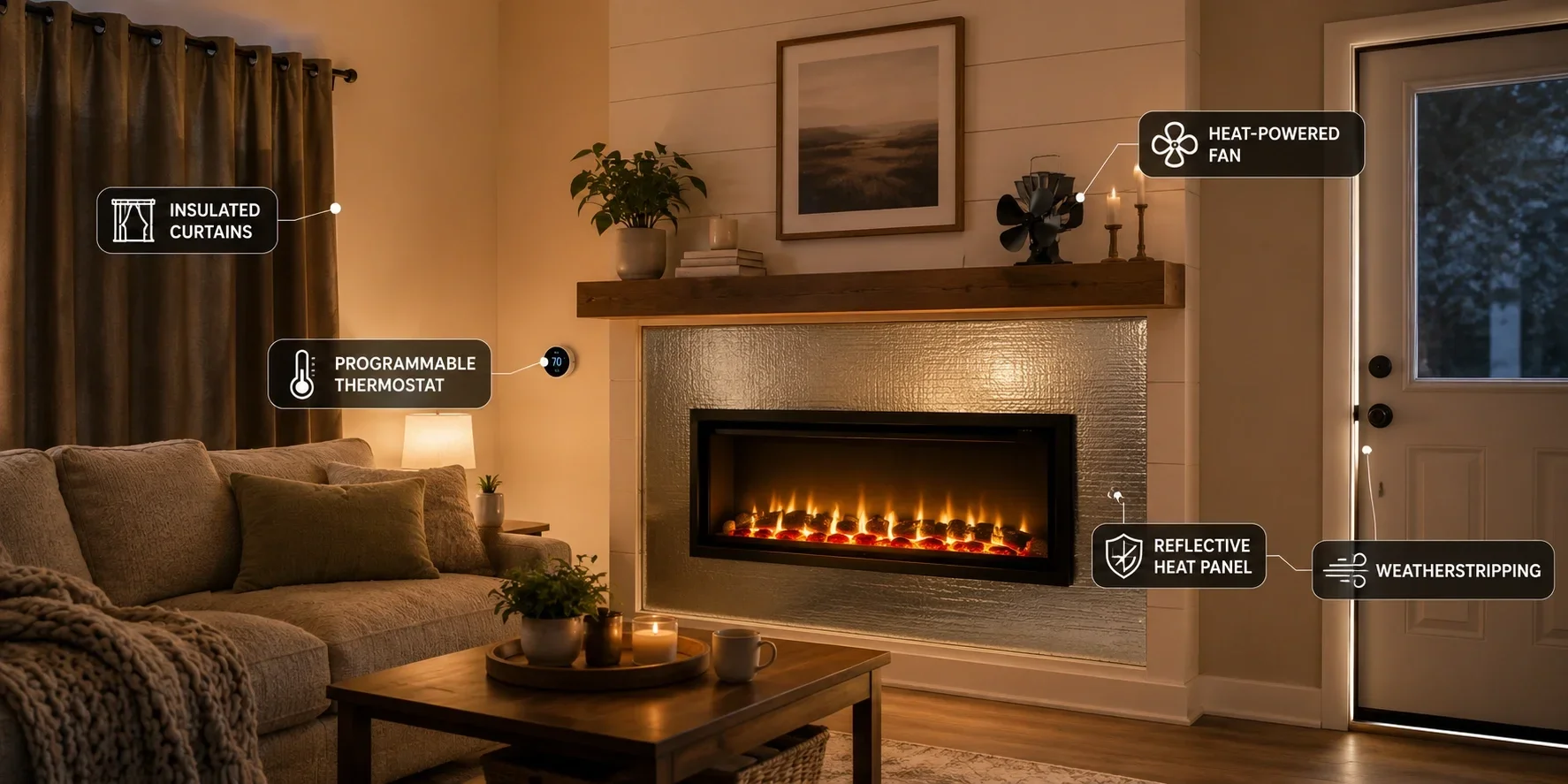
Regardless of which fireplace type you choose, these strategies can help you maximize its energy efficiency:
Installation Optimization
- Properly size your fireplace for your space using our fireplace sizing worksheet
- Consider corner installations for better heat distribution
- Install heat-powered fans to circulate warm air more effectively
- Use reflective panels behind the fireplace to radiate heat into the room
- Ensure proper insulation around fireplace installations
Operational Best Practices
- Use zone heating to reduce whole-home heating usage
- Install a programmable thermostat for consistent temperature control
- Close the damper when not in use to prevent heat loss
- Regular maintenance to maintain peak efficiency
- Use the fireplace's built-in fans to distribute heat effectively
For more energy-saving strategies, check out our comprehensive fireplace energy saving tips guide.
Choosing the Right Energy-Efficient Fireplace for Your Needs
The most energy efficient fireplace for you depends on your specific priorities, home setup, and heating requirements:
Best for Apartments & Rentals
- Electric fireplace – No venting required, portable options available
- Ideal for small spaces
- Check our apartment installation guide
Best for Primary Heating
- Direct vent gas fireplace or wood insert
- Higher heat output for whole-room heating
- Learn about heating an entire house
Best for Supplemental Heating
- Ventless gas or electric fireplace
- Cost-effective zone heating for frequently used rooms
- See our heating vs ambiance guide
Best for Eco-Conscious Buyers
- Electric (with renewable energy) or pellet stove
- Lowest carbon footprint options
- Compare with our fireplace vs central heating analysis
Expert Recommendation: For most homeowners seeking the best combination of energy efficiency, cost-effectiveness, and convenience, electric fireplaces represent the optimal choice. They achieve near-perfect energy conversion, have the lowest total investment level, require minimal maintenance, and offer the flexibility of zone heating to reduce overall energy consumption.
However, if you prioritize the aesthetic of real flames and need higher heat output for primary heating, a direct vent gas fireplace offers the best balance of efficiency and performance.
For a complete evaluation of all options to find your perfect match, use our which fireplace is right for your home guide.