Outdoor Fireplace Maintenance: The Complete Care Guide
Keep your outdoor fireplace safe, efficient, and looking great season after season with this expert-backed maintenance roadmap.
An outdoor fireplace is a significant investment that transforms your patio or backyard into a year-round gathering space. But unlike indoor units, outdoor fireplaces face constant exposure to rain, snow, wind, fluctuating temperatures, and debris — all of which accelerate wear and tear. Without a consistent maintenance routine, even a high-quality build can develop cracks, rust, draft problems, and dangerous creosote accumulation.
This guide walks you through every aspect of fireplace maintenance tailored specifically for outdoor installations. Whether your unit is wood-burning, gas, or ethanol-fueled, you will learn exactly when and how to clean, inspect, protect, and repair it — plus understand when it is time to call a certified professional.

Why Outdoor Fireplace Maintenance Is Non-Negotiable
Skipping maintenance on an outdoor fireplace is not just a cosmetic issue — it is a safety hazard. Here is what happens when maintenance is neglected:
- Creosote buildup in the chimney increases the risk of a chimney fire, which can spread to your home's structure or nearby trees and fencing.
- Water infiltration through cracks or a missing chimney cap causes interior deterioration, rust on metal components, and mold growth in surrounding masonry.
- Structural weakening from freeze-thaw cycles turns small hairline cracks into major masonry failures that are expensive to repair.
- Reduced efficiency means your fireplace produces more smoke, less heat, and burns through fuel faster — costing you more money per season.
- Decreased property value because a damaged or unsafe fireplace becomes a liability rather than an asset when it is time to sell.
Regular maintenance extends the lifespan of your fireplace by 10–15 years on average and keeps operating costs predictable. A well-maintained outdoor fireplace also performs comparably to the best indoor units in terms of heat output and safety.
Essential Tools and Supplies for Outdoor Fireplace Maintenance
Before you begin any maintenance task, having the right tools on hand saves time and ensures thorough results. The supplies below cover everything from routine cleaning to minor repairs.
Chimney Brush and Rods
A stiff-bristle chimney brush sized to your flue diameter, paired with flexible extension rods, is essential for removing creosote from the chimney lining.
$25–$60Wire Brush and Scraper Set
Handheld wire brushes and scrapers remove soot and carbon deposits from the firebox walls, grate, and damper surfaces.
$15–$35Masonry Cleaner
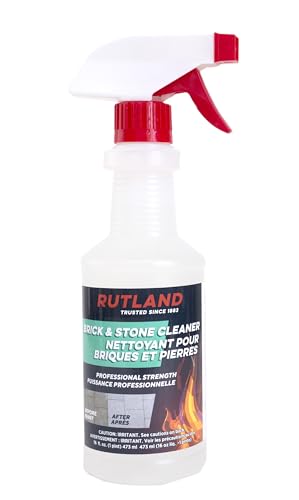
A pH-neutral or mild acidic cleaner formulated for brick and stone safely removes smoke stains, efflorescence, and organic growth without damaging mortar.
$20–$45High-Temperature Paint
Rust-resistant, heat-rated spray paint (1200°F+ rated) restores and protects metal fireboxes, chimneys, and dampers from corrosion.
$15–$30Waterproof Masonry Sealer
A breathable silane-siloxane sealer applied to exterior brick and stone surfaces repels water while allowing moisture vapor to escape, preventing spalling.
$30–$80Heavy-Duty Fireplace Cover
A UV-resistant, waterproof cover with drawstring or buckle closure protects the entire fireplace structure during extended non-use periods.
$40–$120Metal Ash Vacuum
Unlike a standard vacuum, an ash-specific unit uses a flame-retardant filter to safely collect fine ash and embers without creating a fire hazard.
$60–$150Safety Gear
Include heavy-duty gloves, safety goggles, a N95 respirator mask, and knee pads to protect yourself during cleaning and inspection tasks.
$30–$65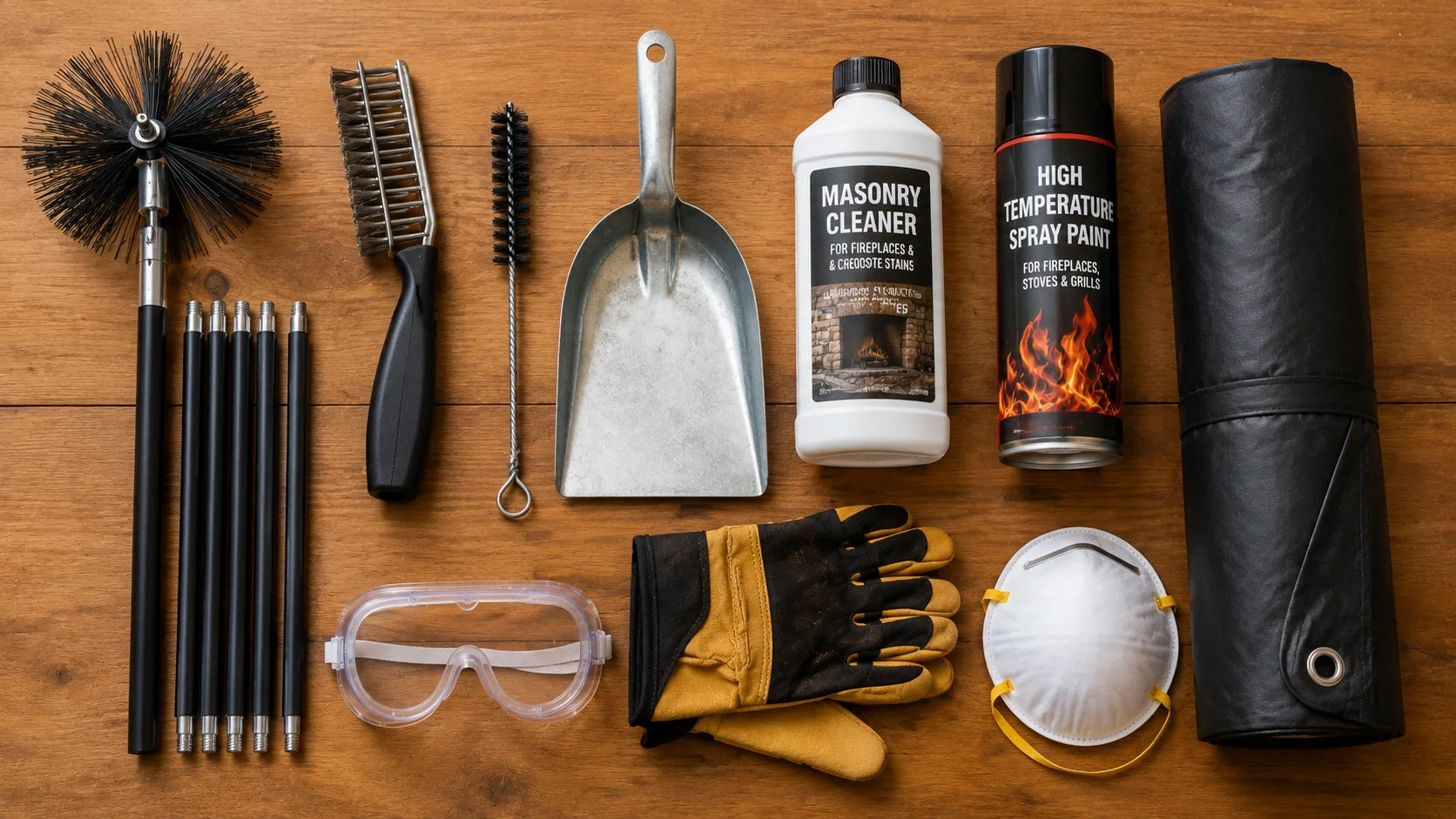
Step-by-Step Cleaning Process
Cleaning is the foundation of outdoor fireplace maintenance. Follow this sequence for a thorough, safe cleaning session. Always wait at least 24 hours after your last fire before beginning — surfaces and ash must be completely cool.
Cleaning the Firebox
- Remove all loose ash from the firebox using a metal shovel and ash container. For a deeper clean, use a metal ash vacuum to capture fine particles that a shovel misses.
- Scrub the interior walls with a stiff wire brush to loosen carbon deposits and soot buildup. Work from the top down so debris falls to the bottom of the firebox.
- Sweep out all dislodged soot and debris. For stubborn deposits, dampen a scrub brush with warm water and a small amount of masonry cleaner, then scrub and rinse.
- Inspect the firebox floor and walls for cracks, loose bricks, or deteriorating mortar. Mark any areas that need repair for later attention.
- Remove and clean the grate or log rack separately using a wire brush. Check for warping, rust spots, or structural weakness that could compromise safety.
Cleaning Brick, Stone, and Metal Exterior Surfaces
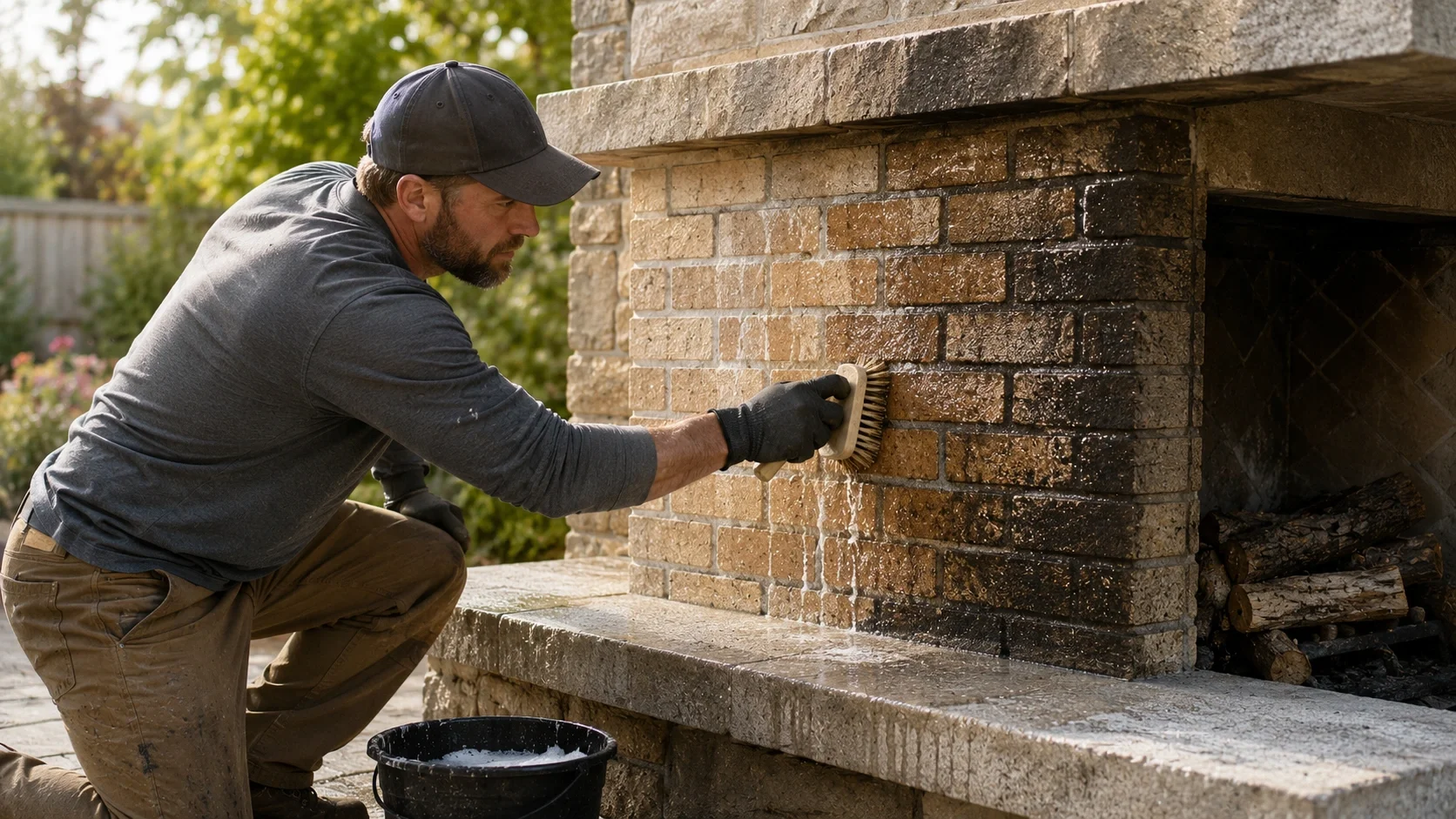
The exterior of your outdoor fireplace takes the brunt of weather exposure. Cleaning brick and stone requires a gentler approach than the firebox interior to avoid damaging the masonry face.
- Rinse the exterior surface with a garden hose on a low-pressure setting to remove loose dirt, cobwebs, and organic debris.
- Apply a masonry-safe cleaner according to the manufacturer's instructions. For light staining, a solution of warm water and mild dish soap works well. For heavier smoke stains, use a commercial brick cleaner.
- Scrub with a stiff nylon brush (not metal wire, which can scratch the surface) in circular motions. Pay extra attention to areas above the firebox opening where smoke stains concentrate.
- Rinse thoroughly with clean water. Allow the surface to dry completely for 24–48 hours before applying any sealer or paint.
- For metal components like chimney caps, spark arrestors, and steel fireboxes, use a wire brush to remove loose rust, then wipe clean and apply a rust-inhibiting primer followed by high-temperature paint.
Chimney and Venting System Inspection
The chimney is the most critical safety component of any wood-burning outdoor fireplace. A compromised chimney can lead to carbon monoxide exposure, chimney fires, or structural collapse. Even gas and ethanol units with venting systems require periodic inspection.
Checking for Creosote Buildup
Creosote is a dark, tar-like byproduct of incomplete wood combustion that accumulates on chimney walls. There are three stages of creosote buildup, and each requires a different approach:
- Stage 1 (Flaky soot): Easily removed with a standard chimney brush. This is normal and expected with regular use.
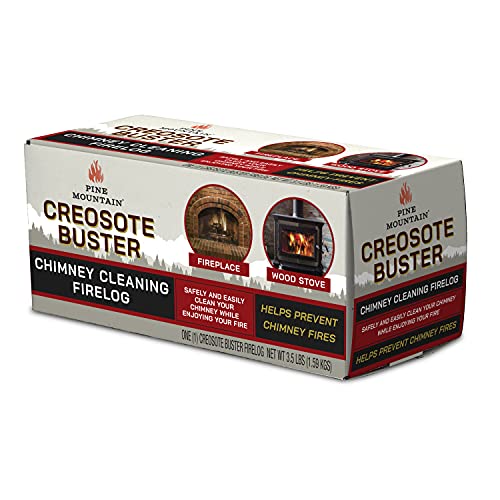
- Stage 2 (Hard, shiny black deposits): Requires a specialized flat wire brush or chemical creosote remover. This stage is a warning sign that your wood may be too wet or your fires are burning too slowly.
- Stage 3 (Drippy, tar-like glaze): Extremely flammable and difficult to remove. This requires professional chimney cleaning with chemical treatments and may indicate a serious drafting problem.
To prevent dangerous accumulation, always burn seasoned hardwood with a moisture content below 20%, and ensure your chimney has adequate draft. Read our detailed guide on creosote buildup prevention for advanced strategies.
Inspecting the Chimney Cap and Spark Arrestor
The chimney cap sits at the very top of your flue and serves two essential functions: keeping rain and debris out, and preventing sparks from escaping. During your inspection, check for:
- Rust or corrosion on metal caps — especially in coastal or high-humidity areas
- A damaged or clogged spark arrestor mesh screen that could restrict draft or allow embers to escape
- Loose or missing mounting screws that could allow the cap to blow off in high winds
- Debris accumulation from leaves, twigs, or animal nests (birds and squirrels are common invaders)
Checking for Structural Damage
Carefully examine the entire chimney structure from the ground and, if safely accessible, from a ladder. Look for:
- Cracks in the chimney crown (the concrete or mortar cap at the very top) — even hairline cracks can channel water into the chimney structure
- Spalling bricks where the face of the brick has popped off due to moisture penetration and freeze-thaw cycling
- Leaning or displaced bricks that indicate foundational settling or mortar failure
- White, powdery deposits (efflorescence) on the exterior, which signals moisture is moving through the masonry

Seasonal Maintenance Checklist
Outdoor fireplaces require different maintenance priorities depending on the season. Following a seasonal fireplace checklist ensures nothing falls through the cracks. Below is a comprehensive breakdown tailored to outdoor installations.
| Season | Key Tasks | Priority Level |
|---|---|---|
| Spring | Perform deep cleaning of firebox and chimney after winter use. Remove ash, soot, and creosote. Inspect for winter damage including cracked mortar, spalling bricks, and rust. Clean exterior surfaces. Apply masonry sealer if needed. Check and clean the chimney cap. Store or cover if not using during summer. | Critical — post-season deep clean |
| Summer | Keep the fireplace covered to prevent rain and UV damage. Inspect the cover monthly for tears or pooling water. Check for insect or animal nests in the chimney. Remove any vegetation growing near the base. Touch up high-temperature paint on exposed metal. This is the ideal time for remodeling or upgrades since the unit is not in use. | Low — protection and monitoring |
| Fall | Remove the cover and perform a pre-season inspection. Sweep the chimney if not done in spring. Test the damper operation — it should open and close smoothly. Check gas lines and connections (for gas units). Stock up on seasoned firewood. Clear leaves and debris from the hearth area and surrounding patio. Review our fall inspection guide for a detailed walkthrough. | High — pre-season preparation |
| Winter | Remove ash after every 3–4 uses to maintain airflow. Monitor for excessive smoke or drafting issues caused by cold temperatures. Keep the chimney cap clear of snow and ice. After heavy snowfall, check that the chimney structure is not overloaded. Avoid using the fireplace during extreme wind events. For cold-weather tips, see our winter preparation guide. | Moderate — routine use care |

Common Outdoor Fireplace Problems and How to Fix Them
Even with diligent maintenance, outdoor fireplaces can develop issues. Recognizing problems early allows you to address them before they escalate. Below are the most frequently encountered problems and their solutions.
Rust and Corrosion on Metal Components
Metal fireboxes, chimneys, dampers, and grates are vulnerable to rust, especially in humid or coastal climates. Wire-brush loose rust, apply a rust-converting primer, and finish with high-temperature paint rated for 1200°F or higher. For severe rust penetration, the affected component may need replacement.
Excessive Smoke or Poor Draft
If smoke billows into your face instead of rising up the chimney, check for creosote blockage, a closed or stuck damper, or a chimney that is too short relative to nearby rooflines or trees. Cold chimney syndrome (common in winter) can be resolved by pre-warming the flue with a small rolled newspaper before building the main fire. Visit our smoke problem guide for deeper troubleshooting.
Cracked or Crumbling Mortar Joints
Mortar deteriorates faster outdoors due to moisture cycling. Small cracks can be repaired by raking out the damaged mortar to a depth of ½ inch and repointing with a weather-resistant Type S mortar mix. Widespread mortar failure across multiple sections requires professional tuckpointing, which typically costs $500–$1,500 depending on the scope.
Water Pooling in the Firebox
Water entry usually traces back to a cracked chimney crown, missing chimney cap, or deteriorated mortar joints. After identifying and repairing the entry point, allow the firebox to dry completely. If water has been sitting for an extended period, check for rust on metal components and mold on masonry surfaces.
Gas Burner Won't Light or Has Weak Flame
For gas fireplace owners, a burner that won't ignite or produces a weak, uneven flame often points to clogged burner ports, a faulty thermocouple, or low gas pressure. Clean burner ports with a needle or compressed air. If the problem persists, the gas valve or thermocouple may need replacement — a job best left to a licensed gas technician.
Musty or Unpleasant Odors
A musty smell coming from your fireplace, especially during humid weather, indicates moisture absorption in the masonry. This is often accompanied by efflorescence (white salt deposits). Apply a breathable masonry sealer and ensure the chimney cap is intact. If the smell resembles creosote or ash even when not in use, you may need a more thorough chimney cleaning. See our guide on musty fireplace odors.
For a comprehensive list of problems beyond these common ones, our fireplace troubleshooting resource covers additional scenarios specific to wood, gas, and electric configurations.

Protective Covers and Weatherproofing Strategies
The single most effective thing you can do to reduce maintenance workload is invest in proper weatherproofing. Outdoor fireplaces that are covered and sealed require roughly 50% less cleaning and repair work compared to unprotected units.
Choosing the Right Cover
Not all fireplace covers are equal. A quality cover should be made from heavy-duty polyester or polyethylene with UV-resistant coating, have sealed seams to prevent water penetration, include a drawstring or buckle system for a snug fit, and feature ventilation panels to prevent condensation buildup underneath. Expect to pay $40–$120 for a cover that will last 3–5 years; cheaper covers typically tear or degrade within a single season.
Applying Masonry Sealer
A silane-siloxane penetrating sealer creates an invisible water-repellent barrier on brick and stone surfaces without changing their appearance. Unlike film-forming sealers that can trap moisture and cause spalling, penetrating sealers allow the masonry to breathe while repelling liquid water. Apply the sealer on a dry day when temperatures are between 50°F and 80°F, using a pump sprayer or roller. One application typically provides protection for 2–3 years.
Additional Weatherproofing Measures
- Install a stainless steel chimney cap if your unit does not already have one — this single addition prevents the majority of water-related damage
- Ensure the ground around the fireplace base slopes away from the structure to prevent standing water from seeping into the foundation
- Trim back trees and shrubs within 10 feet of the fireplace to reduce debris accumulation and eliminate a fire hazard
- Apply high-temperature silicone sealant to any gaps between metal and masonry junction points where water could infiltrate
Fuel-Specific Maintenance Considerations
Maintenance requirements vary significantly depending on your fireplace's fuel type. While the structural and weatherproofing tasks above apply universally, the combustion system itself demands different care.
Wood-Burning Units
Wood-burning outdoor fireplaces require the most intensive maintenance due to creosote production, ash accumulation, and the corrosive byproducts of wood combustion. Key tasks include chimney sweeping at least once per year (twice if used heavily), regular ash removal, firebox cleaning after each season, and annual inspection of the damper and flue liner. Always use properly seasoned hardwood — burning green or wet wood dramatically increases creosote and reduces efficiency. For a full breakdown, see our wood fireplace maintenance guide.
Gas Units
Gas outdoor fireplaces produce no creosote and generate minimal ash, making them lower-maintenance than wood-burning models. However, they require attention to the gas delivery system. Annual tasks include inspecting gas lines and connections for leaks using a soap bubble test, cleaning burner ports to ensure even flame distribution, checking the thermocouple and ignition system, and verifying that the venting system (if vented) is clear of obstructions. For detailed procedures, refer to our gas fireplace maintenance article. If you are comparing fuel types for a new purchase, our fire pit vs outdoor fireplace comparison may help inform your decision.
When to Hire a Professional
While many maintenance tasks are manageable as DIY projects, certain situations absolutely require a qualified professional. Attempting these tasks yourself can void warranties, create safety hazards, or result in code violations.
- Chimney sweeping — While some homeowners tackle this themselves, a certified chimney sweep has specialized equipment and the expertise to identify hidden damage that an untrained eye would miss.
- Gas line repair or installation — Any work involving gas connections must be performed by a licensed gas fitter or plumber. Gas leaks are life-threatening and legally require professional certification.
- Structural masonry repair — Repointing large sections of mortar, rebuilding a chimney crown, or replacing load-bearing bricks requires masonry expertise to ensure structural integrity.
- Chimney liner repair or replacement — A damaged flue liner is a serious fire hazard. Relining a chimney is a specialized trade that requires proper materials and installation techniques.
- Code compliance inspections — If you are selling your home, installing a new unit, or have made structural modifications, a professional annual inspection provides documentation that meets local building codes and insurance requirements.
- Persistent drafting or smoke problems — If you have cleaned the chimney and checked the damper but still experience smoke issues, there may be a structural problem with the chimney height, offset, or proximity to obstacles that requires professional diagnosis.
A professional inspection typically costs $100–$300 and chimney sweeping adds $150–$500 depending on the chimney height and condition. Scheduling a professional visit as part of your maintenance schedule is a smart investment that catches problems early and provides peace of mind.
Estimated Maintenance Costs
Understanding the cost of fireplace maintenance helps you budget appropriately and avoid surprises. Below is a realistic breakdown of what you can expect to spend, separated into DIY and professional categories.
| Maintenance Task | DIY Cost | Professional Cost |
|---|---|---|
| Ash removal and firebox cleaning | $0–$15 | $75–$150 |
| Chimney sweeping | $25–$60 (tools) | $150–$500 |
| Exterior masonry cleaning | $20–$45 | $200–$400 |
| Masonry sealer application | $30–$80 | $150–$350 |
| Rust treatment and high-temp paint | $15–$40 | $100–$250 |
| Chimney cap replacement | $75–$200 (part) | $200–$450 |
| Mortar repointing (minor) | $20–$50 | $500–$1,500 |
| Gas line inspection and service | — (not recommended) | $100–$300 |
| Full professional inspection | — | $100–$300 |
| Waterproof cover | $40–$120 | — |
| Estimated Annual Total | $100–$300 | $350–$1,000 |
Frequently Asked Questions
How often should I clean my outdoor fireplace?
You should remove ash and debris after every use. A thorough deep cleaning including the firebox, chimney, and exterior surfaces should be performed at least twice a year — once in spring after the burning season and once in fall before you start using it again. If you use your fireplace heavily (more than 3 times per week during winter), increase chimney cleaning to 2–3 times per year.
Can I use a regular vacuum to clean ash?
No. Standard household vacuums are not designed to handle fine ash and can overheat or ignite hidden embers, creating a serious fire hazard. Always use a purpose-built ash vacuum with a flame-retardant filter system, or stick to a metal shovel and ash container for manual removal.
Do gas outdoor fireplaces need chimney cleaning?
Gas fireplaces do not produce creosote, so they do not need traditional chimney sweeping. However, the venting system (whether direct-vent, B-vent, or natural draft) should be inspected annually for blockages from debris, insect nests, or corrosion. The burner and logs should also be cleaned to maintain proper flame appearance and efficiency.
How long does an outdoor fireplace last with proper maintenance?
A well-maintained masonry outdoor fireplace can last 30–50 years or more. Metal prefabricated units typically last 15–25 years with proper care. The key factor is consistency — a fireplace that receives regular seasonal maintenance will far outlast one that is only serviced when problems become visible. Learn more about expected lifespans in our fireplace lifespan guide.
Is it okay to leave my outdoor fireplace uncovered in summer?
While not immediately catastrophic, leaving your fireplace uncovered during months of rain and sun exposure significantly accelerates deterioration. UV rays degrade mortar over time, rain introduces moisture that causes freeze-thaw damage, and debris accumulates in the firebox and chimney. A cover costs $40–$120 and can save you hundreds in premature repairs. For comprehensive off-season guidance, see our summer fireplace care tips.
What type of wood should I burn to reduce maintenance?
Burn only seasoned hardwoods such as oak, hickory, maple, or ash that have been dried for at least 6–12 months to a moisture content below 20%. Avoid softwoods like pine and cedar (which produce more creosote), pressure-treated lumber (which releases toxic chemicals), and any painted or coated wood. Proper fuel choice is the single biggest factor in reducing creosote buildup and extending the time between chimney cleanings.
Final Thoughts
Outdoor fireplace maintenance is not complicated, but it does require consistency. The homeowners who get the most years of safe, enjoyable use from their fireplaces are the ones who follow a structured schedule — cleaning after every use, performing deep maintenance in spring and fall, and investing in professional inspections annually.
By following the steps outlined in this guide, you will protect your investment, reduce the risk of dangerous chimney fires and carbon monoxide exposure, keep your fireplace looking attractive, and avoid the steep costs of emergency repairs. A well-maintained outdoor fireplace is not just a heat source — it is the centerpiece of your outdoor living space that brings family and friends together for years to come.
Ready to upgrade your maintenance supplies or replace worn-out components? Browse our recommended products below, each selected for reliability and value in outdoor fireplace care.