Indoor vs Outdoor Fireplace: Which is Right for You?
Comprehensive comparison to help you choose between an indoor or outdoor fireplace based on your space, needs, and budget
COMPARE NOWWhen considering adding a fireplace to your home, one of the first decisions you'll need to make is whether to install an indoor or outdoor model. Both options offer unique benefits and considerations that can significantly impact your home's value, your comfort, and your overall satisfaction with the investment.
This comprehensive guide will walk you through everything you need to know about indoor fireplaces and outdoor fireplaces, helping you make an informed decision based on your specific circumstances, preferences, and budget.
Understanding the Basics

Indoor Fireplaces
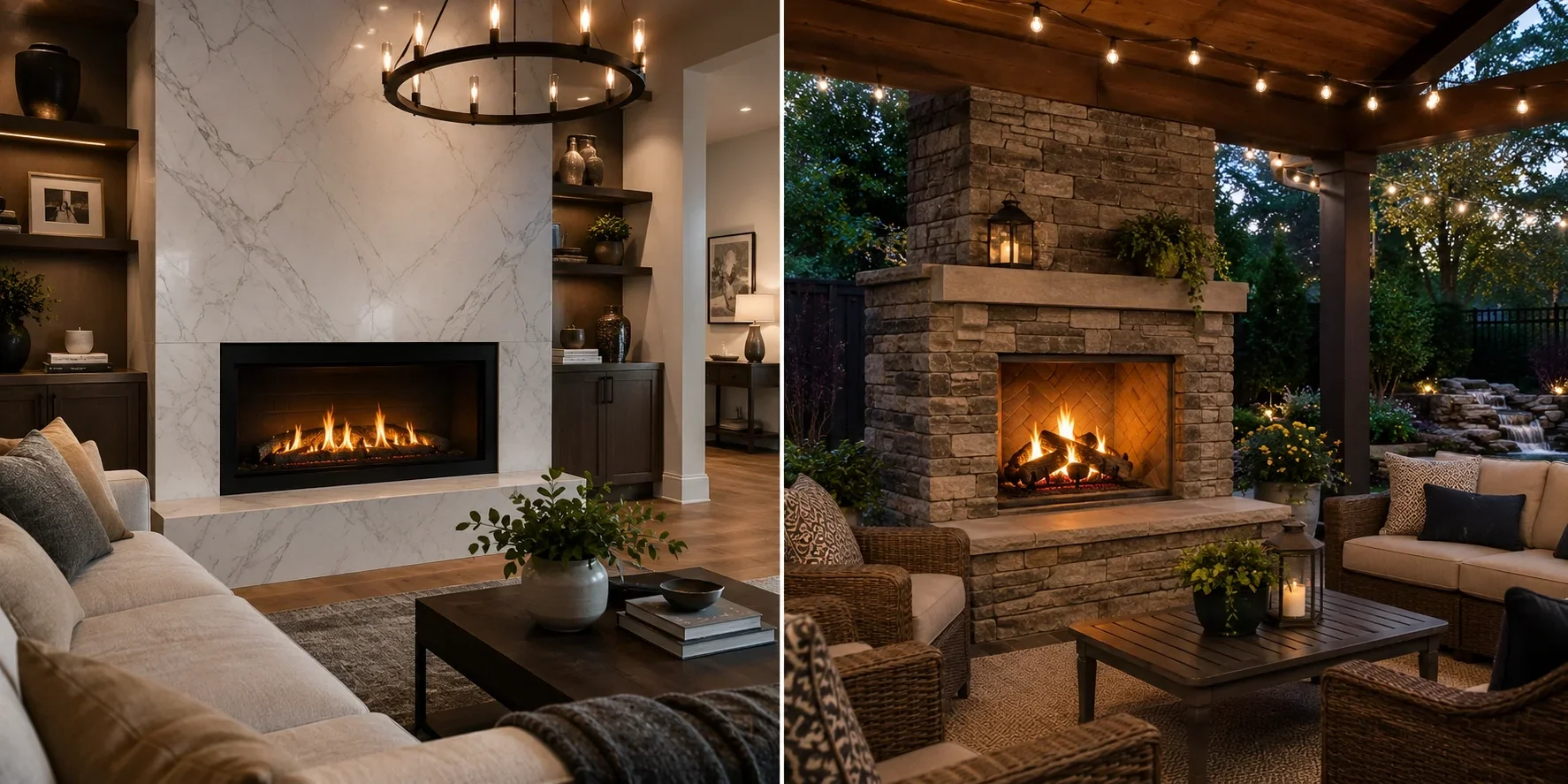
Indoor fireplaces are installed within the interior of your home, providing warmth, ambiance, and often serving as a focal point for your living space. They come in various styles including modern designs, traditional looks, and rustic options.
- Primary heating source or supplemental warmth
- Year-round use with or without heat
- Increases home value by 6-12%
- Multiple fuel options: electric, gas, wood, ethanol
- Various installation types: wall-mounted, built-in, freestanding
Outdoor Fireplaces
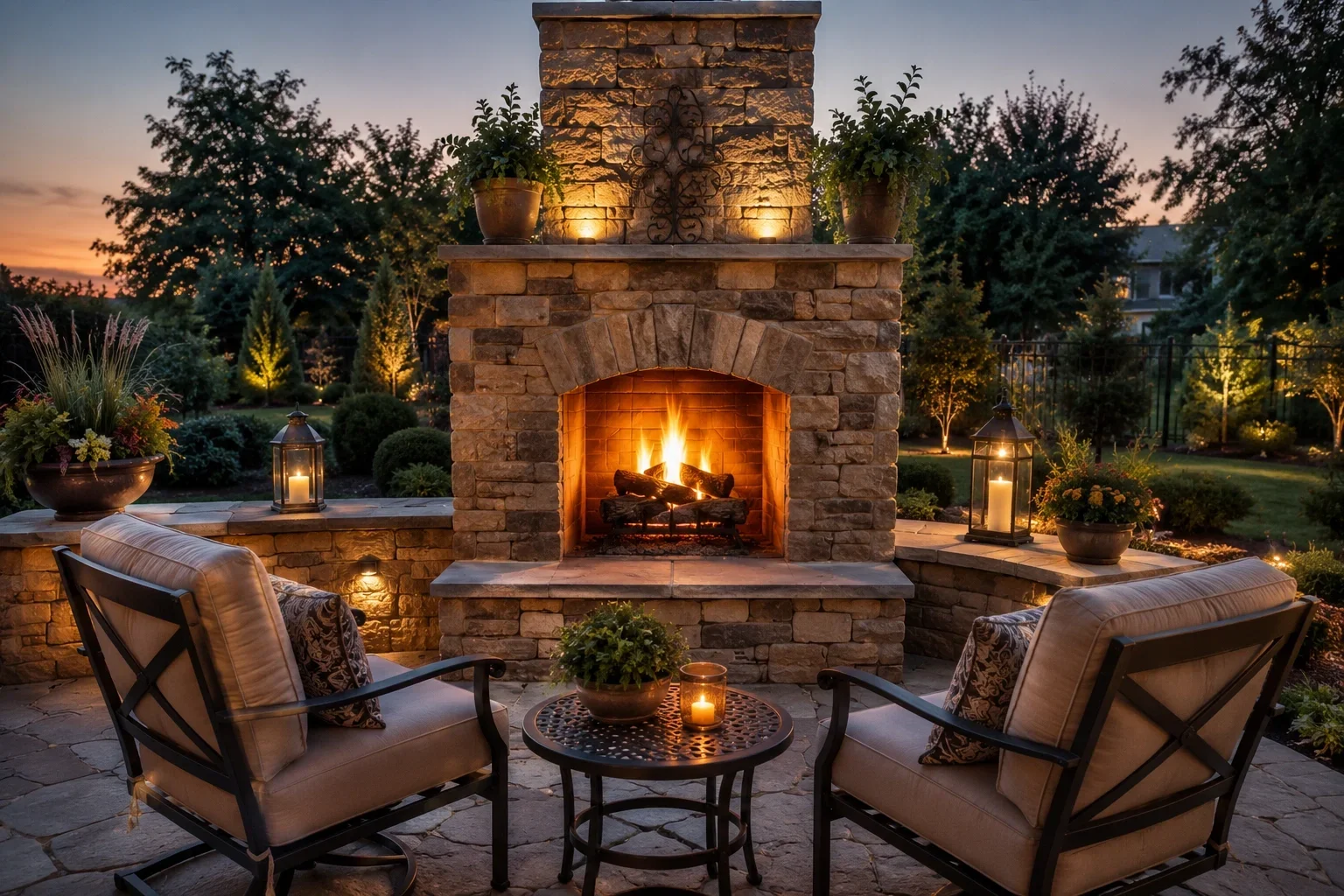
Outdoor fireplaces are designed for exterior spaces like patios, decks, and gardens. They extend your living area outdoors and create a gathering spot for entertainment. Options range from DIY projects to professionally installed structures.
- Extends usable outdoor living space
- Creates a focal point for outdoor gatherings
- Multiple design options: built-in, portable, fire pits
- Can include cooking features
- Weather-resistant materials required
Detailed Feature Comparison
| Feature | Indoor Fireplace | Outdoor Fireplace |
|---|---|---|
| Primary Purpose | Heating and interior ambiance | Outdoor entertainment and ambiance |
| Installation Complexity | Varies by type (simple for electric, complex for wood) | Generally more complex due to weatherproofing |
| Venting Requirements | Required for gas and wood burning | Required for most types except some portable options |
| Building Permits | Often required for gas and wood burning | Almost always required for permanent structures |
| Year-Round Use | Yes, with or without heat function | Limited to suitable weather conditions |
| Maintenance Requirements | Regular cleaning and annual inspections | Weather protection and seasonal maintenance |
| Return on Investment | 6-12% increase in home value | 3-7% increase in home value |
| Safety Considerations | Carbon monoxide, indoor air quality | Fire hazards, proper clearance from structures |
Pros and Cons Analysis
Indoor Fireplace Pros & Cons
- Provides functional heating for your home
- Creates a cozy atmosphere year-round
- Increases home value significantly
- Wide variety of styles to match any decor
- Multiple fuel options for different needs
- Can serve as a focal point in your living room or bedroom
Cons:
- Installation can be invasive and expensive
- Requires regular maintenance
- May need structural modifications
- Safety concerns with children and pets
- Potential for indoor air quality issues with some types
Outdoor Fireplace Pros & Cons
- Extends your living space outdoors
- Creates an entertainment focal point
- Less concern about indoor air quality
- Can include cooking features like grills
- More design flexibility with materials
- Less restrictive building codes in some areas
Cons:
- Weather-dependent usage
- Higher initial installation investment for permanent structures
- Requires weatherproof materials
- May need additional seating and landscaping
- Seasonal maintenance requirements

Value Tier Comparison
Investment Breakdown: Indoor vs Outdoor Fireplaces
Indoor Fireplace Tiers
Electric models typically start at entry-level, while gas fireplaces typically fall in the mid-range. Premium wood-burning fireplaces can reach the luxury tier.
Outdoor Fireplace Tiers
Portable outdoor fireplaces typically start at entry-level, while built-in structures fall in the mid-range to premium. Custom masonry designs can reach the luxury tier.
Indoor Installation Tiers
Simple electric fireplace installation is DIY-friendly, while complex gas or wood installations with venting fall in the mid-range to premium tier.
Outdoor Installation Tiers
Basic installations start at entry-level, but complete setups with foundations, utilities, and landscaping can easily reach the luxury tier.
Indoor Maintenance Tiers
Annual inspections, cleaning, and minor repairs. Chimney cleaning for wood-burning units falls in the mid-range service tier.
Outdoor Maintenance Tiers
Seasonal maintenance, weatherproofing, and occasional repairs. Covering and protecting during harsh weather is essential.
Key Decision Factors
Choose an Indoor Fireplace If:
• Your primary goal is heating your home and reducing energy costs
• You want to increase your home's resale value significantly
• You desire a year-round focal point in your living space
• You have adequate space and structural support for installation
• You're concerned about consistent usability regardless of weather
• You want to enhance your indoor living experience
Choose an Outdoor Fireplace If:
• You want to extend your living and entertaining space outdoors
• You enjoy hosting gatherings and outdoor activities
• You have a suitable outdoor area that could benefit from a focal point
• You're less concerned about year-round usability
• You want more design flexibility with materials and styles
• You're interested in multi-functional features like cooking capabilities
Fuel Options by Location
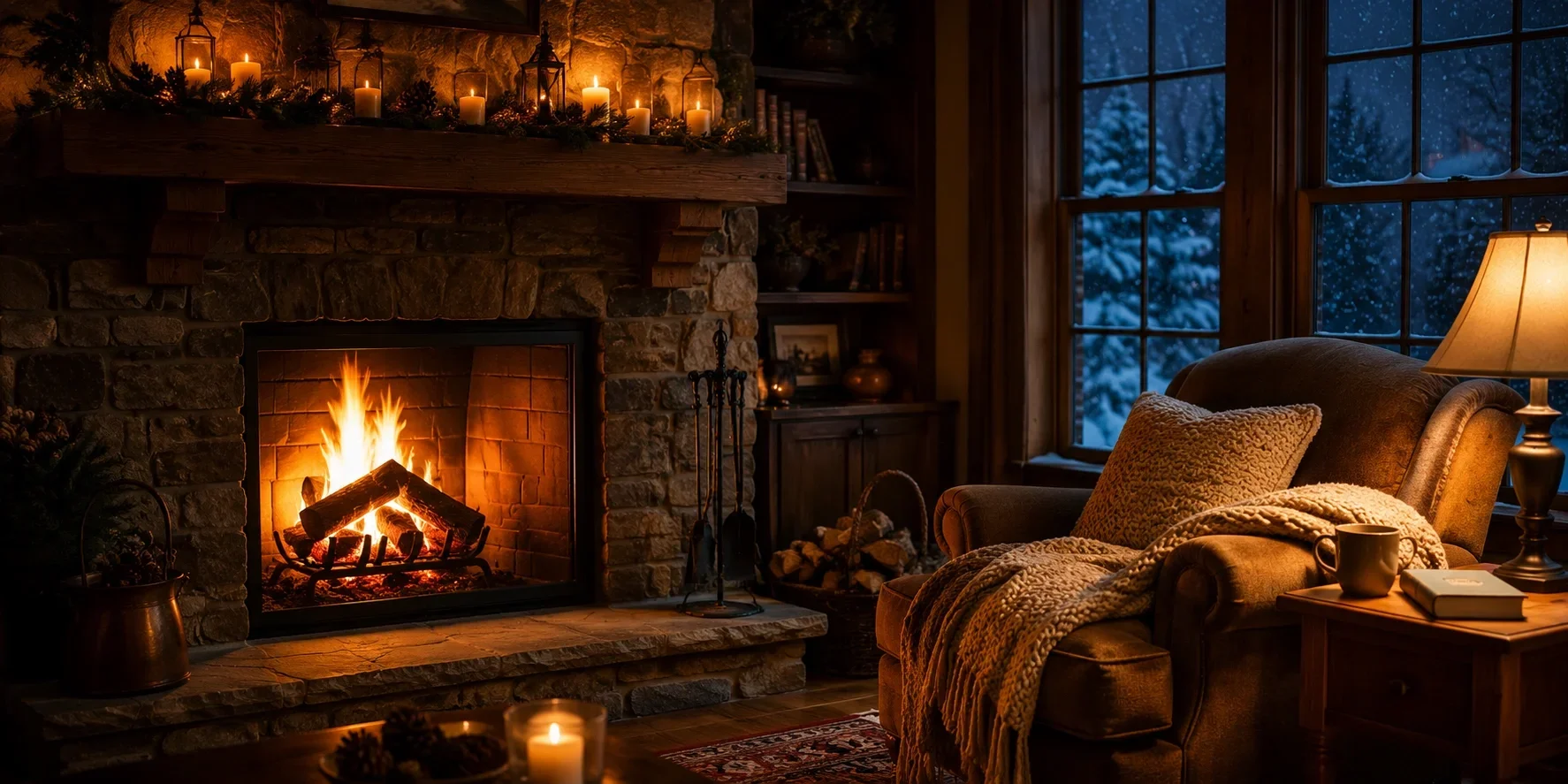
Both indoor and outdoor fireplaces offer multiple fuel options, but some work better in specific environments:
Indoor Fuel Options
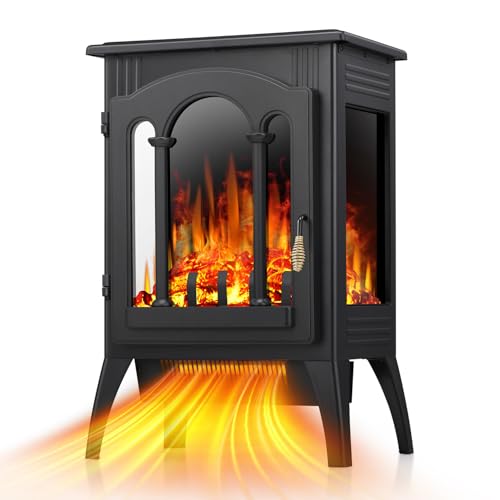
Electric: Most versatile for indoor use with no venting required. Ideal for apartments and homes without chimneys. Electric fireplaces can be installed anywhere with a standard outlet.
Gas: Provides realistic flames with convenient operation. Gas fireplaces require proper venting but offer excellent heat output and control.
Wood: Traditional option with authentic experience but requires chimney and more maintenance. Wood-burning fireplaces offer the highest heat output but need more space and upkeep.
Ethanol: Clean-burning option with no venting required. Ethanol fireplaces are ideal for modern designs but have lower heat output.
Outdoor Fuel Options
Wood: Most popular for outdoor use, providing authentic campfire experience. Works well in outdoor fireplaces with proper airflow.
Gas: Convenient option for consistent heat and easy ignition. Propane fireplaces are popular for outdoor use where natural gas lines aren't available.
Gel: Clean-burning alternative for smaller outdoor spaces. Less heat output but creates nice ambiance without smoke.
Installation Considerations
Installation requirements differ significantly between indoor and outdoor fireplaces:
Indoor Installation
Indoor installations must comply with strict building codes and safety standards. Installation requirements vary by fuel type:
- Electric: Minimal requirements, typically just a standard outlet
- Gas: Requires gas line, venting system, and often permits
- Wood: Needs chimney, proper clearance, and structural support
- Ethanol: Minimal requirements but needs proper ventilation for air quality
Outdoor Installation
Outdoor installations focus on weatherproofing and proper placement:
- Foundation requirements for permanent structures
- Weather-resistant materials and construction techniques
- Proper clearance from combustible materials and structures
- Utility connections for gas or electric models
- Local zoning regulations and permits
Maintenance Requirements
Both types of fireplaces require regular maintenance, but the focus differs:
Indoor Fireplace Maintenance
Indoor fireplace maintenance focuses on safety and efficiency:
- Annual professional inspections for gas and wood-burning units
- Regular glass cleaning for optimal appearance
- Chimney cleaning for wood-burning fireplaces to prevent creosote buildup
- Checking and replacing gaskets and seals
- Testing safety features like carbon monoxide detectors
Outdoor Fireplace Maintenance
Outdoor fireplace maintenance focuses on weather protection:
- Seasonal cleaning and inspection before use
- Weatherproofing and covering during harsh conditions
- Checking for water damage or rust on metal components
- Repairing mortar joints and seals as needed
- Protecting from debris and animal intrusion when not in use
Making Your Final Decision
Choosing between an indoor and outdoor fireplace ultimately depends on your primary goals, budget, and living situation. If you're looking for practical heating, year-round usability, and maximum return on investment, an indoor fireplace is likely your best option.
On the other hand, if you want to enhance your outdoor living space, create an entertainment area, and enjoy the ambiance of an open fire in a natural setting, an outdoor fireplace might be the perfect choice.
For homeowners with sufficient budget and space, having both types can provide the best of both worlds—practical indoor heating and enhanced outdoor entertainment capabilities. Whatever you decide, proper installation, regular maintenance, and adherence to safety guidelines will ensure you enjoy your fireplace for years to come.
Before making your final decision, consider consulting with a professional fireplace installer who can assess your specific space, provide personalized recommendations, and give you accurate value tier estimates for your particular situation.