Fireplace Types: The Ultimate 2026 Guide
Electric, gas, wood, ethanol, propane, or water vapor — compare pros, cons, running costs, and choose the perfect heating & ambiance solution.
COMPARE NOW →Not sure which fireplace fits your home? With so many options, understanding the differences between electric fireplaces, gas fireplaces, wood-burning fireplaces, and eco-friendly ethanol fireplaces is the first step to a wise investment. This guide breaks down each type based on installation, fuel source, BTU output, and total cost of ownership — helping you make a confident purchase decision.
6 Main Fireplace Types Compared
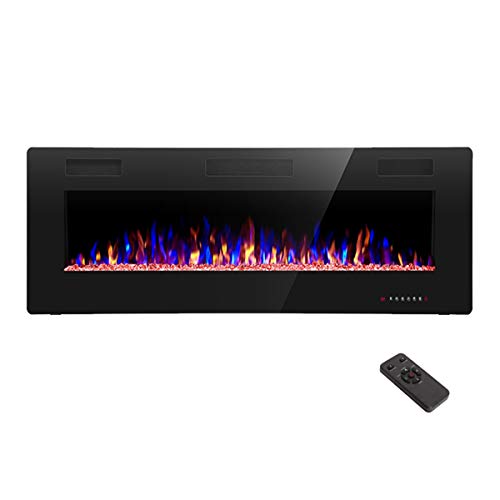
⚡ Electric Fireplace
Plug-and-play, no venting or chimney needed. Provides zone heating with realistic LED flames. Perfect for apartments, condos, or supplemental warmth up to 400 sq ft. Typical BTU: 4,600–5,200 BTU (1,500W).
✓ Pros
- Low upfront cost
- Zero emissions
- Safe to touch
- Easy DIY install
✗ Cons
- Not for primary heating
- Requires electricity
- Less authentic crackle
Best for: Renters, small rooms, small spaces, and low-maintenance ambiance lovers.
🔥 Gas Fireplace
Clean-burning natural gas or propane. Provides robust heat (15,000–40,000 BTU) with realistic flames. Direct-vent or ventless options available. Professional installation required but offers excellent convenience.
✓ Pros
- High heat output
- Thermostat control
- Low maintenance
- Works during outage (if battery backup)
✗ Cons
- Higher initial cost
- Requires gas line
- Venting needed (most models)
Best for: Homeowners wanting efficient zone heating and authentic flame realism. Compare gas vs electric side-by-side.
See gas models →🪵 Wood-Burning Fireplace
Traditional charm with crackling sounds and high heat (30,000–60,000 BTU). Requires chimney/venting, seasoned firewood, and regular cleaning. EPA-certified models reduce emissions.
✓ Pros
- Off-grid heating
- Authentic sensory experience
- Low fuel cost (if local wood)
- High heat output
✗ Cons
- Messy ash & smoke
- Annual chimney cleaning
- Labor-intensive
Best for: Rustic homes, cabins, those who love the ritual of fire. See wood fireplace maintenance tips to extend lifespan.
Learn about wood models →🌿 Ethanol Fireplace
Ventless, eco-friendly bioethanol fuel. Real flames without smoke, ash, or chimney. Ideal for modern design and indoor spaces where traditional venting is impossible. Heat output: 8,000–15,000 BTU.
✓ Pros
- No venting needed
- Clean burning
- Modern aesthetic
- Portable options
✗ Cons
- Lower heat output
- Fuel can be pricey
- Not for primary heat
Best for: Design-forward homes, apartments without flues, and secondary ambiance heating. Compare ethanol vs electric.
Shop ethanol fireplaces →💨 Propane Fireplace
Excellent alternative where natural gas is unavailable. Uses propane tank (above or below ground). BTU range: 20,000–40,000 BTU. Available as ventless or direct-vent models.
✓ Pros
- Powerful heating
- Works without gas lines
- Same convenience as gas
- Ideal for rural homes
✗ Cons
- Fuel delivery logistics
- Tank lease or purchase
- Venting usually required
Best for: Off-grid homes, outdoor fireplaces, and remote locations. Check propane vs natural gas for cost analysis.
Compare propane models →💧 Water Vapor Fireplace
Ultrasonic technology creates ultra-realistic 3D flame effect using water mist and LED lighting. No heat (optional heater available). Completely safe and eco-friendly, perfect for businesses or allergy-friendly homes.
✓ Pros
- Hyper-realistic flame
- No emissions or venting
- Humidifies the room
- Cool to touch
✗ Cons
- Minimal or no heat
- Requires distilled water
- Higher price than electric
Best for: Luxury ambiance, commercial spaces, and homes with children/pets. Compare water vapor vs electric.
Discover vapor models →📐 How Many BTU Do You Need? (Room Sizing Chart)
Before selecting a fireplace type, calculate the required heating capacity. Multiply your room's square footage by 20–25 BTU per sq ft for average insulation. Example: 400 sq ft living room → 8,000–10,000 BTU.
- Small room (100–300 sq ft): 4,000–6,000 BTU → Electric or ethanol.
- Medium room (300–600 sq ft): 8,000–15,000 BTU → Gas or powerful electric.
- Large open space (600–1,200+ sq ft): 20,000–40,000 BTU → Wood, gas, or propane.
Read our detailed BTU guide and heating capacity calculator for precise sizing.
Fireplace Types At-a-Glance Comparison
| Fireplace Type | Fuel | BTU Range | Venting Required | Efficiency | Avg Installation Cost |
|---|---|---|---|---|---|
| Electric | Electricity | 4,600–5,200 | No | 99% | $0–$300 (DIY) |
| Gas (Natural Gas) | Natural Gas | 15,000–40,000 | Yes (direct vent most) | 75–85% | $1,500–$4,000 |
| Wood | Firewood | 30,000–60,000 | Chimney required | 60–80% (EPA) | $3,000–$8,000 |
| Ethanol | Bioethanol | 8,000–15,000 | No | ~85% | $200–$1,000 |
| Propane | Propane | 20,000–40,000 | Usually yes | 75–85% | $2,000–$5,500 |
| Water Vapor | Water + Electricity | Optional heater up to 5,000 | No | N/A (ambiance) | $500–$1,500 |
Which Fireplace Type Should You Choose?
Start by identifying your primary goal: heating, ambiance, or both? For primary home heating, gas or wood fireplaces offer the highest BTU output, but require venting and professional installation. If you love modern fireplace design but live in an apartment, electric or ethanol are your go-to choices. For a rustic cabin, a wood-burning fireplace brings unmatched authenticity.
If you're renovating, consider fireplace inserts to upgrade an old masonry hearth. And don't miss our comprehensive buying guide, which covers everything from permits to hidden costs. Also, see how different styles fit specific rooms: living room fireplaces, bedroom fireplaces, or even kitchen fireplaces.
For those concerned with long-term savings, read our comparison: electric vs gas running costs and the truth about most efficient fireplace types. And if you're on a tight budget, a small electric fireplace can transform a room for under $200.
Maintenance & Troubleshooting by Type
Each fireplace type demands specific care. Electric fireplaces need only dusting and fan cleaning. Gas fireplaces require annual inspection of burners and cleaning the glass. Wood fireplaces demand chimney sweeping and creosote removal. Ethanol models: simple wipe-down and fuel storage. Check our complete maintenance schedule for year-round protection.
Encounter issues? Our fireplace troubleshooting hub solves problems like gas fireplace won't light or electric fireplace not heating. Make sure to understand ventilation requirements before buying a vented model.