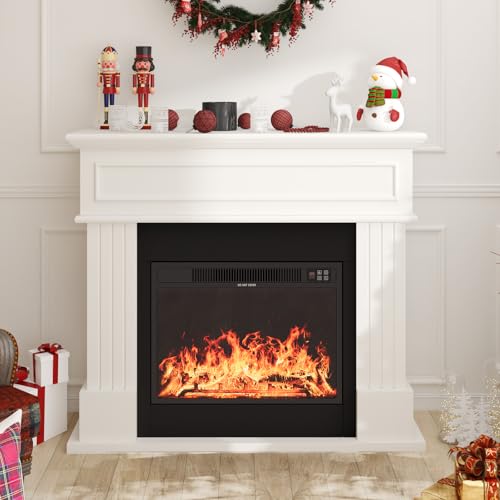
Ventless vs Electric Fireplace Safety: What You Need to Know
A comprehensive comparison of safety features, potential risks, and regulatory considerations to help you make an informed decision
VIEW SAFETY COMPARISONIntroduction: Safety Should Be Your Top Priority
When choosing a fireplace for your home, safety should be your primary consideration. Both ventless fireplaces and electric fireplaces offer unique advantages, but they differ significantly in their safety profiles. Understanding these differences is crucial for protecting your family and property.
According to the National Fire Protection Association (NFPA), heating equipment is a leading cause of home fires, with fireplaces contributing to thousands of incidents annually. By selecting the right type of fireplace and following proper safety protocols, you can significantly reduce these risks.

This comprehensive guide examines the safety aspects of both fireplace types, helping you make an informed decision based on your specific needs, home layout, and safety priorities. Whether you're considering a wall-mounted electric fireplace for your living room or a ventless gas fireplace for supplemental heating, understanding the safety implications is essential.
Understanding Ventless Fireplaces
Ventless fireplaces, also known as vent-free or unvented fireplaces, operate without a chimney or external venting system. They burn natural gas or propane and release combustion byproducts directly into the living space. While these units are designed to burn cleanly and efficiently, they do produce some level of emissions that must be carefully managed.
⚠️ Important Safety Notice
Ventless fireplaces are not approved for use in all areas. Some states, municipalities, and even specific apartment buildings prohibit their installation. Always check local building codes and regulations before purchasing a ventless fireplace.
How Ventless Fireplaces Work
Ventless fireplaces are designed to burn gas at nearly 100% efficiency, meaning almost all fuel is converted to heat with minimal byproducts. They include safety features such as oxygen depletion sensors (ODS) that automatically shut off the unit if oxygen levels in the room drop below safe thresholds.

However, even with these safety mechanisms, ventless fireplaces produce:
- Carbon monoxide (though in small amounts)
- Carbon dioxide
- Nitrogen dioxide
- Water vapor (which can increase humidity and potentially cause mold issues)
Ventless Fireplace Safety Features
Modern ventless fireplaces incorporate several safety mechanisms:
- Oxygen Depletion Sensor (ODS): Automatically shuts off the fireplace if oxygen levels drop below 18%
- Automatic Shut-off Valves: Cut gas flow if the flame goes out unexpectedly
- Flame Failure Devices: Prevent gas from flowing if the pilot light extinguishes
- Overheat Protection: Temperature sensors that shut down the unit if it gets too hot
Understanding Electric Fireplaces
Electric fireplaces represent a different approach to home heating and ambiance. They don't burn any fuel, produce no combustion byproducts, and generate heat through electrical resistance or infrared technology. This fundamental difference eliminates many of the safety concerns associated with fuel-burning fireplaces.

How Electric Fireplaces Work
Electric fireplaces use either fan-forced or infrared heating technology to warm a room. The "flame" effect is created using LED lights and rotating mirrors or water vapor technology, providing visual ambiance without actual combustion. This makes them inherently safer from a respiratory and fire hazard perspective.
Electric Fireplace Safety Features
While electric fireplaces have fewer inherent risks, quality models still include important safety features:
- Overheat Protection: Automatic shut-off if internal temperatures exceed safe limits
- Cool-to-Touch Exterior: Designed to remain safe to touch even during operation
- Tip-Over Switches: Automatically shut off if the unit is accidentally knocked over (mainly for portable models)
- Child Safety Locks: Prevent accidental operation by children
- Timer Functions: Allow you to set the fireplace to turn off automatically
Direct Safety Comparison
When comparing ventless vs electric safety profiles, several key factors emerge:
Ventless Fireplace Safety
-
Carbon Monoxide Risk: While minimal with proper operation, there is still a risk of CO production
-
Oxygen Depletion: Can reduce oxygen levels in tightly sealed spaces
-
Moisture Issues: Produces water vapor that can increase humidity and promote mold
-
No External Venting: Eliminates risks associated with chimney fires and carbon monoxide backdraft
Electric Fireplace Safety
-
Zero Combustion: No burning of fuel means no carbon monoxide or other combustion byproducts
-
No Oxygen Consumption: Doesn't affect room oxygen levels
-
No Moisture Production: Doesn't increase humidity or promote mold growth
-
Electrical Hazards: Risk of electrical fires if improperly installed or maintained
Detailed Safety Features Comparison
| Safety Factor | Ventless Fireplace | Electric Fireplace |
|---|---|---|
| Carbon Monoxide Risk |
Small amounts produced; requires CO detector |
No combustion means zero CO production |
| Oxygen Depletion |
Consumes oxygen; ODS provides protection |
Doesn't consume oxygen |
| Fire Hazard |
Real flame but contained; no chimney fire risk |
No real flame; electrical components can overheat |
| Burn Risk |
Glass can become extremely hot |
Typically cool-to-touch exterior |
| Indoor Air Quality |
Can affect air quality with byproducts |
Doesn't affect indoor air quality |
| Installation Safety |
Gas line installation required |
Simple plug-and-play installation |
| Maintenance Safety |
Annual inspection recommended |
Occasional dusting only |
| Regulatory Compliance |
Check local codes before purchasing |
No restrictions on installation |
Carbon Monoxide: The Critical Safety Factor
Carbon monoxide (CO) is an odorless, colorless gas that can be deadly in high concentrations. This is perhaps the most significant safety distinction between ventless and electric fireplaces.

Ventless Fireplaces and Carbon Monoxide
While modern ventless fireplaces are designed to burn cleanly and produce minimal CO, they are not completely risk-free. Factors that can increase CO production include:
- Improper adjustment of gas pressure
- Dirt or dust buildup on burners
- Damage to internal components
- Lack of proper maintenance
- Using the fireplace in a space that's too small for its BTU rating
⚠️ Critical Safety Requirement
If you choose a ventless fireplace, you MUST install a carbon monoxide detector in the same room. This is not optional—it's a critical safety measure that can save lives. Test the detector regularly and replace batteries according to manufacturer recommendations.
Electric Fireplaces and Carbon Monoxide
Electric fireplaces eliminate carbon monoxide concerns entirely because they don't burn any fuel. This makes them inherently safer in this critical aspect, particularly for homes with children, elderly residents, or individuals with respiratory conditions.
Installation and Placement Safety
Proper installation is crucial for the safe operation of any fireplace. The requirements differ significantly between ventless and electric options.
Ventless Fireplace Installation Safety
Installing a ventless fireplace requires careful consideration of several safety factors:
- Room Size Requirements: Must match the BTU rating to the room's cubic footage
- Air Exchange: Adequate ventilation or air exchange with other parts of the home
- Gas Line Installation: Professional installation of gas lines is essential
- Clearances: Proper distance from combustible materials
- Prohibited Locations: Cannot be installed in bedrooms or bathrooms in many jurisdictions

Electric Fireplace Installation Safety
Electric fireplace installation is generally simpler and safer:
- No Special Ventilation: Can be installed in any room without ventilation concerns
- Simple Electrical Requirements: Standard household outlets for most models
- Flexible Placement: Can be installed in bedrooms, bathrooms, and other spaces where ventless fireplaces might be prohibited
- DIY Installation: Most homeowners can safely install without professional help
Maintenance Safety Requirements
Regular maintenance is essential for both types of fireplaces, but the nature and frequency of required maintenance differs significantly.
Ventless Fireplace Maintenance
Ventless fireplace maintenance includes:
- Annual professional inspection to check for gas leaks and component integrity
- Regular cleaning of burners and logs to ensure clean combustion
- Testing of safety features like the oxygen depletion sensor
- Checking for proper flame color (blue indicates efficient combustion; yellow may indicate problems)
- Ensuring adequate room ventilation during operation
Electric Fireplace Maintenance
Electric fireplace maintenance is minimal:
- Occasional dusting of the unit and internal components
- Checking electrical cords for damage
- Ensuring the unit has adequate space around it for air circulation
- Replacing LED lights if the flame effect dims (typically after years of use)
Special Safety Considerations
For Homes with Children and Pets
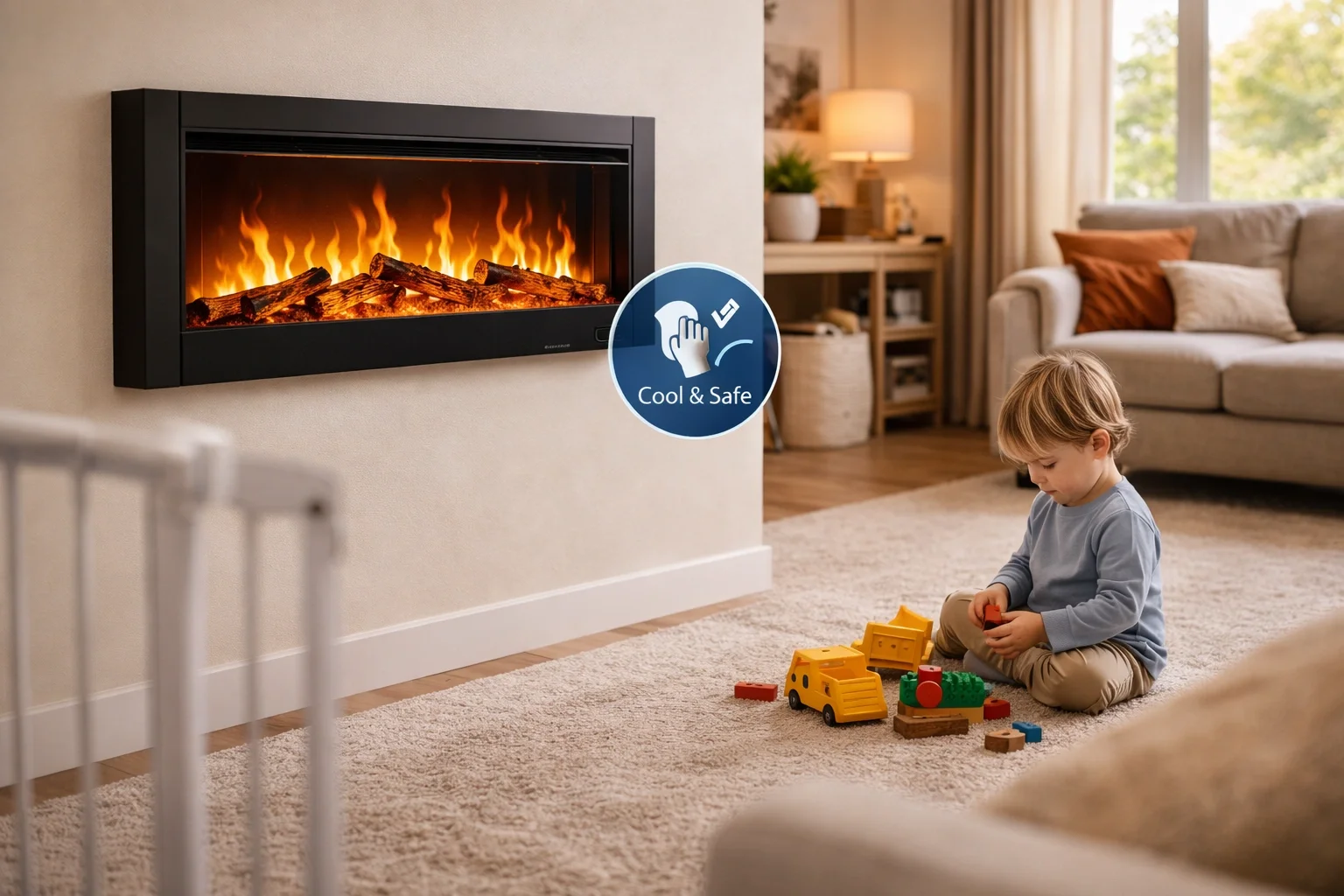
When considering fireplace safety for children and pets, electric fireplaces generally have the advantage:
- Cool-to-touch exteriors reduce burn risks
- No hot glass surfaces to worry about
- No open flame to attract curious children
- Can be placed at higher locations (wall-mounted) out of reach
For Small or Poorly Ventilated Spaces
If you're looking for a fireplace for a small space, electric options are generally safer:
- No oxygen consumption concerns
- No moisture production that could lead to mold
- No buildup of combustion byproducts in confined spaces
- More flexibility in placement options
For Bedrooms and Sleeping Areas
When considering bedroom fireplace ideas, electric fireplaces are typically the safer choice:
- No risk of carbon monoxide buildup while sleeping
- No oxygen depletion concerns in closed bedrooms
- Can be safely left on low settings for overnight comfort (with timer functions)
- Generally permitted in bedrooms where ventless fireplaces may be prohibited
Cost Considerations Related to Safety
When evaluating the cost of fireplace ownership, safety-related expenses should be factored in:
Ventless Fireplace Safety Costs
- Carbon monoxide detectors: $30-$80
- Professional installation: $500-$1,500
- Annual professional inspections: $100-$200 per year
- Potential additional ventilation requirements: $200-$1,000+
Electric Fireplace Safety Costs
- Professional installation (if hardwired): $200-$500
- Surge protector (recommended): $20-$50
- No recurring inspection costs
- Minimal maintenance expenses
Making Your Safety Decision
When choosing between ventless and electric fireplaces from a safety perspective, consider these key questions:
- Does your local code allow ventless fireplaces?
- Do you have adequate room size and ventilation for a ventless unit?
- Will you commit to regular maintenance and annual inspections for a ventless fireplace?
- Do you have vulnerable family members (children, elderly, respiratory conditions) who might be more affected by combustion byproducts?
- Will you install and maintain carbon monoxide detectors if choosing a ventless fireplace?
- Is the fireplace intended for a bedroom or other space where ventless models might be prohibited?
For most homeowners prioritizing safety, electric fireplaces offer the most straightforward safety profile with minimal maintenance requirements and no combustion-related risks. However, if you prefer the realism of a gas flame and can commit to proper installation, maintenance, and safety precautions, a ventless fireplace can still be a safe option when used correctly.
Safety Verdict: Which Is Safer?
When evaluating ventless vs electric safety objectively, electric fireplaces have a clear safety advantage in most residential settings:
Ventless Fireplace Safety Rating
Ventless fireplaces can be safe when properly installed, maintained, and operated according to manufacturer guidelines. However, they require ongoing vigilance, regular professional inspections, and additional safety equipment like carbon monoxide detectors.
Electric Fireplace Safety Rating
Electric fireplaces offer the highest level of safety with no combustion byproducts, no carbon monoxide risk, and minimal maintenance requirements. They're particularly well-suited for homes with children, elderly residents, or individuals with respiratory concerns.
Ultimately, the safest fireplace is one that matches your home's capabilities, your commitment to maintenance, and your family's specific needs. By understanding the safety profiles of both options, you can make an informed decision that prioritizes your family's wellbeing while still enjoying the comfort and ambiance of a fireplace in your home.