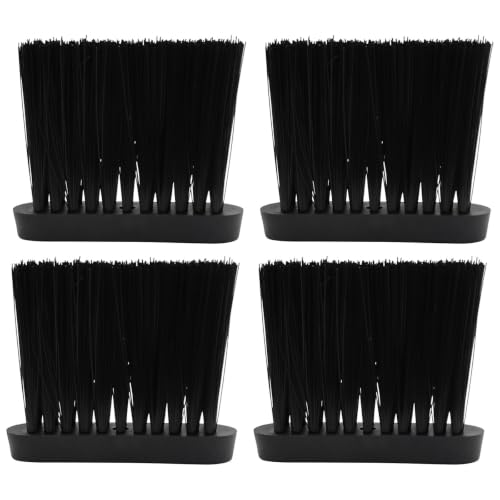
Fireplace Brush Replacement Head: Complete Buying Guide
Everything you need to know about choosing, sizing, and maintaining replacement brush heads for your fireplace and chimney cleaning tools
VIEW RECOMMENDATIONSQuick Answer: A fireplace brush replacement head is the bristled component that attaches to your cleaning handle or rod. Choosing the right replacement depends on three factors: bristle material (wire for masonry, poly for metal liners), brush diameter (matching your flue size), and thread compatibility (fitting your existing handle). This guide covers everything you need to make the right choice.
Why Replace Your Fireplace Brush Head Instead of the Entire Brush?
If you already own a quality fireplace brush handle or rod system, replacing just the brush head is a smart, economical choice. The handle and rods are typically durable and designed to last for years, while the bristles bear the brunt of the cleaning work and wear out faster. By purchasing only a fireplace brush replacement head, you extend the life of your existing tool set while maintaining optimal cleaning performance.
Regular fireplace maintenance is essential for safe operation, and a worn brush head can't effectively remove creosote buildup. Creosote is highly flammable and is a leading cause of chimney fires. When bristles become matted, bent, or begin falling out, your brush loses its ability to scrub chimney walls clean. Investing in a fresh replacement head ensures your cleaning routine remains effective season after season.
Another advantage of replacement heads is versatility. Many homeowners keep multiple brush heads on hand—a stiff wire brush for heavy creosote removal and a softer poly brush for finishing touches or for use on metal liners. This approach gives you professional-level cleaning flexibility without needing to purchase entirely separate brush assemblies.
Types of Fireplace Brush Replacement Heads
Not all brush heads are created equal. The right choice depends on your chimney material, the type of debris you're removing, and your specific fireplace type. Here's a breakdown of the main categories:
Wire Bristle Brush Heads
Wire brushes are the workhorses of chimney cleaning. They feature stiff metal bristles—typically steel or stainless steel—designed to aggressively scrub masonry surfaces. These are the go-to choice for brick and mortar chimneys where creosote and soot accumulate and harden. Wire bristle heads are available in various stiffness levels:
- Stiff wire: Best for heavy creosote removal on masonry chimneys. These aggressive brushes cut through glazed creosote effectively.
- Medium wire: A balanced option for routine cleaning and moderate buildup. Suitable for regular seasonal maintenance.
- Fine wire: Gentler option for lighter cleaning tasks or when you want to avoid excessive wear on older masonry.
It's important to note that wire brushes should never be used on stainless steel chimney liners. The metal bristles will scratch and damage the liner surface, potentially voiding warranties and creating corrosion points. For metal liners, always choose polypropylene.
Polypropylene Bristle Brush Heads
Polypropylene (often simply called "poly") brush heads feature synthetic bristles that are stiff enough to clean effectively but soft enough to avoid damaging metal surfaces. These are the required choice for:
- Stainless steel chimney liners
- Metal flue pipes
- Factory-built fireplaces with metal components
- Any application where scratching is a concern
Poly brushes are also popular for cleaning the firebox itself and for sweeping up ash and debris from the hearth area. While they may not cut through heavily glazed creosote as aggressively as wire brushes, they're essential for maintaining metal components. For more on cleaning different fireplace surfaces, see our guide on how to clean fireplace brick and stone.
Combination and Specialty Brush Heads
Some manufacturers offer hybrid designs that combine wire and poly bristles, or feature unique shapes for specific cleaning tasks. These include:
- Dual-action brushes: Feature both wire and poly bristles for versatility in mixed-material chimneys.
- Round vs. square brushes: Round brushes work best for circular flues, while square brushes fit square or rectangular chimney openings.
- Flat brushes: Designed for cleaning firebox floors and walls rather than round flues.
How to Choose the Right Size Replacement Head
Getting the size right is critical. A brush head that's too small won't make proper contact with chimney walls, leaving dangerous deposits behind. A brush that's too large may get stuck or damage the flue. Here's how to determine the correct size:
Measuring Your Chimney or Flue
For chimney cleaning, the brush head should be approximately 1 to 2 inches larger than the inside diameter of your flue. This allows the bristles to make firm contact with all surfaces while still allowing the brush to move freely up and down. To measure:
- Access your flue from the top (roof) or through the firebox.
- Use a tape measure to determine the inside dimensions.
- For round flues, measure the diameter. For square or rectangular flues, measure both dimensions.
- Add 1-2 inches to determine your ideal brush size.
Common residential flue sizes include 6-inch, 8-inch, 10-inch, and 12-inch diameters. Square flues are often measured by their diagonal to determine the appropriate round brush size.
Thread and Connection Compatibility
Replacement heads attach to handles or rods via threaded connections. The most common thread types are:
- 1/4-inch NPT (National Pipe Thread): The most common size for residential chimney brushes.
- 3/8-inch NPT: Used for larger, heavier-duty brush systems.
- Proprietary connections: Some manufacturers use unique threading that requires their specific replacement heads.
Before ordering, verify the thread size of your existing handle. If you're unsure, you can measure the threaded portion with calipers or take your handle to a local fireplace supply store for identification. Many online retailers also list compatible handle brands and models in their product descriptions.
Understanding Quality Tiers in Replacement Brush Heads
Fireplace brush replacement heads are available across a range of quality tiers. Understanding these differences helps you make an informed decision based on your cleaning frequency and chimney type:
Entry-Level Replacement Heads
These budget-friendly options typically feature basic wire or poly bristles with simpler manufacturing. They're suitable for occasional use—perhaps once or twice per heating season—and work well for light cleaning tasks. Entry-level heads may have shorter bristle life and less uniform bristle distribution, but they can be perfectly adequate for homeowners who clean their own fireplaces infrequently.
Mid-Range Replacement Heads
Mid-tier replacement heads offer noticeable improvements in bristle quality, density, and attachment design. The wire used is often more durable, and poly bristles are stiffer and more resistant to fraying. These heads are ideal for homeowners who perform regular seasonal cleaning and want a reliable tool that will last multiple seasons. The threaded connections on mid-range heads tend to be more precisely machined, ensuring a secure fit that won't loosen during use.
Premium and Professional-Grade Heads
Top-tier replacement heads are designed for professional chimney sweeps and serious DIYers who demand maximum performance and longevity. These feature:
- High-carbon steel or stainless steel wire that maintains stiffness longer
- Dense bristle packing for more effective cleaning in fewer passes
- Precision-machined threads for secure attachment
- Reinforced center hubs that resist deformation under pressure
- Options for specialized bristle configurations
While premium heads require a larger initial investment, their extended lifespan and superior cleaning performance often make them the more economical choice over time for frequent users.
Compatibility: Will a Replacement Head Fit Your Existing Brush?
One of the most common questions about fireplace brush replacement heads is compatibility. Here's what you need to know:
Matching Brand and Model
The simplest path to compatibility is purchasing a replacement head from the same manufacturer as your existing brush system. Most major brands—including those commonly found on Amazon and at fireplace retailers—offer replacement heads designed specifically for their handles and rods. Check your handle for brand markings or model numbers, then search for the corresponding replacement head.
Universal Fit Options
If you can't identify your brush brand or the manufacturer no longer offers replacements, universal-fit options exist. These typically include adapters or adjustable threading to accommodate multiple handle types. However, universal heads may not fit as securely as brand-specific replacements, so use caution and test the connection before extended use.
DIY Adapters and Modifications
For the handy homeowner, it's sometimes possible to adapt a replacement head to fit a different handle using threaded adapters available at hardware stores. This approach requires knowing the thread specifications of both components. While it can work, it's generally recommended to stick with matched components for safety and reliability.
Extending the Life of Your Fireplace Brush Replacement Head
Once you've invested in a quality replacement head, proper care will maximize its lifespan:
- Clean after each use: Remove ash and debris from bristles before storage. A quick tap or brush-off prevents buildup that can mat bristles.
- Store properly: Hang your brush or store it in a dry location. Moisture can cause wire bristles to rust and poly bristles to degrade.
- Avoid excessive force: Let the brush do the work. Pushing too hard can bend bristles and stress the connection point.
- Inspect regularly: Check for bent, broken, or missing bristles. A damaged brush head won't clean effectively and may scratch surfaces.
- Rotate between heads: If you have multiple brush heads, rotating them extends the life of each individual head.
For a complete seasonal maintenance routine, see our seasonal fireplace maintenance checklist and fireplace maintenance schedule.
Signs It's Time to Replace Your Brush Head
Knowing when to replace your fireplace brush head prevents ineffective cleaning and potential chimney hazards:
- Bent or matted bristles: Bristles that no longer stand straight can't make proper contact with chimney walls.
- Missing bristles: Gaps in the bristle pattern mean uneven cleaning and potential scratching from exposed wire ends.
- Rust or corrosion: Rusty wire bristles are weak and prone to breaking off inside your chimney.
- Loose or wobbly connection: A replacement head that doesn't thread securely can detach during use—a serious safety hazard.
- Visible wear on the hub: Cracks or deformation in the center hub indicate structural weakness.
As a general rule, inspect your brush head before each cleaning session and replace it when you notice significant wear. For professional chimney cleaning services, see our guide on when to call a chimney sweep.
Frequently Asked Questions
How do I know which fireplace brush replacement head fits my brush?
Check the thread size and diameter of your existing brush handle. Most fireplace brushes use standard threaded connections, but sizes vary. Measure the diameter of your chimney flue or firebox opening to determine the correct brush head size. Common sizes range from 6 to 12 inches for residential fireplaces.
What is the difference between wire and polypropylene fireplace brush heads?
Wire bristle brush heads are designed for masonry chimneys and heavy creosote removal. Polypropylene brush heads are better suited for metal flue liners and stainless steel chimneys because they won't scratch or damage the metal surface. Choose based on your chimney material.
When should I replace my fireplace brush head?
Replace your fireplace brush head when bristles become bent, matted, or start falling out. A worn brush head won't clean effectively and may leave dangerous creosote deposits behind. Most professionals recommend inspection after every few cleaning sessions.
Can I use a fireplace brush replacement head for both chimney and firebox cleaning?
Yes, but you may need different sizes. Chimney brushes typically have larger diameters to match flue dimensions, while firebox brushes are often smaller and may have shorter handles for easier access. Many replacement heads are interchangeable with the same handle system.
Are universal fireplace brush replacement heads available?
Some manufacturers offer universal replacement heads with adjustable adapters to fit multiple handle types. However, for the best fit and performance, matching the replacement head to your existing brush system's brand and thread size is recommended.
Final Thoughts on Choosing a Replacement Brush Head
Selecting the right fireplace brush replacement head comes down to three key factors: matching the bristle material to your chimney type, choosing the correct diameter for your flue, and ensuring thread compatibility with your existing handle. By making informed choices, you'll maintain an effective cleaning routine that protects your home from creosote-related hazards.
Remember that regular cleaning is just one part of responsible fireplace ownership. Complement your brushing routine with annual fireplace inspections and address any issues promptly. Whether you're maintaining a wood-burning fireplace or simply keeping your fireplace accessories in top condition, quality tools make the job easier and safer.
Ready to find the right replacement head for your setup? Check out our recommended options below.