
Fireplace Troubleshooting: Expert Solutions for Common Problems
Is your fireplace giving you trouble? From gas ignition failures to electric heating faults and smoke-filled rooms, we'll help you diagnose and fix the most frustrating fireplace issues safely and efficiently.
START DIAGNOSINGBefore You Panic: A Systematic Approach
A malfunctioning fireplace can be stressful, especially during cold weather. However, many common problems have simple DIY solutions that don't require an expensive service call. Whether you have a gas fireplace with a stubborn pilot light, an electric unit that won't heat, or a wood-burning hearth that fills your room with smoke, this guide breaks down the symptoms, causes, and step-by-step fixes. Always prioritize safety: if you smell a strong gas odor or suspect a leak, evacuate immediately and contact your utility provider.
- Identify the Symptom: Is it a flame issue, a heating failure, a strange noise, or a smoke problem?
- Check Power & Fuel: Ensure the unit is plugged in, the circuit breaker hasn't tripped, and the gas valve or fuel supply is active.
- Consult the Manual: Your owner's manual often has a specific error code guide. Keep it handy.
- Know Your Limits: For complex gas valve repairs or major electrical work, call a certified technician.
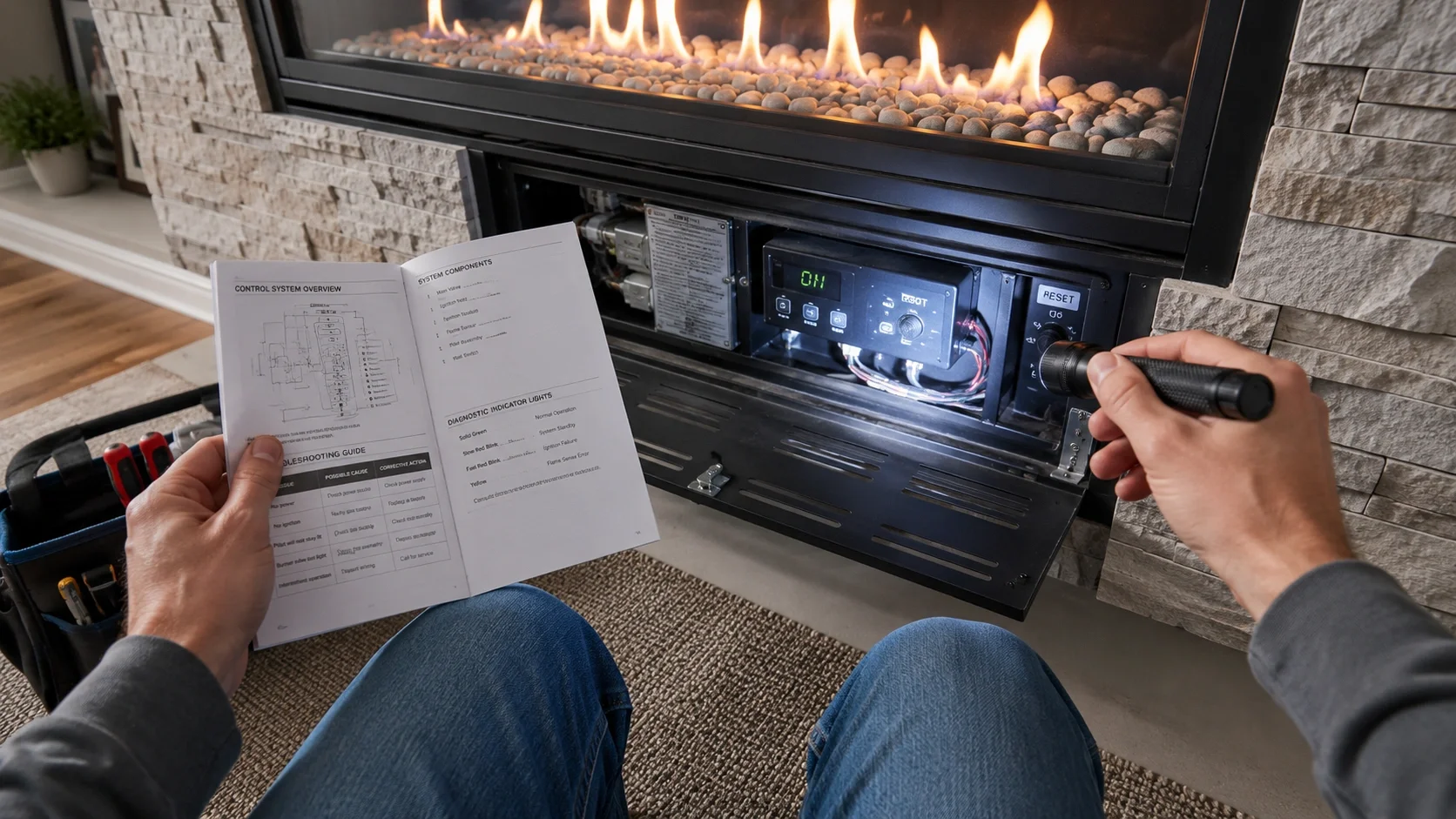
Gas Fireplace Troubleshooting

Pilot Light Keeps Going Out
A pilot light that won't stay lit is often caused by a dirty or failing thermocouple. This safety device senses heat from the pilot flame; if it cools down, it shuts off the gas. Other culprits include a draft blowing the flame out or a clogged pilot tube.
DIY Fix: Gently clean the thermocouple tip with fine-grit sandpaper to remove soot buildup. Ensure the pilot flame is blue and strong—a weak yellow flame needs the tube cleaned. For persistent issues, a thermocouple replacement costing $15–$30 is a common fix.

Weak or Yellow Flame
A lazy, orange flame indicates incomplete combustion, usually from dirty burner ports or a lack of oxygen. This reduces heat output and can create soot buildup. If you notice a weak flame condition, it's critical to address it quickly.
DIY Fix: Turn off the gas, remove the burner assembly, and gently brush the ports with a stiff brush. Vacuum any debris from the burner area. Also, check that the air shutter is correctly adjusted to mix fuel with air. A proper flame should be blue with yellow tips.
Symptom: Gas Fireplace Won't Light at All
If your gas fireplace won't light, the sequence of problems is typically electrical. Check your breaker panel first. Then inspect the wall switch or remote control batteries. A common failure point on many millivolt systems is the wall switch wire connection. If you smell gas but it won't ignite, the igniter may be covered in debris. Find a full step-by-step diagnosis on our gas fireplace won't light guide. Note: If your unit uses an IntelliFire or IPI system, the control board may need a reset.
Electric Fireplace Troubleshooting

Flame Works, But No Heat
This is the most common electric fireplace complaint. The flame effect operates independently from the heating element. If you have lights but no heat, the thermal cut-off switch may have tripped due to overheating, or the heating element itself has burned out.
DIY Fix: Unplug the unit for 30 minutes to reset the thermal overload protector. Ensure the air intake and outlet vents are completely free of dust and pet hair. If it still doesn't heat, you likely need to replace the blower/heater assembly, which ranges from $60–$120 for parts.
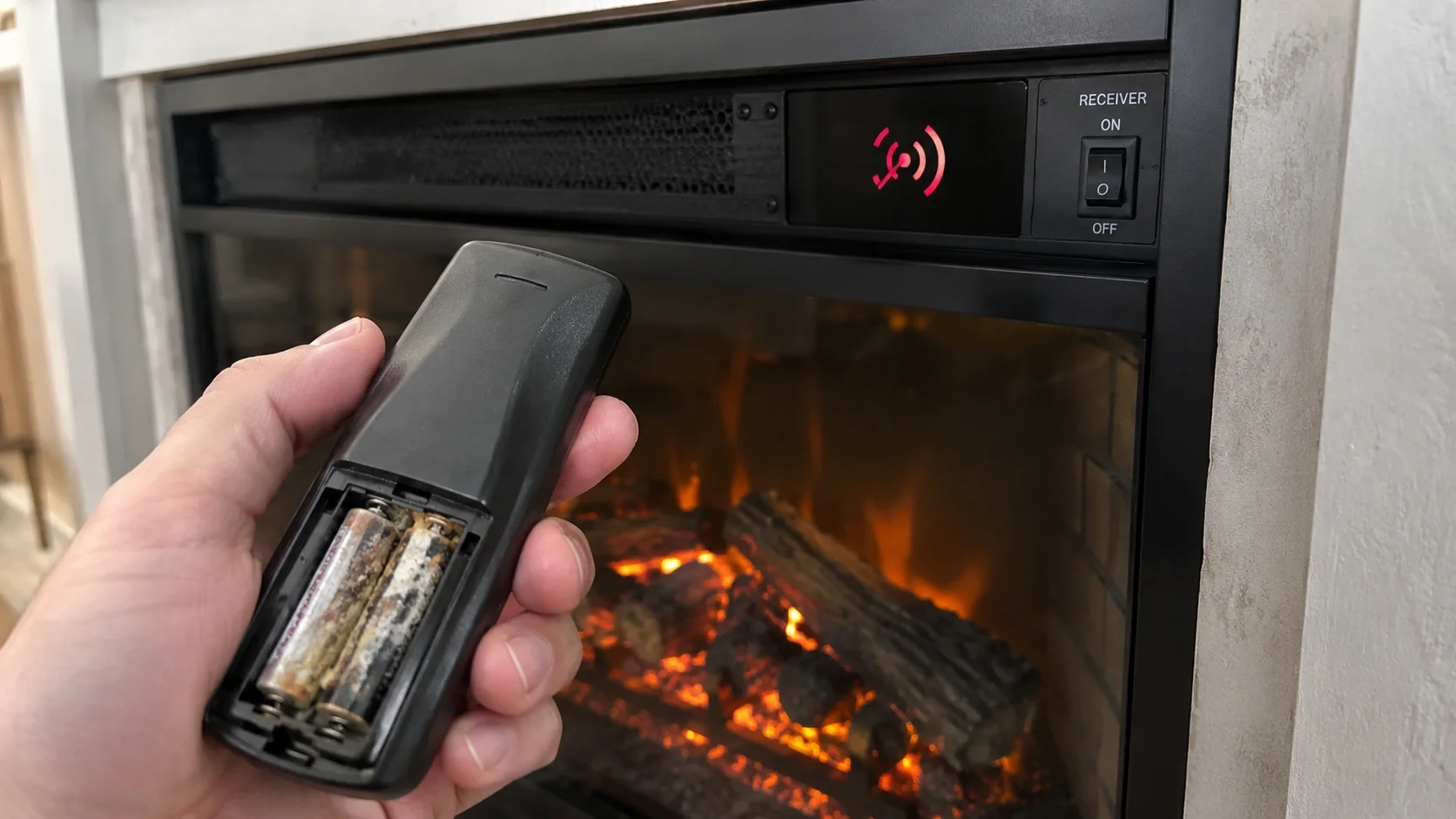
Remote Control or Panel Malfunction
If the manual controls on the unit work but the remote doesn't, the issue is usually simple. Start with fresh batteries in the remote. Many units also have a small "remote" receiver switch on the fireplace control panel that may have been accidentally turned off during cleaning.
DIY Fix: Sync the remote and receiver according to the manual. If the remote is damaged, you can find a replacement remote control specific to your model. For phone app control, try upgrading to a smart Wi-Fi controller for more reliable connectivity.
Wood-Burning Fireplace Troubleshooting
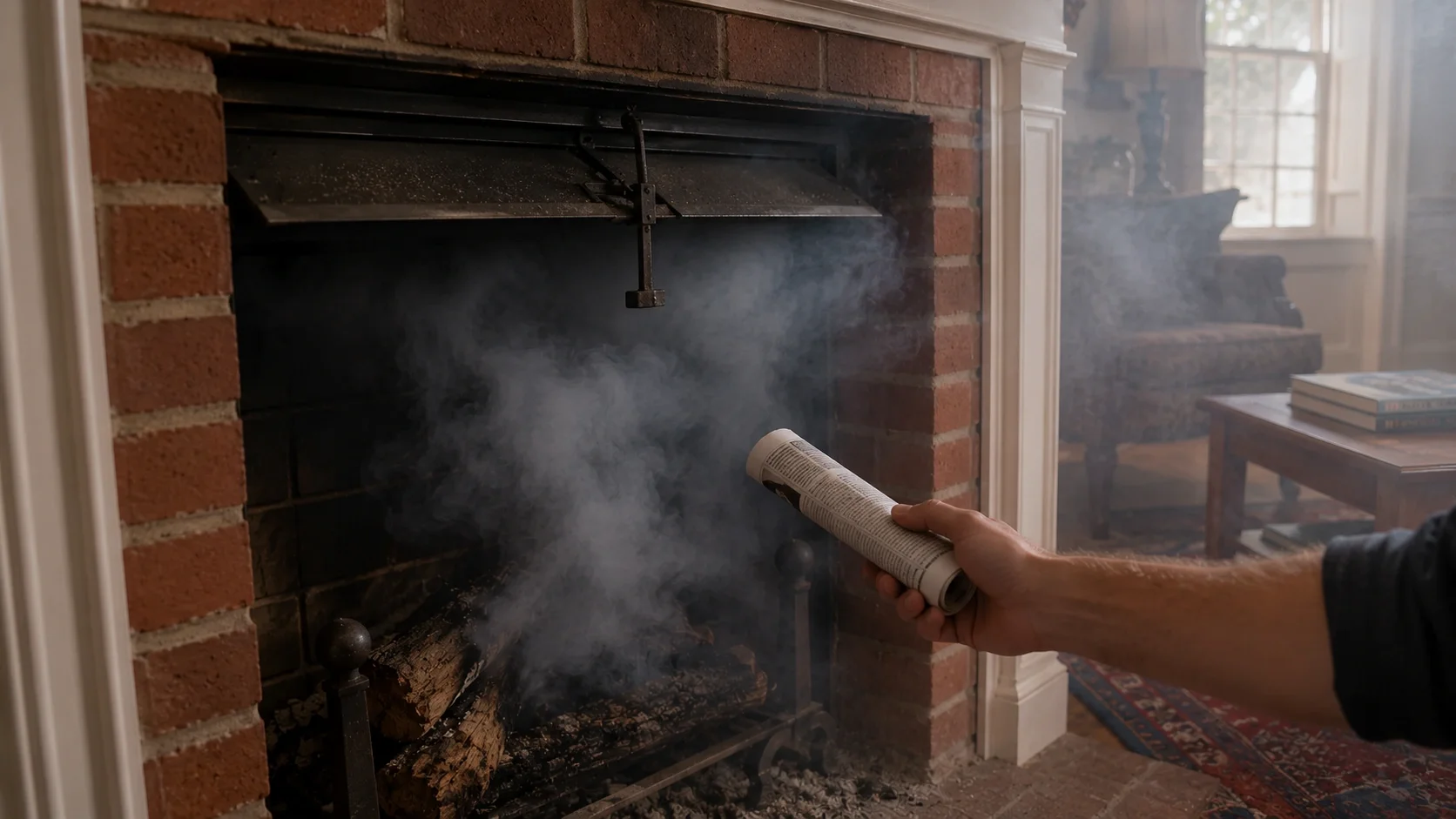
Smoke Coming Into the Room
A smoky fireplace is usually a simple airflow problem. The most common cause is a cold chimney. Warm air needs to rise up the flue, but a column of cold, dense air blocks the draft. Other causes include a closed damper, wet wood, or insufficient air in the house for combustion.
DIY Fix: "Prime" the flue by lighting a rolled-up newspaper and holding it near the open damper for a minute to warm the chimney. Also, check our guide on how to stop cold air from coming down your chimney. Using seasoned hardwood with a moisture content below 20% is essential.
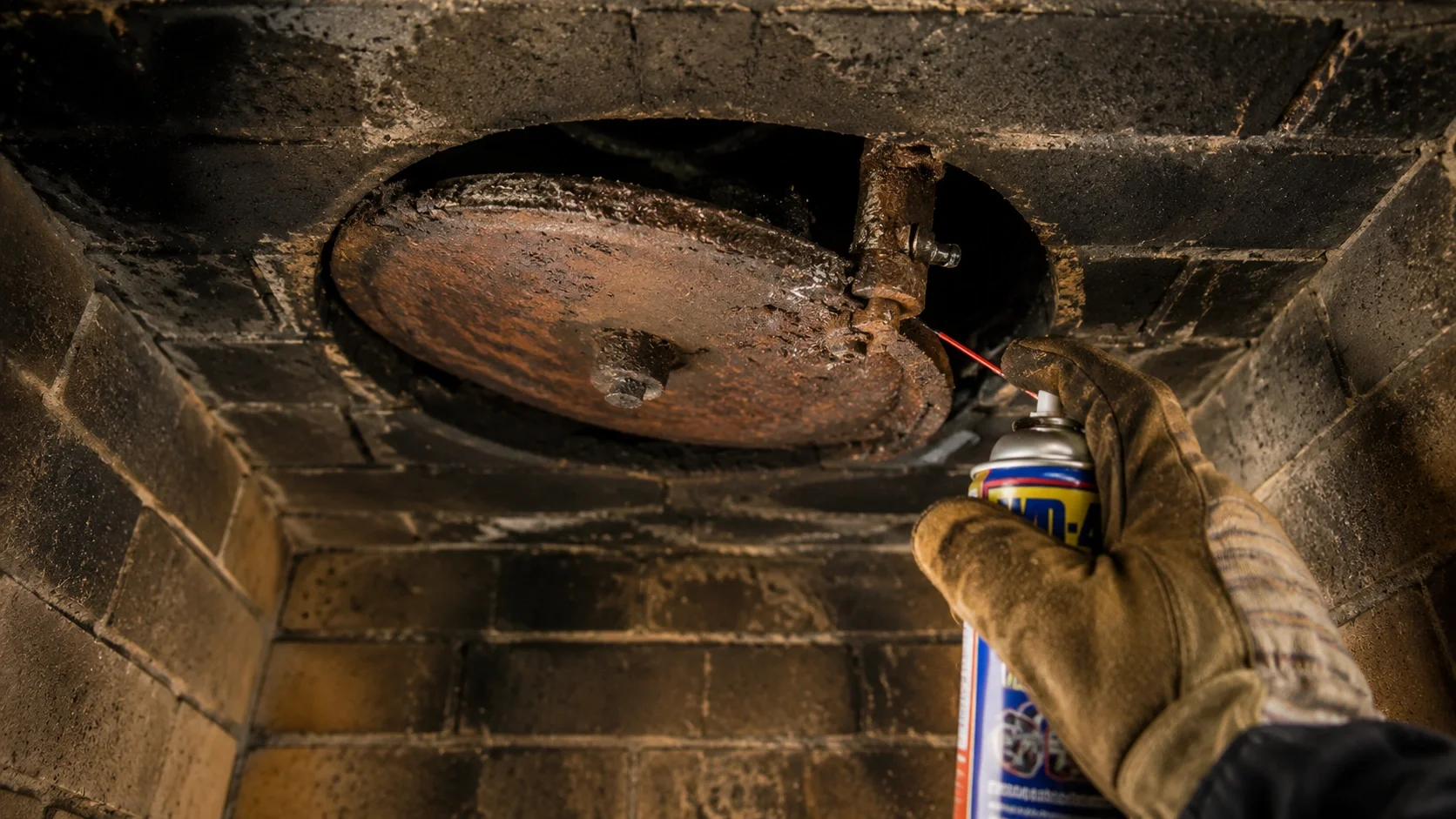
Damper Stuck or Not Sealing
A stubborn damper is a sign of rust and creosote buildup. A damper that won't open fully creates smoke issues; one that won't close fully sends your heating dollars up the chimney year-round. You can often fix a stuck fireplace damper without calling a professional.
DIY Fix: Apply a high-temperature penetrating oil (not WD-40) to the hinge joints and work the handle gently back and forth. Never force it—cast iron can crack. If rust is severe, wire-brush the mechanism. For a permanent sealing solution, consider a top-sealing damper or a fireplace inflatable draft stopper.
General Fireplace Problems & Noises
Symptom: Strange Noises
A fireplace making noise can be alarming. A clicking sound in a gas unit usually means the igniter is sparking but the gas isn't flowing. A humming or vibrating noise in an electric model is often a loose panel or debris touching the blower fan. For wood fireplaces, pinging or ticking is just the sound of metal expanding and contracting with heat—harmless, but startling.
Symptom: Unpleasant Odors
A gas smell when the fireplace is off is a serious leak; evacuate immediately. However, a dusty smell when you first turn on the heat after summer is normal—it's just burning dust. A musty smell in a wood fireplace indicates moisture and creosote, especially in humid months. Have the chimney swept and inspect the cap.
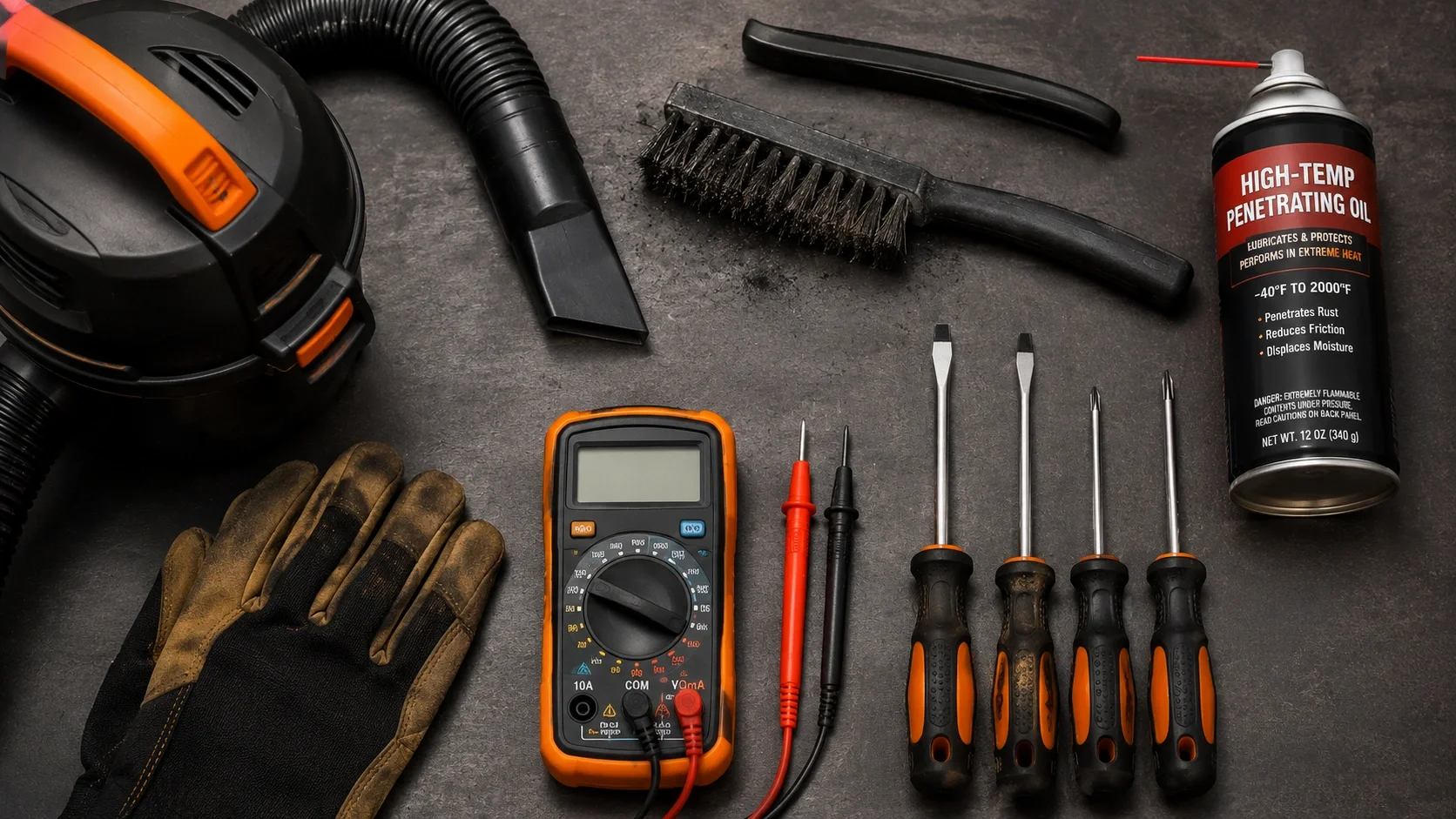
Having a basic maintenance kit can solve 80% of common fireplace issues at home.
When to Call a Certified Professional
While DIY fixes are satisfying, some problems require expert intervention. If you encounter any of these warning signs, schedule a professional service visit immediately:
- Persistent Gas Odor: Even a faint smell that doesn't dissipate can indicate a cracked gas line or a leaking valve.
- Carbon Monoxide Detector Alarm: Never ignore this. Evacuate and call 911. Learn the signs of carbon monoxide poisoning.
- Large Cracks in the Firebox or Chimney: These can release heat and gases into wall cavities, posing a serious fire hazard.
- Significant Soot Buildup Inside the Home: This suggests a severe drafting or venting failure.


